REVIEW · TOKYO
Traditional Antiques Market Tour Tokyo
Book on Viator →Operated by Sayuki · Bookable on Viator
Tokyo antiques get easier with a fixer.
This Traditional Antiques Market Tour Tokyo pairs you with Sayuki, a geisha guide, so you’re not just wandering stalls—you’re getting help spotting Japanese curios and negotiating like you know what you’re doing. I like that the focus stays practical: you hunt for gift-worthy items at flea markets near shrines, with the goal of fair prices.
My other favorite part is the bargaining support. The tour’s built around the idea that your guide can help you haggle and aim for a better deal, which matters in markets where a calm, local presence can change the whole exchange. One consideration: there’s at least one reported problem where the market wasn’t operating on the scheduled day, and contact with the operator didn’t get results fast—so it’s worth staying alert about your exact date.
In This Review
- Key points before you go
- Meeting at Tomioka Hachiman Shrine: the tone of the tour
- Sayuki’s role: buying with a guide, not just a map
- The market time: what you’re really shopping for
- How the itinerary plays out (and why it works)
- Bargaining help: what you should expect during haggling
- Walking comfort and group size: small details that matter
- Price and value: $170.60 per group isn’t just a number
- Timing: why booking about 112 days ahead matters
- A real-world warning: market schedules can go sideways
- Who this tour is for (and who should skip it)
- What to bring: the simple shopping kit
- Should you book the Traditional Antiques Market Tour Tokyo?
- FAQ
- FAQ
- What is the duration of the Traditional Antiques Market Tour Tokyo?
- How much does the tour cost?
- What time does the tour start, and where do I meet?
- Is there a mobile ticket?
- Does the tour include admission to the market?
- What’s included in the tour besides the guide?
- Are there market entry fees?
- How big is the group?
- Is it refundable if something goes wrong?
Key points before you go
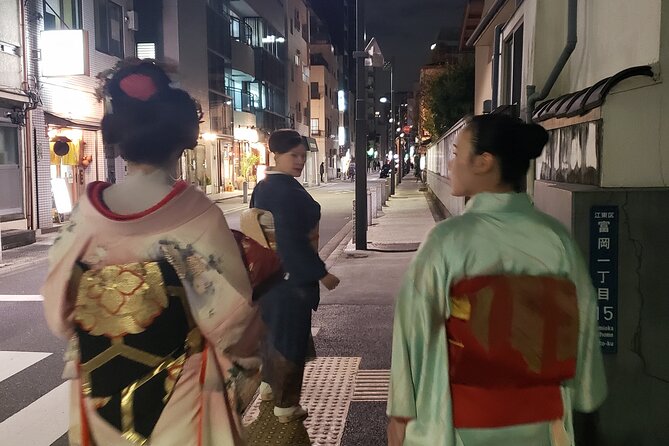
- Sayuki as your geisha guide: a local face who can steer you toward worthwhile stalls
- Bargaining help included: you’re meant to haggle with confidence, not guess at prices
- Shrine-side markets: the shopping happens around traditional spaces, not a generic mall
- Right items to shop for: expect things like kimono-related goods, samurai-themed pieces, and souvenir-style collectibles
- Small-group feel: max 20 travelers, so it’s easier to keep up on short hops
- Short time window (2–3 hours): good if you want market shopping without a full day commitment
Meeting at Tomioka Hachiman Shrine: the tone of the tour
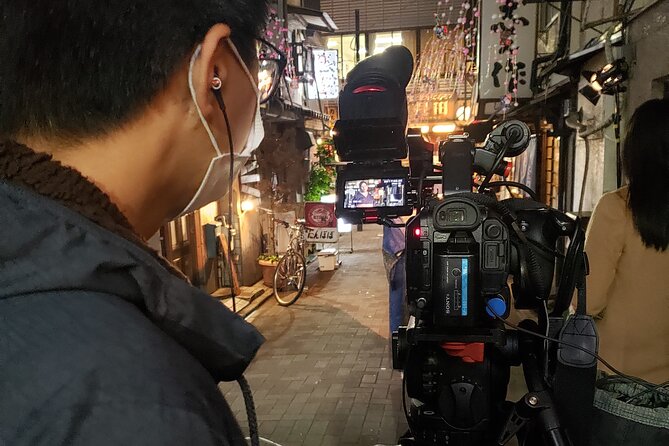
You start at Tomioka Hachiman Shrine in Koto City, with the tour beginning at 9:00 am. Meeting at a shrine sets the right vibe. You’re not walking into a tourist market maze—you’re stepping into a traditional Tokyo setting where outdoor stalls and temple-area commerce have a long rhythm.
This matters because your time is short. With a typical 2 to 3 hours tour length, you want the first stop to be useful, not just scenic. Starting at Tomioka Hachiman Shrine also gives you a clear landmark in a city where addresses can turn into a mini puzzle.
You can also read our reviews of more shopping tours in Tokyo



Sayuki’s role: buying with a guide, not just a map
A big reason to book this Tokyo antique market tour is simple: Sayuki handles the human side of shopping. The tour is described as being led by a geisha guide who may even be an apprentice geisha, and that’s not just “cool flavor.” It’s a practical advantage in markets where your biggest challenges are language, price guessing, and knowing what’s actually worth your money.
The tour includes bargaining support, with the stated promise that your guide can bargain for you and help you save. In real life, that usually means you spend less time stuck on confusing offers and more time focusing on the items you actually want—like kimono robes or other traditional wares.
One small mental shift: treat this tour as shopping with a translator and negotiator, not a sightseeing lecture. You’ll get cultural context, but the core goal is to help you leave with good finds at fair prices.
The market time: what you’re really shopping for
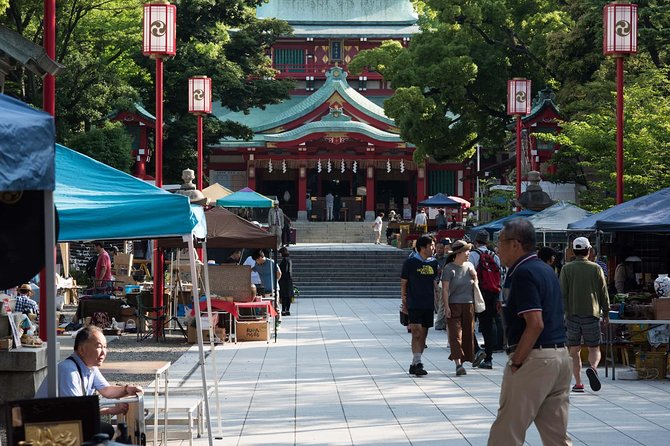
This tour is built around flea markets and stalls outside shrines. That’s a key detail, because it changes what you’ll see. Shrine-area shopping tends to lean toward personal, giftable items—things you can take home without needing special planning.
Based on what the tour describes, keep an eye out for traditional souvenirs and collectibles such as samurai-themed pieces and geisha-style items (including novelty items like geisha pillows). The tour also calls out kimono-related shopping, including kimono robes, which is one of the most satisfying categories to buy on a short market run—because the selection is visual and you can compare fabrics and styles quickly.
Also, think about what you want the items to do for you. Are you buying something wearable (kimono robes or robe-like items), something decorative, or something that’s purely for the memory? If you go in with categories, you’ll shop faster and feel less rushed.
How the itinerary plays out (and why it works)
The itinerary is compact. The tour’s main stop focuses on an outdoor shrine market where antiques and collectibles are sold. The time listed for that stop is about two hours, which aligns with the tour’s overall duration.
Why that short format is a plus: you’re not trapped in a long route where the best stalls might be at the end. Instead, you start in a market environment right away, and the guide can steer you to the more worthwhile spots without you wasting time on dead ends.
Potential drawback: because the tour is short, you’ll want to be decisive. If you spot an item you genuinely like, use the bargaining time. If you keep saying maybe, you can run out of tour window before you make the final decision.
Bargaining help: what you should expect during haggling
The tour’s stated included feature is that your guide will bargain for you. Translation: you’re not expected to do the heavy lifting. You’ll still need to participate—choosing items, confirming preferences, and agreeing on what feels fair—but you’re better positioned to negotiate without getting stuck in awkward back-and-forth.
Here’s how to make bargaining more effective, even with a guide:
- Decide your “yes” and your “no” range before you start. If you know you won’t pay more than a certain amount, you’ll feel calmer in negotiations.
- Prioritize quality over novelty. Many markets have a mix of serious antiques and souvenir-style pieces. If you want something that lasts, look closely.
- Ask for the best price once you’ve signaled you’re ready to buy. In markets, people often expect you to browse longer before they quote their lowest.
Also, note the tour says you should be able to buy authentic Japanese items, and you’ll be guided to good stalls. With that in mind, treat bargaining as part of the process, not as a separate event you can only do at the end.
You can also read our reviews of more tours and experiences in Tokyo




Walking comfort and group size: small details that matter
You’re told to wear comfortable walking shoes, and I agree. Even if the itinerary sounds short, shrine-side markets tend to mean uneven pavement, short distances between clusters, and frequent stops to look closely.
The tour group has a maximum of 20 travelers, which keeps things social but not too crowded. Still, with 20 people, you won’t always have free reign to linger at every stall. The guide can help you move efficiently, but you should plan to shop with some focus.
If you’re easily slowed down by lots of people or lots of sensory input, arrive ready to move. This tour is better as a shopping sprint than a slow stroll.
Price and value: $170.60 per group isn’t just a number
The price is $170.60 per group, for up to 4 people. That’s not per person pricing, so your “real cost” depends on who you’re traveling with. If you’re a solo traveler, it might feel like a pricey way to spend a morning. If you’re two, three, or four people, it can start to look more reasonable because you’re splitting the guide and bargaining support.
Here’s the value logic I’d use:
- You’re paying for someone to guide you through markets and help you negotiate.
- You’re also paying for time—a 2–3 hour structure that focuses on buying rather than wandering aimlessly.
- The tour includes bargaining support, and the shrine-market admission is listed as included for the main stop.
What about the “No fees” detail? The info states that there are no market entry fees to worry about. That’s helpful because you won’t need to factor in extra small payments just to access stalls.
In short: this tour makes the most sense when you want help buying and you’re traveling with at least one other person you trust to shop together.
Timing: why booking about 112 days ahead matters
The tour is noted as being booked on average about 112 days in advance. That suggests demand is steady, or at least that popular dates can sell out.
If you’re going during a peak travel window or right around major holidays, booking earlier can reduce stress. And if you’re a careful planner, having the date locked in also helps you coordinate shopping with the rest of your Tokyo schedule.
A real-world warning: market schedules can go sideways
Here’s the concern you shouldn’t ignore. One review raised a serious issue: the antique market was listed as happening during the trip’s week, but when the group arrived at the temple, there was no market. They also described trouble contacting the tour operator and ultimately received a refund through Viator support.
I can’t label this as the norm based on the limited info you’ve shared, and the overall rating is 3/5 from 4 reviews—so you’re not dealing with a flood of similar complaints. But the lesson is clear for you: treat your date like it matters.
Practical advice before you go:
- Double-check your exact date and start time.
- Plan the rest of your day with a bit of flexibility, just in case the morning doesn’t unfold as expected.
- If you’re traveling far to attend a specific market, be mentally prepared for disappointment and know where you’ll seek help fast.
Who this tour is for (and who should skip it)
This is a good fit if you:
- Want to buy Japanese antiques or traditional souvenirs and would rather not bargain alone
- Prefer short, focused market shopping rather than a half-day of lectures
- Like the idea of shopping around shrines, not just “market halls”
- Travel in a small group (since the price is per group up to 4)
You might skip it if you:
- Hate the idea of a structured tour timeline (you’d rather browse freely)
- Are very price-agnostic and don’t care about negotiation
- Have zero tolerance for date-based uncertainty in outdoor market conditions
If you’re shopping with a friend or family member, you’ll likely get the most value by agreeing on what you’re hunting for before you arrive.
What to bring: the simple shopping kit
This tour doesn’t list special gear, but your shopping comfort will be better with a few basics:
- Comfortable shoes (you’re walking)
- A plan for carrying purchases (market items can be bulky)
- A short list of what you want (for example, kimono robes vs. samurai-themed souvenirs)
- Patience for bargaining and small back-and-forth
Since the tour uses a mobile ticket, have your phone charged and ready at meeting time.
Should you book the Traditional Antiques Market Tour Tokyo?
I’d book it if you want a guided, bargaining-supported antique hunt around shrine-side markets and you’ll be traveling with up to three other people. The promise is straightforward: you get help picking items and bargaining fairly, within a short morning window.
I would not book it blindly if outdoor market schedules could derail your trip. There’s enough concern from one account to justify caution. If you’re flexible with your plans and you’re comfortable treating it as a shopping-focused experience, it can be a memorable Tokyo morning—especially with Sayuki helping you navigate the market details and price conversations.
FAQ
FAQ
What is the duration of the Traditional Antiques Market Tour Tokyo?
It’s listed as about 2 to 3 hours.
How much does the tour cost?
The price is $170.60 per group, up to 4 people.
What time does the tour start, and where do I meet?
The tour starts at 9:00 am at Tomioka Hachiman Shrine (1-chōme-20-3 Tomioka, Koto City, Tokyo 135-0047, Japan).
Is there a mobile ticket?
Yes. The tour features a mobile ticket.
Does the tour include admission to the market?
Admission is indicated as included for the main stop.
What’s included in the tour besides the guide?
The tour includes bargaining help, with the stated goal of helping you bargain and potentially save money.
Are there market entry fees?
The info states no fees to enter market, so you shouldn’t expect extra entry charges for the market itself.
How big is the group?
The tour has a maximum of 20 travelers.
Is it refundable if something goes wrong?
The experience is listed as non-refundable and cannot be changed for any reason.