REVIEW · TOKYO
Shibamata: Step Back into Old Japan!
Book on GetYourGuide →Operated by Wise Guides / Wise-Infinity inc. · Bookable on GetYourGuide
A quiet corner of Tokyo with real charm. This Shibamata walk takes you past the Futen Tora statues and into Taishakuten for intricate wood carvings, with an English guide keeping things unrushed.
I especially like the mix of tastes and calm time outside, with stops for grass dumplings and green tea. One heads-up: some shop payments may be cash-only, so bring some yen.
In This Review
- Key things I’d circle before you go
- Shibamata Feels Like Another Tokyo (In a Good Way)
- Meeting at Keisei Shibamata: Futen Tora and Sakura Statues
- Taishakuten Sandō Street Food and Guided Stroll Time
- What to do with the snack segment
- Taishakuten Temple and the Carving-First Experience
- Why this works for your photos and your understanding
- Tora-san Museum: The Character You Don’t Need to Know
- What you should expect at this stop
- Yamamoto-tei Tea Break and Scenic Garden Views
- Bring your patience for the tea rhythm
- Food You’ll Be Looking For: Grass Dumplings to Rice Crackers
- Cash helps here
- Price and Value: Is $90 Worth It?
- Who this price makes sense for
- Timing, Group Size, and Practical Tips for 3 Hours
- Practical tips that help immediately
- The Kind of Guide You’ll Get Here
- Should You Book This Shibamata Tour?
- FAQ
- How long is the Shibamata tour?
- Where do I meet the guide?
- Is the tour guided and in English?
- What is included in the ticket price?
- What food and drinks will I try?
- Do shops accept credit cards?
- Is there free cancellation?
Key things I’d circle before you go
- Taishakuten woodwork focus: you’ll spend real time looking, not just walking past.
- Small-group pacing (up to 5): easier questions, slower photos, less rushing.
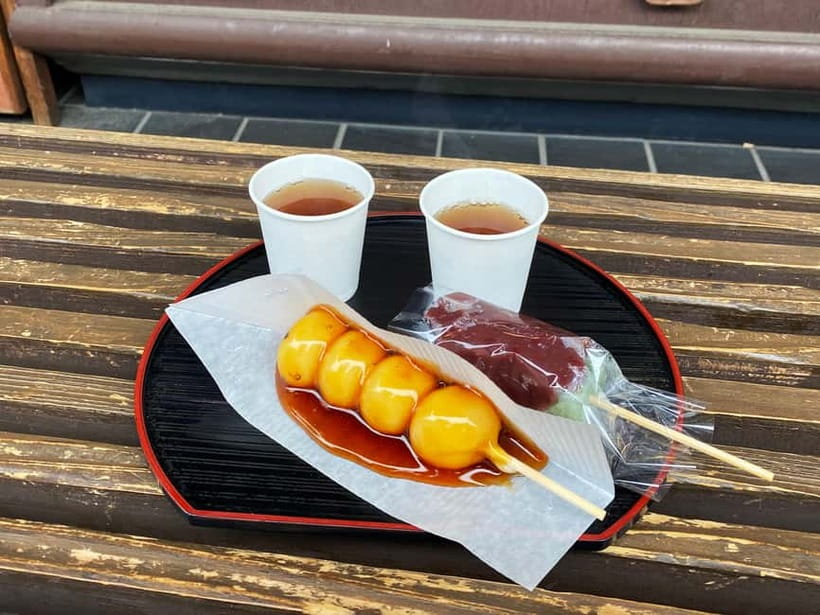
- Snack trail that feels local: grass dumplings, mitarashi dumplings, rice crackers, and Japanese-style omelets.
- Tora-san Memorial Hall included: even if you do not know the show, you still get the cultural context.
- Yamamoto-tei tea break: a proper pause with tea and garden views.
- English live guide: helpful explanations at the temple and museum stops.
Shibamata Feels Like Another Tokyo (In a Good Way)
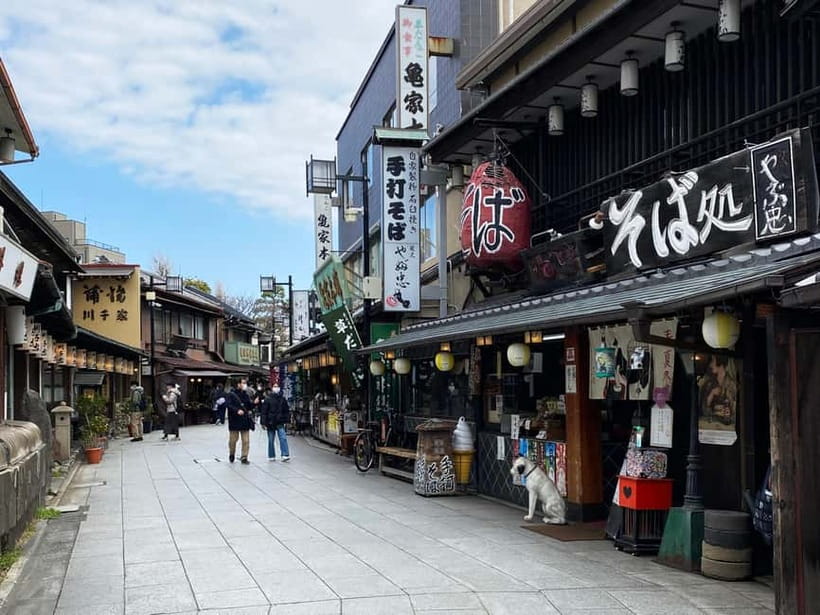
Shibamata is the kind of Tokyo area that makes you lower your voice and slow down without trying. This tour leans into that mood: you get a short, guided loop through temple, snack streets, and quiet gardens, all wrapped into about three hours.
What I like is the balance. You’re not stuck only indoors at a museum, and you’re not only chasing food. You get time for looking closely at traditional craftsmanship and then winding down with tea.
You can also read our reviews of more tours and experiences in Tokyo.



Meeting at Keisei Shibamata: Futen Tora and Sakura Statues
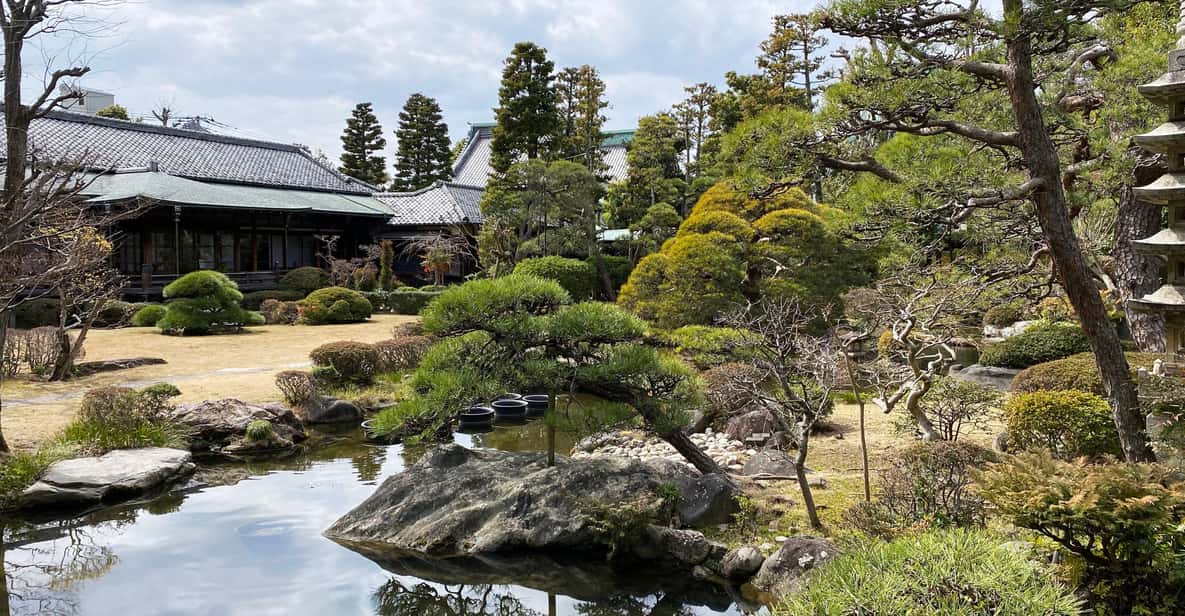
You start in front of the Tora-san statue area at Keisei Shibamata Station. The meeting point is specifically in front of the Tora-san statue, near the Futen Tora statue and Sakura statue—so you’re not left wandering for a random sign on a side street.
This part matters because Shibamata is easy to explore, but meeting points can still be confusing when you’re reading maps in a new neighborhood. Starting at a landmark statue makes it simple: you get your bearings fast, then your guide leads you into the quieter lanes.
Taishakuten Sandō Street Food and Guided Stroll Time
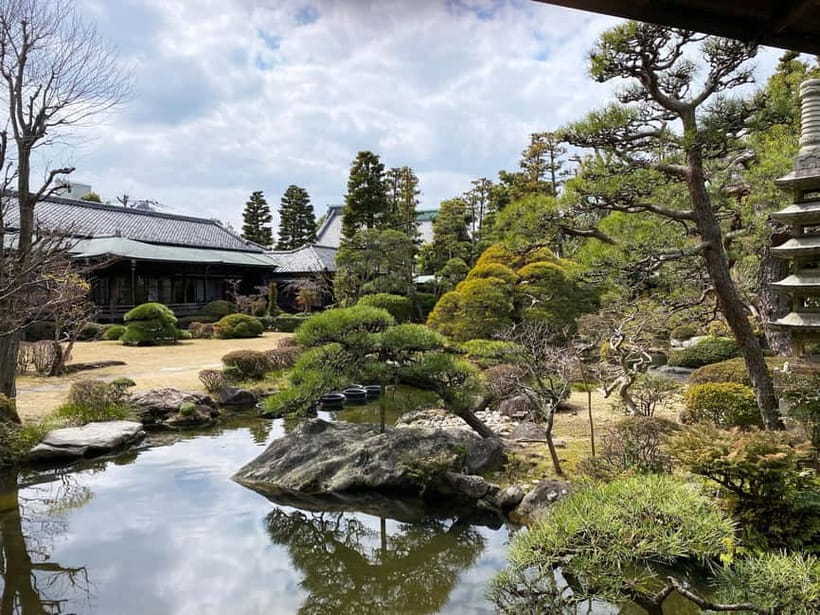
Your walk begins along the Taishakuten Sandō approach, where you get local snacks and a guided pass-through that’s designed for stopping. This is where you try the kind of treats you’re unlikely to pick on your own from a menu wall.
You’ll have time for street snacks during this early stretch, and you also get the benefit of someone translating what matters and where to look next. It keeps the walk friendly, even if you’re traveling solo or arriving without a plan for what to eat.
What to do with the snack segment
If you have a sensitive stomach or strong food preferences, this is the moment to be honest with your guide. A small group is also helpful here: you can ask questions before you commit.
Also, plan to keep your hands free. You’ll want to grab food, take a quick photo, then keep moving toward the temple area without juggling everything.
Taishakuten Temple and the Carving-First Experience
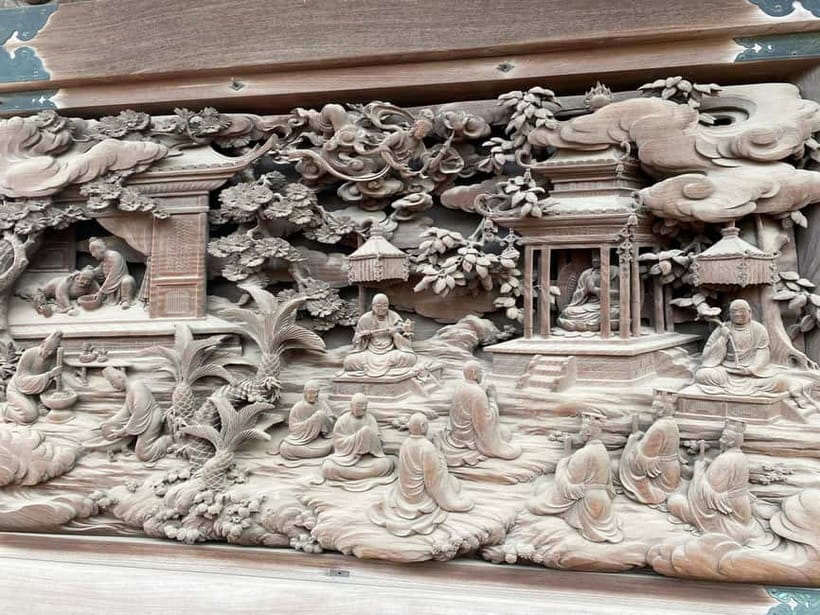
The big cultural stop is Shibamata Taishakuten Temple, with guided time for sightseeing and close viewing. The standout detail here is the intricate wood carvings and colorful decorations, which are the reason this temple is so memorable.
And importantly, the temple time isn’t just a single photo stop. You also get access related to the Sculpture Gallery & Garden at Taishakuten, which turns the visit into more than one room and a quick glance. Gardens and galleries give your eyes a break after the walking lanes and snack streets.






Why this works for your photos and your understanding
Wood carvings can look impressive but still feel like a blur if you’re sprinting. With a guide explaining what you’re looking at, you’re more likely to notice patterns, craftsmanship, and placement—stuff you’d otherwise miss while trying to capture everything at once.
If you like temples but hate crowds, Shibamata’s calmer tone helps. Reviews note this area often feels peaceful, and the small group size makes the experience easier to enjoy at a human pace.
Tora-san Museum: The Character You Don’t Need to Know
Next comes a stop at the Tora-san Memorial Hall. You’ll have a photo stop and guided time here, and the museum stop is included as part of the main flow.
Here’s the useful part: you do not need to be a fan to get something from it. One review specifically pointed out that even without knowing Tora-san, the museum visit still landed well. That tells me the museum works as a cultural window, not just fandom bait.
What you should expect at this stop
This is where your guide connects the neighborhood to the stories people associate with it. If you like explanation more than lecturing, this stop is set up for that tone—short enough to keep energy up, long enough to feel like you learned something.
Yamamoto-tei Tea Break and Scenic Garden Views
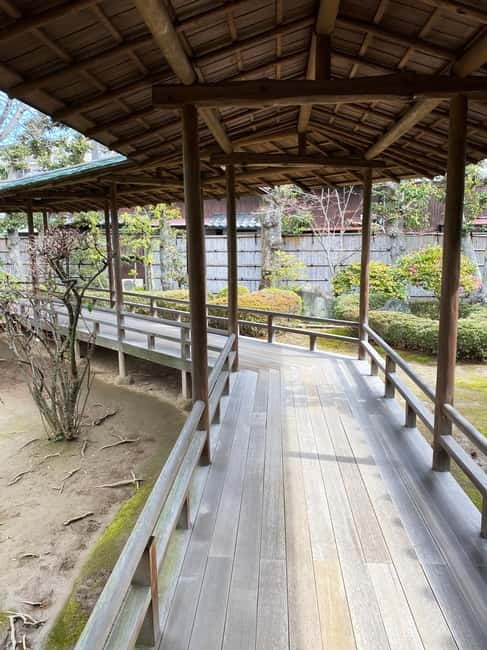
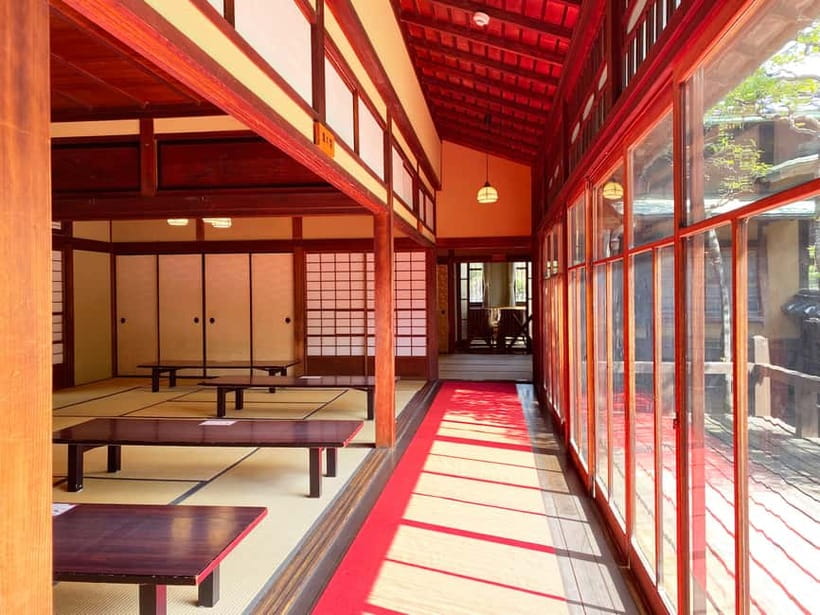
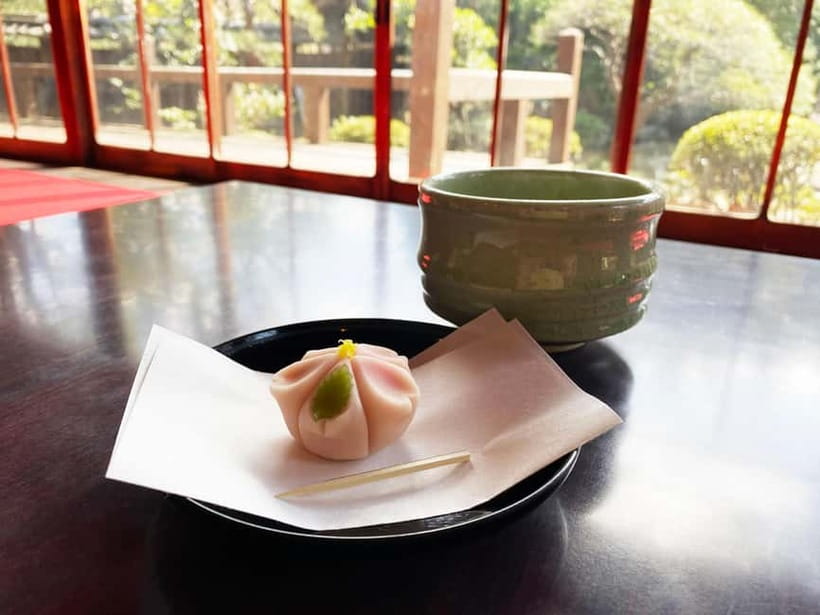
After the temple and museum, you get a break at Yamamoto-tei. This is not just a quick refresh; it’s part photo stop, part guided experience, with tea included and scenic views along the way.
This is the moment that turns the day from sightseeing into something you actually feel. You sit down, you slow your breathing, and the neighborhood calms even further.
Bring your patience for the tea rhythm
Tea breaks can feel small on paper, but in practice they’re the social reset of the tour. If you’re someone who gets tired of constant movement, this stop is worth showing up for.
One more note: refreshments are included at Yamamoto-tei, so this is also where the value shows up without you needing to calculate extra costs on the fly.
Food You’ll Be Looking For: Grass Dumplings to Rice Crackers
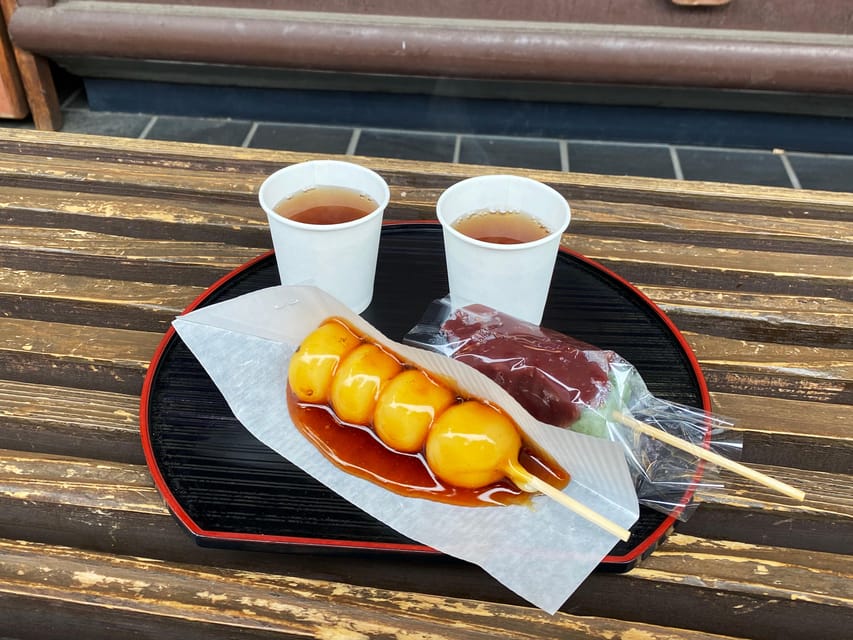
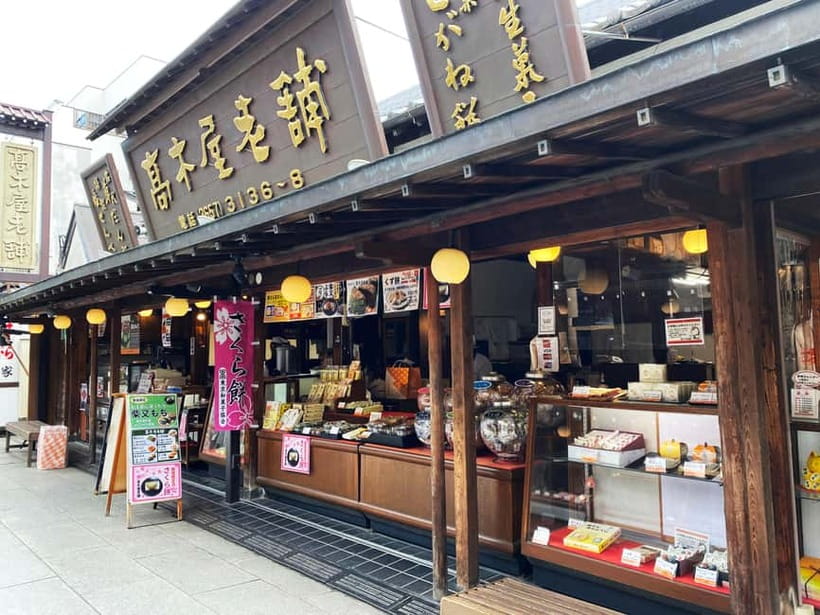
This tour is built around snacks that make Shibamata feel local, not touristy. You’ll try items like grass dumplings, mitarashi dumplings, rice crackers, and a savory Japanese-style omelet.
If you’re wondering what to do when everything sounds delicious, here’s my practical advice: let the guide recommend your order and pace. With a small group, you can usually get samples and still have enough time to walk, look, and ask questions.
Cash helps here
Because some shops may not accept cards, cash matters most during the snack moments. Don’t assume tap-to-pay will work everywhere in the area.
Price and Value: Is $90 Worth It?
The price is $90 per person for a three-hour small-group tour (limited to 5 participants). That’s not a budget picnic price, but it does look reasonable when you tally what’s included.
Included entry and access:
- Tora-san Memorial Hall
- Sculpture Gallery & Garden at Taishakuten
- Access to Yamamoto-tei
- Refreshments at Yamamoto-tei
You’re also paying for an English live guide, which is the real multiplier. Temple carvings and museum context are hard to appreciate fully without help, especially when you want to read what you’re looking at and not just take photos.
Who this price makes sense for
- You want a guided experience but do not want a long day.
- You care about temple details, not just checking boxes.
- You’d rather pay once than piece together separate entrances, tea, and a snack plan.
Timing, Group Size, and Practical Tips for 3 Hours
This tour runs about three hours, and it’s designed as a compact loop. The best way to enjoy it is to treat it like a guided neighborhood walk rather than a strict itinerary with zero flexibility.
Practical tips that help immediately
- Bring cash for snacks and any small purchases. Some shops may not take cards.
- Wear comfortable shoes. You’ll be walking between temple areas, snack lanes, and tea.
- Keep your pace steady. The tour is meant to feel calm, and stopping for photos is part of it.
- If you have weather concerns, dress in layers. Gardens and temples can feel different once you’re inside vs. outside.
Also, note that souvenir fees are not included, so if you plan to buy something, set aside a bit extra.
The Kind of Guide You’ll Get Here
Guides are a big part of why small-area tours work. In the experiences shared, guides such as Megumi and Machiko come across as friendly, attentive, and willing to answer questions.
That matters more than people think. When you ask about carvings, garden details, or what a snack is supposed to taste like, the whole tour becomes personal instead of scripted.
If you want explanations without getting stuck in a lecture mode, this tour’s format supports that.
Should You Book This Shibamata Tour?
I’d book it if you want a calm, traditional slice of Tokyo in a short window—and especially if you care about temple craftsmanship and like pairing that with food and tea.
Skip it only if you’re trying to cram in too many other activities right after, or if cash-only surprises would stress you out. The tour runs on a comfortable rhythm, but it still packs meaningful stops into three hours.
If your ideal day is: walk quietly, eat local snacks, see detailed woodwork up close, then sit for green tea, this is a strong match. And with a small group size, you’ll get the kind of attention that makes Shibamata feel like a neighborhood you actually understand.
FAQ
How long is the Shibamata tour?
The tour lasts about 3 hours.
Where do I meet the guide?
Meet in front of the Tora-san statue in front of Keisei Shibamata Station.
Is the tour guided and in English?
Yes. It includes a live English tour guide.
What is included in the ticket price?
Entry to Tora-san Memorial Hall, access to the Sculpture Gallery & Garden at Taishakuten, and access to Yamamoto-tei are included, along with refreshments at Yamamoto-tei.
What food and drinks will I try?
The tour includes local snacks such as grass dumplings, mitarashi dumplings, rice crackers, and a savory Japanese-style omelet. You’ll also have green tea at Yamamoto-tei.
Do shops accept credit cards?
Some shops may not accept cards, so it’s a good idea to prepare cash.
Is there free cancellation?
Yes, you can cancel up to 24 hours in advance for a full refund.