REVIEW · TOKYO
Tokyo Private Tour by Car/Van with English Speaking Driver
Book on Viator →Operated by Yujin Group Co., Ltd. · Bookable on Viator
Skip the Tokyo transit scramble.
This private 10-hour car tour strings together classic sights and big photo stops—Tsukiji Fish Market, Senso-ji in Asakusa, Tokyo Skytree, the Imperial Palace area, Meiji Jingu, Shibuya Crossing, and Odaiba—with an English-speaking driver who helps the day stay smooth. I especially like the meet-and-greet pickup vibe and the way drivers such as Aju and Asif tend to get you moving early. The comfort factor matters too: clean, air-conditioned transportation, plus a WiFi hotspot in the vehicle when available.
The one drawback to keep in mind: storytelling quality can vary by driver. A past guest noted their guide offered minimal explanations and spoke mostly when asked—so if you want history and meaning, you should set that expectation at the start.
In This Review
- Key highlights worth your attention
- The real win: a private van that protects your time
- Tsukiji Fish Market: your one-hour taste of seafood Tokyo
- Senso-ji and Nakamise-dori: temple day with built-in shopping momentum
- Tokyo Skytree: the paid ticket stop with serious skyline payoff
- Imperial Palace area: what you can see (and what you can’t)
- Meiji Jingu: shrine calm under the trees
- Shibuya Crossing and Odaiba: street energy, then bay views
- Price and Logistics: is $355.09 per group actually value?
- The driver makes the day: what to request before you leave
- Who this private Tokyo highlights tour fits best
- Should you book this private highlights day?
- FAQ
- How much does this Tokyo private tour cost?
- How long is the tour?
- What time does the tour start?
- Is pickup included?
- Which major admission is not included in the price?
- Is WiFi available during the ride?
- What is the cancellation window for a refund?
Key highlights worth your attention
- Private time with an English-speaking driver so you can ask questions and adjust on the fly (people mention flexibility a lot, including drivers like Dhanu and Orko).
- Close parking and crowd-smart navigation, which makes major sights feel less stressful once you’re actually there (Galin gets called out for helping through crowds).
- One standout paid attraction: Tokyo Skytree tickets cost extra (¥3,100 per person), while the other main stops listed are free.
- Family-friendly pacing without turning your day into a sprint (Orko’s support for a very young child is specifically mentioned).
- You get a full cross-city loop—from old-school temples to modern skyline views and Tokyo Bay—without spending your limited energy on trains.
The real win: a private van that protects your time
Tokyo looks close on a map. On the ground, it takes time. This tour is built around the idea that you shouldn’t waste your day transferring trains, walking to stations, and decoding routes with tired legs. You start at 9:00 am and run about 10 hours, which is long enough to hit the major highlights but short enough to still feel like a day, not a marathon.
What you’ll feel immediately is the difference between tourism by public transport and tourism with a driver. You spend more time at the sights and less time figuring out how to get there. The included air-conditioned vehicle, petrol/gas, and tolls also remove a bunch of annoyances that add up fast in a big city.
You also have a built-in personal control knob: it’s a private group tour (your group only), and you can work with the driver on what matters most to you. In reviews, drivers like Asif and Dhanu are specifically praised for listening and adjusting the route to the group’s preferences.
You can also read our reviews of more private tours in Tokyo

Tsukiji Fish Market: your one-hour taste of seafood Tokyo
Tsukiji Fish Market is where the Tokyo seafood story starts. In this plan, you get about 1 hour walking the narrow lanes and soaking in the sights, sounds, and smells of the trade. Expect vendors with an impressive range of seafood—fish, shellfish, and all the stuff you see in sushi dreams—plus nearby sushi restaurants, small eateries, and shops.
A practical note: because this is only one hour, you’re not here to sample everything. You’re here to get the atmosphere and see what makes Tokyo’s seafood culture tick. If you’re the kind of person who needs one sure thing (like a specific type of sushi), go in with a plan for what you want to try, and don’t let browsing derail you.
Admission here is listed as free, so this is one of the easiest value wins in the day.
Senso-ji and Nakamise-dori: temple day with built-in shopping momentum
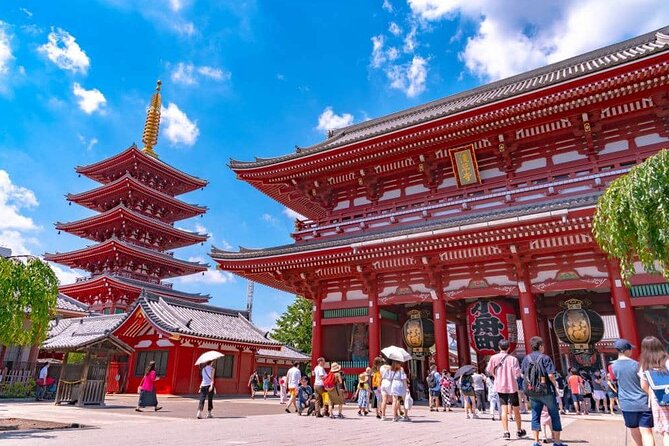
Next comes Asakusa’s Senso-ji Temple area, one of Tokyo’s most iconic temple experiences. You get around 2 hours, and you don’t just arrive at a quiet shrine. You’ll approach through Nakamise-dori, a shopping street packed with traditional stalls selling souvenirs, snacks, and crafts.
Then you hit the big visual moment: Kaminarimon, the Thunder Gate with that red lantern look you’ve probably seen everywhere. Inside the temple grounds, the atmosphere stays energetic, and you’ll have time to walk, take photos, and still not feel rushed.
Admission is free in this itinerary, which helps you keep spending under control. The main cost is your own choices—snacks, small souvenirs, and whatever you decide you absolutely must take home.
Tokyo Skytree: the paid ticket stop with serious skyline payoff
Tokyo Skytree is the day’s clearest “pay for the view” moment. It stands at 634 meters, described as the tallest structure in Japan, and it’s a go-to for panoramic Tokyo views.
In this schedule, you’ll spend about 2 hours there. The Skytree ticket is not included, and it’s listed at ¥3,100 per person. That means you should treat this stop like a planned extra cost, not an optional add-on you forget to budget.
Since the tour includes travel time between multiple districts, Skytree’s timing can be sensitive to weather and daytime conditions. Your best bet is to go in knowing the ticket is part of the deal: you’re paying to see the city from above.
Also, if you’re hoping for the clearest photos, you’ll want to take a few minutes to compare viewpoints once you’re inside. The tour won’t do that for you, but it will get you there efficiently.
Imperial Palace area: what you can see (and what you can’t)
The Imperial Palace is in central Tokyo, surrounded by stone walls and moats, with gardens that offer a quieter contrast to the crowds elsewhere. Your time here is about 1 hour, and the listing notes the inner palace grounds are not generally open since it’s a residential space.
What you can do is visit the East Gardens, which are included in the plan. This is a good stop if you want a break from heavy walking and want something calmer than the shopping streets and crossings.
Admission is free here too. Think of it as a “reset button” in the middle of the day—especially helpful if your feet are starting to complain.
You can also read our reviews of more tours and experiences in Tokyo

Meiji Jingu: shrine calm under the trees
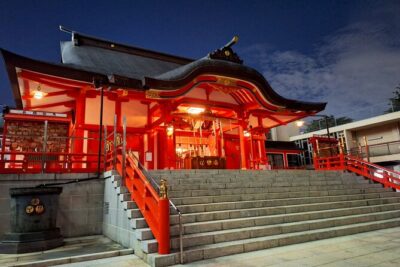
Then you move from palace walls to forest-air calm at Meiji Jingu Shrine. You get about 1 hour, and the standout features are the torii gates and the shrine’s wooded grounds.
This is one of those Tokyo stops that works even if you’re not chasing every photo. It’s quieter in feel. It also helps balance the day: you’ve got markets and big streets earlier, and now you’re in a more reflective setting.
Admission is free. You’re mostly paying with time and shoe wear, which you’re already doing anyway on a 10-hour highlights route.
Shibuya Crossing and Odaiba: street energy, then bay views
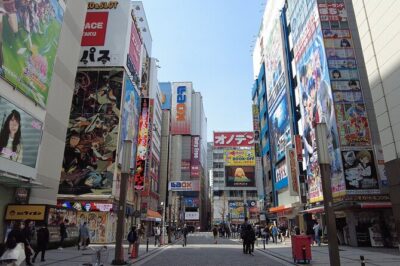
Shibuya Crossing is the world-famous “everyone moves at once” intersection. In the itinerary, you’ll have about 1 hour to experience it at pedestrian scale. There’s not much to explain here besides the fact that it’s a Tokyo signature. You stand in it, watch it happen, and realize the whole thing runs on rhythm you can’t really understand until you see it.
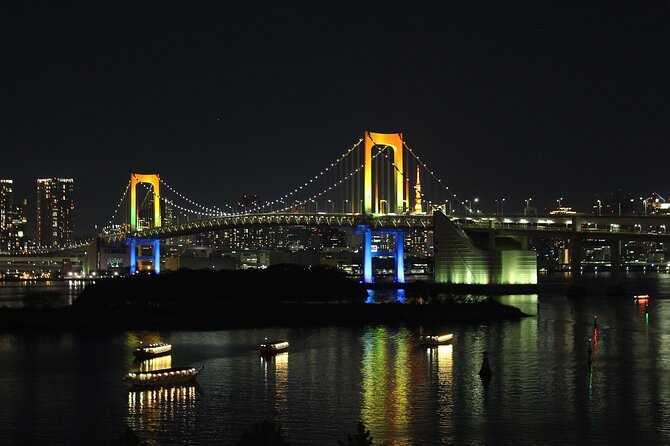
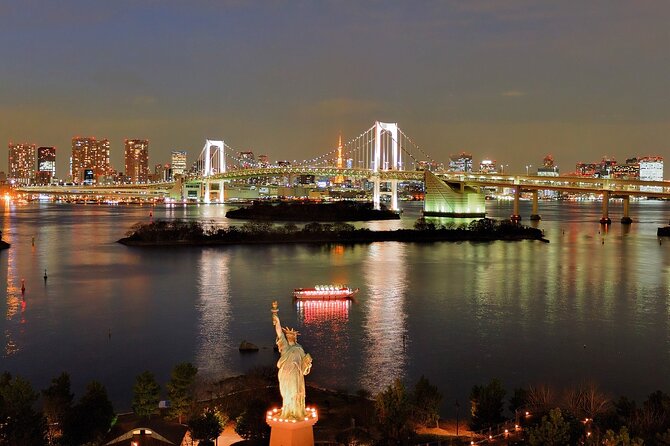
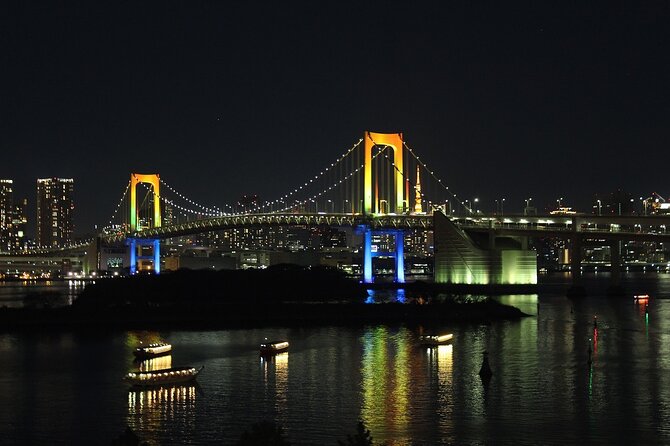
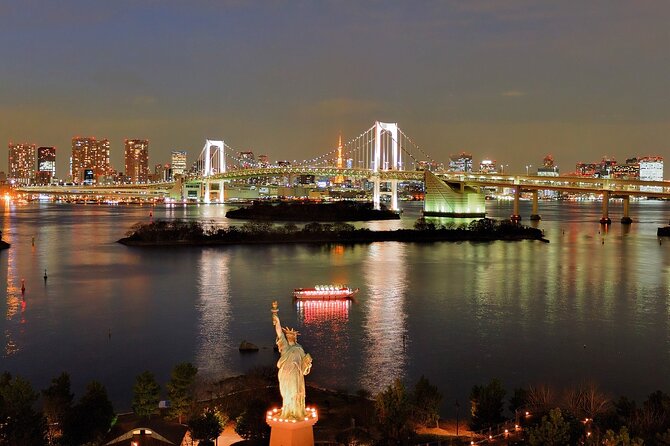
After that, you shift to Odaiba, a man-made island in Tokyo Bay with a more modern, waterfront feel. You get around 2 hours here, which is enough time to walk the area, enjoy bay views, and check out highlights like the Gundam statue and views toward Rainbow Bridge.
Both Shibuya Crossing and Odaiba are listed as free. This matters for value: you keep the paid cost concentrated at Skytree, instead of having ticket fees pile up across the entire day.
Price and Logistics: is $355.09 per group actually value?
The price is $355.09 per group for up to 3 people. That’s a key detail. If you’re traveling solo or as a couple, this is still private time, but the per-person cost can feel higher than group tours. If you’re a small family or a couple plus a friend, it starts to look smarter fast.
What’s included helps justify the cost:
- Air-conditioned vehicle and private transportation
- Meet and greet
- Petrol/gas and toll
- WiFi hotspot in the vehicle when available
What’s not included:
- Food and drinks (you’ll buy your own meals/snacks)
- Tokyo Skytree admission at ¥3,100 per person
- If you add other areas beyond what’s listed, there’s a JPY 5,000 surcharge for additional areas
A recurring theme in feedback is that this can feel like good value compared with a full bus day, because the experience stays private while covering a lot of the same headline stops. If you hate the idea of spending hours in crowds waiting for the group bus, that’s where this price starts to make sense.
One more practical point: the tour has a good weather requirement. If weather ruins outdoor visibility (especially for view-heavy stops like Skytree), you may be offered another date or a refund.
The driver makes the day: what to request before you leave
This tour is marketed as English-speaking driver service, and many reviews praise the drivers for communication, safety, and flexibility. Names that come up include Asif, Dhanu, Orko, Galin, Ayan, Aju, and Abdulah, with repeated praise for being punctual and polite, and for parking close to each stop.
Here’s how to make sure you get the best version of the experience:
- Start with what you want from the day. If you care about history and meaning, say it right away. There’s at least one example where a group felt narration was too light.
- Share your photo priorities early. Some drivers are very good at steering you toward where you’ll actually get good pictures.
- Tell them your pace. One family mentioned the driver cared for needs like vegetarian food and even diaper changes while keeping things running.
- If you need less walking, ask for that early. The tour includes a range of walking in markets, temple areas, and waterfront zones, so it helps when the driver understands your limits.
The best result is when driver and group become a team. That’s exactly the kind of dynamic described in multiple good experiences.
Who this private Tokyo highlights tour fits best
This is a strong fit if you want a fast, organized snapshot of Tokyo with less transit stress. It’s especially good for:
- Families with kids (support for a toddler’s needs is specifically mentioned)
- Older visitors who still want major sights without long detours
- Non-Japanese speakers who benefit from English support, especially around crowds and busy street interactions
- Anyone who wants to visit big names like Senso-ji, Skytree, and Shibuya Crossing without spending the whole day on trains
It may not be the best fit if you:
- Want a slow, deep history-focused day with museum-level time for every stop
- Expect highly detailed narration at every minute (some experiences are talkative; others are more practical)
Should you book this private highlights day?
I’d book it if your goal is simple: get to the major Tokyo hits in one day with a plan that minimizes transit headache. The private vehicle, the close-to-the-action stops, and the English-speaking help are the big wins. Plus, most stops are free, so the only major ticket you must plan for is Skytree.
I would not book it if you’re coming to Tokyo mainly for deep academic history, or if you already know you want a very specific museum agenda that isn’t covered by these highlight areas. Also, if storytelling is your top priority, message your expectations early so you don’t end up with a day that feels like sightseeing without much context.
If you’re booking a first Tokyo day and you want it to feel efficient and stress-light, this is one of the more sensible ways to do it.
FAQ
How much does this Tokyo private tour cost?
It costs $355.09 per group (up to 3 people).
How long is the tour?
The tour lasts about 10 hours.
What time does the tour start?
The start time is 9:00 am.
Is pickup included?
The tour includes pickup offered and a meet-and-greet.
Which major admission is not included in the price?
Tokyo Skytree admission is not included, listed at ¥3,100 per person.
Is WiFi available during the ride?
Yes, there is a WiFi hotspot in the vehicle when available.
What is the cancellation window for a refund?
You can cancel for a full refund if you cancel at least 24 hours before the experience start time.