REVIEW · TOKYO
“Tokyo to Mt. Fuji & Hakone: Private Customizable Day Trip”
Book on GetYourGuide →Operated by Luxurious Travel Master · Bookable on GetYourGuide
Chasing Mt. Fuji feels different in private. This customizable 10-hour day trip takes you from Tokyo to the Mt. Fuji 5th Station area, the postcard spots around Chureito Pagoda and Arakurayama Sengen Park, and then into Hakone with Lake Ashi views and ropeway-country scenery. You set the pace, and you do it in a comfortable luxury vehicle with an English-speaking driver-guide who can adjust on the fly to fit your group.
Two things I really like: you get a private ride that keeps your day stress-free, and the itinerary is built around real photo moments plus time to actually look and walk. One thing to keep in mind: Mt. Fuji visibility depends heavily on clouds and weather, and your day may shift slightly if conditions are rough.
In This Review
- Key highlights worth planning around
- What This Private Fuji and Hakone Day Trip Is Really Like
- The value angle: why a private car can be worth it
- Your Day Starts in Tokyo: Pickup Timing and How to Set Yourself Up
- Mt. Fuji 5th Station: The Closest Big-View Stop by Car
- Arakurayama Sengen Park and Chureito Pagoda: Classic Fuji Photos
- Lake Kawaguchiko Time (Fuji Reflection Country)
- Hakone Proper: Lake Ashi and Ropeway Views
- Lunch in the Middle: Build Your Fuel Without Losing the Day
- Oshino Hakkai: Fuji-Region Tradition, Not Just a Quick Photo
- Saiko Iyashi-no-Sato Nenba: Village Atmosphere in Fuji Country
- Mt. Kachi Kachi Ropeway: Views with Less Footwork
- Narusawa Ice Cave: A Different Kind of Fuji-County Sight
- Gotemba Premium Outlets: Finish with Shopping (If You Want It)
- Comfort Details That Matter in a Long Day
- How the Guide Makes the Difference (and What to Ask for)
- Weather Reality Check: When Fuji Is Cloudy
- Who This Tour Fits Best (and Who Might Skip It)
- Should You Book This Tokyo to Mt. Fuji & Hakone Private Day Trip?
- FAQ
- What’s included in the tour price?
- What’s not included?
- How long is the day trip and where does it start?
- How many people can join?
- Is the tour wheelchair accessible?
- What if the weather is bad and I can’t see Mt. Fuji?
- What language will the driver-guide speak?
Key highlights worth planning around
- Hotel pickup and drop-off in Tokyo’s 23 wards, so you skip train transfers and start faster
- Mt. Fuji 5th Station time for the closest car-access point to the summit area
- Chureito Pagoda + Arakurayama Sengen Park photo stops that are classic for a reason
- Hakone area stops including Lake Ashi views and a ropeway visit
- Oshino Hakkai + Saiko Iyashi-no-Sato Nenba for traditional-feeling Fuji-region culture
- Narusawa Ice Cave + optional shopping if you want variety beyond viewpoints
What This Private Fuji and Hakone Day Trip Is Really Like
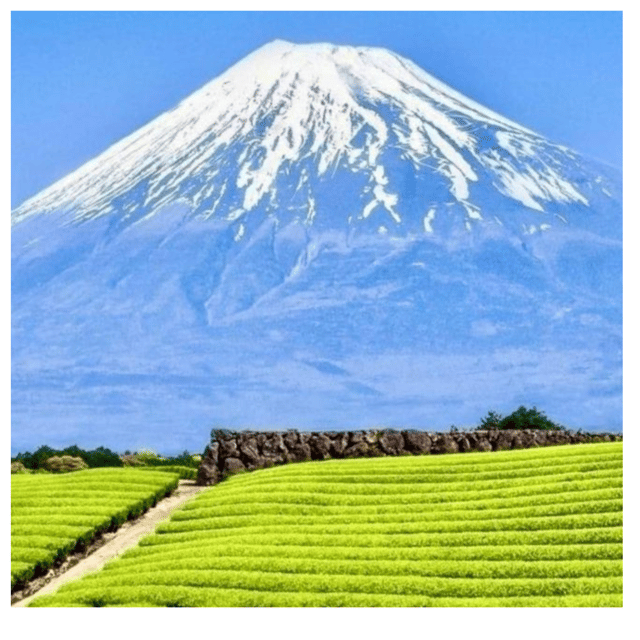
This isn’t a rigid bus tour. It’s a private day with one main job: help you see the Fuji and Hakone hits without losing hours in transit or stuck waiting for a group schedule.
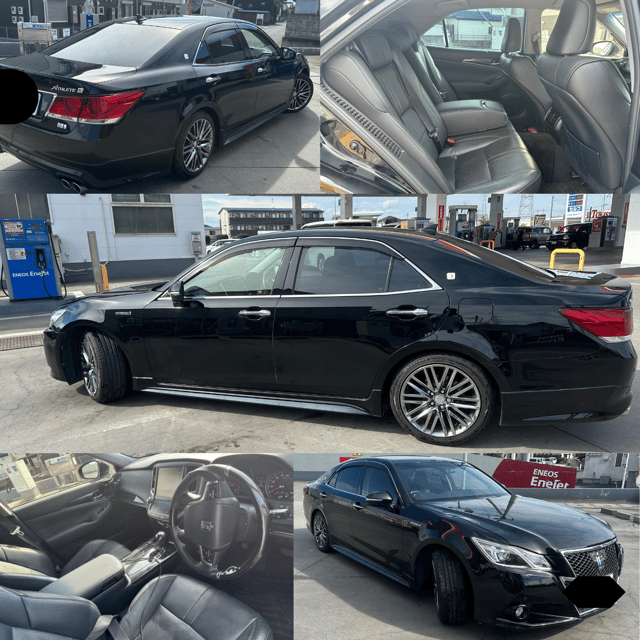
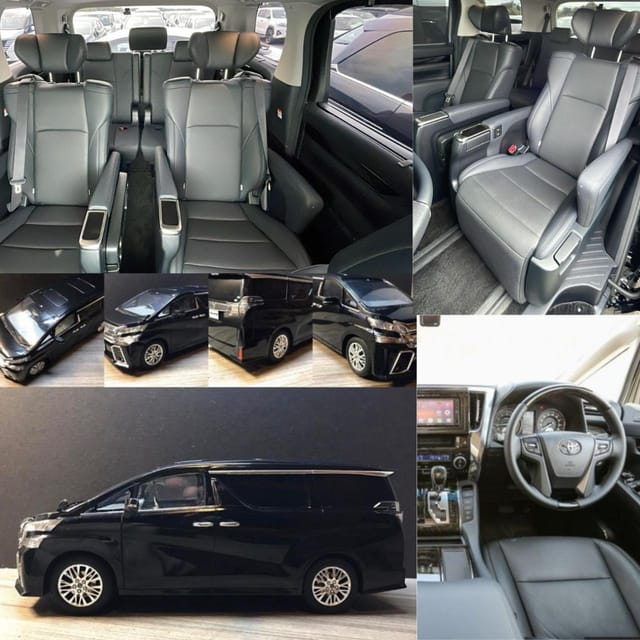
You start with hotel pickup in Tokyo. The operator supports pickup across Tokyo’s 23 wards (Shinjuku, Shibuya, Minato, Chiyoda, and more). You’ll meet your driver-guide at a clear location like your hotel lobby, and they’ll plan around your timing. The vehicle is a luxury model (Land Cruiser, Crown, or Vellfire), and the day includes air conditioning, a Wi‑Fi hotspot, and complimentary water/tea/coffee.
The rest of the experience is all about control. You get a set route with major landmarks, but the plan is meant to flex: if you want more walking at a viewpoint or a slower rhythm near the lakes, your guide can adjust.
You can also read our reviews of more private tours in Tokyo

The value angle: why a private car can be worth it
At $373 per group (up to 5 people), the math often works best when:
- you’re traveling as a couple or small family (more comfort per person)
- you want early departures to beat traffic
- you care about photo stops and not wasting time on logistics
Also, you’re paying for time. A private driver removes the “how do we get there” friction, so you’re using your day for Mt. Fuji views, Hakone scenery, and the Fuji-region cultural stops.
Your Day Starts in Tokyo: Pickup Timing and How to Set Yourself Up
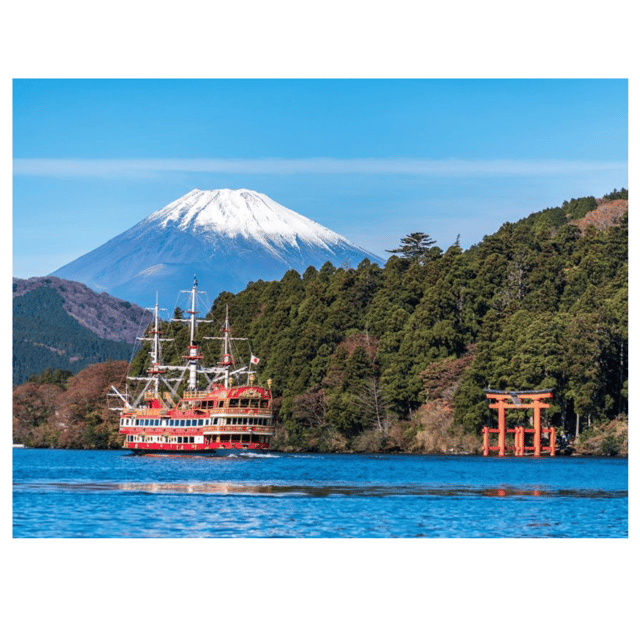
Your biggest win is simplicity: hotel pickup and drop-off. You won’t be figuring out train connections with a camera bag and shopping tote.
A couple practical points matter:
- Your pickup works from inside Tokyo’s 23 wards. No airport or port pickup is included.
- You should wait in your hotel lobby about 10 minutes before pickup.
- The driver waits up to 60 minutes after the scheduled time. After that, the day can get messy.
- If you have a family, child seats can be provided. Wheelchair access is also supported, which is a real deal in a car-based countryside day.
One small strategy I like: ask your driver-guide for the best timing to start early. Several guides on this route have a habit of recommending an early start to avoid peak congestion. Even if weather limits Fuji sightings, an early run tends to make the day calmer.
Mt. Fuji 5th Station: The Closest Big-View Stop by Car
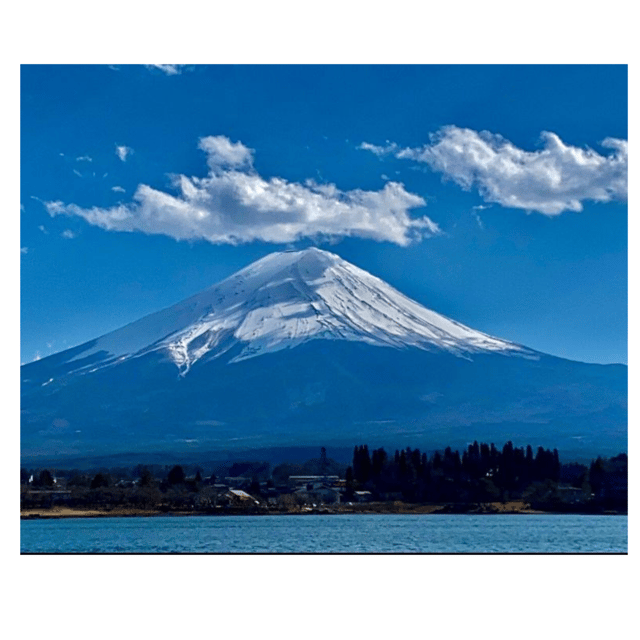
The core of the day is time at Mt. Fuji 5th Station. This is the closest point to the summit area that you can reach by car, and it’s exactly what you want if your main goal is to feel the scale of the mountain.
What this stop does well:
- It’s a real “Fuji moment,” not just a distant skyline photo.
- You get guided time plus photo opportunities and sightseeing (about 1 hour on the schedule).
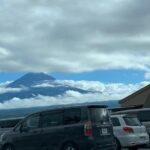
A key consideration: weather. If clouds roll in, you might not get the clean, iconic silhouette you hoped for. But even when visibility is imperfect, this area still gives you a sense of elevation and atmosphere. And because the trip is private and flexible, your guide can help you shift your focus toward the best-visible viewpoints.
If you’re sensitive to cold, plan like it’s winter. Bring warm layers. Comfortable shoes also matter because even short walks at high altitude can feel longer than expected.
Arakurayama Sengen Park and Chureito Pagoda: Classic Fuji Photos
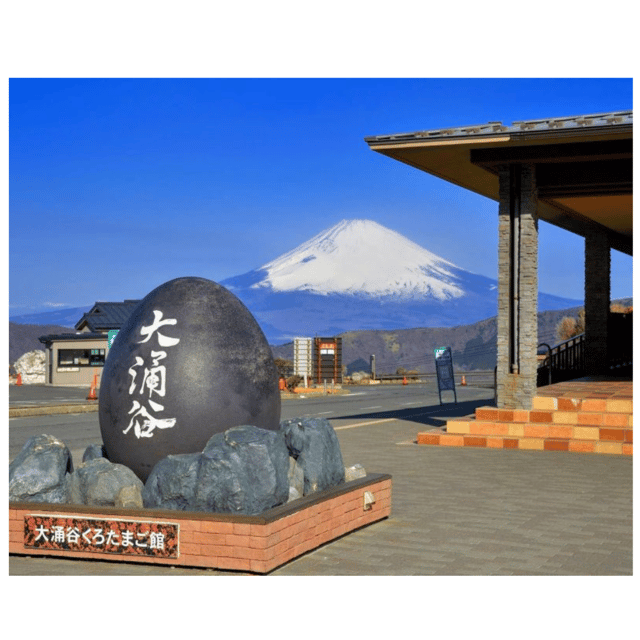
Next come two tightly linked stops: Arakurayama Sengen Park and Chureito Pagoda. This is one of the most photographed Fuji compositions in Japan, and it’s a strong choice for a first trip.
Here’s how to think about it:
- Arakurayama Sengen Park gives you the broader setting and walking access to viewpoint angles.
- Chureito Pagoda is the iconic subject. The goal is to catch it framed with Mt. Fuji in the background.
The schedule includes about 40 minutes at each of these stops, including guided touring and photo time. In a private format, you can slow down for the angles you care about rather than rushing through what you can’t properly see.
Practical tip: if Fuji is partly hidden, don’t panic. In Mt. Fuji country, clouds often move. Your guide can help you pick the best moment to shoot and where to stand if the view improves.
You can also read our reviews of more tours and experiences in Tokyo




Lake Kawaguchiko Time (Fuji Reflection Country)
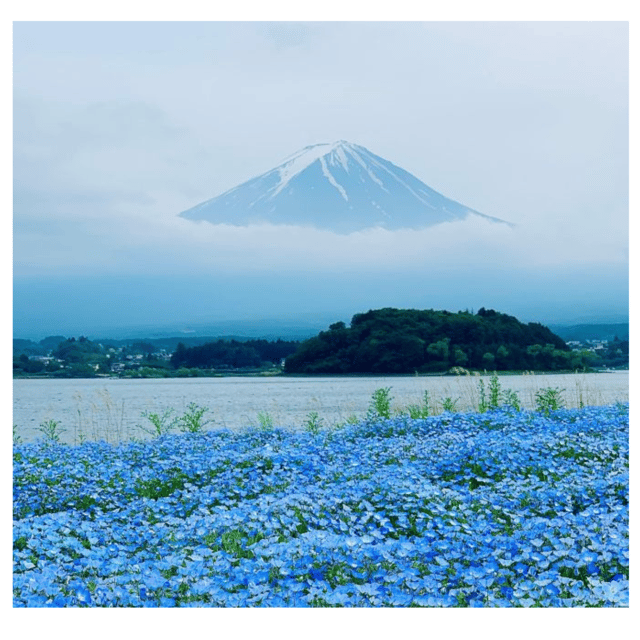
The trip is designed around the Fuji-region atmosphere, including time near Lake Kawaguchiko—the kind of setting where reflections and calm water add a totally different mood than high-mountain viewpoints.
Even if the day doesn’t give you perfectly mirrored reflections, the lake area is still valuable:
- it breaks up the “uphill, viewpoint, more viewpoints” rhythm
- it gives you calmer scenery before the Hakone half of the day
Expect the guide to treat this section as part of the Fuji photo-and-stroll block, not a quick roadside stop.
Hakone Proper: Lake Ashi and Ropeway Views
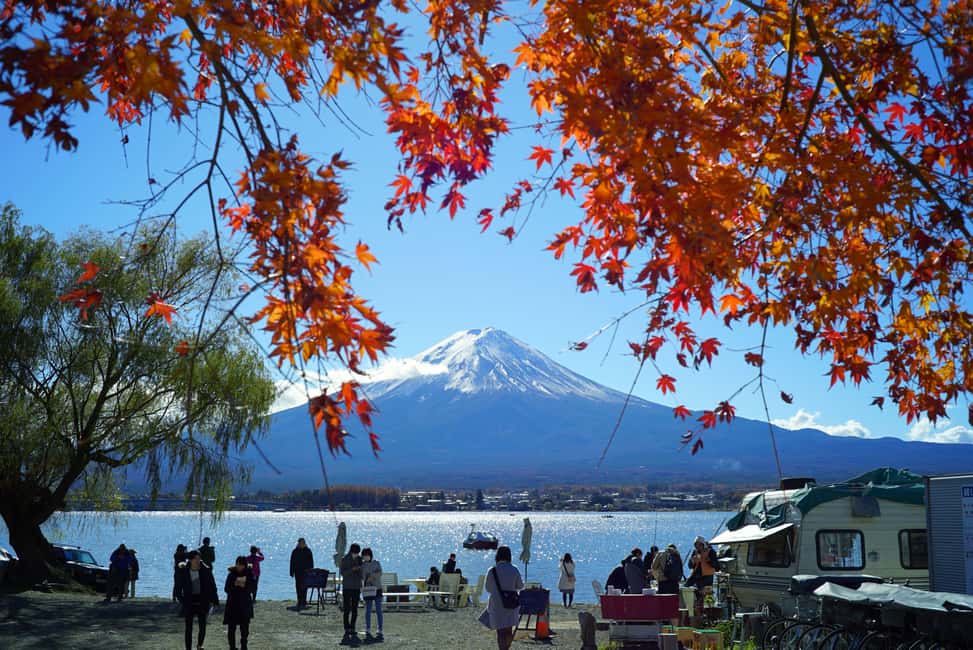
After the Fuji core, your day shifts into Hakone. The tone changes here. You trade mountain-elevation vibes for lake-country scenery and hot-spring region character.
The itinerary includes Lake Ashi (about 1 hour) and a ropeway stop: Mt. Kachi Kachi Ropeway (about 40 minutes).
What I like about adding these:
- Lake Ashi helps you see Fuji-country from a different angle, depending on how conditions line up that day.
- The ropeway adds altitude views without needing a full hike. It’s ideal when you want viewpoints but your legs want a break.
One more practical note: some Hakone attractions can require paid tickets. The tour includes sightseeing and guided time, but paid entry tickets aren’t included, so you’ll want to be ready for that possibility. Your guide should help you plan what’s worth paying for given your time.
Lunch in the Middle: Build Your Fuel Without Losing the Day
There’s a lunch stop planned for about 30 minutes at a local restaurant.
Meals are listed as not included, so treat this as: you’ll get a place, you’ll get time, but you pay for what you order. If you’re picky with food or have allergies, it’s smart to tell your guide at the start so they can aim for a place that works.
If weather is volatile, use lunch time smartly. If the forecast looks better later, ask your guide if it makes sense to shift photo priorities.
Oshino Hakkai: Fuji-Region Tradition, Not Just a Quick Photo

Then you move into one of the most charming cultural stops: Oshino Hakkai (about 40 minutes).
This place is valuable because it feels different from the big “Mt. Fuji postcard” stops:
- You get a chance to slow down and experience something traditional.
- It’s not only about height and views. It’s about place.
Given the limited time, 40 minutes is enough to see the main area without turning it into a marathon. In a private tour, you also get the advantage of adjusting walking pace if your group includes kids or someone who doesn’t want constant uphill movement.
Saiko Iyashi-no-Sato Nenba: Village Atmosphere in Fuji Country
Next is Saiko Iyashi-no-Sato Nenba (about 40 minutes). This is a village-style stop meant to give you that old-Japan feeling in the Fuji region.
What makes it a good “midday texture” stop:
- It breaks the run of viewpoints and lakes.
- You can spend time simply looking around, reading signage at your pace, and enjoying the atmosphere.
Because your trip is private, you’re less likely to feel rushed. If you want more time in the village setting, ask. If you’re ready to move on, you can keep the day tight.
Mt. Kachi Kachi Ropeway: Views with Less Footwork
The ropeway stop is another way to add height and perspective without adding hiking distance. The schedule gives about 40 minutes, including guided sightseeing and photo time.
Why it’s worth it:
- Ropeways help you get a dramatic view quickly.
- It’s a good choice for mixed-age groups.
If you’re the type who gets motion-sick, mention it early. The driver can help manage the pacing and whether you’re comfortable with that kind of ride.
Narusawa Ice Cave: A Different Kind of Fuji-County Sight
Later in the day, you’ll have time for Narusawa Ice Cave (about 40 minutes).
This stop adds variety. It’s not a shrine, not a lake, not a viewpoint. It’s a temperature-and-formation type attraction. The “Ice Cave” name is enough to catch attention, but the real value is that it gives your Fuji day a curveball.
Just remember again: paid tickets aren’t included, so expect to cover admission if you go in.
Gotemba Premium Outlets: Finish with Shopping (If You Want It)
The itinerary ends with Gotemba Premium Outlets (about 1 hour). This is a convenient way to turn the last part of the day into something practical—especially if you want snacks, small gifts, or a chance to browse before heading back to Tokyo.
If you’d rather keep your day focused on scenery and photos, ask your guide about swapping this hour for an extra stop nearby, depending on how the day is going.
Comfort Details That Matter in a Long Day
A 10-hour day can feel long if the ride is uncomfortable. Here, the vehicle is designed for passenger comfort: Land Cruiser, Crown, or Vellfire options, with air conditioning and space enough for cameras and day bags.
Other small wins:
- Wi‑Fi hotspot in the car helps you map, message, or keep plans moving.
- Complimentary water/tea/coffee reduces the temptation to overpay for convenience.
- The driver-guide stays with you and can help with timing and photo placement.
Also, it’s private and designed for small groups. It’s listed as suitable for up to 5 people in the standard price. More than 5 can be facilitated at additional cost.
How the Guide Makes the Difference (and What to Ask for)
The strongest praise for this kind of tour usually comes down to one thing: how well your guide manages your time.
This experience is built around English-speaking driver-guides (with additional language support such as Urdu, Japanese, Arabic, Punjabi listed as options). More importantly, the guides on this route have a clear style: friendly, patient, and proactive about improving the day.
Here are questions that get you better value immediately:
- Can we start a bit earlier to reduce traffic and crowds?
- If clouds roll in, what’s the best plan B for getting great views anyway?
- Where do you recommend we stand for photos at Chureito Pagoda?
- Do you think ropeway or ice cave tickets are worth it today based on conditions?
You’ll get more out of the day when you treat your guide like your on-the-ground strategist, not just a driver.
Weather Reality Check: When Fuji Is Cloudy
This is the part I want you to take seriously. Mt. Fuji visibility is not guaranteed. Clouds happen.
The good news is that the day isn’t built on one single moment. You have:
- high-mountain time at 5th Station
- classic photo architecture at Chureito Pagoda
- lake and village-style stops that still feel worthwhile even if Fuji is partially hidden
If conditions are poor, you can still have a strong day—especially because the itinerary is private and adaptable. Just keep expectations flexible and lean into the stops that feel good under any sky.
Who This Tour Fits Best (and Who Might Skip It)
This is a great match if:
- you want Mt. Fuji + Hakone in one day without the headache
- you’re traveling as a couple, family, or small group and want privacy
- you care about photo timing and want someone managing logistics for you
- you value comfort: a luxury car, water/tea/coffee, Wi‑Fi, and hotel pickup
It may be less ideal if:
- you have back problems (the tour is noted as not suitable for this)
- you want a super cheap day (private transport costs more than train-and-bus options, even though it can be great value for the right group)
Should You Book This Tokyo to Mt. Fuji & Hakone Private Day Trip?
If your goal is to see Mt. Fuji and Hakone with minimal stress, this is an easy yes for small groups. The big reason: you’re buying time saved, comfort gained, and flexibility built into a single full day.
Book it when you:
- want hotel pickup and a private luxury ride
- care about seeing multiple iconic areas in one trip
- can handle weather variability with a flexible mindset
Consider a different plan if you:
- only care about one view and don’t want the length of a full 10-hour day
- are traveling on a tight budget where private car costs can’t be justified
If you do book, do two things early: choose warm layers and shoes, and tell your guide what photos and pacing matter most. You’ll feel the difference right away.
FAQ
What’s included in the tour price?
You get a private English-speaking driver-guide, a luxury tour vehicle (Land Cruiser, Crown, or Vellfire), hotel pickup and drop-off in Tokyo, air conditioning, a Wi‑Fi hotspot, highway taxes, fuel, and complimentary water/tea/coffee.
What’s not included?
Meals are not included, and paid entry tickets are not included (so you may need to pay for attractions that require admission).
How long is the day trip and where does it start?
The tour is listed as approximately 10 hours in total (including commuting). Pickup is from accommodations within Tokyo’s 23 wards, not airports or ports.
How many people can join?
The standard price is for a private group up to 5 people. A group larger than 5 can be facilitated at an additional cost.
Is the tour wheelchair accessible?
Yes. The tour is listed as wheelchair accessible, and child seats can be provided.
What if the weather is bad and I can’t see Mt. Fuji?
The itinerary can be rescheduled due to adverse weather or unforeseen events. If Fuji visibility is limited, you’ll still have multiple stops planned so the day isn’t only dependent on one moment.
What language will the driver-guide speak?
English is listed for the driver-guide, and additional languages are available including Urdu, Japanese, Arabic, and Punjabi.