REVIEW · TOKYO
Tokyo Private Customizable Half Day Tour
Book on Viator →Operated by Japan Awaits · Bookable on Viator
Tokyo can overwhelm you fast. This private half-day tour is built to keep it manageable while still packing in what you care about. I really like the custom planning—you pick the pace and the 2 to 3 stops, and the guide handles the day so you’re not wrestling the city. I also like that you start with hotel pickup (when you’re in the city center), so you don’t lose prime sightseeing time figuring out trains.
The main thing to watch is that it’s only about 4 hours, so if you try to force too many must-sees, you’ll feel rushed. The good news: the guide helps you choose what fits.
In This Review
- Key takeaways before you book
- How a 4-hour custom plan works (and why it’s worth it)
- Starting in Shinjuku at 8:00 am: a practical launch point
- Booking strength: getting reservations done for you
- Your Tokyo route options: plugging together the right neighborhoods
- Oshiage and Asakusa area: classic-feeling Tokyo morning options
- Akihabara: anime, shopping, and the fun side of Tokyo
- Chiyoda and Ueno area: a change of pace for culture-minded days
- Chuo and Shiba-koen: central Tokyo with practical sightseeing flow
- Shibuya and Yoyogi: modern Tokyo, high-energy streets
- Shinjuku District: where the day can wrap up easily
- The guide experience: what you’ll feel during the tour
- Transportation inside Tokyo: trains when they help, private when it saves time
- What “hotel pickup and drop-off” really changes
- Fitness and timing: how to avoid the common half-day frustration
- Price and value: is $175.71 per person a good deal?
- Who this tour fits best
- Should you book this Tokyo Private Customizable Half Day Tour?
- FAQ
- How long is the Tokyo Private Customizable Half Day Tour?
- What’s the meeting point and where do I end up?
- Is hotel pickup included?
- How many stops can we visit?
- Does the tour include an English-speaking guide?
- How do we get around during the tour?
- Is this tour refundable if I cancel?
Key takeaways before you book
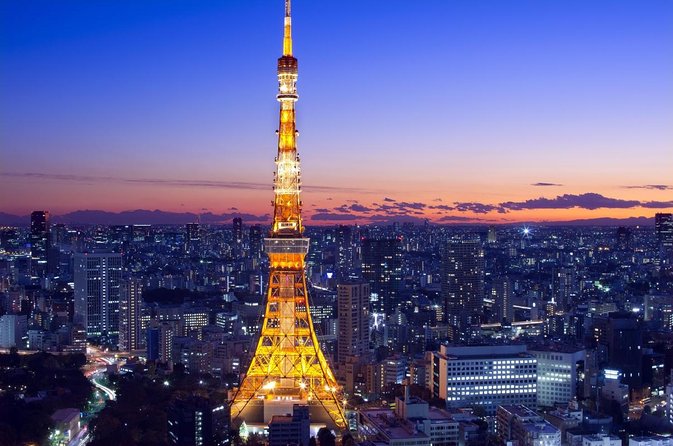
- A fully customized route: choose 2 to 3 sites and shape the tour around your interests.
- Reservations handled for you: the guide makes bookings you need for a smoother day.
- Hotel pickup and drop-off: available if your hotel is within the city center.
- English-speaking professional guide: designed for clarity and easy navigation.
- Built for the time crunch: public transport or a private vehicle depending on your booking.
How a 4-hour custom plan works (and why it’s worth it)
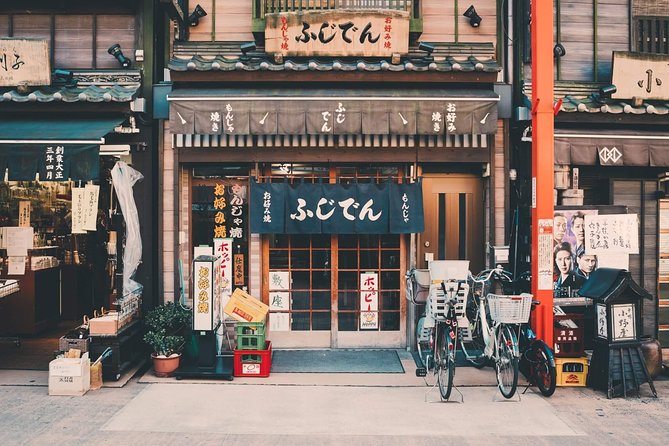
This tour is private, and that changes everything. Instead of following a fixed checklist, you and your guide plan a route that makes sense for your interests and your energy level. You’ll choose 2 to 3 sites for a personalized Tokyo highlight day, and the guide handles the navigation so you don’t waste time guessing which train line to take next.
The best part is the guide’s role as a problem-solver. Tokyo is efficient, but it can be confusing when you’re tired, jet-lagged, or trying to move fast. With this setup, you’re essentially paying for someone to connect the dots: where to go, how to get there, and how to keep the day from turning into a long game of hurry-up-and-wait.
One small trade-off: because you’re tailoring the day, you’ll want to come ready with at least a short list of what you want. If you show up undecided, the guide can help you shape it—but your “best day” depends on your input.
You can also read our reviews of more private tours in Tokyo


Starting in Shinjuku at 8:00 am: a practical launch point
The tour starts in the Shinjuku area, with the meeting point at Shinjuku Station (noted as 3-chōme-38-1). It also starts at 8:00 am, which is smart for Tokyo sightseeing. Early hours usually mean you avoid the worst crowds and you get time to adjust if your energy dips later in the day.
The day ends back at the meeting point, so you’re not left hunting for your way home. That’s a big deal in Tokyo, where “just take one train” can turn into a confusing transfer when you’re tired.
If you’re doing this as your first Tokyo activity, starting from Shinjuku can help you quickly learn how neighborhoods connect. If you’re returning to Tokyo, Shinjuku is still useful because it’s easy to pair with lots of other plans.
Booking strength: getting reservations done for you
Tokyo can be reservation-heavy depending on what you want to do. Here, the guide can make reservations or bookings on your behalf for ease. That means you’re not spending your sightseeing day on hold or searching for ticket pages with a language barrier.
This is also where the tour feels like “local help” rather than just “a person with a map.” The guide’s job is to keep the experience moving, including handling the practical parts that can bog down your day.
If you like structured days but hate logistics, this is a good match.
Your Tokyo route options: plugging together the right neighborhoods
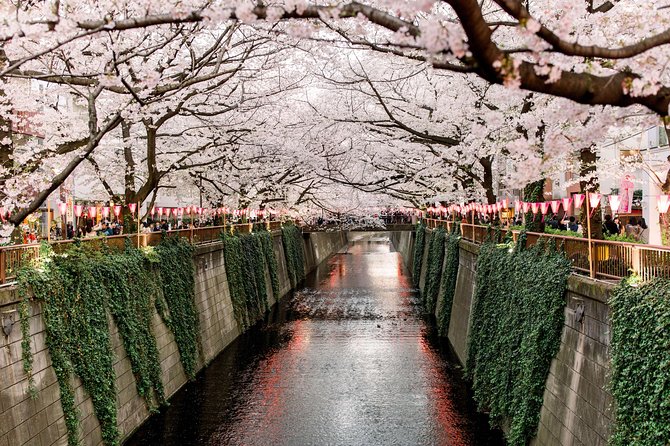
Your final route is customized, but the experience includes stops in several key areas. Think of these as menu items—your guide combines them into a sensible route.
Oshiage and Asakusa area: classic-feeling Tokyo morning options
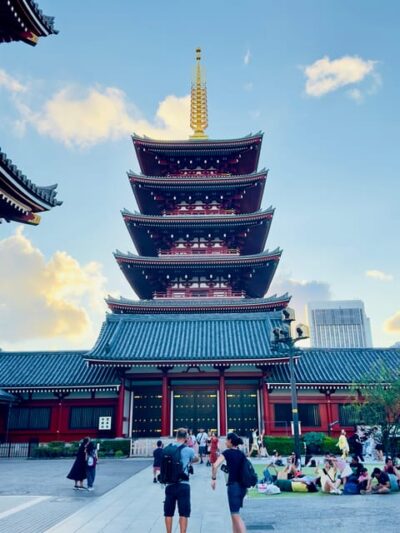
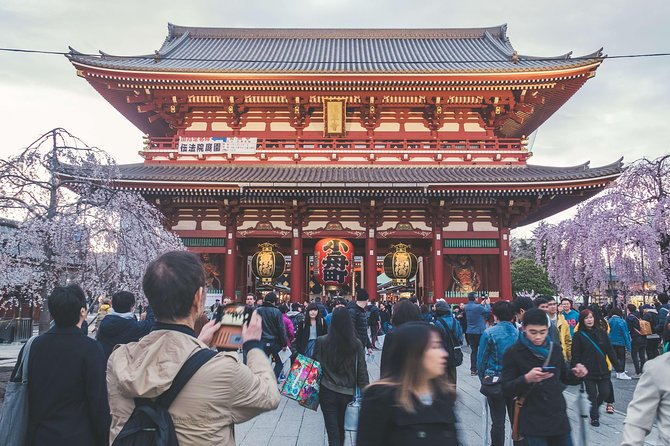
One of the stops is in the Oshiage area (near the address in Sumida City), and another is Asakusa (Taito City). If you want Tokyo with a traditional flavor and a different pace than the business districts, this area often works well in a half-day.
In a 4-hour window, you’re unlikely to “fully explore” a neighborhood like you would on a full-day trip. Instead, you’ll focus on the portion that fits your interest list, with your guide keeping the walking and transit practical.
Tip for your planning: If you want this side of Tokyo, consider pairing it with a more modern neighborhood so your day feels like a contrast, not repetition.





Akihabara: anime, shopping, and the fun side of Tokyo
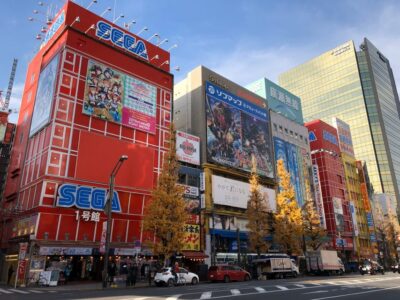
Akihabara is explicitly part of the route (Taito City). This is the neighborhood that’s most tied to pop-culture exploration, and it’s great if you want shopping that feels focused rather than random browsing.
The experience can include stops like places linked with maid and cat cafés, plus time for anime-focused shopping—including stores that can be among the bigger ones in the area. If your group loves gadgets, characters, or themed cafés, Akihabara is where the tour can feel most playful.
Because it’s a shopping-heavy area, it also helps that the guide can manage timing. Otherwise, you can lose an entire hour inside a store and suddenly your other stop becomes rushed.
Chiyoda and Ueno area: a change of pace for culture-minded days
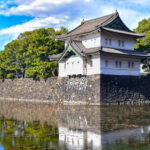
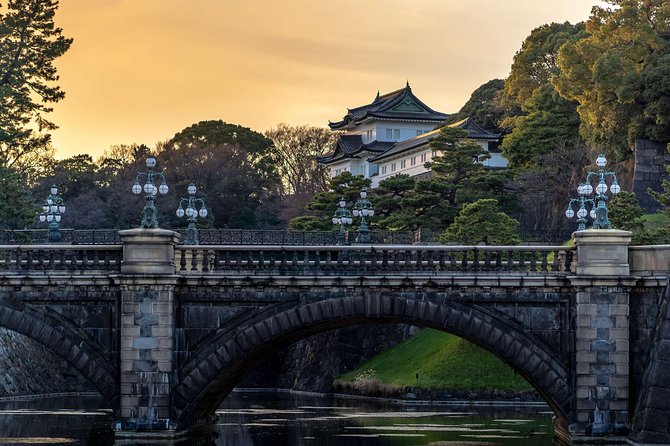
The route includes Chiyoda City (Imperial Palace area address is listed) and the Ueno-en/Ikebukuro-side park-adjacent zone (Uenokoen address is listed). If you want a half-day that still feels “Tokyo,” but not only street-level chaos, these areas are a good balance.
This section of the day tends to work for people who enjoy wandering, watching city life, and keeping plans flexible. In a custom tour, your guide can steer you to the kind of sightseeing you prefer—more walking, more photo stops, or more calm pacing.
In terms of limitations: parks and cultural areas can still take time to enjoy. You’ll get the highlights, not an all-day deep exploration.
Chuo and Shiba-koen: central Tokyo with practical sightseeing flow
Two more addresses are included for Chuo City and Shibakoen (Minato City). These sit in central Tokyo and can be great for linking neighborhoods without wasting time.
If you like Tokyo’s mix—busy streets plus calmer pockets—this part of the route can help you keep the “half-day feel” without turning your day into nonstop transfers.
Also, central areas often make logistics smoother. With limited time, smoother logistics usually means more actual sightseeing.
Shibuya and Yoyogi: modern Tokyo, high-energy streets
The itinerary includes Shibuya City and also an address in Yoyogikamizonocho (Shibuya City). This is the modern side of Tokyo, and it’s a great place to end the day if you want energy and motion while you still have daylight.
A half-day in Shibuya can be more about experience—streets, views from key corners, and general atmosphere—than about checking off one “one big thing.” The guide helps keep it from feeling like aimless walking by choosing the pieces that match your interests.
Shinjuku District: where the day can wrap up easily
Shinjuku District is included, and because you also start and end back near Shinjuku Station, it’s a convenient finish. If you want one last taste of Tokyo’s variety—food streets, shopping, people-watching—Shinjuku makes that easy.
If your route includes Shinjuku as a stop, you’ll usually get more value out of the day. You’re already anchored there. You’re not forcing your final minutes into a transit sprint.
The guide experience: what you’ll feel during the tour
The biggest praise tied to this tour is the guide quality. English clarity matters a lot when you’re dealing with quick schedules, crowded neighborhoods, and transit choices. Guides like Hitomi have been highlighted for strong English and deep knowledge, plus a friendly, easygoing style.
Another guide, Machito, comes up in a way that matters for families. The experience is described as fun and instructive, and importantly, Machito is credited with being patient and kind with kids. If you’re traveling with children or anyone who needs more reassurance during a fast day, that kind of pacing can change the whole tone of the trip.
What I like in this style of guiding is the responsiveness. The guide doesn’t just take you to an area; they help you act on your interests. One example from the experience is showing people to places like maid and cat cafés, and then adding a major anime shopping stop in Akihabara.
That’s the difference between a tour that’s “seen” and a tour that feels personal.
Transportation inside Tokyo: trains when they help, private when it saves time
You have transportation within the city only, either by public transportation or by private vehicle. Which one you get depends on your booking.
This matters because half-day tours rise or fall on transit time. Public transport can be fast in Tokyo, but transfers and stations can still chew up time when you’re sightseeing. If your route or group setup makes it worth it, a private vehicle can reduce stress and keep the schedule realistic.
Either way, the guide helps you use the transit option as a tool, not a chore.
What “hotel pickup and drop-off” really changes
Hotel pickup (when your hotel is within the city center) is one of those details that feels small until you start the day. You don’t have to walk to a station, wait for the right train, and then wonder if you’re headed the right direction.
It’s especially useful at 8:00 am, when everyone is still half asleep. Dropping you back at the meeting point also keeps your day clean at the end.
The trade-off is that pickup is tied to city center location. If your hotel is farther out, you might need to rely on the meeting point logistics more than the pickup feature.
Fitness and timing: how to avoid the common half-day frustration
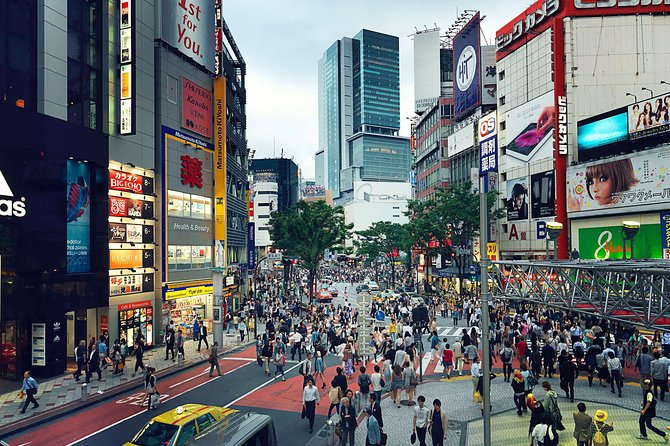
This tour expects moderate physical fitness. In plain terms, you should be comfortable with walking and getting from one spot to another without expecting a totally sedentary schedule.
You should arrive at the meeting location at least 10 minutes early. The guide can wait up to 30 minutes after the start time, and then the tour is cancelled. In Tokyo, where train delays can happen, early arrival is your best friend.
Also, you’ll be given the tour guide’s phone number before the tour. That’s helpful if you hit confusion at the station.
This is one of those experiences where good timing keeps the day fun, not stressful.
Price and value: is $175.71 per person a good deal?
At $175.71 per person for about 4 hours, you’re paying for a private guide, English support, customization, and the practical work of booking/reservations when needed. This isn’t a bargain-basement option, but it can be strong value if you use the tour the way it’s meant to be used.
Here’s the value logic I’d use:
- If you want 2 to 3 specific stops and you’d struggle to plan transit and reservations, the guide is doing real work.
- If you’re traveling as a family, a private guide can save energy and prevent kids from burning out early.
- If you’re a first-timer who doesn’t yet know Tokyo’s neighborhoods, this tour helps you learn quickly instead of guessing.
Where it might feel less worth it is if you already know Tokyo well and you don’t want help with logistics or reservations. In that case, you could do similar neighborhood hopping on your own. But if you want the day to run smoothly, you’re paying for that frictionless planning.
Who this tour fits best
I’d book this if you’re any of the following:
- A first-timer who wants to pack in Tokyo smartly without building a complicated itinerary
- A return visitor who wants help choosing between similar neighborhoods
- Someone who values English guidance and quick routing over independent wandering
- A family group that wants patience and fun while keeping a tight schedule
- A traveler who wants reservations handled so you can focus on the experience
I’d think twice if you dislike walking at a moderate pace, or if you’re the type who likes to freestyle for hours without a plan. This tour works best when you come with direction.
Should you book this Tokyo Private Customizable Half Day Tour?
Yes, if you want Tokyo direction without losing your freedom. The customization plus guide-led reservations can turn a stressful half-day into a clean, enjoyable one—especially for Akihabara pop-culture time and modern neighborhoods like Shibuya and Shinjuku.
If you’re trying to squeeze in too much on your own, this private format helps you compress the best parts into 2 to 3 stops that actually fit the clock.
One last practical check: before booking, decide what you want most—old-style Tokyo energy, modern streets, or pop-culture shopping. Then let the guide build the route. That’s how you get your money’s worth from a 4-hour day.
FAQ
How long is the Tokyo Private Customizable Half Day Tour?
The tour lasts about 4 hours.
What’s the meeting point and where do I end up?
The meeting point is Shinjuku Station (3-chōme-38-1, Shinjuku) and the tour ends back at the meeting point.
Is hotel pickup included?
Hotel pickup and drop-off are included if your hotel is within the city center.
How many stops can we visit?
You can choose 2 to 3 sites for a personalized Tokyo tour.
Does the tour include an English-speaking guide?
Yes, the tour includes an English-speaking professional tour guide.
How do we get around during the tour?
Transportation is within Tokyo only, using public transportation or a private vehicle depending on your booking.
Is this tour refundable if I cancel?
The experience is non-refundable and cannot be changed for any reason. A cancellation fee schedule is also provided, with charges based on how close you cancel to the tour date.