REVIEW · TOKYO
Tokyo Night Tour Akihabara, Shibuya, Karaoke and City Lights
Book on Viator →Operated by Amigo Tours Japan · Bookable on Viator
Tokyo at night feels like a movie. This route strings together Ueno, Akihabara, Shibuya Crossing, Shinjuku, and Kabukichō lights, so you don’t have to plan every move after dark. I like that you get real guided context plus short pockets of free time, and I also like that karaoke is included as the payoff at the end.
One thing to consider: like any small-group city tour, the meeting point matters. There’s been at least one serious report of a guide not showing up at the designated spot, so arrive early and confirm the exact location shown on your mobile ticket/voucher before you commit your evening.
In This Review
- Key highlights you’ll care about
- Why this Tokyo night route works (especially if you hate planning)
- Ueno Park at sunset: an easy warm-up before the neon
- Akihabara at night: shopping with a guide’s context
- Shibuya Crossing: big views, plus time to actually use them
- Shinjuku observation deck: free tickets, serious skyline payoff
- Kabukichō karaoke: the night’s built-in finale
- How the guide + group size affect your experience
- Price and value: what $62.30 buys you (and where you’ll likely spend more)
- Reliability and meeting-point reality checks
- What to bring so night Tokyo feels fun, not tiring
- Should you book this Tokyo night tour?
- FAQ
- What neighborhoods are included on the Tokyo Night Tour?
- How long is the tour, and when does it start?
- Where do I meet, and where does the tour end?
- Is karaoke included in the price?
- Is the tour only for adults?
- What language is the guide?
- Can I get a full refund if I cancel?
Key highlights you’ll care about
- Ueno Park at sunset with a calm start around temples, Ueno Zoo area, and Shinobazu Pond (50 minutes, free)
- Akihabara free exploration for electronics, anime/manga shopping, and themed-café curiosity (45 minutes, free)
- Shibuya Crossing time for photos and a quick bite at one of the busiest pedestrian intersections on earth (45 minutes, free)
- Shinjuku observation deck views from the Tokyo Metropolitan Government Building, with Tokyo Tower and Mount Fuji on clear days (60 minutes, free)
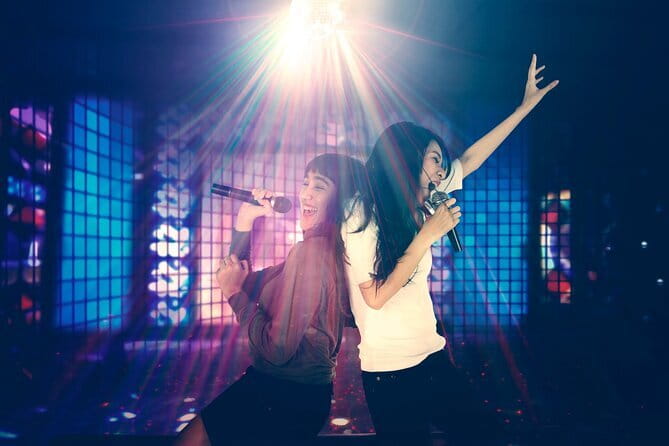
- Kabukichō karaoke with the entrance fee included for an actual activity, not just “go find something yourself” (60 minutes)
- Bilingual English/Spanish guidance plus public transportation from the meeting point, max group size 25
Why this Tokyo night route works (especially if you hate planning)
This tour is built for the kind of Tokyo night that can overwhelm you if you try to wing it. You start with a softer, slower vibe in Ueno, then you slide into the hyper-focused neighborhoods: Akihabara’s otaku electronics culture, Shibuya’s street-level energy, and Shinjuku’s skyline big-district feel. Then you finish where Tokyo’s nightlife gets loud—Kabukichō—with karaoke as the structured end point.
The best value here is how the tour does three useful things at once:
- It gives you a guided orientation so the neighborhoods make sense fast.
- It keeps you moving with public transportation between areas.
- It locks in one paid activity (karaoke) so you’re not budgeting on the fly.
One more practical note: the tour is for ages 18+, and the Kabukichō stop is in a famous entertainment/red-light zone. If you’re uncomfortable with that general atmosphere, go in with eyes open.
You can also read our reviews of more city tours in Tokyo


Ueno Park at sunset: an easy warm-up before the neon
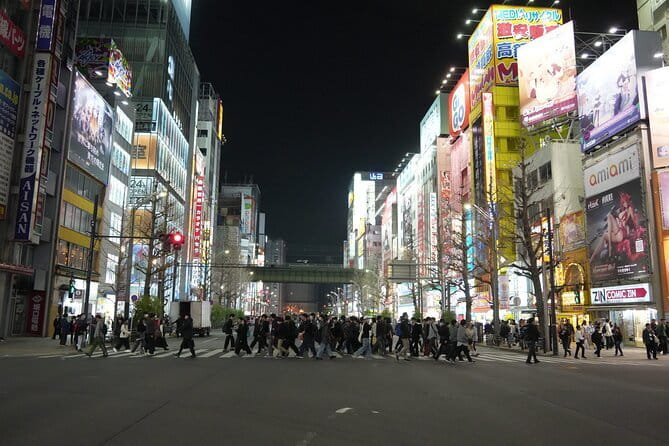
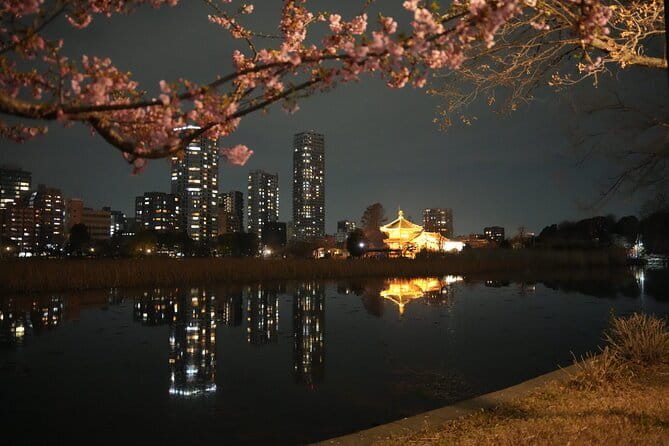
You begin at the meeting point near Ueno and then start your evening walk in Ueno Park. The timing matters. Instead of jumping straight to the busiest districts, you get 50 minutes of calmer scenery as the sky starts to shift.
What you’ll likely notice right away is how Ueno Park can feel like two places at once:
- It has historical and temple-area context.
- It also has everyday city-life around the zoo area and Shinobazu Pond.
For me, this stop is a smart reset. If you’re arriving in Tokyo that day, or you’ve already been walking in the afternoon, Ueno is a good way to shake off travel fatigue without losing time on the clock.
Practical tip: Ueno is a park. That means walking comfort matters. Wear shoes you can stand in, because Tokyo nights often turn into “just one more photo” time.
Akihabara at night: shopping with a guide’s context
Akihabara is the “I didn’t know where to start” neighborhood for a lot of people. The tour helps because your guide sets the frame first—electronics, manga/anime culture, and how the area became known for pop-culture shopping.
After that intro, you get 45 minutes of free time. This is where Akihabara becomes fun because you can choose your own path:
- If you love gadgets and tech, you’ll have plenty of storefronts to browse.
- If you’re more into pop culture, you’ll find the kind of niche shops that make Akihabara famous.
- If you want something unusual, you may want to check out a maid café option during your free time (it’s mentioned as something you can do if you wish).
The biggest advantage of doing Akihabara on a guided night tour is that you’re not stuck translating street signs or trying to decode what’s worth your time. Even a short explanation can turn “random stores” into “oh, I get the vibe.”
Possible drawback: 45 minutes disappears fast in Akihabara. If you’re shopping seriously, set a mini-goal before you arrive—like a specific item category—so you don’t lose the whole block wandering.
Shibuya Crossing: big views, plus time to actually use them
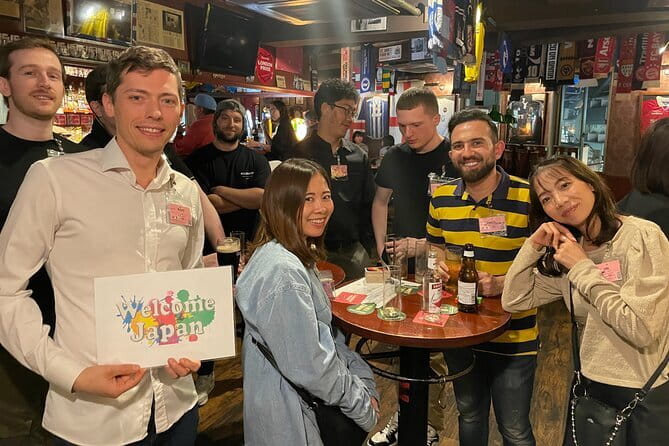
Then you head to Shibuya Crossing, one of the most famous pedestrian intersections in the world. The tour gives you time to witness the scale of it and look up at the surrounding streets and buildings.
You also get 45 minutes of free time here, which is useful for two reasons:
- You can time your photos and step into the stream without feeling rushed.
- You can grab a quick bite rather than forcing dinner plans during the busiest stop of the night.
I like Shibuya as a mid-tour checkpoint because it feels like a threshold. After Ueno and Akihabara, it’s the moment where Tokyo goes fully urban: screens, crowds, and that unmistakable crosswalk choreography.
Practical tip: if you care about photos, choose your spot early in the free time window, not at the end. Crowd movement changes fast.
Shinjuku observation deck: free tickets, serious skyline payoff
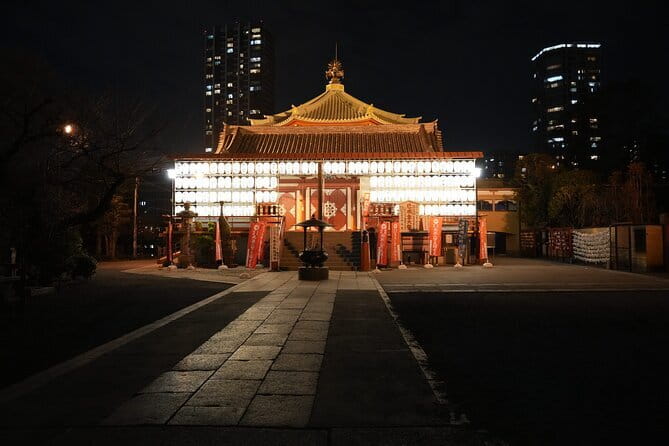
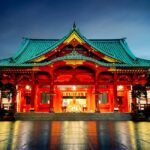
Next is Shinjuku, where the tour visits the Tokyo Metropolitan Government Building for access to the observation deck. This is the stop where the tour earns its keep if you like city views.
You’ll have about an hour, and the views are built around Tokyo’s recognizable landmarks. On clear days, the deck can even give you a sightline toward Tokyo Tower and Mount Fuji. Even if conditions aren’t perfect, being up high at night is still one of Tokyo’s easiest “wow” moments.
Why this works in a night itinerary:
- After hours of street-level chaos, your eyes get a break.
- Seeing the city from above helps you connect the dots between neighborhoods.
- The entry is free here, which makes the cost feel more balanced.
Small consideration: observation decks can be weather-sensitive. If visibility is poor, you’ll still get the cityscape, but landmark clarity may be reduced.
You can also read our reviews of more evening experiences in Tokyo


Kabukichō karaoke: the night’s built-in finale
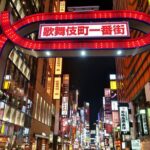
Your final stop is Kabukichō, Tokyo’s entertainment and red-light district. The tone here shifts. It’s less about sights and more about nightlife energy.
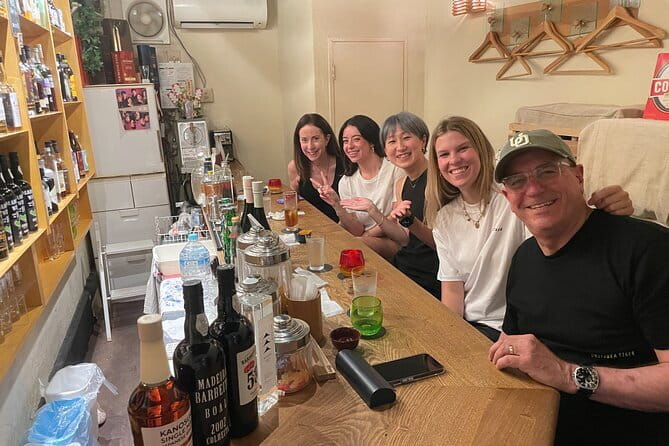
And unlike many tours that end with an awkward “good luck finding dinner,” this one gives you a clear activity: you go to a karaoke venue. The karaoke entrance fee is included, and you’ll have about an hour to sing.
This is the practical reason I’d consider this tour even if you’re not a hardcore karaoke fan:
- Karaoke turns the evening into an event.
- You’re not left trying to pick a venue in a maze of options.
- It gives you a definite end point, which matters when trains slow down at night.
One more reality check: Kabukichō is adult territory. Since the tour is 18+, it’s designed for that crowd. If you want a quiet, family-friendly vibe, choose a different Tokyo night plan.
How the guide + group size affect your experience
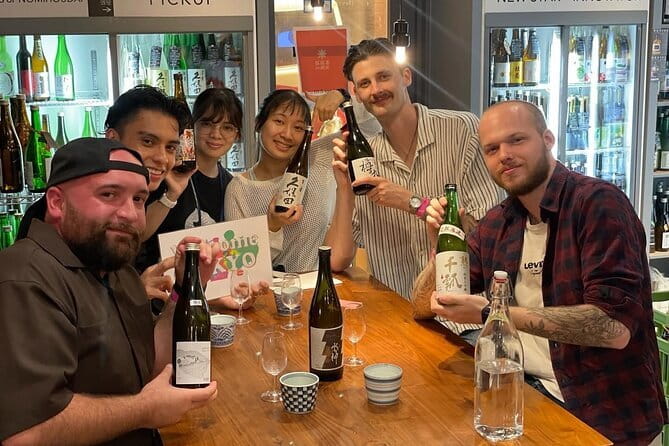
This is a small-group tour with a maximum of 25 travelers. That ceiling makes a difference at night because Tokyo neighborhoods are big and moving can get chaotic fast.
The guide is bilingual in English and Spanish, which helps you get context and instructions without guessing. The tour also includes public transportation from the meeting point, so you’re not left figuring out which train to take while everyone’s tired and hungry.
One thing that stood out in the way the tour can feel on the ground: when the group is smaller, the staffing can feel more attentive, and the pacing can feel closer to “guided with room to breathe” than “herded through a checklist.” That’s exactly what you want on a night outing.
Price and value: what $62.30 buys you (and where you’ll likely spend more)
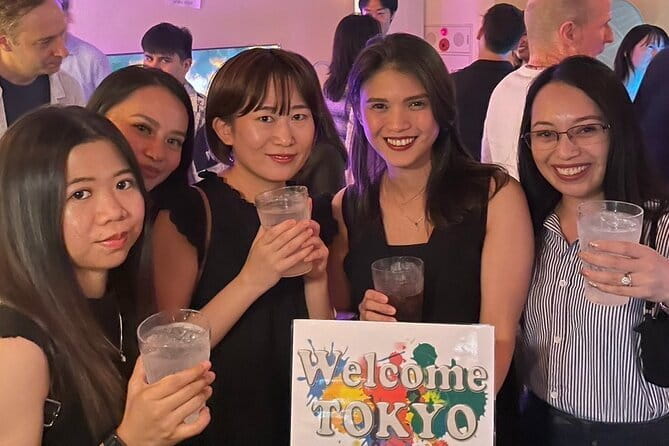
At $62.30 per person for about 4 hours 50 minutes, this tour can be good value because several costs are handled for you:
- Guided night route across major neighborhoods
- Public transportation from the meeting point
- Karaoke entrance fee included
- Observation-deck access is free
- The Ueno Park and Shibuya stops are listed with free admission time blocks
When you break it down, you’re basically paying for the guide, the route structure, and the karaoke activity. Food and drinks are not included, and dinner isn’t included either. So you’ll probably budget extra for snacks, drinks, and maybe a meal after the tour ends.
If you’re the type who likes to keep Tokyo spending under control, this is the kind of tour that helps because it reduces decision-making. You know you’ll pay for karaoke already, then you choose what you want to eat and drink.
Reliability and meeting-point reality checks
A night tour can live or die on logistics, and here’s the one caution I’d take seriously: there’s been at least one report of a guide not showing up at the meeting point, which led to a very frustrating wait and an inability to resolve things on the spot.
To protect yourself:
- Arrive a bit early at the exact starting location: レイクサイドビル2-chōme-14-31, Ueno (Taito City).
- Use your mobile ticket/confirmation details before you step outside.
- If something feels off, contact the operator using the phone number listed for domestic calls or the international number provided.
I’d also suggest you take a screenshot of the meeting-point instructions on your phone. Tokyo is too good at changing street-level details to trust memory.
What to bring so night Tokyo feels fun, not tiring
Even with a guided route, you’ll still do walking and standing. For a comfortable night, I’d pack for the practical stuff:
- Comfortable shoes (you’ll move through parks and busy crossings)
- A charged phone for photos and navigation after the tour ends
- Cash or card for whatever you want to eat and drink (alcoholic drinks and food aren’t included)
- Light layers, because evenings can feel cooler once you’re out walking for hours
Also, decide ahead of time how you want to use your free time:
- In Akihabara, pick a category you want to shop for.
- In Shibuya, decide if you’re prioritizing photos or food.
- In Kabukichō, mentally commit to karaoke, because that hour goes fast.
Should you book this Tokyo night tour?
Book it if you want an organized Tokyo night across the big-name districts, with English/Spanish guidance and a guaranteed end activity in Kabukichō karaoke. It’s especially strong for first-timers who don’t want to gamble on transit choices and timing after dark.
Skip it or think twice if you hate adult nightlife zones or you’re the type who needs a totally low-stress meetup with zero risk of delays. Since there’s been a serious report of a guide no-show at the meeting point, be ready to handle the day-of logistics smartly: arrive early, check your exact location instructions, and keep the contact number handy.
If you’re aiming for a “see Tokyo at night, in one coordinated evening” plan, this one is a solid match.
FAQ
What neighborhoods are included on the Tokyo Night Tour?
The tour covers Ueno Park, Akihabara, Shibuya Crossing, Shinjuku (including the Tokyo Metropolitan Government Building observation deck), and Kabukichō.
How long is the tour, and when does it start?
It runs for about 4 hours 50 minutes and starts at 5:40 pm.
Where do I meet, and where does the tour end?
You start at レイクサイドビル2-chōme-14-31 Ueno, Taito City and the tour ends at a karaoke in the Kabukichō area of Shinjuku City.
Is karaoke included in the price?
Yes. The karaoke entrance fee is included, and the tour ends with the karaoke session.
Is the tour only for adults?
Yes. The tour is for people over 18 years.
What language is the guide?
The guide is bilingual in English and Spanish.
Can I get a full refund if I cancel?
Yes. You can cancel up to 24 hours in advance for a full refund. Canceling less than 24 hours before the start time won’t be refunded.