REVIEW · TOKYO
Tokyo Old Town Discovery Walk. Lunch Included
Book on Viator →Operated by Japan CoreXperience · Bookable on Viator
A great day starts with old streets. This Tokyo walking tour strings together Senso-ji Temple, Asakusa Shrine, and then carries you into Ueno for Toshogu Shrine, with a real food-focused middle. I like how the day isn’t just photo stops; you get a sense of the symbols, customs, and everyday shopping rhythms that make Tokyo feel human.
One thing I particularly like is the included quality course lunch, positioned right in the older market lanes, so you taste-and-understand as you go. A second big plus is the variety: temple grounds, shrine contrasts, a kitchen-supply street, and then park-and-shrine quiet in Ueno. The main drawback to think about is the lunch set: if you have specific dietary needs or a taste mismatch, you’ll want to plan ahead.
In This Review
- Key highlights you’ll care about
- Asakusa to Ueno: why this route feels efficient without feeling rushed
- Senso-ji Temple and Asakusa’s temple streets: symbols, treats, and omiyage
- Asakusa Shrine next door: understanding Buddhism vs. Shinto in real space
- Lunch in the old market lanes: what you’re actually getting and how to handle dietary issues
- Kappabashi Street for knives and food replicas: the quirky Tokyo kitchen mindset
- Matsuzakaya Ueno food court and Ueno Park: mixing modern comforts with park-time calm
- Toshogu Shrine in Ueno Park: Edo-era architecture with a slower emotional tone
- Pacing, transport, and what to bring for a smooth 7 hours
- Is this tour worth $90? My practical take on value
- Should you book the Tokyo Old Town Discovery Walk?
- FAQ
- How long is the Tokyo Old Town Discovery Walk?
- What is included in the tour price?
- Where does the tour start and end?
- Is the lunch suitable if I have dietary restrictions?
- How big is the group?
- What time does the tour begin?
- What is the cancellation policy if weather is bad?
Key highlights you’ll care about
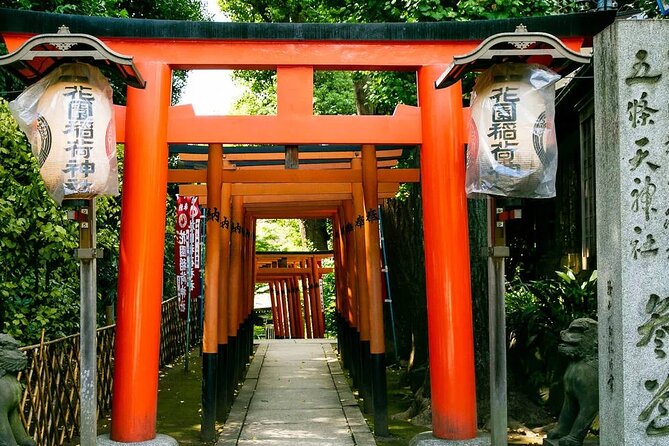
- Small-group format (max 12 travelers): easier questions, better pacing, and less crowd pressure on the sidewalks.
- Buddhism vs. Shinto context: Asakusa Shrine sits beside the Senso-ji complex, and the tour frames why that matters.
- Hands-on style of shopping time: Kappabashi Street is heavy on knives and food replicas, plus souvenir ideas.
- Lunch is built into the route: you’re not sent off to find something random; it’s part of the story of the neighborhood.
- Ueno’s quieter end of the day: Ueno Park and Toshogu Shrine give you a slower, more reflective finish.
Asakusa to Ueno: why this route feels efficient without feeling rushed
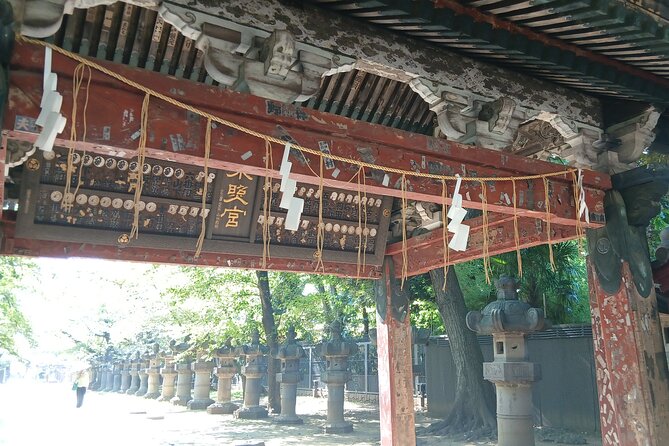
This is a 7-hour old-town walk that starts at 9:00 am and keeps you moving through two of Tokyo’s most identity-packed areas: Asakusa, then Ueno. The value here is that you’re covering several headline sites in one morning-to-afternoon stretch, but the day is still built around short stops (many around 30 minutes to 1 hour).
The group size matters more than you’d think. With a maximum of 12 travelers, you’re not fighting for attention or getting shuffled at every turn. Also, because most of the key stops are marked as free admission, you’re spending your time on exploring rather than queueing or paying extra at each sight.
You can also read our reviews of more walking tours in Tokyo


Senso-ji Temple and Asakusa’s temple streets: symbols, treats, and omiyage
Asakusa is where Tokyo’s old religious vibe shows up fast. You begin with the Asakusa area approach, where the tour has you looking at the skyline, then walking the access streets toward Senso-ji Temple while learning how people read religious and cultural symbols in Japan.
Then you hit Senso-ji itself for about an hour, and this is the part that helps you get oriented quickly. The temple complex is paired with traditional shopping streets right around it, so your guide’s explanations land in the real world: incense-and-temple atmosphere, plus the practical stuff people actually buy.
One of the most useful things you learn here is omiyage—the tradition of bringing back gifts from a trip. That changes how you read the souvenir shops. Instead of seeing random trinkets, you start noticing why certain items are presented and how they fit the ritual of travel and returning home.
A small consideration: temple-area streets can get crowded in general. This tour is designed to keep you moving and thinking, but you’ll still want comfy shoes because the “experience” part of Asakusa is walking the lanes between temples and shops.
Asakusa Shrine next door: understanding Buddhism vs. Shinto in real space
A big strength of this tour is that it doesn’t treat Asakusa as one-note. After Senso-ji, you visit Asakusa Shrine, which is right next door in a way that makes the Japan you’re seeing feel layered, not separate.
The tour explicitly frames this as Buddhism vs. Shinto in daily life. That matters because in Tokyo, you’ll constantly run into both traditions living side-by-side. Seeing them in such close proximity helps you connect the dots without needing a textbook.
You’ll have about 30 minutes at the shrine, which is enough time to slow down, notice layout and offerings, and then move on without feeling like the day is dragging. If you like architecture, ritual details, or just learning how people make meaning in public spaces, this stop is a strong payoff.
Lunch in the old market lanes: what you’re actually getting and how to handle dietary issues
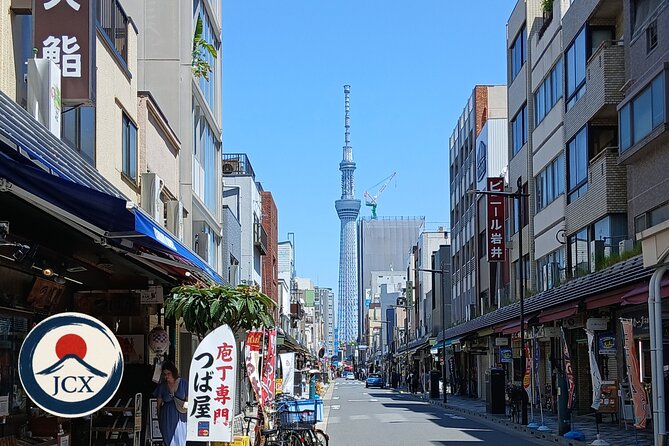
Lunch is one of the most central pieces of this day. You’ll walk and eat through older (and renewed) market streets near the temple area, with a Japanese lunch included. The tour frames this as both a food experience and a culture-and-etiquette intro, so you’re not just consuming; you’re learning how meals and customs work in context.
One of the most praised parts of the day is the food quality and the overall mood around the lunch time. That makes sense here: you’re eating in the neighborhood where people come to shop and snack, so your meal feels connected to the streets instead of being a detached restaurant stop.
Now, the important consideration: the lunch set may not fit everyone’s tastes. At least one participant had trouble finding the meal set they could enjoy. The good news is that the tour notes options—if you have dietary restrictions, inform the provider in advance so they can arrange alternatives. And if you need to skip the included meal, you can request a refund of the meal portion in cash on the spot (the tour data also mentions meal refunds when you give advance notice).
If you’re picky, have allergies, or follow a strict diet, don’t wait. Message ahead so your lunch time stays relaxing instead of stressful.
Kappabashi Street for knives and food replicas: the quirky Tokyo kitchen mindset
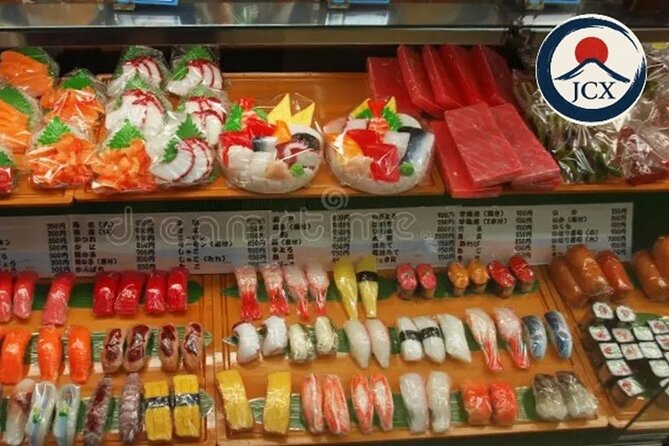
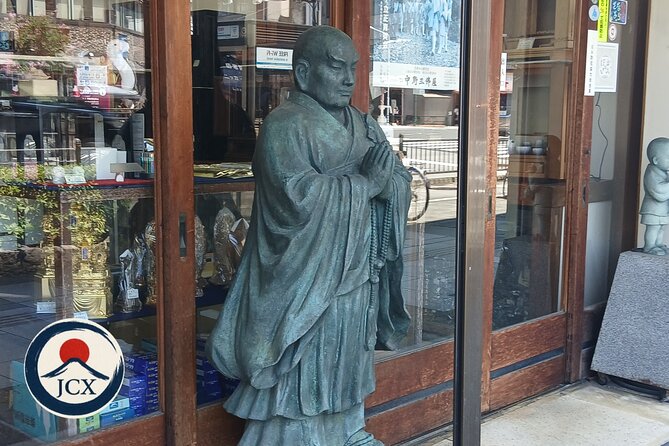
After you’ve absorbed temple culture and eaten, the tour pivots into something more practical and playful: Kappabashi Street (Kappabashi Dogugai). This is where you’ll see how Tokyo treats food culture like a craft.
The focus here is on chef tools—especially knives—and on the world of food replicas, those hyper-realistic plastic dishes you spot in restaurant windows. Even if you don’t buy anything, the browsing time is fun because you’re seeing the intersection of art, manufacturing, and everyday eating habits.
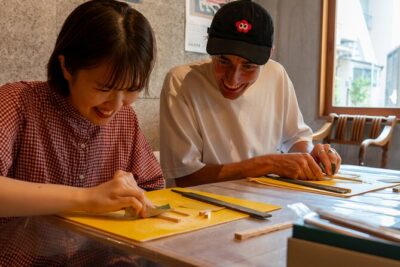
You’ll also get a sense of the souvenir side of Kappabashi: unique kitchen supplies and small themed items that feel more Tokyo than mass-market shops. The tour data also points out that hands-on food replica creation can be booked in this area, so if you want something more interactive, this is where you’d look.
At about 1 hour, this stop hits the sweet spot. Long enough to wander, not so long that you feel trapped in a single street.
You can also read our reviews of more tours and experiences in Tokyo



Matsuzakaya Ueno food court and Ueno Park: mixing modern comforts with park-time calm
From there, the tour moves toward Ueno for a couple of different flavors of Tokyo food and space. There’s a short stop to see (or shop) at Matsuzakaya Ueno, specifically calling out the higher-end food court. This isn’t a full shopping spree; it’s more like a quick window into how department stores package food culture, with a bit of you-choose-what-to-want energy.
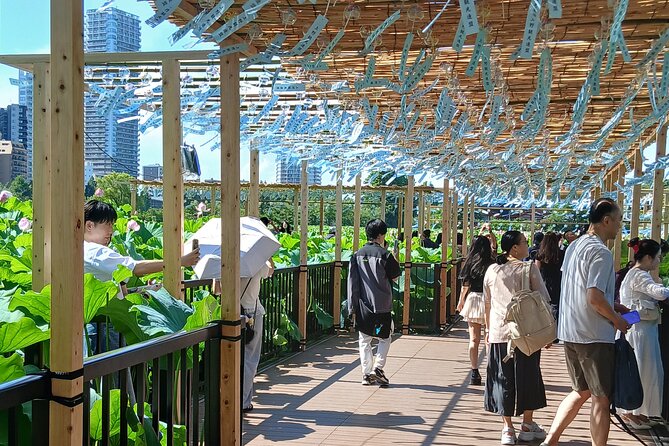
Then you step into Ueno Park, which is a historic cultural area with museums, the zoo, and multiple shrines and temples. The tour also flags seasonal highlights like cherry blossoms, lotus flowers, wind chimes, and festivals. Even if you’re not traveling during peak season, the structure of the park still works: wide paths, slower pace, and enough quiet to reset your brain after temple-and-market walking.
One review highlight that’s worth listening for: people really appreciated the shrines in the Ueno park area. That tracks with what this tour is doing overall—ending the day not with another fast shopping rush, but with atmosphere and space to notice details.
Toshogu Shrine in Ueno Park: Edo-era architecture with a slower emotional tone
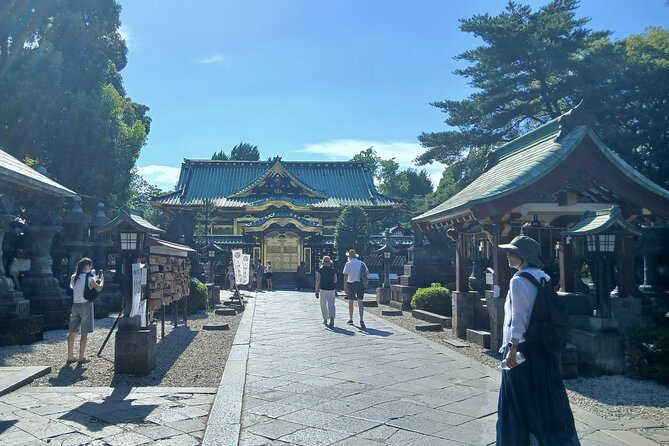
The day finishes at Toshogu Shrine, an Edo-era landmark. You get about 1 hour here, which is generous enough to actually look at the grounds and take in the layout rather than speed through for photos.
The tour description emphasizes serene walkways around the shrine. That matters because it gives the day emotional contrast: you start in the intense energy of Asakusa’s temple-shopping streets, then you land in a quieter, more formal setting in Ueno.
If you enjoy architecture, urban history, or just learning how older Tokyo is still present in the city’s shape, this stop is your payoff. It’s also a good place to reflect on what you learned earlier—ritual symbols at Asakusa, then how formal Edo-era design expresses meaning through space.
Pacing, transport, and what to bring for a smooth 7 hours
This is a walking tour, but it’s presented as doable for most people, and the structure supports that. Stops are spaced out (often 30 minutes to 1 hour), so you get frequent breathing room. Still, it’s a full day from 9:00 am, and Asakusa’s streets are the kind that make you want to keep walking even after your legs say enough.
You’ll also want to dress for weather because the experience requires good weather. Bring rain protection if you travel in a season where showers pop up, and plan on changing your expectations if conditions force a different date or cancellation.
Logistics are simple: you’ll use a mobile ticket, and the route is set near public transportation. The start is in Asakusa at 1-chōme-1-3 Asakusa, Taito City, and the finish is near JR Ueno Station, Park Gate.
Is this tour worth $90? My practical take on value
At $90 per person for a 7-hour guided walk, this isn’t a budget shortcut. You’re paying for the combination of guided context, multiple major sites, and an included lunch.
Here’s how the math feels in real life:
- Lunch included takes care of one expensive chunk of a day out.
- Listed admissions are free for the temple and shrine stops on the schedule.
- The tour covers two big areas (Asakusa and Ueno) so you’re not spending extra money and time transferring between far-flung sites on your own.
- The small group size (max 12) makes the guide’s explanations more usable.
The tradeoff is that lunch isn’t guaranteed to fit everyone’s tastes without planning. If you have dietary restrictions, tell them early so your lunch time stays part of the fun. If you’re flexible and excited to try what’s offered, the overall day quality is likely to justify the cost.
Should you book the Tokyo Old Town Discovery Walk?
Book it if you want a structured way to see Tokyo’s cultural centers without spending your day guessing what to look at. I think it’s especially strong for first-timers who want Asakusa and Ueno in one go, plus for architecture and culture fans who enjoy learning how space, ritual, and daily shopping connect.
I’d hesitate if you’re hard to please about lunch sets or you need very specific dietary accommodations and haven’t planned ahead. For most people, though, the format is solid: clear route, meaningful stops, and a food-focused mid-day anchor.
If you’re deciding between doing this solo and booking a guided walk, consider this: Tokyo moves fast. A good guide helps you get bearings fast and makes the old streets make sense instead of just looking pretty.
FAQ
How long is the Tokyo Old Town Discovery Walk?
The tour is listed at about 7 hours.
What is included in the tour price?
The tour includes a quality course lunch. The tour also lists that admission tickets for the scheduled temple and shrine stops are free.
Where does the tour start and end?
It starts at 1-chōme-1-3 Asakusa, Taito City, Tokyo 111-0034. It ends near JR Ueno Station, Park Gate (outside).
Is the lunch suitable if I have dietary restrictions?
If you have dietary restrictions, you should inform the provider in advance so alternatives can be arranged. The information also notes that the meal portion of the tour cost may be refunded on location if advance notice is given at least 24 hours before the start.
How big is the group?
The tour has a maximum of 12 travelers.
What time does the tour begin?
The start time is 9:00 am.
What is the cancellation policy if weather is bad?
Free cancellation is available up to 24 hours in advance for a full refund. The experience also requires good weather, and if it’s canceled due to poor weather, you’ll be offered a different date or a full refund.