REVIEW · TOKYO
Tokyo Night Drive Wangan Expressway and Daikoku PA
Book on GetYourGuide →Operated by Japan Experiences · Bookable on GetYourGuide
Neon light, fast lanes, and tuned cars. That mix is exactly why this Tokyo night drive feels different from a standard city tour.
I like that the route is built around real Tokyo nighttime views, including bayshore roads and the Wangan Expressway. I also like that the stop at Daikoku PA is about more than sightseeing, with real time for car spotting, photos, and talk about Japan’s tuning scene.
One thing to think about: this is a night driving experience, and it’s not listed as suitable for pregnant women or wheelchair users. If you’re sensitive to being in a moving vehicle at night, plan accordingly.
In This Review
- Key Things I Think You’ll Care About Most
- The Big Idea: Why This Night Drive Works
- Price, Value, and What’s Actually Included
- Where You Meet and How to Find the Car Fast
- The Ride Itself: What Night Driving Feels Like Here
- Stop One: Getting Oriented on the First Scenic Drive
- Time to Reset: The Break and Shopping Window
- The Wangan Expressway Segment: The Main Attraction
- Daikoku Parking Area: Car Spotting Time That Actually Feels Like the Point
- Road Back Through Kanagawa: Scenic Drive After the Spotlight
- Final Classic Stop: Tokyo Tower at Night
- Small Group Comfort: Why Max 3 Per Car Matters
- Who This Tour Is Best For
- Things to Consider Before You Book
- Should You Book This Tokyo Night Drive?
- FAQ
- FAQ
- How long is the Tokyo Night Drive with Wangan Expressway and Daikoku PA?
- How much does it cost?
- What’s included in the price?
- What isn’t included?
- Where do I meet the guide and driver?
- Is the tour in English?
- How big is the group?
- Do you stop at Daikoku Parking Area for car spotting?
- Are there any stops besides Daikoku PA?
- Is the tour suitable for wheelchair users or pregnant women?
Key Things I Think You’ll Care About Most
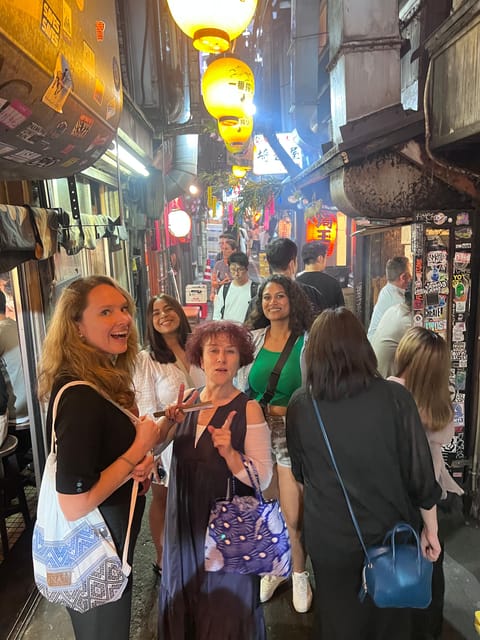
- Wangan Expressway at night: you get the bayshore-buzz look that daytime photos just can’t capture.
- Daikoku Parking Area (PA) car spotting: a full hour for photos and lineup watching.
- JDM culture context: you’ll hear how Japan’s tuning scene fits together, not just see cars.
- Small group size (max 3 per car): less chaos, easier conversation, and a calmer ride.
- Tokyo Tower photo stop: a classic end-of-night landmark before central Tokyo drop-off.
- BMW 118i M Sport: a performance-oriented ride with transportation handled for you.
The Big Idea: Why This Night Drive Works
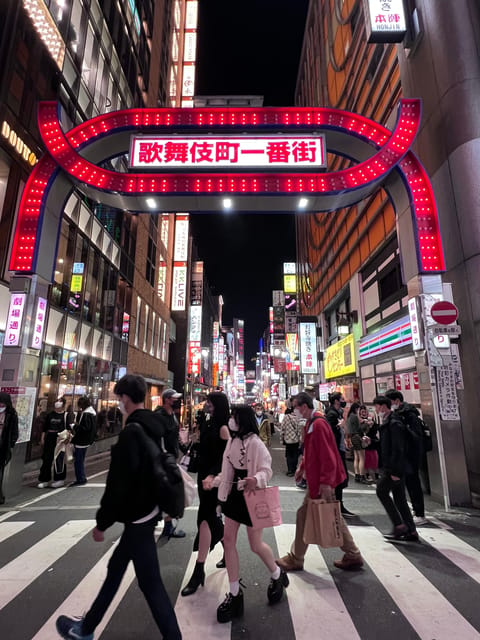
Tokyo at night has its own tempo. It’s sharper, brighter, and more cinematic, especially when you’re moving through the expressways that connect the city to the bay. This experience leans into that by focusing on nighttime roads first, then rewarding you with a tuning-culture stop that’s famous among car people.
What makes it feel good for your time is the pacing. You’re not rushing every five minutes, and you’re not stuck doing long “sit and listen” moments either. The tour is designed around short scenic drives, a planned break, and a dedicated stop where you can slow down and really look.
The other strength is the human factor. The guide is Tim, and the feedback centers on him being patient and well-versed in Japan and culture. That matters on a night drive because you want someone to help you understand what you’re seeing without turning the whole thing into a lecture.
You can also read our reviews of more evening experiences in Tokyo

Price, Value, and What’s Actually Included
At $90 per person for a 4-hour small-group ride, the price is mostly about one thing: access. You’re paying for a guided night route, professional driving, and transport in a BMW 118i M Sport—with costs covered.
You’re not paying extra for the “how do we get there?” problem. You won’t be figuring out the expressway logistics after dark, and you won’t be juggling directions in a foreign language while trying to enjoy the scenery.
What’s not included is also straightforward: food, drinks, and personal purchases aren’t part of the package. If you’re the type who likes to snack while you’re out, plan for it so you’re not stuck making decisions on the fly.
Bottom line on value: if you want the night drive + Daikoku PA + Tokyo Tower combo in one smooth block with a guide, this is priced like a focused experience rather than a generic “tour bus, then photos.”
Where You Meet and How to Find the Car Fast
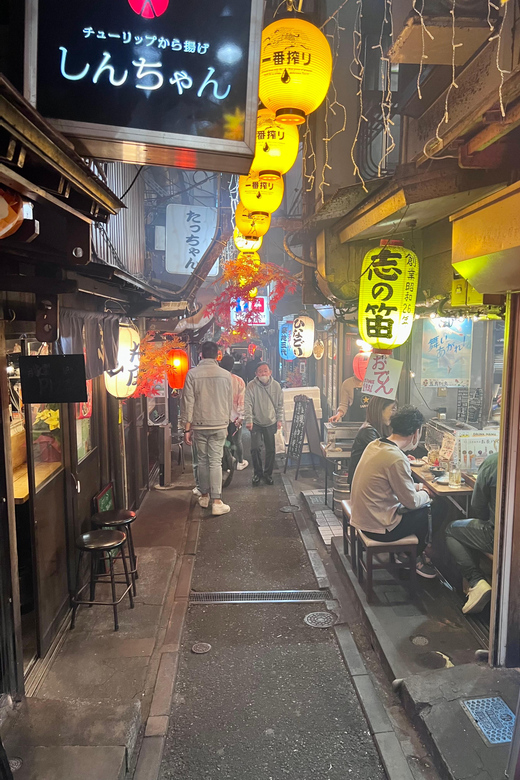
Meeting points can make or break a night activity, and this one is clear. Meet at the FamilyMart on Meiji-dori Avenue (Route 305) near Shibuya Station. Look for a white BMW 118i M Sport, and Tim will be wearing a black baseball cap.
I like that the directions are practical. You also get an exact location reference: Plus Code MP62+8R (Shibuya City, Tokyo). If you plug that into Google Maps, you can usually skip the stress of matching street names at night.
One small tip: arrive a few minutes early. Night meetups are easiest when everyone starts calm and ready to go.
The Ride Itself: What Night Driving Feels Like Here
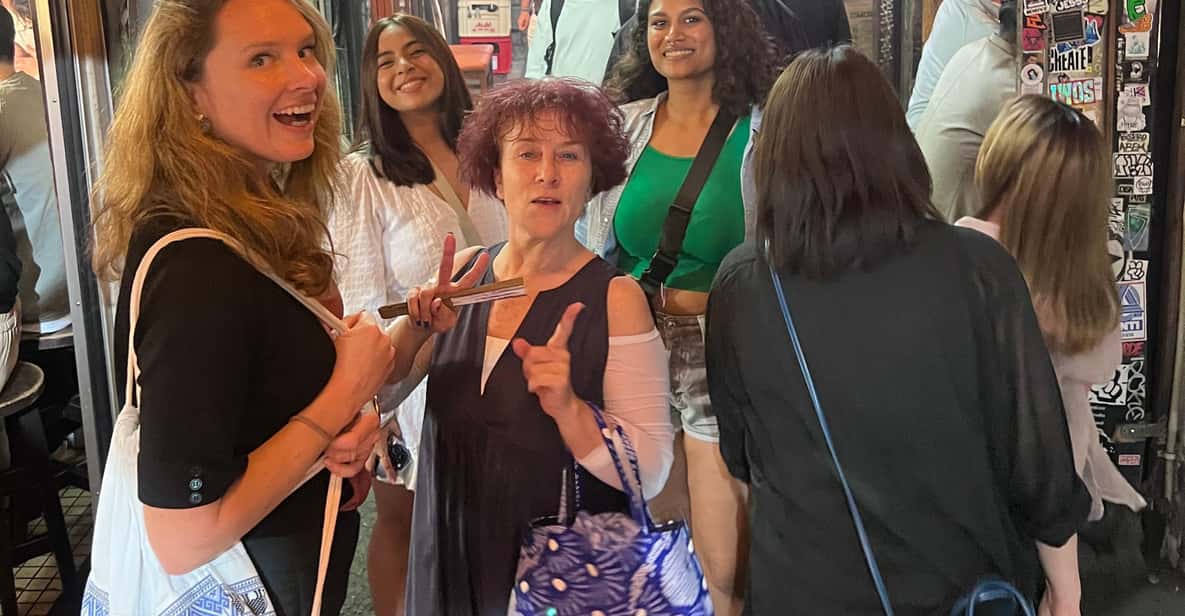
This is a small-group setup with a maximum of three participants per car. That limit matters more than it sounds. With a smaller group, you’re more likely to hear what the guide is explaining, and the ride stays relaxed instead of turning into a “multiple people, one microphone, zero conversation” situation.
You’ll be riding in a performance-oriented BMW 118i M Sport, with both a local guide and driver. The tour isn’t asking you to handle driving, so you can focus on the roads and the lights.
The experience is also explicitly in English. That’s a big deal on a topic like Japan’s tuning culture, where details can get lost if you only catch the “short version” and none of the context.
Stop One: Getting Oriented on the First Scenic Drive
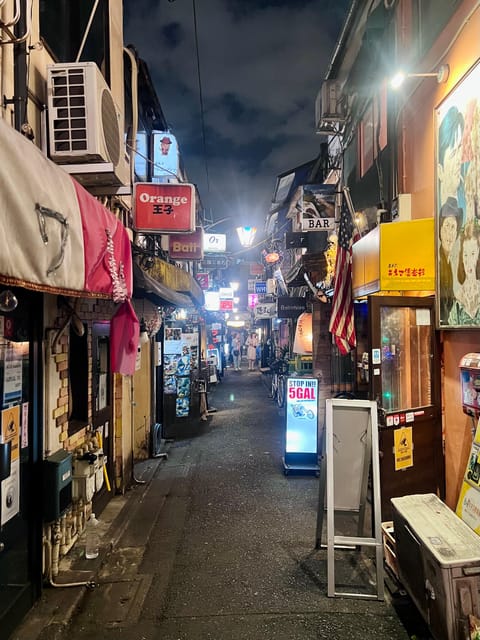
Early in the experience, you’ll start with a scenic drive segment (about 30 minutes). This part is useful because it sets the tone without throwing you straight into the busy, photo-heavy moment.
Think of it like a warm-up for your eyes. After dark, Tokyo’s colors come through differently: reflections on the road, neon spill into the distance, and expressway lanes that feel like they were built for long-exposure photography even when you’re just looking out the window.
This is also where the guide can set expectations. If you’re curious about what you’re seeing—signage, road layout, the “why” behind the nighttime routes—this early window helps you lock onto the story.





Time to Reset: The Break and Shopping Window
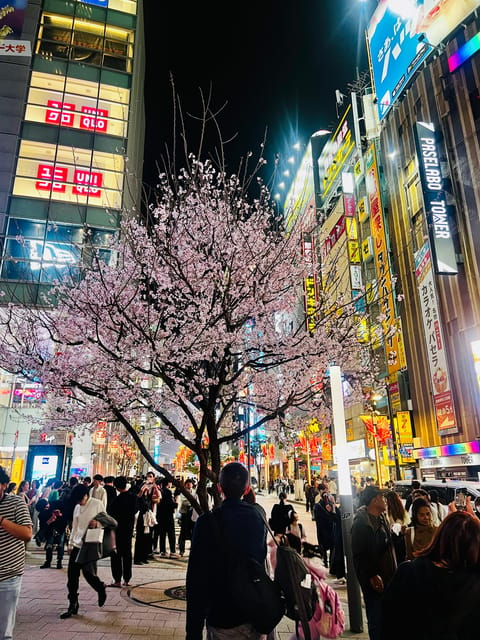
After the first scenic portion, the schedule includes a 30-minute break and shopping time. This is one of those “small detail, big payoff” parts of the tour design.
Night drives can be surprisingly tiring. Even if you’re excited, your brain is working: tracking lights, watching traffic patterns, reading road signs you recognize, and figuring out where you are. A planned reset keeps the rest of the tour enjoyable instead of turning it into a restless scramble.
If you want a quick snack or a drink, this is your chance during the structured time. The tour itself doesn’t include food and drinks, so use this segment if you know you’ll want something.
The Wangan Expressway Segment: The Main Attraction
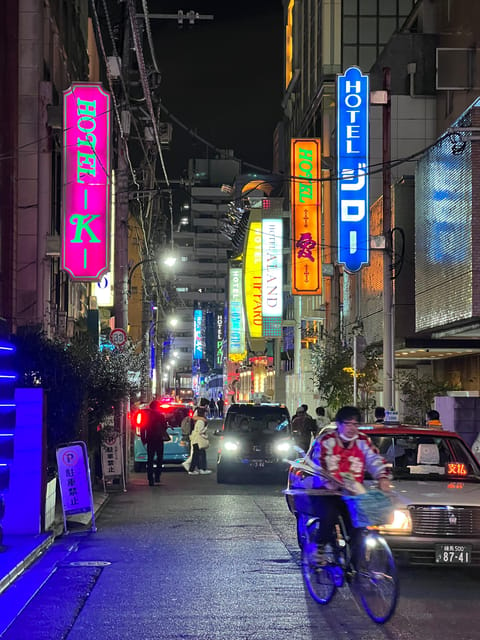
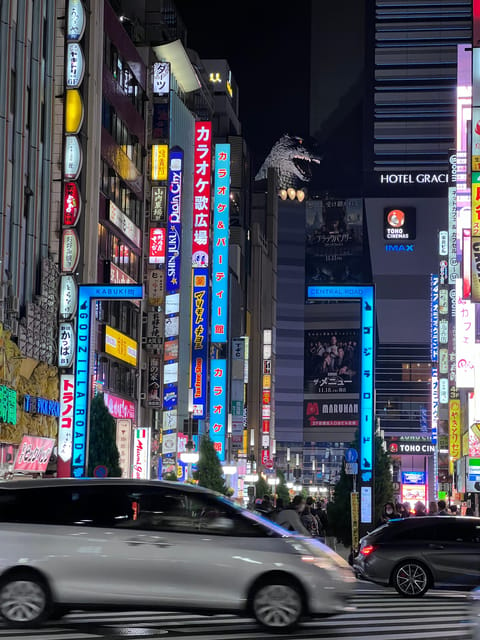
The centerpiece is the drive through the neon-lit Wangan Expressway and Tokyo’s bay-side routes. This is where the tour becomes more than sightseeing and turns into a proper Tokyo night experience.
Why it’s worth it: expressways at night aren’t just “roads.” They’re a stage. You get long lines of light, city glow off in the distance, and a sense of motion that city streets often don’t deliver the same way. It’s also a route that car people understand intuitively because it’s built for speed and flow.
If you’re a fan of cars, this segment can feel like anticipation. You’re moving toward Daikoku PA, so your eyes naturally start scanning the world for what’s coming next: tuned machines, unique styling, and the culture behind them.
Daikoku Parking Area: Car Spotting Time That Actually Feels Like the Point
Then comes Daikoku Parking Area, with about one hour dedicated to the visit.
This is the moment car lovers wait for. Daikoku PA is known for an ever-changing lineup, and the experience is set up for you to enjoy it properly: car spotting and photos, with time to watch the scene and take it in.
What you might see in the lineup includes cars associated with Japan’s tuning world, like GT-Rs, Supras, RX-7s, Silvias, and other tuned machines. You’re not just getting a quick drive-by. You have room to look, compare styles, and take photos without feeling rushed.
The guide also adds context. The tour is designed to help you understand Japan’s tuning scene beyond surface styling—why certain platforms show up, what the culture values, and how people build their cars for taste, not just performance.
Practical note: you’ll be outside during the Daikoku stop. Dress for night air and keep your photo setup simple so you can focus on watching the cars.
Road Back Through Kanagawa: Scenic Drive After the Spotlight
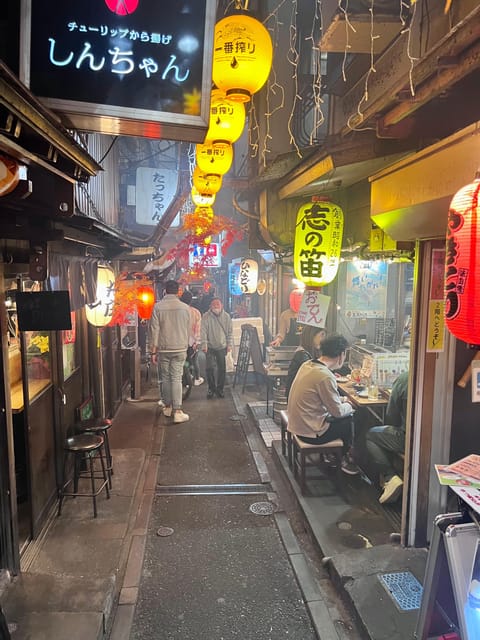
After Daikoku, there’s another scenic drive segment (about 30 minutes) through Kanagawa Prefecture.
This part works like a transition. You’ve just had a concentrated “watch the machines” moment. Now you shift back to city/bay viewing and the feeling of Tokyo moving around you.
It also helps you avoid the letdown effect that can happen after the biggest attraction. Instead of leaving immediately after the cars, you still get time to take in the roads and settle the energy from the photo stop.
Final Classic Stop: Tokyo Tower at Night
The tour ends with a scenic stop at Tokyo Tower for about 30 minutes, before returning to central Tokyo drop-off.
Tokyo Tower is a classic because it reads clearly in photos even when you’re not hunting for street-level details. At night, it can look like a fixed point in an ocean of motion—a nice way to cap a tour that has been about speed, neon, and the bay.
This stop is also valuable because it gives you one last “pause moment.” If you like memories you can point to later on your camera roll, this is the kind of stop that produces a strong, recognizable result with minimal effort.
Small Group Comfort: Why Max 3 Per Car Matters
A max of three participants per car is a big part of why this experience stays comfortable, especially at night.
In practical terms, it means:
- The guide can keep explanations flowing instead of repeating them to a large group.
- You’ll have fewer interruptions while you’re looking out windows or trying to take a photo when the timing is good.
- Conversation feels more natural, so if you have questions about tuning culture or what you’re seeing on the roads, you’re more likely to get real answers.
The tour is described as relaxed and personal, and the structure supports that.
Who This Tour Is Best For
I think this tour fits best if you fall into one of these buckets:
- Car people who want a structured night experience and actual time at Daikoku PA.
- Couples who want something different from museums and shopping malls, without it feeling extreme or rushed.
- Families who want a guided, safe-feeling way to see Tokyo at night and get photos that look like Tokyo, not just like a city walk.
- Photography-minded visitors who like night visuals and want a specific reason to be out after dark.
If you’re expecting a history-heavy lecture, this isn’t that kind of tour. It’s a moving, look-around experience with car culture as the anchor.
Things to Consider Before You Book
A few practical points to think through:
- It’s a night drive. If you don’t love being in a car at night, decide carefully.
- Food and drinks aren’t included, so you may want to plan for it during the break time.
- It’s not suitable for wheelchair users and pregnant women, per the activity details.
- The Daikoku PA lineup is described as ever-changing, so you can’t guarantee specific models every single night. The value is in the scene and the context, not a promised checklist.
Should You Book This Tokyo Night Drive?
If you’re the type of person who wants Tokyo after dark to feel like an experience and not a chore, I’d say this is worth your time. The blend of Wangan Expressway nighttime views, Daikoku PA car spotting, and a Tokyo Tower photo stop is a smart three-part arc: move, watch, then pose.
I’d especially recommend it if cars and Japanese tuning culture are on your “yes” list. Between the dedicated Daikoku hour and Tim’s patient, culture-focused guidance, this tour is built to help you enjoy the details instead of just passing them by.
If your priority is purely iconic landmarks with minimal time in moving vehicles, you might consider a daytime alternative. But for an evening plan that feels distinctly Tokyo—and distinctly car culture—this one checks a lot of boxes fast.
FAQ
FAQ
How long is the Tokyo Night Drive with Wangan Expressway and Daikoku PA?
The duration is 4 hours.
How much does it cost?
It costs $90 per person.
What’s included in the price?
The price includes ride in a performance-oriented BMW 118i M Sport, plus a local guide and driver. All transportation costs are included.
What isn’t included?
Food, drinks, and personal purchases are not included.
Where do I meet the guide and driver?
Meet at the FamilyMart on Meiji-dori Avenue (Route 305) near Shibuya Station. You’re looking for a white BMW 118i M Sport and Tim wearing a black baseball cap.
Is the tour in English?
Yes, the tour includes an English live tour guide.
How big is the group?
The experience is a small group limited to a maximum of three participants per car.
Do you stop at Daikoku Parking Area for car spotting?
Yes. You’ll spend about one hour at Daikoku Parking Area for car spotting and photo time.
Are there any stops besides Daikoku PA?
Yes. The experience includes a scenic stop at Tokyo Tower and scenic drives through the route at night.
Is the tour suitable for wheelchair users or pregnant women?
No. It’s listed as not suitable for pregnant women and wheelchair users.

![Tokyo: Enjoy Sumo match and know about it! [Ticket included] - Getting Started: Handprints to Tickets, Without the Stress](https://e.thetokyoexplorer.com/wp-content/uploads/tokyo-enjoy-sumo-match-and-know-about-it-ticket-included-400x267.jpg)