REVIEW · TOKYO
TOKYO , No1 Yokozuna Stable Morning Practice in Ryogoku
Book on Viator →Operated by Sakura Concierge · Bookable on Viator
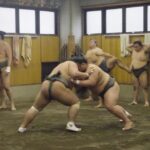
Sumo morning practice in Ryogoku is the real thing. You’re seeing training at a prestigious stable led by a Yokozuna, one of only 72 Yokozuna to have emerged in more than 1,500 years of sumo history. For me, the best part is the chance to watch morning practice at close range, with the right atmosphere and Shinto-rooted respect behind it.
I also love how this tour strings sumo into everyday Tokyo streets. You don’t just stop at one landmark—you walk Ryogoku’s sumo neighborhood, then visit the Nominosukune Shrine and pass by the Ryogoku Kokugikan, plus a quick hit at the Sumida Hokusai Museum.
One thing to consider: it’s an early meet—7:45 a.m.—and the Hokusai Museum isn’t included (noted as ¥400). If you’re hoping for a relaxed, late-start morning, this may feel a bit sharp on the clock.
In This Review
- Key highlights at a glance
- Sumo before the crowd: why Ryogoku’s morning practice hits different
- Getting there on time: the 7-Eleven meet-up and the morning pace
- Yokozuna stable training: what you’re actually watching
- Ryogoku’s sumo corridor: Kokugikan, museum area, and the walk-through feel
- Nominosukune Shrine: the sumo deity stop that adds meaning
- Hokusai in Sumida: a quick museum stop with a local connection
- Ryogoku Edo Noren: where the tour turns practical and edible
- Price and value: what $110 covers (and what it doesn’t)
- Guides and the little extras that change the feel
- Who this tour is best for
- Should you book this Yokozuna stable morning practice tour?
- FAQ
- What time does the tour start?
- Where do I meet the guide?
- How long is the tour?
- How much does the tour cost?
- Is the sumo stable admission included?
- Is the Sumida Hokusai Museum admission included?
- Will I be able to take photos at the stable?
- What’s the group size?
- What if the tour gets canceled due to minimum travelers?
- How far in advance can I cancel for a full refund?
Key highlights at a glance
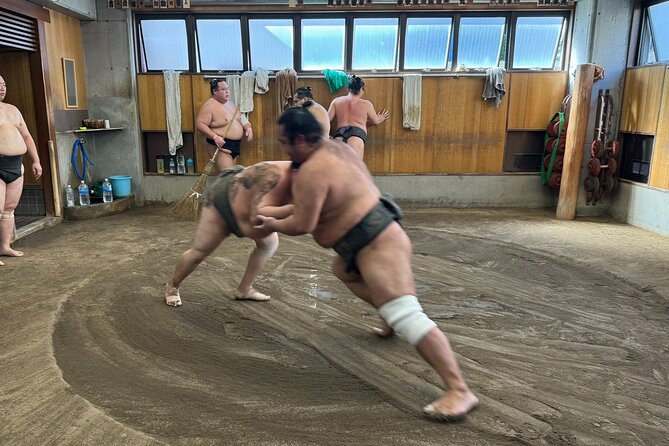
- Front-row training with a quiet, respectful watching style at a Yokozuna stable
- Small group size (max 14), which keeps the morning feeling focused
- Nominosukune Shrine visit, including stone monuments connected to past Yokozuna
- Ryogoku Kokugikan area pass-by, three tournament times per year in the iconic venue
- Sumida Hokusai Museum stop (admission not included) in a neighborhood Hokusai knew well
- Ryogoku Edo Noren food stop in the historic old Ryogoku Station building
Sumo before the crowd: why Ryogoku’s morning practice hits different
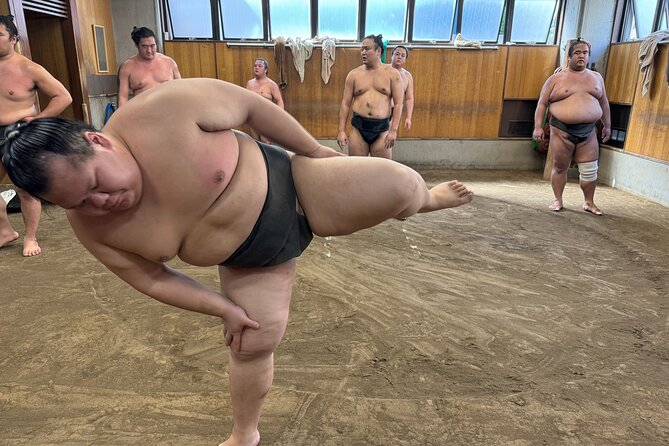
If you want sumo as more than TV drama, this is the kind of morning that delivers. The schedule is built around getting to Ryogoku early, meeting at 7:45 a.m. in front of a 7-Eleven just outside JR Ryogoku Station (West Exit), and then heading straight to the stable for practice observation. It’s a calm start, and that matters. Sumo training has a rhythm, and you see it best when you’re not rushing in after the fact.
The tour’s big selling point is access to a stable where you’re watching Yokozuna-level training. The tour info puts it in rare-history terms: only 72 Yokozuna have emerged across roughly 1,500 years. Whether you care about the exact count or not, it signals the rank level you’re about to witness through daily work—drills, repetition, and the steady discipline that comes before a tournament.
You can also read our reviews of more tours and experiences in Tokyo

Getting there on time: the 7-Eleven meet-up and the morning pace
Here’s the practical side that makes or breaks this experience: punctuality. The meeting is set for 7:45 a.m., and the group meets at the West Exit of Ryogoku Station in front of the 7-Eleven. The plan includes a brief sumo introduction before you move to the stable, so if you’re even slightly late, you’ll feel rushed and you’ll also risk throwing off the group flow.
Timing also shapes the tour style. Total time is about 2 hours 30 minutes, with the stable portion taking about 1 hour 30 minutes. That means the rest of the stops are short and purposeful. You’ll get a taste of Ryogoku’s sumo landmarks, plus a quick museum stop and a shrine visit, but this is not a slow wandering morning where you can get lost and decide to stay longer.
Yokozuna stable training: what you’re actually watching
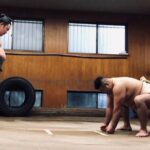
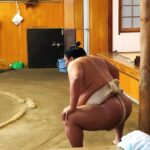
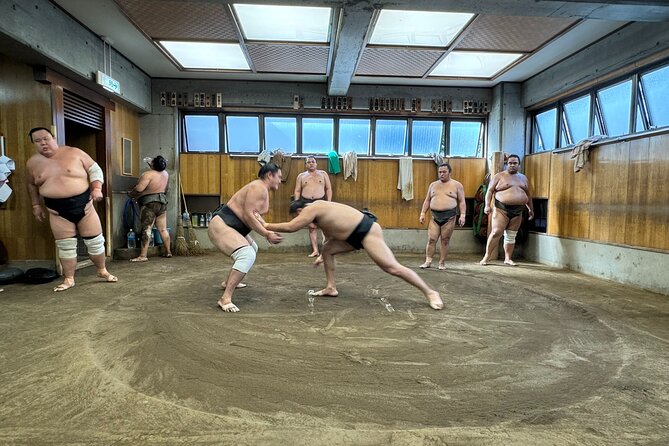
At the stable, the focus is very clear: observe up close and watch quietly and with respect. The tour notes that the practice is based on Shinto traditions, which helps explain the tone. This isn’t a big show for a crowd. It’s training in a sacred, ritual-minded space where your job is to be an attentive observer.
You may even get chances for memorable photos—if you’re lucky and it works out. One review described the wrestlers as just a couple of feet away, which fits the “up close” promise. When athletes are that near, you stop thinking in terms of spectacle and start noticing the details: the intensity of the practice, the focus of the training, and how seriously the stable runs the day.
Also worth knowing: the tour includes a small gift from the sumo stable. That’s not a huge souvenir value thing, but it’s a nice extra because it ties the visit to the stable itself rather than just the surrounding neighborhood.
Finally, group size stays small. The activity has a maximum of 14 travelers, which usually means you’re not packed in a massive line. Smaller groups tend to translate into a calmer experience—less shuffling, fewer interruptions, and more chance to settle into the moment.
Ryogoku’s sumo corridor: Kokugikan, museum area, and the walk-through feel
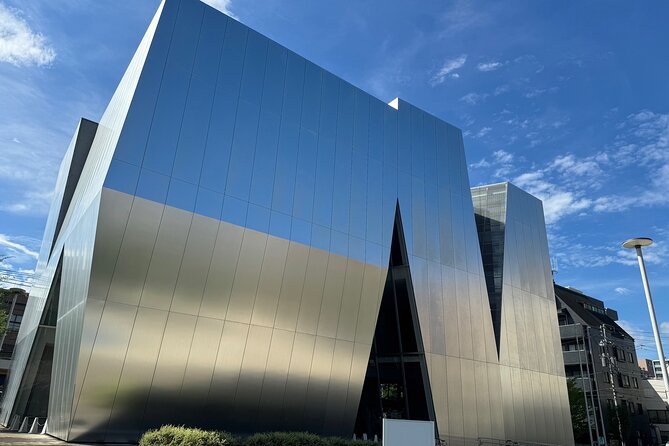
After the stable, the tour shifts to Ryogoku, the neighborhood many people associate with sumo. The route is designed to give you context quickly.
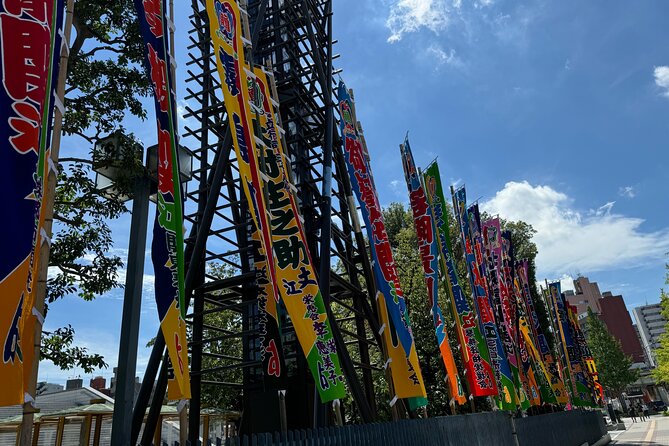
You’ll visit the area around Ryogoku Kokugikan, the national sumo arena. The plan says you may walk past it, and it reminds you that the Grand Sumo Tournament happens three times a year. Even without entering, the location helps you connect the training you just saw to the bigger stage in the same city ecosystem.
From there, the tour also includes the Sumo Museum as a possible stop depending on time. The museum is noted as free, but the info also flags that it may be closed on weekends. So if you’re booking for a weekend departure, go in knowing the museum stop might not be available, and that’s okay—the stable and shrine parts still do the heavy lifting.
Nominosukune Shrine: the sumo deity stop that adds meaning
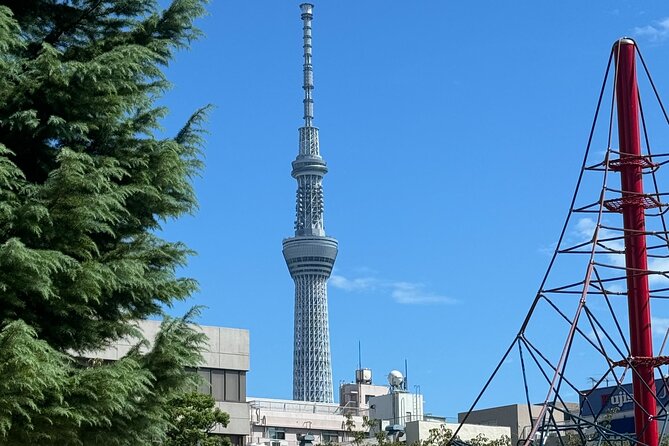
If you want one stop that turns the day from sightseeing into something more grounded, it’s Nominosukune Shrine.
This is where you visit the shrine dedicated to Nominosukune, and you can also see stone monuments of past Yokozuna in the grounds. That’s the sort of detail that makes sumo feel like a living tradition rather than a modern sport.
The tour also mentions a specific tradition: when a wrestler is newly promoted to Yokozuna, there’s a customary act involving the first ring-entering. Even if you don’t know the exact ceremonial details ahead of time, the shrine visit frames why these names and ranks matter. You’re not just learning facts; you’re walking through a place that carries reminders of status and ritual.






Hokusai in Sumida: a quick museum stop with a local connection
The tour includes a short visit to the Sumida Hokusai Museum. It’s a brief stop—about 5 minutes—so don’t expect a long art day. Still, it’s a smart add-on because this area is tied to Hokusai’s life.
The info states that Katsushika Hokusai was born in Honjo-Wari-Gesui (present-day Kamezawa area in Sumida Ward) in 1760, and that he spent almost his entire 90-year life in Sumida. That context matters. A quick visit becomes more meaningful when you understand it’s not just about famous prints—it’s about place.
Admission is not included, and the tour notes a museum fee of ¥400 JPY. If you’re trying to keep costs predictable, bring cash or be ready to pay on-site.
Ryogoku Edo Noren: where the tour turns practical and edible
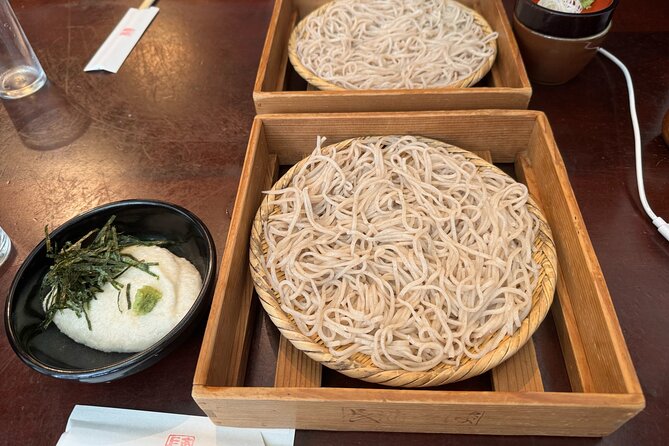
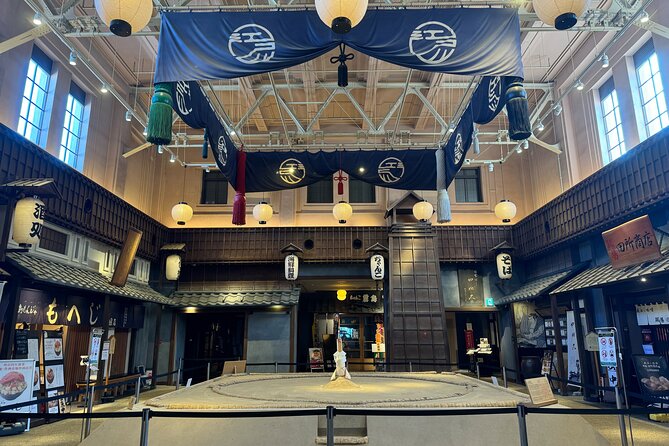
After the shrine and museum stop, you’ll likely appreciate something less ceremonial and more human: food in a historic Ryogoku space. The tour includes a visit to Ryogoku Edo Noren, described as a concept connecting modern-day deliciousness with culture in an Edo-style setting.
The key detail for planning is the location: it’s in the historic old Ryogoku Station building, with an open-ceiling look inspired by an older design feel. The stop is short (about 10 minutes), so it’s more about giving you a chance to taste and browse than it is a full meal included in the price.
Since lunch and beverages aren’t included in the tour cost, treat this as your opportunity to grab a snack or light bite if you want to keep momentum.
Price and value: what $110 covers (and what it doesn’t)
The price is listed at $110 per person for about 2.5 hours, with mobile ticket delivery. To judge value fairly, look at what’s included: the sumo stable admission fee plus a small gift from the stable.
That’s important because stable access usually isn’t the cheapest part of a cultural morning. You’re also getting a guided format—context before and during the day—plus the structured route around Ryogoku’s key sumo and art stops.
What’s not included is also clear: transportation, lunch and beverages, and the Sumida Hokusai Museum admission (¥400). Tips aren’t included either, though the tour notes that tips for excellent service are welcome.
Also, average booking timing is listed as about 18 days in advance. If you’re traveling during high-demand weeks, consider booking earlier so you don’t end up with fewer time options.
Guides and the little extras that change the feel
The reviews highlight guides as a real factor. On different departures, guides named Rothko and Ryoko are described as kind and effective at providing context and history along the way. That matches what you want in a tour like this: the stable is fascinating on its own, but the meaning lands harder when your guide explains what you’re seeing.
One review also notes laminated sheets being passed around for commentary. Even if you don’t read every detail, having something to refer to can help you connect names, rituals, and what to watch for while you’re standing quietly near the training.
The overall vibe is respectful and focused. The tour asks you to keep quiet during the stable observation, and that’s not just etiquette for etiquette’s sake—it helps you actually notice what the wrestlers are doing.
Who this tour is best for
This experience fits you best if you want:
- Real access to sumo training rather than a distant viewpoint
- A morning itinerary that’s tight, structured, and easy to follow
- Culture stops that connect to sumo through ritual (Nominosukune Shrine) and place (Sumida/Hokusai)
It’s less ideal if you:
- Need a late start or a slow pace
- Want a full museum deep dive time (the Hokusai and museum stops are brief)
- Don’t want any extra paid items (the ¥400 Hokusai Museum fee is not included)
Should you book this Yokozuna stable morning practice tour?
Yes—if you’re the type who wants to see how something really works before it hits the big stage. The stable observation is the core, and the tour supports it with a short but meaningful add-on sequence: Ryogoku’s sumo arena area, Nominosukune Shrine with Yokozuna monuments and tradition, and a quick Sumida art connection to Hokusai. Add in a small group size (max 14) and stable admission included, and the value starts to make sense beyond the headline price.
Book it if you can commit to the early 7:45 a.m. start and you’re okay with museum time being brief. If you’re allergic to early mornings or you want lots of free time, look for a different format. But for most first-time Japan visitors who care about authenticity and atmosphere, this is a strong pick.
FAQ
What time does the tour start?
The tour starts at 7:45 a.m.
Where do I meet the guide?
Meet in front of the 7-Eleven after exiting the West Exit of JR Ryogoku Station.
How long is the tour?
The duration is about 2 hours 30 minutes.
How much does the tour cost?
The price is $110.00 per person.
Is the sumo stable admission included?
Yes. Sumo stable admission is included.
Is the Sumida Hokusai Museum admission included?
No. Museum admission is not included, and it’s listed as ¥400 JPY.
Will I be able to take photos at the stable?
The tour information says you may have a chance to take photos with a wrestler if you’re lucky. Follow your guide’s instructions and the stable’s rules.
What’s the group size?
This activity has a maximum of 14 travelers.
What if the tour gets canceled due to minimum travelers?
If the minimum isn’t met and the tour is canceled, you’ll be offered a different date/experience or a full refund.
How far in advance can I cancel for a full refund?
You can cancel up to 24 hours before the experience start time for a full refund.