REVIEW · TOKYO
Super Sugamo Local Foodie Adventure
Book on Viator →Operated by Arigato Japan KK · Bookable on Viator
Sugamo has a quieter side of Tokyo. This 3-hour local food walk in an older residential neighborhood is one of the easiest ways to understand Japanese flavors without guessing where to go or what to order. I like that the tour is built around guided food stops plus time to browse the area, not just eating-and-running. I also really value that it’s a small group (max 6), so you get real back-and-forth on what you’re tasting and why it matters.
A practical thing to consider: the experience runs on good weather, and you’re walking between spots. If you’re hoping for lots of sit-down restaurant time, this is more of a steady, tasting-focused route across local streets.
In This Review
- Key highlights worth your attention
- Sugamo Is a Smart Tokyo Choice for Food Lovers
- The Price Makes More Sense When You Think in Tastings
- Meeting at Sugamo Station: Where the Tour Actually Starts
- Walking Through Sugamo: The Neighborhood Layout You Don’t See Alone
- Stop One: Aoyama Flower Market at Sugamo Station
- The Sugamo Food Route: 5 Tastings, Lunch, Dessert, and a Drink
- How to get the most out of the tastings
- Cold soba can be the standout
- Lunch at a Local Restaurant: The Main Meal Moment
- Dessert and One Drink: Ending Sweet, Not Stuffed
- Shopping Time on Jizodori: What to Do After the Last Bite
- Dietary Restrictions: What You Can Plan For
- Group Size and Pacing: The Real Comfort Factor
- Weather Matters, So Pick Your Day Wisely
- Who This Tour Fits Best (And Who Might Want Something Different)
- Should You Book This Sugamo Local Food Adventure?
- FAQ
- What is the duration of the Super Sugamo Local Foodie Adventure?
- Where does the tour start and when?
- Where does the tour end?
- What’s included in the price?
- Can this tour accommodate dietary restrictions?
- How big is the group?
- Is hotel pickup included?
Key highlights worth your attention
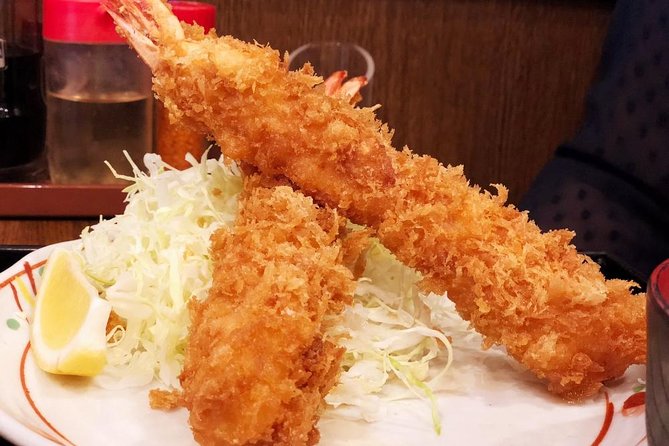
- Sugamo, not the usual tourist grid: you’ll spend time in a neighborhood feel rather than a checklist district
- Five dish tastings plus lunch and dessert: you’re not just sampling snacks
- Cold soba energy: one of the commonly praised dishes here is cold soba, a great taste of buckwheat comfort
- Local English-speaking guide: expect context and food know-how, not a script
- Family-friendly pace and variety: you should find something even if your group has different tastes
- Ends at Jizodori Shopping Street: natural place to keep shopping after the last bite
Sugamo Is a Smart Tokyo Choice for Food Lovers
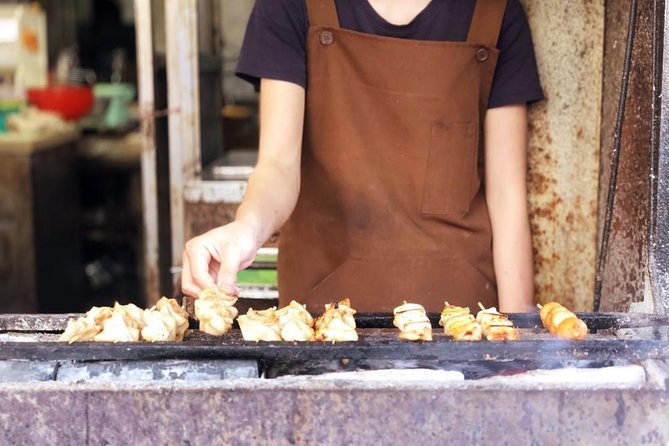
If Tokyo feels overwhelming, I get it. Big-name areas are easy to plan but hard to learn from, because you’re mostly shopping for sights instead of food culture. Sugamo is different. It’s a neighborhood where people live their everyday lives, and that shows up in the kinds of meals you’re encouraged to try.
This tour hits the sweet spot for both first-timers and repeat visitors. First-timers get an instant map of how Japanese food can vary by region and shop style. Repeat visitors get a change of pace from the usual queues and photo stops. The focus stays practical: you’ll be walking, eating, and asking questions.
And you’re not stuck with a one-note meal plan. The structure is built for variety: five different dishes, followed by lunch, plus dessert and one drink. That combination matters because it helps you understand how Japanese meals shift from savory to sweet, and from casual snack logic to full meal rhythm.
You can also read our reviews of more tours and experiences in Tokyo



The Price Makes More Sense When You Think in Tastings
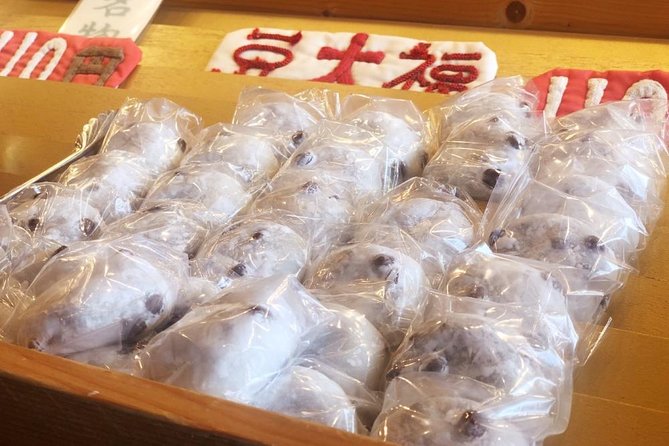
At $199 per person for about 3 hours, you’re paying more than you would for a solo dinner. But you’re also buying something that DIY Tokyo often struggles to deliver: a guide who can lead you through local food spots you’d likely miss on your own, plus the convenience of an organized route.
What you’re getting for that price is fairly clear:
- 5 food stops with tastings
- lunch at a local restaurant
- dessert
- 1 drink
- local English-speaking guide
- mobile ticket
- maximum 6 travelers, which helps keep the experience manageable
Here’s how I think about value: the cost isn’t just the food. It’s the time you save, the ordering help, and the translation of food cues (what you’re eating, how it’s made in simple terms, and how to read menu choices). If you’ve ever stood in front of a Japanese menu and felt your confidence quietly walk out the door, you’ll understand why this kind of guided tasting route can be worth it.
Meeting at Sugamo Station: Where the Tour Actually Starts
The tour starts at Sugamo Station, in the entrance area. Your meet-up point is described as the front of the Aoyama Flower Market shop inside the Sugamo Station entrance area. The start time is 11:30 am.
Why this start works: it’s easy to reach using public transit, and it keeps you from spending your morning doing complicated navigation. It also helps you warm up with the neighborhood vibe right away. Even before the first tasting, you’re already in the Sugamo flow, not off somewhere isolated.
Plan to arrive a little early so you’re not rushing. With food tours, the biggest stress usually comes from logistics, not the food. Once you’re grouped up, the pacing becomes smooth.
Walking Through Sugamo: The Neighborhood Layout You Don’t See Alone
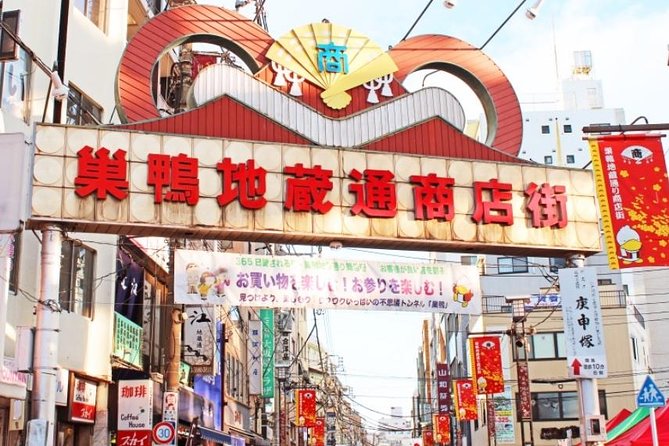
After you meet, the route takes you through Sugamo’s local shopping streets and food areas. The experience includes a cultural component and also gives you time to browse a shopping arcade for area-specific souvenirs.
This part is more than a “photo walk.” Sugamo’s shop layout matters because it affects what kind of food places you find and how you experience them. You get pulled along the same routes locals use to run errands, browse small storefronts, and pop into casual eateries. That’s where the tour earns its value: it turns a neighborhood into a story you can navigate later.
One of the best things about a small group is that you can follow the guide without feeling like you’re sprinting to keep up. With up to six people, the group can slow down when someone has a question, and that makes the food part feel more personal.
Stop One: Aoyama Flower Market at Sugamo Station
This first moment is brief but useful. You’re basically setting your anchor point in the neighborhood. Meeting at the Aoyama Flower Market frontage inside the Sugamo Station entrance area gives you an easy landmark so you can start with confidence.
What I like about this kind of meeting spot is that it reduces the early-tour uncertainty. You’re already inside the station area, so you’re not trying to locate a tiny street corner with no help. It’s a smart design for a food tour where timing matters and nobody wants to miss the first tasting.



The Sugamo Food Route: 5 Tastings, Lunch, Dessert, and a Drink
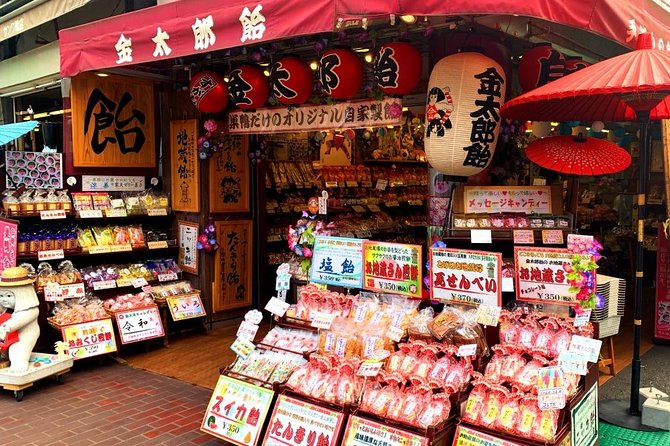
The core of the experience is the food sequence across the district. You’ll hit five food stops with tastings, then move into lunch, and finish with dessert plus one drink.
The format is ideal if you want to learn while you eat. Tastings are small enough that you can compare flavors and textures across multiple places. Lunch and dessert then let you experience the full arc of a meal: warm savory, satisfying main-course energy, and then the sweeter landing.
How to get the most out of the tastings
Don’t just eat and nod. Use the guide time. If you’re curious, ask simple questions like:
- What makes this different from the same dish elsewhere?
- Is this usually eaten here for a specific time of day or season?
- How should I taste it beyond the obvious flavors?
This is where the small-group setup helps again. You’re more likely to get an answer that’s specific, not just a general explanation. In the reviews, the guide Serena gets strong praise for pairing food knowledge with history and culture, which is exactly what you want on a tasting route.
Cold soba can be the standout
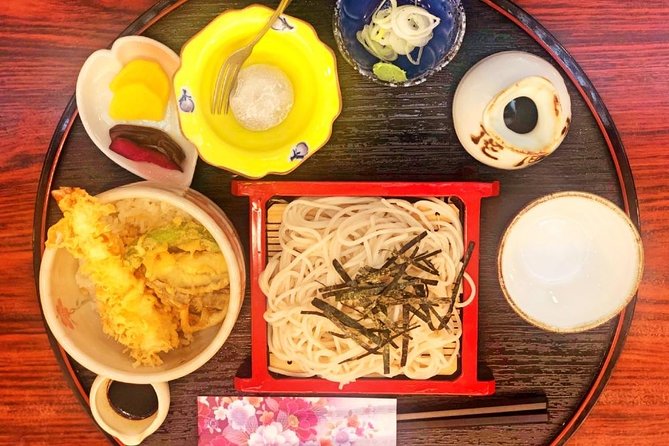
One dish that comes up with major enthusiasm is cold soba. If your tasting lineup includes soba, treat it like a palate reset. It’s a great Tokyo food lesson because it shows how Japanese cuisine can be both simple and precise—cool buckwheat noodles, the right balance of dipping or topping, and the texture contrast that makes it memorable.
Lunch at a Local Restaurant: The Main Meal Moment
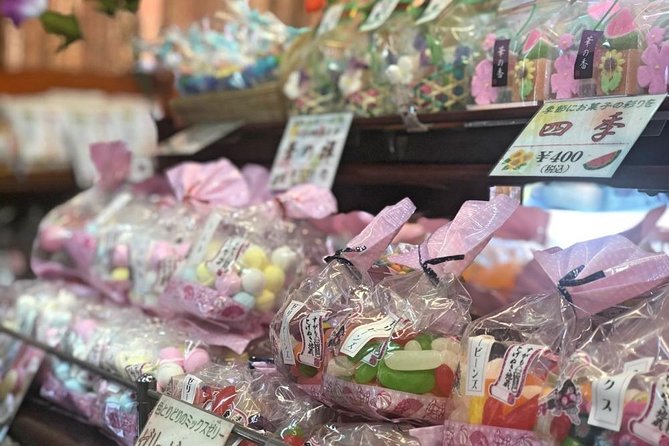
Lunch is included, and that matters because many food tours make the mistake of turning lunch into another snack stop. Here, you get a proper local restaurant experience after the first set of tastings.
What I’d watch for is your pacing. Since you’re eating across several stops, it helps to go into lunch ready to slow down for a moment. You’ll likely be able to compare the lunch style to what you sampled earlier, which makes the meal feel like part of a learning arc rather than just “another item on the list.”
And if your group has different tastes, lunch is usually where that variety becomes obvious. This tour is described as family-friendly, so it’s designed to include options that won’t overwhelm beginners or picky eaters.
Dessert and One Drink: Ending Sweet, Not Stuffed
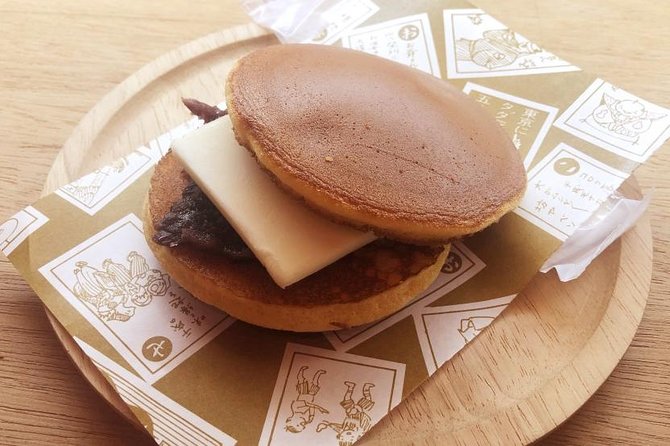
You’ll finish with dessert and one drink. That’s a thoughtful structure for a 3-hour tour because it keeps energy high while still letting you leave satisfied.
I like dessert on a food walk because it clarifies what “Japanese sweets” can mean in real life. Even if you’re not a sweets person, dessert is a useful contrast to the savory items you’ve just eaten. One drink also gives you a practical pairing without turning the tour into a pub crawl.
Shopping Time on Jizodori: What to Do After the Last Bite
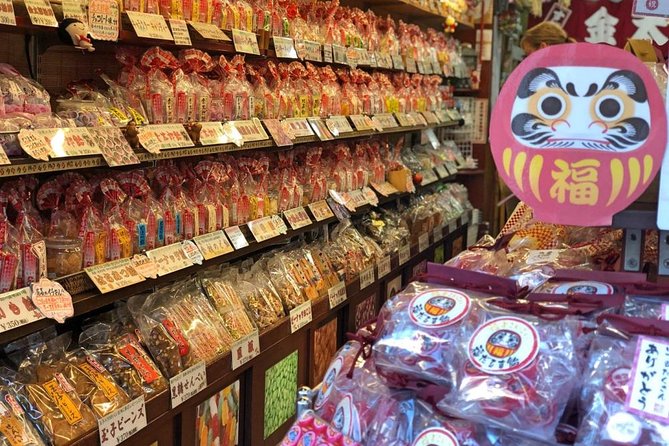
The tour ends in the Jizodori Shopping Street area, a natural place to keep exploring. You’ll also have browse time in the district, including a shopping arcade where souvenirs unique to the area are sold.
This is one of those details that can quietly make your day better. Food tours can leave you feeling full but disconnected from the neighborhood. Ending at a shopping street lets you keep your momentum going—pick up something small, find a snack to bring home, or just continue walking with a better sense of where you are.
If you’re traveling with people who don’t want another big museum, shopping street time is a solid swap. It keeps the day relaxed while still feeling purposeful.
Dietary Restrictions: What You Can Plan For
The tour states flexibility for several dietary needs: no shellfish, no pork, vegetarian, and pescetarian.
That’s helpful information for planning, because Japanese food can include surprising ingredients depending on the shop and the dish. If you have restrictions, double-check them at booking and communicate them clearly. Even with flexibility, you’ll get the smoothest experience when the guide knows exactly what’s okay for you.
One tip: if you’re strict, bring up your limitation early so the route can match what’s available at each stop. The tour’s structure depends on a sequence of places, so advance clarity helps.
Group Size and Pacing: The Real Comfort Factor
With a maximum of 6 travelers, this tour feels more like a guided neighborhood meal than a mass departure. That small group size helps for two reasons:
- It’s easier to hear the guide.
- It’s easier to adapt if someone needs a breather or has questions.
The time on the ground is about 3 hours, which is long enough to feel like you got a real experience, but short enough that you’re not wiped out for the rest of your day. If you’re planning other Tokyo time afterward, this slot is usually workable.
Weather Matters, So Pick Your Day Wisely
The experience requires good weather. Tokyo can surprise you with rain, so pick a day when skies look stable.
If the tour is canceled due to poor weather, you’ll be offered a different date or a full refund. That’s the kind of setup that reduces the risk of burning your day on plan changes.
Who This Tour Fits Best (And Who Might Want Something Different)
This tour is a strong match if you:
- want a local food route in Tokyo without doing heavy planning
- like learning from a guide while you eat
- want a meal-based neighborhood experience (not just street food on the run)
- travel with family or people who want variety without extreme foods
It may not be ideal if you:
- want long, slow sit-down courses at one restaurant
- hate any walking between stops
- are traveling on a day when weather is uncertain
Should You Book This Sugamo Local Food Adventure?
I’d book it if you want one of the smartest ways to learn Tokyo food culture quickly, in a neighborhood most visitors skip. The combination of five tastings, lunch, dessert, and one drink, guided by an English-speaking local, is a practical package. And the small group size gives you a better chance to actually understand what you’re eating instead of treating it like a food stamp collection.
Before you hit confirm, just make sure you can handle some walking and you’re comfortable with a food-focused route that depends on good weather. If that fits your day, this is a high-value way to experience Sugamo the way it’s meant to be experienced.
FAQ
What is the duration of the Super Sugamo Local Foodie Adventure?
It lasts about 3 hours.
Where does the tour start and when?
The tour starts at Sugamo Station at 11:30 am. The meet-up point is the front of the Aoyama Flower Market shop inside the Sugamo Station entrance area.
Where does the tour end?
The tour ends in the Jizodori Shopping Street area (Sugamo, Toshima City, Tokyo).
What’s included in the price?
The tour includes tastings at 5 food stops, lunch, dessert, and 1 drink, plus a local English-speaking guide.
Can this tour accommodate dietary restrictions?
The tour states dietary flexibility for no shellfish, no pork, vegetarian, and pescetarian.
How big is the group?
The tour has a maximum of 6 travelers.
Is hotel pickup included?
No. Hotel pickup is not included, though it can be arranged for an additional charge. Transportation costs are also not included.