REVIEW · TOKYO
Yokohama : Tea Ceremony with Sweets and Souvenir
Book on GetYourGuide →Operated by RyotaAwashima · Bookable on GetYourGuide
Matcha etiquette, without the stress. In Yokohama, I like that you brew your own tea with help from Ryota and Sarina, and you pair it with traditional sweets designed for the flavors in your cup.
The only catch is the whole experience clocks in at 1 hour, so it is not a half-day deep cultural tour. Also, the meeting point varies based on the tea room’s location, so you’ll want to check your message before you head out.
In This Review
- Key highlights worth your time
- Yokohama tea ceremony: why this format feels right for first-timers
- What happens during the 1-hour ceremony: brewing, sweets, and a relaxed pace
- Ryota and Sarina: English-friendly guidance that makes you feel at ease
- The sweets matter: how the pairing teaches you what to notice
- The tea set souvenir: practical keepsake, not just a trinket
- Price and value: is $45 for a 1-hour ceremony worth it?
- Where you meet and how the timing works in Yokohama
- Who should book this Yokohama tea ceremony?
- Should you book? My decision checklist
- FAQ
- How long is the Yokohama tea ceremony?
- What is included in the $45 per person price?
- Is this a small group activity?
- What language is the instructor?
- Where do I meet for the experience?
- What should I bring, and is smoking allowed?
Key highlights worth your time
- Hands-on brewing: You do the steps yourself, not just watch from a seat.
- English guidance: You can ask questions without playing charades.
- Tea + sweets pairing: The sweets are selected to match what you brew.
- Take-home keepsake: An original souvenir tea set to remember the moment.
- Small group feel: Limited to 10 participants, which keeps things relaxed.
- Hosts who help beyond tea: In some sessions, Ryota and Sarina also share Yokohama tips.
Yokohama tea ceremony: why this format feels right for first-timers
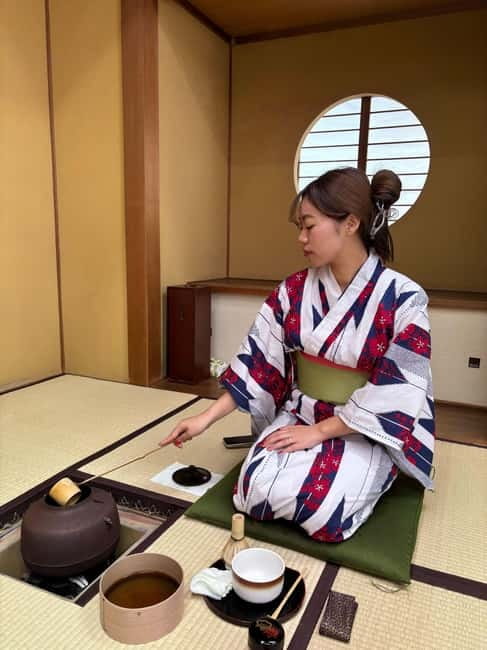
A tea ceremony can sound like a museum display: quiet, strict, and impossible to join. This Yokohama version keeps the spirit while making the experience practical. You sit down, learn the basics, and then you get to actually do the brewing with an English-speaking guide.
That hands-on approach is what makes it work for overseas visitors. You’re not just collecting facts about Japanese tea culture. You’re practicing small actions—steeping and tasting in a guided way—so the meaning sticks.
I also like that it’s designed for real social connection. The experience is framed as time to talk with other participants, not to sit silently and wonder what you’re doing wrong. In at least one recent booking, the hosts even had thoughtful conversation with the group about life in general, not only tea topics. That’s a big part of why this feels calmer than a rigid workshop.
One more practical plus: the group is small, capped at 10 people. That usually means you get help when you need it, and you can ask your English questions without waiting.
You can also read our reviews of more tours and experiences in Tokyo


What happens during the 1-hour ceremony: brewing, sweets, and a relaxed pace
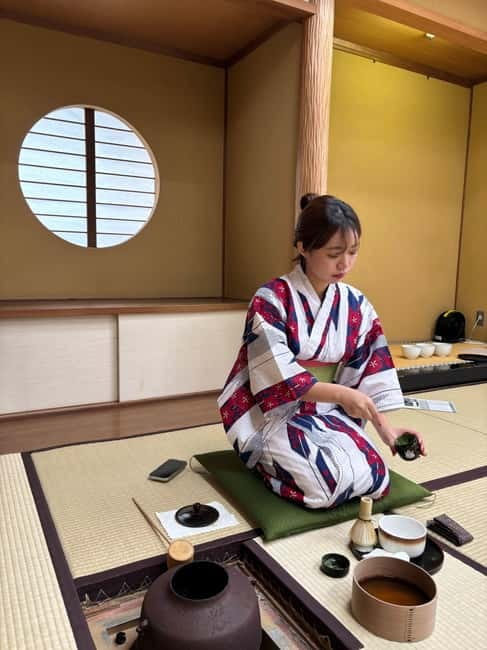
This is a short experience by design—about 1 hour—so the flow matters. Here’s the rhythm you can expect.
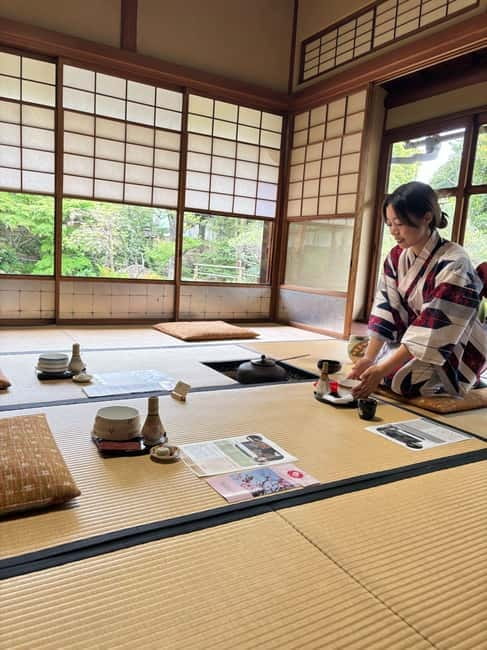
First, you’ll be welcomed and brought through the basics of the tea ceremony setup. Then your English guide walks you through how to brew your tea correctly. The goal is simple: you learn enough to do it yourself, then you practice and taste with confidence.
Next comes the fun part: brewing your own tea. You’ll work through the steps with guidance, so you’re not guessing. If you like matcha or green tea culture, this is the moment where it stops being abstract and starts feeling personal. Even if you’re new to tea, the structure helps you understand what each step changes.
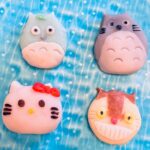
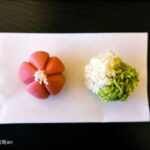
Then the sweets enter the scene. You’re given traditional Japanese sweets that pair with your tea, chosen to complement the flavor you’re making. This is more than a snack break. It’s a taste lesson: sweet textures and flavors can soften bitterness, sharpen aroma, or balance the overall cup. You’ll get to experience that pairing instead of just reading about it later.
Finally, you wrap up and receive a beautifully crafted tea set souvenir. It’s meant to be practical as well as meaningful—something you can keep, use, and remember the exact moment you learned the process.
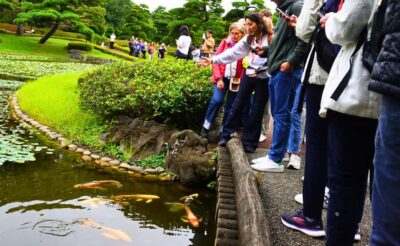
One bonus detail you might like: in one booking, the hosts used the setup time to guide the group through a lovely Japanese garden before the ceremony. It’s not guaranteed from the basic description, but it’s a real example of how the experience can start gently rather than immediately at a table.
Ryota and Sarina: English-friendly guidance that makes you feel at ease
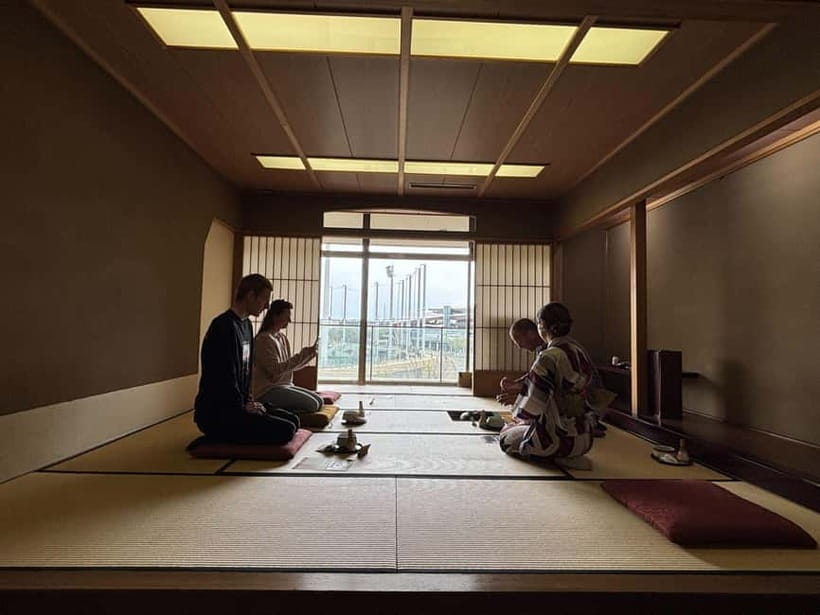
The biggest quality shift in many cultural activities is whether you feel comfortable asking questions. This one is guided in English, which changes everything for first-timers in Japan.
Ryota and Sarina come across as hosts who explain the steps clearly and then support you while you do them. In one session, the guide style was described as very friendly and helpful, with a focus on making guests feel at ease. That matters because tea ceremony steps can feel fussy if nobody explains the why behind them.
I also appreciate that the hosting doesn’t end at the tea. In multiple accounts, the guides shared extra help for enjoying Yokohama, including suggestions for where to go next. If you’re only in town for a couple days, that’s valuable. It turns a one-hour activity into a better day overall.
Photography also seems to be part of how the hosts take care of the experience. One booking mentioned that the hosts took plenty of pictures and shared them after the event. If that’s offered in your slot, it’s a nice touch because you get photos without rushing to set up your phone mid-ceremony.
The sweets matter: how the pairing teaches you what to notice
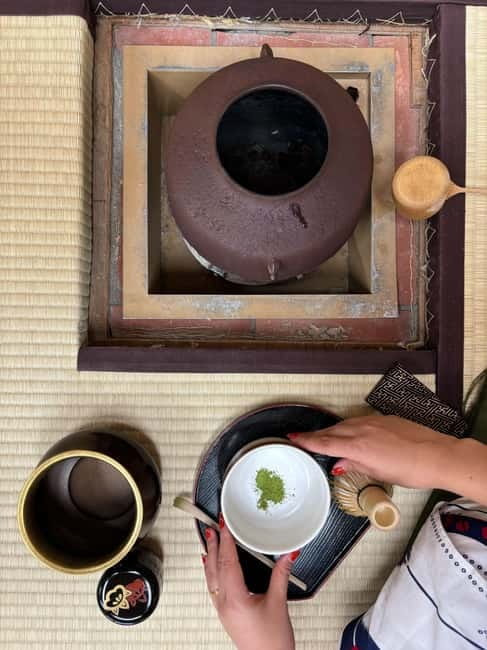
A lot of tea tastings stop at sip, nod, move on. Here, the sweets are given specifically to pair with your cup. That pairing helps you notice things you might otherwise miss.
Green tea can be grassy, lightly bitter, and fragrant, depending on how it’s brewed. Sweets in Japanese tea culture often aim for balance: they can add gentle sweetness, introduce a softer texture, and create a contrast that makes the tea flavor clearer.
When you eat the sweets alongside your tea, you get a real-world lesson in taste. You also get to slow down for a moment, which is the point. One booking called the experience calming, and that tracks with the structure: it’s short, guided, and intentionally unhurried.
If you enjoy food experiences that involve more than just eating, this pairing elevates the whole session. You’re not just consuming sweets. You’re learning how the flavor dynamics work in a practical way.
The tea set souvenir: practical keepsake, not just a trinket
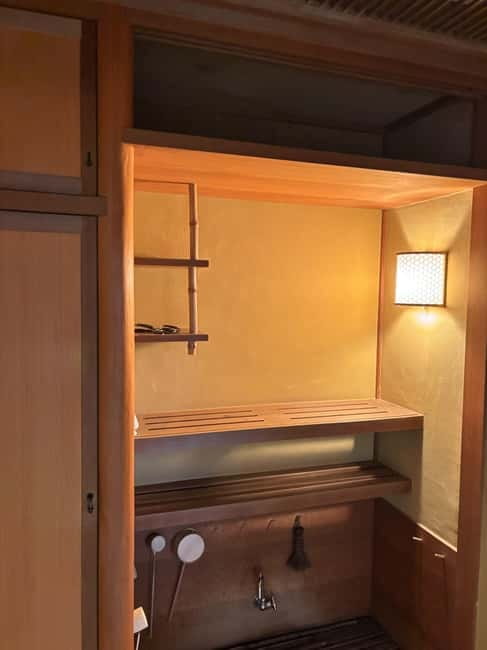
The take-home item is a beautifully crafted tea set souvenir. The description emphasizes it’s not only decorative, but also practical, meaning you can actually use it rather than hiding it in a drawer.
In one recent account, the souvenir gift was described as a sweet touch at the end of the process. That sounds minor, but it’s often what separates a good workshop from a forgettable one. A tea ceremony is tactile and sensory—smell, sound, hand movements. A souvenir tea set gives you a physical reminder of that muscle memory.
Also, since the ceremony centers on brewing your own tea, having a set at home reinforces the learning. You can revisit the basics later and recreate the steps in your own kitchen with less guesswork.






Price and value: is $45 for a 1-hour ceremony worth it?
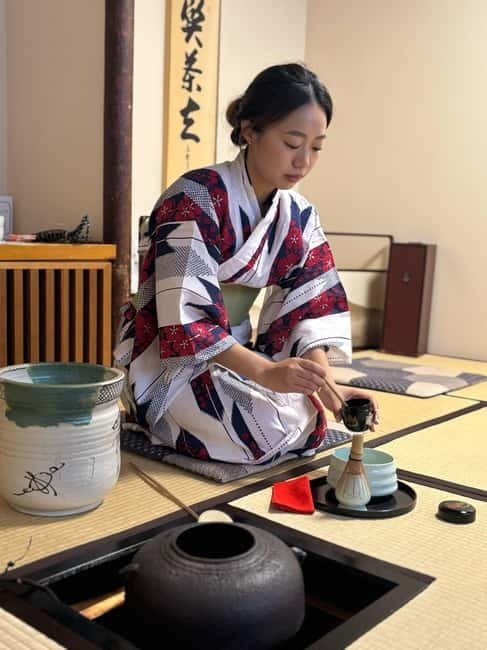
At $45 per person, this isn’t a throwaway activity. But it also isn’t a long, expensive tour. The value comes from what you actually get:
- An English-speaking guide
- A hands-on tea brewing session
- Traditional Japanese sweets
- An original tea set souvenir
- A small group setting (max 10 participants)
If you compare it to paying for a casual tea drink plus a standard walking tour, this is more “workshop” than “attraction.” You’re paying for instruction and for the souvenir tie-in, not only for access.
The time factor is both good and limiting. One hour is perfect if you want culture without burning a whole morning or afternoon. It’s also the only drawback if you were hoping for hours of sightseeing. Still, with the souvenir and the guided brewing, $45 can feel reasonable for the total package.
Finally, there’s a practical benefit in the way access is handled. The experience includes an express security check, so you’re less likely to lose time to waiting at entry points. In real life, saving time is part of value.
Where you meet and how the timing works in Yokohama
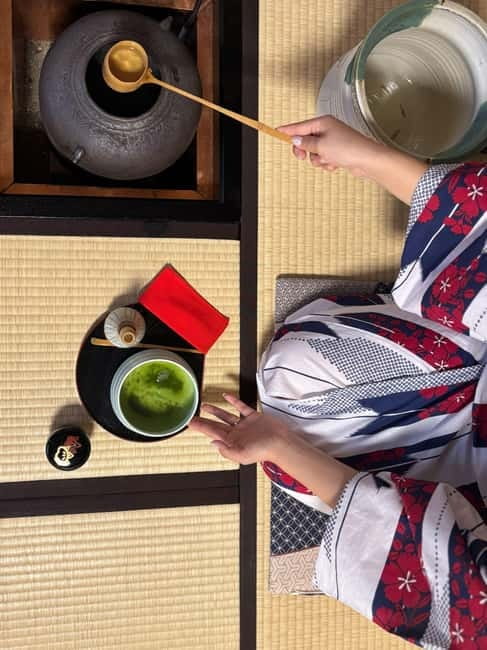
Your meeting point is not fixed on a map in advance because it varies by the tea room location. You’ll be contacted with the details. That’s normal for small experiences, but it means you should double-check the message right before you go.
Duration is listed at 1 hour, and starting times depend on availability. Plan around it like a scheduled appointment, not like an open-ended activity.
One booking mentioned being met at a hotel in a Tesla and then being taken back after. That’s a real example of possible transport, but your exact pickup and drop-off may differ since the meeting point varies. What you can count on from the provided details is the guide will meet you at the designated location and the session will run about an hour.
If you’re traveling with a camera (bring one), you’ll likely want photos at the end or during the moments where the guides allow them. The experience description specifically lists camera as a bring item, which is a strong hint it’s meant to be documented.
No smoking is allowed, so plan accordingly if you need breaks.
Who should book this Yokohama tea ceremony?
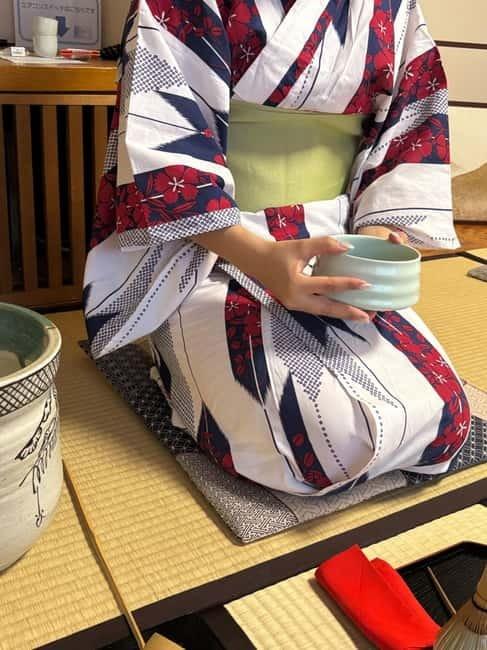
This activity fits best if you want Japanese culture in a low-stress, social setting.
Book it if you:
- Want a hands-on tea experience instead of a passive show
- Prefer an English-speaking guide and clear instruction
- Like food pairings and calm, slow moments
- Enjoy small groups where you can chat without feeling like a number
It may feel less ideal if you:
- Only want major sightseeing and don’t care about tea
- Want a long session with lots of walking and multiple stops
- Prefer totally private instruction, since it’s capped at 10 participants
Also, if you like travel experiences that help you with your next day in Yokohama, this one has an edge. Multiple accounts mention the hosts offered help with places to visit, not just tea facts.
Should you book? My decision checklist
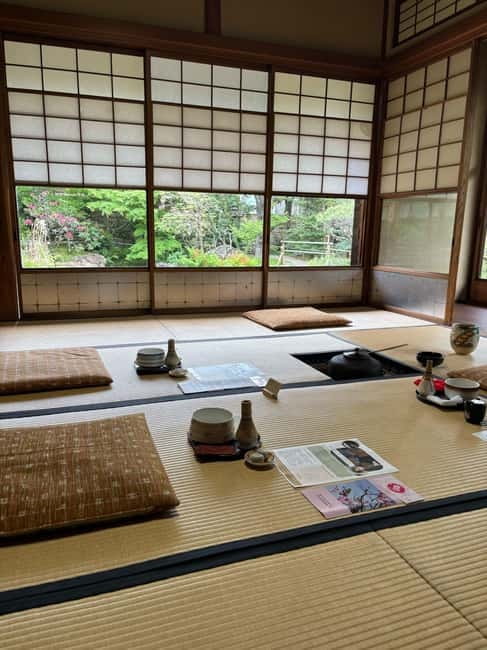
If you’re choosing between another short activity and a tea ceremony, I’d lean toward booking this one if your goal is meaningful culture with minimal hassle. The $45 price becomes easier to justify because you get instruction, sweets, and a tea set souvenir, all in 1 hour with a small group.
I’d book this especially if:
- You’re a tea beginner and want a friendly introduction
- You like being guided step-by-step
- You’d enjoy leaving with something usable, not only memories
If your schedule is tight, this is also a nice fit. It’s short enough to slot into a day with other plans, and the express security check helps reduce time lost to entry processes.
If you want, message your hotel pickup question early. The meeting point varies, and you’ll get the exact details by contact.
FAQ
How long is the Yokohama tea ceremony?
The experience lasts 1 hour.
What is included in the $45 per person price?
You get an English-speaking guide, a traditional tea brewing session, Japanese sweets, and an original Japanese souvenir.
Is this a small group activity?
Yes. The group is limited to 10 participants.
What language is the instructor?
The instructor speaks English.
Where do I meet for the experience?
The meeting point varies depending on the tea room location. You’ll be contacted with the exact details.
What should I bring, and is smoking allowed?
Bring a camera. Smoking is not allowed during the experience.