REVIEW · TOKYO
Shibuya: Pachinko Gaming Experience
Book on Viator →Operated by HORIZON (JORAEMON) · Bookable on Viator
Pachinko looks simple until you stand there. I like the one-to-one guidance that turns confusion into quick progress, and I like that your guide translates so you can focus on the game instead of guessing. The only catch is you’ll still pay the pachinko gaming fee based on how much you choose to play.
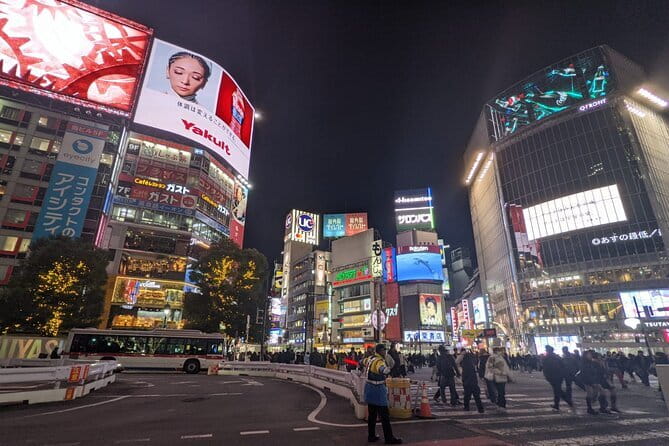
This is set in Shibuya, Tokyo, where pachinko parlors are a real part of everyday entertainment. You’ll meet at the Hachiko Statue area and get taken straight into a pachinko shop with guidance from HORIZON (JORAEMON), so the whole experience stays practical, not vague.
The session is about 1 hour, so think of it as a fast, friendly crash course. After the pachinko time, you can be brought to a game arcade center upon request.
In This Review
- Key things I’d watch for
- Shibuya Pachinko: What You Need to Know Before You Walk In
- Your Hour in Shibuya: From Hachiko to the Pachinko Shop
- How the Guide Teaches Pachinko: Buttons, Flow, and What to Do First
- History of Pachinko, Explained in a Way That Helps You Play
- Price and Value: What $22.76 Covers (and What It Doesn’t)
- The Optional Arcade Center After Pachinko
- Who This Experience Fits Best
- Should You Book This Shibuya Pachinko Gaming Experience?
- FAQ
- How long is the Shibuya pachinko gaming experience?
- Is this a private experience?
- What’s included in the tour price?
- Do I need to pay extra for pachinko?
- Where do we meet for the experience?
- What happens after the pachinko part?
- Is a language barrier an issue?
- Is the admission ticket included?
- What’s the cancellation policy?
Key things I’d watch for
- Private, one-on-one attention so you’re not stuck following a group at arcade speed
- Translation and interpretation while you learn what the buttons and steps actually do
- History context so pachinko feels less like random gambling and more like Japanese fun
- Game selection and strategy tips to help you choose what to play
- Ball exchange explained so you know what happens when you’re done
- A flexible finish with an optional arcade center after pachinko
Shibuya Pachinko: What You Need to Know Before You Walk In
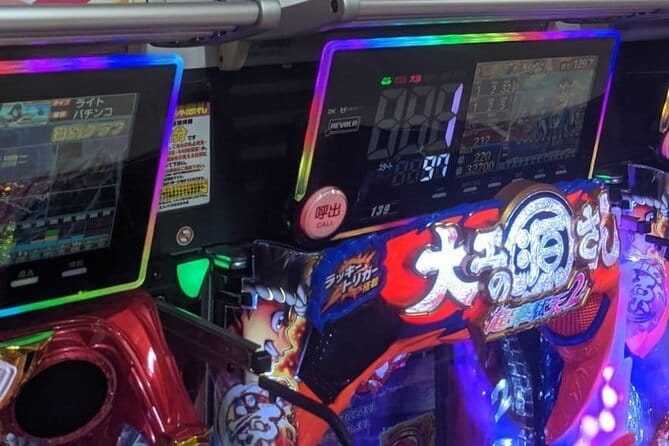
Pachinko parlor floors can feel like sensory overload. Bright lights. Lots of sounds. People focused in silence. And then you’re standing there, staring at rows of machines that look like pinball meets a slot machine. The challenge is that the rules and flow aren’t always obvious, especially if you don’t read Japanese.
That’s exactly why this experience works. You’re not just there to watch. You’re guided through how pachinko works in a way you can actually use right away. And because your guide translates and interprets, you can ask the questions that matter: What am I doing? What do these buttons do? How do I decide what to play?
Another big reason I like the setup in Shibuya is simple: it’s easy to get to and it’s where you can see pachinko as locals do. You’re not escaping the city to find a special niche. You’re getting the real thing, in one of Tokyo’s most famous neighborhoods.
You can also read our reviews of more tours and experiences in Tokyo.



Your Hour in Shibuya: From Hachiko to the Pachinko Shop
The experience starts back at the meeting point near the Hachiko Statue: 2 Chome-1 Dogenzaka, Shibuya, Tokyo 150-0043, Japan. Plan to arrive a few minutes early, especially if you’re using transit—Shibuya can be confusing if you’re navigating on the fly.
Once you meet your guide, you’ll head together to a pachinko shop. The focus stays on doing, not sightseeing. In about an hour, you’ll learn the basics of how to play, then get time to use what you learned. Admission ticket is included, so your guide-led time starts immediately rather than turning into a long wait.
At the end, you return to the meeting point. That makes it easy to connect with the rest of your day in Shibuya without stressing about getting out of the neighborhood.
If you’re the type who wants more games after pachinko, you can ask for a trip to a game arcade center. That part is optional, but it’s a nice way to turn your Shibuya stop into a bigger entertainment block without needing extra planning.
How the Guide Teaches Pachinko: Buttons, Flow, and What to Do First
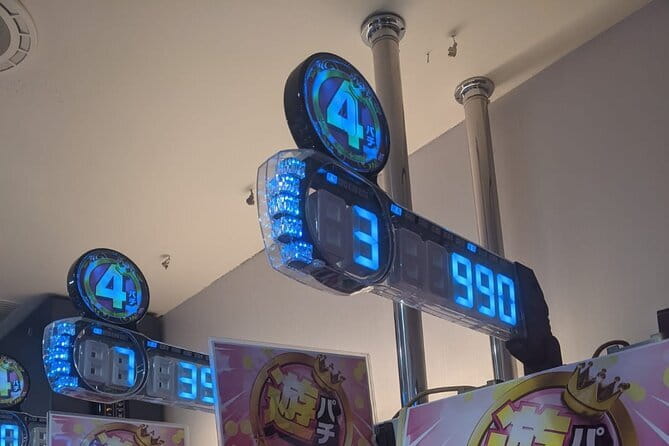
This is the part that most strongly drives the positive reviews. The biggest win is learning the ins and outs in plain terms. Instead of guessing how to operate the machine, you get an explanation of what you’re looking at and what each step is for.
Here’s what that usually means in practice:
- You learn how to start playing correctly, not just how to pull a lever and hope
- You understand the role of the buttons, since different actions can change how your shots behave
- You get tips for choosing which game to play, which matters because not all setups feel the same
- You learn practical strategy ideas so you’re not only reacting, but making choices
You’ll also get insights into the history of pachinko. That may sound like trivia, but it’s useful. When you understand where the format came from and why it’s popular, the whole experience feels less like a confusing gamble and more like a long-running Japanese pastime.
One more detail I’d be ready for: pachinko includes the idea of swapping balls at the end. The guide can explain what that exchange looks like and how it works. That reduces the awkward moment where everyone else seems to know what to do and you’re trying to figure it out on your own.
History of Pachinko, Explained in a Way That Helps You Play
Pachinko isn’t a new trend. It’s a long-standing part of Japanese entertainment culture. If you walk in with zero context, you can end up thinking it’s just another arcade game. But the reality is more interesting: it has a history and a local identity.
That’s why the guide-led history piece matters. It helps you connect the dots between what you’re doing at the machine and why it’s part of everyday life for many people in Japan. And because your guide provides translation, you get the meaning, not just a short blurb you can’t fully follow.
I also like that this isn’t framed like a lecture. It’s woven into the play lesson, so it supports your experience instead of distracting from it.
Price and Value: What $22.76 Covers (and What It Doesn’t)
The tour price is $22.76 per person. It’s booked about 15 days in advance on average, so if you’re traveling during peak weeks, you’ll want to lock it in early rather than waiting for a last-minute deal.
Here’s the value breakdown that makes this worth thinking about:
What you pay for:
- A private guide with translation and interpretation
- Help understanding how to play and what to look for
- A guided visit in Shibuya that lasts about 1 hour
What you don’t pay for:
- The pachinko gaming fee (it depends on how much you spend)
So yes, you should expect an additional cost if you actually play. But that’s also what makes the experience honest. You’re not forced into a fixed spend. You can go in, learn how it works, and then decide how much you want to put into the machines.
If you’re mainly curious and want a guided introduction, this kind of setup helps you control your risk and your budget. If you want to go deeper and play more, you have that option too—just know the tour fee is the learning and guidance, not the machine spending.






The Optional Arcade Center After Pachinko
After pachinko, your guide can bring you to a game arcade center upon request. That’s a small detail, but it’s a practical one.
Why? Because Shibuya days are often packed. You might want to end with something lighter and faster than pachinko. Or you might want to keep the arcade vibe going with different games once you’ve already learned the pachinko basics.
Keep in mind: the core experience is designed around that one-hour pachinko lesson. The optional arcade stop is just a bonus if it fits your energy and your schedule.
Who This Experience Fits Best
This private pachinko session is a strong match if you want:
- A no-stress entry into an arcade game that can be hard to understand on your own
- Translation support so you can ask questions while you’re learning
- Clear guidance on choosing a machine, pushing the right buttons, and understanding the flow
- A guided explanation of the ball exchange process
It may not be the best match if you want a long, self-paced arcade crawl. The duration is about 1 hour, and the goal is learning how to play, not running a marathon through multiple halls.
If you’re traveling with a friend or family member and you each want help, the private format works well because the guide can tailor the pace. And if you’ve never played pachinko before, this is the kind of experience that turns the first attempt from frustrating into fun.
Should You Book This Shibuya Pachinko Gaming Experience?
I’d book it if pachinko is on your Tokyo list but the rules feel intimidating. The biggest strength is the setup: private time, translation, and a guide who can explain the machine details that usually trip people up. At $22.76, you’re paying for your learning curve to be short and your questions to be answered in real time.
I’d skip or rethink it if you don’t plan to play much at all. The tour fee covers the guidance, but the pachinko gaming fee depends on your spending. Since the whole point is understanding and then trying it, you’ll get the most value when you’re ready to at least give it a real attempt.
FAQ
How long is the Shibuya pachinko gaming experience?
It’s about 1 hour.
Is this a private experience?
Yes. It’s private, and only your group participates.
What’s included in the tour price?
A guide with translation and interpretation.
Do I need to pay extra for pachinko?
Yes. The pachinko gaming fee is not included and depends on how much you spend.
Where do we meet for the experience?
At the Hachiko Statue area: 2 Chome-1 Dogenzaka, Shibuya, Tokyo 150-0043, Japan.
What happens after the pachinko part?
After pachinko, you can be brought to a game arcade center upon request.
Is a language barrier an issue?
No language barrier is expected because the guide provides translation and interpretation.
Is the admission ticket included?
Yes. The admission ticket is free.
What’s the cancellation policy?
You can cancel for a full refund up to 24 hours before the experience starts.