REVIEW · TOKYO
Tokyo: Meiji Shrine Walking Tour with Local Guide
Book on GetYourGuide →Operated by Exsighting Tokyo · Bookable on GetYourGuide
On this guided walk through Meiji Shrine, I liked learning the real torii etiquette and ritual steps instead of guessing, and I loved the calm, forest-like feeling that makes the whole place slow down your day. The one catch is it’s still a walking tour, so comfortable shoes are not optional.
You also get practical, culture-first guidance: where locals pay attention on the approach, how to bow the way you’ll see during New Year’s, and what to notice once you’re near the main worship areas. And yes, the tour is in English, so you can actually follow along without playing translation games.
If you’re expecting a quick photo sprint, this is less that and more “stand here, do this, look at that” in a respectful setting. You’ll walk, you’ll pause, and you’ll come away with a calmer kind of confidence for visiting on your own next time.
In This Review
- Key points worth planning for
- Getting Started: Meeting the Guide and Reading the Approach
- Outer Worship Hall: The First Place People Make Wishes
- Torii Etiquette: Bowing and Walking Left Like a Local
- Cleansing and Prayer: Doing It the Traditional Way
- The Sacred Forest Feeling: Serenity You Can Actually Locate
- Imperial Fishing Platform: A Calm Corner With a Different Mood
- Back-of-Main-Hall Details: Turtle Stone and Sazare Stone
- A Practical Ending: Finishing Near Harajuku Station
- Price and Value: Is $20 a Fair Deal for This Tour?
- Who This Walk Is Best For
- Should You Book This Meiji Shrine Walking Tour?
- FAQ
- Where do we meet the guide?
- What languages is the tour offered in?
- What should I bring?
- What does the tour include?
- What’s the main highlight beyond the shrine itself?
- Can I reserve and pay later?
Key points worth planning for
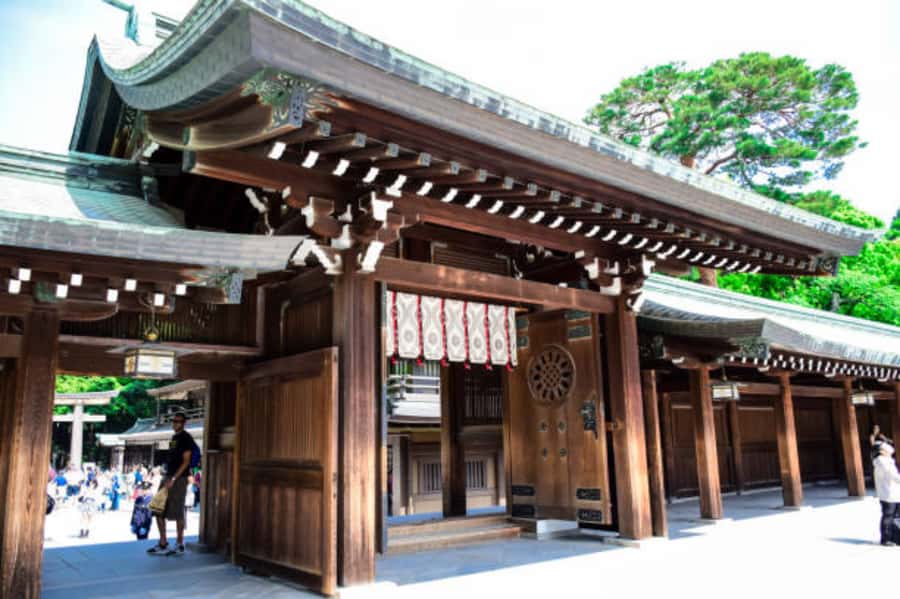
- Torii etiquette you can use instantly: bow when passing through and walk on the left side because the center is treated as the gods’ path
- Cleansing and prayer steps explained clearly: you learn how locals do it during big seasonal moments like New Year’s
- A quiet detour most people miss: the Imperial Fishing Platform is a peaceful, almost overlooked corner
- Close-up meaning behind stone details: you’ll get context for the turtle stone and sazare stone near the main hall area
- A smart ending for your day: the tour finishes near Harajuku Station, so you can roll straight into youth-culture Tokyo afterward
Getting Started: Meeting the Guide and Reading the Approach
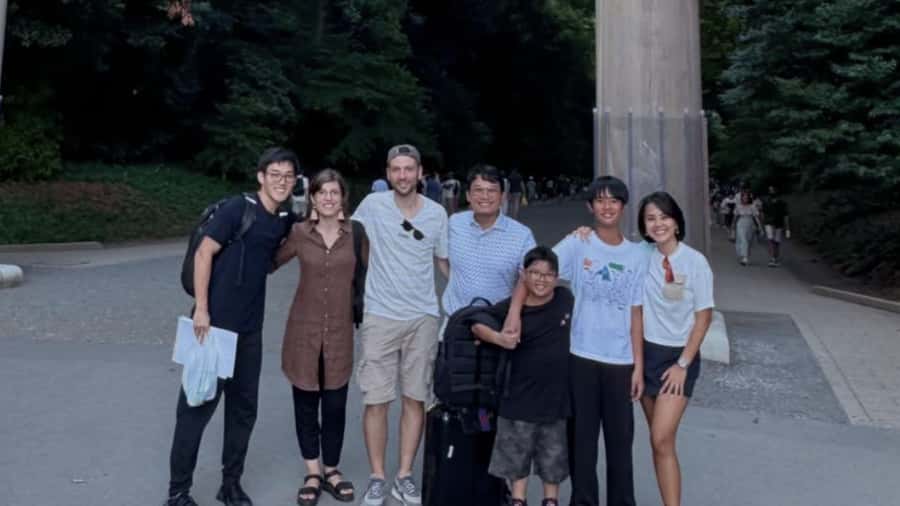
The meet-up is simple: look for the man holding a blue A4-sized board. It’s an easy visual target, which matters in Tokyo where “nearby” can mean several blocks depending on landmarks.
From the start, the tour is about orientation, not just sightseeing. Your guide helps you understand how the shrine space is meant to be used—where you slow down, where you watch your steps, and how behavior signals respect. That tone is what makes the whole visit feel different from a typical checklist stop.
Also, you’ll have photo stops along the way. You’re not fighting for angles while rushing to keep up. Instead, you pause in the right spots, which usually leads to better photos and fewer awkward “am I in the way?” moments.
You can also read our reviews of more walking tours in Tokyo



Outer Worship Hall: The First Place People Make Wishes
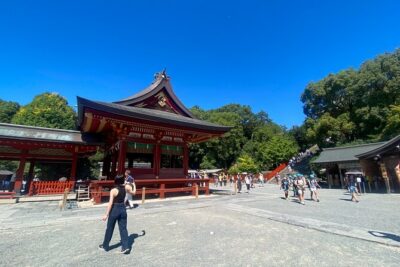
You start at the Outer Worship Hall, the kind of spot where worshipers come with specific intentions. This is where the visit becomes personal, quick, and quietly serious. Your guide sets the scene so you know what you’re looking at and why people are gathered there.
You’ll learn how locals behave at the start: the rhythm of paying respect, how to approach with the right mindset, and how wishes and offerings fit into shrine etiquette. It’s not dramatic, but it is focused.
If you’ve only ever visited Japanese shrines casually, this first stop is a good reset. You stop seeing it as decor and start seeing it as a living practice—something people do with care, even in a busy city.
Torii Etiquette: Bowing and Walking Left Like a Local
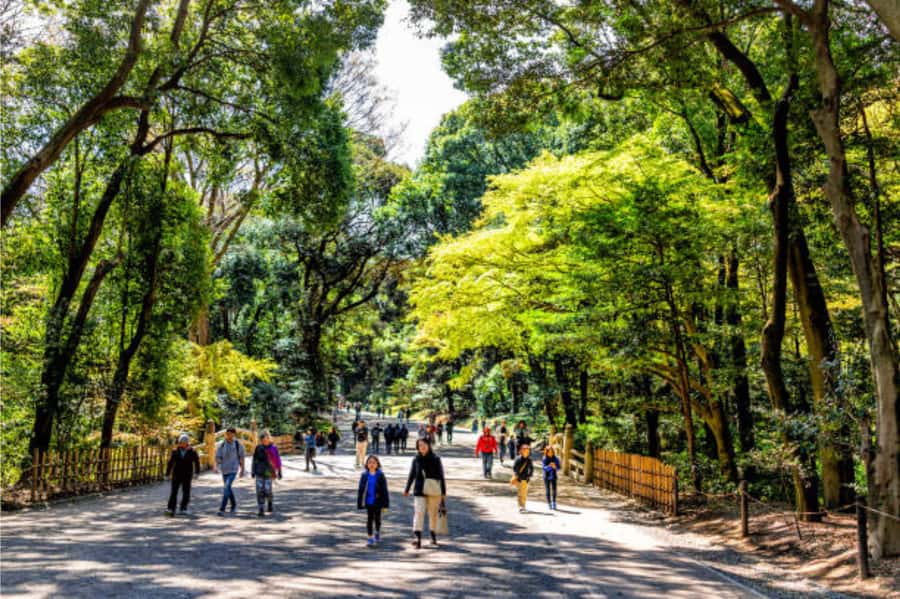
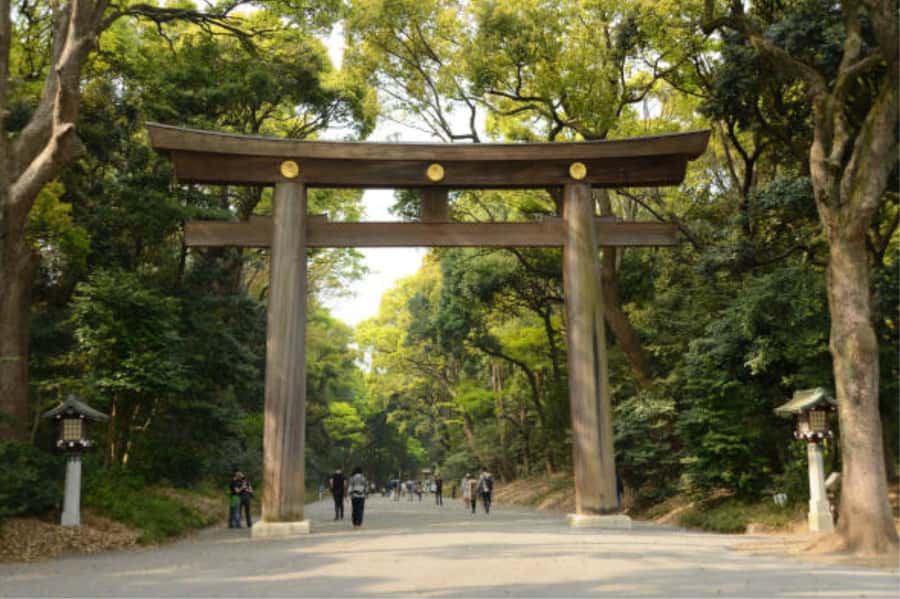
This is one of the most praised parts of the tour because it removes guesswork fast. Your guide explains the custom of bowing when you pass through the torii gate, and it’s the kind of small action that instantly changes how respectful you feel.
Then comes a tip that most first-time visitors don’t know: the central part of the approach is treated as the route where the gods walk. You’ll be encouraged to walk on the left side. Once you hear it, you’ll notice how naturally people follow it.
Why this matters: etiquette isn’t about perfection. It’s about letting the space work the way it’s designed to work. When you move with the same flow as worshipers, the atmosphere becomes quieter. Even if the shrine is popular, your brain stops treating it like a crowded tourist site.
Cleansing and Prayer: Doing It the Traditional Way
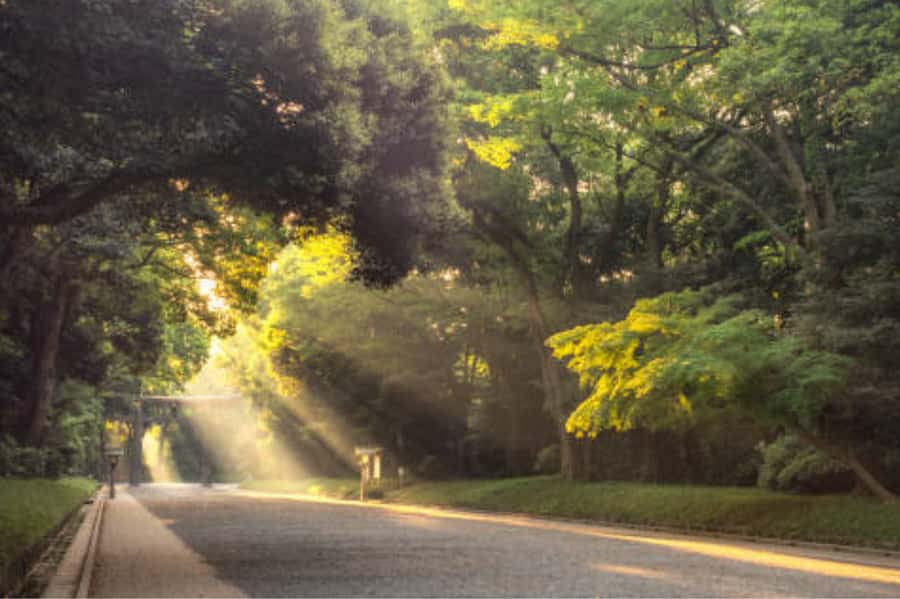
A major benefit of the tour is that you learn the steps for cleansing and prayer the traditional way instead of just watching and hoping you understand. Your guide explains how to bow properly and what to do during prayer, in a manner similar to what people do during New Year’s.
The value here is practical. You don’t need to memorize a script. You need to know what each moment is for—respect, purification, and then the act of praying. Once you understand that sequence, your visit feels meaningful rather than confusing.
You’ll also get “where to look” guidance. Shrines can be visually busy, but ritual makes it simple. You learn what to focus on so you don’t miss the points that locals pay attention to.
The Sacred Forest Feeling: Serenity You Can Actually Locate
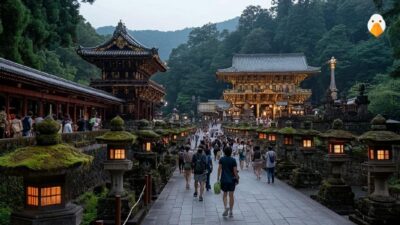
Meiji Shrine is famous, but the difference on a guided walk is that you don’t just arrive at the big moments. You move through the grounds in a way that helps you feel the serenity people talk about—the sacred forest atmosphere that hides in plain sight inside Tokyo.
Your guide points out hidden corners and quieter spots, so you’re not constantly stuck in the main flow of foot traffic. That’s where the experience clicks: the shrine becomes a calm pocket rather than another landmark you squeeze into your day.
One review-worthy detail that stuck with me in how to think about it: the approach has an intentionally created sacred feel—an “in-between” space that helps you shift gears before you reach the main worship area. When your guide frames it like that, you start noticing the design choices behind the silence.
You can also read our reviews of more guided tours in Tokyo






Imperial Fishing Platform: A Calm Corner With a Different Mood
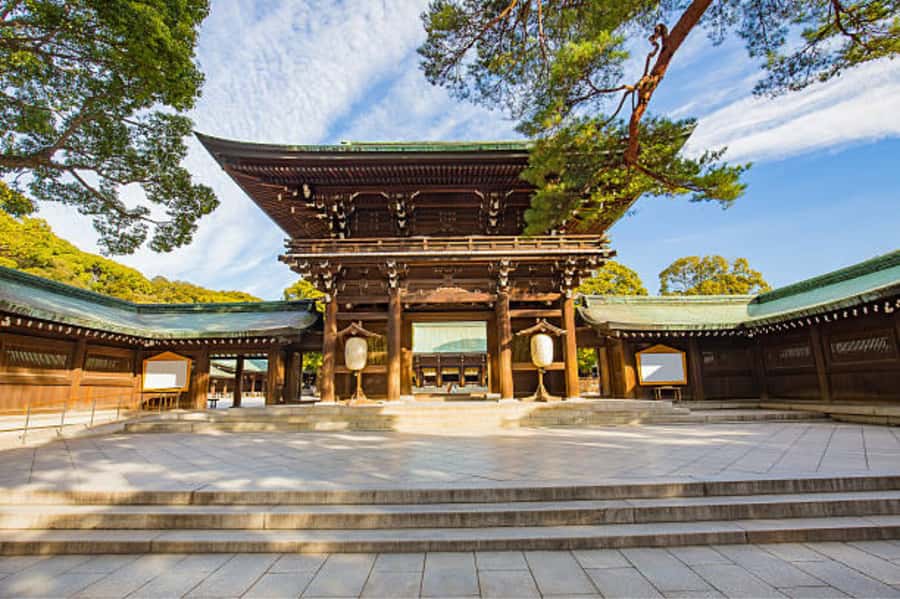
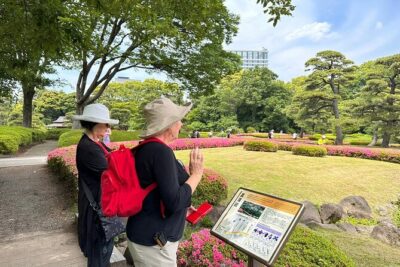
Next, you’ll visit the Imperial Fishing Platform, described as a quiet corner that few visitors seem to know. This stop changes the tone of the walk. Instead of only focusing on worship, you get a softer, nature-centered moment.
Your guide connects the platform to the emperor’s pastimes and Japan’s quiet reverence for nature. It’s a subtle shift, but it matters. It reminds you this place isn’t only about rituals—it’s also about how nature is treated with respect.
If you like when a tour adds variety, this is that moment. It breaks up the typical pattern of torii-to-hall-to-photo and gives you something still, almost contemplative, to hold onto before you continue.
Back-of-Main-Hall Details: Turtle Stone and Sazare Stone
One of the strongest parts of the experience is that your guide doesn’t just point at the main hall and move on. You’ll be shown details near the main hall area, including the back side, and you’ll learn what to look for.
Two specific objects come up: the turtle stone and the sazare stone. Your guide explains their meaning, and having context changes the way you see them. Instead of being random rocks in a photo, they become part of the shrine’s spiritual storytelling.
This kind of stop is great if you care about “what am I looking at?” Because when you understand why something is there, you don’t forget it as easily. And you don’t leave feeling like you only got the exterior version of the site.
A Practical Ending: Finishing Near Harajuku Station
The walk wraps up near Harajuku Station, which is honestly a smart way to end. You get a shrine visit that drains the noise from your day—then you’re positioned to jump right into another side of Tokyo.
The tour also ends around the bicycle parking area. It sounds ordinary, but that’s the point. It shows you how tradition and everyday city life overlap. People move on with their routines just a short distance from sacred grounds, and the contrast helps you feel how Tokyo works as one connected whole.
If your day plan includes shopping, street style, or simply wandering around Harajuku afterward, this finish saves you time and decision-making.
Price and Value: Is $20 a Fair Deal for This Tour?
At $20 per person, the value comes from what you’re not having to figure out alone. The guide covers etiquette and ritual steps—bowing, cleansing, praying—plus context for details like the turtle stone and sazare stone. That alone can make the difference between a confused visit and a confident one.
You’re also getting structure: start at the Outer Worship Hall, learn the approach customs, visit the Imperial Fishing Platform, then end in a useful location. Structure matters because Tokyo shrines can feel like a maze if you’re trying to “do it right” while navigating crowds.
And you’re not just buying facts. You’re buying the calm of knowing you’re behaving respectfully. That’s hard to price, but it’s often what people remember most after a shrine visit.
Who This Walk Is Best For
This tour is a great fit if:
- You want etiquette you can actually use the next time you visit a shrine
- You prefer guided pacing over trying to research everything on your phone
- You like a calm, respectful atmosphere rather than nonstop sightseeing
- You’re planning to continue your day near Harajuku and want an easy finish
It may feel like the wrong style if you want a fast hit of major sights with minimal explanation. This is more about learning how to be present in the space.
Should You Book This Meiji Shrine Walking Tour?
Yes, if you want a Meiji Shrine visit that feels understandable and respectful from the moment you step in. The guide’s focus on torii bowing, cleansing and prayer steps, and the meaning behind specific stone details gives you a toolkit, not just photos.
Book it especially if you’re visiting for the first time and don’t want to guess at shrine behavior. With an English guide, plus photo stops and a clean ending near Harajuku Station, it’s one of those rare $20 experiences that pays you back in confidence and calm.
If you’re the kind of traveler who enjoys quiet places but still wants real context, this walk is a strong match.
FAQ
Where do we meet the guide?
The start meeting point is where the guide is holding a blue A4-sized board.
What languages is the tour offered in?
The tour is conducted in English, with Japanese also available.
What should I bring?
Bring comfortable shoes (because the tour involves walking) and a camera.
What does the tour include?
It includes a local guide, a walking tour, cultural insights, and photo stops.
What’s the main highlight beyond the shrine itself?
You’ll also visit the Imperial Fishing Platform, a quiet corner of the shrine that adds a very different, calmer mood to the visit.
Can I reserve and pay later?
Yes. You can reserve and pay later, so you don’t have to pay nothing today.