REVIEW · TOKYO
Tokyo: Shibuya Sky, Harajuku & Meiji Shrine Highlights Tour
Book on GetYourGuide →Operated by Japan Luxe Tours · Bookable on GetYourGuide
Tokyo hits different when you have a plan. This tour strings together Shibuya Sky’s 360-degree views and the calm of Meiji Shrine, plus Harajuku street style at street level. One possible drawback: it’s a walking tour, so if you dislike crowds and walking in rain or shine, you’ll feel it.
I like how the route sets you up with quick bearings fast—start at the famous Hachiko statue, then move through the places you’d otherwise spend time hunting for. It’s also private group with an English/Japanese guide, so you’re not stuck with just signs and guessing.
In This Review
- Key Highlights at a Glance
- Starting at Hachiko: why Shibuya feels personal
- Shibuya Sky: getting the best 360 views without wasting time
- Shibuya Crossing: seeing the chaos with your feet still planted
- Shibuya Parco and Miyashita Park: style, food, and people-watching
- Cat Street and Harajuku’s link: the walk where Tokyo changes moods
- Takeshita Street: kawaii energy, guided time, and smart expectations
- Meiji Jingu Shrine: switching gears from neon to forest calm
- Price and value: when $110 makes sense (and when it doesn’t)
- How the guide experience shapes the whole day
- What to wear and plan for (because it’s rain or shine)
- Who should book this highlights route
- Should you book it? My quick call
- FAQ
- Where does the tour start and end?
- How long is the tour?
- Is it a walking tour and will it run in bad weather?
- What’s included in the price?
- What languages are offered for the live guide?
- Is the tour private, and is it wheelchair accessible?
- What flexibility do I have if my plans change?
Key Highlights at a Glance
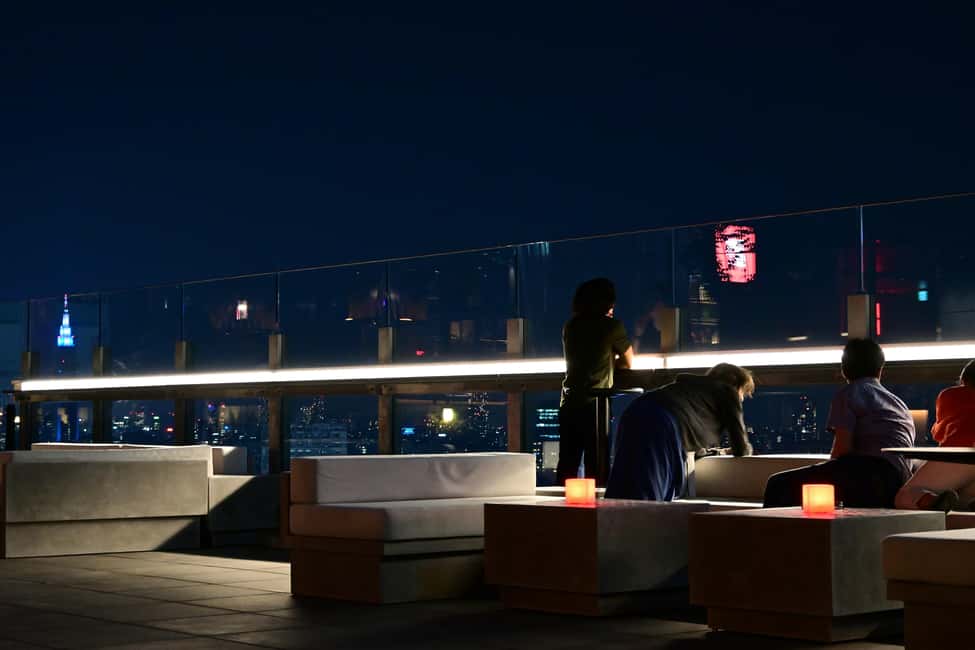
- 360-degree city views from Shibuya Sky with a guided photo stop and time to look around
- Shibuya Crossing from the best vantage points, catching that organized chaos without stress
- Fashion-energy stops: Shibuya Parco, Miyashita Park, and Cat Street link modern Tokyo to Harajuku
- Takeshita Street for kawaii pop culture, with guided time that keeps it fun, not overwhelming
- Meiji Jingu Shrine as the reset button, walking the forest path and under the torii gate
- Guide quality can make or break value, and the tour is built for you to ask questions as you go
Starting at Hachiko: why Shibuya feels personal
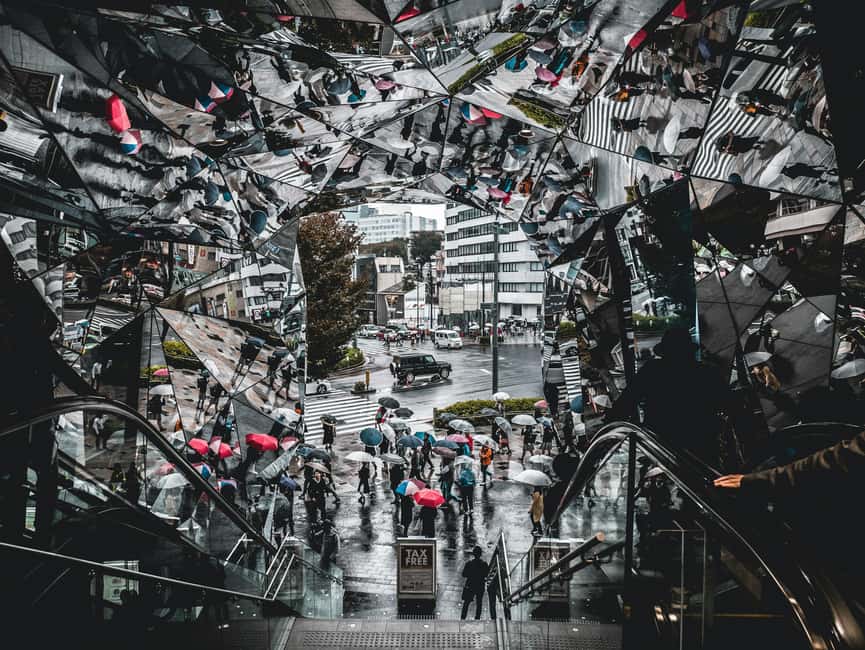
You kick off at the忠犬ハチ公像, the Hachiko statue in Shibuya. Even if you’re not a Japan pop-culture superfan, this is a smart first move. It anchors the day in a story people in Tokyo still connect with, and it gives your guide a natural starting point for how Shibuya became what it is today.
From there, the tour keeps you moving in a logical line: skyline first, then street energy, then backstreets, then shrine calm. That pacing matters. Tokyo is big, and first-time days can feel like too much decision-making. This route turns those decisions into an easy walking checklist.
You can also read our reviews of more tours and experiences in Tokyo.



Shibuya Sky: getting the best 360 views without wasting time
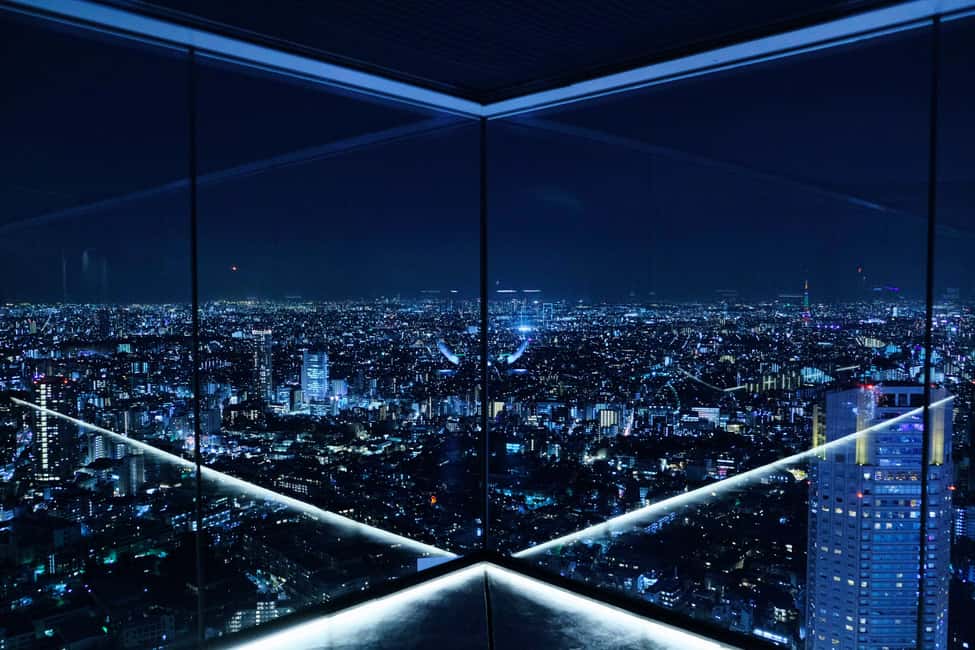
Shibuya Sky is the moment you understand why people plan Tokyo around timing and viewpoints. You’ll have about 45 minutes for photos, sightseeing, and a guided rundown. The big promise here is the 360-degree panorama, which means you can spot the way Shibuya plugs into the rest of the city—major roads, dense blocks, and the spread of neighborhoods.
Practical tip: plan for a few minutes of “just looking” after your first photos. Views from Shibuya Sky aren’t one-shot. Angle and light change as you move. Even if you’re not chasing Instagram shots, it helps you build a mental map you can use later when you’re walking on your own.
One heads-up that can affect the experience: on a windy day, the outside viewing tower was reported as closed, and the guide helped the group adjust. That’s not something you can control, but having a guide who can pivot makes a difference when your plan includes a specific photo spot.
Shibuya Crossing: seeing the chaos with your feet still planted
Next up is Shibuya Scramble Crossing, the famous crosswalk where everyone moves like a coordinated wave. You get a short photo stop and about 15 minutes to understand what you’re seeing with a guide’s help.
Here’s the value: without guidance, it’s easy to stand in a spot that’s crowded or gives you a blocked view. With a guide, you’re more likely to hit a viewpoint that lets you actually watch the flow. And that’s the whole point—seeing the crossing as a system, not just a spectacle.
This stop is short on purpose. You’ll already be tired from the earlier skyline time and the walk. The goal is to get the moment, then keep moving.
Shibuya Parco and Miyashita Park: style, food, and people-watching
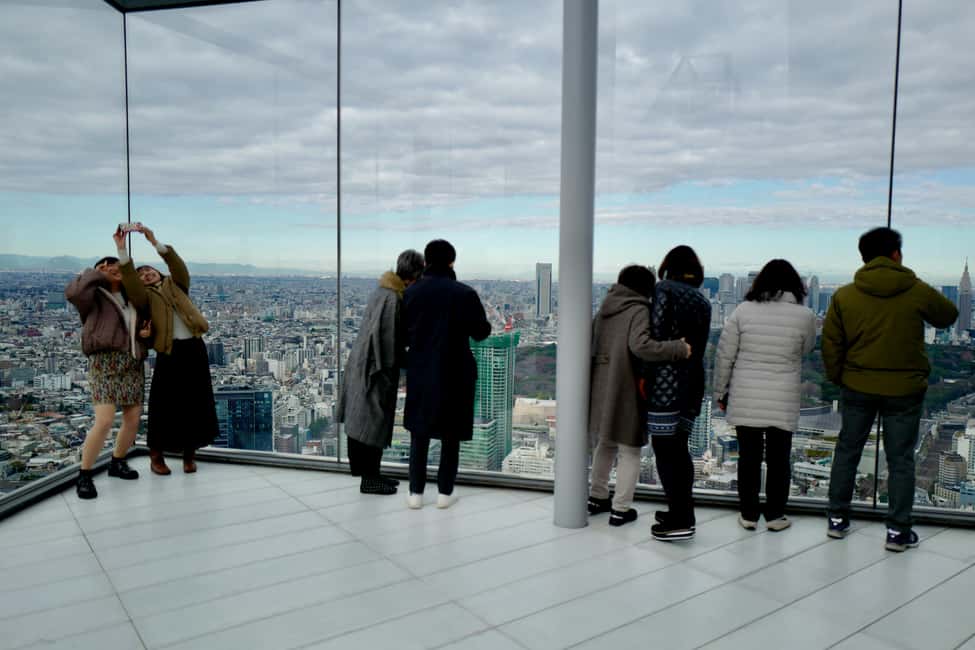
After crossing, the tour moves into Shibuya’s mall-and-park culture—about 45 minutes at Shibuya Parco and another 45 minutes at Miyashita Park. These are modern Tokyo anchors where fashion, snacks, and daily life overlap. Your guide gives context while you wander, so it’s not just aimless browsing.
What I like about this segment is that it’s flexible in real-world ways. You can shop lightly, grab something to eat, or just people-watch in places where locals actually go. If you’re traveling with kids or you want a break from long shrine walks, this portion often lands well.
A quick consideration: Parco and Miyashita Park can feel busy, and you’ll be on your feet. If you’re sensitive to crowds, wear comfortable shoes and keep your expectations simple—think of these as orientation stops and style samplers, not a full shopping day.
Cat Street and Harajuku’s link: the walk where Tokyo changes moods
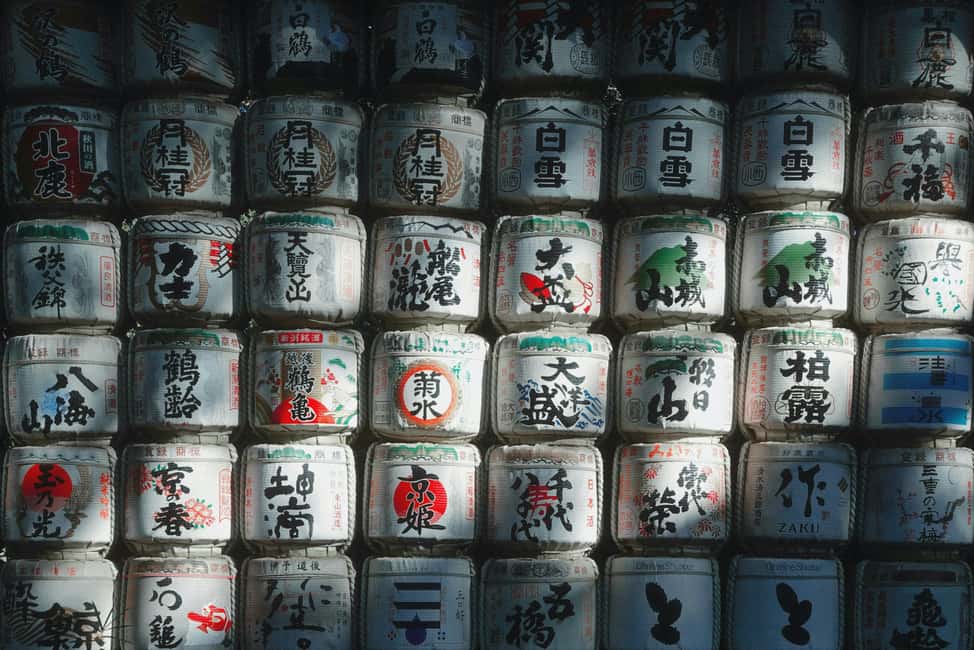
Cat Street is the bridge between Shibuya and Harajuku, and the tour treats it that way. You’ll spend about 45 minutes here with photo stops, guided walking, sightseeing, and time for shopping.
Cat Street matters because it’s not the biggest billboard intersection. It’s more about the street-level vibe—independent boutiques and a style that looks chosen, not mass-produced. This is the kind of place where your guide’s navigation helps. Even if you know where Harajuku is, side streets like these are where your day gets more interesting.
If you’ve only ever seen Tokyo in photos, this stop corrects that fast. You start noticing small differences in fashion and store formats block to block. It also helps you arrive in Harajuku ready for what you’ll see next.





Takeshita Street: kawaii energy, guided time, and smart expectations
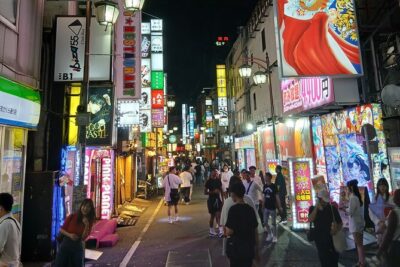
Then you hit Takeshita Street in Harajuku for about 45 minutes of guided time. This is where Japan’s cute pop-culture fashion gets loud—bright looks, novelty items, and the kind of snacks you can smell before you see them.
A balanced way to enjoy Takeshita Street is to treat it as a browse, not a hunt. With guided time, you’re less likely to lose the group—or wander too long in the thickest crowd zones. You also get help interpreting what you’re looking at, so it’s not just random merchandise.
If you’re not into crowds, plan your strategy. Stick close during the busiest moments, snap photos quickly, then slow down for a calmer pocket if you find one. The guide can often point you toward where the walking flow feels easier.
This is also a good place to ask questions. One guide was described as going above and beyond with local tips on food and shopping, and that kind of interaction can turn Takeshita Street from chaotic to fun.
Meiji Jingu Shrine: switching gears from neon to forest calm
The final contrast is Meiji Jingu Shrine, with about 30 minutes for photo stop, visiting, guided context, and sightseeing. This is your reset—crowds outside, then quieter tones once you move onto the forest path.
You’ll follow your guide through the peaceful walking route, under the towering torii gate, and learn about the shrine’s dedication to Emperor Meiji and Empress Shoken. That history piece helps the experience land beyond photo ops. You start understanding why people treat this space with a different kind of attention.
I love the structure of ending here. After Shibuya and Harajuku, your brain needs a change of pace. Shrine time gives you that physical and mental breather—different sounds, different light, and a slower walking rhythm.
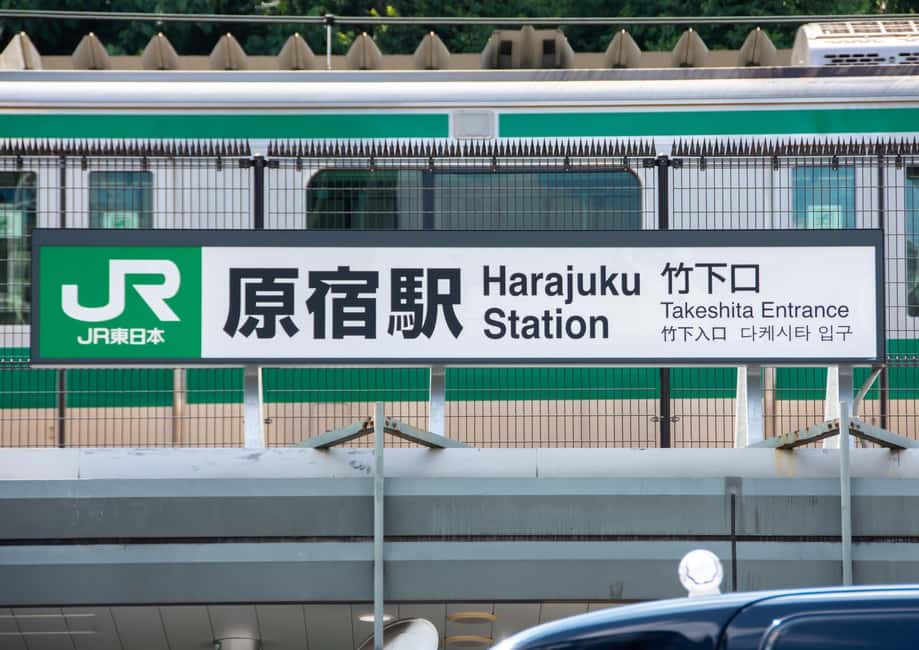
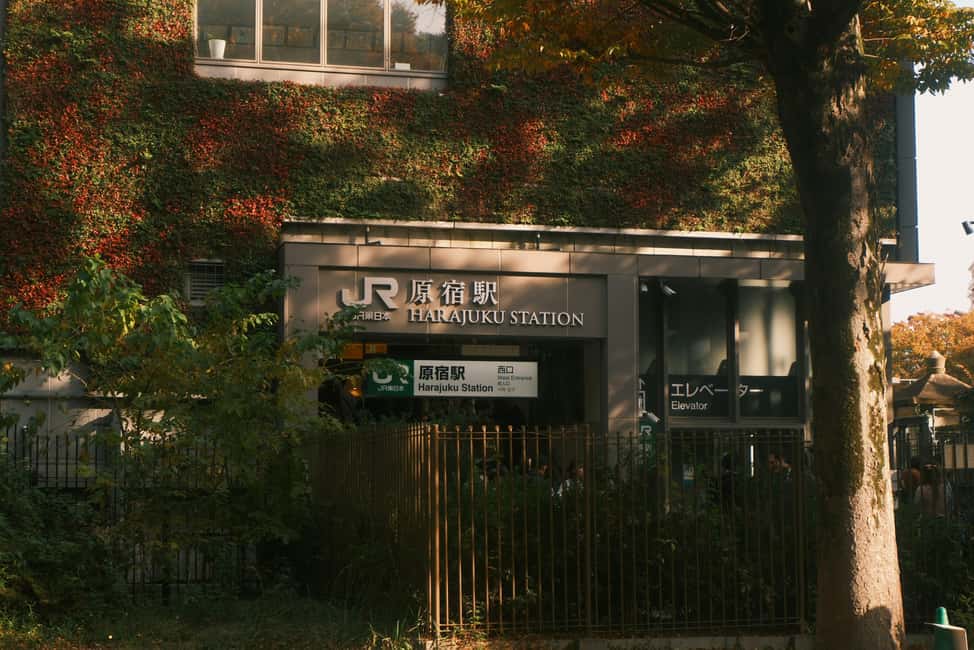
The tour ends at Harajuku Station, which is convenient. You’re in a strong transportation hub at the end, so you can continue your day without long backtracking.
Price and value: when $110 makes sense (and when it doesn’t)
At $110 per person for a 5-hour walking tour, value depends on one thing: what your guide adds beyond directions. The tour includes a local guide, but transportation isn’t included, and you should assume you may pay for ticketed entries where required.
That matters because one review pointed out a gap in information during the tour and felt the price was too high relative to the Shibuya Sky experience. Another review praised a guide for making the day feel worth it, including handling a real-world issue when an outside viewpoint was closed due to wind.
So here’s the honest way to think about the price:
- If it’s your first time in Tokyo or you want help shaping your day quickly, $110 can be a good buy.
- If you’re comfortable navigating the city and you mainly want views and shopping, a self-guided day might cost less and still hit the same highlights.
My advice: treat the tour as a shortcut to confidence. You’re paying to spend less time figuring things out and more time enjoying the places.
How the guide experience shapes the whole day
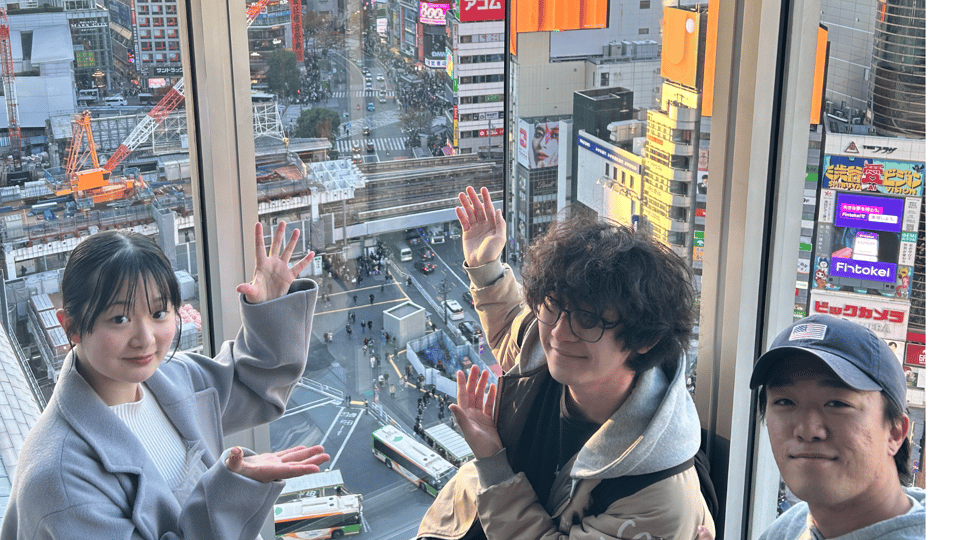
This tour lives or dies on your guide. The best versions are not just “showing you the stops.” They’re translating the city while you walk.
In the feedback you provided, multiple guides were singled out by name—Ren, Shun, Kosei, Konon, and Max—often for being helpful, prepared, and willing to go deeper. One guide was described as adjusting the tour when someone had already spent time in Shibuya, which is exactly what you want from a private group.
Also pay attention to how guides handle surprises. Tokyo runs on weather, crowds, and changing conditions. One guide managed disappointment from a closure and kept the day moving, which is where a good guide earns their fee.
On the flip side, the one negative comment you shared mentioned not enough information. That’s a fair warning. If you expect a lecture, you might be disappointed. If you want practical context you can use while walking, your odds improve—especially when your guide is interactive.
What to wear and plan for (because it’s rain or shine)
This is a walking tour, held rain or shine. That’s not just small-print. Shibuya and Harajuku are at their best when you can move comfortably, not when you’re stuck adjusting shoes, umbrellas, and bags for hours.
I’d plan for:
- Comfortable walking shoes with good grip
- A light rain layer or umbrella you can manage in crowds
- A small day bag so you’re not juggling things at photo stops
Since it’s a private group, the walking pace likely feels adjustable, but you still need to be ready for continuous movement.
Who should book this highlights route
This tour is a strong match if:
- You want a first-day or first-week orientation across Shibuya, Harajuku, and Meiji Jingu
- You like contrasts: ultra-modern city energy, teen street style, then shrine calm
- You value a guide for navigation and culture context
It may not fit as well if:
- You dislike walking long stretches
- You’re happiest planning everything alone with zero guide interaction
- You’re extremely price-sensitive and already comfortable using transit and maps
If you fall into the middle, think of this as a “guided highlights sprint” rather than a deep cultural immersion day.
Should you book it? My quick call
I’d book this tour if you want a guided path that stitches together Tokyo’s big emotional contrasts—skyline wow, crossing energy, Harajuku style browsing, and Meiji Shrine calm—within one easy day. The best guides can make it feel organized and meaningful, not just like a list of famous places.
If you’re on the fence, one simple test: ask yourself if you’ll use the guide. If you’ll ask questions, learn what to look for, and want help deciding where to stand and where to slow down, then $110 can feel fair. If you mostly want to tick boxes and you’re happy going on your own, you may get similar highlights with fewer costs.
FAQ
Where does the tour start and end?
It starts at the Hachiko statue (忠犬ハチ公像) and finishes at Harajuku Station.
How long is the tour?
The duration is 5 hours.
Is it a walking tour and will it run in bad weather?
Yes, it is a walking tour, and it is held rain or shine.
What’s included in the price?
A local guide is included. Transportation is not included, and admissions for sights not listed in the Highlights section are not included.
What languages are offered for the live guide?
The live tour guide is available in English and Japanese.
Is the tour private, and is it wheelchair accessible?
It’s a private group, and it is wheelchair accessible.
What flexibility do I have if my plans change?
You can cancel up to 24 hours in advance for a full refund, and you can reserve now and pay later.