REVIEW · TOKYO
Tokyo:Stroll in Old traditional culture towns~Yanaka & Nezu
Book on GetYourGuide →Operated by Undiscovered Tokyo Tours · Bookable on GetYourGuide
Tokyo has a quieter side, and it lasts. This Yanaka & Nezu tour trades neon for old lanes, long-ago buildings, and neighborhood shrines, with Sui guiding you through the religious and everyday life of eastern Tokyo. You’ll also get seasonal treats like sakura mochi and a slower, less touristy rhythm.
What I like most is how the walk feels unhurried. You’re not rushing from “photo spot to photo spot.” Instead, you get time to notice residential streets, small shops that look like they’ve been there forever, and worship spots that many visitors skip.
One thing to consider is the pace you choose to bring. It’s a 3.5-hour walk with staircases, and it’s not set up for wheelchair users, so comfortable shoes matter.
In This Review
- Key highlights worth showing up for
- Getting your bearings at Nippori Station, then stepping into old Tokyo
- Yanaka’s residential streets: where local routines actually show up
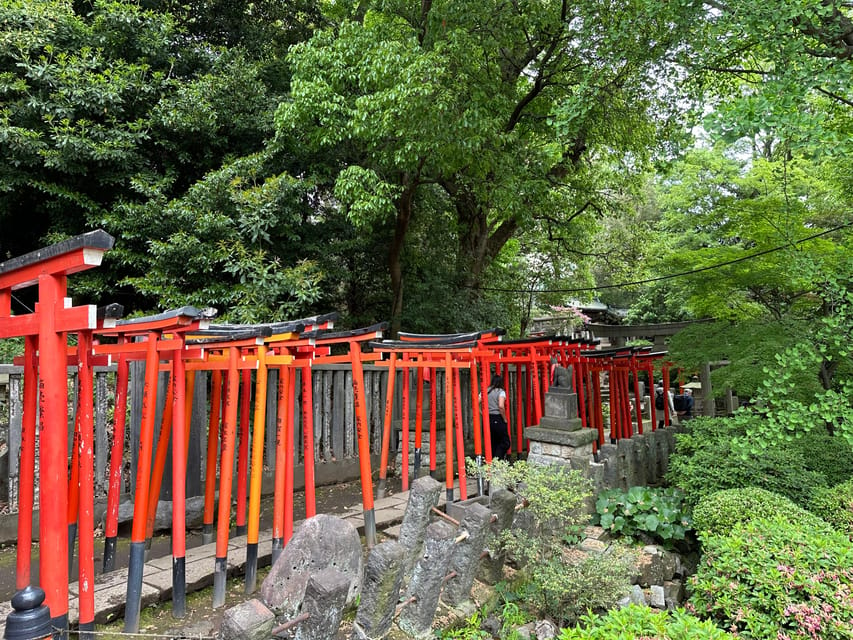
- Nezu Shrine: the torii path that feels like a doorway
- Tennoji Temple: Buddha, garden quiet, and a softer pace
- Yanaka Cemetery: the kind of quiet you feel in your feet
- Traditional buildings from Meiji to Showa: why the architecture matters
- Yoshida Liquor Store and Yanaka Ginza: where local food culture shows up
- The guide makes the difference: Sui’s pace, humor, and “ask me anything” style
- Price vs. what you actually get in 3.5 hours
- Who this tour suits best (and who should pick something else)
- Should you book Tokyo: Yanaka & Nezu with Sui?
- FAQ
- Where does the tour start?
- How long is the tour?
- What’s included in the tour price?
- Which places of worship and historic stops are visited?
- Does the route change by season?
- What should I bring?
- Is the tour wheelchair accessible?
- Is it a private or group experience?
Key highlights worth showing up for
- Nezu Shrine’s torii-lined pathway that sets the tone from the first steps
- Tennoji Temple with a bronze-seated Buddha and a calm Japanese garden moment
- Yanaka Cemetery’s tree-lined stillness that makes slowing down feel easy
- Meiji-to-Showa-era streets where old houses and structures still shape the neighborhood
- Yoshida Liquor Store for a traditional sake shop stop that feels like living history
- Yanaka Ginza + the sunset staircase photo spot for local street life and easy keepsake photos
Getting your bearings at Nippori Station, then stepping into old Tokyo
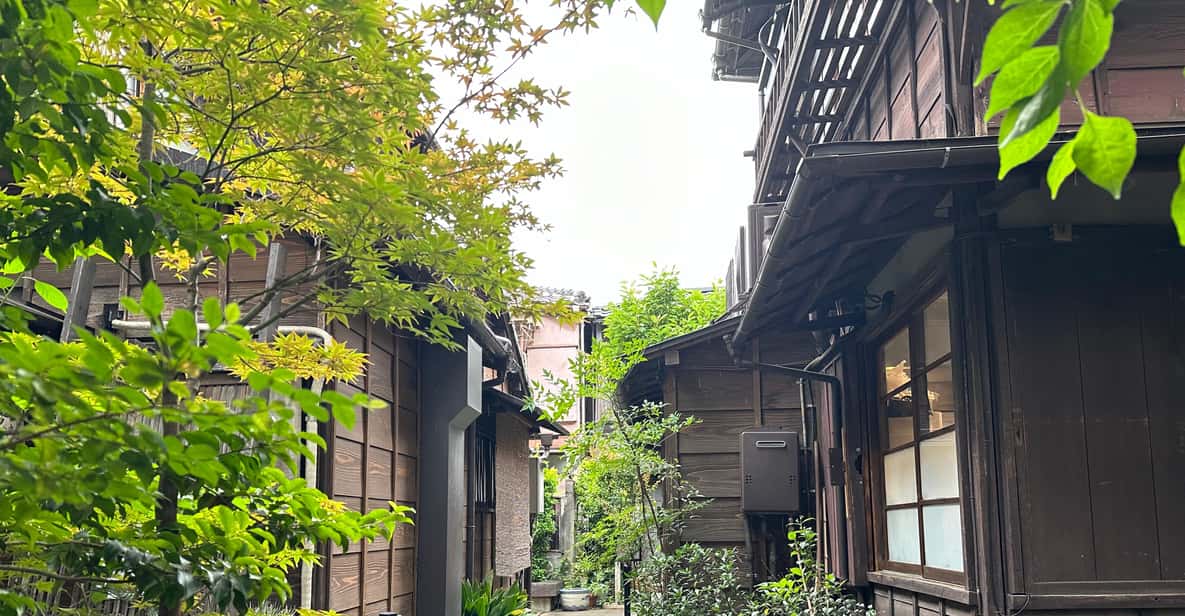
The tour starts at Nippori Station (West Exit), where Sui meets you in the waiting area. From there, the whole experience is designed to move you out of “Tokyo postcard mode” fast, and into real neighborhood Tokyo—quiet residential pockets, narrow lanes, and small shops.
This is the kind of walk where the guide’s role is more than pointing. Sui helps you read the area: why shrines and temples sit where they do, what older buildings look like in daily use, and how people actually move through the neighborhood. It’s also a small-group experience, so you can ask questions instead of shouting over a crowd.
A practical note: the tour runs about 210 minutes, and it can run a bit earlier or later depending on timing and flow. Plan for a solid chunk of walking, including staircases. If you start the day hungry, bring something light or plan to eat right before you meet.
You’ll also want some cash. A lot of the smaller shops along the route are the type where having cash on hand saves time and keeps you from missing a snack or a souvenir.
You can also read our reviews of more tours and experiences in Tokyo.



Yanaka’s residential streets: where local routines actually show up
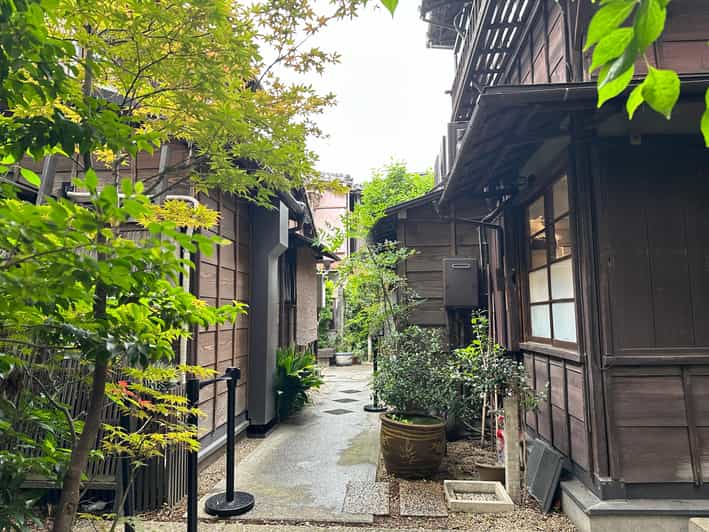
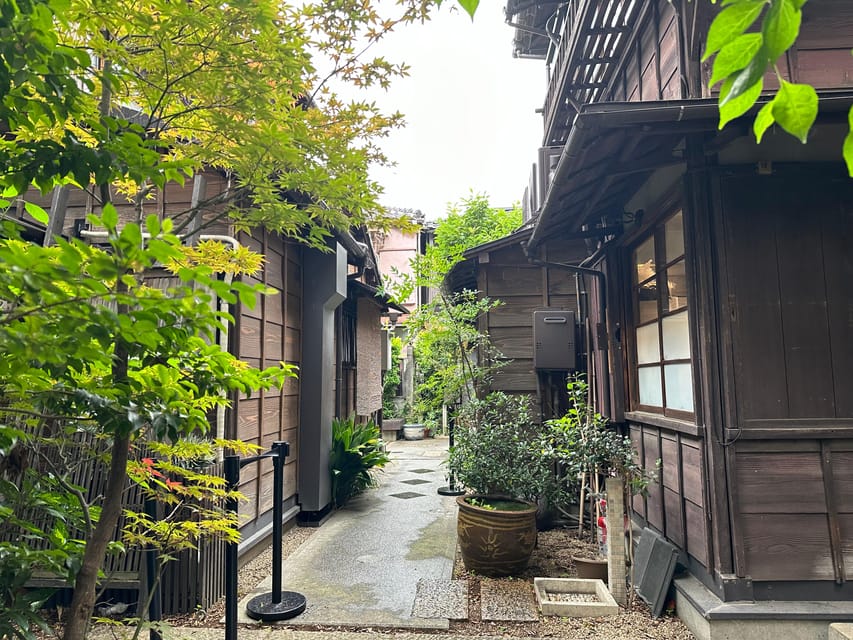
Yanaka is the main character here. You’ll stroll through a mix of older homes and newer shops side by side, and that contrast is the point. This isn’t a theme park version of Japan. It’s the daily environment people live in.
Expect plenty of neighborhood detail:
- quiet residential lanes where you can see how people arrange daily life around the buildings
- small shops that feel passed down through generations
- glimpses of kids out and about, and older locals going about their day
Sui leans into this “ordinary” Tokyo, and it’s where the tour becomes more than sightseeing. You get a sense of how community and custom shape the street—especially around worship sites and the little businesses that support them.
If you like learning by observation, this is a strong match. You’ll notice tiny design choices on storefronts, how streets turn, and how the neighborhood’s layout changes as you approach different religious areas. You’ll also have chances to talk to locals you meet along the way and to ask questions about what you’re seeing.
Nezu Shrine: the torii path that feels like a doorway
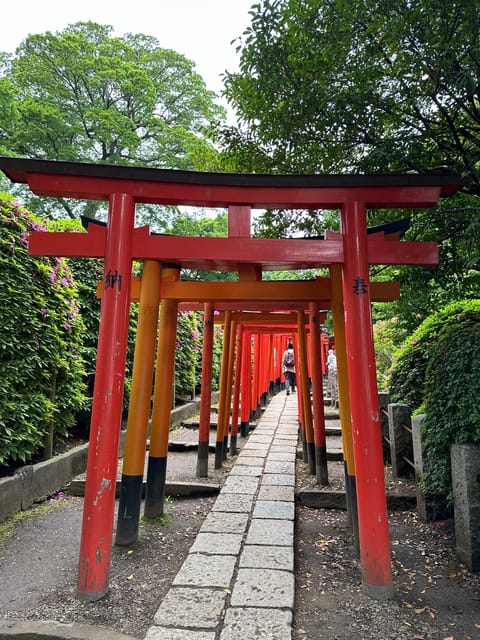
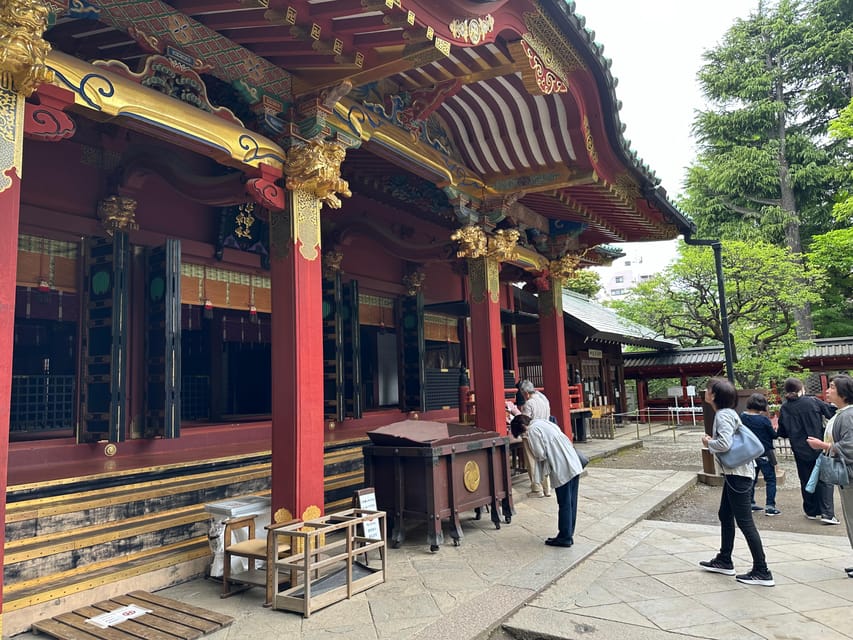
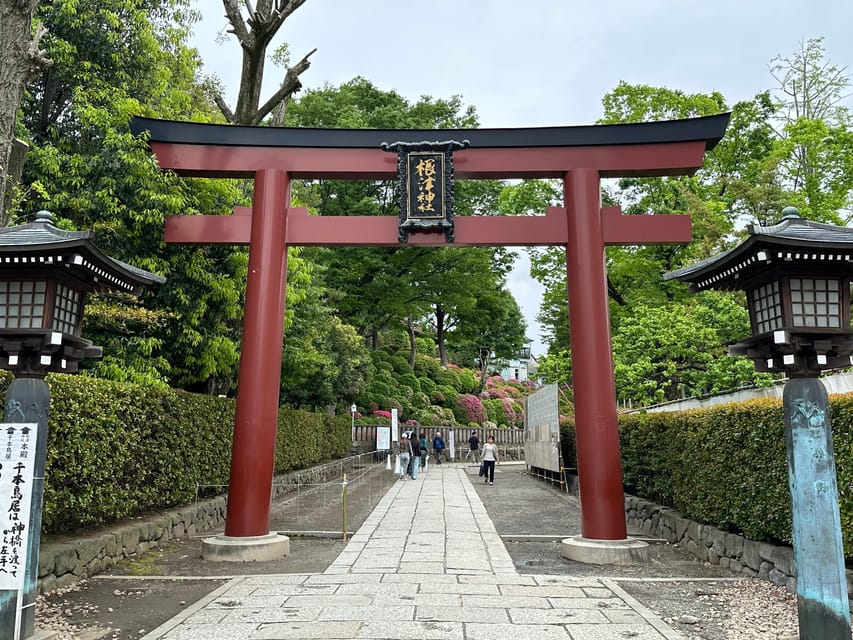
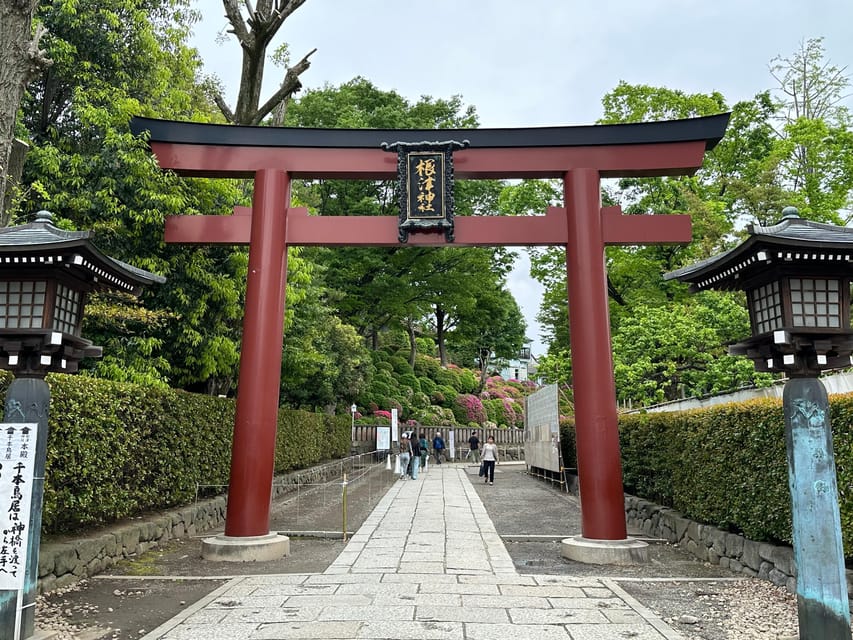
One of the best transitions on this walk is reaching Nezu Shrine. The highlight isn’t only the shrine itself; it’s the approach. The torii-lined pathway creates a clear change in atmosphere—like you’re stepping out of modern noise.
Nezu is one of Tokyo’s older places of worship, and the guide’s explanations help you understand why that age matters. When you know a bit about the religious rhythm—what people are doing, why they’re there, what the spaces are for—the visit turns from “look at building” into “understand the place.”
You’ll likely get calm, unhurried time here, and that’s a big deal. Many Tokyo shrine visits are compressed into a few minutes under heavy foot traffic. This walk is structured so you can actually stop, look around, and take in the setting without feeling chased.
If you’re the type who likes to learn how to participate respectfully, Sui is known for sharing practical guidance on prayer at the temples and shrines. That small piece can make your visit feel more meaningful.
Tennoji Temple: Buddha, garden quiet, and a softer pace
After Nezu, the route continues toward Tennoji Temple. This is where the scenery shifts again, and the mood follows.
Tennoji stands out for its large bronze-seated Buddha and for the Japanese garden that brings a quieter, reflective feel. Even if you’re not trying to “culture-game” your way through a checklist of sights, this stop gives you something most fast tours don’t: breathing room.
Sui’s approach helps you notice the details—how the garden space works, what the temple setting communicates, and how worship fits into the neighborhood. If you prefer to learn in small chunks, this stop is timed for that. It doesn’t feel like you’re being lectured. It feels like you’re being shown what to look for.
This is also a good moment to reset your walking energy. The tour is active, but it intentionally includes calming pauses at spots that aren’t overwhelmed by visitors.
Yanaka Cemetery: the kind of quiet you feel in your feet
The tour’s most surprising “wow” moment for many people is Yanaka Cemetery. It’s not only scenic; it’s big and laid out in a way that makes the walking feel natural, not frantic.
You’ll see rows of trees that create a steady, calm rhythm. Cemeteries in Japan are often deeply integrated into the cultural landscape, and when you experience it through a guided lens, it doesn’t feel like a grim detour. It feels like another form of respect for memory and place.
Sui’s explanations give the stop context, and that turns the experience into more than looking at gravestones. You begin to understand why the space looks the way it does and why the trees and open areas matter for atmosphere.
Practical tip: this is a location where you’ll want to slow down—literally. Your best photos here come from walking a bit, stopping, then letting your eyes adjust to the quiet. If you’re the type who takes pictures nonstop, this cemetery stop is a good antidote.




Traditional buildings from Meiji to Showa: why the architecture matters
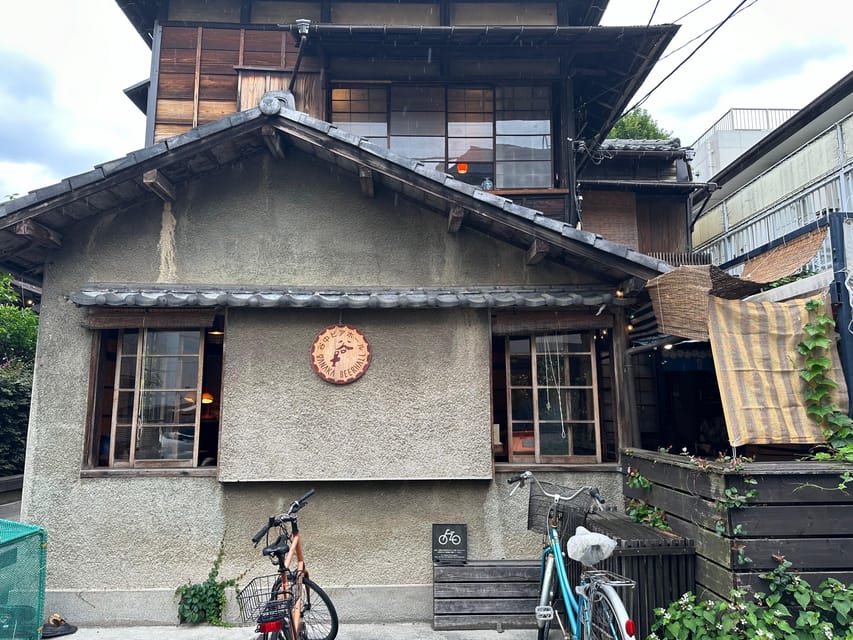
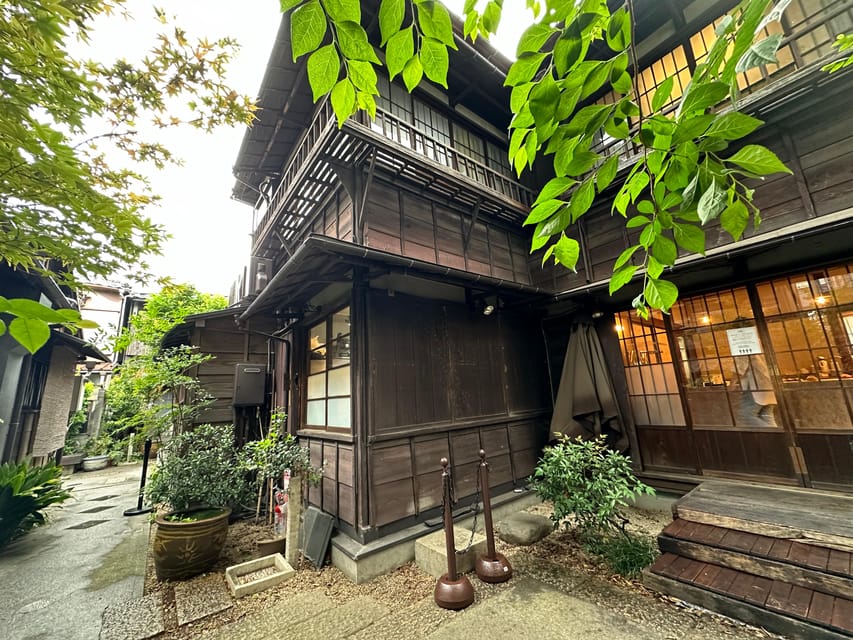
A key part of this tour is seeing buildings and structures from the Meiji period (1868–1912) to the Showa period (1926–1989). This isn’t just decorative history. It’s living evidence of how Tokyo’s neighborhood life has evolved.
When you walk past older structures with the guide’s context, you start noticing patterns:
- what older streets feel like at human scale
- how residential and commercial spaces overlap
- how the neighborhood holds onto older forms even as the city changes around it
This is also where you learn to spot the difference between “old-looking” and genuinely old. Sui helps you read the clues so you don’t just guess. That small skill makes the whole neighborhood feel more rewarding after the tour ends too.
There’s a lot of stair movement across the route, so expect some climbs. That’s not just inconvenience; it also shapes your viewpoint. Tokyo’s hills and street levels make old neighborhoods feel layered, and the elevation changes help you feel like you’re traveling through time.
Yoshida Liquor Store and Yanaka Ginza: where local food culture shows up
Two of the most enjoyable stops are built around everyday commerce.
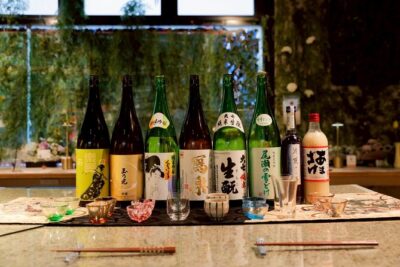
First is Yoshida Liquor Store, a traditional sake shop. This is a simple stop, but it’s a great one if you like Japanese craft and local specialty culture. The store represents more than alcohol. It represents how longstanding businesses support neighborhood gatherings and routines.
Then comes Yanaka Ginza, a traditional shopping street where Sui introduces local street foods, Japanese food options, and souvenir-style shops. This is the part that feels most like a neighborhood “living room”—people moving through the lanes, snack culture happening naturally, and shopfronts that look like they’re not trying to impress tourists.
Seasonal twist matters here. In summer (June 1 to September 11, 2026), the tour avoids Yanaka Ginza and instead includes a stop at a cafe transformed from an old traditional building, with one drink included. It’s a smart trade-off when it’s hot and humid and you don’t want the walk to be pure suffering.
Also in spring, there’s a treat. For sakura season (March 25 to April 25, 2026), the tour includes free sakura mochi for everyone when available. If sakura mochi isn’t on hand, it’s replaced with other traditional Japanese sweets or food items. Either way, you get a seasonal flavor payoff.
Finally, there’s the sunset staircase photo spot. It’s popular with locals for a reason: it gives you a strong viewpoint without needing a stadium-sized crowd.
The guide makes the difference: Sui’s pace, humor, and “ask me anything” style
It’s easy for a walking tour to feel like a lecture with a route. This one feels more like a friendly, careful conversation while you move through the neighborhood.
Sui is the main guide, and her strengths show up again and again in how she manages the group:
- she keeps a relaxed pace so you’re not rushing through temples and narrow lanes
- she answers questions and adapts when interest shifts
- she makes picture-taking easier, so you’re not stuck directing your own shot constantly
- she’s patient with families; kids often stay engaged thanks to small surprises along the way
One of the most valuable things for first-timers is the way she explains Japanese worship in practical terms. People who worry about how to act at shrines often feel much steadier after this kind of guidance.
And yes, the humor helps. When you’re walking 3.5 hours, you want someone who can keep the atmosphere light without skipping the serious details.
Price vs. what you actually get in 3.5 hours
At $29 per person for about 210 minutes, this is good value for anyone who wants more than a quick “see the shrine” stop.
Here’s the math that matters:
- You’re paying for an English-speaking guide (not just a map).
- You’re getting multiple worship sites and a cemetery stop that would be hard to interpret on your own.
- You’re spending time in local shopping streets and older neighborhoods where you’d likely miss the context without someone who knows the area well.
The tour also builds in “time for noticing.” That’s one of the biggest hidden values. Fast tours compress everything. This one gives you a chance to feel the rhythm of the neighborhood—quiet streets, calm temple moments, and conversations that make the day feel personal instead of checklist-based.
Yes, there’s still a downside: it’s a walking tour, and you need energy. But if you show up ready, $29 buys a lot of meaningful Tokyo.
Who this tour suits best (and who should pick something else)
This is ideal if you want:
- a calm counterpoint to central Tokyo neighborhoods
- old streets, temples, shrines, and residential life in one afternoon
- a guide-led look at religion and how worship spaces fit into everyday Tokyo
- small-group interaction, not crowd management
It’s less ideal if:
- you need wheelchair access (the route uses staircases and isn’t suitable for wheelchair users)
- you dislike long walking days or climbing steps
- you want nonstop major landmarks instead of neighborhood scale
If you’re traveling with kids, it can work well. The tour tends to keep attention with small stops and kid-friendly surprises, and Sui also helps families find food options at the end.
Should you book Tokyo: Yanaka & Nezu with Sui?
I’d book it if you want authentic-feeling Tokyo that you can’t easily copy from a standard guidebook route. The biggest selling point is the structure: it balances worship sites, architecture, and local street life with a pace that feels human.
I’d skip it only if you’re not comfortable with a 3.5-hour walking day with staircases, or if accessibility needs make this route a poor fit.
One more trust signal: Sui is described as a serious neighborhood specialist, and this tour is presented as a genuine local-focused experience before the area became a mainstream tourist target. If your goal is to see the ordinary Tokyo that still has character, this is a smart choice.
If you want, tell me your travel dates and whether you’re going in summer or cherry blossom season, and I’ll suggest what to prioritize on the walk and how to plan a meal around it.
FAQ
Where does the tour start?
The meeting point is Nippori Station, West Exit. The guide waits at the waiting area after you come out to the West Exit.
How long is the tour?
The tour duration is listed as about 210 minutes (about 3.5 hours). It may end a little earlier or later.
What’s included in the tour price?
Included are the tour guide service, plus seasonal inclusions: free sakura mochi during spring sakura season, or a drink in a cafe during the summer season.
Which places of worship and historic stops are visited?
Stops listed include Nezu Shrine, Tennoji Temple, Yanaka Cemetery, Yoshida Liquor Store, Yanaka Ginza, and the sunset staircase photo spot, along with traditional buildings from the Meiji through Showa periods.
Does the route change by season?
Yes. In summer, the tour includes a stop at an old-building cafe with one drink and does not go to Yanaka Ginza, and it ends at Nezu Station. In spring sakura season, sakura mochi is provided when available.
What should I bring?
Bring comfortable shoes and cash.
Is the tour wheelchair accessible?
No. It is not suitable for wheelchair users.
Is it a private or group experience?
It runs as private or small groups available, and the tour is a live English-guided walk.