REVIEW · TOKYO
Tokyo Japanese Garden Lover’s Private Tour with Government-Licensed Guide
Book on Viator →Operated by Japan Guide Agency · Bookable on Viator
Tokyo is loud, then suddenly quiet. This private Japanese garden day gives you structure, context, and stop-by-stop explanations from a government-licensed local guide, with the chance to see Edo-era design and modern city parks in one flow. I especially like how the tour frames the gardens as stories, not just pretty photos.
I like that you can customize the day around what you actually want to see, with 3–4 picks from an impressive list (plus well-known anchor sites like Meiji Jingu and Ueno). I also appreciate the human side of the guiding: English conversation that goes beyond facts, like when guides such as Shiraga Yukino-san can explain nuances clearly, or when Koji shows up prepared so the pacing feels smooth.
One consideration: it’s a walking day with limited time per stop, and several gardens have entrance fees that are not included. If you’re hoping to linger for hours in one place, you’ll want to choose fewer sites and accept some transit time on foot.
In This Review
- Key points that make this Tokyo garden tour worth your time
- A 6-hour garden day that’s built for choices, not checklists
- The guide factor: why a licensed storyteller changes everything
- Imperial Palace grounds: beautiful even without going inside
- Meiji Jingu and Yoyogi Park: shrine hush meets city life
- Koishikawa Korakuen and Rikugien: Edo-era garden design that you can actually read
- Shinjuku Gyoen: efficient big-time garden energy
- Hama Rikyu: tide-driven ponds and a tea-house vibe
- Koishikawa Botanical Garden: science-minded calm with a Japanese corner
- Former Shiba Rikyu, Kiyosumi Teien, and Happo-en: quieter garden atmospheres
- Nezu Museum and Happo-en area parks: art, museum gardens, and city style
- Ueno Park: museums and pond life, plus a famous seasonal crowd
- Mejiro Garden: the small quiet stop near Ikebukuro
- Tokyo National Museum Garden: seasonal only
- Price and value: why $154.84 can make sense in Tokyo
- Picking your best 3–4 sites: a simple strategy
- Who this tour fits best (and who should reconsider)
- Should you book this Tokyo Garden Lovers Private Tour?
- FAQ
- Is this a private tour or a group tour?
- How long is the tour?
- Can I choose which gardens to see?
- Does the tour include pickup?
- Are entrance fees included?
- Are transportation costs included?
- Is the guide English-speaking and licensed?
- What if it rains?
- Are service animals allowed?
- What’s the cancellation rule?
Key points that make this Tokyo garden tour worth your time
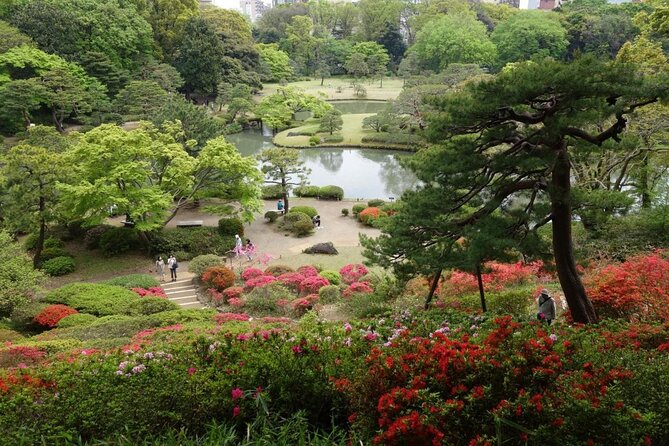
- Government-licensed local guide with interpreter certification, so you get real cultural context instead of loose commentary.
- Pick 3–4 sites from a ready-made list, so you’re not locked into a rigid checklist.
- Rock-and-plant symbolism is explained as part of the experience, including the idea of traditional spirits represented through design.
- Mix of major landmarks and quieter gardens, from Meiji Jingu and Ueno to smaller oasis-style spots like Mejiro Garden.
- A good walking rhythm with pickup on foot (no private vehicle), plus help navigating Tokyo’s transit logic.
A 6-hour garden day that’s built for choices, not checklists
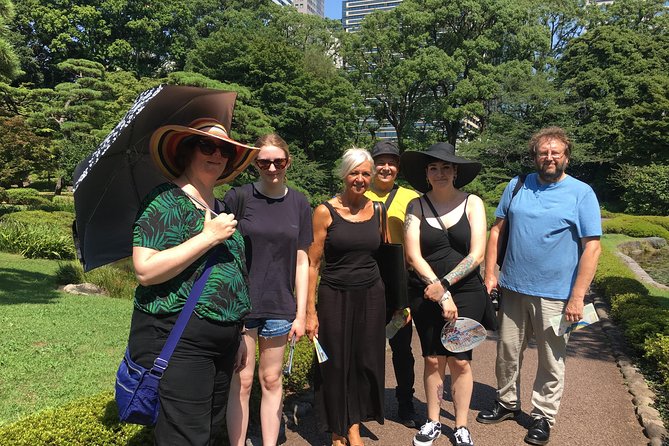
This is a private, 6-hour walking tour where the big idea is control. You’re not stuck watching someone speed-run Tokyo gardens you don’t care about. Instead, you choose 3–4 sites from the options, and the guide helps shape the route around your preferences.
That matters because Tokyo gardens aren’t all the same. Some are wide and public, some are tucked and quiet, and some are designed around water, stones, and seasonal mood. When you can choose, you match the day to your energy level and interests—dry rock gardens, pond-centered strolls, shrine grounds, or park calm.
The tour also gives you a simple starting point: you meet your guide within a designated area on foot. There’s no private vehicle, so you’ll do what Tokyo does best—short hops by train/foot, then longer pauses for the garden itself.
You can also read our reviews of more guided tours in Tokyo

The guide factor: why a licensed storyteller changes everything
A garden without explanation can look like a pretty postcard. With the right guide, it becomes something else: a system of meaning you can read while you walk.
This tour’s guide is described as a licensed local English-speaking guide with interpreter certification. In real terms, that’s what you want when the tour includes things like traditional spirits represented through rocks and plants. You’ll get the “why” behind the arrangement—why certain stones are placed, why paths curve, and why the garden feels calm even when the city is nearby.
The English quality also shows up in the feedback. People highlighted guides who can carry easy conversation and explain nuance, like Shiraga Yukino-san and Steve. Others praised preparation and pacing, such as Koji, who helped make the day feel organized rather than rushed.
Imperial Palace grounds: beautiful even without going inside
The day can start at the Imperial Palace area. Important detail: the tour notes it does not include access to the inside of the Imperial Palace. You’re looking at the palace grounds from the accessible areas.
What makes this stop worth it isn’t just prestige. It’s a strong Tokyo contrast moment. You go from modern city motion into a protected, park-like setting surrounded by moats and heavy stone walls—an immediate reminder of how Tokyo’s garden and nature planning evolved around power and public space.
Also, the tone fits the tour. Imperial grounds work well as an opening reset before you move into more specialized garden designs later.
Meiji Jingu and Yoyogi Park: shrine hush meets city life
Next up is Meiji Jingu Shrine, where the tour lists admission as free. Meiji Jingu is a big deal for a reason: even with crowds in the wider Harajuku area, the shrine grounds create a quieter, more grounded feeling as you walk deeper in.
Then there’s Yoyogi Park, also listed as free. Yoyogi is not a museum garden. It’s a city park—wide lawns, ponds, and wooded zones—where you can feel everyday Tokyo: picnics, joggers, and casual outdoor life.
Why this pairing works: it shows you two garden-adjacent worlds. The shrine gives you sacred space with ritual atmosphere. Yoyogi shows how Tokyo residents use open green design as part of daily living.
Koishikawa Korakuen and Rikugien: Edo-era garden design that you can actually read
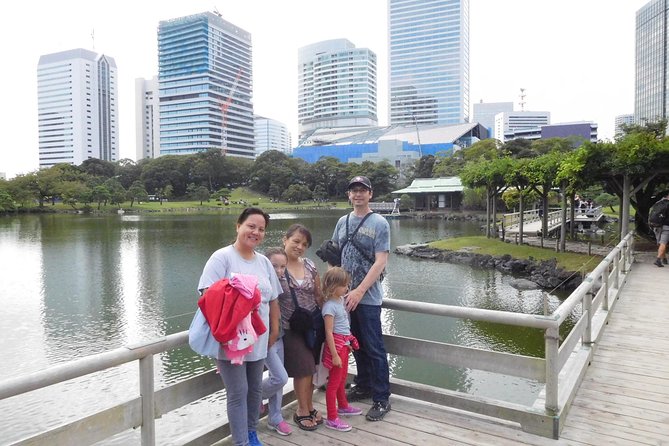
If you want classic Tokyo garden structure, this tour has two of the most respected names: Koishikawa Korakuen and Rikugien.
Koishikawa Korakuen is described as one of Tokyo’s oldest and best Japanese gardens, built in the early Edo Period. It’s often treated as a must-see because it represents famous sceneries in miniature. That idea changes how you look. You’re not just wandering. You’re “reading” scenes—imagining bigger landscapes compressed into a controlled view.
Rikugien is framed as another top choice alongside Koishikawa. It was built around 1700 and the name connects to “six poems,” so it’s part garden, part literature-inspired design. You’ll likely notice how paths and sightlines feel planned, not accidental.
One practical thing: these gardens can reward slow walking. But since this tour is time-limited, you’ll get the most out of them by picking them only if you’re okay spending your limited hours inside the garden rather than stacking too many extra stops.
You can also read our reviews of more private tours in Tokyo


Shinjuku Gyoen: efficient big-time garden energy
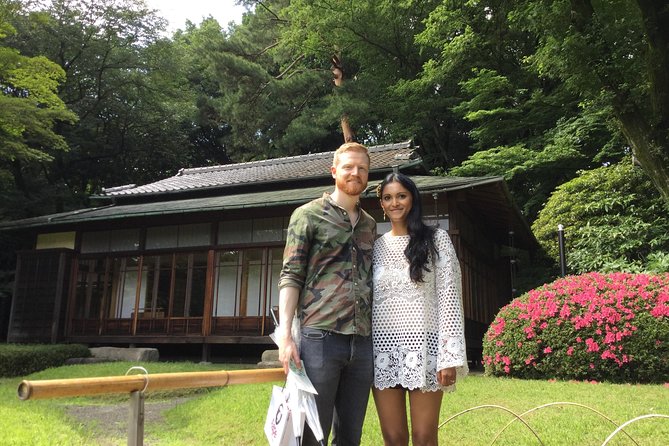
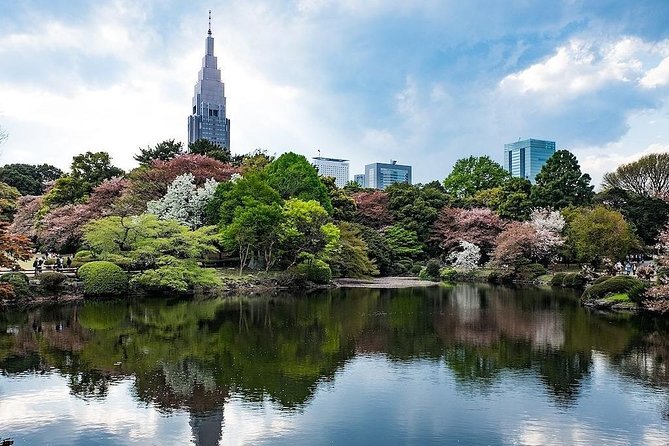
Shinjuku Gyoen National Garden is listed as part of the experience with admission not included. The big promise here is efficiency: it lets you see a lot of Tokyo green space in one day.
It also gives you another angle on design. Compared with older Edo-style gardens, Shinjuku Gyoen can feel more open and expansive, which can help if you’re pairing a smaller, quieter garden later.
If you’re choosing your 3–4 sites, Shinjuku Gyoen is a strong “anchor” option—especially when you want a full garden experience without worrying that you’ll only see a small pocket.
Hama Rikyu: tide-driven ponds and a tea-house vibe
Hama Rikyu Gardens sits near Tokyo Bay and is described as having seawater ponds that change level with the tides. That detail is a big deal. It means the garden isn’t only about visuals—it has a time-based rhythm you can feel.
The garden is also described with a teahouse element, which fits the whole idea of Japanese gardens as places to slow down and notice shifts rather than just take in views.
If your schedule lines up with a time when the tide has meaningfully changed, you’ll likely notice the pond edges and water behavior more. Even if you can’t guarantee that, the explanation of how water levels connect to design gives you a new lens while you walk.
Koishikawa Botanical Garden: science-minded calm with a Japanese corner
The tour includes Koishikawa Botanical Garden, run by the University of Tokyo, with admission not included. This one is special because it adds plant variety and education flavor to the day, plus a small Japanese landscape section.
It’s a good choice if you love gardens for the living part: how trees and seasonal blooms change the space. The data notes it can be particularly nice in cherry blossom season, which matters if your trip timing overlaps spring.
Think of it as a “gardens + plants” stop, which balances the more design-focused classics.
Former Shiba Rikyu, Kiyosumi Teien, and Happo-en: quieter garden atmospheres
Several options on the list are described as smaller, calmer, oasis-like garden experiences—exactly the kind of places that reward time and attention.
- Former Shiba Rikyu Gardens: listed as admission not included. It’s described as a green oasis with a pond and man-made hills, formerly tied to feudal residence and later an imperial villa.
- Kiyosumi Teien: admission not included, with walking trails around a central pond and trails that lead over stones placed into the pond. The “over stones” detail signals a more intimate, interactive walk than a passive viewpoint.
- Happo-en: a large park in Minato District, called the Garden of Eight Views, appealing in all seasons. The grounds are noted as a good photo backdrop, and there’s a pond element your guide can connect to the garden’s mood.
One of the most memorable details from the experience feedback: one guide’s way of calling your attention to moments like koi fish in the pond, and even how rain can shift what you notice (like different stone colors). You don’t need perfect weather to enjoy these stops, but it helps to have a guide who knows what to point out when conditions change.
Nezu Museum and Happo-en area parks: art, museum gardens, and city style
This tour can also include Nezu Museum, described as an urban oasis in Omotesando. It’s tied to the former private residence of Nezu Kaichiro and now houses a museum, with its garden highlighted as a highlight.
Then there’s Happo-en again as a named garden option, giving you a chance to pair “museum-world calm” with a wider garden setting.
If you care about Tokyo’s mix—art districts plus traditional garden pacing—these stops can make the day feel more varied without sacrificing the garden focus.
Ueno Park: museums and pond life, plus a famous seasonal crowd
Ueno Park is listed with admission free. It’s described as an area with multiple museums, a zoo, Toshogu Shrine, and Shinobazu Pond. It’s also called a notorious cherry blossom party spot.
Even if you’re not traveling in peak hanami season, Ueno is still useful because it’s a hub. Your guide can help you get the garden-side experience without getting swallowed by museum chaos.
This stop is best when you want a garden moment inside a larger cultural park, not when you want pure quiet.
Mejiro Garden: the small quiet stop near Ikebukuro
Mejiro Garden is described as a small, peaceful traditional Japanese garden near Ikebukuro Station, admission free. That proximity is practical: it can work well if you want one last calm pocket near a major transport node without paying another entrance fee.
When the day starts feeling like too much walking, a smaller stop like this can be the relief you need.
Tokyo National Museum Garden: seasonal only
The Tokyo National Museum Garden is special because it’s seasonal. The data says it opens for a few weeks during hanami (cherry blossoms) in spring and during koyo (autumn leaves) in November.
So if you’re visiting in those windows, this can be a high-value choice. If you’re outside those weeks, it’s not a sure thing based on the information given—so your guide’s plan and timing matter.
Price and value: why $154.84 can make sense in Tokyo
At $154.84 per person for around 6 hours, the value is less about admission and more about time, interpretation, and efficiency.
Here’s the honest way to judge it:
- Several major sites on the list have admission not included, so the total day cost may be higher depending on your choices.
- Transportation fees and lunch are not included, and it’s walking-based pickup (no private vehicle), so you’re paying mostly for your guide’s expertise and the custom route planning.
- The “government-licensed guide” element is the differentiator. In Tokyo, that’s what can turn a list of gardens into a coherent day with meaning.
The tour also includes a mobile ticket and offers pickup on foot within a designated area. Group discounts are mentioned, but since it’s private, the real value is that your group controls the pace and site mix.
Picking your best 3–4 sites: a simple strategy
Because the tour is customizable to 3–4 choices, you can make the day feel either relaxed or rushed depending on how you choose.
My rule of thumb:
- If you want design intensity, pick 2 major classic gardens (like Koishikawa Korakuen or Rikugien) plus 1 smaller oasis garden (like Kiyosumi Teien or Former Shiba Rikyu).
- If you want variety, use one anchor like Meiji Jingu or Ueno, then add 2 garden-design stops.
- If you’re into plant life, include Koishikawa Botanical Garden.
Also, don’t try to “collect” everything. The tour is designed to learn and notice, not just hit stamps.
Who this tour fits best (and who should reconsider)
This tour is a great match if you:
- Like Japanese gardens as art and symbolism, not just scenery.
- Want a guide who can explain the meaning of rocks, plants, and scene arrangement.
- Prefer a private day that you can tailor instead of joining a big group.
You might reconsider if you:
- Need a lot of downtime and don’t want to walk as part of sightseeing.
- Expect entrance fees to be included for every stop.
- Want to spend long, slow hours inside multiple paid gardens. With 3–4 sites total, you’ll still have time, but you’ll be planning with a tighter timeline.
Should you book this Tokyo Garden Lovers Private Tour?
If your priority is a guided, meaningful garden day with real English interpretation and site-level context, I think it’s a strong booking. The custom 3–4 site approach helps you avoid the common problem of Tokyo tours feeling like a blur of entrances.
Book it if you’re excited by Edo-era garden design, shrine atmosphere, and the idea that gardens can represent traditional spirits through stone and plant choices. Just be ready for the reality that it’s a walking format and that some of your favorite gardens will likely add entrance fees on top of the base price.
If you want, tell me your travel month and which sites you’re leaning toward, and I’ll help you choose the best 3–4 to match the season and your pace.
FAQ
Is this a private tour or a group tour?
It’s a private tour/activity. Only your group participates.
How long is the tour?
The duration is about 6 hours.
Can I choose which gardens to see?
Yes. The walking tour is customizable, with 3–4 sites chosen from the options.
Does the tour include pickup?
Pickup is offered, but it’s on foot (not with a vehicle) within a designated area.
Are entrance fees included?
Some sites are listed with free admission (for example, the Imperial Palace area and Meiji Jingu Shrine, plus Yoyogi Park and Ueno Park). Other gardens and museums are listed as admission not included.
Are transportation costs included?
No. Transportation fees are not included.
Is the guide English-speaking and licensed?
The tour includes a licensed local English-speaking guide with interpreter certification.
What if it rains?
The tour is still a walking day with outdoor garden visits, so weather can affect the experience. Bring appropriate clothing for walking.
Are service animals allowed?
Yes, service animals are allowed.
What’s the cancellation rule?
Free cancellation is available up to 24 hours in advance for a full refund. After that point, the paid amount is not refunded.