REVIEW · TOKYO
Tokyo full day private tour with Guide
Book on GetYourGuide →Operated by LUXY Tour & Travels · Bookable on GetYourGuide
Tokyo gets easier with a driver. I like this full-day private plan because it strings together the food buzz of Tsukiji Fish Market and the big-sight landmarks like Senso-ji and Tokyo viewpoints without you juggling trains. You get a luxury, door-to-door setup in a Toyota Vellfire or Crown, plus help shaping the day so it actually fits your pace.
The one caution: make sure the person with you truly functions as a guide, not just a driver. In Tokyo, great guiding means you get explanations and time saved on what to prioritize once you’re on the ground.
In This Review
- Key highlights worth knowing
- Price and logistics: what $329 for up to 2 really buys
- Getting picked up in style: luxury cars and smooth transfers
- Tsukiji Fish Market: more than seafood shopping
- Senso-ji in Asakusa: temple architecture plus market atmosphere
- Imperial Palace and East Gardens: quiet time in the middle of Tokyo
- Meiji Shrine: a forest break that actually changes your pace
- Shibuya Crossing: the big-city feeling, on purpose
- Odaiba: Tokyo Bay leisure with Edo-era roots
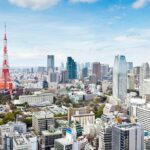
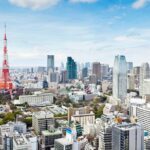
- Tokyo Skytree and Tokyo Tower: two icons, one skyline day
- The big decision: is this truly a guide-led day?
- Who this private Tokyo day tour fits best
- Should you book Luxe Travels’ Tokyo full-day private tour?
- FAQ
- How long is the Tokyo private tour?
- What is the price for this tour?
- Which main stops are included?
- What vehicle is used for the private tour?
- Is there a live guide, and what languages are available?
- Is the tour wheelchair accessible?
- What does the tour include for comfort?
- Is the tour canceled for free if plans change?
Key highlights worth knowing
- Private door-to-door pickup in Toyota Vellfire or Crown so you start and stop where it’s easiest
- Flexible planning so you can steer the day toward food, temples, shopping, or skyline views
- Complimentary coffee, tea, and bottled water for a calmer, longer day
- A big mix of Tokyo neighborhoods from Asakusa and Shibuya to Odaiba and Imperial areas
- Two tower-style skyline stops (Tokyo Skytree and Tokyo Tower) for different city angles
Price and logistics: what $329 for up to 2 really buys
This is priced at $329 per group up to 2 people for a private full day, around 9 hours (listed as 9 hours, with the experience described as about 10). In plain terms: you’re paying for comfort, time, and a direct route between far-flung Tokyo areas. If you’re traveling as a couple, friends, or a small group who wants to avoid backtracking, that private vehicle can feel like good value fast.
Where the price becomes meaningful is the “Tokyo friction” factor. Some days in Tokyo are mostly walking plus navigation. Here, you’re still walking at each stop, but the hard part—getting from one end of the city to another—is handled with an air-conditioned luxury vehicle and hotel pickup and drop-off included.
The other value piece is that the day is built to be adjustable. The plan includes major anchors like Tsukiji Fish Market, Senso-ji, Meiji Shrine, and viewpoints such as Tokyo Skytree. But you also get flexibility, which matters when you want more time browsing food stalls versus more time on temple grounds.
You can also read our reviews of more guided tours in Tokyo
Getting picked up in style: luxury cars and smooth transfers
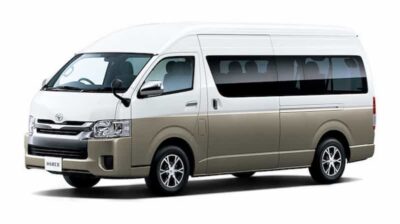
Your day starts with hotel pickup and drop-off in Tokyo. The vehicle options are listed as Toyota Vellfire & Crown (and a Land Cruiser is mentioned alongside them), and it’s air-conditioned with a chauffeur and highway taxes/fuel included. That kind of setup helps when you’re trying to fit multiple heavyweight sights into one day without burning energy on transit lines and transfers.
I especially like door-to-door service for Tokyo. The city is walkable, but it’s also big, and getting “close” to each attraction still takes time. With a private vehicle, you can arrive when you’re ready to explore, not when the train schedule says you should.
Now, a reality check that you should treat as important: this experience is sold with a live guide option, but the most useful question to ask before you go is how much on-the-ground guidance you’ll get. The difference between a true guide and a driver who just drops you near entrances is huge in places like Tsukiji and Senso-ji, where you’ll want practical direction quickly (what to see first, where to stand, what matters, and what can wait).
Tsukiji Fish Market: more than seafood shopping
Tsukiji is often treated like a sightseeing stop, but here it’s framed as a place where you connect food to the craft behind it. You get a guided visit (about 1 hour) focused on the “Food Town” feeling and the market’s food culture.
What you can expect is a dense mix of traditional Japanese cuisine, eateries, and both retail and wholesale areas. The market is also described as a place where you may find activities such as selecting ingredients with expertise, having a meal, and even learning how to cut fish. Even if you don’t do the hands-on parts, the biggest win is simply understanding what you’re looking at—why certain stalls feel different, and how the market supports both cooks and customers.
A practical way to make Tsukiji work for you in a day like this: keep your expectations realistic. This is an hour of guidance, not an all-day deep dive. Wear shoes you can stand in comfortably, and keep your shopping list simple. If you want food to go, decide early what you’ll buy so you’re not losing time comparing every stall.
Senso-ji in Asakusa: temple architecture plus market atmosphere
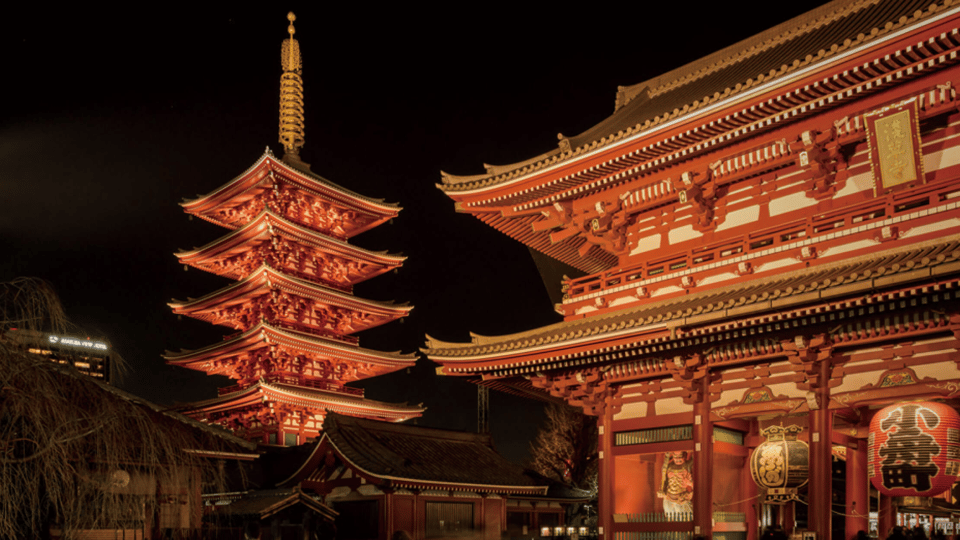
Senso-ji Temple is the kind of landmark that feels alive even before you reach the main halls. It’s one of Tokyo’s oldest temples and is devoted to the Buddhist goddess of mercy, Kannon. The approach is part of the experience: the gates and entrances are watched over by statues of various gods, and the temple setting includes architecture, places of worship, Japanese gardens, and traditional marketplace energy.
You’ll get time to visit with guidance (about 105 minutes) and later you’ll have another Senso-ji visit that includes sightseeing and walking (about 1 hour). That second slot matters. It gives you a chance to see the area with less structure the second time—useful for photos, slower browsing, and simply taking in the atmosphere after you’ve learned the basics.
Here’s what I’d focus on during your first temple time: let the guide orient you to the key elements. You’ll get the “what you’re seeing and why it’s there” context, which makes the second walk feel more meaningful instead of just pretty. Also, don’t over-plan the walking route. Senso-ji area streets are part of the reward.
Imperial Palace and East Gardens: quiet time in the middle of Tokyo
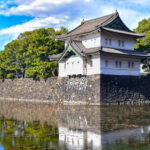
The Imperial areas are a different Tokyo mood: less street-level bustle, more space and formality. You’ll have a visit at the Tokyo Imperial Palace (about 1 hour) plus time for the Imperial Palace East Gardens (about 1 hour).
The East Gardens are described as accessible to the general public, and they’re located on the eastern portion of the royal grounds. You’ll also learn that the Imperial Palace has housed successive Emperors from 1868 to the present, including the Emperor’s formal residence and the Imperial Residence complex.
If you’re coming from the noise of markets and temple lanes, this is a good reset. You can walk slower, take in the layout, and avoid the “we’re just stopping for photos” feeling that can happen on rushed days.
A small practical note: you’ll need to be ready for lines and rules around where you can go. The tour gives you time for visits, but it won’t eliminate the fact that palace grounds can involve security and limited access areas. Build your patience in.
You can also read our reviews of more private tours in Tokyo

Meiji Shrine: a forest break that actually changes your pace
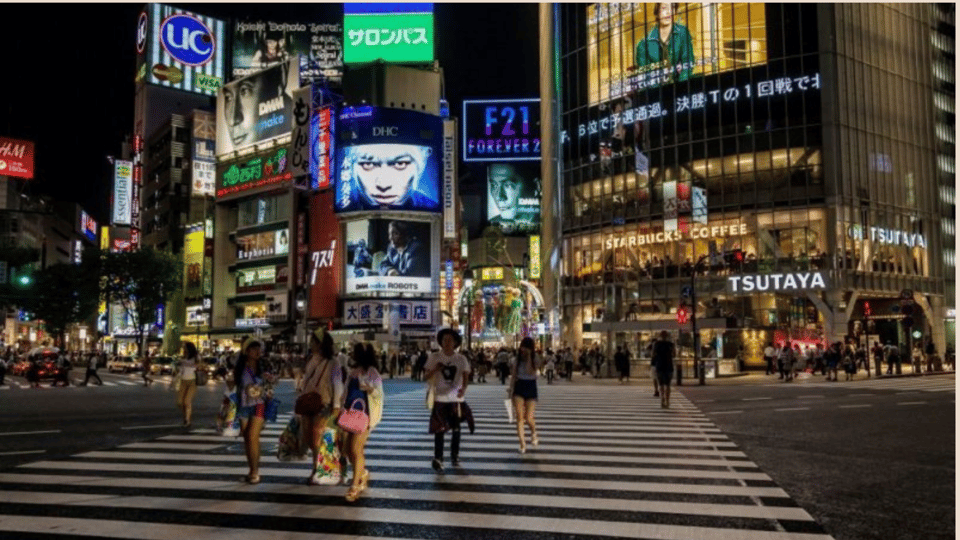
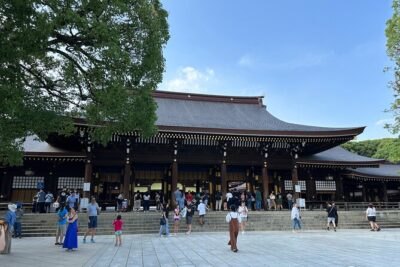
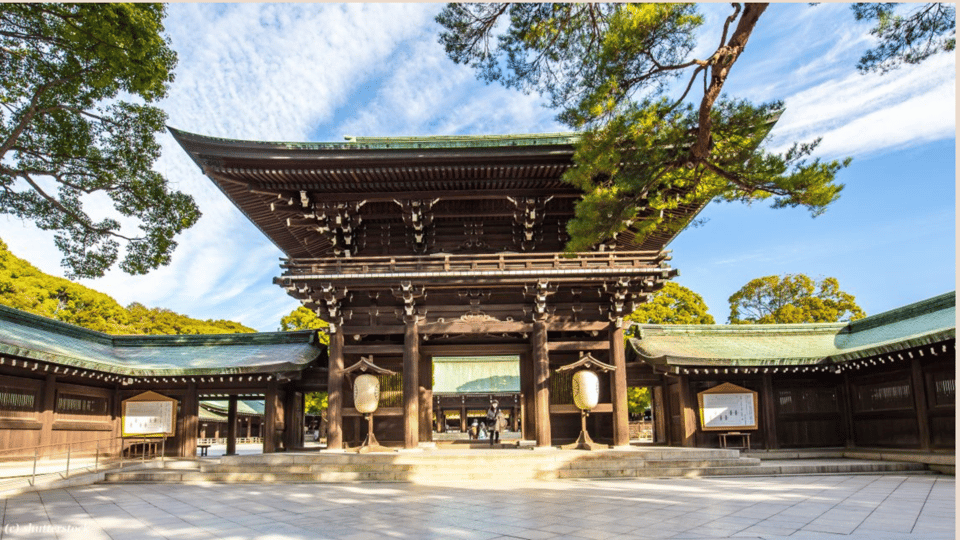
Then you pivot to Meiji Shrine in a way that feels like a temperature change. It’s described as a Shinto shrine inside a massive 70 hectare forest in central Tokyo. You enter and, for a while, you’re not thinking about trains or traffic.
Meiji Shrine was founded in 1920 to honor the virtues of Emperor Meiji and Empress Shoken, and it’s noted as open daily with hours that shift by season. That “seasonal hours” detail is one reason Meiji is a smart stop on a guided day: someone on your side can help you keep the schedule realistic when the light changes and crowds rise.
I like Meiji Shrine for a private tour because you can enjoy the space without rushing the moment you get there. If you’re the kind of person who likes taking breaks mid-day (rather than just eating quickly and running to the next photo stop), this is your moment.
Shibuya Crossing: the big-city feeling, on purpose
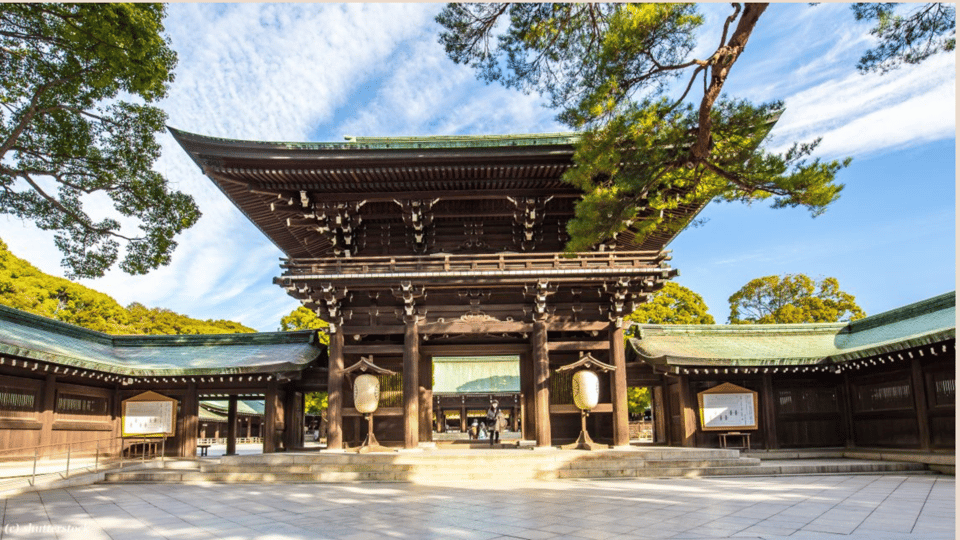
Next comes Shibuya Crossing, which is famous for the sheer choreography of people moving in every direction. It’s described as a man-made scramble junction just outside Shibuya Station, where lights and advertisements cover the area. There are also three enormous television screens on buildings facing the intersection, flashing continuously throughout the day.
You’ll have about 1 hour for Shibuya with guided time (and the day keeps flowing after that). This stop is less about culture lessons and more about experiencing Tokyo’s rhythm. If you want a day that balances reverence (temples) with spectacle (neon city corners), Shibuya is the place.
Make it practical: stand where you can see the crosswalk patterns and regroup with your guide. Without planning, it’s easy to get turned around inside the station area. With a private tour, you can keep moving without that panic spiral.
Odaiba: Tokyo Bay leisure with Edo-era roots
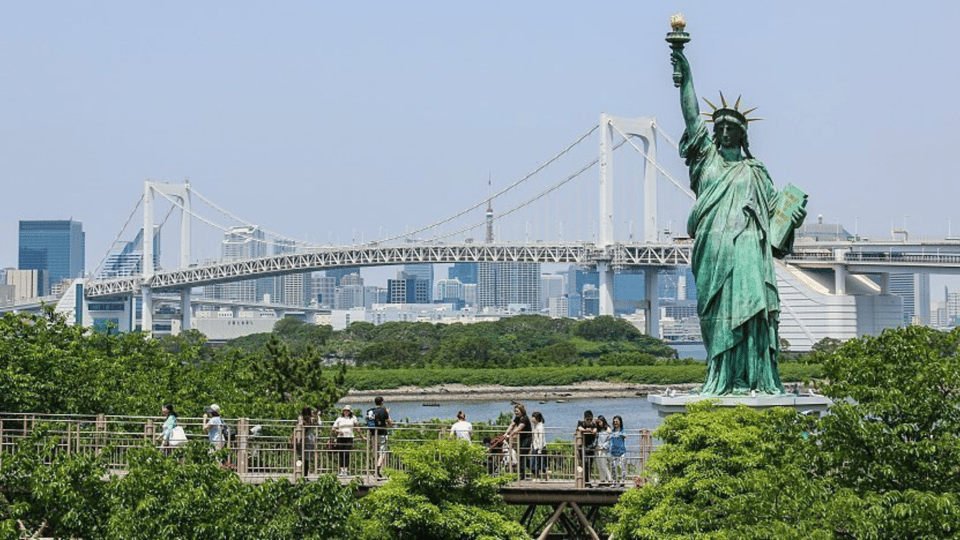
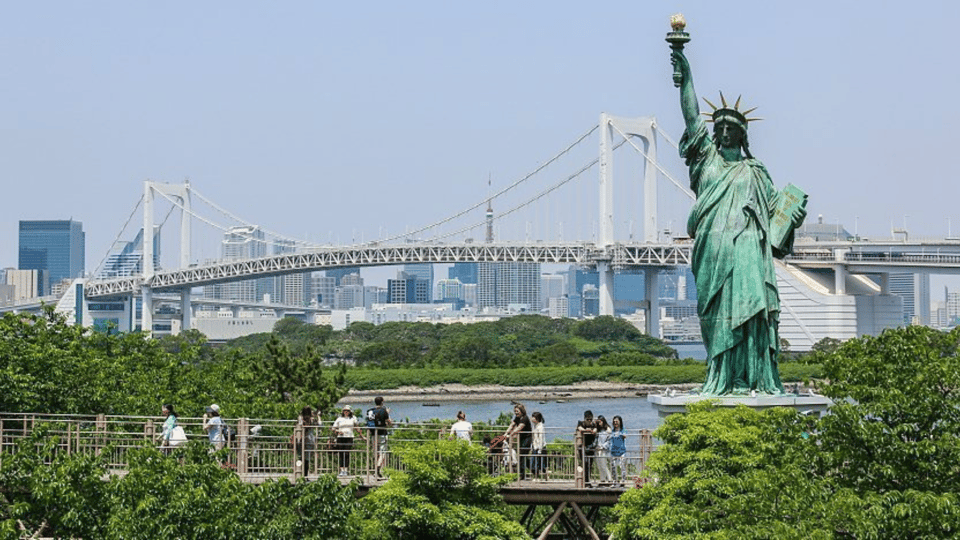
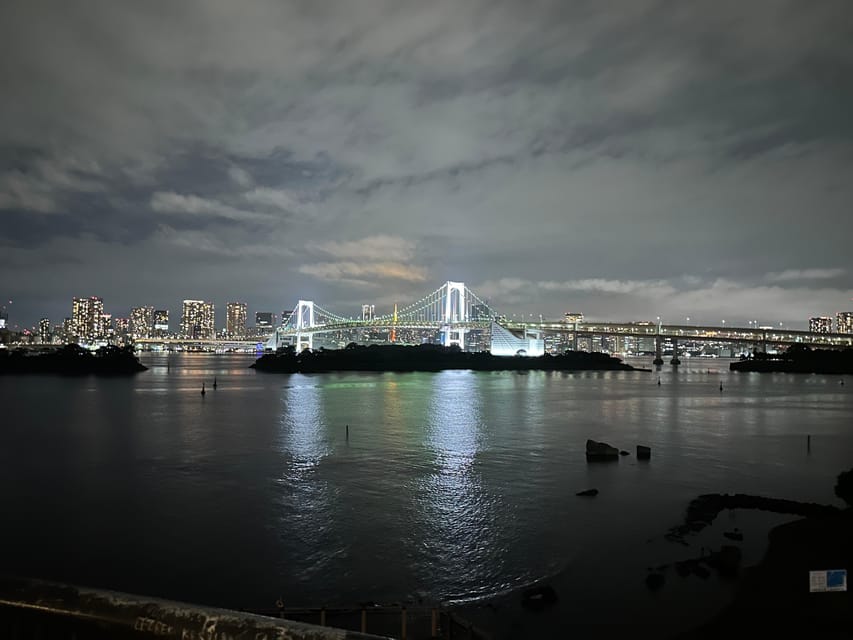
Odaiba is a Tokyo Bay retail and leisure center, and the best part is it has a backstory. The word daiba is explained as meaning fort, and the islands were built in the late Edo Period (1603–1868) to defend Tokyo from potential maritime attacks. The description also points to the context of Commodore Perry’s gunboat diplomacy.
You’ll get about 2 hours to visit Odaiba. That’s long enough to wander, snack, and reset after Shibuya. It’s a good match for travelers who like modern Tokyo spaces, but still want a sense that the city has layers.
A helpful way to use Odaiba time: decide whether you want shopping, scenic walking, or a slower stroll by the water. With only one private day, choose the vibe you want rather than trying to do everything.
Tokyo Skytree and Tokyo Tower: two icons, one skyline day
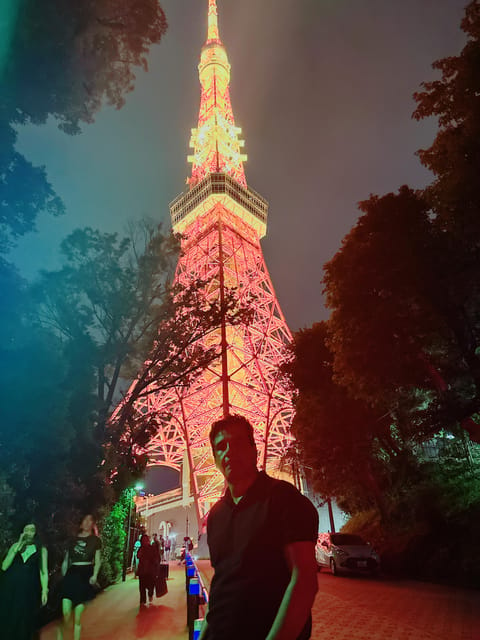
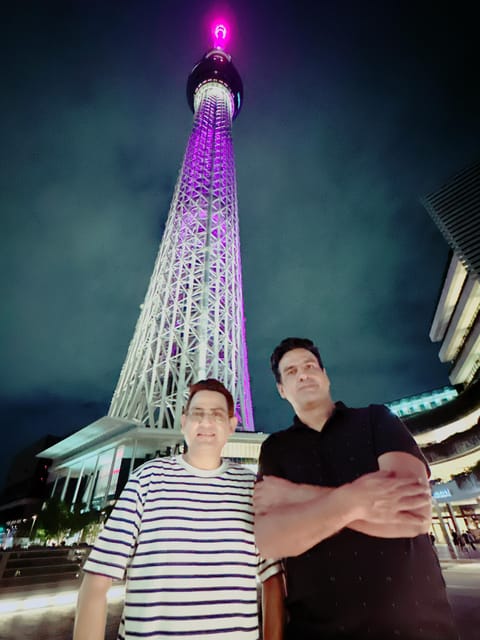
This tour includes both Tokyo Skytree and Tokyo Tower. The Skytree stop gives you time for sightseeing and walking (about 1 hour). The tour also sets aside another 1 hour for Tokyo Tower sightseeing.
Skytree is described with solid, specific details: it opened on May 22, 2012, stands 634 meters tall, and was the second-tallest building in the world at the time, behind Dubai’s Burj Khalifa. Two public observation decks are mentioned: Tembo Deck and Tembo Gallery (also called Galleria). The Tembo Gallery is described as having two levels connected by a curved circular ramp.
Even if you don’t go inside observation areas, Skytree is still a strong “Tokyo skyline” landmark. The second tower stop helps if you want variety: different architecture, different angles, and a chance to compare how Tokyo looks from different icons.
The big decision: is this truly a guide-led day?
This is the part I’d ask yourself before booking. The experience description includes a live tour guide and multilingual support (English plus Hindi, Japanese, Urdu, Punjabi, Spanish, Vietnamese, Bengali are listed). At the same time, guidance quality can vary when a company calls it a guide service but the on-the-ground role is closer to chauffeuring.
Based on the way guidance can land in real life, your best move is simple: send a quick message or confirm in advance that you’ll get on-site explanations and not just directions to walk from point to point. You’ll want the guide to help you understand what you’re seeing at temples and market areas, especially where the meaning and flow matter.
If you want a day that feels like a storytelling walk—Kannon at Senso-ji, the Imperial Palace role, Meiji’s shrine-in-forest setting—then make sure your guide is actually doing that work with you.
Who this private Tokyo day tour fits best
I think this tour is a strong match if you:
- Want private, door-to-door transport in a luxury vehicle
- Care about hitting multiple top sights without transit stress
- Prefer a schedule that can adjust to your interests (food versus temples versus skyline views)
- Are traveling with a small group (it’s a private group and priced for up to 2)
It may feel less perfect if you:
- Expect hours of deep, museum-style explanations at every stop and you don’t want to manage any gaps yourself
- Want to spend a long time inside one single attraction (this day is built for variety)
Also, it’s listed as not suitable for people over 95 years and is wheelchair accessible, so if mobility is a factor, confirm your comfort level with the amount of walking at each stop.
Should you book Luxe Travels’ Tokyo full-day private tour?
If you want a Tokyo day that mixes food markets, major temples, a forest shrine break, big-city intersections, and skyline icons—all with an air-conditioned private vehicle—this is a solid candidate. The main reason is straightforward: it saves time and stress, and that’s what lets you actually enjoy Tokyo instead of just moving through it.
I’d book if you’re traveling as a couple and you like the idea of structure plus flexibility. I’d pause and confirm the guide-led component if what you really want is a lot of explanation at each location. Ask that one question, and you’ll be much happier with how the day feels once you’re standing in front of Tsukiji counters or inside the Senso-ji grounds.
FAQ
How long is the Tokyo private tour?
The experience is listed as 9 hours. It’s also described as an all-day private tour of about 10 hours, so plan for a long day.
What is the price for this tour?
It’s priced at $329 per group up to 2 people.
Which main stops are included?
The experience includes visits to Tsukiji Fish Market, Senso-ji Temple, Tokyo Imperial Palace, Meiji Shrine, Odaiba, Shibuya Crossing, Tokyo Skytree, and Tokyo Tower.
What vehicle is used for the private tour?
The luxury options mentioned are Toyota Vellfire and Toyota Crown, and a Land Cruiser is also referenced.
Is there a live guide, and what languages are available?
Yes, there’s a live tour guide. Languages listed include English, Hindi, Japanese, Urdu, Punjabi, Spanish, Vietnamese, and Bengali.
Is the tour wheelchair accessible?
Yes, it is listed as wheelchair accessible.
What does the tour include for comfort?
You get a private vehicle and driver, air-conditioned transportation, highway taxes and fuel, hotel pickup and drop-off, and complimentary coffee, tea, and bottled water.
Is the tour canceled for free if plans change?
The experience offers free cancellation up to 24 hours in advance for a full refund.