REVIEW · TOKYO
Kamakura&Enoshima Tour to-and-from Tokyo, Yokohama, up to 12
Book on GetYourGuide →Operated by GLOBAL GUIDE&TRANSPORT SERVICE 株式会社 · Bookable on GetYourGuide
Samurai serenity with sea air is the point. This private tour is built around two big wins for your day: a real local temple-café moment at Hokoku-ji and the chance to see Kamakura’s spiritual sites without wasting time. You’ll also get Enoshima’s Mount Fuji views and shopping along the way. The one thing to consider: it’s not a good match if you get motion sick, since you’ll be in a vehicle most of the day.
What makes this excursion feel different is the flexibility. Your driver-guide handles the route and timing, and the stops can shift with the seasons, since temple gardens change what’s in bloom. You can also fine-tune things around your group’s pace and interests, which matters when you’re splitting time between big sights and quieter moments.
This is the kind of day trip that fits families, friends, and cruise folks who want a smooth, guided hit of Kamakura and Enoshima with less stress. If you’re the type who hates racing between train transfers, the private vehicle makes the whole plan feel calmer.
In This Review
- Key things I’d watch for before you go
- Why Kamakura and Enoshima work best as a private day trip
- Getting in: pickup options from Tokyo, Yokohama, Odawara, and Maihama
- Vehicle size and who it’s for
- Hokoku-ji bamboo temple: powder tea and a calm start
- Tsurugaoka Hachimangu: Minamoto Yoritomo’s legacy in real space
- Kotoku-in and the Great Buddha: short guided time, big visual impact
- Hase-dera and Kannon Buddha: a temple stop that feels built for slowing down
- Enoshima island: Mount Fuji views, Ukiyo-e vibes, and the best part of the day
- Shopping arcade time: small gadgets, accessories, and easy browsing
- Food plan: local lunch that doesn’t feel like an afterthought
- Schedule reality: 9 hours, guided time blocks, and seasonal swaps
- Price and value: $878 per group up to 12
- What to bring (and what to skip) so the day feels easy
- Who this tour fits best (and who might want a different plan)
- Should you book this private Kamakura and Enoshima tour?
- FAQ
- What’s the duration of the Kamakura and Enoshima tour?
- Where are the pickup options?
- Where can we be dropped off?
- Is an English-speaking guide included?
- Are temple entry fees and food included?
- How flexible is the itinerary?
- What time blocks are included for the stops?
- What vehicle will we use for our group size?
- Is this tour refundable if plans change?
Key things I’d watch for before you go
- Hokoku-ji bamboo temple tea stop (powder tea at the café inside) gives you a small, memorable pause.
- Kamakura’s main spiritual hits are grouped efficiently: Tsurugaoka Hachimangu, Kotoku-in Great Buddha, and Hase-dera.
- Enoshima views with Mount Fuji in the background are the payoff, and the island is a classic Ukiyo-e subject.
- Shopping arcades near the island route are ideal for small gadgets and accessories without overcommitting time.
- You can adjust for the season, since some flower-focused sightseeing may change.
- Private logistics mean fewer handoffs and less time lost, especially compared with trying to do it on foot.
Why Kamakura and Enoshima work best as a private day trip
Kamakura and Enoshima sit close enough to combine, but they’re also different moods. Kamakura pulls you into centuries of shrines and temple grounds. Enoshima adds sea air, viewpoints, and a slower “walk and look” rhythm.
Doing this as a private day trip is mainly about time. The route is tight enough that moving by public transit can feel like work, especially if your group has luggage, kids, or you’re trying to fit this between other travel plans. Here, you get a vehicle and a driver-guide to keep you moving on schedule.
The other practical advantage is that your day isn’t just a list of landmarks. You get guided time at the major stops, plus breathing room at Enoshima and a lunch window that’s meant for real food, not a rushed snack.
You can also read our reviews of more tours and experiences in Tokyo.



Getting in: pickup options from Tokyo, Yokohama, Odawara, and Maihama
Pickup is one of the biggest reasons this tour works. You can start from multiple points depending on where you’re staying or how your route looks:
- Tokyo pickup
- Yokohama pickup
- Odawara pickup
- Maihama pickup
There are also drop-off options back to Tokyo, Odawara, Yokohama, or Maihama, so you can match your day trip to your hotel or travel path.
If you’re arriving by cruise, the tour is described as suitable for cruise voyagers with pickup from Tokyo and drop-off in Yokohama. In real-world terms, that matters because you don’t have to negotiate the “how do I get out of here?” problem after docking.
What makes the meeting point easier: you wait in the hotel lobby about 5 minutes early, and the driver holds a name board so you can spot the correct vehicle quickly.
Vehicle size and who it’s for
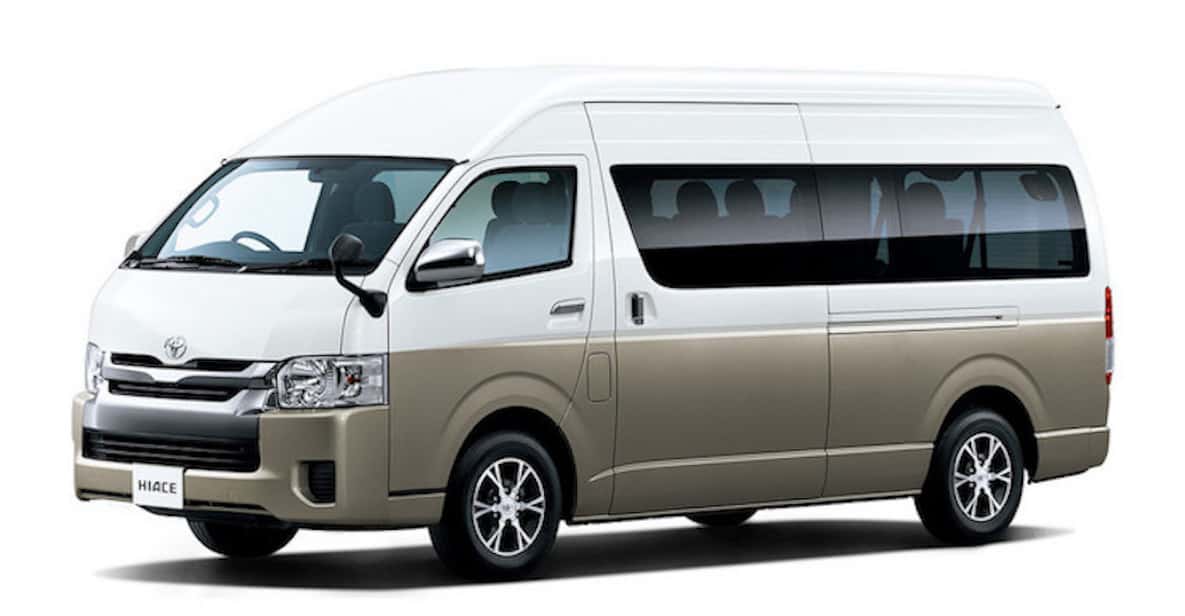
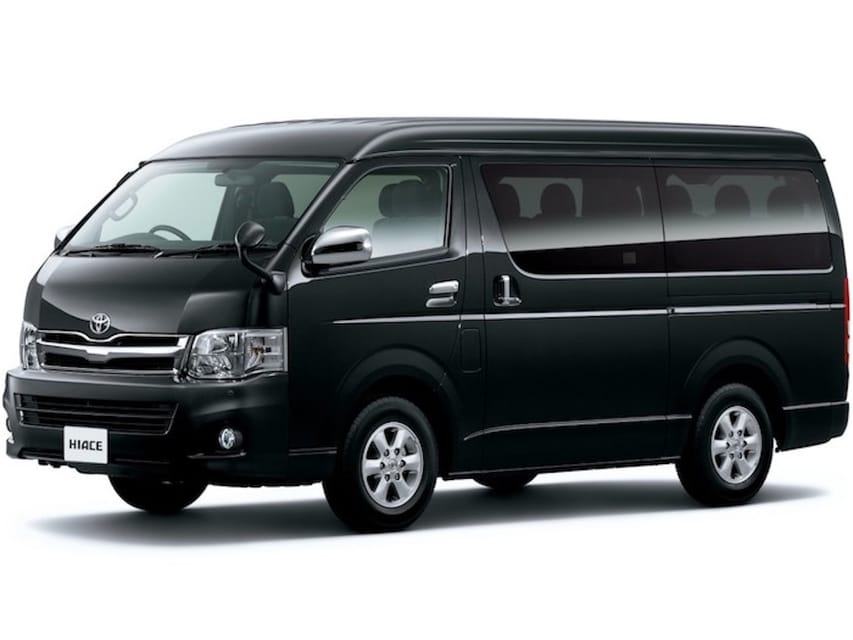
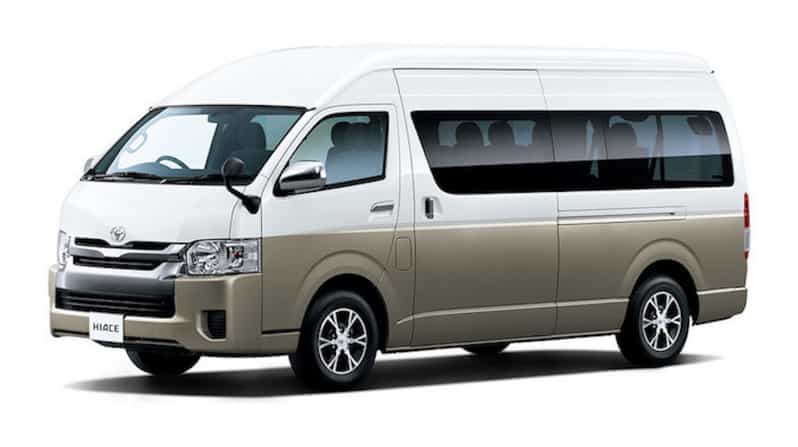
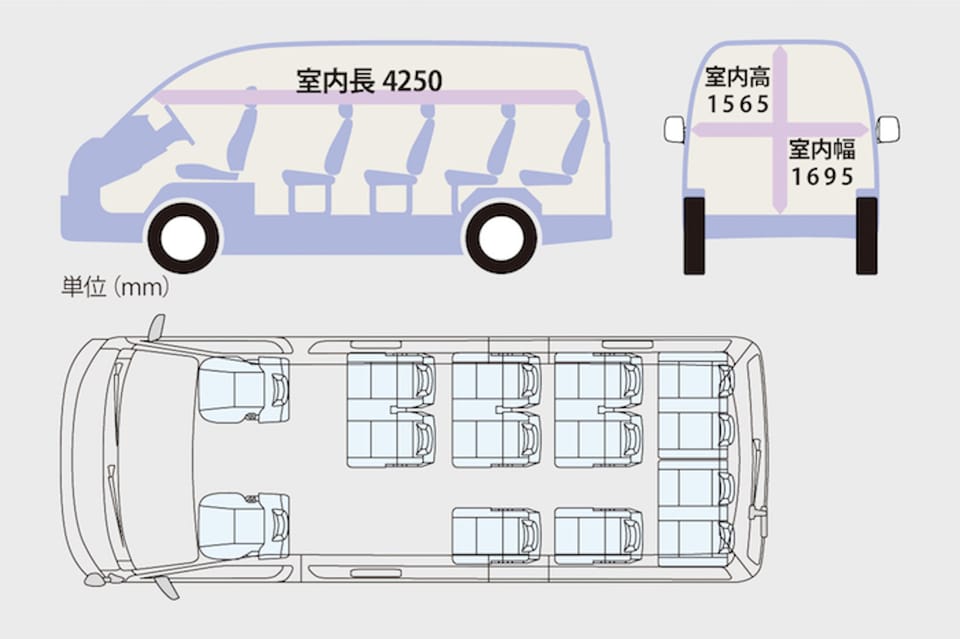
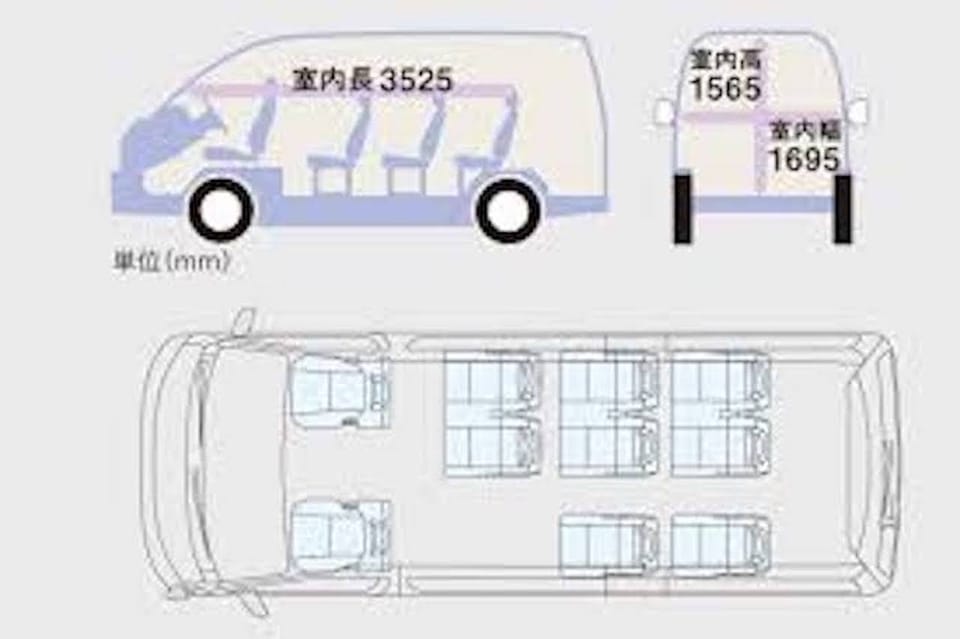
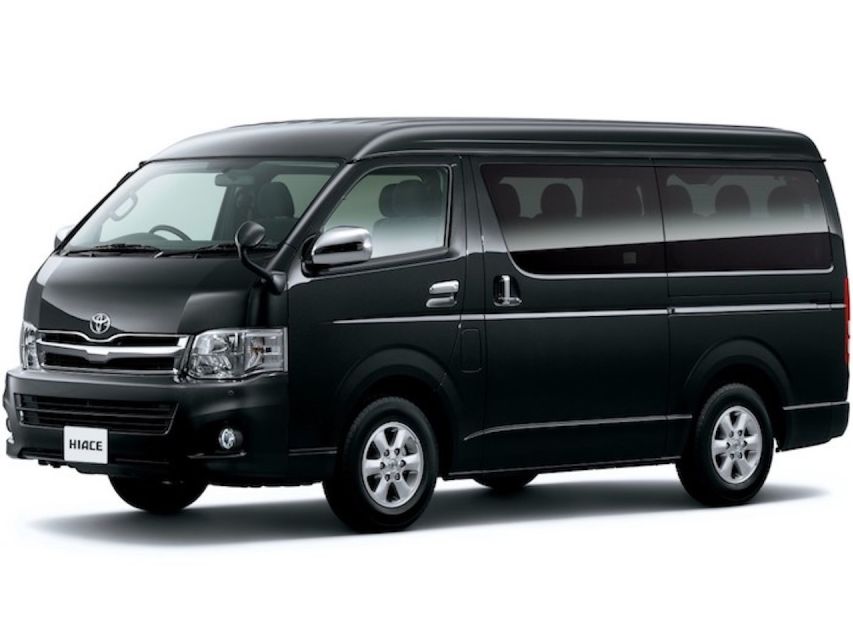
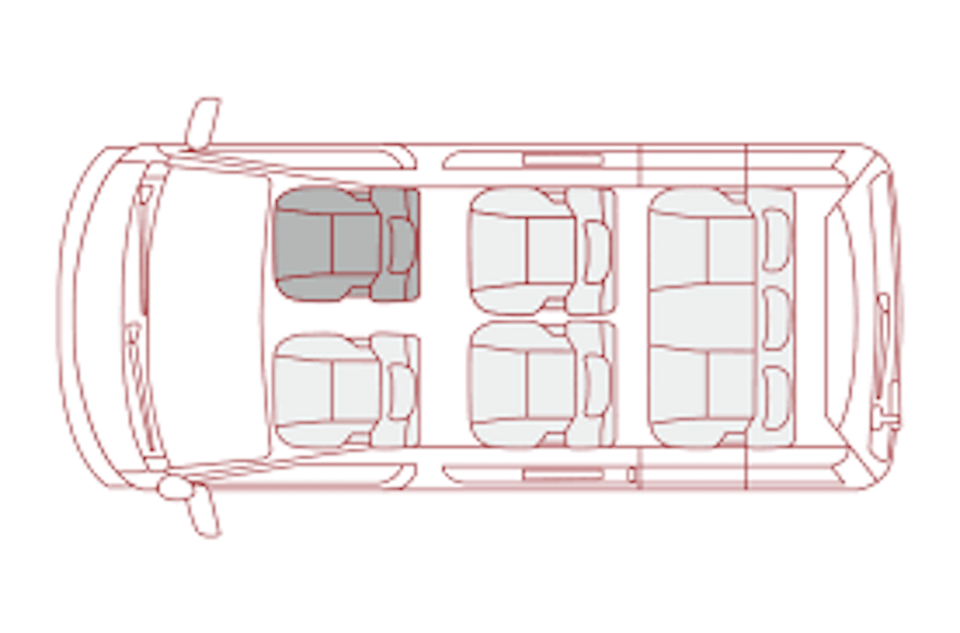
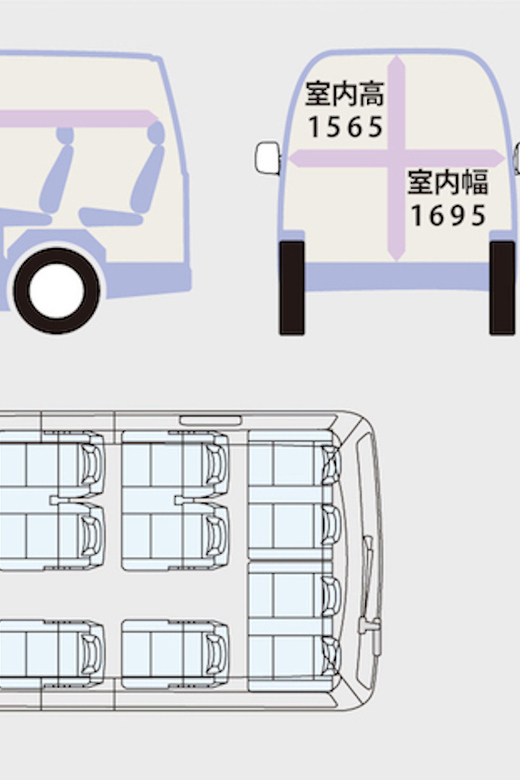
This is private, so vehicle selection is based on group size:
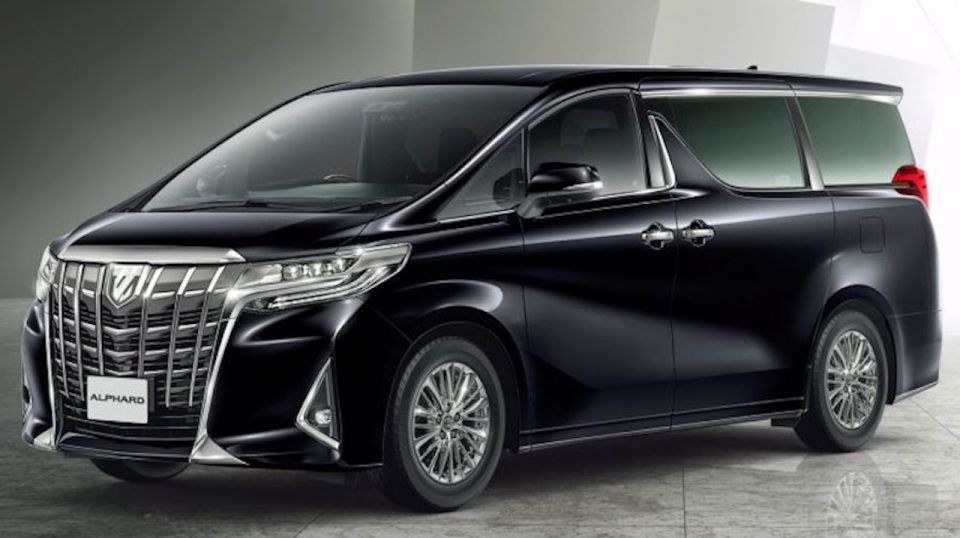
- 3–4 pax: minivan
- 5–8 pax: minibus-small
- 9–12 pax: minibus-middle
If you have lots of luggage (common for families and cruise travelers), there’s a size-up request option available.
Hokoku-ji bamboo temple: powder tea and a calm start
Your day typically begins with Hokoku-ji, known as the bamboo temple. It’s a smart opening stop because it sets a slower, more reflective tone before the larger shrine and Buddha sights.
You get a guided visit and about 45 minutes, which is enough time to see the key parts without feeling like you’re being rushed. A standout detail here is the powder tea you can enjoy at the café inside.
That tea isn’t just a cute add-on. It gives you a real texture of temple culture—something you can’t easily recreate on your own while you’re also trying to catch trains and coordinate walking routes. It also functions as a nice reset for your group after the vehicle ride.
If you’re traveling with parents, grandparents, or anyone who prefers “sit and take it in” moments, this is the kind of stop that usually lands well.
Tsurugaoka Hachimangu: Minamoto Yoritomo’s legacy in real space
Next comes Tsurugaoka Hachimangu, with a guided visit and about 45 minutes.
This shrine is tied to the samurai era. It was established by Minamoto Yoritomo, the first shogun of the samurai government. Even if you’re not a history buff, the site helps the samurai story feel grounded, because you’re walking through a place with strong symbolic power—not just reading about it.
A practical note: shrine grounds can involve uneven paths and stairs depending on where you go. Since the tour does not include accessibility-specific detail beyond being wheelchair accessible overall, I’d still plan on comfortable shoes and a flexible pace.






Kotoku-in and the Great Buddha: short guided time, big visual impact
After the shrine stop, you’ll reach Kotoku-in to visit the Statue of Great Buddha of Kamakura. Your guided time here is about 30 minutes.
This is the kind of sight that doesn’t need a long explanation. The scale does the teaching. But the guided portion still helps you understand what you’re looking at and why it matters.
This stop is also useful strategically. In a day trip that includes multiple major sites, Kotoku-in offers a high payoff without eating the whole clock.
If you’re trying to avoid a “temple marathon,” this shorter stop is a relief.
Hase-dera and Kannon Buddha: a temple stop that feels built for slowing down
Your itinerary then moves to Hase-dera, with around 45 minutes for a guided visit.
Hase-dera enshrines the most prestigious Kannon Buddha, which is a detail worth remembering because it gives the stop a clear center. Kannon is associated with compassion, and in practice that often shapes the atmosphere you feel on the grounds—quiet, devotional, and reflective.
One important realism check: the exact garden highlights may shift by season. The tour notes that temple garden flowers bloom differently throughout the year, so you might see different things at each seasonal moment. That’s normal in Japan, and it’s also why a guided day works better than trying to “wing it” with only a rough map.
Enoshima island: Mount Fuji views, Ukiyo-e vibes, and the best part of the day
Then you get to the reason a lot of people aim for Enoshima: the scenery.
Enoshima is described as picturesque and often depicted in Ukiyo-e, the woodblock-print art tradition. That detail matters because the island isn’t just visually photogenic. It’s historically part of Japan’s “viewing culture,” the kind of place artists and audiences kept returning to.
You’ll get:
- Lunch (about 1 hour)
- A guided tour and sightseeing (about 75 minutes) afterward
The big visual goal is views of Mount Fuji with the island scenery. If the weather cooperates, Enoshima can give you that layered view—sea, viewpoints, and mountain in the background—without needing a long hike.
Shopping arcade time: small gadgets, accessories, and easy browsing
Between and around shrine areas, there are shopping arcades and places to pick up accessories or small gadgets. This is a comfortable kind of shopping: you can browse without needing a strict budget plan because you’ll be surrounded by small, practical items that make good souvenirs.
If you hate shopping malls but like browsing local streets, this part hits the right note.
Food plan: local lunch that doesn’t feel like an afterthought
Lunch is included as part of the Enoshima block—about one hour—but food and drinks aren’t included in the price.
The good news is the tour is set up around local options. One guide-through detail you should expect: seafood or rice and curry show up as local specialties. That’s a helpful clue for how to steer the meal once you’re seated.
If you have dietary restrictions, the tour description doesn’t list specific meal accommodations, so I’d handle this by asking your driver-guide ahead of time during planning. Since this is a private flexible tour, they may be able to steer you toward a place that fits your needs more easily than a group bus tour would.
Schedule reality: 9 hours, guided time blocks, and seasonal swaps
This is a 9-hour private experience, and the time is structured in guided blocks:
- Hokoku-ji: 45 minutes
- Tsurugaoka Hachimangu: 45 minutes
- Kotoku-in (Great Buddha): 30 minutes
- Hase-dera: 45 minutes
- Enoshima lunch: 1 hour
- Enoshima guided sightseeing: 75 minutes
That mix matters. You’re not spending the whole day inside, and you’re not stuck doing only “photo stops” either. You get guided context at the key spiritual sites, then more freedom to enjoy Enoshima’s pace.
Also, the itinerary may adjust with seasonal conditions. The tour notes that temple flower gardens bloom at different times, which may shift what you focus on. Translation: you may not see the exact same flower highlights if you go in a different month, but you should see something seasonal and intentionally chosen.
One more point: if your group is prone to motion sickness, this tour may not be suitable. The private vehicle is convenient, but you’re still doing long rides between stops.
Price and value: $878 per group up to 12
At $878 per group up to 12, the price looks best when you spread it across a small to mid-size group.
Here’s the practical math:
- If you fill 12 seats: about $73 per person
- If you’re 6 people: about $146 per person
- If you’re 4 people: about $219 per person
That doesn’t mean it’s only worth it at the high end. The value comes from what you’re buying:
- private transportation (time saved versus walking for about 1.5 days)
- an English-speaking driver-guide
- flexible routing and potential seasonal adjustments
- smoother logistics from your pickup point
Also, entry fees and food aren’t included. That’s standard for a lot of Japan private tours, but it’s worth budgeting so you don’t get surprised once you’re there. Since you’ll be paying for temple admissions and your lunch separately, think of the main fee as the experience design plus transport plus guided time.
What to bring (and what to skip) so the day feels easy
This kind of day trip is built on walking temple grounds and moving between viewpoints. Bring:
- comfortable shoes
- weather-appropriate clothing
Also follow the rules of the vehicle:
- no smoking in the vehicle
- no explosive substances
- no alcoholic drinks in the vehicle
If you’re prone to cold, bring a layer even in mild seasons—coastal Enoshima can feel cooler and windier depending on the day.
And if you’re traveling with anyone who needs a wheelchair, the tour is described as wheelchair accessible, which is great for families.
Who this tour fits best (and who might want a different plan)
This private Kamakura and Enoshima tour is best for you if:
- you want a guided day across major sights without managing trains
- you’re traveling in a group where private logistics are worth paying for
- you want local food in a way that doesn’t feel like a rushed detour
- you care about the spiritual sites of Kamakura plus the visual payoff of Enoshima
It may be less ideal if:
- anyone in your group has motion sickness
- you prefer fully independent travel with no guided time blocks
- you’re trying to do this without budgeting for temple entry fees and lunch
Should you book this private Kamakura and Enoshima tour?
I’d book it if your priority is a smooth, efficient day that still feels meaningful: bamboo temple tea, shrine and Buddha stops with guidance, and Enoshima’s views with a bit of local browsing built in.
If you’re comfortable with public transit, you could DIY parts of this. But for most people, the real question isn’t whether the sights are accessible—it’s whether you want the time and mental energy to stay relaxed while you move between them. This tour is designed to keep that stress low while still giving you the kind of moments (like tea at Hokoku-ji and the Great Buddha impact) that make the day feel worth it.
If you tell me your group size, exact pickup point (Tokyo vs Yokohama vs others), and travel month, I can help you judge whether the Enoshima view window and seasonal temple garden focus are likely to match what you want most.
FAQ
What’s the duration of the Kamakura and Enoshima tour?
The tour duration is 9 hours.
Where are the pickup options?
Pickup options include Odawara, Tokyo, Yokohama, and Maihama.
Where can we be dropped off?
Drop-off options include Tokyo, Odawara, Yokohama, and Maihama.
Is an English-speaking guide included?
Yes. The tour includes a live English-speaking driver-guide.
Are temple entry fees and food included?
No. Entry fees for attractions and food and drinks are not included.
How flexible is the itinerary?
It’s a private flexible tour that can be designed to fit your group’s wishes. Some visiting spots might also change depending on the season.
What time blocks are included for the stops?
You’ll have guided time at Hokoku-ji (45 minutes), Tsurugaoka Hachimangu (45 minutes), Kotoku-in (30 minutes), and Hase-dera (45 minutes), plus lunch in Enoshima (1 hour) and guided sightseeing in Enoshima (75 minutes).
What vehicle will we use for our group size?
Vehicle type depends on group size: 3–4 pax uses a minivan, 5–8 uses a minibus-small, and 9–12 uses a minibus-middle. Size-up for extra luggage is available.
Is this tour refundable if plans change?
Yes, it offers free cancellation up to 24 hours in advance for a full refund.