REVIEW · TOKYO
Discover Japanese Coffee Brewing Experience at Tokyo
Book on GetYourGuide →Operated by Tasse Coffee Roastery · Bookable on GetYourGuide
Coffee smells better when you learn it. This Tokyo workshop teaches Japanese-style brewing hands-on, with cupping and step-by-step practice that makes the science feel practical. I also love that you get real comparison tastings across methods, so you can tell what changes in flavor and why. One thing to consider: it is not built for kids under 16, so plan it as an adults-only coffee date or learning session.
The setting helps, too. The roastery uses soothing natural wood tones, so the two hours feel calm instead of rushed. You’ll work through the full arc from coffee history and bean/roast basics to choosing your approach and pouring your way to a finished cup. And yes, the methods can look fancy, but the goal is simple: you leave with repeatable technique.
In This Review
- Quick Takeaways: What Makes This Workshop Work
- Entering Tasse Coffee Roastery in Tokyo
- Why I think this setting helps you learn faster
- Two Hours, Three Brew Styles: The Workshop Flow That Actually Teaches
- Who benefits most from this format
- Coffee Basics in Japan: Beans, Roasts, and Farm-to-Cup Reality
- The best part here
- Cupping Exercise: Training Your Nose and Tongue
- How cupping makes the brewing practice more meaningful
- Siphon Brewing: Japanese Coffee With Visual Elegance
- What to focus on when you try it
- Kyūsu 急須: Brewing Coffee in a Teapot-Style Ritual
- Taste comparison is the whole point
- Hand Drip Method: Temperature and Pour Control
- Why hand drip matters even if you own a machine
- Small Group Coaching: How the Session Stays Personal
- Private group feel (even if you’re not going solo)
- Price and Value: What $116 Gets You in Real Terms
- Who gets the best value
- Practical Tips Before You Go (So You Get More From the Cup)
- Who Should Book This Japanese Coffee Brewing Experience?
- Should You Book It?
- FAQ
- How long is the Japanese coffee brewing workshop?
- How much does it cost?
- What brewing methods will I learn?
- Is there a coffee tasting session?
- Do I get to brew coffee myself?
- What languages are offered for instruction?
- Is the class a private group?
- What ages can attend?
- Does the workshop include equipment and coffee?
- Is there an option to buy something during or after the workshop?
Quick Takeaways: What Makes This Workshop Work
- Small-group coaching from English and Japanese instructors, with lots of hands-on time
- Cupping practice so you can identify aroma, acidity, body, and aftertaste
- Hands-on brewing with siphon, Kyūsu (急須), and hand drip—three different flavor routes
- A structured flow from beans to final pour, not random demos
- Optional purchase of an exclusive coffee tasting kit if you want to keep experimenting at home
Entering Tasse Coffee Roastery in Tokyo
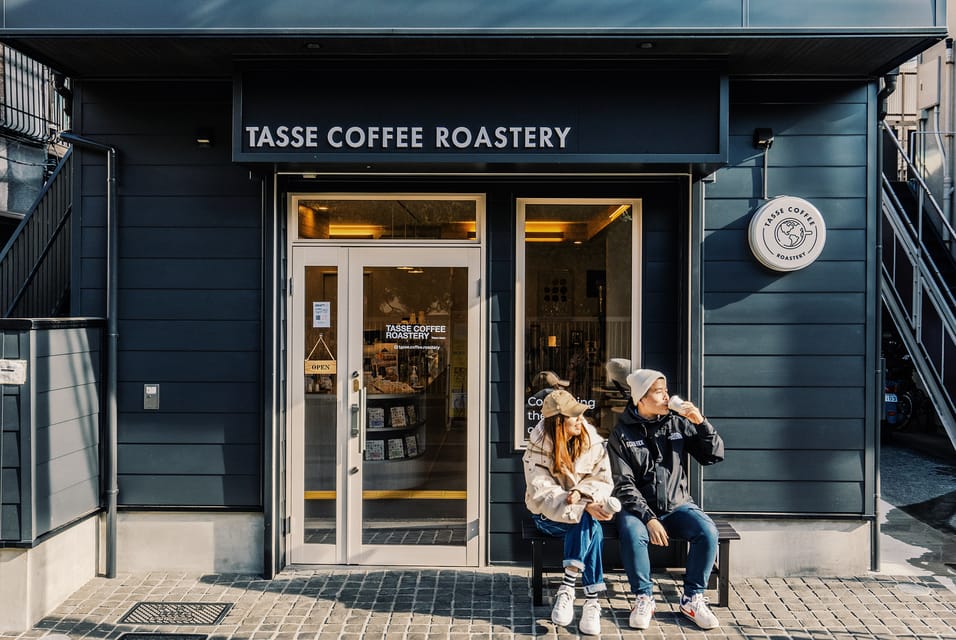
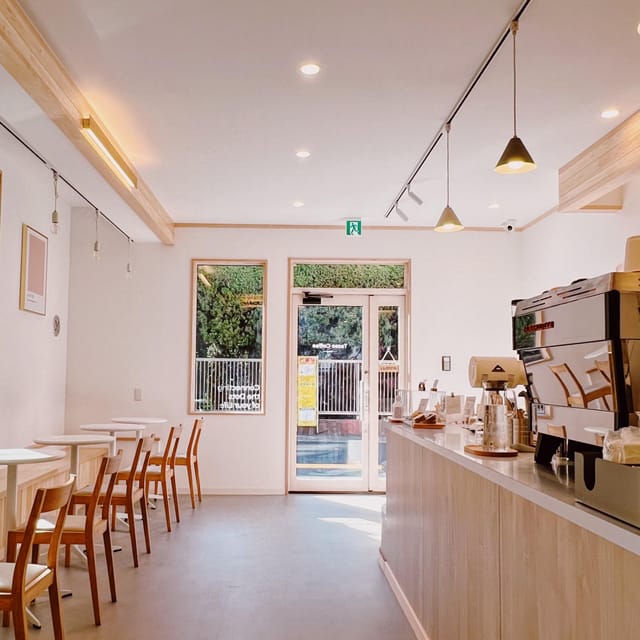
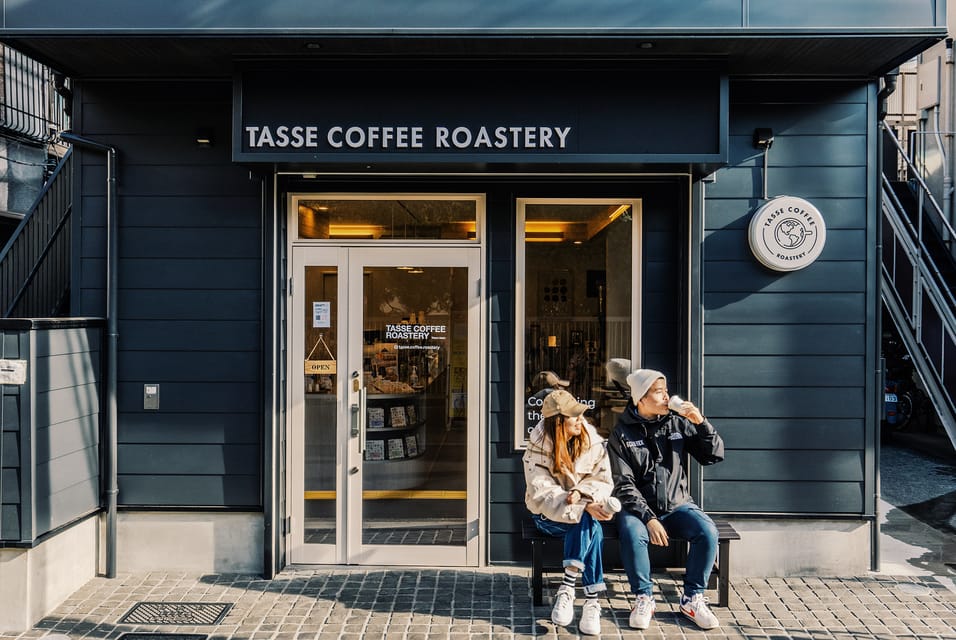
This is the kind of experience where the room matters. The workshop happens inside a roastery set up with natural wooden tones, and that quiet visual calm makes it easier to focus on details like grind consistency, water temperature, and the timing of each step.
Tokyo is full of coffee experiences that are either performance-heavy or tasting-only. This one sits in the useful middle. You’re not just watching someone pour; you’re learning what to do and then comparing the results right away.
You can also read our reviews of more tours and experiences in Tokyo
Why I think this setting helps you learn faster
In a short 2-hour class, you need momentum. When the environment feels serene, you pay attention to the “how,” not just the “wow.” That matters especially for the brewing methods later in the session, where a small change can shift flavor quickly.
Two Hours, Three Brew Styles: The Workshop Flow That Actually Teaches

You get a tight schedule designed for understanding first, then doing. The workshop runs for 2 hours, and everything is structured around practical coffee skills you can use after you leave Tokyo.
Here’s what you can expect in order:
- Introduction and basic coffee knowledge: history and culture in Japan, bean and roast differences, and how coffee travels from farm to cup
- Cupping exercise: guided tasting for flavor profiles (aroma, acidity, body, aftertaste)
- Brewing methods workshop: siphon, Kyūsu (急須), and hand drip—with demonstrations plus hands-on practice
- Tasting comparisons: you taste what you made and compare profiles across brews
Because the session includes tasting comparisons, it’s not just technique theater. You learn how the method changes the cup, and you start building your own palate map.
Who benefits most from this format
If you want coffee skills you can repeat at home, this format is built for you. If you only want a quick souvenir photo and a single cup, you might feel you paid for more hands-on work than you planned. But if you like to learn by doing, the structure is a win.
Coffee Basics in Japan: Beans, Roasts, and Farm-to-Cup Reality

Before anyone starts heating water, you’ll cover the foundation. You’ll learn about coffee history and culture in Japan, plus how different beans and roasts behave.
Even if you already drink coffee every day, this section is useful because it gives you a shared language with your instructors. You start understanding things like:
- Why roast level changes taste
- How beans influence flavor potential
- Why coffee processing and origin matter before brewing even begins
You’re also guided through the coffee journey from farm to cup. That context helps when you later taste the cups—because you’ll stop thinking of coffee as one generic flavor and start treating it like ingredients plus method.
You can also read our reviews of more tours and experiences in Tokyo



The best part here
This isn’t a lecture heavy class. It’s short and targeted, setting you up for the tasting and the brewing steps that follow.
Cupping Exercise: Training Your Nose and Tongue
Cupping is where coffee learning gets serious. In this workshop, you’ll do a guided exercise that explains why cupping matters and how to evaluate what you smell and taste.
During cupping, you’ll practice identifying:
- Aromas
- Acidity
- Body
- Aftertaste
This is a big deal for your long-term coffee enjoyment. Once you learn to notice these categories, you can buy and brew with more confidence. You don’t just say it tastes good or bad. You can describe what’s happening.
How cupping makes the brewing practice more meaningful
After cupping, the rest of the class stops being random. When you brew using different methods (siphon, Kyūsu, hand drip), you’ll have a framework for what to look for. That turns tasting into feedback, not guesswork.
In a lot of tours, tasting is passive. Here, it’s active training.
Siphon Brewing: Japanese Coffee With Visual Elegance
The siphon method is one of the most visually satisfying brewing styles, and the workshop treats it with respect. You’ll explore the history and elegance of siphon brewing, then watch a demonstration and practice it yourself.
The goal isn’t just to learn a trick. You’ll also learn how siphon brewing affects flavor. That means you’re paying attention to variables like how extraction behaves during the process, and why the final cup lands the way it does.
What to focus on when you try it
Siphon can feel a little “chef-y,” but you’ll get the practical guidance you need. Pay attention to:
- The steps of the method, in order
- What changes during the brewing process
- How your resulting cup compares to the other brews you make later
If you like coffee rituals that look different on Instagram but taste even better, siphon is the segment to watch—and the segment to get right.
Kyūsu 急須: Brewing Coffee in a Teapot-Style Ritual
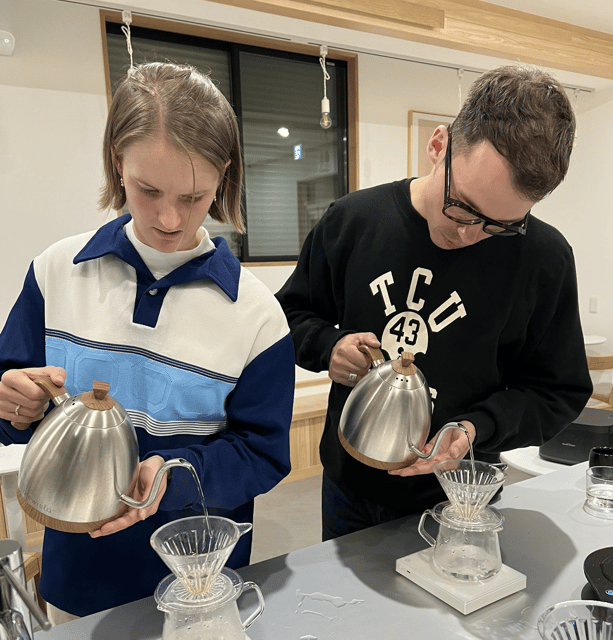
Then comes the Kyūsu method. This is the Japanese teapot adaptation for coffee, and it’s both clever and kind of charming. The workshop explains techniques for brewing coffee using a Kyūsu (急須), and then you compare the taste profile to other methods.
Why this part is valuable: it shows you that brewing style is culture-shaped. Japan didn’t just copy coffee. It adapted coffee tools and rituals into the rhythms people already use.
Taste comparison is the whole point
When you switch between siphon, Kyūsu, and hand drip, you’ll notice how method choice can shift:
- Perceived balance and structure
- How flavors show up in the cup
- What lingers in the aftertaste
You won’t just take home one recipe. You’ll take home a sense of how to choose a method based on what you want from the cup.
Hand Drip Method: Temperature and Pour Control
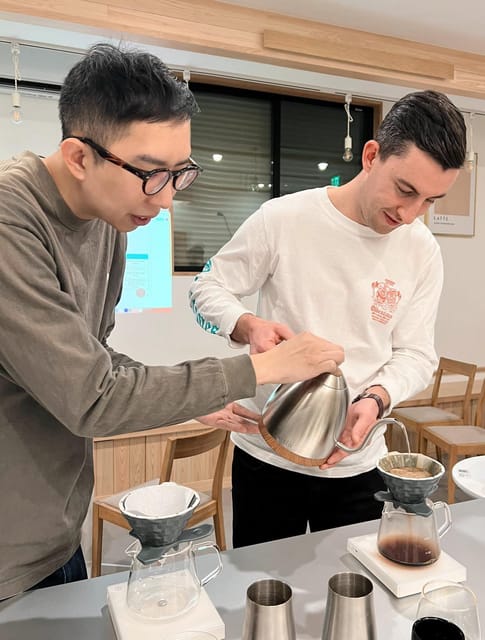
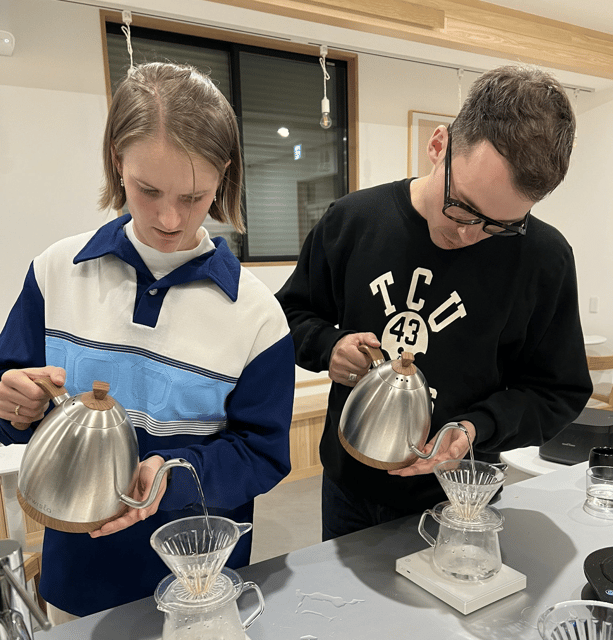
Hand drip is the most approachable of the three methods, but it still has real technique behind it. In this workshop, you’ll learn the art of hand drip brewing and practice the process with guidance.
You’ll focus on two key practical areas:
- Water temperature
- Pour technique
Then comes the fun part: taste comparison. You’ll compare what you brewed using hand drip with the other methods you made earlier.
Why hand drip matters even if you own a machine
If you have a coffee machine at home, hand drip still teaches you control. It helps you understand how grind, water flow, and timing influence extraction. Even if you never do it daily, it gives you a mental model for what to adjust.
And in a class like this, practice is short and focused. That means you don’t need years of brewing experience to get something out of the session.
Small Group Coaching: How the Session Stays Personal
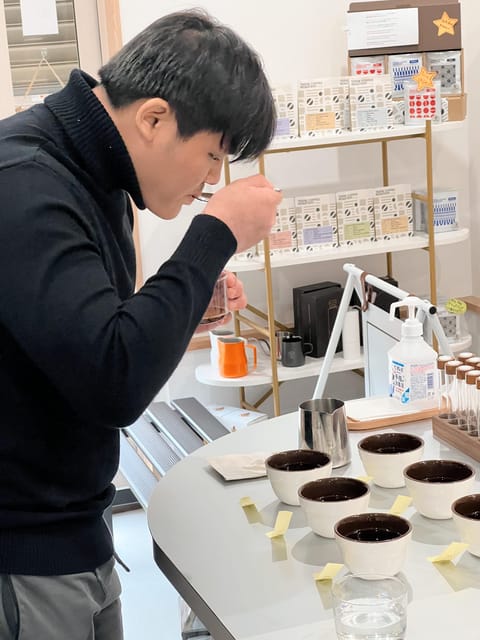
This workshop is designed for a small group size, which matters more than people think in a class like this. When the group is limited, you get hands-on time without waiting too long, and instructors can correct your technique before you lock in mistakes.
You’ll also get instruction in English and Japanese, which is helpful if you want to understand the why behind the steps, not just follow them.
Private group feel (even if you’re not going solo)
The workshop is described as a private group. That usually means the experience can be more tailored to what you’re curious about, and you’ll likely get more attention than you would in a big public class.
Price and Value: What $116 Gets You in Real Terms
At $116 per person for a 2-hour workshop, it’s not a “cheap and casual” activity. But it does look fair when you break down what’s included.
You’re getting:
- Expert instruction throughout
- A cupping session with guided tasting
- Hands-on brewing practice across three methods (siphon, Kyūsu/急須, hand drip)
- Equipment provided for brewing and tasting
- Quality coffee beans used during the workshop
- Coffee culture insights and selection guidance
- Beverage samples and tasting comparisons
In plain terms, you’re paying for instruction plus materials plus structured tasting. If you tried to replicate this experience on your own, you’d likely spend time figuring out technique, buying gear, and tasting enough to learn the differences. Here, the class compresses that learning curve into two hours.
Who gets the best value
- Coffee lovers who want technique, not just a single drink
- People who like learning by doing
- Anyone who enjoys tasting and wants a repeatable way to compare flavor
If you’re only passing through Tokyo and you want a quick coffee stop, you might prefer a simpler tasting elsewhere. But for hands-on learners, this price has logic.
Practical Tips Before You Go (So You Get More From the Cup)
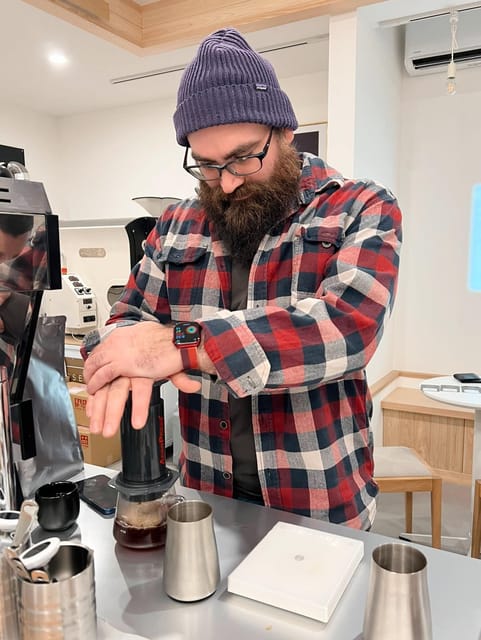
Here are a few things that make the session smoother, based on how it’s structured:
- Show up ready to taste. Cupping and comparisons work best when your palate is alert.
- Be open to switching methods. The class isn’t aiming for one “best” brew; it’s teaching contrasts.
- Ask questions about beans and roast choices. The intro covers coffee knowledge, and you’ll get more value if you connect it to what you taste.
- If you want to keep experimenting at home, consider the optional exclusive coffee tasting kit after you’ve brewed and tasted in class.
Also note: the workshop is not suitable for children under 16, so plan accordingly.
Who Should Book This Japanese Coffee Brewing Experience?
Book it if you:
- Want a hands-on Japanese coffee experience in Tokyo with guided instruction
- Like structured learning with tastings and comparisons
- Want to understand siphon, Kyūsu (急須), and hand drip as three different paths to flavor
- Enjoy coffee culture explanations that connect to the cup
Skip it if you:
- Only want a quick drink and photo
- Don’t care about learning technique or tasting differences
- Are traveling with kids under 16
This is an adult-focused workshop where the payoff comes from practice and your own comparisons.
Should You Book It?
If you like coffee and you enjoy learning through tasting and making, this workshop is an easy yes. The format makes sense: you build a foundation, train your senses with cupping, then practice three brewing methods and compare results. In two hours, you leave with both knowledge and a clearer idea of what you personally like.
The only reason to hesitate is if you want a casual, low-effort experience. This one asks you to participate—smell, taste, brew, and compare. If that sounds like fun, you’ll likely think it’s worth the $116 price tag.
FAQ
How long is the Japanese coffee brewing workshop?
The workshop lasts 2 hours.
How much does it cost?
The price is listed as $116 per person.
What brewing methods will I learn?
You’ll practice siphon brewing, Kyūsu (急須) brewing, and the hand drip method.
Is there a coffee tasting session?
Yes. The experience includes a cupping exercise and tasting comparisons of different coffee blends and brews.
Do I get to brew coffee myself?
Yes. The workshop includes hands-on brewing practice with the provided equipment.
What languages are offered for instruction?
Instruction is available in English and Japanese.
Is the class a private group?
Yes. It is described as a private group, with small group size for more personalized instruction.
What ages can attend?
It is not suitable for children under 16.
Does the workshop include equipment and coffee?
Yes. The workshop provides all necessary brewing and tasting equipment and uses quality coffee beans during the session.
Is there an option to buy something during or after the workshop?
An exclusive coffee tasting kit is available for purchase as an optional add-on.