REVIEW · TOKYO
Classic Tsukiji Food Tour
Book on Viator →Operated by Arigato Japan KK · Bookable on Viator
Tsukiji tastes like Tokyo’s old heart, and this morning walk turns that idea into real food stops. You’ll work your way through the outer Tsukiji area, where seafood culture has been taking shape for more than a century, and you’ll end with an included specialty seafood breakfast.
What I like most is that you get hands-on time with local vendors and traders, plus short tastings that make sense of what you’re seeing. I also like that the tour builds the meal around multiple beats: a coffee start, market sampling, and a full breakfast in a local eatery rather than a rushed grab-and-go.
One consideration: this tour is not built for a no-seafood lifestyle. It is described as not recommended for vegans and no seafood, so check dietary fit early if that matters to you (and you may still want cash for any extra bites).
In This Review
- Key things to know before you go
- First Steps at Turret Coffee Tsukiji
- Outer Market Tastes That Explain the Traditions
- Tsukiji Hongan-ji and the Namiyoke Inari moment
- The Tsukiji Fish Market Area After the Wholesale Move
- What You Get for the Money: Drink, Breakfast, and Tastings
- Price and Logistics: Cash, Weather, and Getting There
- Dietary Fit: Vegetarian and Gluten Free Options, but Not Vegan
- Who Should Book This Tsukiji Morning Tour
- Should You Book Classic Tsukiji Food Tour?
- FAQ
- How long is the Classic Tsukiji Food Tour?
- What time does the tour start?
- Where do I meet the guide?
- What’s included in the price?
- Is hotel pickup or drop-off included?
- Do I need to bring cash?
- Is the tour suitable for vegetarians, pescatarians, or gluten-free diets?
- Is it suitable for vegans or people who eat no seafood?
- What group size is this tour?
- What should I know about cancellations?
Key things to know before you go
- Small-group pace (max 10): easier questions, less crowd pressure, and more time at tasting points.
- Tour includes your start drink and full breakfast: you’re not left doing math on what’s worth paying for.
- Temple and shrine stops: Namiyoke Inari Jinja plus Tsukiji Hongan-ji add meaning, not just photo stops.
- Outer market focus: you’ll spend time in the areas that stayed and kept their character even after the wholesale move.
- Tastings with seasonal bites: you’re sampling along the route, not just listening.
- English-speaking guide: the tour is explicitly run with a local English-speaking guide for food + culture context.
First Steps at Turret Coffee Tsukiji
I like tours that start by getting your senses on track, and this one begins at Turret Coffee Tsukiji at 8:30 am. You’re handed a simple first step: an included drink, then you’re out the door into the market area while your brain is still fresh and you can actually enjoy the details.
Tsukiji can feel intense if you arrive cold—people moving fast, fish smells doing what fish smells do, and a lot of signage that assumes you already know the system. Starting with coffee is smart because it buys you a few calm minutes before you hit the seafood side of Tokyo in full color.
Also, this is a practical meeting point that keeps things straightforward. Your tour starts and ends at the same address in the Tsukiji area, so you don’t need to play guess-the-cross-street at the end of a morning.
You can also read our reviews of more food & drink experiences in Tokyo



Outer Market Tastes That Explain the Traditions
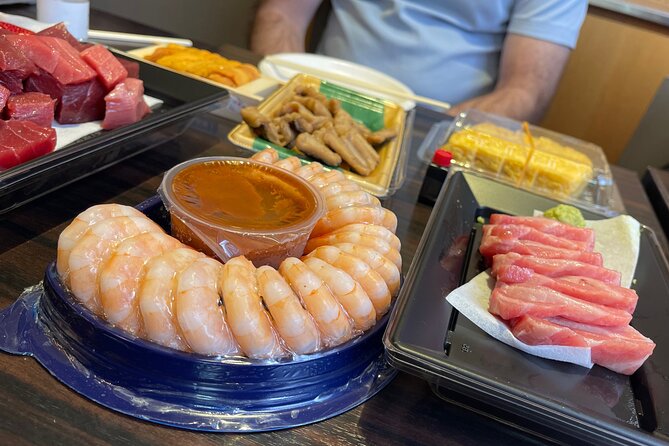
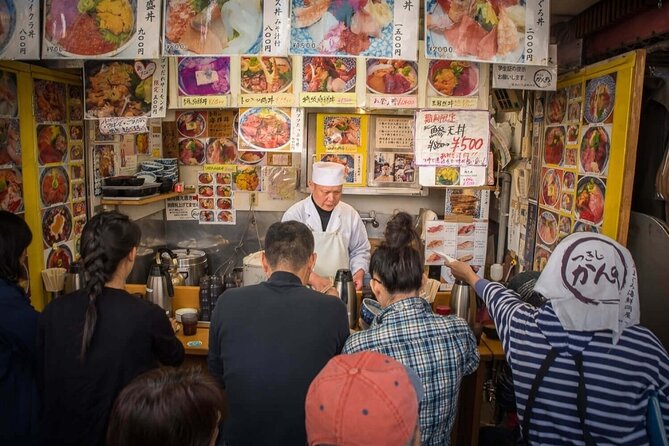
Once you’re moving, the tour’s main strength is how it pairs walking with food. You’re not just looking at stalls. You’re getting guided context for what seafood is doing in this neighborhood and why certain vendors remain part of the fabric.
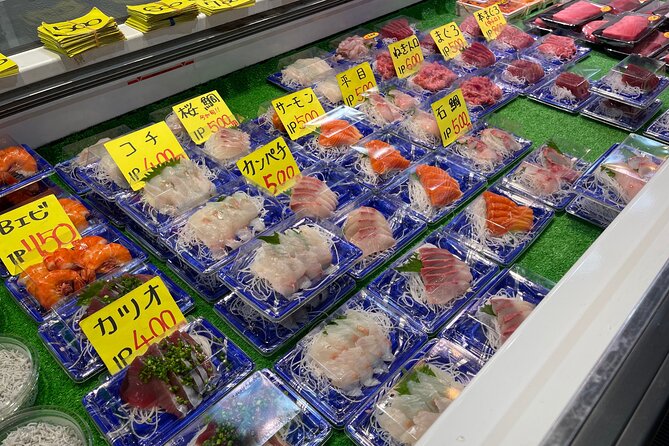
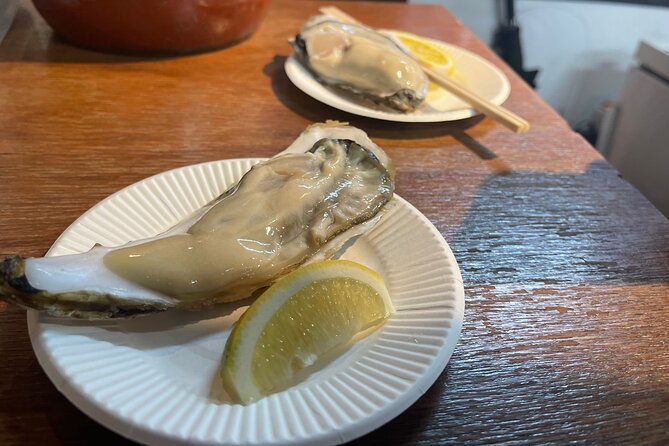
You’ll spend time in the Tsukiji Outer Market area, with a tasting break built in. The tour description specifically calls out seasonal bites, which matters because seasonal means you’re tasting what’s actually being handled right now—not a curated, always-the-same demo. That makes the experience feel more like how a market meal happens and less like a theme-park performance.
You also get time at seafood specialists—vendors and traders who stayed in Tsukiji rather than moving with the wholesale operations. That detail is key. It’s part of why the outer area still feels like a working neighborhood, not only a sightseeing backdrop.
And about that working-neighborhood feel: the tour format is family-friendly and small-group sized (max 10). That doesn’t remove the reality of a market morning, but it usually prevents the guide from having to herd people like luggage. You’ll be able to ask real questions while still keeping the pace.
In the reviews tied to this tour, guide teams included Asami with Jordan, and another pairing involved Asami with Asha. The common thread is how the guides make the market feel human—like you’re being introduced to people and practices, not standing in front of glass.
Tsukiji Hongan-ji and the Namiyoke Inari moment
Markets are physical. Food is emotional. But Tsukiji also has a spiritual spine, and this tour threads that in with two stop types: a temple stop and a shrine stop.
You’ll visit Tsukiji Hongan-ji, then later you’ll head to Namiyoke Inari Shrine for a brief blessing moment. The shrine stop is short, but it’s thoughtfully placed. After you’ve spent time around seafood sellers and breakfast smells, the shrine gives your brain a reset: a quick pause to tie the morning’s energy to something older than the day’s market transaction.
Namiyoke Inari Jinja is a known kind of stop in Japan—an in-town place where people show up for good fortune and for protection. Even if you don’t speak the language, you’ll understand the vibe because it’s repeatable: people quietly doing their part, moving with respect, and then heading back out into their day. It’s a reminder that this is still a living area, not only a food exhibit.
The Tsukiji Fish Market Area After the Wholesale Move
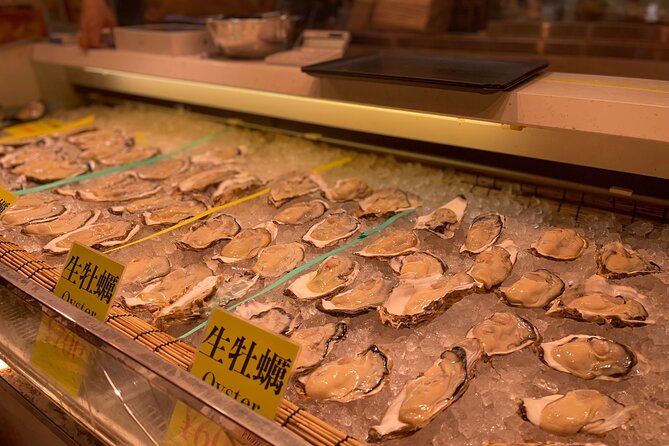
You’ll also spend time around the Tsukiji Fish Market zone. The description notes that you may have heard the wholesale vendors moved—but this part of town is still a strong food area.
That’s the practical takeaway. If you’ve seen photos of Tsukiji and assumed it’s all about the original wholesale scene, this tour helps you reframe it. You get to see what’s left that still works: food shops, restaurants, and market-adjacent businesses that benefit from being located where seafood traditions already formed.
This is one of those moments where a guide helps you read the street. You can absolutely walk Tsukiji on your own. But with a guide, you’re more likely to notice which parts of the area are still functioning in the old rhythm and which are mainly designed for visitors. The tour doesn’t try to pretend everything is unchanged. It helps you understand what shifted and what stayed.
You also get more tasting time here as part of the route flow. That keeps the morning from becoming purely observational, which is where a lot of market tours lose people.
What You Get for the Money: Drink, Breakfast, and Tastings
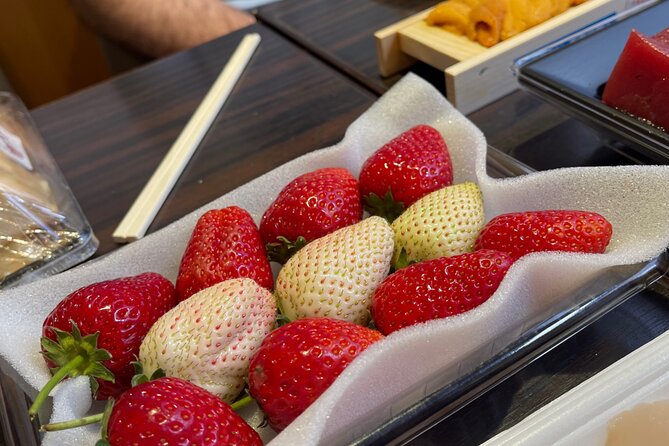
Let’s talk value, because $231 per person is not a casual add-on. What makes it feel more reasonable is that the tour is structured around multiple included eating moments, not just a guided walk.
Included basics:
- One drink
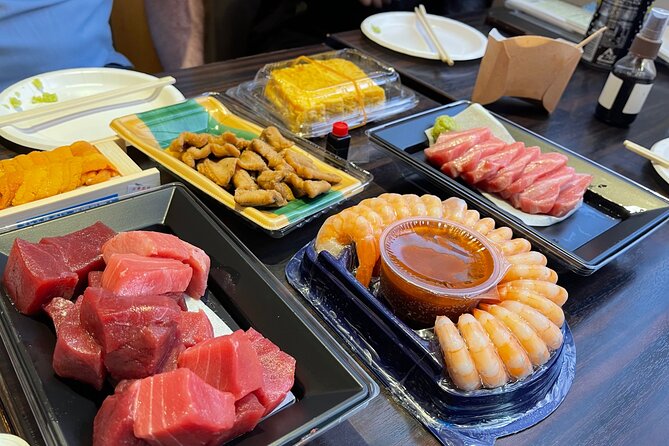
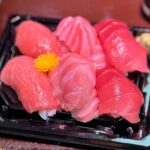
- Full Tsukiji specialty seafood breakfast
- Local English-speaking guide
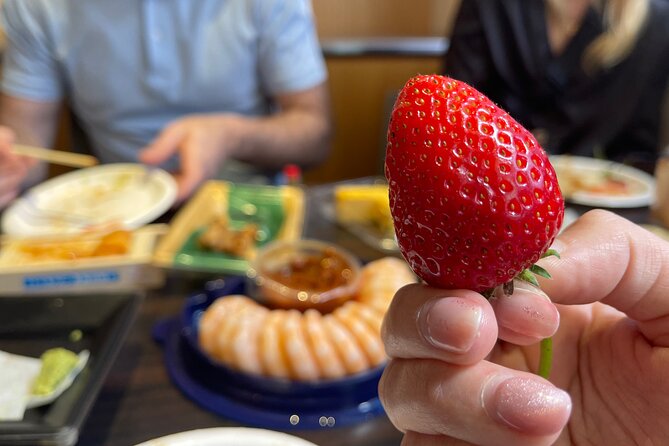
And then on top of that, the tour includes market exploration with tastings, plus a sweet Japanese snack to finish things off on a lighter note.
A seafood breakfast in Tsukiji isn’t cheap even on its own, and the included breakfast is a big part of what you’re paying for. You’re buying three things at once: access (small-group guided route), translation of what you’re seeing (food logic and cultural context), and the meal itself.
The tour is also limited to about 3 hours, which is a good length for a morning market. Long enough to get value out of the walk and tastings. Short enough that you still have energy afterward for the rest of Tokyo.
You can also read our reviews of more tours and experiences in Tokyo



Price and Logistics: Cash, Weather, and Getting There
This tour runs in the morning and starts at 8:30 am, meeting at Turret Coffee Tsukiji. It’s approximately 3 hours, and it’s positioned as a walking tour. That means you’ll want comfortable shoes and a bit of stamina for uneven or crowded market areas.
A key practical detail: if you plan to buy extra food or souvenirs during the market, bring cash. Credit cards are not generally accepted for those casual purchases, even if the rest of Tokyo can be card-friendly.
Weather matters too. The tour notes that it requires good weather, and changes may happen due to restaurant schedules, public holidays, weather conditions, and other unforeseen circumstances. That doesn’t mean the tour falls apart. It means you should expect that the guide may adjust stops if the morning layout shifts.
Finally, group size is capped at 10 travelers, which is one of the best ways to keep market walking pleasant. More space for questions. Fewer bottlenecks at tasting points. Less waiting.
Dietary Fit: Vegetarian and Gluten Free Options, but Not Vegan
The tour information states it can accommodate:
- Vegetarian
- Pescatarian
- Gluten Free
That’s a solid start for a seafood-centric neighborhood. Still, the same info says it is not recommended for vegans and no seafood. So if your diet is strict about no seafood, no exceptions, this probably won’t match your needs.
The smart move is to align your expectations with how the tour is built. Since the tour includes a full Tsukiji specialty seafood breakfast, the experience is fundamentally anchored to seafood culture. Even with options, the center of gravity remains seafood-first.
If you’re vegetarian or gluten-free, I’d treat it as a chance to experience the market side dishes and the broader food traditions, while knowing you may still be close to seafood offerings. If you’re vegan or no-seafood, you’ll likely feel like you’re tagging along rather than being served the core experience.
Who Should Book This Tsukiji Morning Tour
This is a great match for:
- First-timers to Tsukiji who want their morning structured
- People who want food tastings plus cultural context, not just shopping
- Anyone who prefers a smaller group (max 10) with a guide who can keep the flow human
- Families, since it’s described as family-friendly, with children needing an adult and a passport info copy for kids 10 and above
It’s also a good choice if you like the idea of Tsukiji as a food neighborhood with traditions that go back more than 100 years. The tour does a better job than a generic walking route of explaining why these places matter and how the market’s systems connect to what you eat.
If you hate walking, plan to see only a single area, or expect the tour to be fully comfortable and quiet, you might not love it. Market mornings aren’t designed for lounging.
Should You Book Classic Tsukiji Food Tour?
If you want Tsukiji without the guesswork, this tour makes a strong case. You get a morning coffee start, time at the outer market, a temple and shrine pause, focused time around the fish market area, and you end with an included seafood breakfast plus a sweet snack. That’s a lot of value packed into about three hours, especially with a small group and an English-speaking guide.
I’d book it if you’re a foodie who likes structure, tastings, and learning what you’re eating. I’d skip or research alternatives if you’re vegan or no-seafood, because the tour is clearly built around a seafood-forward breakfast.
FAQ
How long is the Classic Tsukiji Food Tour?
It runs for about 3 hours.
What time does the tour start?
The start time is 8:30 am.
Where do I meet the guide?
You meet at Turret Coffee Tsukiji, 2-chōme-12-6 Tsukiji, Chuo City, Tokyo 104-0045, Japan.
What’s included in the price?
The tour includes one drink, a full Tsukiji specialty seafood breakfast, and a local English-speaking guide.
Is hotel pickup or drop-off included?
No, hotel pickup and drop-off are not included.
Do I need to bring cash?
Yes. The tour advises that if you plan to buy souvenirs or food, bring cash because credit cards are not generally accepted.
Is the tour suitable for vegetarians, pescatarians, or gluten-free diets?
The tour lists vegetarian, pescatarian, and gluten-free as supported.
Is it suitable for vegans or people who eat no seafood?
No. It is not recommended for vegans and for people who want no seafood.
What group size is this tour?
It has a maximum of 10 travelers.
What should I know about cancellations?
Free cancellation is available up to 24 hours in advance for a full refund, and it also notes that the tour requires good weather; if canceled due to poor weather, you’ll be offered a different date or a full refund.