REVIEW · TOKYO
Tokyo: Make Your Own Hanko Stamp — Unique Cultural Souvenir
Book on GetYourGuide →Operated by YURAGI - Japan Guide Tours - · Bookable on GetYourGuide
Your name becomes an heirloom. This hanko workshop in central Tokyo lets you design and hand-carve a personal seal, with a multilingual guide and expert staff right there in the room. I love that it’s done in a real seal shop setting, not a scripted demo, and that the group stays tiny (max four). One thing to consider: at $154, you’ll want to be the type of traveler who really values a functional, handmade souvenir you can keep.
The session also makes the culture click fast. You’ll learn why hanko (name seals) mattered for centuries in Japan, and you’ll get help translating your name into kanji or katakana with explanations that make the character choices feel intentional. It’s hands-on, guided, and very practical—especially if you’d like your Tokyo memories to be more than photos.
In This Review
- Key things I found most interesting
- Meeting in Shin-Otemachi: where your workshop really begins
- Hanko in plain terms: identity, authenticity, and why it still matters
- Designing your name in kanji or katakana (with help you’ll actually use)
- Carving time: hand-making a seal with expert support
- Stamping in traditional red ink: seeing it work for the first time
- Leaving with your hanko: a functional souvenir in a protective case
- Price and value: what $154 buys you in Tokyo craft time
- Who should book this workshop, and who might skip it
- Should you book? My quick decision guide
- FAQ
- Where is the meeting point?
- How long is the workshop and how many people are in a session?
- What languages are available for the guide?
- Do I need prior experience to carve a hanko?
- What do I take home at the end?
- Can young children participate?
- Is the workshop wheelchair accessible and indoors?
- Are pets allowed?
Key things I found most interesting
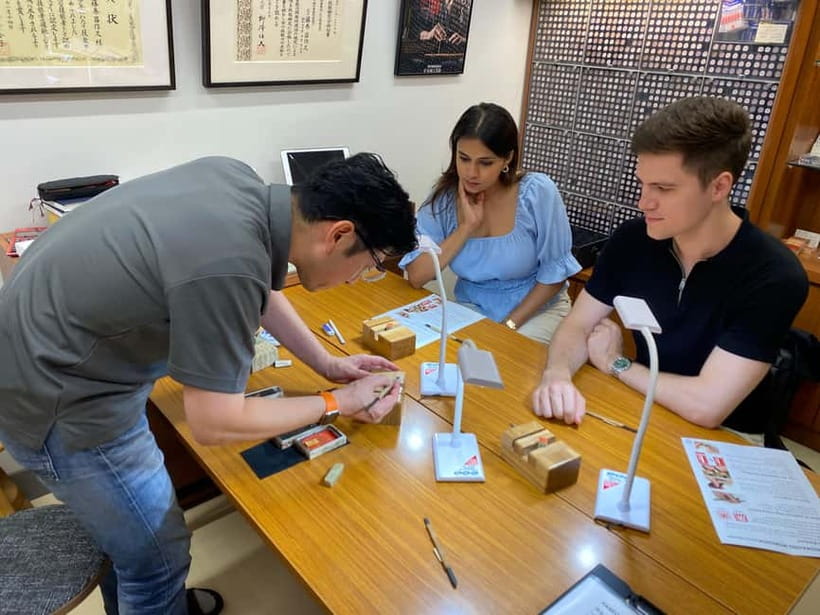
- A traditional shop setting where the craftsman works with you
- Guidance for choosing kanji or katakana, not just picking a look
- Hand-carving your own seal with continuous staff support
- A first stamp in traditional red ink plus commemorative photos
- A small group (maximum four) that keeps attention on your questions
- A finished hanko delivered in a protective case
Meeting in Shin-Otemachi: where your workshop really begins
The experience starts at the Lawson in front of Taihodo, Shin-Otemachi Building (2-2-1 Otemachi, Chiyoda-ku, Tokyo). Plan to arrive a little early and take a minute to calm your hands and your pace—because the workshop is only 90 minutes, and you’ll use that time well.
This is also one of those activities where the location matters. Being in an actual Tokyo seal shop area (Otemachi, central) helps you feel like you’ve stepped into a working craft space, not a tourist staging area. You’ll be welcomed by a fluent guide—speaking English, Spanish, French, Italian, or Chinese—who keeps the process understandable as you go.
If you’re coming with mobility needs, this workshop is wheelchair accessible. The staff can assist if needed, and since it runs indoors, weather won’t derail your plans.
You can also read our reviews of more tours and experiences in Tokyo.



Hanko in plain terms: identity, authenticity, and why it still matters
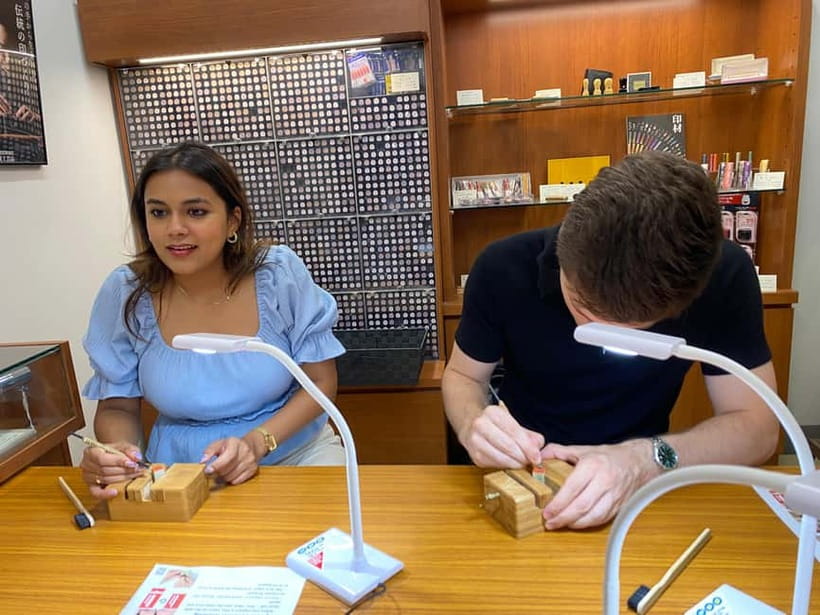
In the workshop, you’ll get the story behind hanko—how these name seals have been used for centuries, and how they connect to identity and authenticity in Japanese culture. You don’t need to know anything beforehand. The guide’s job is to translate what the seal represents and why people still treat it as meaningful.
Here’s what I think makes this part valuable for you: once you understand the role of the seal, the carving doesn’t feel random. It becomes personal. Instead of just copying a symbol, you’re making something that represents your name in a format people recognize as official, or at least culturally significant.
You’ll also see how tradition and modern life overlap. Even if you’re just using your hanko as a souvenir, the “why” behind it helps you appreciate why Japan treats seals differently than, say, a generic stamp.
Designing your name in kanji or katakana (with help you’ll actually use)
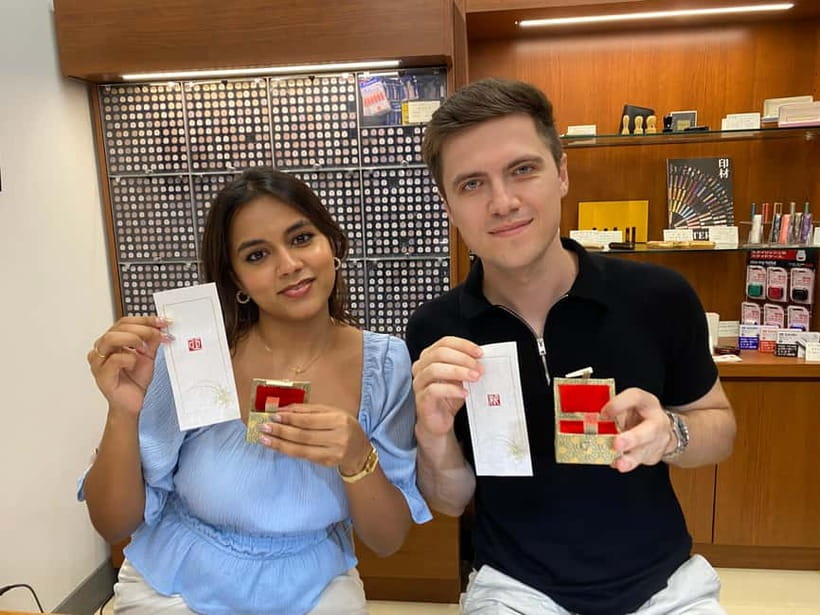
Next comes the part you’ll remember later when you show your hanko to friends: deciding how your name will look. You’ll work with the multilingual guide to represent your name in kanji or katakana.
What’s useful here is the guidance around meaning. The guide doesn’t just tell you which characters to choose. You’ll get thoughtful explanations of the meanings behind the characters used for your name representation. That matters because you’re not only selecting shapes—you’re selecting interpretation.
Then you’ll choose a calligraphy style to guide how your seal will be carved. This is where the workshop feels like a craft, not a craft-lesson worksheet. Your final seal will look coherent because the style choice influences the carving approach.
No prior experience is required. The staff is there to help you stay within the process—especially if you’re dealing with unfamiliar scripts.
Carving time: hand-making a seal with expert support
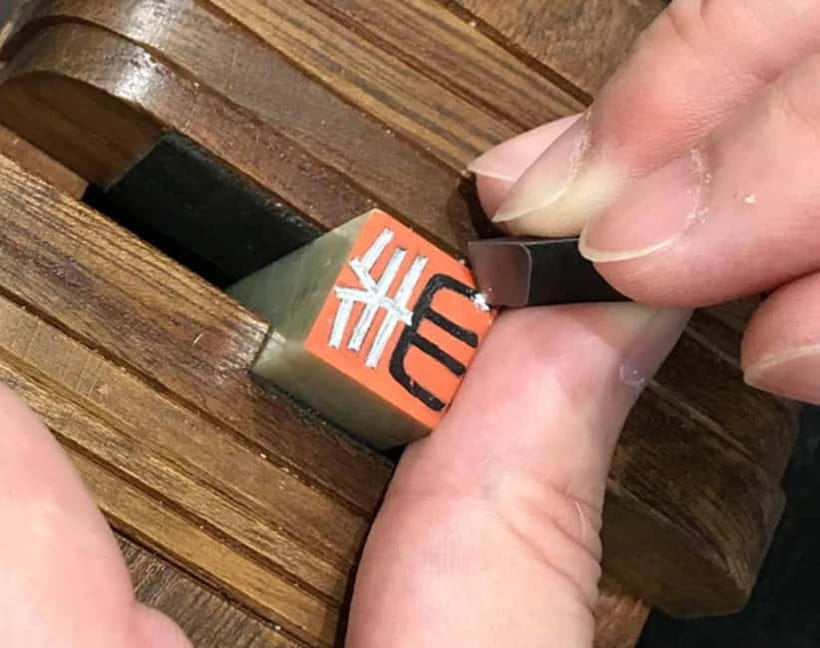
Once your design is set, you’ll start carving the seal. The workshop provides hands-on support from experienced local staff, with an emphasis on safety and precision. That combination is important: carving is enjoyable, but it’s also easy to rush and ruin the lines if nobody is watching.
You’ll carve your personal hanko using the materials and tools provided by the shop. Because the group is capped at four, the staff can keep close tabs on each participant’s progress and answer questions without long waits.
If you’ve never carved anything before, don’t worry. This isn’t a situation where you’re left alone with a block and a dream. The guidance is built into the experience, and the indoor workshop setting keeps everything stable and controlled while you work.
One practical consideration: because you’re carving by hand, you’ll want to approach it like a focused task, not a casual chat. The 90 minutes go quickly once carving starts.
Stamping in traditional red ink: seeing it work for the first time
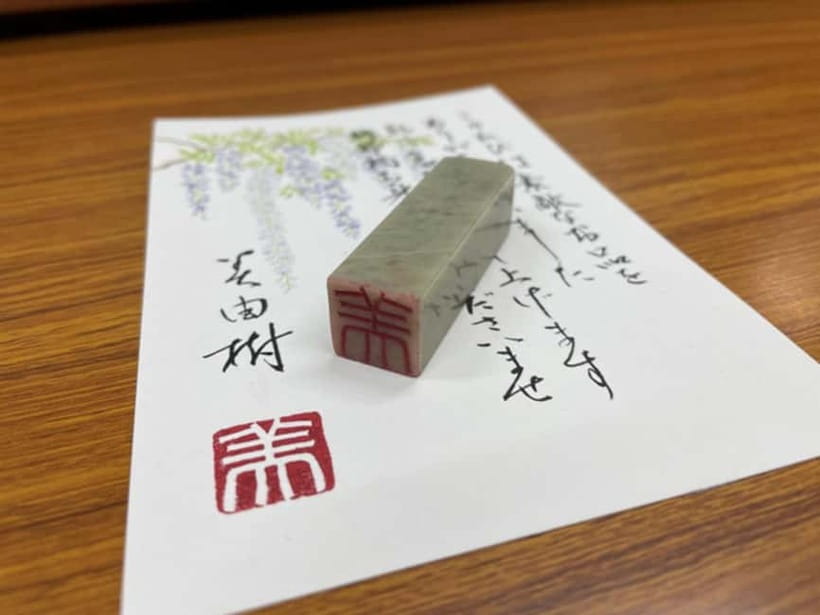
When your seal is complete, you’ll stamp it with traditional red ink. This is a satisfying moment—because you’re not only making something decorative. You’ll see how your seal transfers the design.
You’ll also admire your first impression and take commemorative photos. That last part matters more than it sounds. Most souvenirs are “done” the second you buy them. Here, you create the object, then get to document the exact finished result while it’s still fresh and celebratory.
If you’re the kind of traveler who likes closure, this is it. You’ll leave with confirmation that your carving worked and that your design is readable in seal form.






Leaving with your hanko: a functional souvenir in a protective case
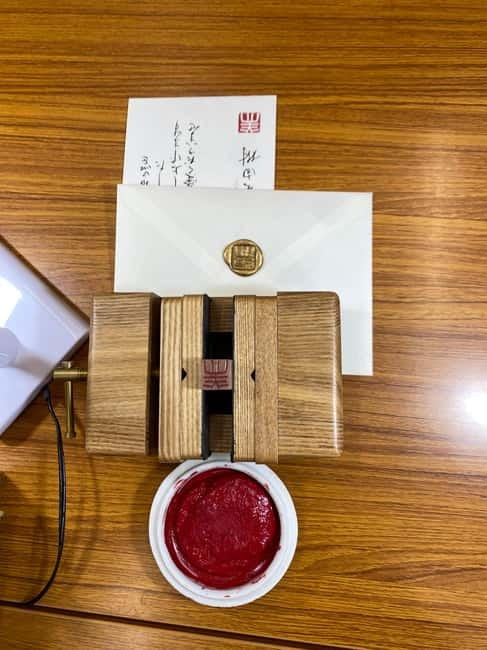
At the end, you take home your finished hanko in a case. The workshop includes the original hanko seal, the carving fee, and the seal case, so you’re not scrambling at the end to figure out how you’ll carry it.
This is where the experience becomes more than a one-day activity. A sealed case helps protect the seal, which means your hanko is more likely to survive your trip intact—and actually get used or displayed at home.
The best part is that it’s symbolic and functional. Even if you only use it occasionally, the fact that it’s your carved name seal gives it meaning that typical Tokyo shopping items often can’t match.
Price and value: what $154 buys you in Tokyo craft time
At $154 per person for a 90-minute small-group private workshop, you’re paying for several things at once:
- A real shop environment where a craftsman works directly with you
- Expert carving support focused on precision (not just observation)
- Multilingual guidance (English, Spanish, French, Italian, or Chinese)
- A completed, take-home hanko plus a protective case
- The carving fee itself, handled as part of the package
Is it cheap? No. But it’s also not overpriced in the usual “tour markup for a photo” way. You’re buying time with skilled staff plus a custom object you help create. If you’re choosing among souvenirs, this has a strong advantage: it’s personal in a way that lasts.
Two small cost notes that help you plan: transportation isn’t included, and personal shopping fees aren’t included. So if you want to browse the shop afterward, set aside a little extra budget.
Who should book this workshop, and who might skip it
I’d book this if you want a Tokyo experience with culture you can hold. It’s ideal for travelers who like crafts, calligraphy-related culture, or meaningful souvenirs that feel earned.
It’s also a good fit for families in a practical way. The workshop is designed for all ages. Children under 5 may join as observers, but they can’t carve. If you’re traveling with kids who are old enough to participate, the small group size helps staff focus on each participant’s needs.
You might reconsider if you’re not interested in a personal, handmade item or if you hate anything that requires careful attention for a solid hour-plus. This is hands-on. You’ll be carving.
Should you book? My quick decision guide
Book it if you want:
- A meaningful souvenir created in a real local hanko shop
- Guided help turning your name into kanji or katakana
- A finished hanko you’ll take home in a case
- A small-group experience with room for questions in your language
Consider skipping if:
- You’d rather spend your time on sightseeing than making something
- You’re looking for a low-cost, casual souvenir
- Your trip schedule is so tight that 90 minutes of focused crafting feels stressful
If you’re somewhere in the middle, do this: treat it like a cultural workshop you’ll be glad you did once. The finished seal is the kind of memory you can actually keep.
FAQ
Where is the meeting point?
You meet at the Lawson in front of Taihodo (Shin-Otemachi Bldg., 2-2-1 Otemachi, Chiyoda-ku, Tokyo).
How long is the workshop and how many people are in a session?
The workshop lasts 90 minutes, and it’s a small-group session with a maximum of four participants.
What languages are available for the guide?
The guide is available in English, French, Spanish, Italian, Chinese.
Do I need prior experience to carve a hanko?
No prior experience is required. Staff provide support during the carving process.
What do I take home at the end?
You take home your finished hanko, and it comes in a protective seal case.
Can young children participate?
Children under 5 may join as observers, but they cannot carve.
Is the workshop wheelchair accessible and indoors?
Yes. The workshop is wheelchair accessible, and it takes place indoors, so it runs in all weather conditions.
Are pets allowed?
Pets are not allowed.