REVIEW · TOKYO
Tokyo: Authentic Food Tour in Ginza and Shimbashi
Book on GetYourGuide →Operated by Traveling Tokyo · Bookable on GetYourGuide
Food wins in Tokyo when you walk with locals. This 3-hour Ginza to Shimbashi tour blends regional tastings with an English-speaking local guide, so you learn what to order and how Japanese food culture works while moving neighborhood to neighborhood. I especially like the way the guide turns a walk into practical food knowledge you can use the rest of your trip.
I also like the pacing and route. You spend about 50 minutes eating in each area—Ginza, Yurakucho, and Shimbashi—with short strolls (around 5 minutes) between them, so you get variety without feeling rushed. The one real drawback: it is not suitable for wheelchair users, and you’ll be on your feet for most of the tour.
In This Review
- Key things that make this Ginza–Shimbashi food tour work
- Why Ginza, Yurakucho, and Shimbashi make a great 3-hour food route
- Finding Tokyu Plaza Ginza (in front of BOSS): your starting-line checklist
- Stop 1: Ginza tastings—where luxury streets meet everyday food choices
- Stop 2: Yurakucho regional food—changing the flavor without changing the pace
- Stop 3: Shimbashi bites and traditional desserts to finish the tour strong
- What you’ll eat: regional dishes, traditional desserts, and a guide who translates the menu
- Price and value: why $146 can make sense for a guided food night
- Who this tour is best for (and who should think twice)
- Practical tips so you enjoy every stop
- Final verdict: should you book this Ginza–Shimbashi food tour?
- FAQ
- How long is the Tokyo Ginza and Shimbashi food tour?
- Where do we meet for the tour?
- What neighborhoods are included?
- Is the tour guide available in English?
- How large is the group?
- Is the tour suitable for wheelchair users?
- What kinds of food are part of the experience?
- What is the price per person?
- Can I cancel and get a full refund?
Key things that make this Ginza–Shimbashi food tour work
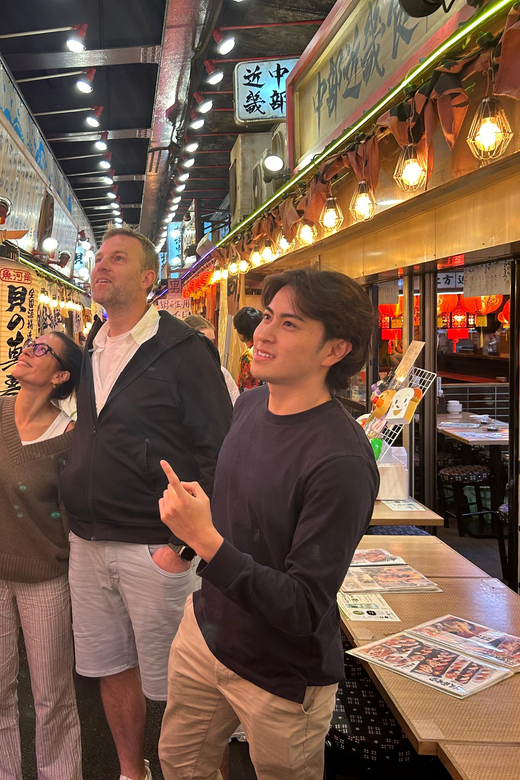
- Three focused food blocks across Ginza, Yurakucho, and Shimbashi (about 50 minutes each)
- Small group size (up to 10) for a more personal, conversation-friendly walk
- English live guide who explains food choices and Japanese daily-life context
- Meet at Tokyu Plaza Ginza in front of the BOSS store, easy to find from Ginza Station exits
- A mix of regional dishes and traditional desserts, not just one type of eating
Why Ginza, Yurakucho, and Shimbashi make a great 3-hour food route
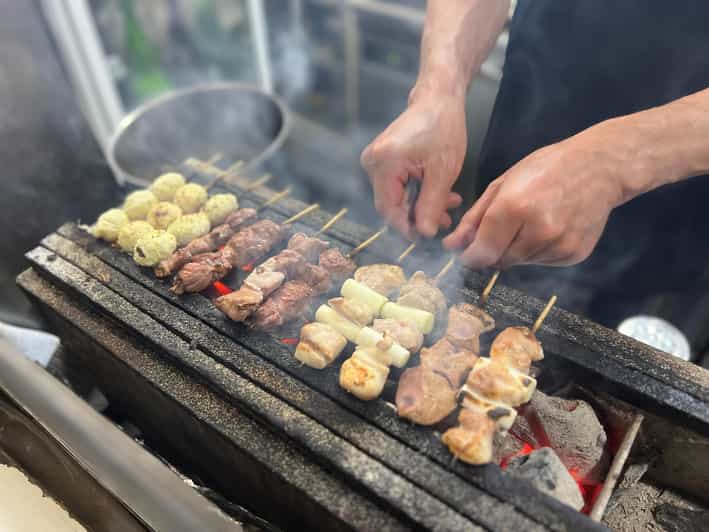
Ginza is known for shopping, but the food scene lives in the side streets and small entrances most visitors miss. This tour uses that contrast on purpose: you get the polished, high-end Ginza look, then you’re led toward the places where locals actually go to eat.
What I like is that the route isn’t just one neighborhood with “more of the same.” Ginza, Yurakucho, and Shimbashi each bring a slightly different feel, and your guide helps you read the food culture behind those differences. In other words, you’re not only tasting food—you’re learning the logic of Japanese ordering and dining rhythm.
You can also read our reviews of more food & drink experiences in Tokyo


Finding Tokyu Plaza Ginza (in front of BOSS): your starting-line checklist
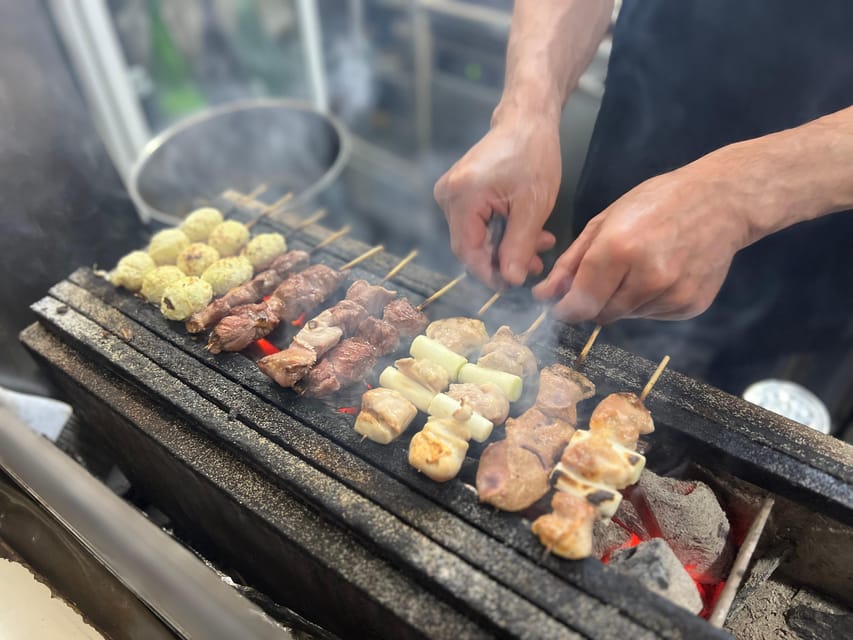
The meeting point is Tokyu Plaza Ginza, in front of the BOSS store. If you’re coming from Ginza Station, go up to the ground level from exit C2 or C3 and you should see BOSS right there as a landmark.
If you like to be extra prepared, the coordinates are 35.672245025634766, 139.7624053955078. Save that on your phone before you leave your hotel. Tokyo station exits can be a maze when you’re carrying luggage or arrive at night, and having a visual anchor keeps stress out of the meal.
Because the tour is only 3 hours, being on time matters. You don’t want to miss the first tasting session while you’re still figuring out the street.
Stop 1: Ginza tastings—where luxury streets meet everyday food choices
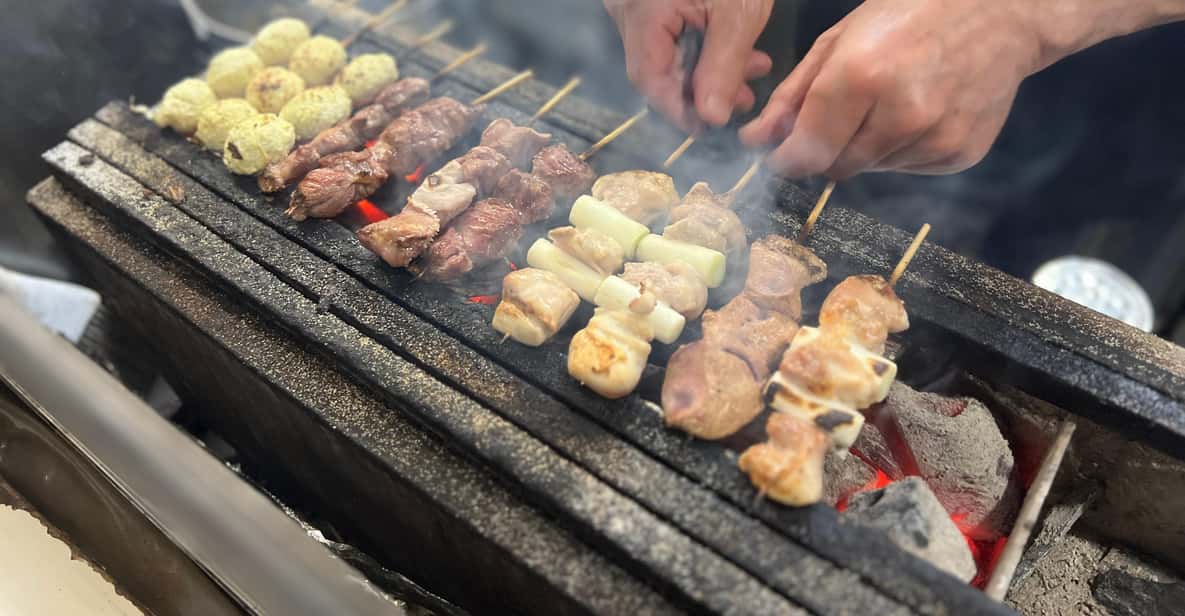
Your tour kicks off with a 50-minute Ginza food visit, and that’s a smart length of time. Ginza can look intimidating if you don’t read Japanese signage, and a good guide reduces that friction fast.
You’ll be eating regional Japanese food in spots you’d likely walk past on your own. The value here isn’t only the taste—it’s the pattern of how places serve food, how portions are presented, and how to choose dishes that fit the moment. Guides on this tour (like Doren, Reo, Ryota, and Yota, based on past groups) are praised for being friendly and making the walk feel relaxed, not like a rigid checklist.
Even if you don’t know the cuisine well, you can leave the first stop with a better sense of what Japanese comfort food tastes like when it’s chosen by someone who understands the local dining flow.
Possible consideration: Ginza’s streets around the core shopping areas can feel busy, and this is an on-foot tour. If you get overwhelmed by crowds, plan to arrive a little early so you don’t start the evening frazzled.
Stop 2: Yurakucho regional food—changing the flavor without changing the pace
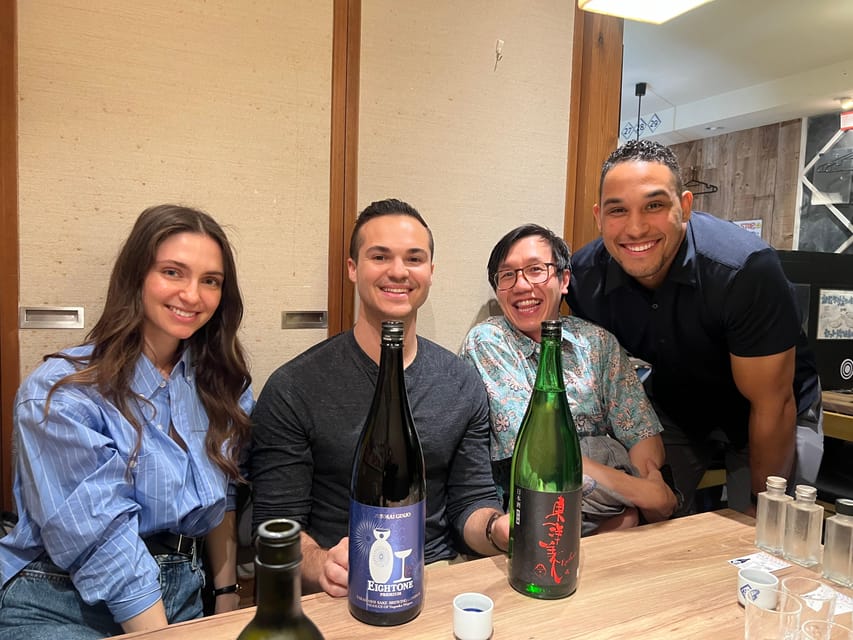
Next up is Yurakucho, with another 50-minute food stop. This is where the tour earns its rhythm. After the first tasting in Ginza, you get a short walk (about 5 minutes) and then a fresh set of regional dishes.
Yurakucho works well for a food tour because it gives you a different neighborhood vibe than Ginza does—still central, still easy to reach, but less focused on big brand storefronts. The guide’s job is to help you connect the dots between the change in setting and the change in what you’re eating.
What you’ll likely appreciate is the way the guide explains what’s worth noticing. In past groups, guides have been described as passionate and considerate, and also good at mixing practical tips with light conversation. That combo matters in Tokyo, because food ordering isn’t only about choosing ingredients—it’s about timing, portion expectations, and how to handle the menu when you can’t read every word.
Stop 3: Shimbashi bites and traditional desserts to finish the tour strong
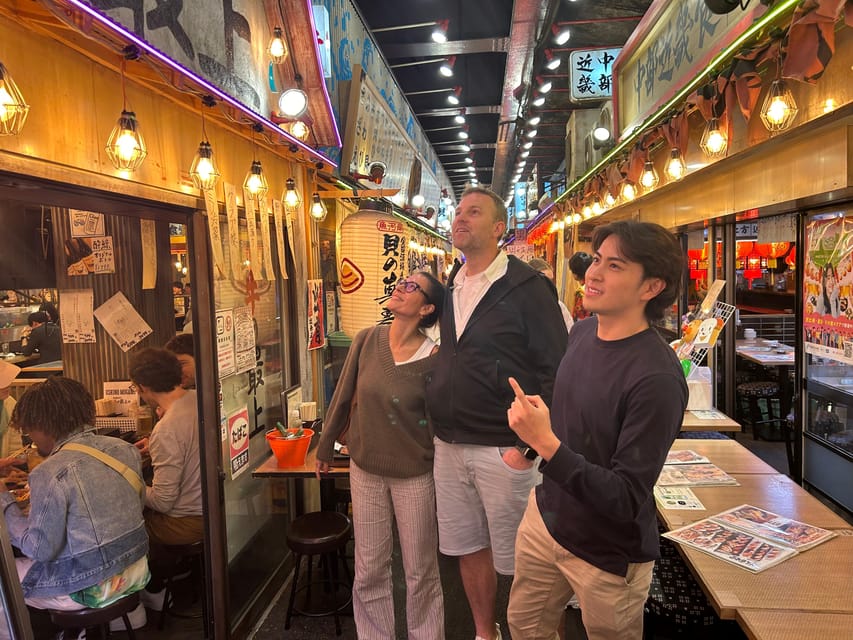
The final food block is Shimbashi, again 50 minutes, with another short walk to get there. This stop is a nice ending because Shimbashi is close enough to keep the logistics simple, but different enough to make the whole night feel like more than one long restaurant hop.
One of the clear benefits of this tour is that it doesn’t treat dessert like an afterthought. The experience includes traditional desserts, so you’re not just chasing savory bites. That matters because Japanese meals often “land” with sweets that change the flavor mood—something light, cooling, or gently comforting to wrap up the evening.
This is also a good moment to ask questions. The tour’s guide approach includes sharing cultural context and helping you think about your future itinerary. If you’ve got one or two neighborhoods you’re still unsure about, this is a great time to ask what fits your tastes.
You can also read our reviews of more tours and experiences in Tokyo
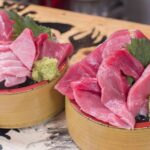
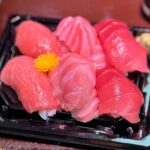


What you’ll eat: regional dishes, traditional desserts, and a guide who translates the menu
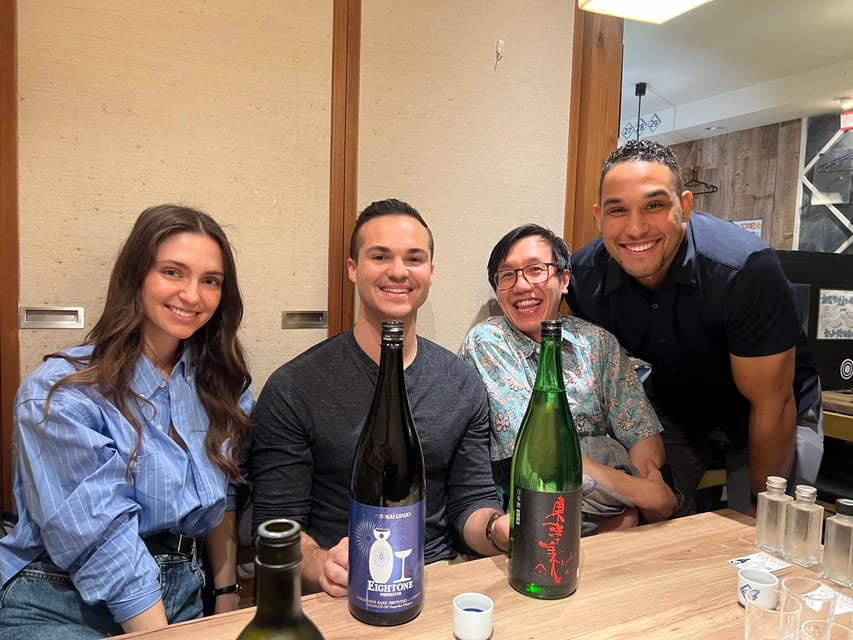
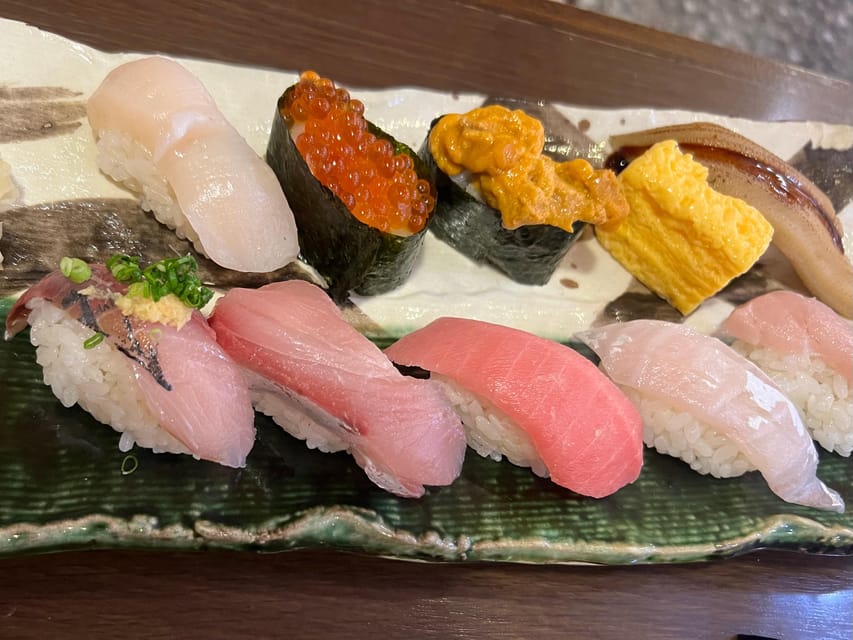
The core promise is simple: you’ll try regional Japanese food and traditional desserts across Ginza, Yurakucho, and Shimbashi. The exact dishes aren’t listed in the info I received, so don’t expect a printed menu in advance.
Instead, the biggest “food value” is how the guide shapes your choices. A good guide helps you:
- avoid ordering surprises (like things you might not enjoy if you don’t know the style)
- pick dishes that fit the pace of the evening
- understand what makes each item Japanese in texture and flavor, not just in name
This is also where the small-group format shows up. With a maximum of 10 participants, you’re more likely to get real interaction. Past groups specifically praised guides for being engaging, funny, and energetic—so you get food explanations along the way, not just quiet walking and eating.
Price and value: why $146 can make sense for a guided food night
At $146 per person for 3 hours, this tour sits in the “serious experience” category rather than a casual tasting. So the real question is: what are you buying besides food?
You’re paying for:
- guided access to lesser-known places you might not find on your own
- an English-speaking guide who handles the flow of the evening
- a route that stacks three different eating settings without complicated planning
In Tokyo, one good meal plus dessert can add up quickly, especially if you’re eating in places you feel confident about. With this kind of tour, you’re essentially purchasing a structured evening where the guide helps you spend your food money in the places that best match the experience you want.
The small group also matters. If you’ve done crowded food tours elsewhere, you know how quickly it turns into waiting and standing around. A group capped at 10 tends to keep the mood calmer and the conversation more possible.
Who this tour is best for (and who should think twice)
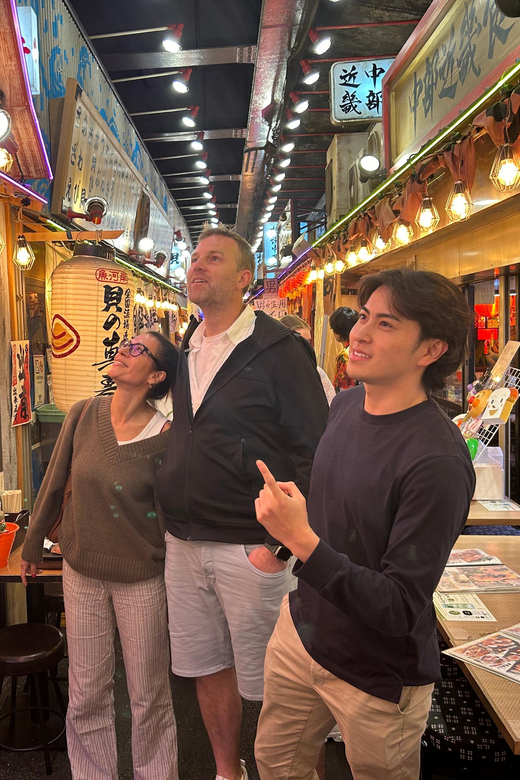
This tour is a strong match if you:
- want a first-time friendly way to learn Tokyo food culture
- like walking between neighborhoods but don’t want to plan every stop yourself
- enjoy conversations with a guide who can explain what you’re eating and why
It’s also a good option for couples, friends, or solo travelers who want a social evening without being stuck in a massive crowd.
Think twice if:
- you use a wheelchair (it is not suitable for wheelchair users)
- you prefer strictly self-paced travel with zero structure
- you don’t like eating multiple small portions back-to-back (the whole point is several food tastings)
Practical tips so you enjoy every stop
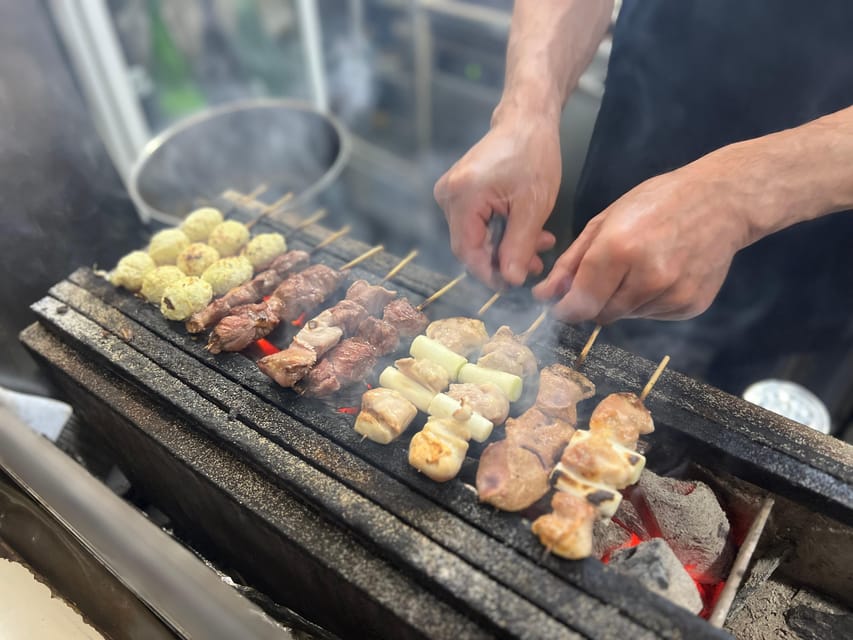
Here are a few simple things I’d do to make the experience go smoothly.
First, dress for walking. Even though the strolls between areas are short, you’re still moving between three food sessions, and Tokyo sidewalks can be busy.
Second, come hungry but not starving. Tastings can add up fast, and you’ll enjoy the later dessert stop more if you don’t overload at the start.
Third, use your guide. Past guide feedback highlights how much people enjoyed the culture talk and navigation advice. Ask how to order at the places you like, and ask what neighborhoods make sense next.
Finally, keep an eye on your group. With a meeting point at Tokyu Plaza Ginza and a clear departure rhythm, it’s easy to lose track if you stop for photos right at the start.
Final verdict: should you book this Ginza–Shimbashi food tour?
If you want a 3-hour Tokyo plan that mixes regional food, traditional desserts, and real local guidance, this tour looks like a solid choice. The structure is tight: three food stops, short walks, and an English live guide that helps you understand what you’re eating while you’re doing it. Past groups have also highlighted guides like Doren, Reo, Ryota, and Yota for being engaging and culture-focused, which is exactly what you want on a food tour.
I would skip it only if mobility is an issue, or if you hate the idea of a guided schedule. For everyone else, it’s a smart way to spend an evening in Ginza and the nearby areas without turning your night into a menu-decoding puzzle.
FAQ
How long is the Tokyo Ginza and Shimbashi food tour?
The tour lasts 3 hours.
Where do we meet for the tour?
You meet at Tokyu Plaza Ginza, in front of the BOSS store. From Ginza Station, go up to the ground level using exit C2 or C3.
What neighborhoods are included?
The tour includes food stops in Ginza, Yurakucho, and Shimbashi.
Is the tour guide available in English?
Yes. The tour has a live guide in English.
How large is the group?
The group is small, limited to up to 10 participants.
Is the tour suitable for wheelchair users?
No. The experience is not suitable for wheelchair users.
What kinds of food are part of the experience?
You’ll enjoy regional Japanese food and traditional desserts.
What is the price per person?
The price is $146 per person.
Can I cancel and get a full refund?
Yes. There is free cancellation up to 24 hours in advance for a full refund.