REVIEW · TOKYO
Nikko Full-Day Private Walking Tour with Government-Licensed Guide (Tokyo DEP.)
Book on Viator →Operated by Japan Guide Agency · Bookable on Viator
Nikko feels less hectic with a guide. This private full-day walking tour pairs you with a Government-Licensed local guide who builds a plan around your interests, so you’re not guessing your way between shrines and waterfalls. I like the flexibility to choose 3–4 highlights rather than being forced into a rigid route. The one thing to watch is that entrance fees and transportation costs are not included, and the day is active—this isn’t a lounge-and-stroll itinerary.
A big reason this works well is how organized the guides are. Across different guide experiences (like Seizo Kamiuto, Yoshii Kenichi, and Kazu), the common thread is strong English, punctual logistics, and real tailoring to what you want to see. You’ll meet near Asakusa Station and the guide can drop you at your hotel or wherever you want to end in Tokyo, keeping the day smoother from start to finish.
In This Review
- Quick reasons to book this Nikko private day
- Why Nikko feels easier with a private, flexible plan
- Price and logistics: what you’re really paying for
- How the 9-hour day fits: walking pace and choosing 3–4 stops
- Nikko Tosho-gu and the Tokugawa stops: where the meaning is
- Shinkyo Bridge and botanical calm: the central area shortcuts
- Waterfalls and Lake Chuzenji: Kegon and Kirifuri at full power
- Senjogahara and Kanmangafuchi Abyss: nature that doesn’t eat your whole day
- Imperial villa and hotel history: the non-obvious Nikko angle
- Akechidaira and the ropeway reality check
- Practical tips to make this day run smoothly
- Should you book this Nikko private walking tour?
- FAQ
- How many sights can I choose during the tour?
- Does the tour include hotel pickup and drop-off?
- What’s included in the price?
- Are entrance fees and lunch included?
- Is the Nikko Pass included?
- Is this tour mostly walking, and is private transportation included?
Quick reasons to book this Nikko private day
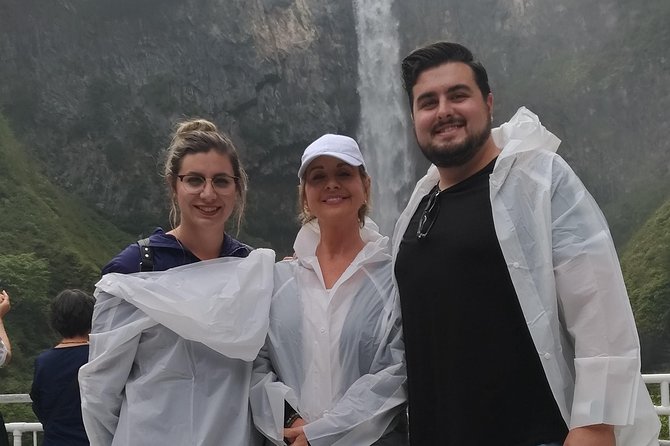
- Pick 3–4 Nikko sights from a prepared menu, instead of committing to everything at once
- Government-licensed guide, English-speaking, so you can actually follow the meaning behind the sites
- Hotel pickup offered and easy start/finish flow in Tokyo
- Tour design supports limited time, helping you fit major Nikko highlights into one day
- Route planning saves stress, especially when you’re juggling transfers and tight timing
- Season-friendly option, since a private plan helps you manage crowds better than a big-group schedule
Why Nikko feels easier with a private, flexible plan
Nikko can overwhelm you fast: temples, sacred bridges, waterfalls, lakes, and several different areas that all feel like their own mini-world. What makes this tour smart is the design choice: you don’t do a one-size-fits-all circuit. You choose a short list (typically 3–4 sites) and your guide turns that into a workable day.
That matters because Nikko is not “one long walk.” It’s a patchwork of locations, each with its own pace. With a private guide, you can match that pace to your energy—more nature if you want quiet views, more shrines if you want detailed stories, or a balanced mix if you’re trying to check off the famous hits without rushing.
I also like that the tour is structured around navigation. You’re paying for someone who takes care of moving you between stops, so you can spend your time looking up at the carvings, not down at your phone.
You can also read our reviews of more walking tours in Tokyo

Price and logistics: what you’re really paying for
At $224.02 per person for a roughly 9-hour private day, the headline cost isn’t the main story. The real value is that you’re buying time management + interpretation.
Here’s what the price includes, in plain terms:
- a licensed local English-speaking guide
- a customizable itinerary based on your chosen 3–4 sites
- meeting on foot in a designated Tokyo area
And here’s what’s not included (and you should budget for it):
- transportation fees (including travel to/from Nikko and any in-area transit)
- entrance fees and lunch
- personal expenses
- private transportation
There’s also a Nikko Pass option: the NIKKO PASS all area Ticket costs 4,520 JPY per person, and it is not included. That means you’ll want to decide if it’s worth it based on which sites you select. If you choose multiple ticketed spots, it might pay off. If you’re mostly picking free viewpoints and temple exteriors, you might not need it.
One practical note: confirmation happens at booking, and cancellation is free up to 24 hours in advance—so if your schedule is still a little uncertain, you have some flexibility.
How the 9-hour day fits: walking pace and choosing 3–4 stops
This is described as a walking tour, with meet-up on foot and a guide taking you between selected places. But “walking” doesn’t mean nonstop. It means you’re moving through the sights with the guide rather than being shuffled in a bus lineup all day.
Your time limit is the key. Even though the tour lists many possible stops, your custom plan is meant for 3–4 sites, each getting about a half hour as a baseline viewing block (with the rest of the time going to travel and explanations). That’s a good pace for first-timers. It’s also why you should pick with intention.
A useful way to choose:
- If you want the “Nikko signature,” pick Tosho-gu + Shinkyo Bridge (or another shrine/temple)
- If you want nature, pick Kegon Falls + Lake Chuzenji (and maybe add Kirifuri Waterfall)
- If you like quiet, add one “short-walk” nature stop like Kanmangafuchi Abyss or Senjogahara Field
- If you want Tokugawa and imperial context, choose Rin’nōji Taiyū-in or Rinno-ji, plus one garden or villa-style stop
If you try to do too much, you lose what makes Nikko special: time to understand what you’re seeing and to slow down near the details.
Nikko Tosho-gu and the Tokugawa stops: where the meaning is
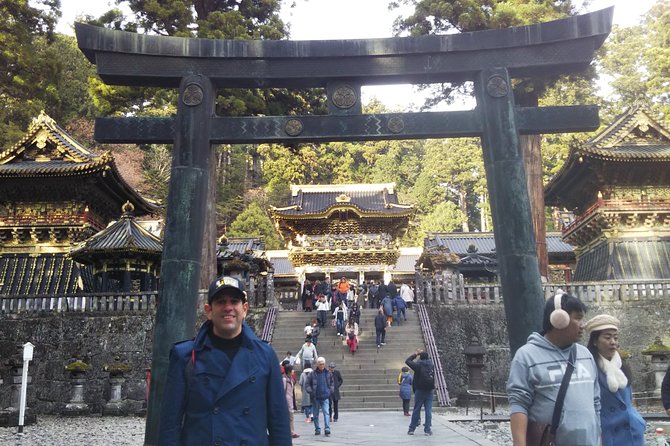
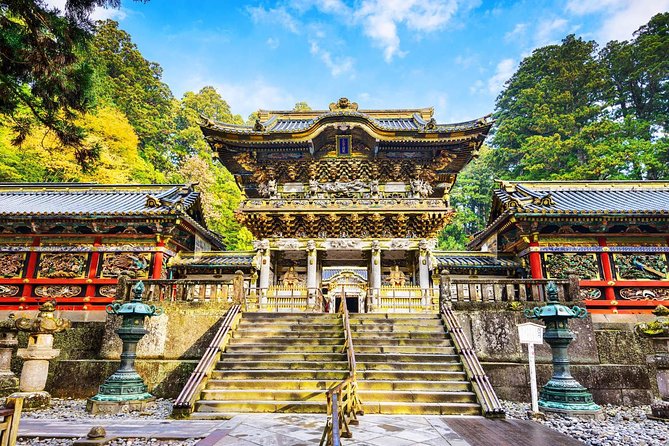
For many people, Nikko Tosho-gu is the anchor stop. It’s the final resting place of Tokugawa Ieyasu, the founder of the Tokugawa Shogunate, and it’s surrounded by related shrines and temple buildings. The site is famous for its scale and craftsmanship, and your guide’s job here is to help you connect the visuals to the story.
Plan for: a focused walk through the complex with time to notice ornamentation and layout rather than just collecting photos. Admission is not included, so if Tosho-gu is on your list, budget for tickets.
If you want another layer of Tokugawa power, add:
- Rin’nōji Taiyū-in (Mausoleum of Iemitsu): this is the mausoleum of Iemitsu, the third Tokugawa shogun. The complex has a lavish design style that echoes Toshogu in layout and architecture. Again, admission is not included.
- Rinno-ji Temple: Nikko’s most important temple, founded by Shodo Shonin, the monk credited with introducing Buddhism to Nikko in the 8th century. Admission is not included here either, but this stop is often worth it if you want the “religious center” feel rather than just the Tokugawa mausoleum emphasis.
And if you want the “older and calmer” vibe near the main area:
- Nikko Futarasan Shrine: founded in 782 by Shodo Shonin, which makes it much older than its more famous neighbor. Admission is free, and it’s a great pairing with other central shrine/temple sights.
Shinkyo Bridge and botanical calm: the central area shortcuts
Two free stops in central Nikko can be surprisingly satisfying because they work as punctuation between bigger sites.
- Shinkyo Bridge: this is the sacred bridge at the entrance to Nikko’s shrines and temples. It belongs to Futarasan Shrine and is ranked among Japan’s three finest bridges. Admission is free, and it’s a strong “wow, we’re really here” moment.
- Nikko Botanical Garden: this is owned and maintained by the University of Tokyo, and admission is not included. If you’re the type who enjoys a slower break with research-backed plant collections, this can balance a day heavy on shrines and waterfalls.
Because you’re choosing only a few stops, I’d treat these as either:
- a free add-on that improves flow, or
- a “pace adjustment” when your other picks are ticketed and structured.
You can also read our reviews of more guided tours in Tokyo

Waterfalls and Lake Chuzenji: Kegon and Kirifuri at full power
If Nikko’s temples are the brain, its waterfalls are the mood shift. Two of the best-known picks are:
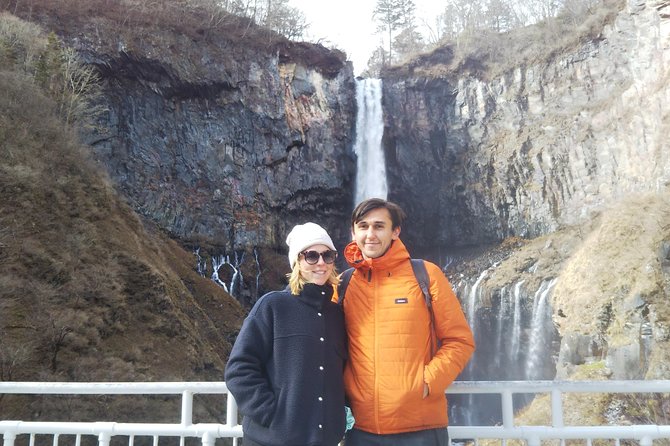
- Kegon Falls: described as the most famous of Nikko’s 48 waterfalls. Water from Lake Chuzenji drops about 97 meters straight down to the rocks below. There’s also a special lift involved for visitors. Admission is not included. This stop works best when you’re ready for dramatic scenery and want a bit of physical contrast after temple walking.
- Kirifuri Waterfall: a 75 meter high, two-tiered waterfall below the Kirifuri Highlands, a few kilometers northeast of the temple/shrine area. Admission is not included. It’s a great choice if you want another waterfall without feeling like you’re repeating the exact same view.
Then consider the nature base that connects these places:
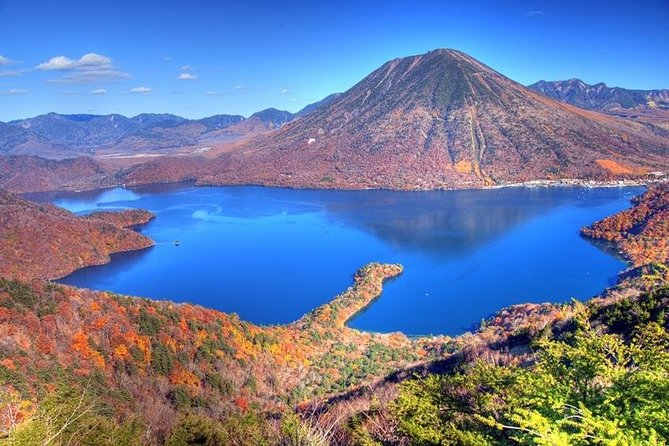
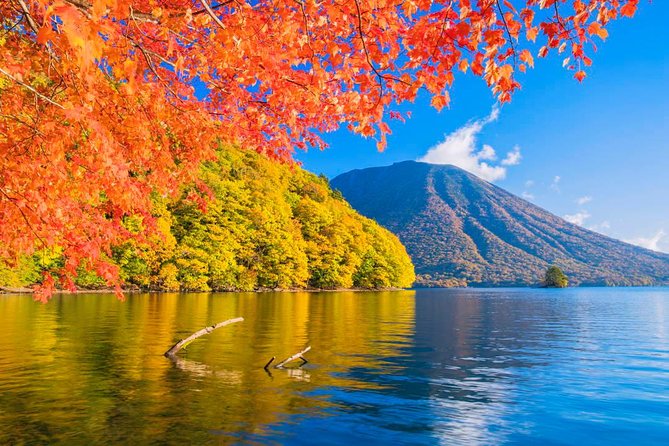
- Lake Chuzenji: the largest lake in Tochigi, framed by about 25 kilometers of nature. The area was also a popular summer resort for foreigners in the late 19th to early 20th centuries, and the setting has that old-world resort atmosphere. Admission is free. This is a good stop if you want something calmer than the roar of a waterfall and a wider view to reset your eyes.
If you only pick one nature “pairing,” Kegon + Chuzenji is the cleanest combo because the stories and geography connect.
Senjogahara and Kanmangafuchi Abyss: nature that doesn’t eat your whole day
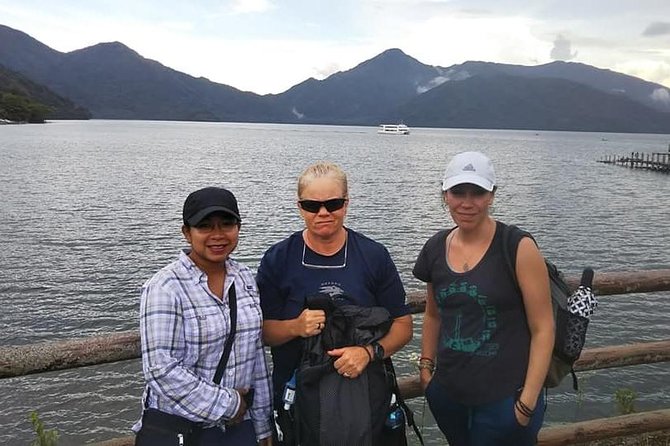
These are the stops I’d choose when you want something scenic but not too time-heavy.
- Senjogahara Field: the name translates to battlefield, tied to a legend about gods from Mount Nantai and Mount Akagi fighting over neighboring lakes. Admission is free. This stop is a good match for the “I want to learn something” traveler who also likes open air and myth-friendly scenery.
- Kanmangafuchi Abyss: a gorge near central Nikko formed by an eruption of Mount Nantai. It’s only a few hundred meters long, and you enjoy it on a riverside walking trail. Admission is free. This is ideal when you want short, satisfying nature without spending your whole day commuting.
Because both are free, they’re easy wins for building a well-rounded day even if you’re paying admission elsewhere.
Imperial villa and hotel history: the non-obvious Nikko angle
Not everyone wants only shrines and waterfalls—and honestly, Nikko delivers beyond that.
- Nikko Tamozawa Imperial Villa Memorial Park: Edo and early Meiji Period architecture mixed across a villa with 106 rooms. The villa was erected in Nikko in 1899. Admission is not included. If you’re into architecture or you like seeing how Japan’s ruling class changed across eras, this can be a fascinating counterpoint to the Tokugawa mausoleum stops.
- Kanaya Hotel History House: this is a historical building that served as the predecessor of the celebrated Kanaya Hotel. Admission is not included. It’s a more local, human-time kind of stop—nice if you want to understand Nikko’s resort era rather than focusing only on religious sites.
If you’re choosing 3–4 stops, these two work well as “one step sideways” from the main shrine circuit.
Akechidaira and the ropeway reality check
One of the optional viewpoints is Akechidaira Observation Area near the top of Irohazaka Slope. There’s a specific operational heads-up: the ropeway is closed for maintenance from January 16, 2026 until August 31, 2027.
Admission is listed as not included, and ropeway access depends on that closure window. So if Akechidaira is high on your list, I’d treat it as conditional on the time of year you’re traveling.
Practical tips to make this day run smoothly
Here’s how I’d set yourself up for success based on how these tours are designed.
Pick stops that complement each other:
- Combine one major shrine/memorial (like Tosho-gu) with one signature nature moment (Kegon or Kirifuri).
- Add one free nature stop (Kanmangafuchi Abyss or Senjogahara) to keep the day feeling varied without extra ticket stress.
Plan your ticket strategy:
- Since entrance fees aren’t included, check which of your chosen stops require paid admission.
- Consider the NIKKO PASS all area Ticket (4,520 JPY per person) only if it matches your selection. If your choices are mostly free, you may skip it.
Wear shoes for real walking:
- This is a walking tour, and Nikko can include uneven ground around rivers and historical complexes.
- Even with 30-minute viewing blocks, you’ll still be on your feet between sites.
Use the guide’s strength:
- The best guides (like the English-speaking pros you may be paired with) don’t just point—they explain why things are placed where they are.
- Ask for a short priority list before you start. You’ll likely get a better plan and fewer “we could have seen that too” regrets.
Should you book this Nikko private walking tour?
Book it if you want a high-signal day in Nikko: flexible stop choices, a licensed English-speaking guide who can connect the dots, and less stress navigating between separate areas. It’s a strong fit for first-timers, couples, and small groups who want a tailored itinerary without spending hours building one.
Skip it or reconsider if:
- you already know exactly which sights you want and you’re comfortable doing public transit and ticketing on your own
- you’re trying to pack in many paid-ticket attractions, because entrance fees and transportation will add up
- you want a mostly driver-led, low-walking experience (this is a walking tour by design)
If you do book, my advice is simple: decide your 3–4 priorities before the day starts. Let the guide handle the route and timing. That’s where this tour earns its money.
FAQ
How many sights can I choose during the tour?
You’ll have a customizable itinerary, typically picking 3–4 sites from the available list of Nikko highlights.
Does the tour include hotel pickup and drop-off?
Pickup is offered, and your guide will meet you in Tokyo near the listed meeting point. You’ll finish the day with a drop-off at your hotel or anywhere else you want in Tokyo.
What’s included in the price?
The tour price includes a licensed local English-speaking guide, help building your personalized itinerary of your chosen sites, and meeting on foot within the designated Tokyo area.
Are entrance fees and lunch included?
No. Entrance fees, lunch, and other personal expenses are not included.
Is the Nikko Pass included?
No. The Nikko Pass all area Ticket is listed as 4,520 JPY per person and is not included.
Is this tour mostly walking, and is private transportation included?
Yes, it’s a walking tour with meet-up on foot. Private transportation is not included, and transportation fees are not included—so you’ll need to handle travel costs yourself while the guide helps you navigate between sights.