REVIEW · TOKYO
Tokyo ART Walking: National Museum and Yanaka ART Area
Book on Viator →Operated by True Japan Tour · Bookable on Viator
Tokyo art shouldn’t feel like homework. This walk strings together Tokyo National Museum (with entry included) and an Ueno-to-Yanaka route packed with small spaces, architecture stops, and chances to hear from people working in art. I especially liked the guide commentary that turns what you see into context, and the built-in coffee or tea break so you’re not hunting for a café mid-route. One thing to keep in mind: with so many quick stops in about 3.5 hours, it’s not the best choice if you want long, slow time in one museum.
I also liked that this is a practical “get your bearings fast” kind of outing. You’ll move through major institutions, then shift into smaller galleries where the vibe is more personal—plus you’ll end in a different neighborhood (Yanaka) instead of backtracking to where you started. If you’re expecting to enter every museum along the way, the tour is clear that some places are view-from-outside only.
In past groups, guides such as Kyoko, Yuka, and Kenny have led the walk, and their reviews point to a smart mix of clear explanations and good pacing.
In This Review
- Key things to look forward to
- Why this Tokyo art walk is such a smart combo
- Where you start (and why that matters): Ueno Park Gate area
- Tokyo National Museum: 1 hour 15 minutes of the essentials
- Ueno’s art-and-culture stops: quicker views, useful context
- Tokyo Bunka Kaikan (outside + building appreciation)
- International Library of Children’s Literature (short, sweet stop)
- Chinretsukan Gallery at the Tokyo University of the Arts
- Architecture + art landmarks: Le Corbusier’s Western Art Museum (view only)
- Temples and prosperity: Gokoku-in Temple
- Studio energy: Allan West and the folding screen tradition
- Haco and SCAI The Bathhouse: when contemporary art feels human
- haco – art brewing gallery
- SCAI The Bathhouse
- Yanaka Cemetery and the walk’s final mood shift
- Price and value: what $96.75 buys you in the real world
- Pacing and practical expectations (the part you need to know)
- Who this tour suits best (and who might not love it)
- Should you book Tokyo ART Walking: National Museum and Yanaka ART Area?
- FAQ
- How long is the Tokyo National Museum and Yanaka art walking tour?
- What’s included in the ticket price?
- Is entry into Tokyo National Museum included?
- Do we enter the National Museum of Western Art?
- Is there coffee or tea during the tour?
- How big are the groups?
- Where does the tour start and end?
Key things to look forward to
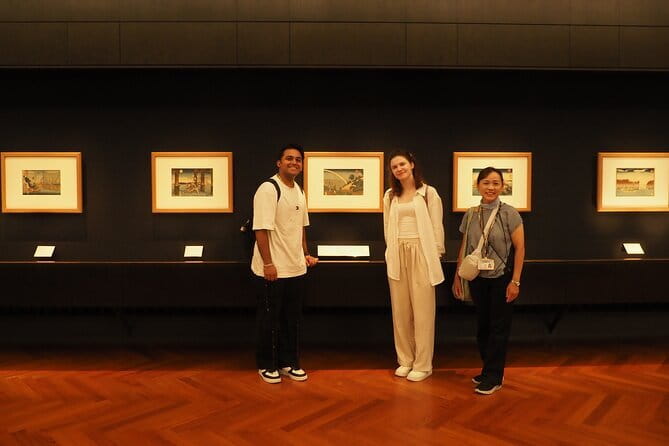
- Tokyo National Museum admission included so you’re not juggling tickets
- Coffee or tea + one soft drink built into the route
- Many art stops are short which keeps the walk moving and the choices varied
- Outside-views are part of the plan (some museums are not entered)
- Small galleries and studio visits can include artist conversation when available
- End at Nippori Station so the trip naturally finishes in the Yanaka area
Why this Tokyo art walk is such a smart combo
This tour works because it balances scale with personality. You start with Japan’s largest-feeling museum moment—then you taper into smaller gallery spaces that are easier to talk to people in and easier to remember after you leave. In other words, you get big “museum overview” energy first, then more human “what art looks like in real life” energy.
I also like that the guide commentary is built into every step. Art walks can sometimes turn into a long line of names; here, you’re meant to understand what you’re seeing and why it matters for Japanese art.
The route is also designed for efficiency. You’re walking across a concentrated art and culture area in Ueno, then continuing toward Yanaka, rather than scattering your day across Tokyo.
You can also read our reviews of more walking tours in Tokyo


Where you start (and why that matters): Ueno Park Gate area
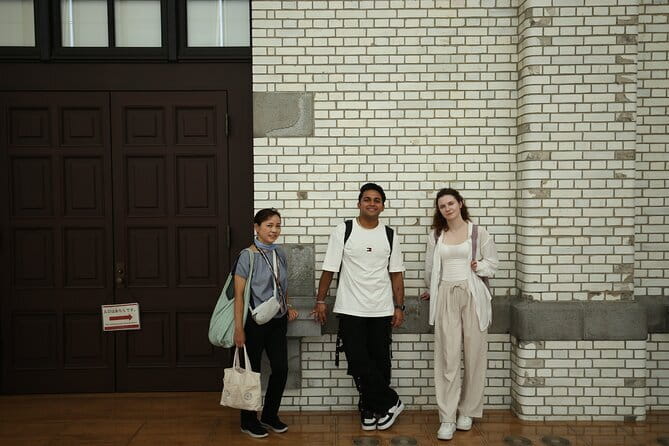
The start point is right by JR Ueno Station, at the Park Gate outside exit area (the listing references ベビカルNewDaysエキュート上野公園改札外). This is a big advantage because Ueno is already a hub: getting to the meeting point tends to be easier than if you had to reach some remote station.
The end point is Nippori Station (Nippori Station area, Nishinippori). That matters because Yanaka is a great place to continue on your own after the tour, and you don’t have to “undo” the day by going right back the way you came.
If you’re travel-stressed, this is the kind of tour that helps you feel organized fast.
Tokyo National Museum: 1 hour 15 minutes of the essentials
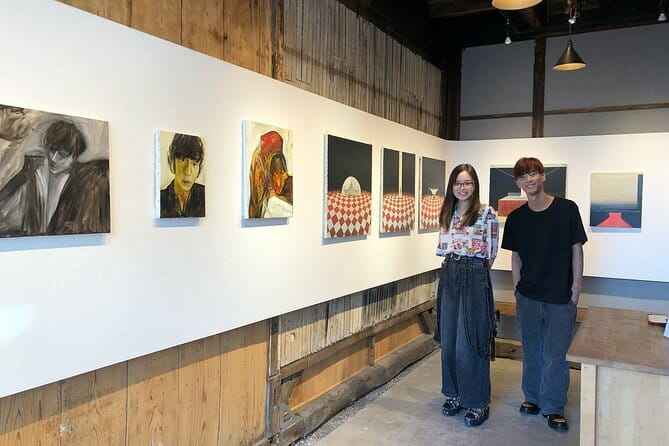
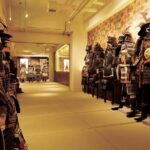
Your first stop is Tokyo National Museum, described as Japan’s largest museum and art gallery, with collections spanning ancient through modern times. The structure here is perfect for orientation: in 1 hour 15 minutes, you won’t see everything, but you can get a real sense of how Japanese art developed over time—paintings, arts and crafts, and sculptures.
What I like about doing this first is mental momentum. You start with context, then the later stops make more sense because you’ve already trained your eye on the bigger story. If you leave the museum later, you’d risk getting tired before you hit the more personal galleries.
A practical note: because the museum time is time-limited, wear comfy shoes and don’t plan on reading every label. If you treat it like a guided “highlight map,” you’ll get far more out of it.
Ueno’s art-and-culture stops: quicker views, useful context
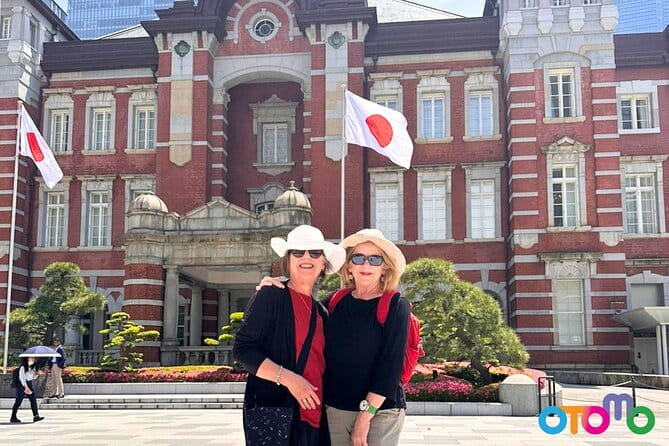
After the museum, you’ll still spend time in the Ueno cultural zone, but many stops are shorter and/or free entry. These are the parts that feel like a guided walk through the “supporting cast” of Tokyo art.
Tokyo Bunka Kaikan (outside + building appreciation)
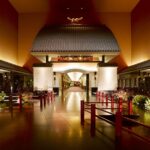
You get a stop at Tokyo Bunka Kaikan, one of Tokyo’s major concert halls for opera, ballet, and classical music. This visit is mostly about the building and its place in the area, not about sitting through a performance.
If you enjoy architecture, this is a nice palate cleanser between art-heavy moments. It also reminds you that arts in Japan aren’t only “museum objects”—music venues and design matter too.
You can also read our reviews of more museum experiences in Tokyo

International Library of Children’s Literature (short, sweet stop)
Next is the International Library of Children’s Literature, described as a fusion of modern and retro architecture. The time is 15 minutes, so you’re not expected to master the entire library.
For me, this stop is useful because it broadens the definition of art beyond fine art galleries. Children’s literature in Japan has a strong design tradition, and the building itself is part of the impression.
Chinretsukan Gallery at the Tokyo University of the Arts
You’ll also see Chinretsukan Gallery on the Ueno campus of Tokyo University of the Arts (art gallery area). The tour notes that Tokyo’s national arts university is the only national university of arts in Japan, with both Faculty of Fine Arts and Faculty of Music.
Even if you’re not an academic, this matters. Student art and university-run galleries often show a different “future-facing” side of creativity than museums do. It’s a quick stop, but it adds variety.
Architecture + art landmarks: Le Corbusier’s Western Art Museum (view only)
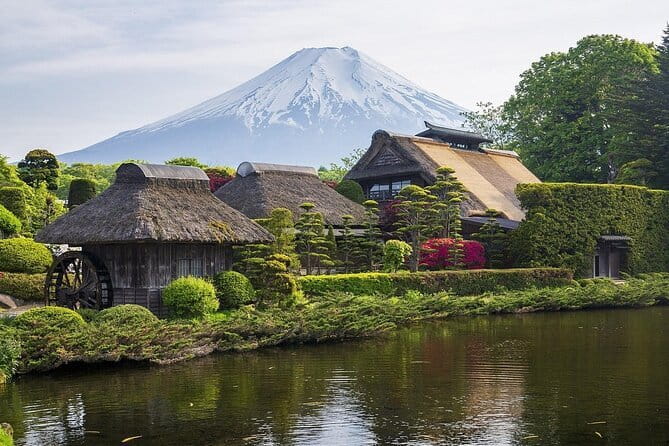
One of the most interesting facts included in this route is that the National Museum of Western Art is the only museum in East Asia designed by Le Corbusier. But there’s a catch: this tour does not include entry into that museum—you’ll view it from the outside.
This is actually a good choice for a walking tour. You get the landmark payoff without losing too much time inside. If you fall in love with the building and want more, you can always plan a separate museum visit later with a ticket on your own.
Also on the route: a stop at the former concert hall of Tokyo National University of Fine Arts and Music. It’s another reminder that old spaces and repurposed cultural buildings are a big part of how Tokyo art is experienced.
Temples and prosperity: Gokoku-in Temple
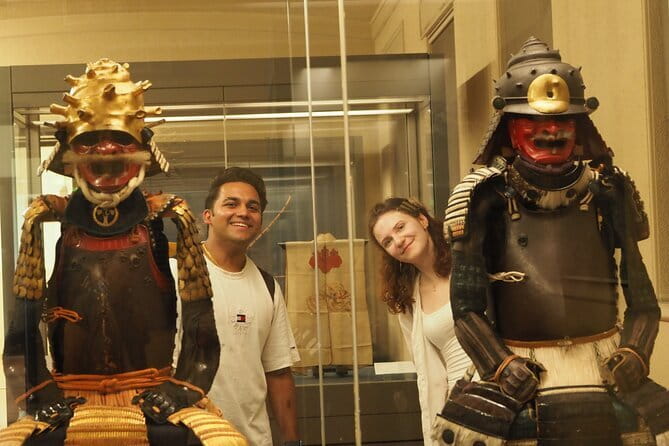
Then you shift to something calmer: Gokoku-in Temple, a tasteful temple stop dedicated to Daikokuten, the god of prosperity and good harvests. The tour frames it as a free stop with about 15 minutes.
This is more than a random detour. Art in Japan often connects to everyday life and belief systems, and a temple stop can re-center you after faster gallery hopping. It’s also a nice break if your day includes lots of indoor rooms.
Studio energy: Allan West and the folding screen tradition
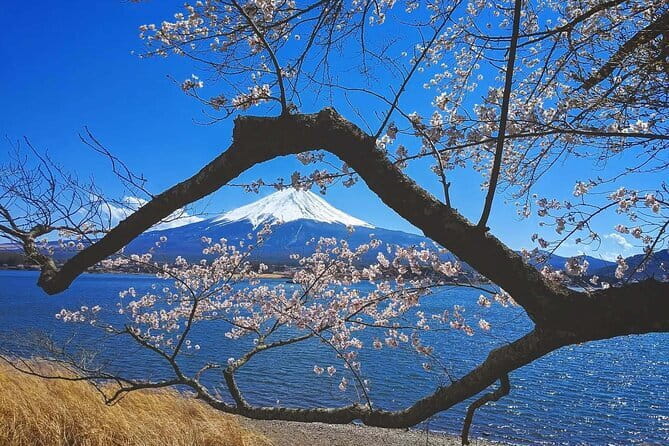
One stop is Art Sanctuary Allan West, specifically described as Allan West’s studio and gallery. The tour connects him to folding screen painting, which gives you a direct line to a very Japanese craft tradition.
This kind of stop is valuable because it’s not just “look at the finished piece.” Studio/gallery contexts make it easier to understand process, materials, and style choices. In a short time, you can see the difference between large museum displays and what an artist’s working environment feels like.
Haco and SCAI The Bathhouse: when contemporary art feels human
Two of the more modern-feeling stops are designed to show contemporary art in spaces that don’t look like typical galleries.
haco – art brewing gallery
You’ll visit haco, an art brewing gallery where exhibits change every week. The tour notes you can talk with the artist, but it also warns that the artist may not be available at the time of your visit.
Here’s how to use this stop well: treat it as a conversation opportunity, not a guaranteed interview. If you can chat, it’s a standout moment; if you can’t, you still get a rotating exhibition experience you wouldn’t get on a one-time museum visit.
SCAI The Bathhouse
Next is SCAI The Bathhouse, a contemporary art gallery set in a renovated public bathhouse. The “old function, new use” idea is one of Tokyo’s strengths, and the tour includes this specifically because the setting shapes how you view the art.
In plain terms: when art lives in an unusual space, it often changes your attention. You look differently at scale, lighting, and how people move through the rooms.
Yanaka Cemetery and the walk’s final mood shift
Your final neighborhood stop is Yanaka Cemetery, with about 10 minutes on-site and lush greenery noted in the tour description. This is a soft landing after the art-and-architecture intensity.
The cemetery stop also helps you understand Yanaka as a lived-in area rather than a sightseeing corridor. It’s a chance to slow your pace before heading out at Nippori Station.
Price and value: what $96.75 buys you in the real world
At $96.75 per person, this is not a “cheap add-on” type of tour. But the value is built-in, not promised.
Here’s what you’re paying for:
- Tokyo National Museum admission included, which is usually one of the biggest ticket costs in an art-focused plan
- A certified guide, meaning you get commentary built around what you’re seeing—not just directions
- Coffee or tea (plus one soft drink), which cuts down on meal-planning stress
- A short-group format (maximum 16 travelers), which generally helps keep the walk from feeling chaotic
I’d also argue the biggest value is time saved. Instead of researching which galleries match your interests, you follow a route designed to mix “big museum overview” with smaller art spaces and architecture.
Pacing and practical expectations (the part you need to know)
This walk is about variety, not deep study in one place. The museum gets 1 hour 15 minutes, but then you have multiple shorter stops. That means you’ll likely get more “I get the big picture” than “I found my favorite painting and spent two hours with it.”
Also, some places are explicitly outside views rather than full entries. The Le Corbusier museum is one example, and other institutional buildings are more about what you can see from the street or campus areas.
If you love art history, you may still want an additional museum visit later in your trip. But this tour is excellent as your first art orientation day.
Who this tour suits best (and who might not love it)
You’ll probably enjoy this if:
- You want a guided introduction to Japanese art across eras, starting with Tokyo National Museum
- You like art in different formats: museums, studios, temples, and repurposed buildings
- You want small-gallery time and the chance to talk with artists (when someone is available)
- You prefer a planned route rather than building one from scratch
You might want to skip it if:
- You need lots of time inside one major museum
- You’re only interested in contemporary art and hate traditional art contexts
- You’re expecting entry into every major nearby museum (this route includes outside views for at least one major landmark)
Should you book Tokyo ART Walking: National Museum and Yanaka ART Area?
I’d book it if you want an efficient, guided art day that doesn’t turn into a checklist. The museum admission plus coffee/tea makes it feel practical, and the Ueno-to-Yanaka route gives you both institutional context and neighborhood creativity.
Also, the small-group size (up to 16) and guide-led commentary are the kind of details that quietly make walking tours feel worth it instead of rushed.
If you want a single “best first art day in Tokyo” experience, this one fits the bill. Just remember: it’s a sampler with lots of stops, so dress for walking and keep your expectations focused on highlights.
FAQ
How long is the Tokyo National Museum and Yanaka art walking tour?
It runs about 3 hours 30 minutes.
What’s included in the ticket price?
Tokyo National Museum admission, certified guide, and coffee or tea with one soft drink included.
Is entry into Tokyo National Museum included?
Yes, admission is included for Tokyo National Museum.
Do we enter the National Museum of Western Art?
No. You view it from the outside, and the tour does not include entry there.
Is there coffee or tea during the tour?
Yes. Coffee or tea is included, along with one soft drink.
How big are the groups?
The tour has a maximum of 16 travelers.
Where does the tour start and end?
It starts at ベビカルNewDaysエキュート上野公園改札外 near JR Ueno Station (Park Gate). It ends at Nippori Station.