REVIEW · TOKYO
Tokyo Architecture and Contemporary Art Walking Tour with a local guide
Book on Viator →Operated by アウテック · Bookable on Viator
Tokyo’s buildings tell stories fast. This private walk strings together design-heavy neighborhoods with local guidance and public-transport shortcuts so you don’t burn a whole day figuring it out. You’ll cover a mix of sleek retail streets, major cultural hubs, and the kind of street energy Tokyo does best.
I especially like the tour’s pace: it’s built for small groups (up to 9) and you’re not stuck in a herd. I also like that the stops are chosen for architecture and contemporary art context, not just photo ops, with bottled water included to keep you moving.
One drawback to plan for: you’ll spend real time on transit—often by subway—and some of that means moving underground between neighborhoods.
In This Review
- Quick hits before you go
- Why This Architecture and Contemporary Art Loop Works
- Private, 6–8 Hours, and a Built-In Escape From Big Groups
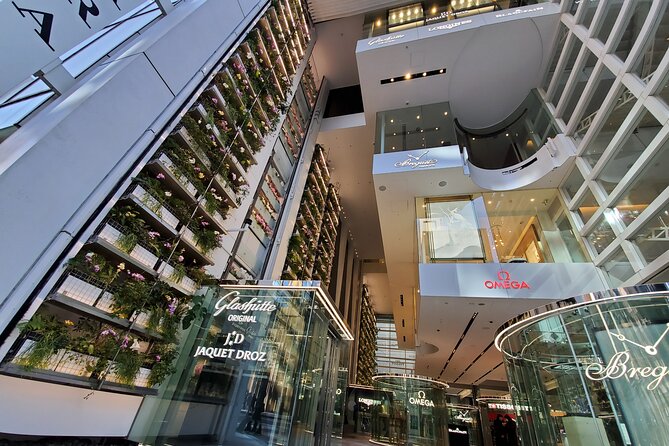
- Ginza: Boutique Streets With Architect-Driven Polish
- Tokyo International Forum by Rafael Viñoly: Postmodern Form in Action
- Roppongi’s Art Triangle: National Art Center, Mori Art Museum, Suntory Museum of Art
- Omotesando to Takeshita Street: From Herzog & de Meuron to Youth Fashion
- Shibuya Crossing: The Intersection That Changes Your Pace
- Daikanyama: A Calmer Finish With Boutiques and Cafes
- Price, Group Size, and What You Get for $424.58
- Who This Tour Suits Best (and Who Might Want Something Different)
- Final Decision: Should You Book This Tour?
- FAQ
- How long is the Tokyo architecture and contemporary art walking tour?
- Is this tour private?
- Do you offer pickup from my hotel?
- Where does the tour go during the day?
- Are admission tickets included?
- How do tickets work?
- What is the cancellation policy?
Quick hits before you go
- Private tour, up to 9 people: your group sets the rhythm, not a big bus schedule
- 6 to 8 hours of city-design focus: multiple areas in one go
- Mobile ticket and a guide you meet near your hotel area: simple, low-drama start
- Rafael Viñoly’s Tokyo International Forum plus design-forward shopping streets
- Roppongi Art Triangle stops: major art institutions in one compact route
- Shibuya Crossing and a calmer finish in Daikanyama: contrast by design
Why This Architecture and Contemporary Art Loop Works
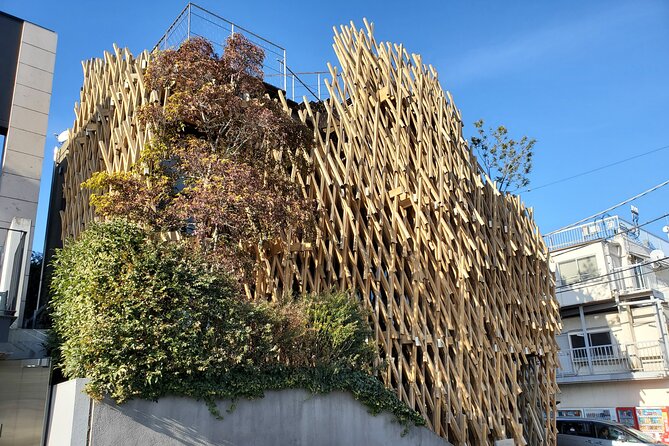
Tokyo can feel like two cities at once: glass towers and tiny alleys, polished museums and loud street style. This tour strings those worlds together on purpose. You’re not just seeing famous structures; you’re learning how Tokyo’s architecture supports how people live, shop, and gather.
The private format matters more than you might think. When you’re not squeezed into a large group, you can pause for street-level details: how a façade changes at corners, how a lobby shapes foot traffic, how a building frames views. Your guide can also steer you toward the best angles and timing without losing the whole line.
And the route is designed around efficient movement. You’ll use Japan’s transit system to stitch together places that would take you much longer to connect on your own. You’ll also get bottled water, which sounds small until you’re walking in Tokyo heat.
You can also read our reviews of more walking tours in Tokyo


Private, 6–8 Hours, and a Built-In Escape From Big Groups
This is a private walking tour for your group only, capped at up to 9 people. That makes it a solid fit for couples, friends, and families who want a structured day without the stress of constant regrouping.
Expect a long, satisfying walking window: roughly 6 to 8 hours. Most stops are quick enough to keep momentum, but the day still has room to look closely. If you’re the kind of traveler who likes to stop for one good photo and then keep going, this schedule should feel natural. If you prefer long museum time inside buildings, you may want to add extra time on your own at the end.
One planning note: transit time is part of the experience. In feedback about the tour, people called out that a lot of the moving between sites happened underground. That’s normal for Tokyo, but it can affect how the day feels. If you dislike subways, plan for it mentally and keep your footwear comfortable.
Ginza: Boutique Streets With Architect-Driven Polish
Ginza is Tokyo’s polished showroom district, full of boutiques, compact galleries, and high-end stores that somehow still feel easy to walk through. On this portion of the tour, your guide focuses on the architecture you’d miss if you only shop.
What makes Ginza worth a guided stop is not just the famous name. It’s the mix: you’ll see cutting-edge design sitting near more classic retail geometry. Your guide can help you read those differences quickly—what’s likely built for brand image, what’s designed for pedestrian flow, and where the buildings aim to create a specific mood.
The practical side: this is a good warm-up area because the streets are straightforward and the atmosphere is structured. If you’re arriving early, Ginza helps you get your bearings before the day turns into heavier landmarks and busier intersections.
Tokyo International Forum by Rafael Viñoly: Postmodern Form in Action
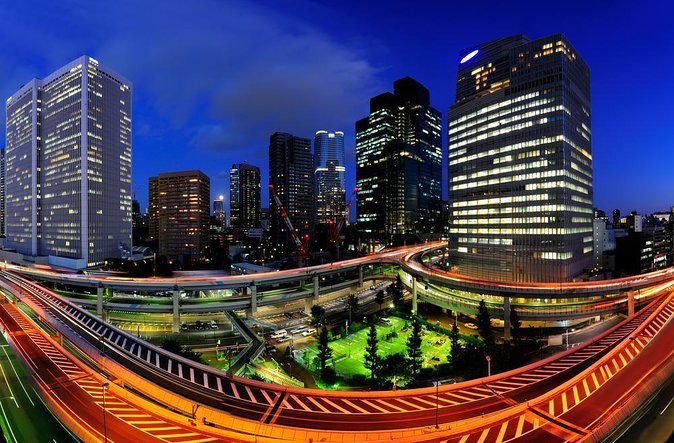
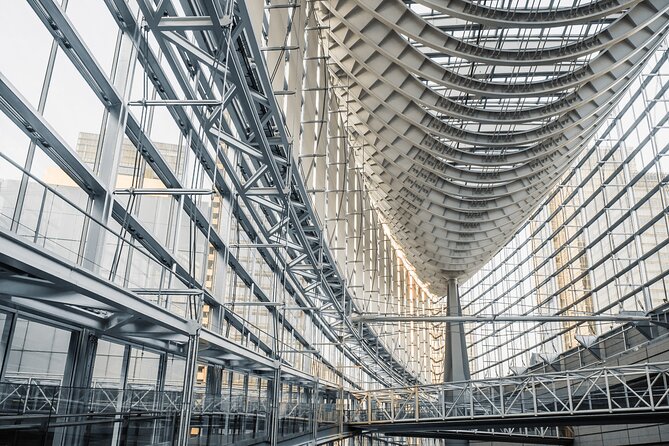
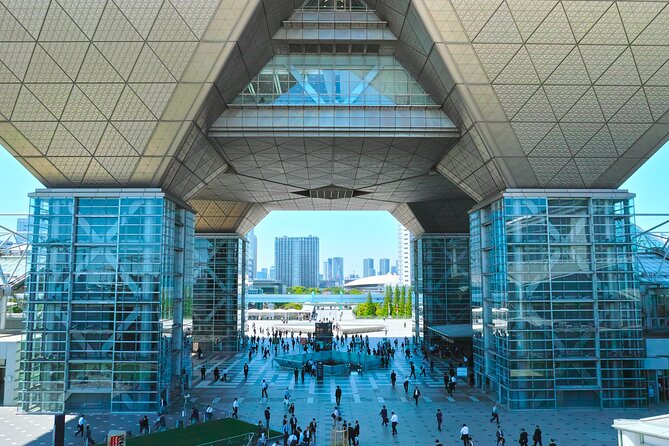
Next comes a landmark you don’t have to force to feel impressive. The Tokyo International Forum is widely recognized for its postmodern design, created by Uruguay-born American architect Rafael Viñoly. Even without going inside anywhere, it’s the kind of building that makes you slow down just to understand the massing and angles.
This stop is short—about 15 minutes—so the value is in what your guide points out. Think of it as architectural literacy in miniature: how the building’s shape communicates purpose, and why it fits as a major convention and art center in Tokyo.
If you love modern forms—clean edges, bold public spaces, and buildings that look like they were drawn with intent—you’ll appreciate this stop. It also works well as a contrast after the sleek retail vibe of Ginza.
Roppongi’s Art Triangle: National Art Center, Mori Art Museum, Suntory Museum of Art
Roppongi is where Tokyo turns cultural and cosmopolitan. This is one of the strongest parts of the day because the neighborhood concentrates major institutions into a walkable concept: the Art Triangle made up of the National Art Center, Mori Art Museum, and Suntory Museum of Art.
Even if you don’t spend the day ticketing museums, the area is worth it for two reasons:
- You get the architecture and branding cues of top-tier art venues in one district.
- Your guide can explain how the art ecosystem shapes what the streets feel like around it.
This stop runs about 1 hour, which gives you enough time to look at the buildings’ external character and to understand the neighborhood’s layout. Roppongi is also a good checkpoint for the day: by now you’ve seen design in shopping areas and a major landmark, and you’re now seeing institutional architecture that’s built to gather crowds for events and exhibitions.
You can also read our reviews of more guided tours in Tokyo


Omotesando to Takeshita Street: From Herzog & de Meuron to Youth Fashion
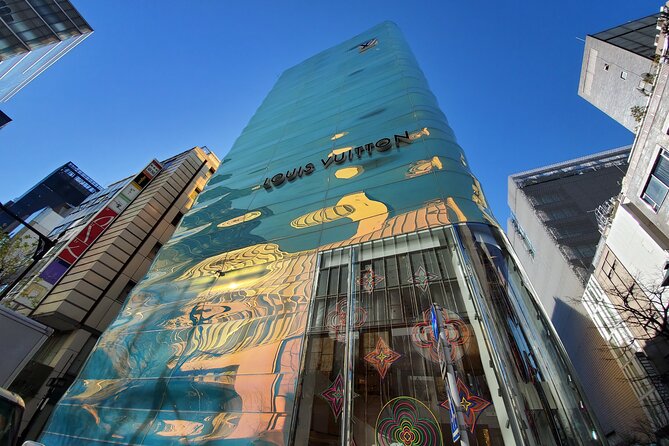
Tokyo’s fashion districts can be a head-spinning mix. The best way to enjoy them is to treat them like living architecture: storefronts, signage, and street design are part of the visual language.
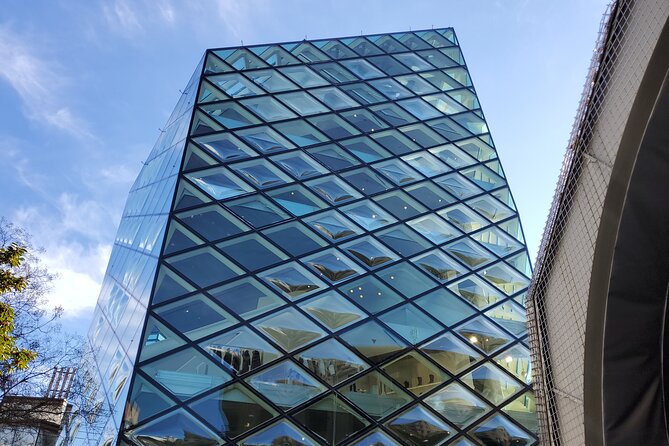
You’ll start with Omotesando, known for high-end shopping and standout buildings. One highlight here is the Prada flagship store designed by Swiss-based Herzog & de Meuron. That matters because it’s not just a shop—it’s a lesson in how global architecture firms translate brand identity into street presence.
Then you shift into Takeshita Street in Harajuku, where youth culture shows up loudly through fashion and over-the-top design. This contrast is the point. Your guide can help you see how the built environment shifts from sleek retail prestige to playful, expressive street design.
This section is about 1 hour at Omotesando and about 1 hour for Takeshita Street. If you like variety, it’s a great blend: stylish architecture plus street-level energy.
Shibuya Crossing: The Intersection That Changes Your Pace
After the fashion districts, Tokyo’s loudest stage arrives: Shibuya Crossing, often described as the busiest intersection in the world. That reputation isn’t just hype. When you stand near it, the geometry of the crossing and the sheer motion of people make everything feel faster.
Your guide’s job here is to help you see more than the famous picture. You’ll likely talk about how public space works in Tokyo: how pedestrian crossings become performance, how buildings frame sightlines, and why the intersection has become a global reference point.
This stop is short, around 30 minutes, which is just right. It lets you experience it without letting the day turn into waiting for the perfect moment. If you’re sensitive to crowds, go early or be flexible with where you stand; your guide can help you choose spots that feel comfortable.
Daikanyama: A Calmer Finish With Boutiques and Cafes
To end the day, you’ll head toward Daikanyama, a neighborhood known for boutiques and cafes with a slower pace than Tokyo’s biggest-name areas. It’s the kind of place where the architecture feels more human-scale, and the vibe makes it easier to decompress after Shibuya’s rush.
This stop runs about 1 hour. That’s enough time to wander without a checklist, and it’s a smart choice if you want your last memories of the day to feel relaxed rather than exhausting.
The area is also known for a Tsutaya book store, which tends to pull people in even if books aren’t your main goal. Bookstores in Tokyo often act like social spaces, so it’s a nice ending point for people who like to observe how Tokyo culture plays out inside everyday venues.
Price, Group Size, and What You Get for $424.58
The price is $424.58 per group, for up to 9 people. That’s the first value question to ask: can you fill the group? If you have 2 to 6 people, the per-person cost will be higher, but you still benefit from the private format—your route, your pace, and a guide focused on architecture and art context.
For families or friend groups, value improves fast. A private guide costs the same whether you’re 2 people or 9, so the math gets better as your group fills out. Also, the stops are free to visit from a ticket perspective at each listed location, which helps you avoid surprise entry costs.
Duration also matters. 6 to 8 hours is a full day, and the route covers multiple Tokyo design zones. Instead of paying for separate day tours (or spending time building your own itinerary), you get a planned loop that’s already connected by transit.
If you’re a first-time Tokyo visitor who wants architecture plus contemporary art context without museum-heavy scheduling, this is one of the more efficient ways to do it.
Who This Tour Suits Best (and Who Might Want Something Different)
This tour fits you if you want:
- Architecture-first sightseeing with clear explanations as you walk
- A route that blends major landmarks with design-driven shopping areas
- A day built around public transport efficiency and a guide who can manage the flow
It might not be your best match if:
- You want only inside museum time or long exhibition stops (this is more of a walking and looking tour)
- You hate subway transit and would rather stay above ground as much as possible
If you’re traveling with teens or design-curious kids, the mix from Omotesando to Takeshita Street can be a win. It lets everyone see at least two kinds of Tokyo creativity: formal architecture and street-style expression.
Final Decision: Should You Book This Tour?
I think you should book it if you want a structured day that teaches you how Tokyo’s built environment works, not just how it looks in a photo. The route covers enough variety—Ginza, Roppongi, Omotesando, Harajuku, Shibuya, and Daikanyama—that you’ll end the day feeling you saw Tokyo’s design personality from multiple angles.
I would hesitate only if your priorities are purely indoor art museums or if you strongly dislike crowds and underground transit. Otherwise, this is a smart way to get a local guide’s viewpoint while keeping the day efficient and small-group friendly.
FAQ
How long is the Tokyo architecture and contemporary art walking tour?
It runs about 6 to 8 hours.
Is this tour private?
Yes. It’s a private tour/activity, and only your group participates. The group size is up to 9 people.
Do you offer pickup from my hotel?
The experience notes pickup offered, and the tour indicates you meet the guide outside your hotel at a central point.
Where does the tour go during the day?
The stops include Ginza, Tokyo International Forum, Roppongi, Omotesando, Takeshita Street, Shibuya crossing, and Daikanyama.
Are admission tickets included?
The listed admissions for the stops are free, and the tour notes admission tickets are free for each stop shown.
How do tickets work?
You’ll receive a mobile ticket.
What is the cancellation policy?
It offers free cancellation. You can cancel up to 24 hours before the experience start time for a full refund. If you cancel less than 24 hours before, the amount paid is not refunded.