REVIEW · TOKYO
Tokyo 6hr Private Guided Tour & Sumo Show Lunch
Book on Viator →Operated by Japan Guide Agency · Bookable on Viator
Sumo show lunch is the big hook here. This 6-hour Tokyo private guided tour pairs a licensed local English-speaking guide with a full sit-down sumo show lunch at Yokozuna Tonkatsu Dosukoi Tanaka, so your day has both context and a real, hands-on experience. I also like that you can customize your walking portion by choosing 2 to 3 stops from the sightseeing list, which helps you shape the day around your interests.
One thing to consider: the tour is built around walking and scheduled timing, and several of the listed sights have entrance fees that are not included. If you pick a few ticketed places (think Shinjuku Gyoen, Shibuya Sky, museums, and gardens), you should budget extra on top of the $195.09 per person.
In This Review
- Key Highlights You’ll Actually Feel
- How the 6-Hour Plan Works: 9am Walk + 1pm Lunch
- Sumo Show Lunch at Yokozuna Tonkatsu Dosukoi Tanaka: The Main Event
- Price and What You Really Get for $195.09
- Choosing Your 2–3 Stops: Make It Match Your Tokyo Mood
- Walkable Tokyo Highlights You Can Pick From
- Asakusa (with easy classic-town energy)
- Imperial Palace (outside views only)
- Shinjuku Gyoen National Garden (ticketed calm)
- Tsukiji Outer Market (old-school food and bustle)
- Meiji Jingu (shrine calm near Harajuku)
- Rikugien Gardens (ticketed Japanese garden pick)
- Akihabara (electronics and pop-culture shopping)
- Koishikawa Korakuen (ticketed garden option)
- Hamarikyu Gardens (near Tokyo Bay, ticketed)
- Tokyo National Museum (ticketed museum focus)
- Shibuya Sky (ticketed viewpoint hour)
- Sensō-ji (Asakusa temple classic)
- Takeshita Street (Harajuku fun, free admission)
- Odaiba District (modern waterfront vibe, free)
- Shibamata (old-school neighborhood charm)
- Yoyogi Park (park reset, free)
- Nezu (old downtown neighborhood feel, free)
- Shinjuku Golden-Gai (evening-style lanes, free)
- Tokyo Tower (main deck access only; ticketed)
- A Practical Tip: How to Ask Your Guide to Shape Your Day
- Who This Tour Suits Best (and Who Might Skip It)
- Should You Book This Tokyo Sumo Lunch and Guided Walk?
- FAQ
- What does the tour include?
- What time does the sumo show lunch start?
- How long is the tour?
- Can I customize which sights I see?
- Are entrance fees included for all stops?
- Is Imperial Palace entry included?
- Is transportation included?
- Is this tour private?
- What is the cancellation policy?
Key Highlights You’ll Actually Feel

- Sumo show lunch built into the schedule, not tacked on as an optional extra
- Custom walking route where you pick 2–3 stops from a long Tokyo list
- Licensed guide who can help with flow, directions, and what to prioritize
- A mix of classic and modern Tokyo: temples and gardens plus neighborhoods like Akihabara and Shibuya
- Lunch at 1pm after a long morning walk, so you avoid the hardest part of planning
How the 6-Hour Plan Works: 9am Walk + 1pm Lunch
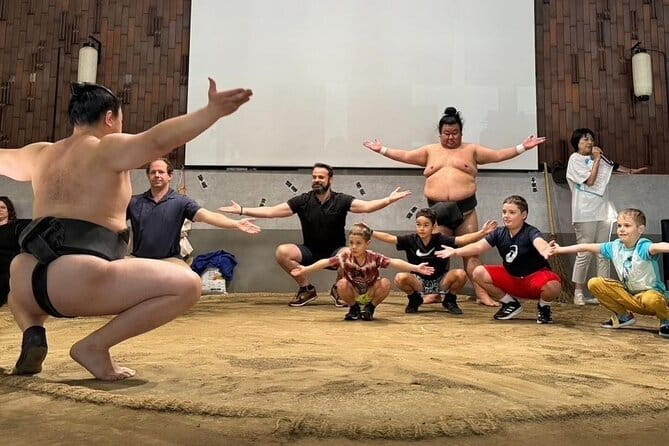
This tour is scheduled for a start time of 9:00am, with the sumo show lunch beginning at 1pm. In other words, you spend the morning building your bearings in Tokyo, then you switch gears and enjoy a structured lunch experience with the sumo show.
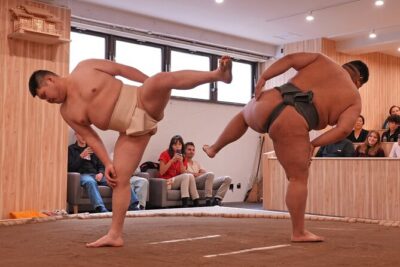
The walking portion is about 4 hours, guided end-to-end. After that morning walk, your guide takes you to Yokozuna Tonkatsu Dosukoi Tanaka for lunch. The lunch block is about 2 hours in length, and it’s the centerpiece that gives the day its title and its personality.
It’s private for your group, so you’re not sharing the guide with strangers. Pickup is offered, but you’re also given a “meet on foot” style setup in the designated Tokyo area—so your exact starting point will depend on where you stay and what’s confirmed for you.
You can also read our reviews of more guided tours in Tokyo
Sumo Show Lunch at Yokozuna Tonkatsu Dosukoi Tanaka: The Main Event
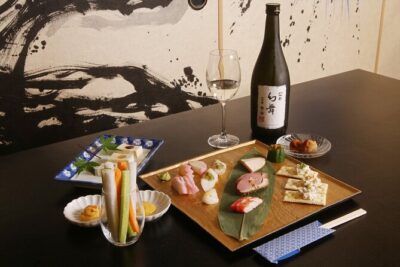
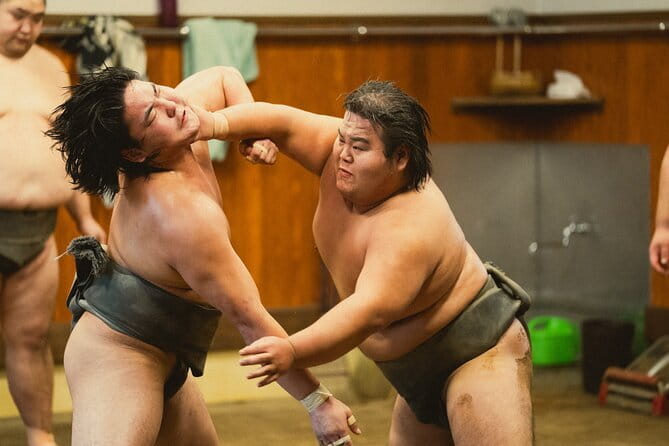
The tour’s best value is that lunch comes with a show, not just a meal. At Yokozuna Tonkatsu Dosukoi Tanaka, you get 2 hours that combine food with a sumo performance, which is a very Tokyo way to do culture: structured, theatrical, and easy to slot into your day without extra ticket hunting.
Because the guide brings you there after the walking portion, you’re not stuck figuring out timing between sightseeing stops and a separate reservation. That matters more than it sounds. Tokyo runs on trains and schedules, and a guided hand-off keeps your day from turning into a last-minute sprint.
What you should plan for: you’ll be hungry from walking, and you’ll want your energy for the show portion too. If you care about timing, you’ll do best by arriving a few minutes early when you get dropped at the restaurant, then letting the guide handle the rest.
Price and What You Really Get for $195.09
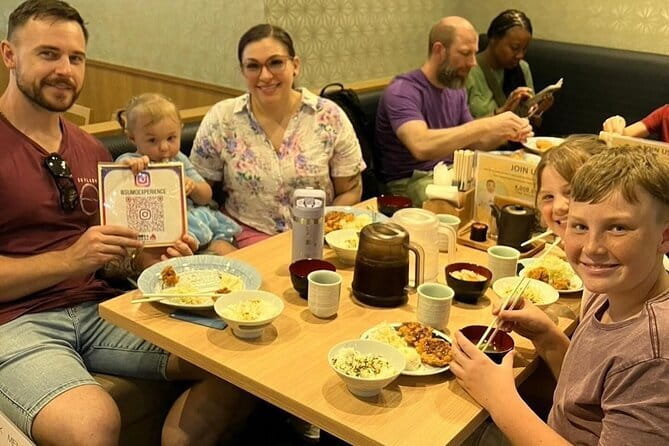
$195.09 per person is not a budget price, but it’s also not just “paying for a ticket.” You’re paying for three things bundled together: a licensed local English-speaking guide, a private guided walking experience, and a sumo show lunch.
The guide component is where the “value” usually shows up for first-timers and returning visitors alike. Tokyo can feel like a maze, and the difference between wandering and getting good direction is huge—especially when you want to see multiple neighborhoods in one day.
Where you may spend extra: entrance tickets and other personal costs are not included, and the tour explicitly doesn’t include a private vehicle or transportation fees. So if you choose a few paid attractions from the list, your final day cost will creep up a bit. The upside is you control this by selecting 2–3 stops that match your priorities.
Choosing Your 2–3 Stops: Make It Match Your Tokyo Mood
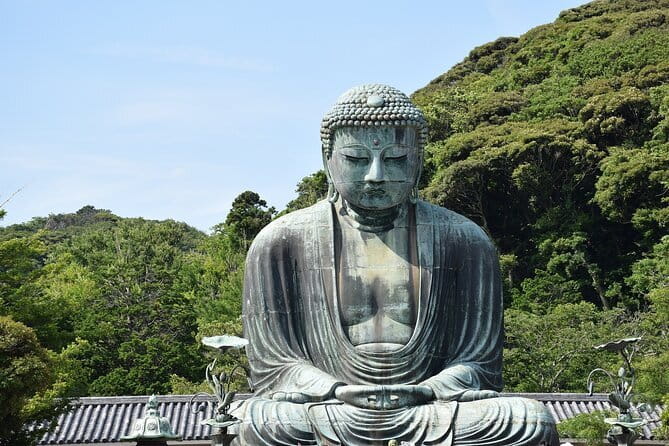
Your walking route is customizable: you pick 2 to 3 sites from the selection list. The goal isn’t to “check boxes.” It’s to pick stops that create a logical Tokyo day in your own style—temple and snack street, garden and museum, old neighborhoods and a night-drink vibe, and so on.
When you decide, think about two factors:
- Do you want the day to feel calmer (shrines, gardens, parks) or more fast-paced (electronics shopping, viewpoint areas, entertainment districts)?
- Do you want mostly sights with free admission, or are you okay paying for ticketed places?
Below is a practical look at what each option brings, plus what could feel slightly annoying depending on your preferences.
Walkable Tokyo Highlights You Can Pick From
You can also read our reviews of more private tours in Tokyo


Asakusa (with easy classic-town energy)
Asakusa is a great start if you want Tokyo’s traditional side early in the day. It’s also a logical choice for pairing with nearby temple areas later, since the atmosphere is already in that old-downtown rhythm.
A small drawback: Asakusa can be crowded in general, so you’ll want the guide’s direction to keep your pace comfortable.
Imperial Palace (outside views only)
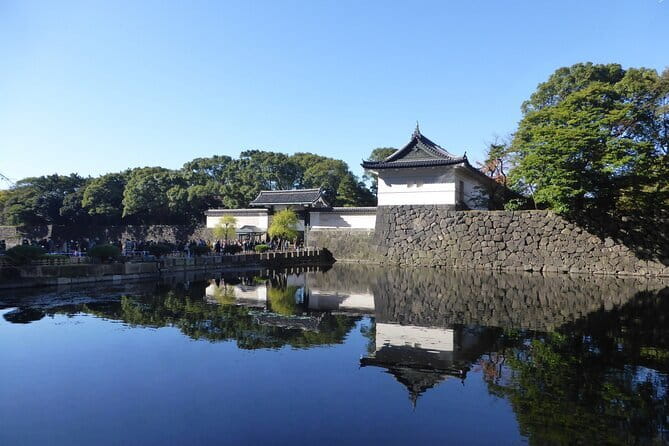
This option gives you the Imperial Palace area, but you do to not get access to the inside. You still see the moats and the big stone-wall feel that goes with the palace grounds.
If your interest is strictly about stepping inside, you’ll likely feel a bit shorted. If your interest is the area and the walk-around views, it works well.
Shinjuku Gyoen National Garden (ticketed calm)
If you want a break from streets, Shinjuku Gyoen is a classic garden choice. It’s listed as a park/garden stop with admission not included, so you’ll pay on your own if you pick it.
The tradeoff is simple: it costs time and money, but it also gives you a calmer reset in the middle of a day that otherwise covers a lot of Tokyo.
Tsukiji Outer Market (old-school food and bustle)
Tsukiji Outer Market is ideal if you like shopping-street energy and the feeling of Tokyo markets. It’s listed as free admission, which makes it an easy win if you want sensory stimulation without extra ticket cost.
The potential drawback: you’ll likely spend extra time eating or browsing, which can compress your other chosen stops.
Meiji Jingu (shrine calm near Harajuku)
Meiji Jingu gives you a green, peaceful pause near busy Harajuku. It’s listed as admission free, so it’s one of the easiest ways to add nature and tradition without paying another fee.
Watch for the practical side: even though it’s free, you still need time for walking and for people-watching in a popular shrine area.
Rikugien Gardens (ticketed Japanese garden pick)
Rikugien is listed as an option with admission not included. If you’re the type who enjoys garden design and slower viewing, this is the place to spend your ticket money.
The drawback: paid gardens are only worth it if you genuinely want a slower pace. If your day goal is street energy, you might feel you’re trading too much time for quiet.
Akihabara (electronics and pop-culture shopping)
Akihabara is the Tokyo stop for gadgets, games, and the whole pop-culture shopping culture. It’s listed as free admission, which keeps it easy to add without ticket cost.
Possible downside: it can feel overwhelming if you’re not a shopper or if you’re sensory-sensitive. A guide helps here by pointing you to what makes sense for your interests.
Koishikawa Korakuen (ticketed garden option)
Koishikawa Korakuen is another older-style garden, and like Rikugien it’s listed with admission not included. It’s a strong choice if you want Japanese garden scenery without spending your entire day in ticketed attractions like towers.
The tradeoff: if you choose both paid gardens and a paid viewpoint or museum, you can end up spending a lot just to enter places.
Hamarikyu Gardens (near Tokyo Bay, ticketed)
Hamarikyu is listed as a central Tokyo garden option with admission not included. It has a distinctive relationship with tides via seawater ponds and a teahouse setting, so it’s more than just a pretty place to pass through.
Drawback: if you’re already planning gardens elsewhere, you’ll want to choose carefully so you don’t end up repeating the same feel back-to-back.
Tokyo National Museum (ticketed museum focus)
If you want indoor Tokyo, Tokyo National Museum is a heavyweight option. Admission is not included, so you’ll pay separately if you choose it.
The consideration: museums take time to get value out of them. If your group wants lots of outdoor neighborhoods, this may crowd out your street stops.
Shibuya Sky (ticketed viewpoint hour)
Shibuya Sky is listed as a viewpoint option with admission not included. If skyline views are on your list, this is the most direct way to get them.
The drawback is cost and time. Viewpoints work best when you’re confident you’ll enjoy spending an hour or so in one place rather than hopping neighborhoods.
Sensō-ji (Asakusa temple classic)
Sensō-ji is a major temple experience and listed as free admission. It’s colorful, central to Asakusa’s identity, and a great place to see the “old Tokyo” vibe up close.
Possible drawback: it’s popular. A guide can help you avoid losing time to aimless wandering.
Takeshita Street (Harajuku fun, free admission)
Takeshita Street is the Harajuku-adjacent pick for fashion-culture street watching. It’s listed as free admission, so you can add it without planning extra ticket time.
The consideration: it’s a teen-fashion energy zone, which many people love. If you want quiet, this might not match your mood.
Odaiba District (modern waterfront vibe, free)
Odaiba is listed as free admission. It’s a man-made island district by Tokyo Bay with lots of shopping and entertainment energy.
Drawback: it can feel like a detour depending on what neighborhoods you choose elsewhere. It’s best when you want a modern contrast to older Tokyo streets and shrines.
Shibamata (old-school neighborhood charm)
Shibamata is listed as free admission. It’s on Tokyo’s eastern side and keeps a more old-school feel compared to the mega-centers.
Possible drawback: it may be less efficient if you’re mainly trying to maximize iconic landmarks in a short window. Still, it’s a fun choice if your goal is real local texture.
Yoyogi Park (park reset, free)
Yoyogi Park is a big city park option listed as free admission. It’s good for slowing down and taking in a more relaxed side of Tokyo.
The tradeoff: in a tight 6-hour plan, parks can eat into time for more “wow” sights unless you genuinely need a break.
Nezu (old downtown neighborhood feel, free)
Nezu is part of the Shitamachi old-town vibe and listed as free admission. It’s a strong pick if you want last-century atmosphere without paying museum prices.
The consideration: if your group’s goal is headline sights, this can feel more like a stroll than an official attraction.
Shinjuku Golden-Gai (evening-style lanes, free)
Golden-Gai is listed as free admission. It’s known for tiny alley bars and drinking establishments that create a distinctive nighttime feel.
Main caution: Golden-Gai is more about atmosphere than it is about daytime sightseeing. If you choose it, think about whether you want your day to drift toward that evening mood.
Tokyo Tower (main deck access only; ticketed)
Tokyo Tower is listed with admission not included, and the top deck is not included—only access to the main deck. That matters if you’re the type who specifically wants the highest view.
The practical upside: you still get a tower iconic-photo experience without paying for the very top.
A Practical Tip: How to Ask Your Guide to Shape Your Day
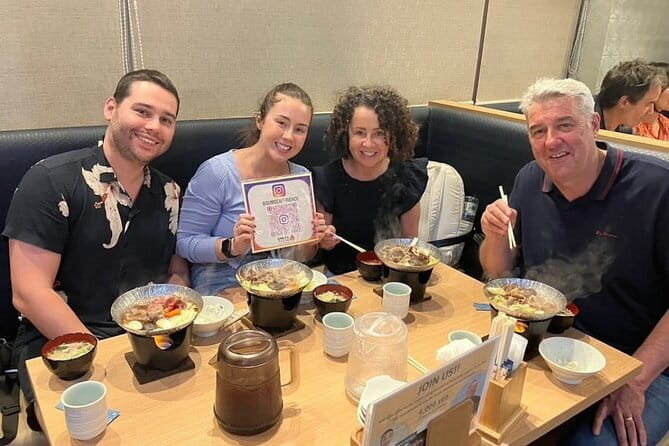
Because your walking portion is customizable, your best move is to pick your 2–3 stops first, then refine the order and pace with your guide after booking. The tour is designed so you can adjust directly, which is helpful in Tokyo when weather, crowds, and walking pace can change what makes sense.
Also, keep a little mental flexibility. Even on a private tour, you’ll benefit from letting the guide manage the flow between neighborhoods so you don’t spend your day in transit alone.
One added note from the experience: guides like Izumi are known for going beyond the planned stops—helping with extra train stations, ticket offices, and sights not originally on the itinerary list. That kind of practical assistance is exactly what makes a guide worth paying for.
Who This Tour Suits Best (and Who Might Skip It)
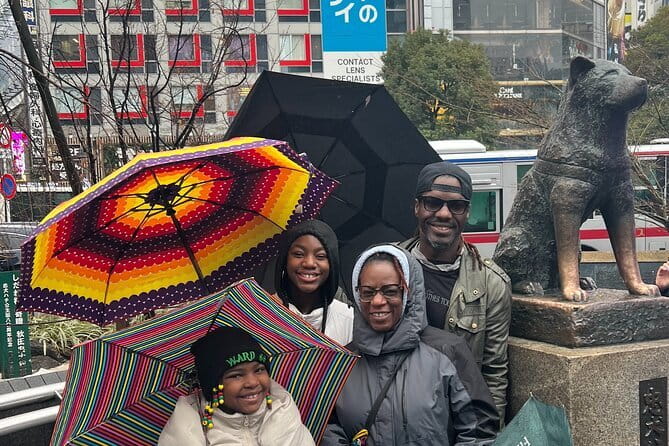
This tour makes sense if you’re in one of these situations:
- You’re in Tokyo for a short time and want a guide to help you choose and connect neighborhoods.
- You want a sumo experience that’s scheduled with your day, not something you need to plan separately.
- You like the mix of classic Tokyo (shrines, temple streets, gardens) and modern pockets (Akihabara, Shibuya-area viewing options, Odaiba).
You might skip it if:
- You prefer self-guided Tokyo with no structure at all.
- You’re trying to keep costs extremely low, since paid attractions you pick can add up.
- You’re mostly interested in very specific ticketed experiences and don’t care much about guided walking.
Should You Book This Tokyo Sumo Lunch and Guided Walk?
I’d book it if you want a smooth Tokyo day with a built-in cultural anchor. The sumo show lunch is the standout, and the guide + customization means you can steer the walking portion toward your interests instead of taking a one-size route.
If you’re the type who hates paying extra entry fees, plan your 2–3 stops with more free-admission choices. If you’re okay with adding a ticketed garden or viewpoint, this tour can feel like a high-value sampler platter.
One final thought: this is a walking-forward day with a scheduled lunch at 1pm. If you enjoy moving around and you want the guide to handle the order and timing, you’ll likely feel happy you booked.
FAQ
What does the tour include?
It includes a licensed local English-speaking guide, lunch at Yokozuna Tonkatsu Dosukoi Tanaka with a sumo show, and a customizable walking tour where you choose 2 to 3 stops from the provided sightseeing list.
What time does the sumo show lunch start?
The start time for lunch is 1pm.
How long is the tour?
The tour is about 6 hours.
Can I customize which sights I see?
Yes. After you book, you can customize the walking portion by choosing 2 to 3 sites from the listed options.
Are entrance fees included for all stops?
No. Entrance fees are not included, and the tour notes that admission tickets are included for some free items only. Some options are listed as admission not included.
Is Imperial Palace entry included?
No. The tour does not include access to the inside of the Imperial Palace.
Is transportation included?
No. The tour does not include a private vehicle or transportation fees, and any transportation costs are listed as not included.
Is this tour private?
Yes. It is a private tour/activity, and only your group participates.
What is the cancellation policy?
This experience is non-refundable and cannot be changed for any reason. If you cancel or request an amendment, the amount you paid will not be refunded.