REVIEW · TOKYO
Home Cooking with a Local Host (Optional Shiba Inu Picnic)
Book on Viator →Operated by Enrich Your Travel Japan · Bookable on Viator
Tokyo’s best food lessons happen at home. This private bento-making experience puts you in a real Japanese kitchen with a local mom, then sends you to a nearby shrine picnic with Ginta the Shiba Inu. You get step-by-step guidance in English, plus the bento box you cook in stays with you as a souvenir.
I especially love how practical this feels: you’re not just watching, you’re handling the process (and yes, you’ll be given the kitchen gear). Another standout for me is the picnic payoff, where your homemade lunch turns into a relaxed photo moment with Ginta, right by a shrine area.
One thing to consider: it’s a private tour with a set start time at Iidabashi Station (West Exit), and you’ll need to make your way to the station on your own since transportation isn’t included.
In This Review
- Key things to know before you go
- A real-home bento lesson in Tokyo’s Iidabashi
- How the 3-hour rhythm works (and why it helps)
- Bento making with a local mom: what you’re actually learning
- From kitchen to shrine: meeting Ginta the Shiba Inu
- What’s included (and what you’re paying for)
- Photos, photos, photos: how the memory part works
- Who this tour is best for
- Small etiquette moments that make the bento feel real
- Should you book this bento and Shiba Inu picnic?
- FAQ
- What time does the tour start?
- Where do we meet?
- How long is the experience?
- Is this a private tour?
- Do I get help in English?
- What happens during the bento-making part?
- Is there a picnic, and is the Shiba Inu included?
- What’s included with the tour price?
- What if I cancel?
Key things to know before you go
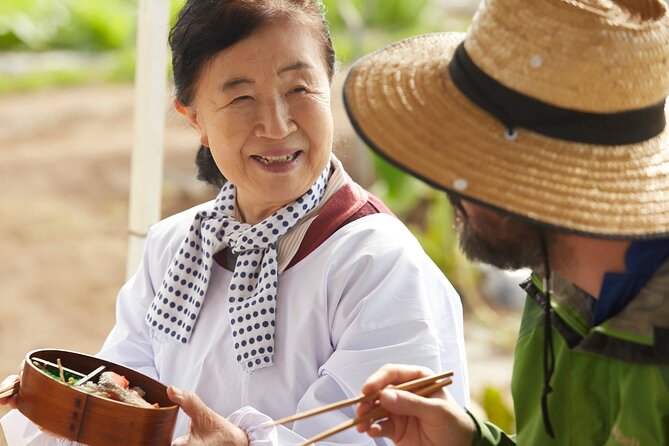
- Small private group (2–6 people) means you get personal help instead of rushing through steps
- Kitchen-ready supplies include apron, cooking cap, vinyl gloves, hand sanitizer, and your bento box
- English support covers translation and cultural context so you understand the why, not just the how
- A shrine picnic with Ginta the Shiba Inu turns your lunch into a memorable break
- Digital photos after the tour are included, so you can focus on cooking and eating
A real-home bento lesson in Tokyo’s Iidabashi
A bento class in Tokyo can range from highly choreographed to totally hands-off. This one aims for the middle ground: you get structure and English help, but the experience is still rooted in how families actually prepare lunch.
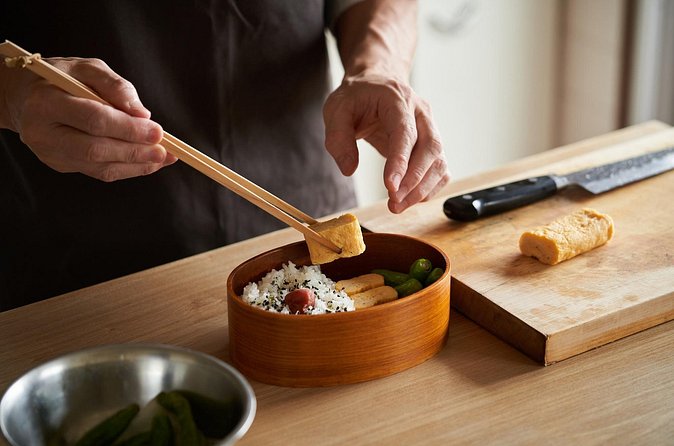
The big value here is that you’re learning the basics of a traditional handmade bento in a local mom’s kitchen. That matters because bentos aren’t just about lunch. They’re about portioning, balance, and making something that looks good and stays satisfying. When you make it yourself, you’ll understand the logic behind the components, not just the recipe list.
I also like that your guide doesn’t treat it like a show. The guide is there to translate and provide cultural insights while you cook. So if you’re wondering why something is cut a certain way, or how people think about lunch at home, you have someone to ask.
You can also read our reviews of more cooking classes in Tokyo


How the 3-hour rhythm works (and why it helps)
This tour runs about 3 hours, starting at 10:00 am and ending back near where you began. The pacing is built around two phases: kitchen time and picnic time. That’s smart, because bento-making is detailed work, while the picnic is the reward.
You meet at Iidabashi Station, West Exit at 10:00. Then you head to the home kitchen for about 1.5 hours of cooking. After that, you take a short walk (around 15 minutes) to the picnic area. From there, you’ll have about 1 hour to eat and take photos, including time with Ginta the Shiba Inu. Finally, the guide escorts you back to the station.
The main practical win: you won’t lose energy bouncing between far-flung locations all day. You’re centered in one area, and the day stays short enough that you can still enjoy the rest of Tokyo afterward.
Bento making with a local mom: what you’re actually learning
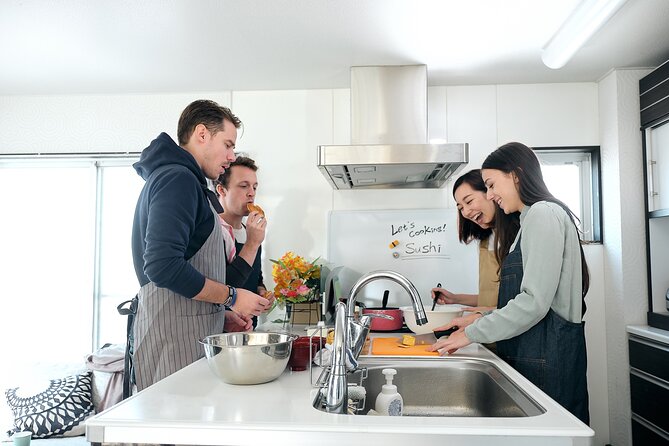
The heart of the experience is the time in the kitchen. You’ll cook with a Japanese mom’s guidance, and the guide provides translation and cultural commentary throughout. You’ll be given a kitchen setup that includes an apron, a cooking cap, and vinyl gloves, plus hand sanitizer.
That gear sounds small, but it changes how you feel. It makes the class feel more like you’re stepping into a family kitchen rather than performing tasks on someone else’s stage. And when you’re using gloves or caps, you can focus on technique instead of worrying about cleanup or mess.
You’ll also work with ingredients and follow guidance that supports making a traditional bento from scratch. While the exact menu isn’t spelled out in the materials you provided, the consistent promise is that you’ll get a high-quality result and guidance you can repeat later.
One detail that stands out from the experience accounts: people specifically highlighted that the instruction is step-by-step and that making the bento is easier than they expected once the process is explained clearly. Another repeated theme is learning Japanese dining habits too—especially how to eat in a way that feels natural in a home setting.
Also important: you don’t just leave with a story. You keep your authentic bento box as a souvenir. That turns the bento class into something useful for future meals or hosting friends at home.
From kitchen to shrine: meeting Ginta the Shiba Inu
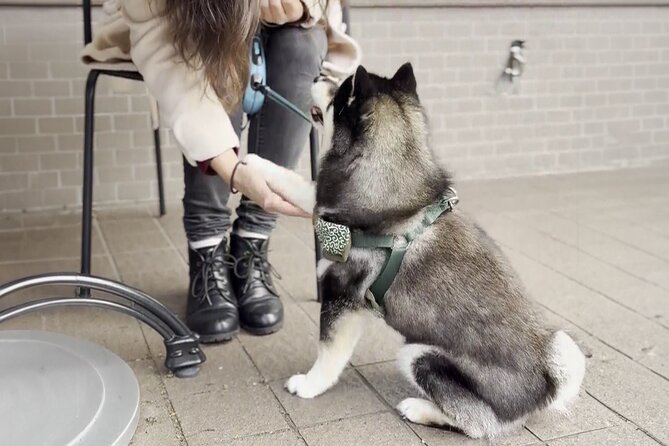
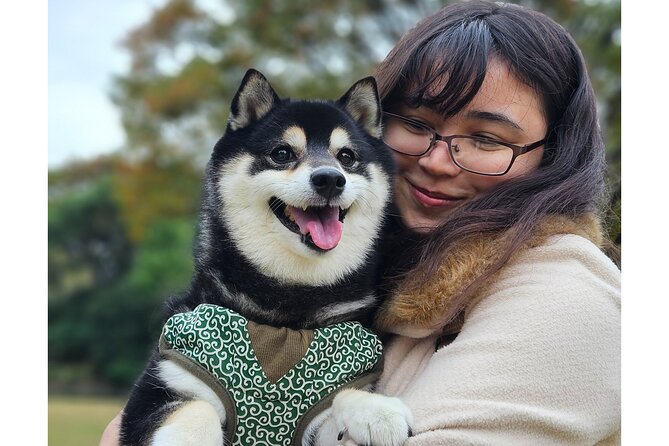
The picnic part is where this tour becomes more than food. Around 11:30, you walk to the picnic location where you meet Ginta the Shiba Inu. Then you settle in for about 1 hour of eating and photos.
Ginta isn’t just a mascot moment. Having a friendly Shiba around changes the mood. The picnic becomes slower, more playful, and less like a quick lunch break. You’ll also get plenty of photo opportunities—one reason this tour is a good choice if you want memories that feel distinctively Tokyo.
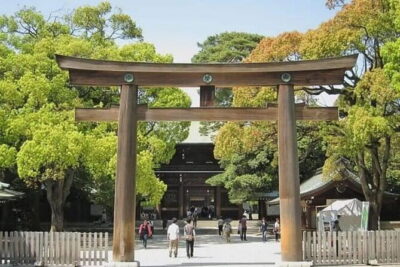
Your picnic is set in a park and shrine area nearby. In at least one experience account tied to this activity, the picnic stop was described at Kitanomaru Park with Ginta. Even if your exact park-and-shrine spot differs, the structure is the same: you’ll eat what you made and spend time taking photos in a calm outdoor setting.
Practical tip: bentos are best when you eat them without rushing. Bring your attention to the moment—open your box, taste the components in order, and enjoy that first bite before the photo spree starts.
What’s included (and what you’re paying for)

At $150 per person, this isn’t the cheapest food activity in Tokyo. But the price lines up with a few real costs: a private setting, English translation, ingredients, and the time of your hosts and guide.
Here’s what’s included:
- Bento making experience with recipe and guidance
- Apron, cooking cap, hand sanitizer, vinyl gloves, and bento box
- Local guide with English and Japanese support
- Photo service: photos taken by the guide and shared after the tour at no extra charge
- Liability insurance covering injury and damage at visited sites (excluding intentional acts)
What’s not included:
- Private transportation. The guide takes you to and from the home area during the tour, but you handle getting to Iidabashi Station yourself.
When I think about value, I look at the swap you’re making: you’re paying for a private, hosted experience that gives you both a meal and a repeatable skill. Many cheaper cooking classes give you a dish and a stamp on a passport. This one gives you the bento box you made plus the method—exactly the kind of souvenir that doesn’t end up in a closet.






Photos, photos, photos: how the memory part works
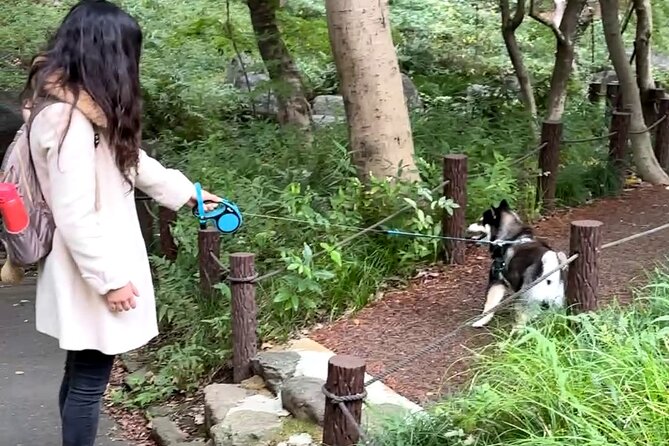
This tour includes a photo service, and the photos are distributed after the tour at no extra cost. That’s a smart inclusion for a couple reasons.
First, you can enjoy the cooking without constantly juggling your camera. Second, it means someone else handles the tricky moments—group shots during the picnic, Shiba-and-bento photos, and the in-between shots you’d normally miss when you’re focused on food.
If you’re the type who likes to document meals, this is a big plus. If you’re not, it still helps because the guide is there to capture the experience while you focus on eating.
Who this tour is best for
This is a private tour limited to small groups (2–6 people). That makes it a good fit if you want a quieter, more personal cooking session rather than a large class.
You’ll likely love it if:
- you want a hands-on Tokyo bento skill you can bring home
- you enjoy food experiences with cultural context, not just instructions
- you like animals and want your picnic to feel special, with Ginta the Shiba Inu
- you prefer English support and clear translation during hands-on cooking
It may not be the best fit if you need lots of flexibility in start times or you dislike structured, time-based activities. The tour runs at a set time and stays tight to the cooking-and-picnic rhythm.
Small etiquette moments that make the bento feel real
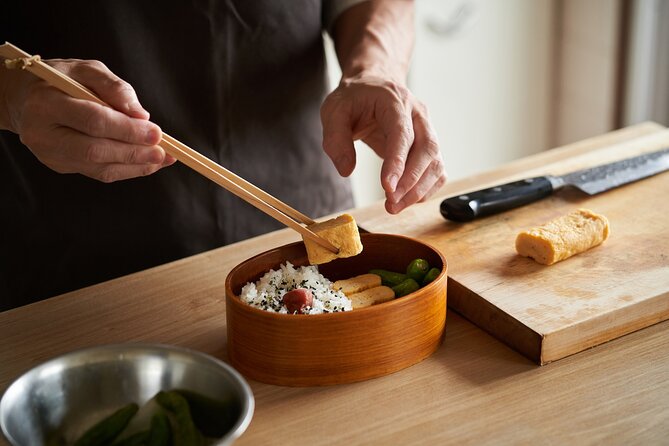
Bento culture comes with unspoken rules. Your guide’s translation and cultural commentary help you understand how Japanese households think about lunch—how it’s assembled, how it’s presented, and how it’s eaten.
One experience note you shared mentioned learning Japanese dining manners during the broader meal experience. Even if you don’t obsess over etiquette, you’ll feel the difference in how you handle your box and how you eat once you understand the purpose behind the process.
This is one of those tours where you’ll probably talk less and watch more at first, then suddenly it clicks once you start handling the components yourself. The guide’s job is to make that transition smooth.
Should you book this bento and Shiba Inu picnic?
Yes, if you want a Tokyo food memory that isn’t just a meal. This tour is strong on hands-on cooking, English guidance, and a picnic setting that’s genuinely different—thanks to Ginta and the shrine-area vibe.
I’d book it if:
- you’re excited to make something you’ll actually use again at home
- you value a private group experience (small scale, more help)
- you want both the learning and the fun photos without extra planning
I’d think twice if you’re trying to do the absolute cheapest thing on your schedule. At $150, you’re paying for a hosted experience and included photo support, not just ingredients and a quick bite.
FAQ
What time does the tour start?
The tour starts at 10:00 am.
Where do we meet?
You meet at Iidabashi Station, West Exit.
How long is the experience?
It runs for about 3 hours (approximately).
Is this a private tour?
Yes. It’s a private tour/activity, limited to a small group (2–6 participants), and only your group participates.
Do I get help in English?
Yes. You’ll have an English guide with translation and cultural insights. The staff is described as bilingual (English and Japanese).
What happens during the bento-making part?
You’ll cook in a Japanese home kitchen for about 1.5 hours, with guidance from the host and help from your guide, including aprons and other kitchen supplies.
Is there a picnic, and is the Shiba Inu included?
Yes. After cooking, you’ll walk to the picnic location, meet Ginta the Shiba Inu, and have about 1 hour for your picnic.
What’s included with the tour price?
Included: bento making experience (recipe and guidance), apron/cooking cap/hand sanitizer/vinyl gloves/bento box, local bilingual guide support, and a photo service where photos are provided after the tour.
What if I cancel?
This experience is non-refundable and cannot be changed for any reason. If you cancel or ask for an amendment, the amount paid isn’t refunded.