REVIEW · TOKYO
Tokyo : Kamikaze Street Drift Ride
Book on GetYourGuide →Operated by BIZAKURA Co Ltd · Bookable on GetYourGuide
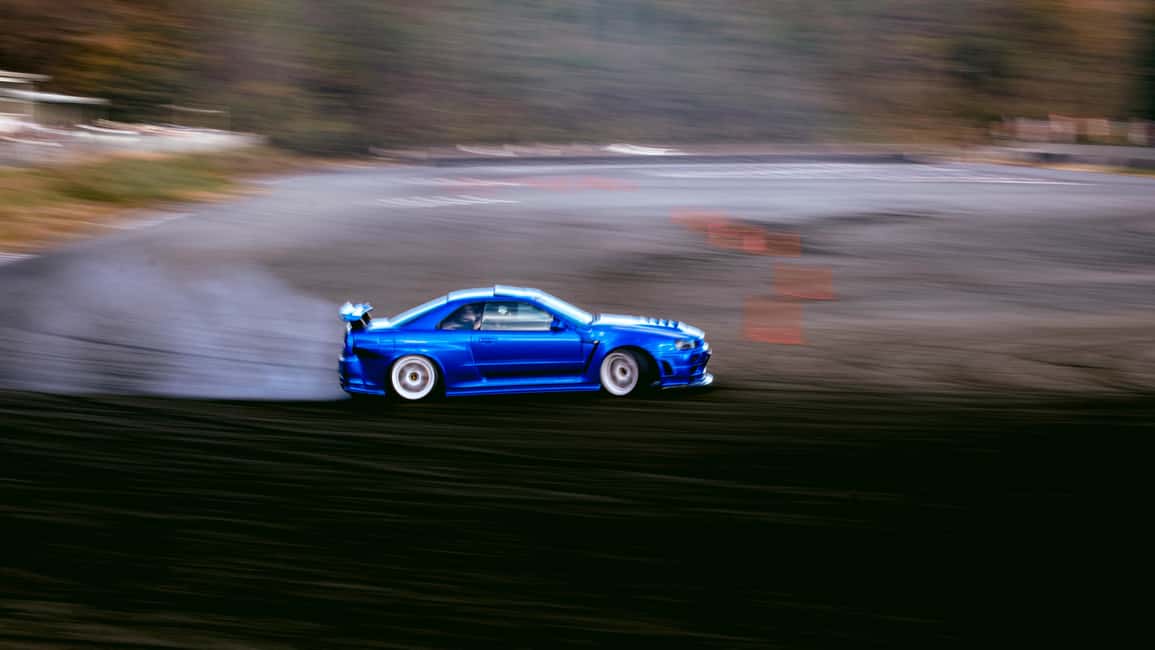
Smoke, sideways cars, and zero classroom time. This Kamikaze Street Drift Ride puts you in the passenger seat with skilled Japanese drifters in JDM legends like the Skyline R34 and Silvia S14/S15, and you’re doing real track laps instead of watching from behind a fence. The group vibe helps too: you’re not just buying tickets, you’re joining an international drift crowd for a full day of engines, music, and track chaos. One consideration: this is not a driving school, so if you want to steer yourself, you won’t get that here.
What I especially like is the focus on the experience, not lessons—after a safety briefing, you climb in and start riding the drift. I also like that you leave with professional proof of the day: photos and videos captured during your rides, not just your own shaky phone shots. For some people, the physical safety requirements (long sleeves, long pants) and the health limits may matter more than the thrill.
In This Review
- Key Points That Matter Before You Go
- Shinjuku Meet-Up and How the Day Gets Its Traction
- Passenger-Seat Only: The Best Way to Feel Drifting Without a Driving License
- The JDM Cars You’re Actually Riding In (Not the Ones That Sound Good on Paper)
- The Track Names You’re Going To: Ebisu, Fuji Speedway, Nikko, and More
- Between Rides: Crew Hosting, Group Energy, and Not Just Photos
- Pro Photos and Video: The Stuff You’ll Actually Want to Save
- Price and Value: What $387 Buys You for a Full JDM Day
- What to Bring: Safety Clothing That Also Helps You Look the Part
- Who Should Book, and Who Should Skip This Drift Day
- Should You Book This Kamikaze Street Drift Ride?
Key Points That Matter Before You Go
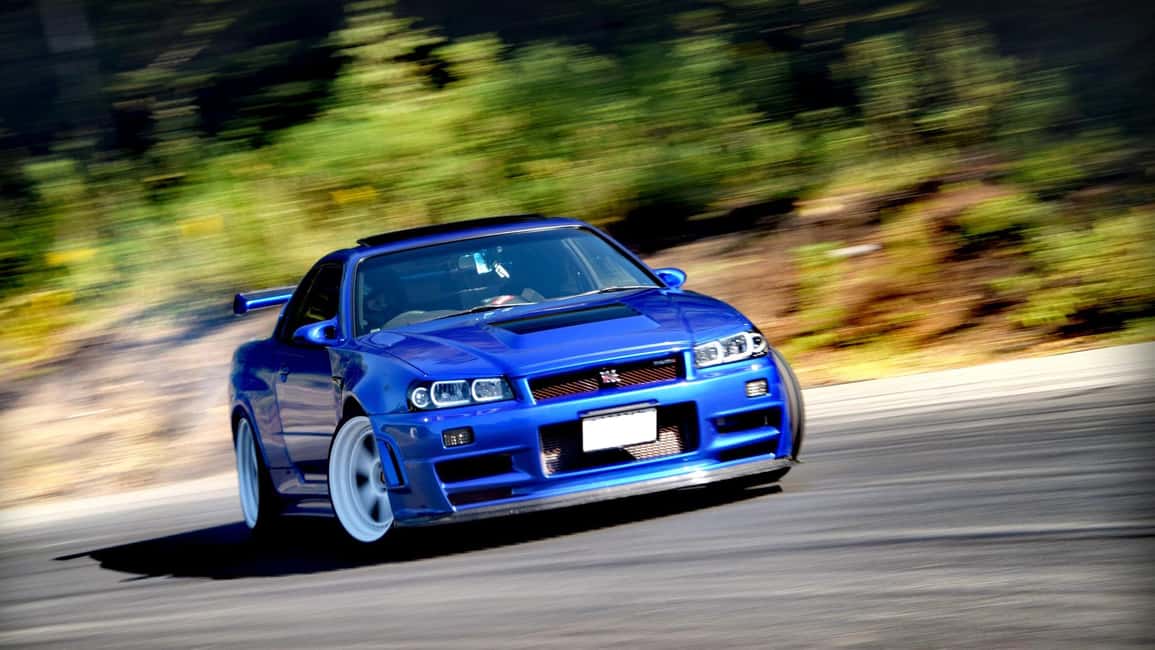
- Passenger-seat thrill only: you get to enjoy the sliding without learning how to drive.
- True drift crew energy: Japanese drifters hosting alongside an international crowd.
- JDM lineup on track: Skyline R34, Silvia S14/S15, Chaser, Supra, and other car-culture icons.
- Track-name credentials: Ebisu, Fuji Speedway, Nikko, and other legendary circuits.
- Pro photos and video included: you’ll have edited memories ready to keep, not just raw moments.
- Dress for safety first: long sleeves and long pants are mandatory for the smoke-and-speed part.
Shinjuku Meet-Up and How the Day Gets Its Traction
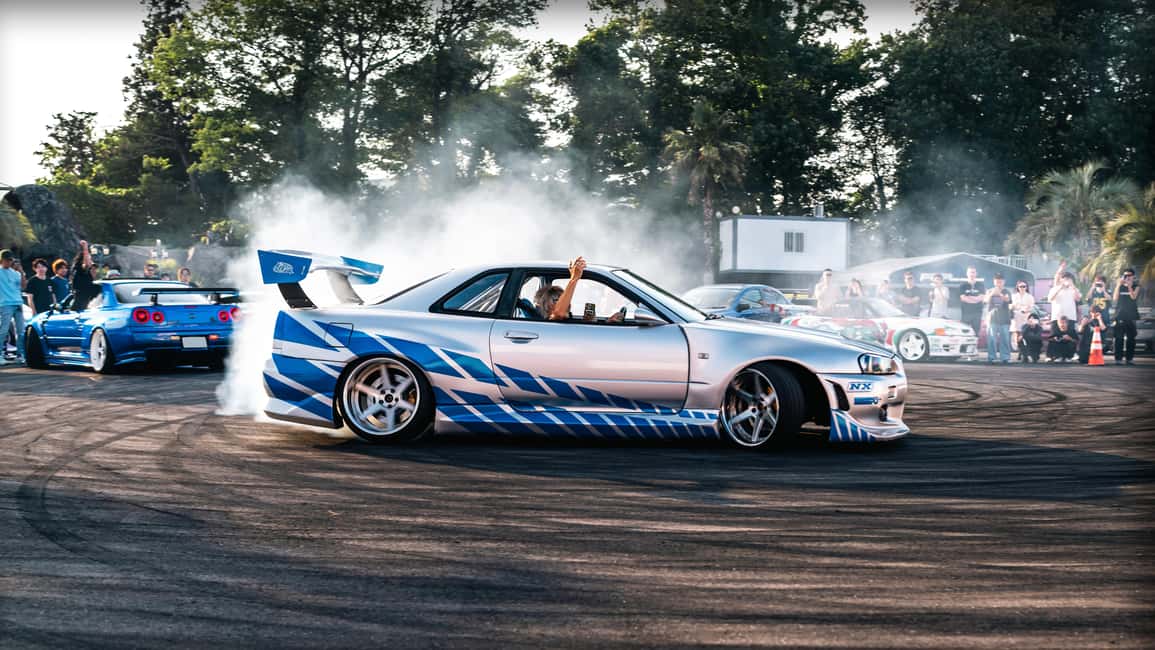
The day starts in Tokyo, with pickup in Shinjuku around 8:30 a.m. You meet the Kamikaze Wild Drifters Crew, get sorted with the group, and then link up before heading out of the city. If you’re staying in central Tokyo, that included transport option is a big deal. Tokyo traffic can be a headache, and having someone handle the timing lets you focus on the fun.
Once you’re on the road, the day slowly stops feeling like a tour and starts feeling like a drift event. You’ll be surrounded by other car fans, which matters because drift is loud, fast, and a little chaotic—in the best way. When you arrive, the atmosphere hits quickly: smoke in the air, engines already working hard, and cars positioned like they’re about to move. This is the kind of environment where people stop talking and start watching. And you’re going to be part of it.
The timing is built for a full day: you’re looking at about 7 hours total, with return to Tokyo around 5:30 p.m. That’s long enough to get multiple track moments, but not so long that the day turns into a tired blur.
You can also read our reviews of more tours and experiences in Tokyo.



Passenger-Seat Only: The Best Way to Feel Drifting Without a Driving License
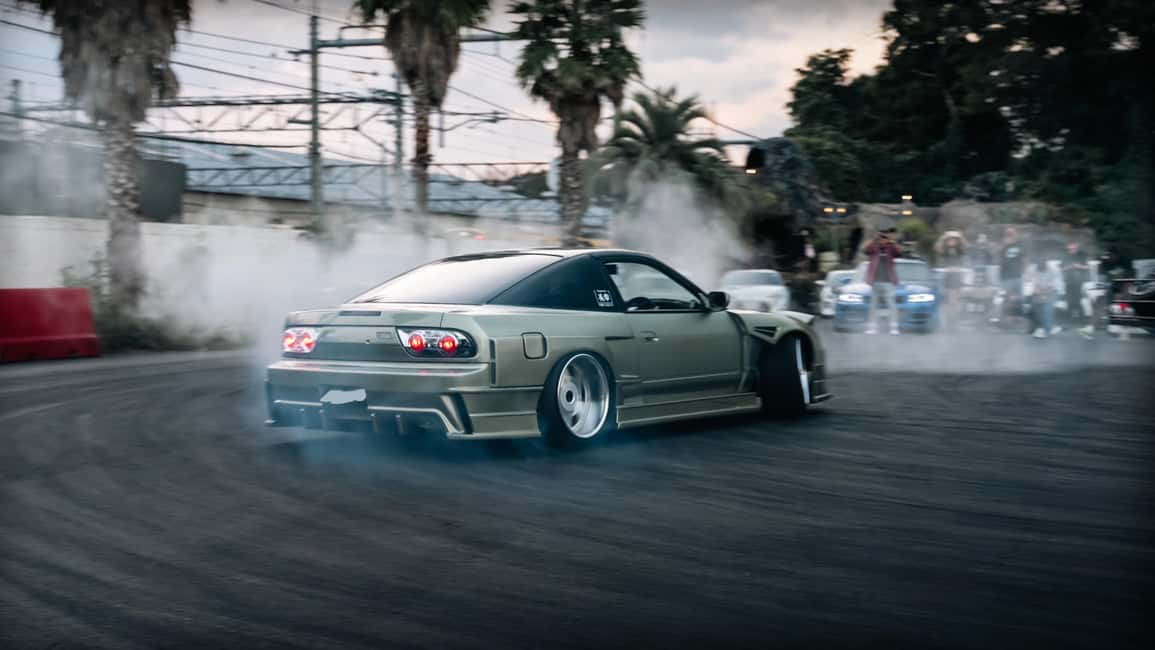
This is the core idea: you ride in the passenger seat. After a safety briefing, you spend your time on-track taking drift laps with skilled Japanese drivers who do this for real—not instructors who spend the morning teaching fundamentals.
That design changes the whole vibe. A driving lesson is about control, patience, and learning lines. A drift ride is about sensation: speed, weight transfer, and the way the car rotates when the tires find grip and then lose it on purpose. Since you’re not learning the technique, you can focus on experiencing the run the way drift fans do—eyes forward, heart going, and ears ringing.
If you’re a car person, this is also a smart way to manage your limits. You still get intensity, but you’re not responsible for the mechanical side of the day. And based on the overall tone from people who booked, that’s exactly why they rate it so highly: it feels like the real deal, not a gimmick.
The tradeoff is simple: you can’t choose your own driving style. If you came to Tokyo hoping to master drift yourself, you’ll need a different kind of experience.
The JDM Cars You’re Actually Riding In (Not the Ones That Sound Good on Paper)
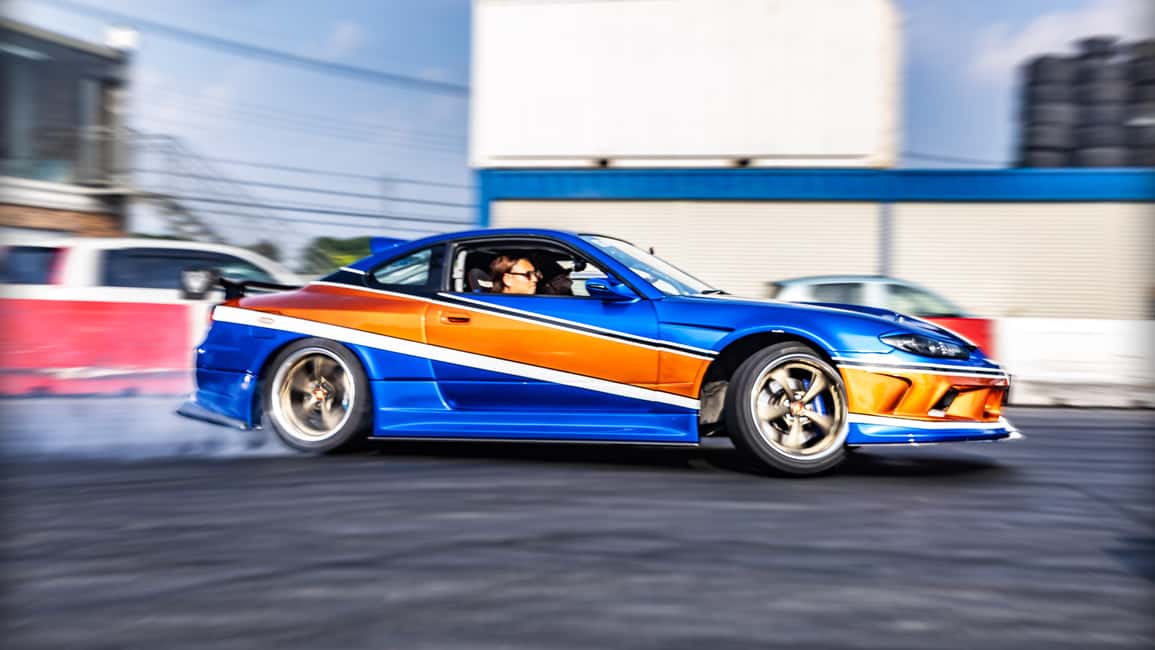
The cars are part of the point. You’re not stepping into a generic “track car experience.” You’re riding in machines tied to Japanese car culture—cars that drift fans recognize instantly.
The lineup you might ride includes:
- Nissan Skyline R34 (the icon everyone knows)
- Nissan Skyline R33 (also mentioned)
- Nissan Silvia S14/S15
- Toyota Supra (mentioned in ride descriptions)
- Toyota Chaser (mentioned)
- And other JDM drift cars
Seeing those names is one thing. Being in the passenger seat of them is another. These cars have a reputation for a reason, and drift drivers know how to keep them planted while still making the car dance. You’ll feel the difference in engine character and how the car responds during a slide—especially when you’re close enough to hear the engine changes mid-corner.
One small but important note: you’ll be joining a day run by a crew, and cars can vary by lineup availability and track plan. So think of this as a chance to ride multiple JDM icons during a real track day rhythm, rather than a promise of one exact model every lap.
The Track Names You’re Going To: Ebisu, Fuji Speedway, Nikko, and More
You’re taken to legendary drift circuits, including Ebisu, Fuji Speedway, Nikko, and more. Even if you don’t know the layouts, these names matter because they’re tied to Japan’s drift scene—places where the culture grew and where drifting is treated like motorsport, not backyard chaos.
From a value standpoint, the track variety is a big win. One circuit can be exciting, but having multiple legendary venues within a single day gives you variety in feel: different grip levels, different corner rhythm, and different track atmosphere. You also get a sense of how the drift world works across venues, not just one location staged for tourists.
Practical reality: you’ll be outside a lot and the day is performance-focused. Expect noise, smoke, and fast-moving cars around the circuit. That’s part of what you’re paying for. If you prefer quiet sightseeing days, this won’t match your energy. If you love cars and action, this will hit.
Between Rides: Crew Hosting, Group Energy, and Not Just Photos
Drift days have a rhythm. You do runs, you wait, you reset, you watch the next car approach, and you repeat. The best experiences handle the waiting part well, because that’s when the day becomes social and memorable, not just loud.
Here, the Kamikaze Wild Drifters Crew hosts and guides throughout the day. You’ll hang around between rides with the group energy—music playing, chats happening, and people swapping stories like they’ve met through the same obsession. That matters because you’ll remember the vibe as much as the laps.
Also, the day includes photographers and videographers on site capturing your reactions and the action. That’s not a small detail. In a moment like drift, your adrenaline spike and the car’s angle happen fast. Being able to watch polished footage later means you don’t have to guess what you actually saw while you were gripping the seat.
And yes, there’s a chance you might try drifting in a practice car if you’re lucky. That’s not something to assume, but it’s a fun possibility tied to the way the day sometimes works for participants.




Pro Photos and Video: The Stuff You’ll Actually Want to Save
One of my favorite parts of any high-intensity activity is leaving with proof that doesn’t rely on shaky memory. Here, professional photos and videos are included, and they’re captured during your ride and the event.
Why that’s valuable: when you’re on a circuit, you’re focused on the sensation. You won’t have the clean angle of a photographer. You won’t catch every moment the tires break traction and then recover. Later, having edited shots and clips turns your day into a real souvenir you can share and keep—without needing to spend your whole time thinking about your camera.
This also helps you enjoy the run more. You’re not stuck wondering if you got a good photo. Someone else is tracking the angle and the moment. You can just ride.
Price and Value: What $387 Buys You for a Full JDM Day
At $387 per person for roughly 7 hours, you’re not buying a quick demo. You’re paying for a full-day setup: transport from Shinjuku, access to legendary circuits like Ebisu and Fuji Speedway, multiple drift laps with skilled Japanese drivers, safety support, and professional media capture.
If you break it down, the value comes from three places:
- The passenger-seat drift laps themselves. You’re riding in JDM icons with experienced drivers, not doing a short pass.
- Track access to major circuits in Japan. Those venues don’t feel small or casual, and the day uses that kind of infrastructure.
- Included media. Photos and videos change how you experience the day and how you remember it afterward.
Could meals be a factor? Yes—meals and drinks aren’t included, so you may want to plan food around pickup times and track breaks. That’s normal for motorsport-style days, but it’s something to budget in your head so you don’t feel stuck later.
Also, you should mentally compare this to other Tokyo experiences that are “highly themed” but don’t include serious track laps. This one’s different because the entire day’s purpose is drift.
What to Bring: Safety Clothing That Also Helps You Look the Part
The safety rules are straightforward, and they’re not optional. Long-sleeved shirts and long pants are mandatory, and you’re told to bring sports shoes. That’s not just for paperwork—drift days involve smoke, heat, and track conditions where coverage matters.
You’ll also see guidance to wear fire-resistant gear that’s safety-proof. I’d take that wording seriously when packing. If you have proper protective clothing, bring it. If you don’t, at minimum follow the mandatory clothing guidance closely so you’re not scrambling at the last minute.
A few packing tips that keep the day smooth:
- Wear or bring comfortable sports shoes. You’ll likely walk between waiting areas and track spots.
- Bring layers if the weather is changeable, since you’ll be outside much of the day.
- Keep your phone protected. Phones are great for quick clips, but you won’t be the main media capture—pro staff are.
You’ll get a safety briefing on site, but your clothing is something you control before you arrive. Do that right, and the day feels easier.
Who Should Book, and Who Should Skip This Drift Day
This is intense fun. It’s also not for everyone.
Not suitable for:
- Children under 15
- Pregnant women
- People with heart problems
- People with high blood pressure
- People over 70
That list isn’t random. Drift involves speed, vibrations, smoke, and adrenaline spikes. If any of those are concerns for you, don’t try to talk yourself into it. Choose a different kind of experience that matches your comfort level.
If you’re the type who loves car culture—especially Japanese cars—you’ll likely have a strong match here. If you want to sit in the passenger seat of legendary drift cars and feel the slide for yourself, this is built exactly for that.
And if you’re traveling alone or with friends who don’t want to learn to drive but want the action, the passenger-only structure is ideal. You’ll still get the same core thrill without the complexity.
Should You Book This Kamikaze Street Drift Ride?
If you want a full-day, high-adrenaline Tokyo experience tied to real drift circuits, I think this is a smart booking. The value is strongest for people who care about JDM cars, want the authenticity of being inside the action, and appreciate that pro photographers and videographers are part of the package.
I’d skip it if you’re looking for a calm sightseeing day, or if you want hands-on driving instruction. Also don’t book if the safety or health restrictions apply to you. And if you hate being outside around loud engines and smoke, you’ll feel that discomfort quickly.
Bottom line: if your dream day is a track day with iconic Japanese cars, multiple laps, and the kind of group energy that makes the hours fly, book it and plan your day around proper clothing.