REVIEW · TOKYO
7 Kinds of Sake Tasting with Complementary Foods
Book on Viator →Operated by True Japan Tour · Bookable on Viator
If sake feels intimidating, this makes it click. You get 7 regional sakes and pairing guidance with a certified sommelier in about 1 hour 15 minutes. The food isn’t an afterthought either, and it helps you understand what to sip and why.
I like that this is built for beginners without being boring. You’ll start with the basics of how sake is produced and the different styles you’ll taste, then move through types like sparkling, sweeter options, and even sakes that work with desserts.
One thing to consider: it’s not a full meal with unlimited extras. You’ll get the included courses and sips, but any additional food or beverages cost extra.
In This Review
- Key things that make this tasting worth your evening
- Where the tasting happens (and why it’s easier than it looks)
- What you actually taste: 7 sake styles and what to listen for
- How the pairing works: 7 dishes that teach you (not just feed you)
- A sommelier moment: turning a drink into a story
- Step-by-step flow of the 6:15 pm tasting
- 1) You start with basics: what sake is and how it’s made
- 2) First tastings: sparkly or light styles to set the baseline
- 3) Next: regional variety and flavor direction
- 4) A sweet turn, then dessert pairing
- 5) You finish with a clearer sense of what to order later
- Value check: $107.50 and why it’s not just a drink sampler
- Logistics that help: mobile tickets, public transit, and getting in on time
- Who this is perfect for (and who might want a different plan)
- Should you book it?
- FAQ
- How long is the 7 Kinds of Sake Tasting with Complementary Foods?
- What is included in the experience?
- What time does the tasting start?
- Where does the tour meet?
- Are extra foods or beverages included?
- Can I bring dietary requirements?
- What is the cancellation policy?
Key things that make this tasting worth your evening
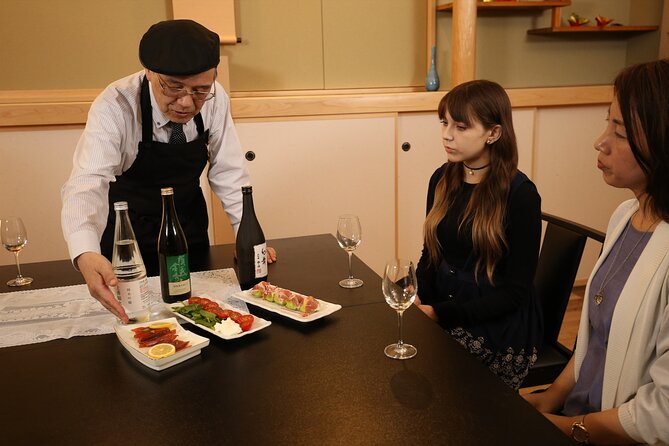
- Certified sake sommelier-led session that explains what you’re tasting and how to notice differences
- Seven sakes from different regions, including styles you might not see in a typical bar
- Seven complementary dishes built to show you pairing logic, including dessert-friendly choices
- Beginner-friendly pacing: history and production basics, then straight into tasting
- Dinner-sized bites that many people find satisfying enough for a real supper
- Small-feeling group vibe (even though the cap is 100), helped along by the hosts’ friendly teaching
Where the tasting happens (and why it’s easier than it looks)
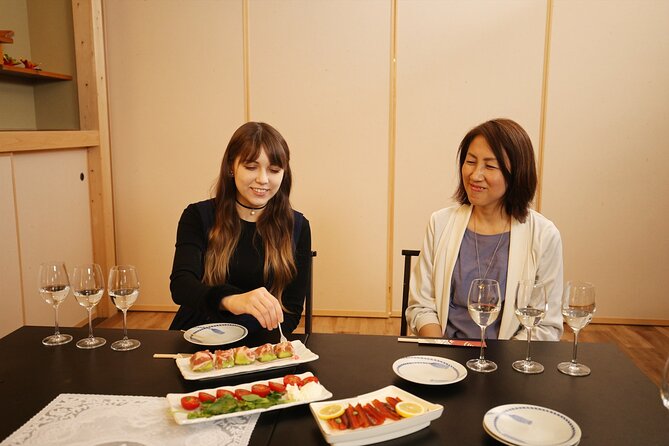
The meetup is at Kikai Shinkō Kaikan in Minato City, near Shibakōen. The setting can look unusual at first—people often spot it as being in a basement of an office building across from Tokyo Tower—but once you’re there, the flow is straightforward.
This matters because Tokyo has a lot of “find the office” situations. Here, you’re not searching for a tiny bar with a secret door. You’re going to a dedicated meeting point, and you’ll return there at the end.
The session starts at 6:15 pm, and it runs about 1 hour 15 minutes. That timing is smart: it slots neatly between your early dinner hunt and the late-night wandering that Tokyo does so well.
You can also read our reviews of more food & drink experiences in Tokyo



What you actually taste: 7 sake styles and what to listen for
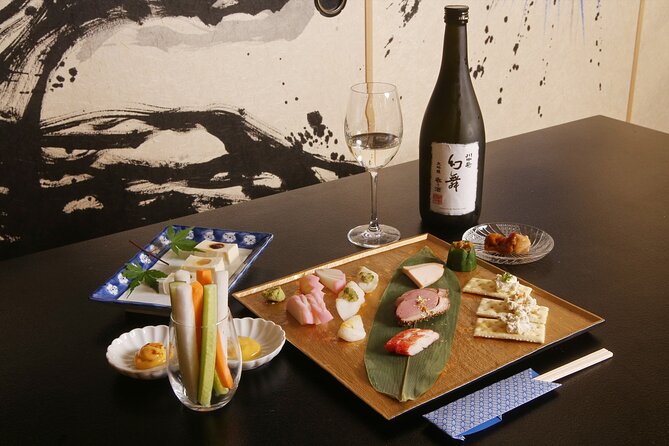
This isn’t a random flight. You’re sampling 7 different kinds of Japanese sake, selected to show how styles vary across Japan. The tasting order is planned so you can compare easily—sparkling options, drier and lighter styles, sweeter picks, and even sakes that are meant to pair with dessert.
What I like about this setup is that you start learning before you overthink. Instead of memorizing labels, you focus on practical cues: how the sake feels on the palate, how it changes with a bite, and which styles you naturally reach for.
If you’ve ever wondered why one sake tastes “smooth” while another tastes “sharp,” this kind of structured comparison is exactly where those impressions start to make sense. You’ll also get explanation of the history of sake and how sake is made, which helps you connect the taste to the process rather than treating sake like magic.
How the pairing works: 7 dishes that teach you (not just feed you)
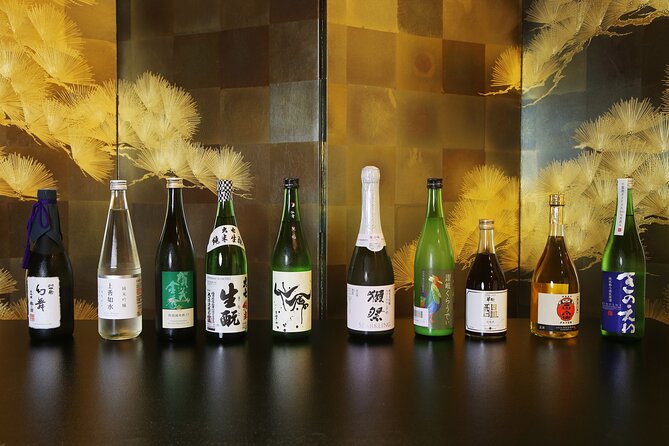
The main reason this experience lands well is the pairing. You’ll eat 7 complementary dishes alongside the 7 sakes, and the pairing isn’t only Japanese-only. The program uses a multi-course set of complementary dishes that include Japanese and Western elements, so you’re not stuck in one flavor world for the whole night.
Here’s the practical takeaway: pairing is really about balance. Each dish is there to show you what the sake does when it meets salt, fat, umami, or sweetness. When dessert-friendly sake shows up, you learn that sake isn’t limited to savory moments—it can work for late-night cravings too.
In addition, the hosts explain what’s happening in plain terms. You’re not left staring at your cup and trying to guess. That matters if you’re new and want to leave with usable instincts, not just good photos.
A sommelier moment: turning a drink into a story
The session is led by a nationally accredited sake instructor / certified sake sommelier. That’s not just a fancy title. It changes the vibe because the talk is guided toward tasting—how to appreciate differences, and how to understand the labels you’ll see later.
You’ll get pointers on how to notice what you like. By the end, the goal isn’t to crown a single winner—it’s to help you recognize your preferences. That’s a big deal in Tokyo, where you can go from a casual izakaya to a sake-focused restaurant fast, but the menu language can feel like homework.
The best part is how the teaching stays tied to the glass. Instead of separate “lecture then tasting,” the explanations connect while you’re tasting, which keeps the whole thing from feeling long.
Step-by-step flow of the 6:15 pm tasting
Here’s what the structure feels like based on how the program is described and how it’s delivered on-site. (Think of it as a guided tasting rhythm: sample, bite, compare, learn.)
You can also read our reviews of more drinking tours in Tokyo


1) You start with basics: what sake is and how it’s made
You’ll begin with an overview of sake’s history, plus the basics of production. This isn’t meant to overwhelm. It’s the fast foundation that lets the next parts make sense.
If you’ve been confused by terms on menus, this is where your brain gets organized.
2) First tastings: sparkly or light styles to set the baseline
You’ll start with one of the lighter or sparkling options (the program specifically notes a range that includes sparkling styles). This gives you a baseline for acidity, freshness, and aroma.
You’ll be guided to taste with intention—small sips, then a bite—so you understand how the pairing shifts the experience.
3) Next: regional variety and flavor direction
As the session continues, the program highlights sakes from seven regions of Japan. This matters because it keeps you from treating sake like one thing. You’ll taste differences and learn how those differences affect your preference.
This is where you start picking up patterns: what you tend to like in drier styles versus sweeter ones.
4) A sweet turn, then dessert pairing
The tasting includes sweet sake options and also sakes meant for dessert pairings. That’s a rare combo if you’ve only thought of sake as a savory drink.
Even if you’re not a dessert person, it’s still useful because you learn how sweetness in sake changes how food reads to your palate.
5) You finish with a clearer sense of what to order later
By the end, the hosts aim to leave you with a short list of what you like: smoother versus sharper, lighter versus sweeter, and which pairings make sense for your own dinner plans later.
Value check: $107.50 and why it’s not just a drink sampler
At $107.50 per person for roughly 1 hour 15 minutes, you might wonder if this is overpriced. Here’s the value logic that makes it more than a pour-and-go tasting.
You’re paying for:
- A certified sommelier’s guided instruction
- Seven separate sake tastings
- Seven paired dishes (not just a bite-sized snack)
- A structured comparison across multiple sake styles and regions
Also, the time matters. You’re not spending your evening jumping between bars to chase “one good flight.” This is concentrated learning plus dinner-ish food in one stop, starting at a convenient hour.
There’s also a group element. The offering notes group discounts, and the overall activity is capped at 100 travelers—so it’s designed as a proper group session rather than a chaotic crowd.
Logistics that help: mobile tickets, public transit, and getting in on time
This experience uses a mobile ticket, and it runs with near public transportation. That’s a big deal in Tokyo—small delays happen, and you don’t want your evening to unravel because the meetup is hard to reach.
You also get confirmation within 48 hours of booking, depending on availability. If you’re traveling in peak season, plan ahead. On average, bookings are made about 24 days in advance, which suggests this one fills at a reasonable pace.
Who this is perfect for (and who might want a different plan)
This is ideal if you:
- Want a first serious sake experience without needing prior knowledge
- Like learning that stays tied to real tasting and real food
- Are planning to eat around Tokyo later and want ordering confidence
- Want dessert-friendly sake guidance, not just “try a dry one”
It may be less ideal if you:
- Expect unlimited drinks or a long, slow dinner (the included food and sips are the point)
- Have strict dietary needs and can’t share them in advance—your best move is to let the organizer know ahead of time
Should you book it?
Yes, book it if you want a high-signal introduction to sake in Tokyo. The mix of seven regional sakes plus seven paired dishes creates real learning, not just a tasting flight. And because the session is led by a certified sommelier, you’ll leave with practical instincts for what to try next.
If you’re on the fence, ask yourself one question: do you want your sake experience to be random, or guided toward the kinds of flavors you’ll actually enjoy? This tour is built for the guided option, with enough food to feel like a complete evening stop.
FAQ
How long is the 7 Kinds of Sake Tasting with Complementary Foods?
It lasts about 1 hour 15 minutes.
What is included in the experience?
You get 7 different kinds of Japanese sake and 7 complementary dishes. It’s also led by a nationally accredited sake instructor.
What time does the tasting start?
The session start time is 6:15 pm.
Where does the tour meet?
The meeting point is Kikai Shinkō Kaikan, 3-chōme-5-8 Shibakōen, Minato City, Tokyo 105-0011, Japan.
Are extra foods or beverages included?
No. Any extra food or beverages are not included.
Can I bring dietary requirements?
Yes—let the organizer know if you have any dietary requirements.
What is the cancellation policy?
You can cancel for a full refund if you cancel at least 24 hours before the experience start time. Free cancellation is available, and timing is based on the local time where the activity takes place.