REVIEW · TOKYO
Tokyo 6hr Private Guided Tour & Japanese Sweets Making Experience
Book on Viator →Operated by Japan Guide Agency · Bookable on Viator
Tokyo feels huge. So you need a plan. This private guided day mixes classic sights with real neighborhood texture, then ends with hands-on wagashi (Japanese sweets) making in Asakusa, guided step by step.
I especially like the one-on-one attention. You can steer the pace, ask questions, and get practical answers that usually stay locked behind crowded tour groups. I also love that you get more than photos: you learn the “why” behind places like Sensoji and Meiji Jingu, and you finish with something you helped create.
One thing to consider: the day is private, but it is still built around public transit. If you are not comfortable with trains and walking, you’ll want to budget energy and time for getting between neighborhoods, and some garden stops have admission not included.
In This Review
- Key Highlights You’ll Actually Feel During the Day
- How This Private Tokyo Tour Works (And Why It’s Worth It)
- Value: What You Pay For (Besides Getting From A to B)
- Best Pairing: Asakusa + Wagashi Making (The Part You’ll Remember)
- Stop Guide: What Each Chosen Site Gives You (And What to Watch)
- Jidaiya: A More Focused, Culture-Learning Start
- Asakusa + Sensoji Temple: Traditional Tokyo, Up Close
- Tsukiji Fish Market: Food Energy and Market Life
- Meiji Jingu Shrine: Calm, Shrine Culture, and Easy Transit Access
- Shinjuku Gyoen National Garden: A Break From the City Grind
- Koishikawa Korakuen Garden: Older Garden Feel for Quiet Walkers
- Hamarikyu Gardens: Tides, Seawater Ponds, and a Teahouse Setting
- Imperial Palace: Outside-Only Views (Plan Accordingly)
- Rikugien Garden: Poetic Garden Design
- Akihabara: Electronics, Pop Culture, and a Different Tokyo Mood
- Takeshita Street (Harajuku): Teenage Fashion Culture Nearby
- Shinjuku Golden Gai: Small-Lane Nightlife Atmosphere
- What the Guide Actually Adds (Beyond “Seeing” the Sights)
- Timing and Energy: How to Plan Your 6 Hours
- Who This Tour Fits Best (And Who Might Want Something Else)
- A Few Booking Tips Before You Choose Your 2–3 Stops
- Should You Book This Private Tokyo Tour?
- FAQ
- Is this tour private?
- What’s included in the price?
- Can I visit all the listed places in one day?
- Does the tour include transportation?
- Can I enter the Imperial Palace?
- Who is this tour for age-wise?
Key Highlights You’ll Actually Feel During the Day
- Private, licensed local guide with the flexibility to customize your route
- Asakusa wagashi workshop where you make sweets by hand
- Choose 2–3 sites from a menu of Tokyo landmarks and neighborhoods
- Many major stops are free to enter, which helps your value
- Imperial Palace viewing is outside only, so you won’t plan around an inside visit
- Good support for train navigation from your guide, especially for first-timers
How This Private Tokyo Tour Works (And Why It’s Worth It)
This is a true private tour, meaning it’s just your group with a licensed local guide. The big win is control: you are not stuck with a fixed script, and you can ask real questions as you walk.
Most of the day is a walking-and-transit format. That can sound minor, but it matters. Tokyo’s train system is excellent, yet it can feel intimidating at first. When your guide helps you use it, you waste less time figuring things out and spend more time looking at what’s actually in front of you.
The other practical detail: the tour is structured around 2–3 stops you choose from a longer list of possibilities. That’s important because it keeps the day from turning into nonstop rushing. With only 2–3 anchor stops, you can linger at the parts you care about and still have time for the wagashi workshop.
You can also read our reviews of more guided tours in Tokyo
Value: What You Pay For (Besides Getting From A to B)
At $172 per person for about 6 hours, you’re paying for three things that add up fast in Tokyo: a licensed guide, your wagashi making experience, and time built for customization.
Many of the major sites on the option list are listed as free to enter, including stops like Sensoji, Tsukiji, Meiji Jingu, and Akihabara. That helps keep the day from inflating with surprise ticket costs. A few garden stops (like Shinjuku Gyoen, Koishikawa Korakuen, Hamarikyu, and Rikugien) are noted as admission not included, so your final cost may depend on which ones you choose.
Also, the tour does not include private transportation. You can factor in metro costs like the Metro Pass adult pricing listed at 800 yen (child 400 yen). If you’re someone who hates transit confusion, this is exactly where the guide’s help becomes part of the value, not an optional bonus.
Best Pairing: Asakusa + Wagashi Making (The Part You’ll Remember)
Asakusa is where you get that classic, old-meets-present Tokyo feel. It’s centered around the old town atmosphere of shitamachi, and it’s a smart base if you like traditional neighborhoods rather than only shiny districts.
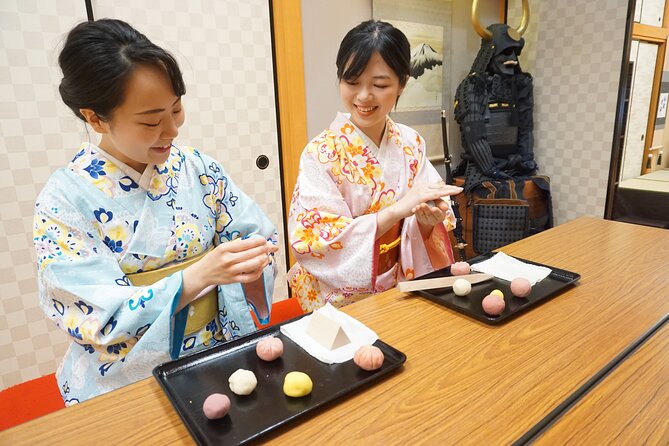
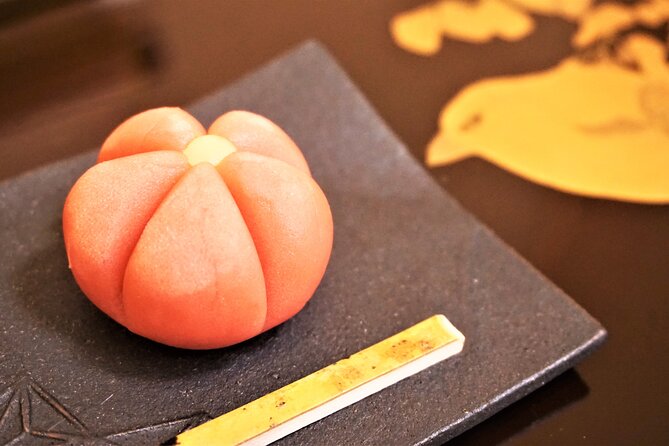
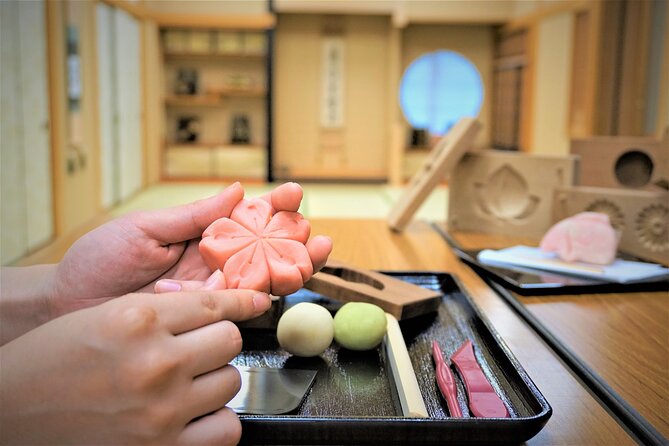
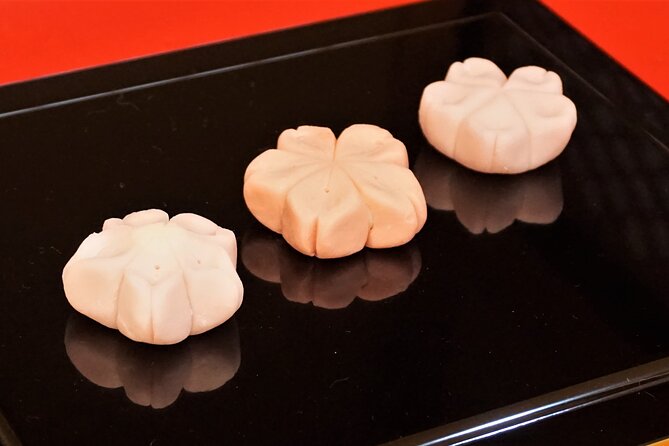
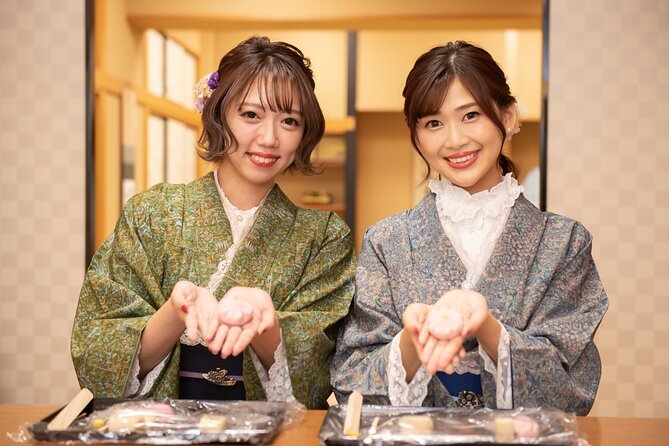
The highlight here is the hands-on wagashi making in an Asakusa workshop. This is not a passive tasting session. You’ll make Japanese sweets by hand, which means you get a real sense of craft: the steps, the care, and the small details you’d miss if you only watched.
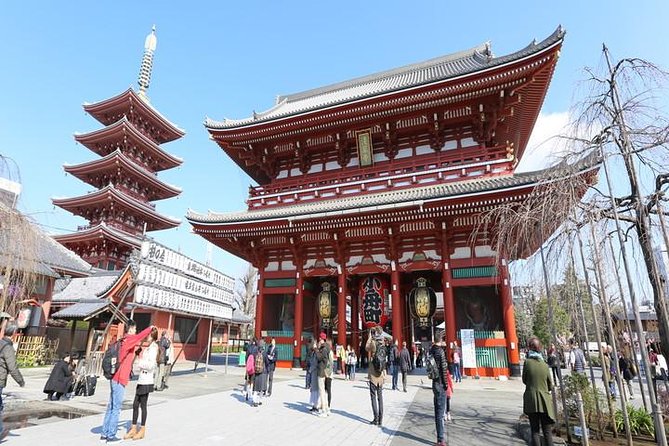
Then you connect that craft to the area itself by visiting Sensoji, one of Tokyo’s most colorful and popular temples. Even if you’ve seen temple photos before, being there with a guide helps you notice the customs and patterns in how people move through the space.
Stop Guide: What Each Chosen Site Gives You (And What to Watch)
Since you select 2–3 sites, think of each place as a “flavor.” Here are the options and how to choose.
Jidaiya: A More Focused, Culture-Learning Start
Jidaiya is positioned as an alternative to the usual Asakusa sightseeing, aimed at a more profound and authentic Japanese experience. If you want more than postcard views and you like story-driven learning, this is a strong choice.
Potential drawback: it sounds like a program-based experience rather than a simple stroll. If you prefer wandering at your own pace, you may want to balance this with an easier, outdoor stop like Sensoji or a market area.
You can also read our reviews of more private tours in Tokyo


Asakusa + Sensoji Temple: Traditional Tokyo, Up Close
Sensoji is the heart of Asakusa. It’s a Buddhist temple and one of Tokyo’s most recognizable sights, but the real value comes from the context—what people do there, why certain areas matter, and how the neighborhood’s history shows up in daily movement.
Potential drawback: this area can feel crowded depending on timing. Your guide can help you navigate the flow so you spend less time stuck and more time seeing.
Tsukiji Fish Market: Food Energy and Market Life
Tsukiji is described as the old fish market of Japan, packed with unique foods. This is a great stop if you like eating your way through neighborhoods or if you simply enjoy watching how markets work.
Potential drawback: because it’s food and market-focused, it can be less satisfying if you’re not planning to buy anything. If you want this stop, I’d suggest setting aside a small food budget so you can actually experience what you came for.
Meiji Jingu Shrine: Calm, Shrine Culture, and Easy Transit Access
Meiji Jingu is dedicated to the deified spirits of Emperor Meiji and Empress Shoken. It’s located near Harajuku and the JR Yamanote Line, which makes it a practical pick for pairing with other central areas.
Potential drawback: it’s still a shrine stop, so if you’re craving city lights and shopping, you may find it slower than districts like Akihabara or Shinjuku.
Shinjuku Gyoen National Garden: A Break From the City Grind
Shinjuku Gyoen is one of Tokyo’s large and popular parks. If your day is feeling too “street to street,” a garden stop can help you reset your brain.
Potential drawback: admission is not included, so confirm you want to pay extra before choosing it. Also, it may be less appealing if you’re traveling with limited mobility or you dislike longer outdoor walks.
Koishikawa Korakuen Garden: Older Garden Feel for Quiet Walkers
Koishikawa Korakuen is among Tokyo’s oldest and best Japanese gardens, built in the early Edo period for the Mito branch of the Tokugawa family. It’s a great choice if you want Japanese garden design explained through time and family history.
Potential drawback: it’s a garden. If it’s hot, rainy, or you’re not in the mood for quiet walking, this can feel like “planned downtime” rather than an exciting stop.
Hamarikyu Gardens: Tides, Seawater Ponds, and a Teahouse Setting
Hama Rikyu (Hamarikyu Gardens) is along Tokyo Bay, known for seawater ponds that change level with the tides and for a teahouse on an island. This is one of the more distinctive options on the list if you like the technical details of place-making.
Potential drawback: admission is not included, and because it’s garden-based, it’s best when the weather cooperates.
Imperial Palace: Outside-Only Views (Plan Accordingly)
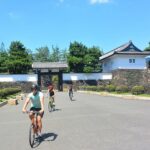
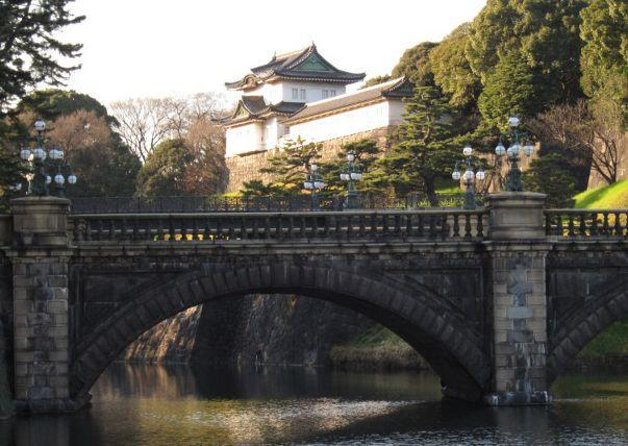
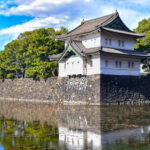
The tour specifically notes that you cannot access the inside of the Imperial Palace. You’ll still get views of the palace grounds, set in the former Edo Castle area with moats and massive stone walls.
Potential drawback: because it’s outside access only, you may not feel satisfied if you’re specifically hoping for interior areas or museum-type experiences.
Rikugien Garden: Poetic Garden Design
Rikugien is often described as one of Tokyo’s most beautiful landscape gardens, built around 1700 for a Tokugawa Shogun. The name references a “six poems garden,” which makes it a good garden stop if you like symbolism and cultural framing.
Potential drawback: it has admission not included. If you’re trying to keep the day cost-predictable, this might be the first garden I’d reconsider.
Akihabara: Electronics, Pop Culture, and a Different Tokyo Mood
Akihabara is famous for electronics shops and has become known as the center of Japanese pop culture. This is an easy win if you want modern Tokyo energy after the temple-and-market stops.
Potential drawback: it can feel repetitive if you’re not into tech or pop culture retail. Pair it with something traditional so the contrast feels intentional.
Takeshita Street (Harajuku): Teenage Fashion Culture Nearby
Harajuku’s Takeshita Street is described as a center of extreme teenage cultures and fashion styles. It’s a quick, colorful way to see a different side of Tokyo culture.
Potential drawback: fashion streets can mean heavy foot traffic. Go with the mindset of people-watching and quick browsing, not quiet sightseeing.
Shinjuku Golden Gai: Small-Lane Nightlife Atmosphere
Shinjuku Golden Gai is known for its down-to-earth, tight alley vibe. It’s also near Kabukicho, and the description even notes Godzilla looming over the area.
Potential drawback: it’s best when you want that nightlife energy. If you’re aiming for classic daytime sightseeing only, you might choose something else from the list.
What the Guide Actually Adds (Beyond “Seeing” the Sights)
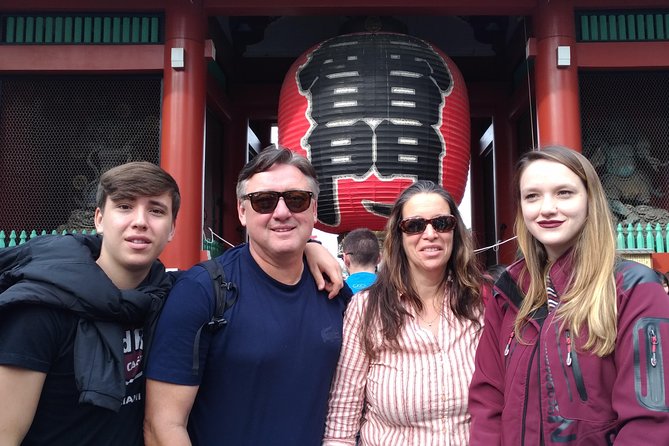
The biggest advantage of a private guide is not just explanations. It’s how fast you can learn what matters.
In the experiences shared by multiple guides, the theme is consistent: customization plus local context. Guides like Takako and Sachi were praised for adjusting the itinerary and sharing stories around local customs. That’s exactly what helps you stop treating Tokyo like a checklist.
I also like that multiple guides were specifically called out for comfort and confidence with transit. One guide, Ted, was noted for explaining how to use the train system, which is a practical skill you can reuse long after the tour ends. Another guide, Sachiko Horiguchi, was praised in terms of helping someone feel confident moving forward on their own.
Even the smaller details mattered: one guest mentioned learning basic Japanese for everyday use, like how to say their age and birth date in Japanese. When you can handle that, Tokyo feels less like a mystery.
Timing and Energy: How to Plan Your 6 Hours
A 6-hour private tour is long enough to matter, but short enough that your choices shape the whole day. With only 2–3 stops, you can make smarter decisions than a “see everything” bus tour.
Here’s how I’d plan it:
- Pick one “traditional core” stop (Asakusa/Sensoji or Meiji Jingu).
- Add one “contrast” stop (Tsukiji for food energy, Akihabara for modern pop culture, or Golden Gai for nightlife atmosphere).
- Leave space for the wagashi workshop, because it’s the emotional anchor of this day.
Also, since some gardens are admission not included, make your choices early. If you choose multiple paid gardens, your total day cost will rise. If you choose mostly free-entry areas, the price feels much more reasonable.
Finally, you’ll be near public transportation for most stops. Still, expect walking. Tokyo is easy when you know the lines and exits. It’s harder when you don’t.
Who This Tour Fits Best (And Who Might Want Something Else)
This is best for:
- First-time Tokyo visitors who want a real orientation without feeling trapped
- People who like culture and history explanations tied to what you see
- Food-minded travelers who want to pair sightseeing with market and workshop experiences
- Groups who want flexible pacing and a guide who can answer questions
It’s not ideal if:
- You want to do everything on a giant itinerary in one day (this tour is explicitly limited to 2–3 selected sites)
- You need a lot of downtime at the hotel between activities
- You’re traveling with young children, since it’s only for 12 and over
A Few Booking Tips Before You Choose Your 2–3 Stops
Before you lock in your selections, think about your “Tokyo mood” for the day:
- If you want craft + tradition: Asakusa + Sensoji plus the wagashi workshop, then add Meiji Jingu or one garden.
- If you want food and neighborhoods: Asakusa/Sensoji plus Tsukiji, then add a modern district like Akihabara.
- If you want calmer sightseeing: choose one garden (Koishikawa Korakuen or Hamarikyu are strong options) plus a shrine like Meiji Jingu.
If you’re unsure, pick your anchor and let the guide help shape the rest. The customization is part of the product, not a marketing line.
Should You Book This Private Tokyo Tour?
Yes, if you want a private Tokyo day that feels personal and practical, not just a sequence of landmarks. The wagashi making in Asakusa is the kind of experience that turns sightseeing into a memory you carry home. Add in private guidance and the chance to customize, and the price starts to make sense.
But book strategically. Choose only 2–3 stops that match your interests, especially if you’re considering paid garden admissions. And if you’re nervous about trains, that’s actually a good reason to take this tour early in your trip, so you can reuse the transit confidence immediately afterward.
In short: if you like learning as you walk, eating with purpose, and ending with something handmade, this private Tokyo tour is a strong bet.
FAQ
Is this tour private?
Yes. It’s a private tour/activity, and only your group participates.
What’s included in the price?
Included items are a licensed local guide, meet up in Tokyo (on foot), the wagashi making experience, and a customizable tour where you choose 2–3 sites from the options.
Can I visit all the listed places in one day?
No. You can not visit all places. You’ll choose 2–3 sites based on what you want to see.
Does the tour include transportation?
Private transportation is not included. The tour notes transportation fees like a 24 hour Metro Pass, but those costs are not included.
Can I enter the Imperial Palace?
No. This tour does not include access to the inside of the Imperial Palace.
Who is this tour for age-wise?
It’s only for those 12 and over, and it’s not for young children or babies.