REVIEW · TOKYO
From Tokyo: Snow Monkeys and Zenkoji Temple Day Trip
Book on GetYourGuide →Operated by Tourist Attractions · Bookable on GetYourGuide
Hot springs and temple steps in one day. I love the chance to see wild snow monkeys soaking in natural hot springs, and then pivot to Zenkoji Temple for a very different kind of wow. The only real catch: it’s a long winter day, with a cold, 30-minute walk at the monkey park and about 12 hours total on the go.
This is a true door-to-door setup. You get pickup and drop-off from your Tokyo accommodation, luxury transport, Wi‑Fi, and coffee/tea/water to keep you comfortable while you cross the distance to Nagano. It feels like you’re treating the day as a mission with a plan, not a scavenger hunt.
What makes it especially appealing is the mix of animal behavior and quiet spiritual stops. You’ll spend time watching monkey social life up close, then slow down at Ojoji Temple with a guided meditation or spiritual session (the pace changes on purpose). Just be aware it isn’t a fit for everyone, like pregnant travelers or very elderly visitors.
In This Review
- Quick reasons this day trip feels worth the effort
- Why This Tokyo to Nagano Day Trip Works So Well
- The Drive Out of Tokyo: Start Early, Dress Warmer Than You Think
- Snow Monkey Park (Jigokudani Yaen-Koen): Hot Springs and Real Behavior
- What to watch for (so you don’t miss the fun)
- Entrance fees and timing reality check
- Zenkoji Temple: Architecture, Shops, and the Omotesando Passage
- Takai Shrine: Red Torii Gates in a Forest Setting
- Ojoji Temple Gardens and Guided Meditation Time
- Price and Value: What $515 Per Group Actually Buys
- Drivers, Comfort, and the Tiny Things That Save Your Day
- What to Bring (So Winter Doesn’t Beat You)
- Best Fit: Who Should Book This, and Who Should Skip It
- Should You Book This Snow Monkeys and Zenkoji Day Trip?
- FAQ
- How long is the full-day tour?
- How many people can go per group?
- Is pickup available from the airport or a sea port?
- What’s included in the tour price?
- Do I need to pay for temple or park tickets?
- What should I bring for this day trip to Nagano?
Quick reasons this day trip feels worth the effort
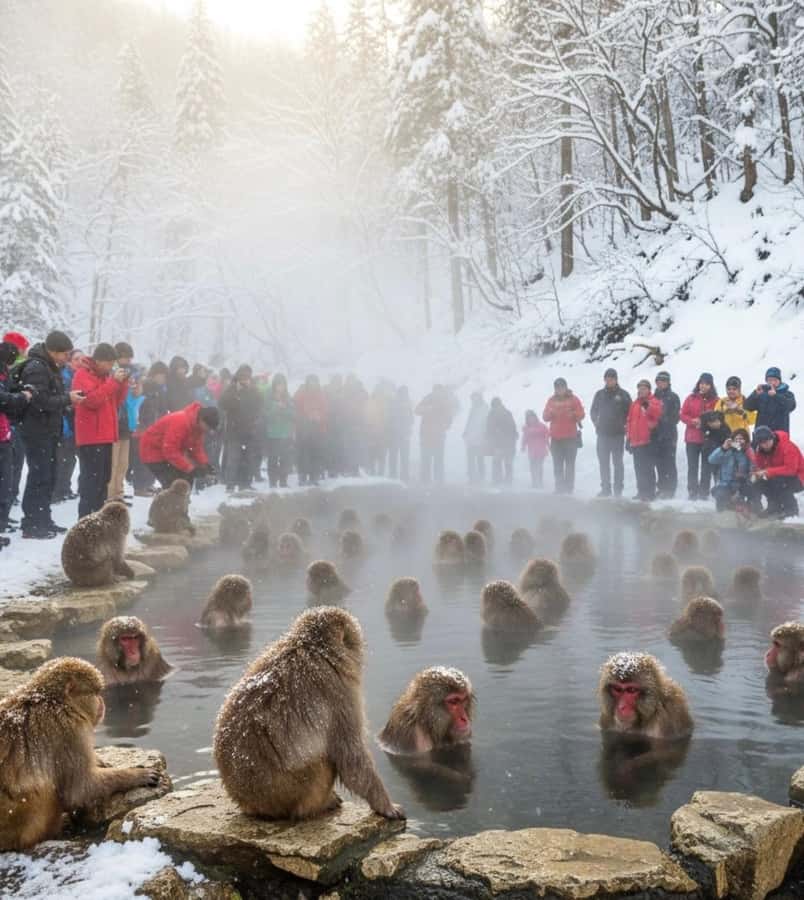
- Wild snow monkeys in Jigokudani Valley: steaming hot springs and real winter behavior to watch.
- A 30-minute scenic walk: you get time to arrive, get photos, and build your anticipation.
- Zenkoji’s Omotesando passage: a dark passageway adds a memorable spiritual twist.
- Takai Shrine’s red torii gates in the woods: short, peaceful, and photogenic without feeling rushed.
- Ojoji Temple calm + meditation: a quieter counterpoint to the monkey park energy.
Why This Tokyo to Nagano Day Trip Works So Well
A day trip from Tokyo to Nagano sounds like a lot at first, and it is. But the reason it works is simple: you’re not just “going somewhere.” You’re doing two things Japan does better than almost anywhere else—wildlife in winter and temple culture up close.
I like that the tour is built around clear, high-impact stops rather than a dozen quick photo stops. You spend enough time at each place to actually experience it: watch monkeys, walk temple approaches, and sit for the calmer part of the day. And because it’s a private group (up to 6), you can move without the chaos that comes with big buses.
There’s also a practical comfort factor. You’re in luxury transport with Wi‑Fi and drinks, which matters when the schedule stretches and the weather can change fast. If you hate feeling rushed, this setup helps.
You can also read our reviews of more tours and experiences in Tokyo
The Drive Out of Tokyo: Start Early, Dress Warmer Than You Think
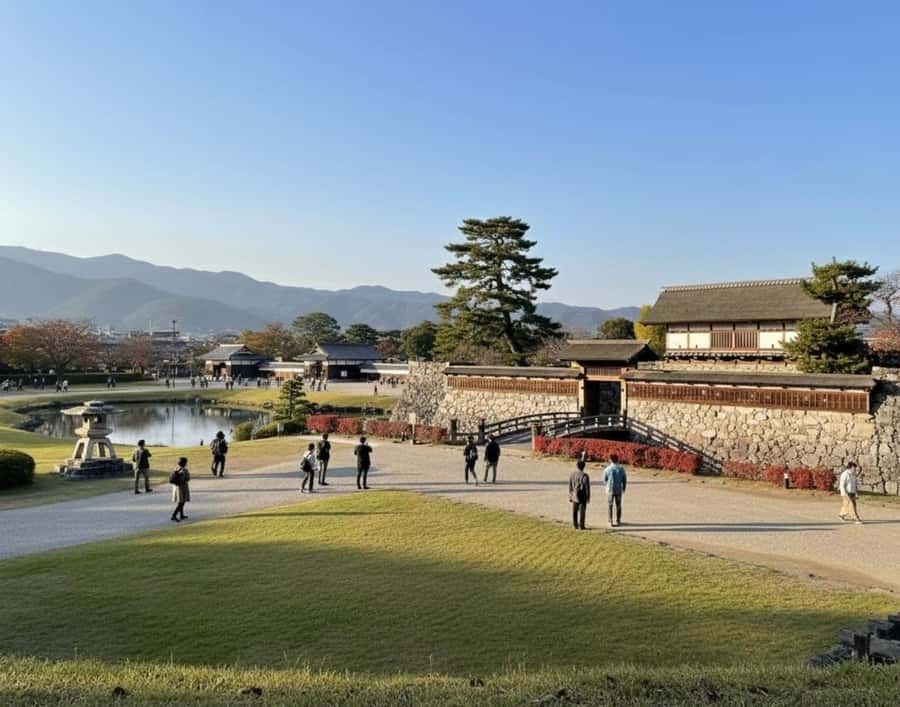
This trip is typically around 12 hours total, and the main reason is distance. Expect about a 4-hour drive from Tokyo to Nagano before you reach the Snow Monkey Park area. The upside is that you get out of the city’s rhythm and into a different tempo for the day.
In winter, your comfort isn’t just about feeling cozy. It’s about not getting stiff on the walk and in the waiting areas. Bring warm clothing and comfortable shoes, and don’t assume you can “layer later” once the cold hits. You’re also asked to have cash on hand, which is smart because entrance tickets and meals are not included.
One more timing detail to plan around: you should wait in the hotel lobby about 10 minutes before pickup. Drivers are set to wait no longer than 60 minutes after the scheduled pickup time, so it’s worth being ready early rather than cutting it close.
Snow Monkey Park (Jigokudani Yaen-Koen): Hot Springs and Real Behavior
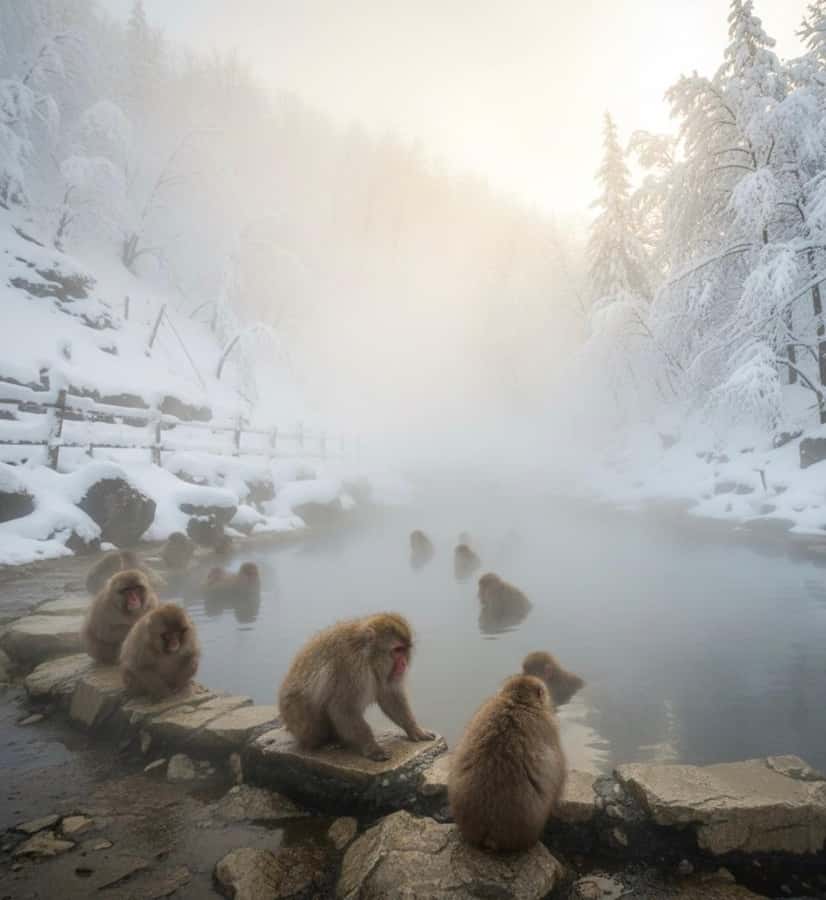
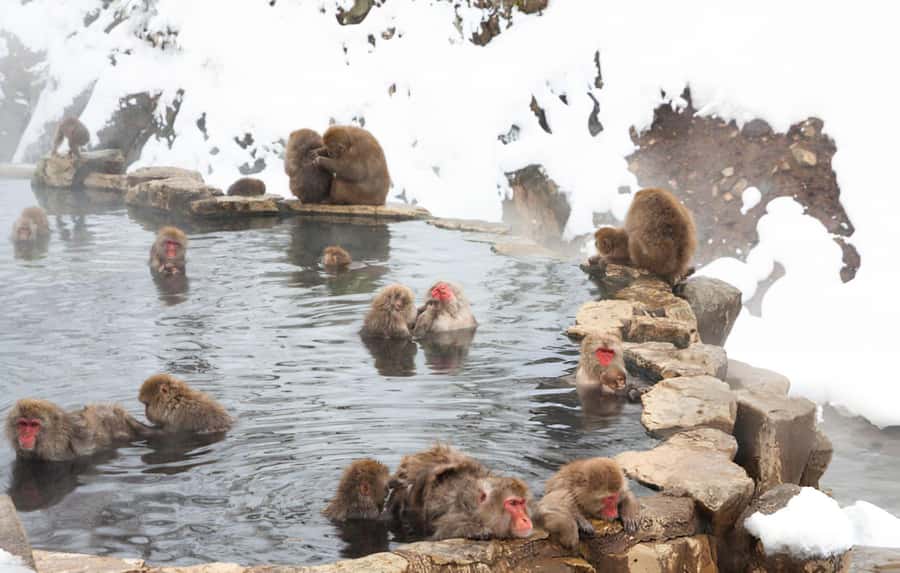
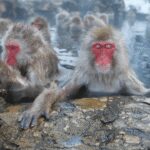
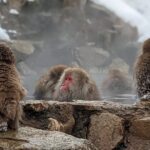
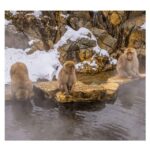
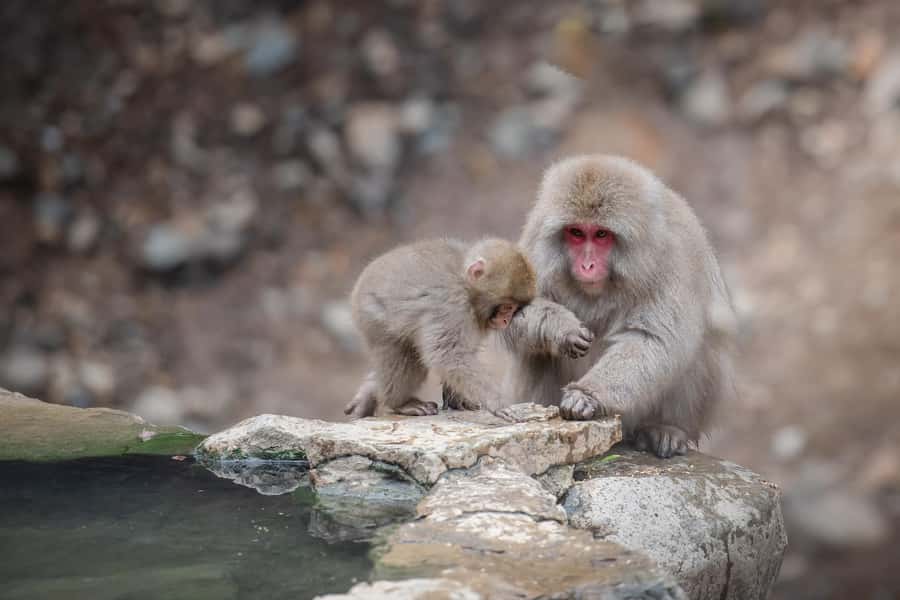
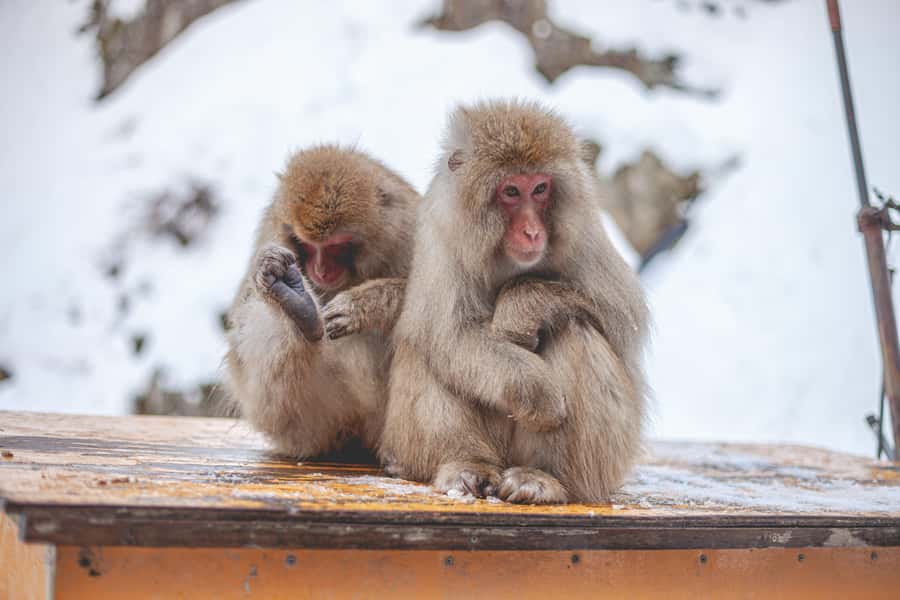
This is the headline, and for a good reason. Snow Monkey Park in Jigokudani Yaen-Koen is famous for wild Japanese macaques that gather in natural hot springs—especially in winter. The sight is instantly charming, but the real joy is watching what they do once they’re relaxed and warmed up.
You’ll make a scenic walk of about 30 minutes to reach the park area. I’d treat that walk as part of the experience, not a chore. It’s a chance to slow down, get photos before you’re surrounded by crowds, and settle your legs before the monkey-viewing begins.
What to watch for (so you don’t miss the fun)
The park is best when you stay observant. It’s not just one monkey at one location. You’ll get opportunities to see their social interactions up close—little power moves, grooming, and group settling into the warm water. If you can, look at both the edges and the center of the hot-spring zone, because movement happens everywhere, not just where the action seems obvious.
Also, be ready with your camera. This is a place where good shots often come from patient waiting rather than constant filming. Keep your gear hand-accessible, because you’ll want to react quickly when someone pops up in a perfect angle.
Entrance fees and timing reality check
Paid entry tickets are not included in the package, so budget for that. The good news is the value of the stop isn’t only the ticket; it’s the winter setting plus the short walk that positions you well for viewing.
You can also read our reviews of more tours and experiences in Tokyo




Zenkoji Temple: Architecture, Shops, and the Omotesando Passage
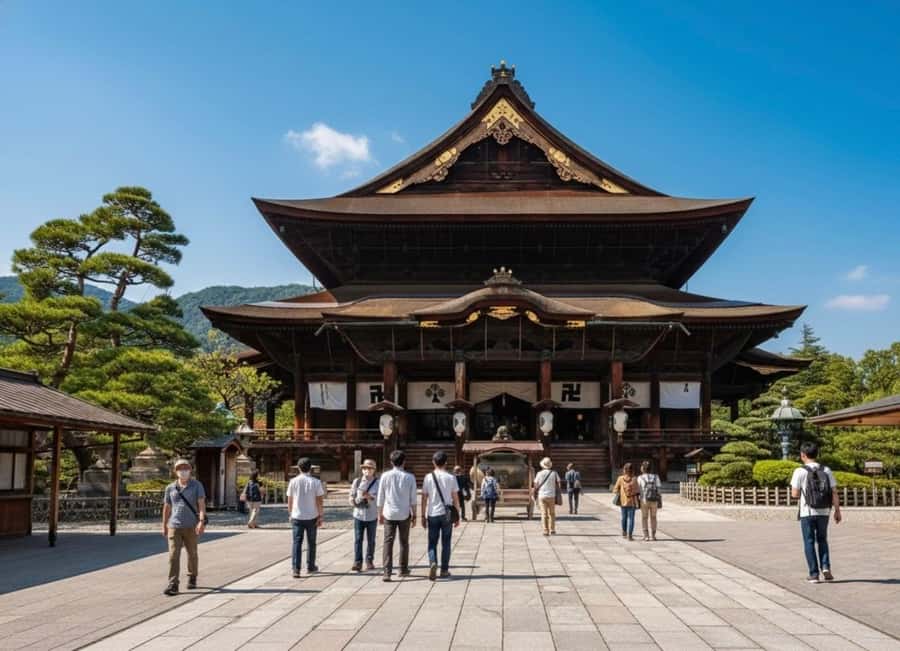
After wildlife mode, Zenkoji Temple is a calm reset. Zenkoji is one of Japan’s most important Buddhist temples, with origins dating back to the 7th century. If you like places that feel historic without needing a lot of extra explanation, this is the kind of stop that does that for you.
The temple complex is known for impressive architecture and spiritual significance. It also houses a hidden statue of Amida Buddha, believed to bring good fortune to visitors. You’ll get a sense of sacred space right away, but it’s not sterile or overly formal—there’s also an approach lined with shops selling traditional crafts and local snacks.
One of the most memorable features is the Omotesando experience: you walk through a dark passageway that’s described as a symbolic journey toward enlightenment. Even if you’re not a religious traveler, it’s a striking change of sensory pace in the middle of the day.
Takai Shrine: Red Torii Gates in a Forest Setting
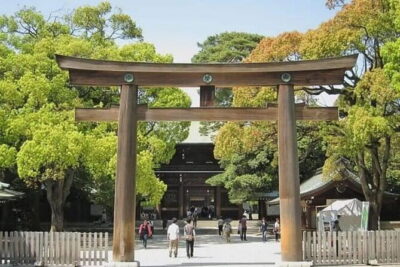
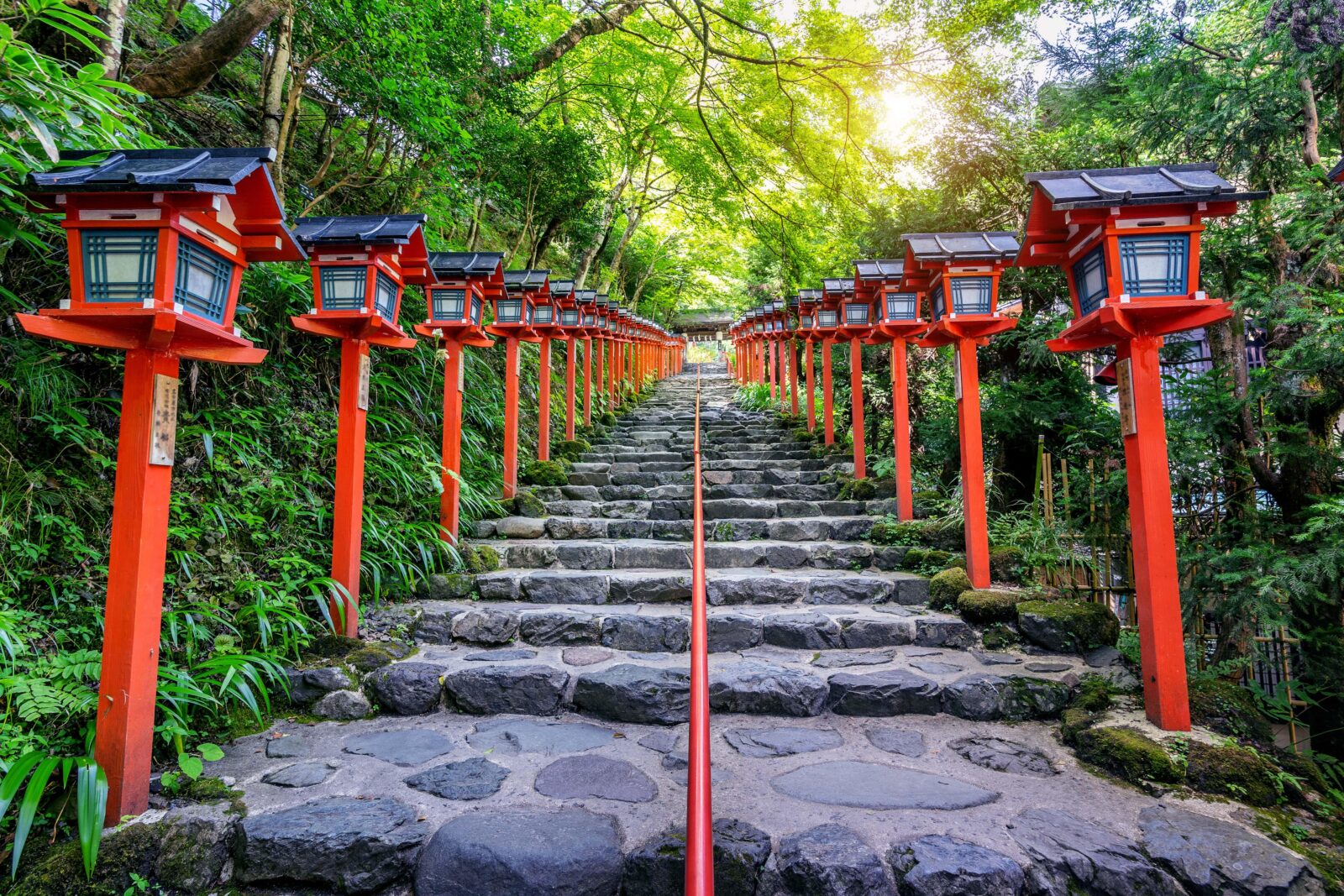
Takai Shrine is a softer, quieter stop that balances the busier moments. It’s dedicated to a deity associated with agriculture and prosperity, and the setting matters: it sits in a serene forest environment with red torii gates that create an instant visual hook.
I like that it doesn’t try to be loud. The shrine is about atmosphere—space to pause, look up at the gates, and take a breath after Snow Monkey Park. Depending on the season, the forest feel changes, and Takai Shrine also hosts traditional festivals, which can add local energy if your timing lines up.
This is also a good place to do “slow looking.” Walk carefully, notice where light falls through trees, and take a few photos that don’t feel like selfies-in-the-wind.
Ojoji Temple Gardens and Guided Meditation Time
If Zenkoji is your spiritual culture stop, Ojoji Temple is your quiet exhale. Ojoji Temple is less famous than some bigger names, and that helps. You’ll find a serene atmosphere, lush surroundings, and beautiful gardens that make the pace naturally slower.
The tour includes guided meditation or spiritual sessions at Ojoji Temple. That’s a big deal because it turns the stop into something you do, not just something you watch. Even if you’re not sure you’ll be good at meditation, the structure can help you relax your body after a long day of walking and waiting.
The gardens are especially lovely during cherry blossom season, when blooming trees add color and softness to the scene. If you’re visiting in a different season, you still get that “quiet grounds” vibe, which is exactly what you want after a cold morning at a hot-spring monkey park.
Price and Value: What $515 Per Group Actually Buys

At $515 per group (up to 6), this isn’t a budget-style tour, but it can be strong value depending on how you travel. Here’s why: you’re paying for private logistics across a long distance, not just admission into a couple sites.
Included highlights that matter:
- Pickup and drop-off from your Tokyo accommodation
- Luxury transport plus highway tax
- Wi‑Fi and coffee/tea/water
- Stops at Snow Monkey Park, Zenkoji Temple, Takai Shrine, and Ojoji Temple
- Chance to see monkeys in natural hot springs
- Time that supports close wildlife observation and photo opportunities
- Guided meditation or spiritual session at Ojoji Temple
What’s not included (so you don’t get surprised):
- Entrance tickets
- Meals (and breakfast/dinner may not be provided)
- Souvenirs/snacks
- Travel insurance
For many groups of 4–6, splitting $515 can make this feel more reasonable than you’d expect, especially because you’re not arranging a long drive, transfers, and schedule yourself. If you’re traveling solo or as a couple, it can still be worth it for the convenience, but you’ll likely feel the price more.
My practical advice: budget extra for entrance fees and a meal plan. Also, plan your cash and keep a little buffer for snacks even if you expect coffee/tea/water from the tour.
Drivers, Comfort, and the Tiny Things That Save Your Day
One of the biggest quality signals on this kind of long day is the driver. The experience seems to hinge on safe, calm driving and good communication, especially when weather and roads can change in winter.
Drivers like Cheema, Moazam, Atif Cheema, and Naroz have been described as professional, friendly, and helpful throughout the day. That lines up with what you want when the schedule is long and the roads are moving targets. In at least one case, weather road closures meant routes had to be adjusted, and the driver helped keep the day on track so you could still reach the park in time.
Here’s the real takeaway for you: you’ll enjoy this tour more if you treat it like a shared plan with your driver. Be ready at pickup, keep your plans flexible, and use the time wisely once you arrive.
What to Bring (So Winter Doesn’t Beat You)
For this day trip, your packing list is mostly about staying warm and steady on your feet.
Bring:
- Comfortable shoes (the walk to the monkey area is about 30 minutes)
- Warm clothing for changing conditions at higher elevations
- A camera (you’ll want it for monkeys and shrine gates)
- Comfortable clothes for temple stops
- Cash
You should also know what’s not allowed in the vehicle: smoking and alcohol/drugs are prohibited, and fireworks or making fire are not allowed. It’s a standard rule set, but it matters if you’re imagining bringing drinks or celebrating on the ride.
Best Fit: Who Should Book This, and Who Should Skip It
This tour is best for people who want a full-day mix without doing heavy planning. I’d put it in the sweet spot for:
- Wildlife lovers who care about seeing animals in their winter habitat
- Culture-minded travelers who want both a major temple (Zenkoji) and quieter spiritual time (Ojoji)
- Groups of up to 6 who can split the cost and enjoy private pacing
It may not suit:
- Pregnant travelers
- People over 95 years
- Anyone who dislikes long travel days or winter walking in cold conditions
If you’re the type who wants everything easy and minimal walking, you might find the monkey park walk tough even with good shoes.
Should You Book This Snow Monkeys and Zenkoji Day Trip?
If you want one memorable day that combines wild snow monkeys with temple spirituality, this tour is a strong choice. The private transport, included drinks, and the guided meditation at Ojoji Temple make it feel more intentional than a basic sightseeing run.
I’d book it if:
- You’re visiting in winter (when the monkeys are most famously present in hot-spring areas)
- You’re ready for a long day and colder weather
- You’re comfortable budgeting extra for entrance tickets and meals
I’d think twice if:
- You want a short, low-effort day
- You’re sensitive to cold and walking
- Your group needs accessibility that this plan may not match
FAQ
How long is the full-day tour?
It’s a full-day private tour typically lasting about 12 hours, depending on traffic and site visits.
How many people can go per group?
The price is listed per group up to 6 people.
Is pickup available from the airport or a sea port?
Pickup isn’t available from the airport or sea port.
What’s included in the tour price?
Pickup and drop-off, luxury transport, Wi‑Fi, highway tax, coffee/tea/water, transportation to the main sites, and activities like meditation/spiritual sessions at Ojoji Temple are included. Paid entry tickets and meals are not included.
Do I need to pay for temple or park tickets?
Yes, paid entry tickets are not included in the package.
What should I bring for this day trip to Nagano?
Bring comfortable shoes, warm clothing, a camera, comfortable clothes, and cash.