REVIEW · TOKYO
Tokyo: Daikoku JDM Car Culture Tour
Book on GetYourGuide →Operated by Kawaiinippontours · Bookable on GetYourGuide
Daikoku feels like a car planet. This Tokyo-to-Yokohama JDM tour sends you into the lights with time at Daikoku Parking Area and a Rainbow Bridge crossing, all while a bilingual driver/guide brings the story of the scene. One watch-out: if your pickup is delayed, you can lose some precious time in the parking lot.
You’ll start with hotel pickup in a Toyota Velfire luxury van and spend the night moving through Tokyo by highway, not crawling through traffic. That matters because the route hits the kind of viewpoints you mostly only see from cars, including expressway panoramas and film-game style city angles.
Bring camera power and comfortable shoes. There may be some walking around the stops, and you’ll want your phone charged for photos and meeting up fast.
In This Review
- Key points before you go
- Daikoku Parking Area: Tokyo’s JDM moment you’ll plan around
- From hotel pickup to the C1 Loop: riding Tokyo like a local
- Rainbow Bridge and Bay Shore Route views: the Tokyo-to-Yokohama line you can feel
- What you’ll actually do at car stops: photos, conversations, and dream-seat moments
- Tokyo night + logistics: how to make it work smoothly
- Price and value: what $115 buys you (and what it doesn’t)
- Who this Daikoku JDM tour fits best
- Should you book the Tokyo: Daikoku JDM Car Culture Tour?
- FAQ
- What’s included in the Tokyo: Daikoku JDM Car Culture Tour?
- What should I bring?
- Is food included?
- Are alcohol or drugs allowed?
- What languages are supported?
- Can I cancel and get a full refund?
- Is the tour suitable for everyone?
Key points before you go
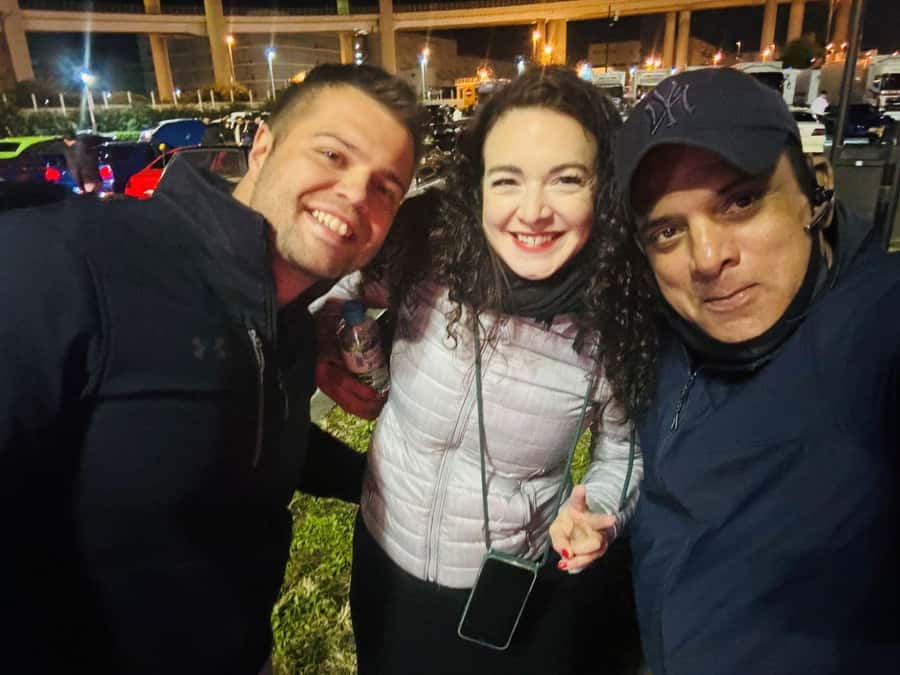
- Daikoku Parking Area time that actually lets you photograph
- Toyota Velfire pickup and highway driving in Tokyo at night
- C1 Loop and Wangan Highways routing for big-city spectacle
- Rainbow Bridge plus Tokyo and Yokohama sights from the road
- Car culture details with English and Japanese guidance
- No alcohol or drugs, plus practical comfort rules
Daikoku Parking Area: Tokyo’s JDM moment you’ll plan around
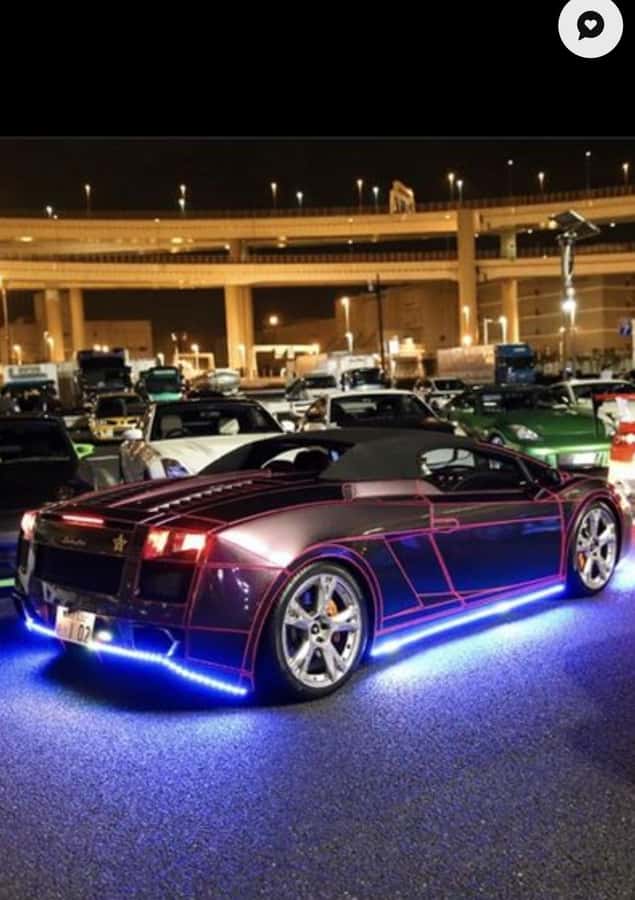
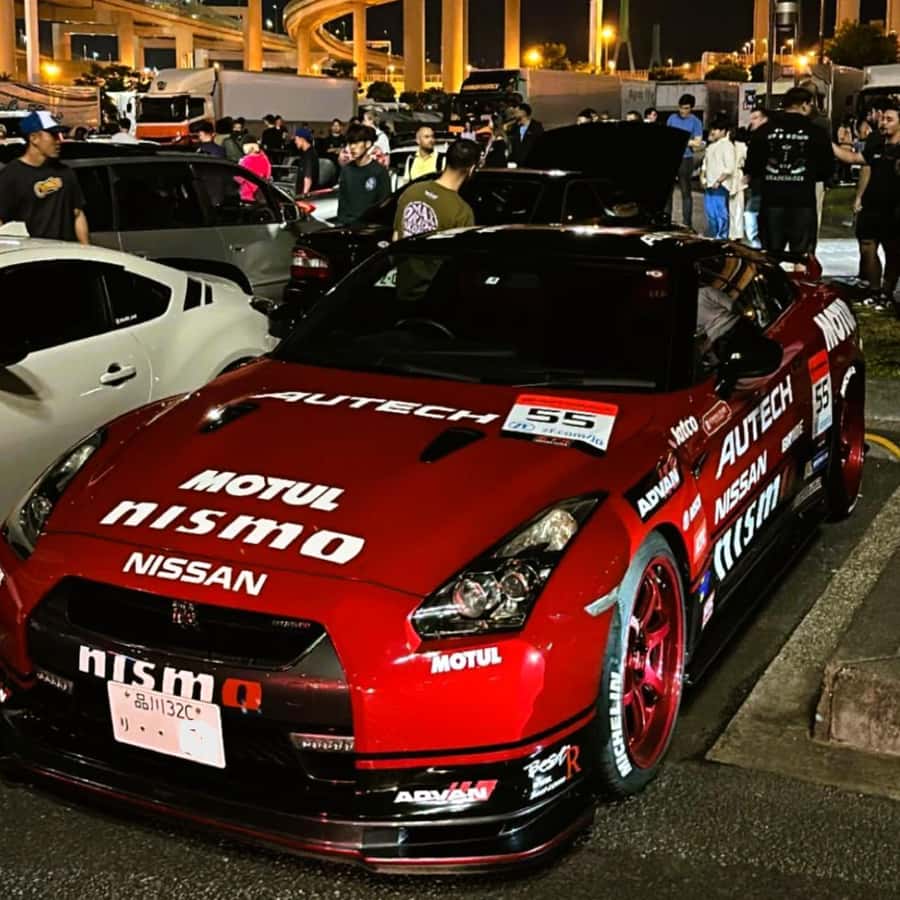
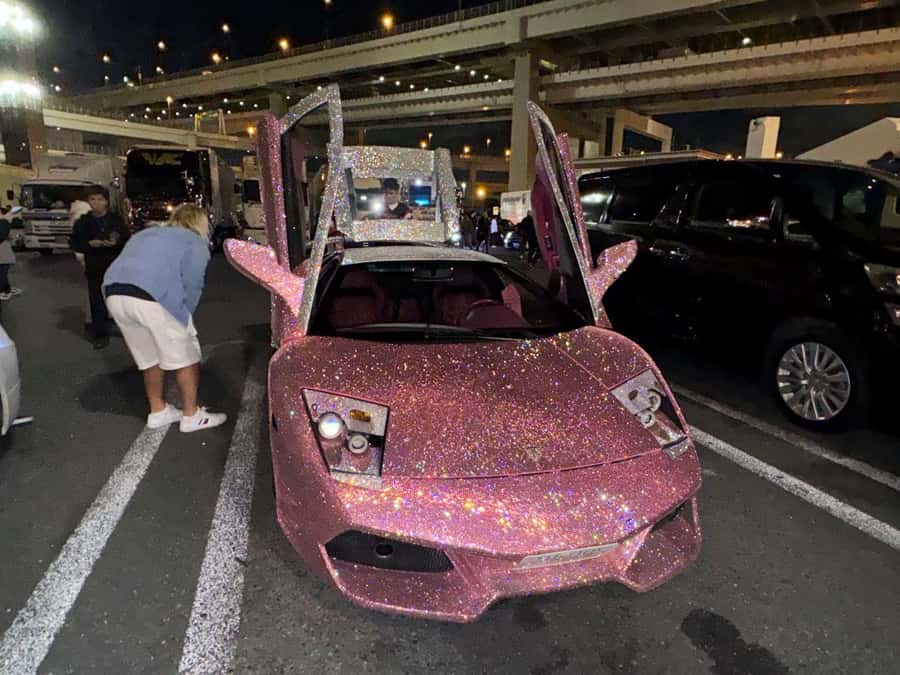
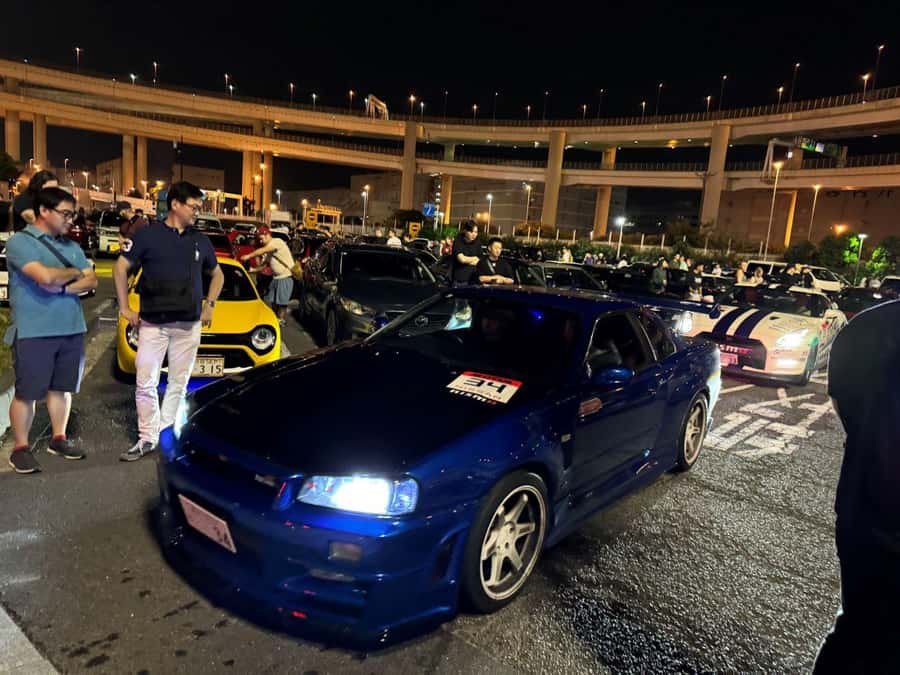
Daikoku Parking Area is the headline for a reason. It’s where you can see how Japan mixes modern performance with old-school style, often in the same frame. On this tour, you’re not just staring from a distance. You get enough time to look carefully, spot the details, and make photos that feel like you stepped into the car-world versions of Tokyo.
What makes Daikoku so useful for you as a visitor is the variety. The cars aren’t all one type. You’ll see classics alongside newer builds, and that contrast tells you a lot about Japanese street culture: it’s not only about speed, it’s about taste, engineering, and community.
Your guide also helps you read the scene. Several guides are described as friendly, professional, and willing to explain how the car culture works in Tokyo. If you’re a fan of JDM, you’ll get more out of the parking lot when someone can point out what you’re looking at and why it matters.
The main drawback is timing. If your pickup runs late, you can end up with less time at Daikoku, which is basically the whole reason you booked.
You can also read our reviews of more tours and experiences in Tokyo.



From hotel pickup to the C1 Loop: riding Tokyo like a local
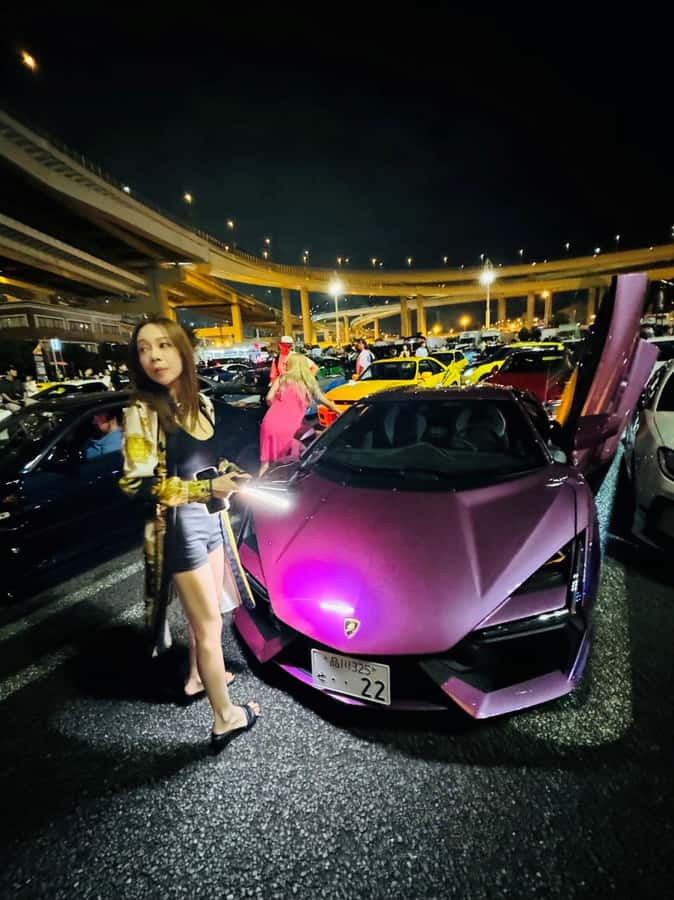
The tour starts with pickup from your hotel or accommodation, then you slide into the night in a Toyota Velfire luxury van. That choice is more than comfort. It sets expectations: you’re doing a car-centric experience, not a walking sightseeing loop. You also avoid the stress of navigating expressways yourself after a flight.
Once you’re on the move, you’ll go through the C1 Loop and the Wangan Highways. These aren’t casual drives. They’re Tokyo’s style of city motion, where you feel the scale of the metropolis and the rhythm of traffic from a real route people use.
This part is also where the guide’s explanations matter most. You’ll get facts about the local area and the history of the car scene in Tokyo. That turns the highway ride into more than just transportation. You start noticing patterns: where the culture shows up, how the city is connected, and why certain roads and viewpoints feel so linked to car life.
One more good sign: flexibility shows up in the way guides respond to conditions. If it’s raining heavily, you may be offered a postponement to another day. That’s valuable in Tokyo, where weather can change the whole mood of night photography and outdoor viewing.
Rainbow Bridge and Bay Shore Route views: the Tokyo-to-Yokohama line you can feel
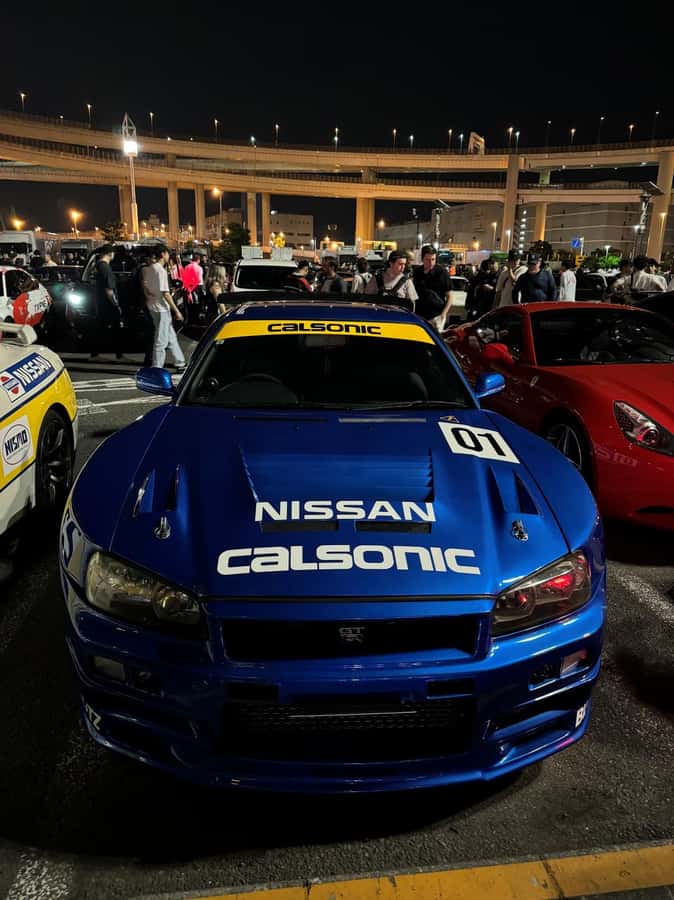
A big promise of this tour is seeing Tokyo from angles you usually can’t get from public transit. You’ll cross the Rainbow Bridge and then keep moving through routes that include the Metropolitan Expressway and the Bay Shore Route.
Why this is worth your time: expressways frame the city in long lines. You get that sense of speed and distance that makes Tokyo look like it belongs in a video game or a movie. It also helps you understand Tokyo geographically. You’re not only seeing famous landmarks. You’re seeing how the city connects to the waterfront and toward Yokohama.
The tour is described as including sights of Tokyo and Yokohama in one circuit. Even if you’re not a map person, these roads make the city feel cohesive. The skyline changes as you move, and that shift is part of the experience, not a side effect.
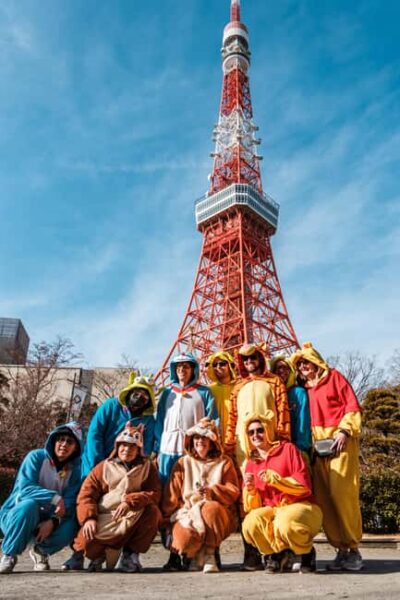
You might also catch stops that function as photo moments between big driving stretches. For example, one stop mentioned is Tokyo Tower on the way back for photos. If that’s part of your route, it’s a nice way to end the night with a classic Tokyo icon.
The watch-out here is that routes depend on conditions. If the schedule tightens because of pickups or timing, you may have less time for cars than you hoped.
What you’ll actually do at car stops: photos, conversations, and dream-seat moments
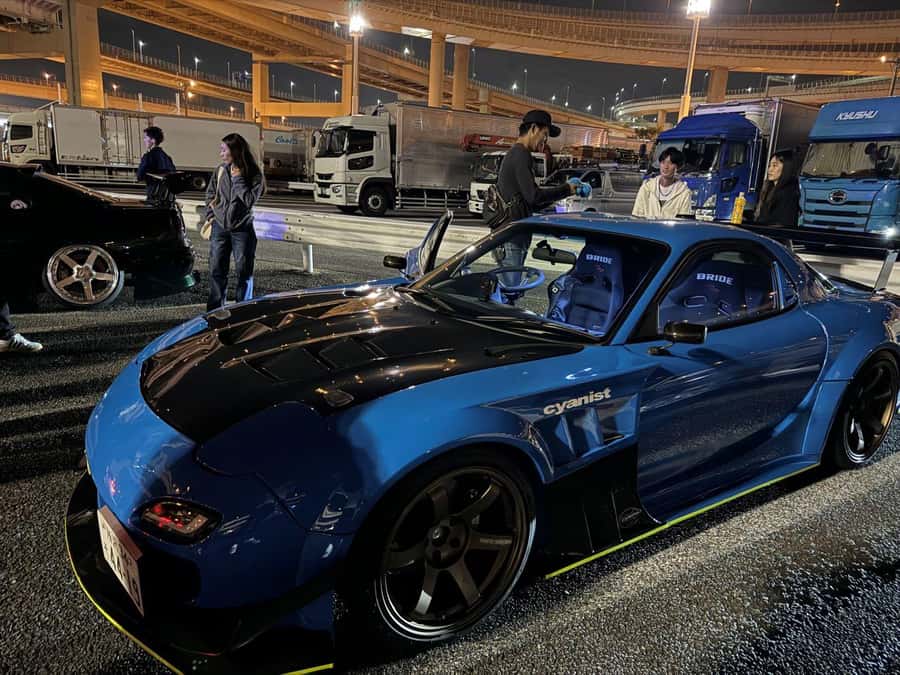
The star events happen at car meet points, with Daikoku Parking Area at the center. But you may also explore other car meeting points beyond Daikoku. That matters because Daikoku alone can turn into a one-note evening if you only care about one location.
On this kind of tour, the best experiences tend to be the small interactions:
- You’ll likely have chances to engage with local drivers.
- You may even get to step into the car of your dreams, depending on what’s happening at each stop and what’s allowed.
That “step into the car” detail is huge if you’re coming as a true fan. Seeing a JDM car on a pedestal is one thing. Sitting in it, getting the feel of the cabin, and looking at the setup from the driver’s perspective is another level.
And it’s not just about cars. These stops are also where you learn social context. A guide like Mukarram is mentioned as sympathetic, helpful, and educational, and the tone you’ll want on a car tour is exactly that: friendly explanations plus real-world guidance on what you’re seeing.
If you’re traveling with friends, this tour can feel surprisingly personal. Some guides describe tours as individual and adapted to needs. That means if you’re more into classic builds, or you want more time with photos, you should ask for it when you get there.
The potential drawback: if your group size is small or timing is tight, the experience might skew more toward JDM and less toward extra sightseeing. If you’re hoping for a long, slow list of monuments, this may not match that style.
Tokyo night + logistics: how to make it work smoothly

Night car tours in Tokyo have two realities: the city is gorgeous, and the schedule is everything. Your best strategy is to show up ready to move.
Here’s what you should plan around based on the tour rules:
- Bring a camera (and use it early, while energy is high).
- Make sure your smartphone is charged for photos and communication.
- Wear comfortable shoes, because there may be some walking around stops.
- Alcohol and drugs are not allowed, so keep it clean and simple.
If you care about photos, this is the time to think like a street photographer. Daikoku is a place where you’ll want multiple angles. Try to capture both the cars close-up and the way the lot looks as a whole. And when you’re on highway stretches, switch quickly between skyline shots and any landmark you pass.
Timing can be a mixed bag. Some people describe great pickup timing. Others mention a delay of around 30 minutes, and that can reduce how much time you spend at Daikoku. If you’re on a tight itinerary, give yourself buffer time the day of the tour.
Weather is another practical factor. One guide is described as offering to postpone when it rained heavily. If your day is forecast to be rough, consider building in flexibility.






Price and value: what $115 buys you (and what it doesn’t)
At $115 per person, this tour is priced for people who want a high-value night experience without the planning headache.
What you get for the price:
- Transport in a Toyota Velfire luxury van
- English & Japanese speaking guide
- Highway driving
- Daikoku Parking Area stop
- A water bottle (so you’re not dealing with basic hydration mid-tour)
- Access to a car-focused route through Tokyo and toward Yokohama
What you don’t get:
- Food
So is it good value? For me, yes, if you want the highway route plus the Daikoku time. If you just wanted a casual city night, you could do that cheaper with trains and taxis. But the combination here is the point: moving by car through key roads, then spending time at the car hub with a guide to help you understand what you’re seeing.
Also, the experience is described with a 4.6 rating across 12 reviews, which usually signals consistent service. The small caveat is that pickup delays can happen, and that can affect how much time you get for the main event.
My practical advice: eat before you go (or plan a snack), and treat the tour as transportation + car culture + night views, not as a meal outing.
Who this Daikoku JDM tour fits best
This is a strong fit if you:
- Love Japanese car culture, especially JDM aesthetics and the mix of classic and modern builds
- Want night views from the road, including Rainbow Bridge and expressway angles
- Appreciate a guide who can explain what you’re seeing, not only drive you around
- Care about photos and want time at the main meet spot
It’s a weaker fit if you want:
- Food included (it’s not)
- A long, monument-heavy walking day
- A super low-comfort physical experience
Important comfort notes matter here. The tour is not suitable for pregnant women and not suitable for people with back problems. Since you may be sitting for long stretches and doing some walking at stops, this is worth taking seriously.
Should you book the Tokyo: Daikoku JDM Car Culture Tour?
Book it if you want a night in Tokyo that feels like a car fan’s dream turned real: Daikoku Parking Area time, big highway routes like the C1 Loop and Wangan Highways, and skyline views from places you won’t easily reach by rail.
Skip it (or choose carefully) if your schedule is tight and you can’t absorb a potential pickup delay. Also skip if comfort and mobility are a concern, since it’s not recommended for back problems or pregnancy.
If you do book, go in with the right mindset: bring your camera, charge your phone, wear comfy shoes, eat beforehand, and ask your guide questions at the stops. That’s when the tour turns from a cool drive into the kind of night you’ll remember for the cars and the stories.
FAQ
What’s included in the Tokyo: Daikoku JDM Car Culture Tour?
It includes transportation in a Toyota Velfire luxury van, an English & Japanese speaking guide, highway driving, a stop at Daikoku Parking Area, and a water bottle.
What should I bring?
Bring a camera. You should also make sure your smartphone is charged for communication and taking photos.
Is food included?
No. Food is not included on the tour.
Are alcohol or drugs allowed?
No. Alcohol and drugs are not allowed.
What languages are supported?
The guide is described as English & Japanese speaking, and English is listed for the tour.
Can I cancel and get a full refund?
Yes. You can cancel up to 24 hours in advance for a full refund.
Is the tour suitable for everyone?
It’s not suitable for pregnant women and not suitable for people with back problems.