REVIEW · TOKYO
Takoyaki cooking experience in Kabukicho, Shinjuku
Book on GetYourGuide →Operated by Bancre Inc. · Bookable on GetYourGuide
Your hands flip takoyaki in Shinjuku. This one-hour class turns Kabukicho noise into a focused cooking moment where you learn by doing. I like the hands-on griddle work and the way you finish by eating your own piping hot Japanese soul food.
Two things I really value: the small group size (up to 6) keeps you from feeling lost, and the instructors actually help you get the texture right. I’ve seen support from guides like Chihiro and Shuma, and I also liked the friendly, chat-friendly vibe when Koi and Kai were teaching.
One possible drawback: it’s not a fit if you have gluten intolerance, and kids under 4 can’t join. If you’re traveling with very young kids or food restrictions, you’ll want to plan around that.
In This Review
- Key Things That Make This Takoyaki Class Worth Your Time
- Kabukicho Takoyaki: A Practical Way to Enjoy Shinjuku Food
- Where to Meet Near Shinjuku Station (So You Don’t Wander)
- The One-Hour Session: Exactly What You’ll Do
- What Makes Takoyaki Fun to Make (Beyond the Food)
- Toppings and Texture: Getting the Crispy Outside, Fluffy Inside
- Instructor Support: English Help and Real Human Guidance
- Price and Value: Is $25 for Takoyaki a Good Deal?
- Who Should Book This (and Who Might Want to Skip It)
- A Simple Game Plan Before You Go
- Should You Book This Takoyaki Class in Shinjuku?
- FAQ
- How long does the takoyaki cooking experience take?
- How much does the takoyaki cooking experience cost?
- What is included in the experience price?
- What is not included in the price?
- Where is the meeting point?
- How many people are in each group?
- What languages are available during the class?
- Is this experience suitable for children?
- Is it suitable for people with gluten intolerance?
- What are the cancellation and payment options?
Key Things That Make This Takoyaki Class Worth Your Time
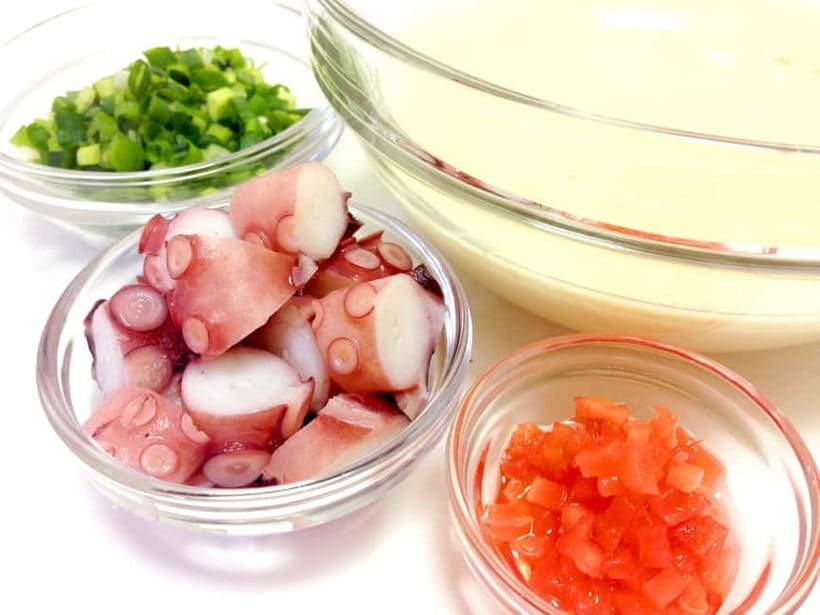
- You cook the takoyaki yourself, including the octopus-filled batter round.
- Small group (max 6) means more hands-on help at the griddle.
- Easy, beginner-friendly steps: batter, filling, grilling, and finishing with toppings.
- Finish by eating: there’s no awkward gap before the class ends.
- English support is built in, and translation can be used if needed.
Kabukicho Takoyaki: A Practical Way to Enjoy Shinjuku Food
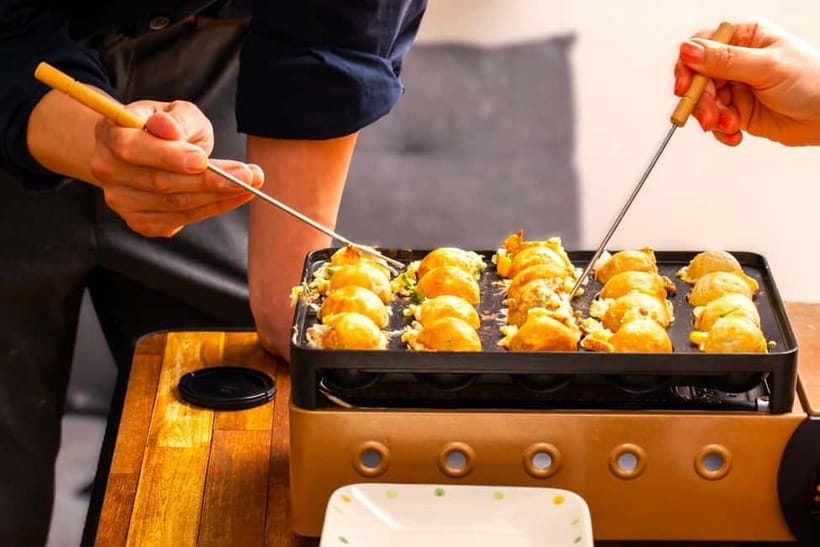
Kabukicho can feel like sensory overload. Neon, crowds, late-night energy. This class gives you a calmer pocket inside that chaos. You’re not just ordering food and moving on. You’re learning the process of one of Japan’s most fun street snacks: takoyaki.
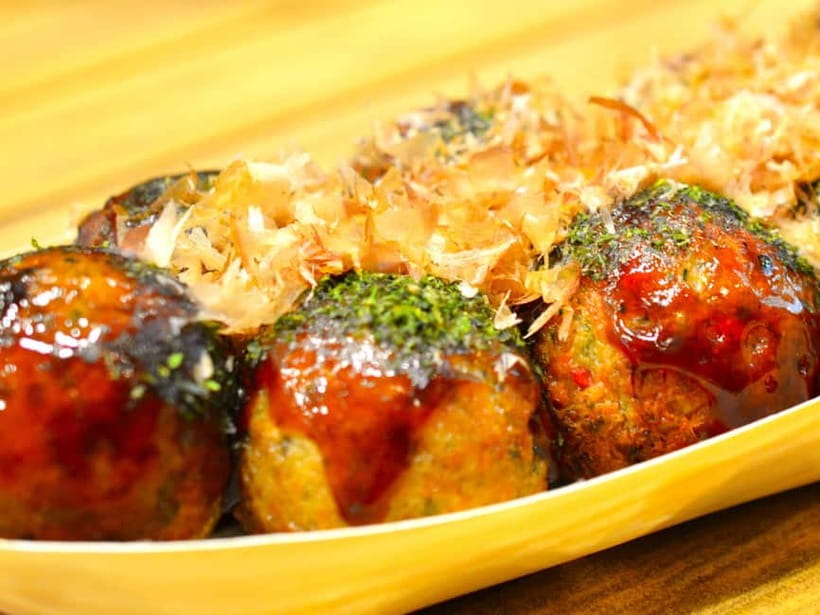
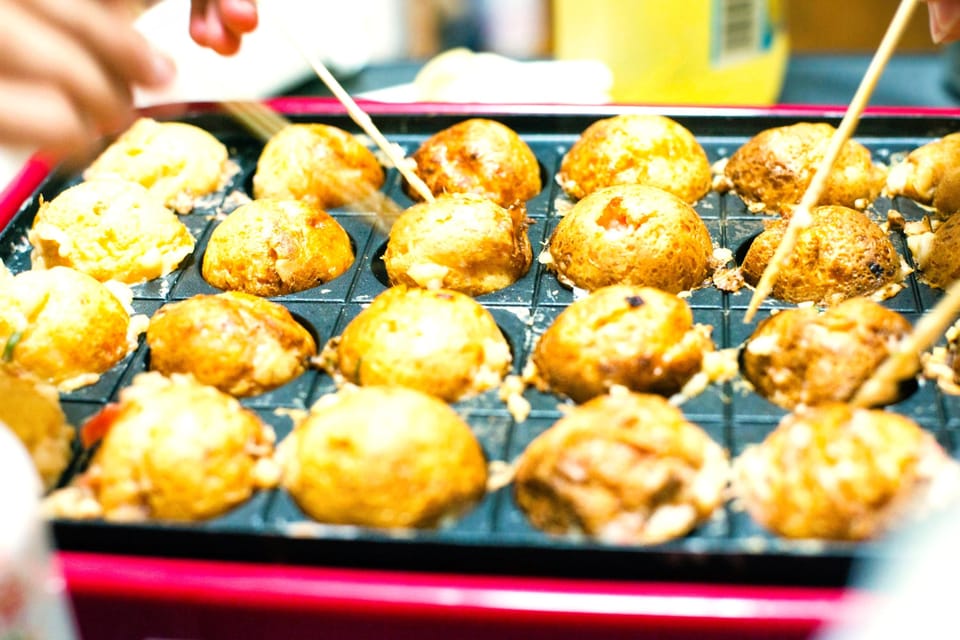
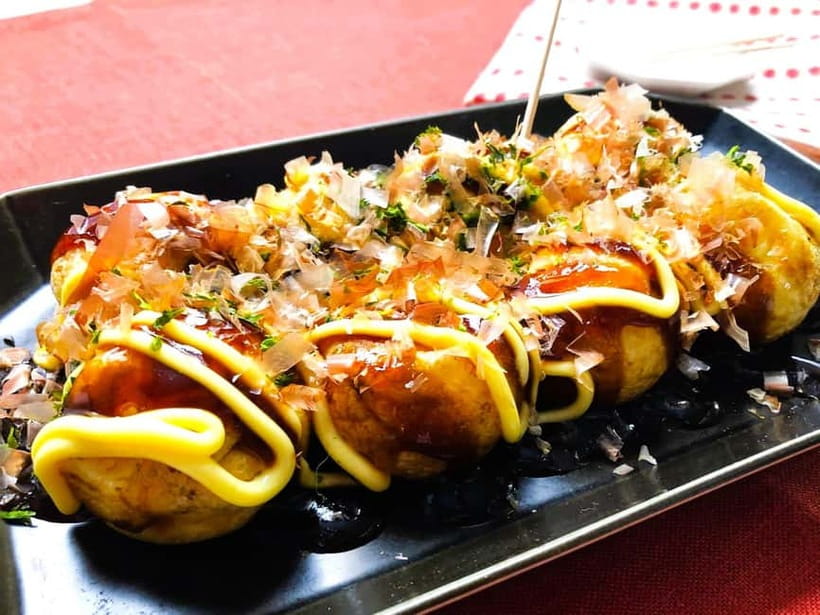
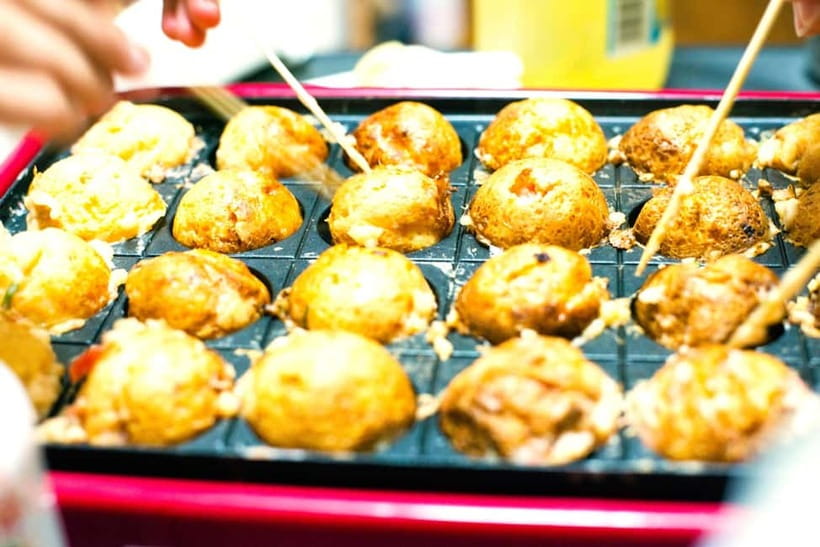
Takoyaki is made on a round griddle. Flour batter goes into each hole. Chopped octopus is added, and the batter is grilled into those signature spheres. When they’re done, they’re typically served hot with toppings like dried bonito flakes, aonori (green laver), sauce, and mayonnaise. The key texture is the contrast: crispy outside, fluffy inside. And yes, it’s easy to eat once it’s hot enough to feel exciting, not painfully scalding.
For me, what makes this experience work is that it’s not overly technical. You’re not doing chemistry. You’re flipping, filling, and learning how to get a good round. You’ll walk away with both a meal and a skill you can remember when you see takoyaki again.
You can also read our reviews of more cooking classes in Tokyo


Where to Meet Near Shinjuku Station (So You Don’t Wander)
You’ll meet about a 5-minute walk from Shinjuku Station on the JR Yamanote Line. Go along Kabukicho Central Road toward TOHO Cinemas.
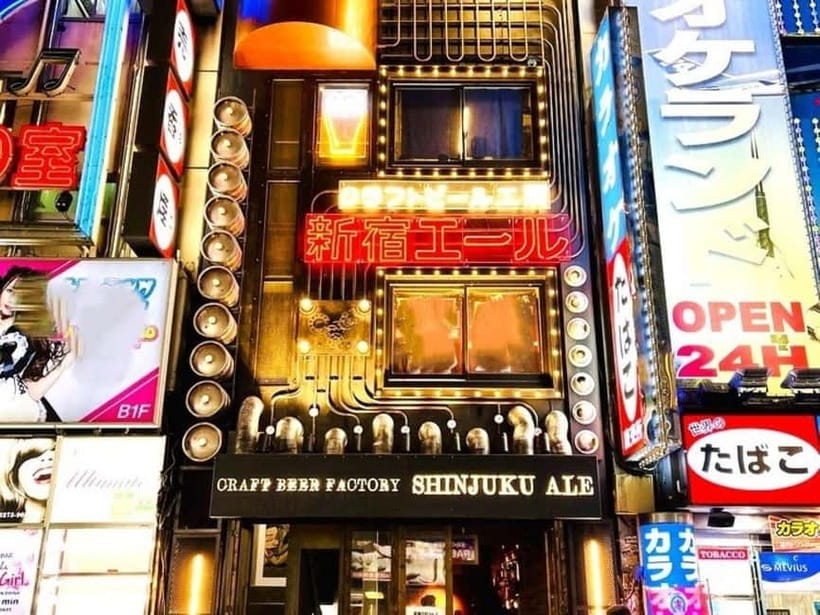
As you come near the end of the road, look to the right. You should spot Shinjuku Ale next to Karaoke 747. The address is:
1-14-5 Kabukicho, Shinjuku-ku, Tokyo
Plus code: MPV2+VR Shinjuku City, Tokyo
This matters because Kabukicho is big and visually confusing. If you show up and keep your eyes on the storefront cues (Shinjuku Ale and Karaoke 747), you’ll save time and stress. I’d also plan to arrive a bit early so you can check in calmly and get your seat at the griddle.
The One-Hour Session: Exactly What You’ll Do
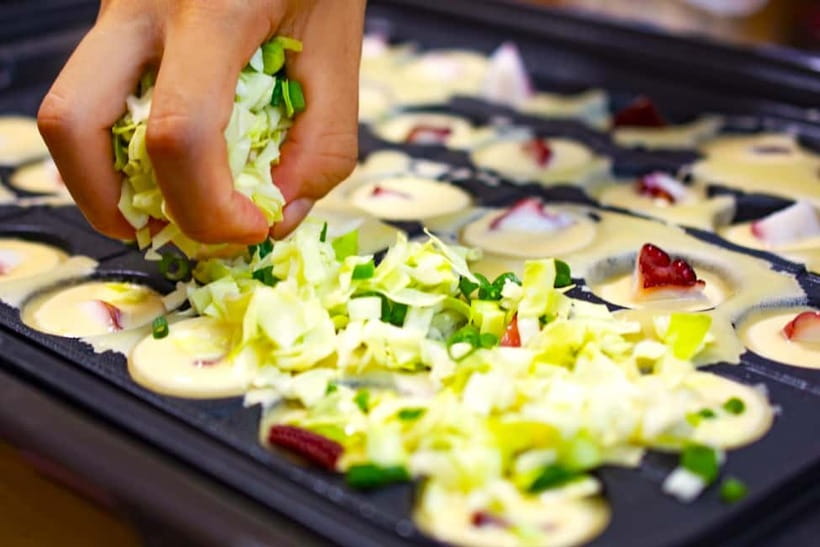
This is a straightforward 1-hour experience. The structure is simple: you’ll cook takoyaki on the griddle, you’ll eat what you make, and then the session ends when you finish eating.
Here’s the flow based on how takoyaki is made and how the class is described:
1) You pour batter into the round holes
You’re working with a batter made from water and eggs plus flour. The griddle is the center of everything, so you’ll spend your time right at the heat.
2) You add chopped octopus
The octopus is placed inside each round before it sets. This is the point where takoyaki stops being generic “fried batter” and becomes the real thing.
3) You grill and shape the spheres
As the batter cooks, you’ll help form the rounded shape. The texture depends on how it cooks around the edges, so you’re learning by watching and adjusting.
4) You serve and finish with toppings
Once they’re done, they’re placed on a plate and served hot. Then you’ll see the classic topping options: dried bonito flakes, aonori, sauce, and mayonnaise.
5) You eat your takoyaki
The experience is tied to the meal. The moment you stop cooking is basically when you start enjoying. That’s a big deal in a food class. You don’t want a lesson that ends right before you eat.
The best part is that this is designed for beginners. You don’t need special cooking gear. You just need patience with the heat and the willingness to try.
What Makes Takoyaki Fun to Make (Beyond the Food)
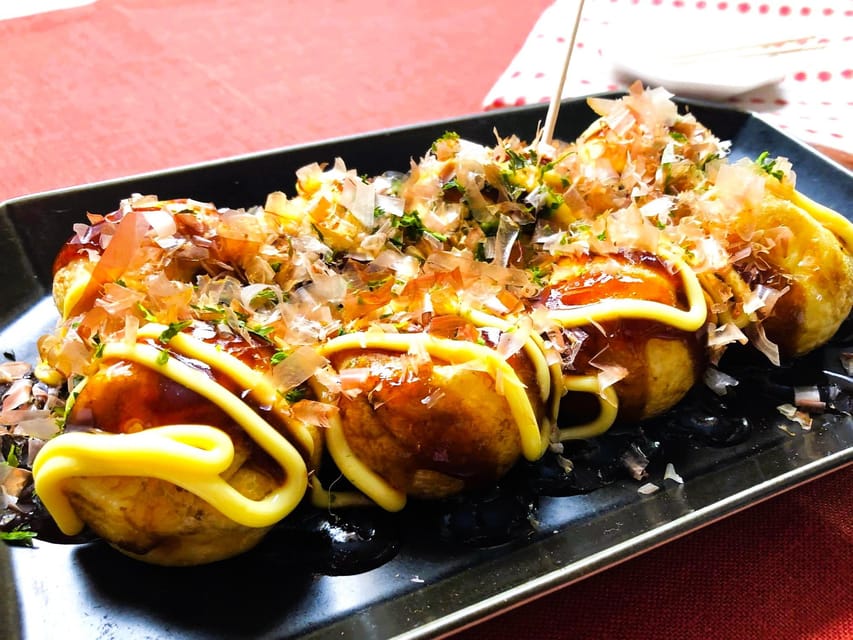
Takoyaki has a built-in satisfaction factor. It’s handheld. It’s shareable. And it’s visual while it cooks. You’ll see the transformation from batter puddles into round, crispy-edged balls.
I also like that the toppings help you personalize your plate without turning the class into a complicated customization menu. You can experience the standard flavor combos—like sauce plus mayonnaise, or bonito flakes plus sauce—right after cooking. That’s when the lesson clicks.
One more thing: takoyaki is described as easy to eat, and it goes well with beer. Bottled drinks aren’t included, so you won’t get an automatic drink ticket. But if you’re the kind of person who likes pairing food and drinks, this is a natural match. Even without alcohol, the taste is made for snack-mode: warm, savory, and not too heavy.
Toppings and Texture: Getting the Crispy Outside, Fluffy Inside
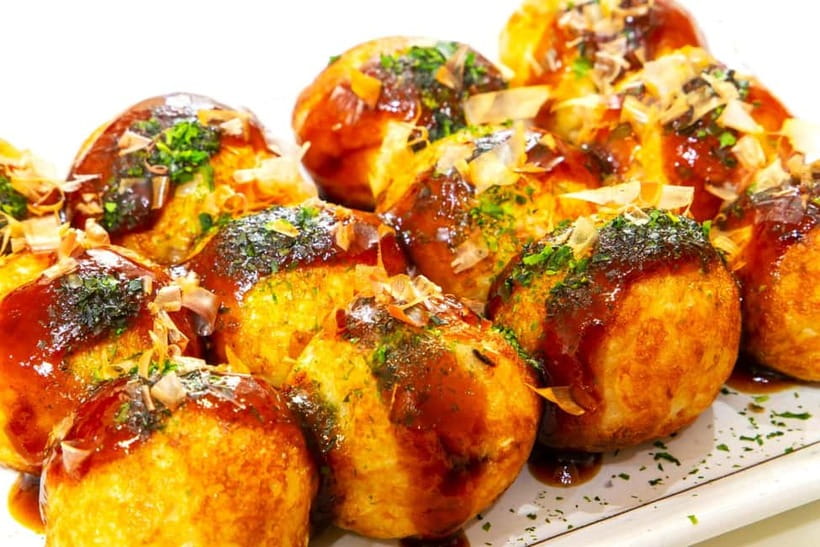
The class is about making takoyaki as it’s usually served: crispy exterior and fluffy interior. That texture is why takoyaki has that loyal following. Crispy edges give it bite. The middle stays tender.
You’ll likely be guided on how to handle the rounds as they cook so they turn out right. And then toppings do their job. Here’s what to expect from the typical finish:
- Dried bonito flakes: a salty, savory punch that clings to hot takoyaki
- Aonori (green laver): a green, seaweed note that adds a different kind of aroma
- Sauce: sweet-savory depth
- Mayonnaise: creamy richness
Even if you don’t know what each topping tastes like, you’ll be able to compare the impact quickly because the base is always the same: what you cooked.
If you’re eating with kids, this also helps. Takoyaki is “small food” you can manage, and kids tend to like the bite-sized, fun shape. (Just remember the class isn’t suitable for children under 4.)






Instructor Support: English Help and Real Human Guidance
This class includes an instructor who can work in English and Japanese. And if you end up with a staff member who isn’t fluent in English, translation machine support is used.
That sounds like a small detail, but it’s the difference between a cooking class that feels confusing and one that feels manageable. The best food experiences don’t rely on you already knowing every step.
The reviews back up the human side. People praised instructors for being friendly and for giving clear help while cooking. I saw specific guide names mentioned like Chihiro, Shuma, Koi and Kai, and Sakiko. That tells me the teaching style is consistent: practical, supportive, and focused on helping you succeed at the griddle.
Because the group is capped at 6 participants, you’re less likely to feel like you’re waiting while someone else gets attention. You should get a chance to ask questions and to correct mistakes early, before the next batch.
Price and Value: Is $25 for Takoyaki a Good Deal?
At $25 per person for a one-hour session, this isn’t just “buying a snack.” The price includes the takoyaki cooking experience plus a meal. You’re paying for instruction, a guided setup, and the food you make at the end.
What’s not included is also clearly spelled out:
- Bottled drinks
- Additional meals and drinks
- Transportation expenses to the meeting place
So the value depends on how you like to travel. If you enjoy hands-on food activities, you’re getting more than calories—you’re getting a skill and a memorable story. If you only want to eat takoyaki with zero effort, you could probably find takoyaki elsewhere. But this class turns the act of eating into the main event.
I’d call this good value if you want one high-impact activity in Shinjuku that’s not a museum, not a long tour, and not dependent on weather.
Who Should Book This (and Who Might Want to Skip It)
This is a great fit if you want:
- a short, 1-hour food activity in Shinjuku
- a hands-on meal you can say you cooked
- a beginner-friendly class that doesn’t require advanced cooking skills
- a chance to use some basic Japanese while you cook and eat
It’s also positioned as a family-friendly option, since you can enjoy making takoyaki with your children. Just make sure your kids meet the age rule: not suitable for children under 4.
You should skip (or choose another option) if:
- you have gluten intolerance, since it’s not suitable for that
- you can’t handle cooking with hot surfaces or you don’t want to spend time actually cooking
If you like talking while you eat, you might enjoy the relaxed vibe. Some sessions have a friendly chat atmosphere, and people have described feeling comfortable while learning and eating.
A Simple Game Plan Before You Go
To get the best experience, I’d treat this like a mini cooking workshop, not just a food stop.
- Arrive and check in: the instructions ask you to inform staff of your reservation when you come in.
- Come hungry: you’re cooking and then eating what you make, so plan your meal timing.
- Be ready for heat: takoyaki is served piping hot. Even if you’re brave, give yourself a moment before the first bite.
- Bring your curiosity, not your expectations: this is about learning a traditional process in a small group, with real guidance.
One nice part about the format is that it ends after you finish eating. There’s no “now wait around” phase.
Should You Book This Takoyaki Class in Shinjuku?
If you want an easy, hands-on food experience in the middle of Shinjuku, I think this is a strong booking. For $25, you’re not just sampling takoyaki—you’re making it on a griddle, finishing with classic toppings, and eating your own batch in a small group capped at 6.
Book it if you’re traveling with kids age 4+ and you want a fun, structured food activity. Book it if you want a break from walking and a chance to focus on one thing for an hour.
Skip it if gluten intolerance is part of your needs, or if you’re looking for purely passive sightseeing. Otherwise, this is exactly the kind of practical Tokyo experience that leaves you with both a full stomach and a real skill.
FAQ
How long does the takoyaki cooking experience take?
The experience lasts about 1 hour.
How much does the takoyaki cooking experience cost?
The price is $25 per person.
What is included in the experience price?
You get the takoyaki cooking experience plus a meal.
What is not included in the price?
Bottled drinks, any additional meals and drinks, and transportation expenses to the meeting place are not included.
Where is the meeting point?
Meet 5 minutes walk from Shinjuku Station on the JR Yamanote Line. Go along Kabukicho Central Road toward TOHO Cinemas, and look for Shinjuku Ale next to Karaoke 747 on the right. Address: 1-14-5 Kabukicho, Shinjuku-ku, Tokyo. Plus code: MPV2+VR Shinjuku City, Tokyo.
How many people are in each group?
This is a small group limited to 6 participants.
What languages are available during the class?
The instructor supports English and Japanese. If a staff member isn’t fluent in English, a translation machine may be used.
Is this experience suitable for children?
It is not suitable for children under 4. It can be enjoyed with children who meet the age requirement.
Is it suitable for people with gluten intolerance?
No. The experience is not suitable for gluten intolerance.
What are the cancellation and payment options?
You can cancel up to 24 hours in advance for a full refund. There is also a reserve now & pay later option to keep travel plans flexible.