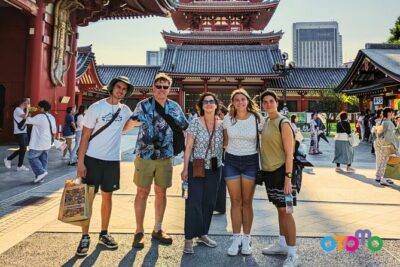
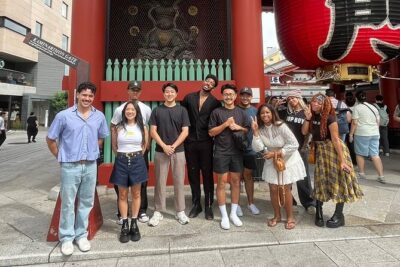
Tokyo’s food tastes better with a guide.
This Shibuya Hidden Flavors tour uses a simple walking route to mix real eating stops with familiar landmarks, so you get both flavor and orientation. I like how it’s family friendly without turning into a “show,” and you can keep asking questions as you go. If you want a Shibuya plan that feels local (not just a checklist), this one helps.
My favorite part is the combination of guided food stops and the “watch-and-learn” details at each sight—Shibuya 109, Nonbei Yokocho, the Crossing, Don Quijote, Miyashita Park, and Hachiko. The group stays small (up to 8), which makes it easier for the guide to steer you toward what fits your tastes. A possible drawback: it’s still a 4-hour walking experience, so you’ll want comfy shoes and some patience for crowds around major stops.
In This Review
- Key points to know before you go
- Meeting at Hachiko Statue: the easiest Shibuya start
- Shibuya 109: shopping-energy streets plus where locals actually snack
- Nonbei Yokocho: the after-hours alley that makes Shibuya feel real
- Shibuya Crossing: photo moment with context, not just chaos
- MEGA Don Quijote Shibuya and the 24H snack-and-soap logic
- Miyashita Park and Shibuya’s new layers
- The Hachiko finish: a faithful landmark and a food-tour wrap
- What the price gets you (and why $205 can make sense)
- Who this tour fits best (and who might want a different pace)
- Should you book Shibuya Hidden Flavors?
- FAQ
- How long is the Shibuya Hidden Flavors tour?
- How much does the tour cost?
- How many food stops are included?
- What’s included with the tour?
- Is alcohol included?
- Where does the tour start and end?
- What is the group size?
- Can I cancel and get a refund?
Key points to know before you go
- Small group (max 8) means real question time, not just hearing explanations while rushing ahead
- 4–5 food stops planned by your guide across Shibuya’s different vibes
- Local side streets like Nonbei Yokocho show how people actually spend their night
- A “food + sights” route that helps you understand Shibuya fast, then eat smarter
- Guide flexibility, including accommodations for families (guide Hiromi has adjusted pacing and even added a kid-focused detour for a Pokémon Center visit)
Meeting at Hachiko Statue: the easiest Shibuya start
You begin right at the Hachiko statue area in Shibuya (2 Chome-1 Dogenzaka). It’s a smart meeting point because it’s recognizable, central, and designed for foot traffic. You also end back where you started, which matters in Tokyo—when you finish in the same place, you can hop onto trains or walk for more food without doing extra navigation.
This tour runs about 4 hours and is a walking experience through several Shibuya hotspots, with short stops built in. The pace feels designed for people who want structure but don’t want a hard “sprint through photos.” Also, you’ll get a mobile ticket, so you don’t have to hunt for paper at a busy station area.
For families, the route choice helps. You’re moving between places where kids can see things, snack, and reset their energy, rather than being stuck in one long indoor segment. For first-timers, it’s also a practical way to build a mental map of Shibuya—once you’ve seen where everything is, deciding where to eat on your own later gets easier.
You can also read our reviews of more tours and experiences in Tokyo


Shibuya 109: shopping-energy streets plus where locals actually snack
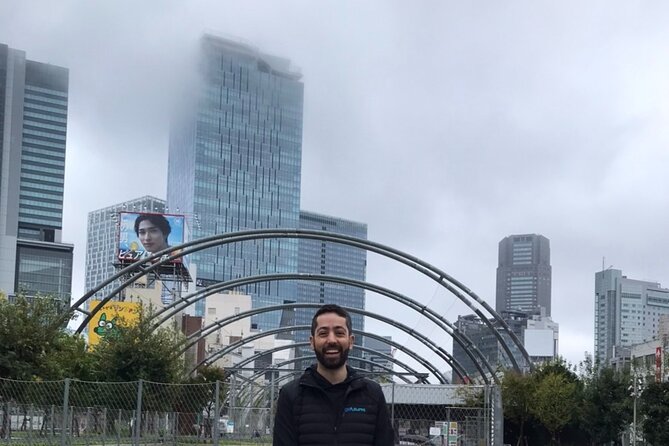
The first stop is Shibuya 109, paired with a street setting where local eaters gather for a mix of bites and izakaya-style atmosphere. This matters because a lot of food tours jump straight to “famous” items, then skip the setting that makes the food scene make sense. Here, you start in the middle of consumer culture—where people are browsing, hanging out, and grabbing something quick on the way.
Time-wise, you’ll spend about 45 minutes at this opening. That’s enough time to notice the rhythm: people flow in waves, snacks appear everywhere, and the food choices aren’t always formal meals. You learn to read the area. What looks like a chaotic shopping zone becomes a place with patterns once your guide points things out.
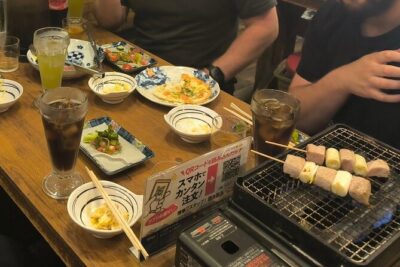
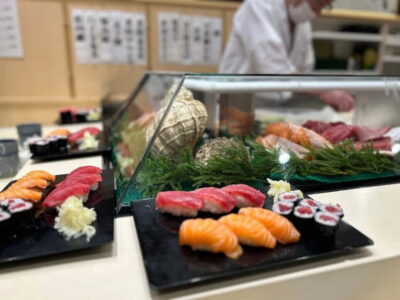
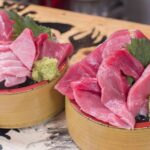
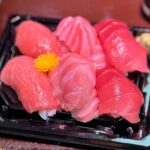
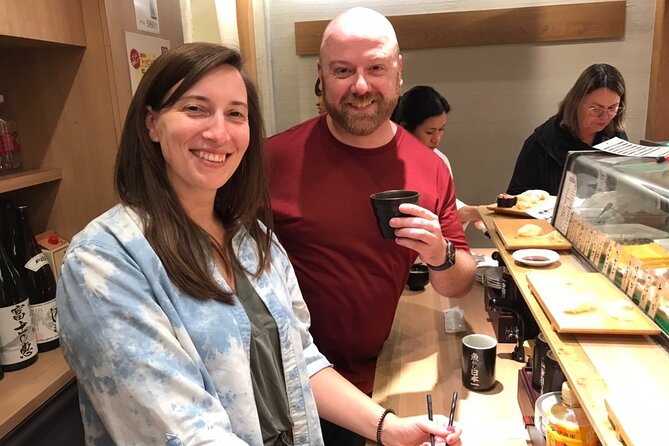
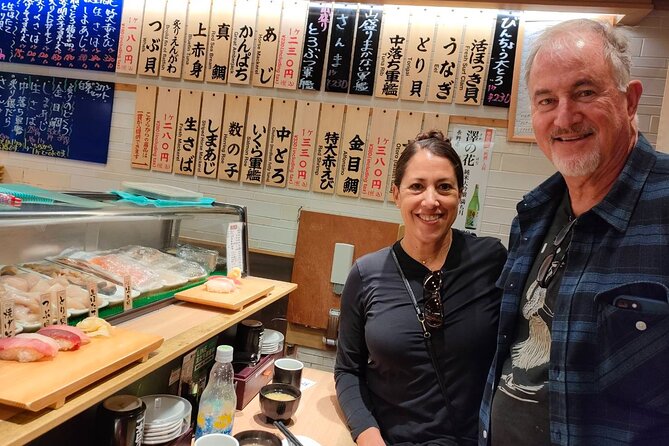
Food-wise, the tour is described as sampling a range of flavors across Shibuya—think fresh sushi, chocolates, Japanese meats, and more. You won’t just taste items; you’ll also get a feel for how Shibuya diners think: fast, flavorful, and often eaten on the move or in casual settings.
If you’re traveling with picky eaters, this first stop helps you calibrate early. You’ll see how the guide chooses portions and flavors. If something isn’t your thing, the small group format gives your guide room to steer you toward alternatives later.
Nonbei Yokocho: the after-hours alley that makes Shibuya feel real
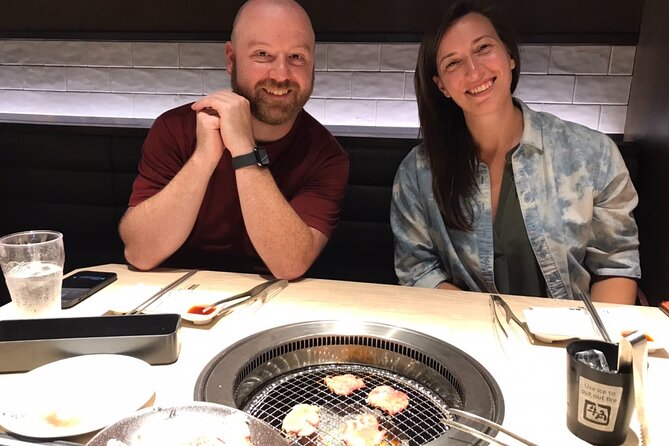
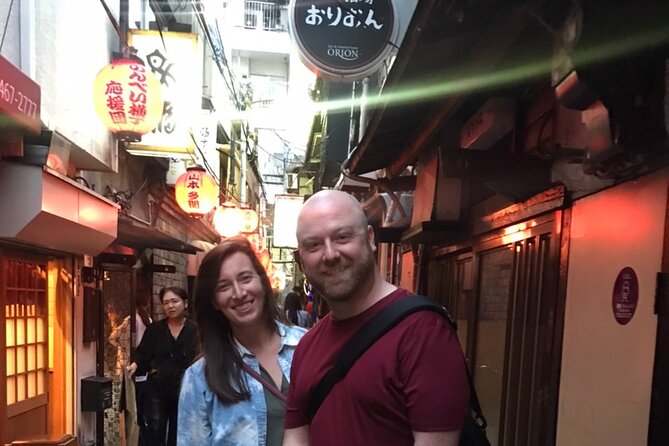
Next is Shibuya Nonbei Yokocho, described as a hidden alley where most tourists don’t go. You’ll have about 30 minutes here, which is just long enough to understand the vibe: this is where Shibuya turns from shopping daylight into night energy. Even if you don’t drink alcohol (and the tour doesn’t include it), you can still feel why the area is popular—its whole design encourages small conversations, quick bites, and easy hopping between spots.
This stop is valuable for one reason: it shows you the social side of Japanese food culture beyond the “restaurant meal.” Nonbei Yokocho-style lanes help you understand that eating is not only about the dish. It’s about the experience—choosing a spot, tasting something simple, then continuing the night.
A practical note: this section is an alley, so it may feel tighter than the big street shopping areas. If your family includes small kids who get tired or overwhelmed by noise, it’s smart to go with a calm mindset and use the guide to judge how long you should hang in any one area.
You’ll likely leave with a better sense of where locals go when they want food that’s casual, strong on flavor, and easy to share.
Shibuya Crossing: photo moment with context, not just chaos
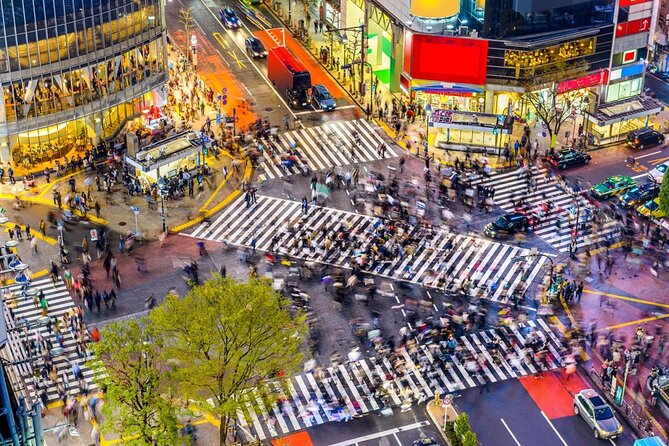
Yes, you’ll see Shibuya Crossing—the busiest crossing in Japan, with more than 2,000 people crossing every minute. The tour gives you about 15 minutes, which is perfect for two goals: (1) you get your landmark moment, and (2) you don’t waste your whole day stuck in the busiest crowd block.
The guide’s role here is important. Without context, Shibuya Crossing becomes just a photo. With a guide, you learn how to time your viewing, how to observe the movement, and what makes the location so famous. It’s also a great mental reset between food stops and shopping areas—quick picture, quick breath, then back to eating.
For families, this stop can be both exciting and a little intense. Kids love the scale, but crowds move fast. Keep an eye on bags and small hands. If someone gets overwhelmed, this is exactly the kind of moment where a small group can move together without losing people.
Then you’re off again, which keeps the tour from feeling like one long waiting line.
MEGA Don Quijote Shibuya and the 24H snack-and-soap logic

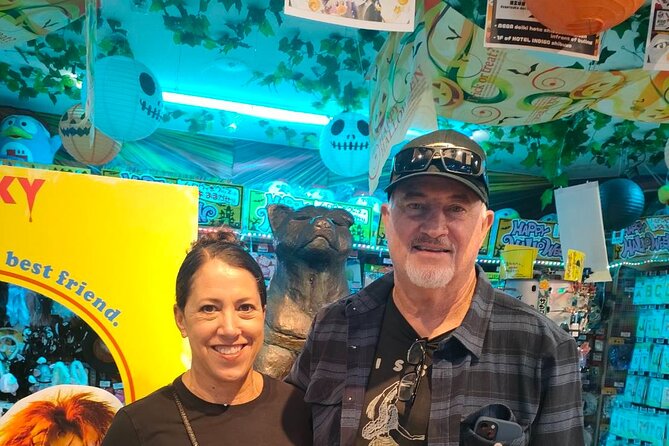
After the crossing, you head to MEGA Don Quijote Shibuya for about 1 hour. This place is open 24 hours and sells everything from sweets and cosmetics to food items and electric devices. For a food tour, the key is what happens when shopping becomes part of eating culture.
Don Quijote is useful to understand because it’s a Japanese-style one-stop shop for daily treats and travel snacks. You’ll see how people pick up small comforts—often affordable, easy to carry, and perfect for “I want something now” cravings. Even when you aren’t buying a lot, the guide helps you notice what’s popular and what tends to make sense as a small tasting item.
For value, this stop plays a role. You’re not paying extra entry fees at the listed stops, and you’re getting a full hour inside a place that’s part store, part people-watching hall. You also get a guide’s sense of what to pay attention to, instead of wandering for an hour trying to decode everything alone.
One consideration: a store this large can be loud and bright. If you’re sensitive to visual overload or you’re traveling with a stroller, it can feel crowded. Going in with the plan to follow your guide keeps it manageable.
You can also read our reviews of more guided tours in Tokyo
Miyashita Park and Shibuya’s new layers
You spend about 30 minutes at Miyashita Park, a renovated spot along the Yamanote line. The tour frames it as a newer addition to Shibuya’s changing cityscape, and it’s housed in a three-story structure. That matters because it shows you how Shibuya keeps reinventing itself—modern design, shopping, and a public feel blended into a place where people hang out.
This isn’t a “food-only” stop, and that’s a good thing. Food tours that ignore the space around the food miss how people experience a neighborhood. Miyashita Park gives you that break between hectic sections: you can look around, regroup, and enjoy the modern Shibuya rhythm.
It’s also a good time to ask questions. If you’re planning your own meals later, this is where you can ask your guide what to try next, how to order, or where to go if you want something more casual or more adventurous.
If you prefer quiet moments, this stop will feel more readable than the Crossing and still central enough to keep the tour flowing.
The Hachiko finish: a faithful landmark and a food-tour wrap
You return to Hachiko for about 45 minutes at the end. Hachiko is one of Shibuya’s unofficial landmarks, a homage to the Akita dog who waited at Shibuya Station every day for his master—even after his death. Today, the statue is part memorial, part meeting point, part photo magnet.
This final stretch works because it gives you time to slow down. Earlier parts of the tour are about motion: street food vibe, alley night culture, crossing crowds, and big-store shopping energy. Ending at a clear landmark makes the last phase feel like a landing, not a scramble.
It also helps you reset for whatever comes next. Since you finish back at the meeting point, you can continue exploring without re-orienting your whole route.
If you want to turn this into a day plan, this is a good moment to ask: what’s a smart next meal nearby, and what’s worth revisiting in the area? With a small group, you’re more likely to get answers tailored to your family’s tastes.
What the price gets you (and why $205 can make sense)
At $205 per person for around 4 hours, you’re paying for more than food. You’re paying for a guide to connect the dots between Shibuya’s zones and the eating choices that match each vibe.
Here’s what you actually get included:
- A professional guide for the full walk
- 2 soft drinks and water
- 4 to 5 food stops, chosen by your guide
- A city walking & culture tour
When I think about value in a food tour, I focus on two things: how much decision fatigue it removes and how much you learn by having someone steer the route. Shibuya is intense. Without guidance, it’s easy to eat something that looks good but isn’t the best fit for what you wanted, or to waste time searching. With this format, you get structure, tastings, and context so the neighborhood starts making sense quickly.
It’s also booked about 23 days in advance on average, which signals demand. If you’re traveling at a popular time, booking early helps you lock in a time slot.
Who this tour fits best (and who might want a different pace)
This tour is a strong match if you want:
- A small-group experience (max 8) with lots of chances to ask questions
- A family friendly way to see Shibuya and eat across different styles
- A guided route that hits both major landmarks and side streets like Nonbei Yokocho
It may not be ideal if:
- Your group hates walking (it is still a 4-hour walking plan)
- You need a super flexible, no-crowds schedule, because Shibuya Crossing and Don Quijote can be busy
One standout from real-world impressions is how guide Hiromi can adjust for a child—she’s even been noted for adding a Pokémon Center detour in Shibuya. That’s a reminder that the “fixed itinerary” doesn’t mean “no flexibility.” If you come with real needs, a good guide can shape the experience.
Should you book Shibuya Hidden Flavors?
Book it if you want a fast, friendly way to eat your way through Shibuya with a guide who can explain what you’re seeing and keep the pace family-friendly. The combination of 4–5 food stops, included drinks, and a small group format makes it feel like you’re buying time and clarity, not just snacks.
Skip it if you’re the type who prefers to wander entirely on your own with no structure at all. In Shibuya, wandering can be fun—just know you’ll spend more time deciding and less time learning where to go next.
If you want a practical Shibuya plan you can trust, this one is worth it.
FAQ
How long is the Shibuya Hidden Flavors tour?
It runs for about 4 hours on a walking route through multiple Shibuya stops.
How much does the tour cost?
The price is $205.00 per person.
How many food stops are included?
You’ll have 4 to 5 food stops chosen by your guide.
What’s included with the tour?
The tour includes a 4-hour walking tour with a professional guide, 2 soft drinks and water, and the city walking & culture component. The tastings happen at the food stops.
Is alcohol included?
Alcoholic beverages are not included. You can purchase alcohol separately if you want.
Where does the tour start and end?
It starts at the Hachiko Statue (2 Chome-1 Dogenzaka, Shibuya, Tokyo 150-0043, Japan) and ends back at the same meeting point.
What is the group size?
This experience has a maximum of 8 travelers, which keeps it small-group.
Can I cancel and get a refund?
Yes. You can cancel for a full refund if you cancel at least 24 hours in advance of the experience start time.