Two wheels, nine stops, one smooth Tokyo loop. In about three hours, this bike tour mixes major landmarks with calmer back-street views, and the e-bike option helps you keep the pace without feeling cooked. You cover far more than you’d manage on foot, with a guide steering the route and sharing context as you go.
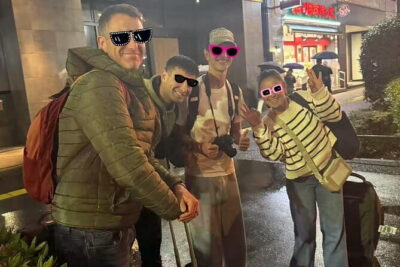
I also like how small (max 7 people) stays personal. Guides such as Show and Naoki keep things friendly and answer questions, while the itinerary packs in photo-friendly moments like Zojo-ji with Tokyo Tower behind it, plus the Otemon Gate and the rush of Shibuya Crossing. One possible drawback: you’ll need to be at ease riding around pedestrians and vehicles, because the ride can feel energetic and regular bikes can struggle on climbs.
In This Review
- Key things that make this Tokyo bike tour work
- Three hours on two wheels: what you really get out of it
- Where you start, where you end, and why that matters
- The route in order: Zojo-ji to Shibuya Crossing (and what each stop is for)
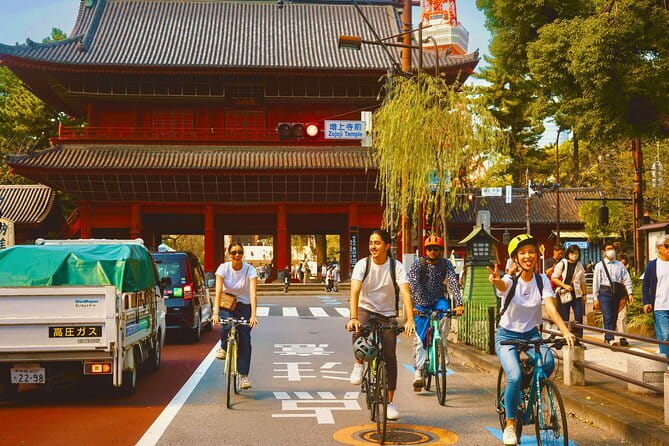
- Zojo-ji and Tokyo Tower framing
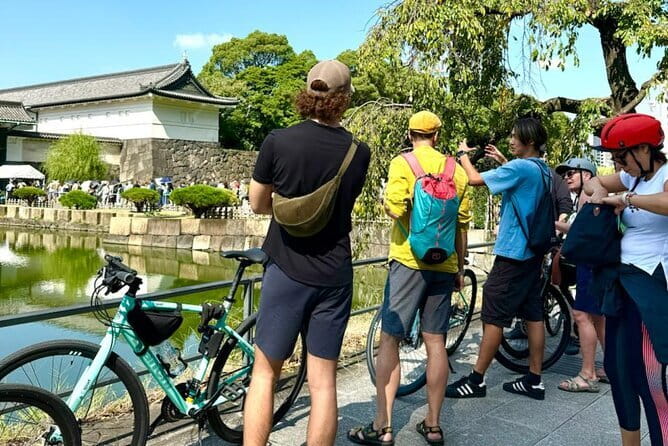
- Imperial Palace entrance and guard viewing
- Tokyo Station Marunouchi Ekimae Hiroba
- Kokyo Otemon Gate: the palace’s main gateway photo moment
- Akasaka Palace (State Guesthouse): quick and special
- Japan National Stadium: 2020 Olympic legacy location
- Aoyama Street: fashion-forward Tokyo
- Shibuya Cat Street: vintage and style browsing corridor
- Shibuya Crossing: the signature ride-through moment
- E-bike vs regular bike: how to choose without regret
- Guides, pace, and safety: what you should expect on the road
- Price and value: what $59.45 buys you (and what it doesn’t)
- Timing, weather, and what to bring so the day runs smoothly
- Who should book this Tokyo bike tour, and who should skip it
- Should you book? My take on the decision
- FAQ
- How long is the Tokyo bike or e-bike tour?
- How much does the tour cost?
- Do I need a helmet, and is it included?
- Is this tour offered with an e-bike?
- What sights are included on the route?
- What’s the group size and language of the guide?
- What happens if weather is bad?
Key things that make this Tokyo bike tour work
- 18 km in about 3 hours: a fast way to see a wide stretch of central Tokyo
- Icon + street-style mix: Tokyo Tower views, Tokyo Station brick, and fashion districts like Aoyama and Cat Street
- Photo stops built into the route: Zojo-ji, Imperial Palace gates, Otemon Gate, Shibuya Crossing
- Small group pace: up to 7 riders means more interaction and fewer awkward gaps
- Practical ride support: raincoat on wet days, bike insurance, and a mini pouch for phone/keys
- Ends near Harajuku/Yoyogi Park: easy to roll right into shopping and food afterward
Three hours on two wheels: what you really get out of it
This is a classic short-time Tokyo strategy: you get a guided loop that’s long enough to feel like a mini-safari, but short enough to keep the day flexible. The route aims to cover roughly 18 kilometers in about three hours, which is exactly the kind of distance that would be tiring (and time-draining) on foot.
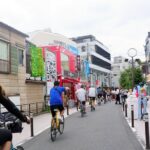
The best part is the blend. You’re not only chasing the loudest headline sights. You also ride through areas where Tokyo changes personality block by block—temple grounds and palace gates, then big-city architecture, then the fashion corridors that people actually shop along. The guide’s job is to connect the dots so it doesn’t feel like you’re just moving from one postcard to the next.
You can also read our reviews of more cycling tours in Tokyo
Where you start, where you end, and why that matters
The tour begins in the Shibakōen area at a building by Shiba Park (Minato City). Getting to that start point is usually manageable because it’s near public transport. You’ll get going with your bike and quick orientation, and then you’re immediately into the “ride first, ask questions while rolling” rhythm.
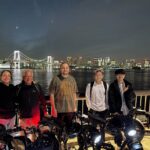
You finish in the Harajuku/Yoyogi Park area, near Jinnan, which sits between Yoyogi Park and Shibuya. From there, it’s a short walk to Yoyogi Park and a bit longer to Shibuya Station. I like endings like this because you don’t feel trapped back at your starting point. You can continue on your own—late lunch, shopping, or just another walk through the neighborhood’s energy.
The route in order: Zojo-ji to Shibuya Crossing (and what each stop is for)
This itinerary is built around quick time windows with enough structure to keep you moving, but not so tight that you can’t stop for photos.
Zojo-ji and Tokyo Tower framing
Your first major stop is Zojo-ji, a famous temple area where you can line up photos with Tokyo Tower in the background. The visit is short—around 15 minutes—but that’s part of the design. You’re there to get the key view and absorb a little atmosphere before you push on.
There’s also a note worth knowing: if conditions allow, you may be able to go inside the temple. Either way, you’re starting with a view that instantly tells you you’re in Tokyo, not a generic city tour.
Imperial Palace entrance and guard viewing
Next comes the Imperial Palace entrance area, including a look at guards. Expect about 10 minutes here and free access for the viewpoint portion. This is one of those stops that helps you understand the scale of Tokyo’s power center without turning your day into a museum marathon.
If you care about architecture or how spaces are organized, you’ll get more out of this segment if you pay attention to details the guide points out—especially how the ceremonial spaces contrast with everyday city life outside the gates.
You can also read our reviews of more city tours in Tokyo



Tokyo Station Marunouchi Ekimae Hiroba
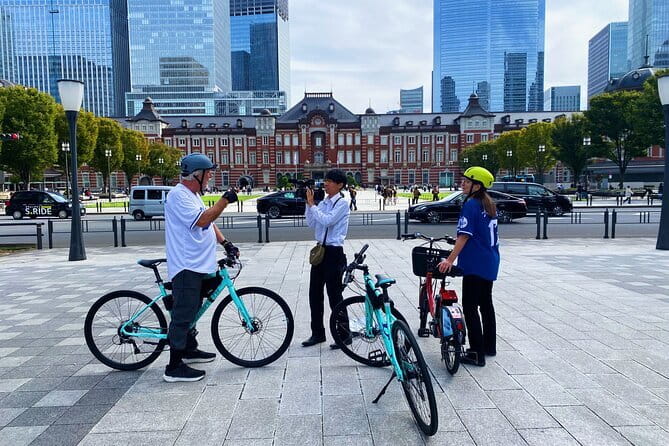
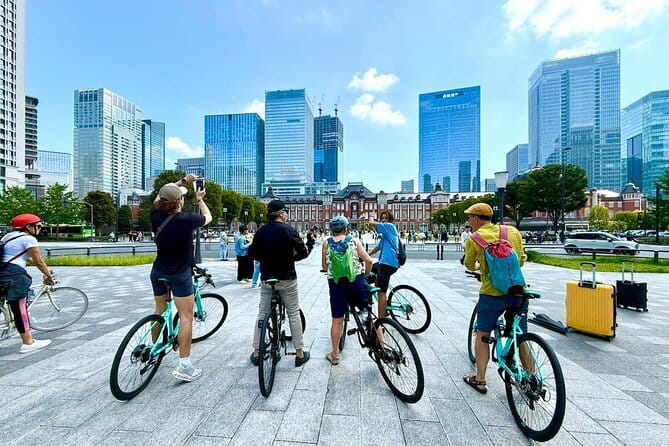
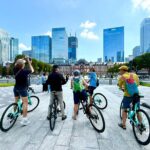
After that, you ride to Tokyo Station’s Marunouchi Ekimae Hiroba area. This is about 10 minutes, and it’s a nice break from open streets. Tokyo Station is famous for its red-brick facade, and it’s one of those places where standing in the right spot makes the whole building look dramatic and intentional.
Even if you’ve seen photos, it plays differently in person because you’re right in the flow of one of the busiest transport hubs in Japan.
Kokyo Otemon Gate: the palace’s main gateway photo moment
Then you hit Kokyo Otemon Gate, the main entrance gateway to the Imperial Palace. Again, it’s brief—around 10 minutes—but it’s timed well for pictures. This stop is clearly designed for that “I’m really here” photo, with enough time to reposition as needed.
Akasaka Palace (State Guesthouse): quick and special
Next is Akasaka Palace (State Guesthouse). You’ll get about 5 minutes and the admission is not included. Still, it’s a worthwhile stop because it’s not just “another gate.” It’s tied to Japan’s state-level traditions, and even a short look can feel meaningful if you’re into how countries present official spaces.
Because time is tight here, I suggest focusing on the exterior views and letting the guide’s explanation do the heavy lifting.
Japan National Stadium: 2020 Olympic legacy location
You then ride to Japan National Stadium, with about 15 minutes on site. It’s the venue connected to the 2020 Tokyo Olympics and Paralympic games. For many people, it’s the most straightforward “big event” moment on the route, and it gives the tour a modern Tokyo anchor before you shift back into neighborhood streets.
Aoyama Street: fashion-forward Tokyo
From the stadium area, you head into Aoyama Street for about 5 minutes. This is where Tokyo shows a different face—high-end fashion brands and distinctive architecture. The stop is short, but it helps you understand the city’s shopping geography and style zones.
If you’re a “window shop” person, you’ll probably enjoy glancing at storefront design and street layout more than trying to do anything heavy-duty here.
Shibuya Cat Street: vintage and style browsing corridor
Then it’s over to Shibuya Cat Street, again about 5 minutes. This is the kind of street where people come for shopping variety—often a mix that feels more youth-oriented and creative than the surrounding blocks.
Think of this stop as a quick taste. You’re not meant to finish your shopping here on the tour. It’s more about orienting you to what’s around Shibuya after you dismount.
Shibuya Crossing: the signature ride-through moment
You finish with Shibuya Crossing, about 5 minutes. This is Tokyo’s most famous street intersection, and biking through it is a different experience than watching it from the sidewalk.
The guide’s job here is to keep you safe and moving through the crowd and traffic flow without you feeling trapped. When this part clicks, it feels like you’re seeing the city’s pulse rather than just visiting a landmark.
E-bike vs regular bike: how to choose without regret
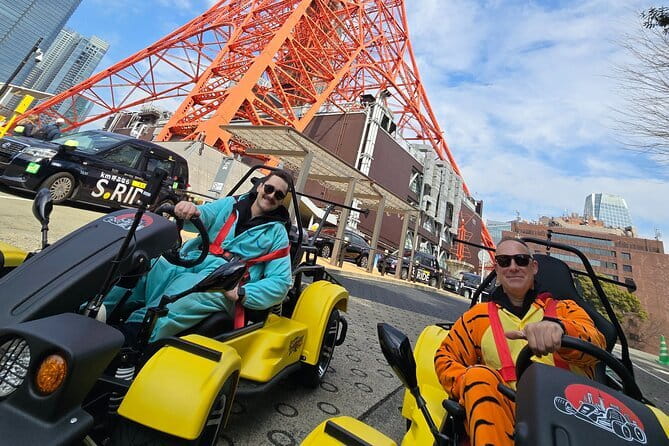
You can ride a bike or e-bike, and the difference matters in Tokyo. Hills happen. Crowds happen. Heat happens—especially in summer.
If you’re even slightly unsure about your stamina, the e-bike option is the easiest “yes.” Multiple people highlighted how the e-bike made the tour more enjoyable and helped on climbs. Even riders who didn’t feel they needed help at first still seemed glad they had the option during hotter conditions.
That said, don’t assume e-bike equals effortless. One practical caution from real-world experience: e-bikes can vary by fit, and someone reported an e-bike that felt too small and possibly not performing as expected. Before you commit to speed, do a quick check—seat height, handle comfort, and that the bike is responding normally.
Also, if you’re on a regular bike, plan for a more physical ride. One report noted that regular-bike participants lagged behind on climbs. So if you’re fitness-limited, don’t force the “tough it out” choice.
Guides, pace, and safety: what you should expect on the road

This tour is capped at up to 7 travelers, which is the sweet spot for a guided biking experience. You get attention, but you’re not sitting in a giant group that turns every stop into a logistics problem.
English and Japanese are supported by an in-person guide, and names you’ll hear include Show, Naoki, Sho, Miguel, Rinto, Kosei, Keiji, and Naoki again across different tour groups. What stays consistent is the “keep it friendly and answer questions” vibe, especially at the stops where you pause for photos and explanations.
Safety is built into the experience, but your comfort matters too. A key consideration from the ride reality: you must be okay biking around pedestrians and vehicles. If the idea of sharing space with lots of foot traffic makes you nervous, choose e-bike if available and keep your focus on the guide’s instructions.
One small detail: this style of tour generally works best when you stay close enough to hear instructions clearly, because headset systems aren’t mentioned as part of the setup.
Price and value: what $59.45 buys you (and what it doesn’t)
At $59.45 per person for about three hours, you’re paying for three things at once:
- a guided route across multiple neighborhoods
- bike use (and protection via bike insurance)
- practical support for the ride, like a raincoat on rainy days and a mini pouch for phone/wallet/keys
What’s not included is also pretty clear: food and drink aren’t part of the ticket. If you’re riding near a lunch window, plan to eat before or after. The tour’s built-in stop timing covers sights, not meals.
Also, helmet rental is extra (¥1000), and you’ll need cash if you want one. That’s not a dealbreaker, but it’s a reminder to plan ahead so you don’t lose momentum at the counter.
When it comes to overall value, this price makes sense if you want a guided overview without spending the whole day commuting between far-flung sights. It’s a time-saver, and the 18 km distance is the big “value lever” here.
Timing, weather, and what to bring so the day runs smoothly
The tour is described as requiring good weather. If weather gets bad enough, you’re offered either another date or a full refund. On rainy days, you’ll get a raincoat, which is a practical inclusion.
For clothing, think comfort over style:
- wear shoes you can bike in
- dress for heat if you’re visiting in warm months
- bring cash if you want the helmet rental
If you’re hoping for certain photo moments like temple interiors, keep expectations flexible. Some stops note that entry may depend on conditions, so the safest mindset is: you’re there for the viewpoint and story first.
A useful pattern from real scheduling: one person specifically praised doing the tour on a Sunday, because some streets were closed and riding felt easier. That doesn’t mean weekdays are impossible, but it’s a smart hint if your dates allow you to pick.
Who should book this Tokyo bike tour, and who should skip it
This is best for you if:
- you want a fast way to see Tokyo’s variety in a short half-day window
- you like guided explanations while you’re moving
- you want a safe, structured route without planning every turn yourself
- you can handle moderate physical effort and are comfortable riding in city conditions
It’s also a strong fit for solo travelers. One report described being the only rider in the group, which turned the experience into something very personal. If you like one-on-one attention, small group formats like this often deliver.
You might want to think twice if:
- you don’t feel comfortable with biking around pedestrians and cars
- you’re expecting only “off-the-beaten-path” sites. The tour includes major landmarks like Tokyo Station, the Imperial Palace area, and Zojo-ji. The name leans toward lesser-known framing, but the route is still very highlights-focused.
Should you book? My take on the decision
Book it if you want a guided Tokyo crash course with motion and photo stops, without eating up your whole day. The mix of Imperial Palace gates, Tokyo Station’s brick facade, the Olympic stadium site, and then a finish through Shibuya and Harajuku is a strong use of time.
Skip or reconsider if you’re uncomfortable in traffic-heavy pedestrian areas or you’re strictly looking for lesser-known spots only. This route gives you plenty of structure, and that structure includes headline landmarks.
If you do book, make your life easier by planning for cash for a helmet, wearing bike-friendly shoes, and choosing the e-bike if you want the ride to feel fun rather than hard work.
FAQ
How long is the Tokyo bike or e-bike tour?
It runs for about 3 hours.
How much does the tour cost?
The price is $59.45 per person.
Do I need a helmet, and is it included?
A helmet is not included. Rental is available for ¥1000, and you’ll need cash if you want one.
Is this tour offered with an e-bike?
Yes, the experience is offered as a bike or e-bike tour.
What sights are included on the route?
The tour includes stops such as Zojo-ji, the Imperial Palace area, Tokyo Station Marunouchi Ekimae Hiroba, Kokyo Otemon Gate, Akasaka Palace (State Guesthouse), Japan National Stadium, Aoyama Street, Shibuya Cat Street, Shibuya Crossing, and it ends near Yoyogi Park.
What’s the group size and language of the guide?
The tour has a maximum of 7 travelers. The guide is offered in English and Japanese.
What happens if weather is bad?
The experience requires good weather. If it’s canceled due to poor weather, you’ll be offered a different date or a full refund.