REVIEW · TOKYO
Asakusa Traditional Experience
Book on Viator →Operated by Life Journey Nipon · Bookable on Viator
Tokyo’s oldest temple starts the story.
This Asakusa experience pairs Senso-ji (completed in 645) with an easy stroll for traditional shopping, then finishes with the hands-on fun of Edo-style cut glass. I love the way the guide connects what you’re seeing—temple architecture, the Edo-era vibe, and small details you’d otherwise miss—while keeping the pace friendly. I also like that you’re not just watching history; you end up with a made-by-you souvenir from the Edo-kiriko crafting session. One thing to consider: the guided walk part is covered, but the main craft costs extra on the day, so your final total depends on what you choose to do at the workshop.
You’ll meet in the Kaminarimon area, and it’s set up as a private group for up to 5 people, so it feels less like a conveyor belt and more like a guided morning out. The schedule runs about 4 hours including travel time, starting at 10:00 am, with a simple, straightforward flow. Still, plan to spend a bit of time on shopping browsing at Nakamise-dori—great if you like souvenirs, less great if you prefer nonstop sights.
In This Review
- Key highlights you’ll care about
- Senso-ji Temple: why Tokyo’s oldest temple is worth your time
- Nakamise-dori by Kaminarimon: shop smarter on a traditional 200+ meter lane
- Sumida Edo Kiriko Kan: making Edo-style cut glass you can actually take home
- Price and value: what you really get for $142.84 per group
- Timing and meeting point: how to fit this into your Tokyo day
- Who this suits (and who might not love the format)
- Should you book this Asakusa Traditional Experience?
- FAQ
- How long is the Asakusa Traditional Experience?
- Where do we meet, and what time does it start?
- What stops are included in the tour?
- What is included in the $142.84 price, and what costs extra?
- How much does the Edo-kiriko workshop cost?
- Is this a private tour?
- Is free cancellation available?
Key highlights you’ll care about
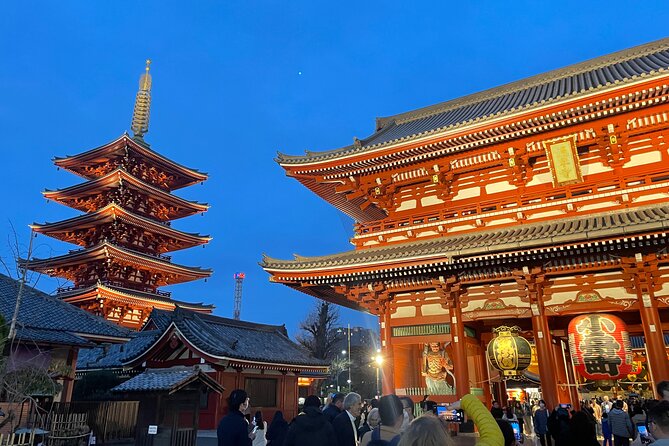
- Senso-ji at the 645AD level: Tokyo’s oldest temple area, with context that helps it click.
- Nakamise-dori by Kaminarimon: a short, walkable shopping street with traditional snacks and souvenir staples.
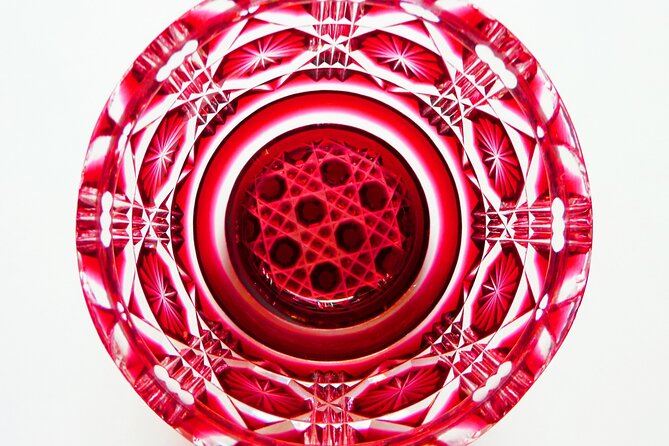
- Edo-kiriko design and cutting: you create an original glass pattern and get to take it home.
- Clear “what you pay for” setup: guide costs are included; the Kiriko workshop fee is not.
- Private for up to 5: your group stays together, with a local guide steering the experience.
Senso-ji Temple: why Tokyo’s oldest temple is worth your time
Senso-ji is one of those places where the scale feels bigger than the walking distance. You start right in the middle of it, in the Senso-ji area that carries strong echoes of old Tokyo life. The temple was completed in 645, which is a big number for a city that’s known worldwide for fast change. Here, the point isn’t to memorize dates. It’s to understand why this site became a constant in Tokyo’s cultural calendar.
With the guide, you get more than a quick “this is a temple” explanation. I like how the tour framing helps you notice temple features and design choices you’d normally glide past. You also get context tied to the Edo era feel of the neighborhood—how the area functioned as a place to gather, shop, and worship, not just as a pretty postcard stop. You’ll have about an hour here, which is enough time to see the key spaces without turning it into a marathon.
A practical thought: Senso-ji is popular, so expect crowds around the main approach areas. That’s normal. If you’re hoping for quiet serenity, this is the wrong temple for that mood. But if you want a real Tokyo experience—people, rituals, and that “I’m actually in the story” feeling—it’s a strong start.
You can also read our reviews of more tours and experiences in Tokyo.



Nakamise-dori by Kaminarimon: shop smarter on a traditional 200+ meter lane
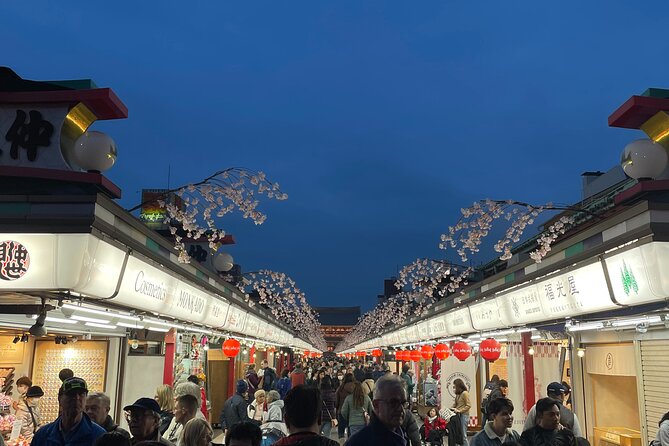
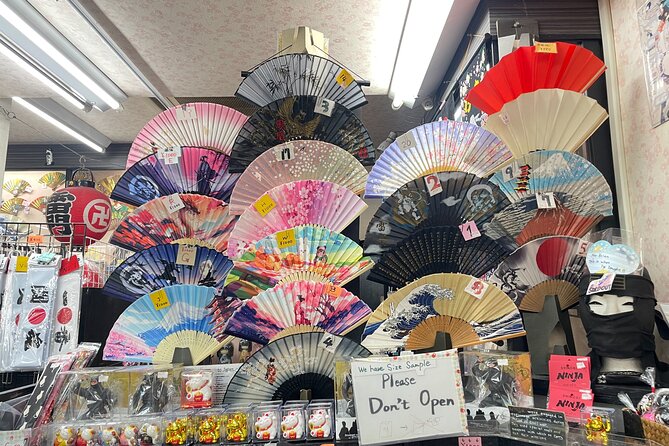
After Senso-ji, you move into Nakamise-dori, the shopping street that belongs to the Senso-ji area. It’s over 200 meters long, which sounds short until you’re actually walking it with your eyes open. This is where you’ll find the classic traditional souvenir lineup: things like yukata items and folding fans, plus snacks that tempt you even if you told yourself you’d eat later.
Your time here is about an hour, so the tour keeps it practical. Instead of wandering forever, you get a guided walk that helps you spot what’s most meaningful to bring home. I also like that the experience doesn’t pretend shopping isn’t a big part of the Asakusa tradition. It is. The street is built around the idea that the temple visit continues into the shopping and eating ritual.
A couple of notes so you don’t get stuck buying things that don’t fit your life. First, snacks aren’t included, so treat the hour as a budget check: decide what you want to taste versus what you want to keep for later. Second, souvenir shopping can fill your bag fast. If you’re carrying other stuff for the day, prioritize smaller, lighter items. And if you see something you really like, grab it sooner rather than later—by the time you’re at the far end, you’ll likely be thinking about the glass workshop next.
Sumida Edo Kiriko Kan: making Edo-style cut glass you can actually take home
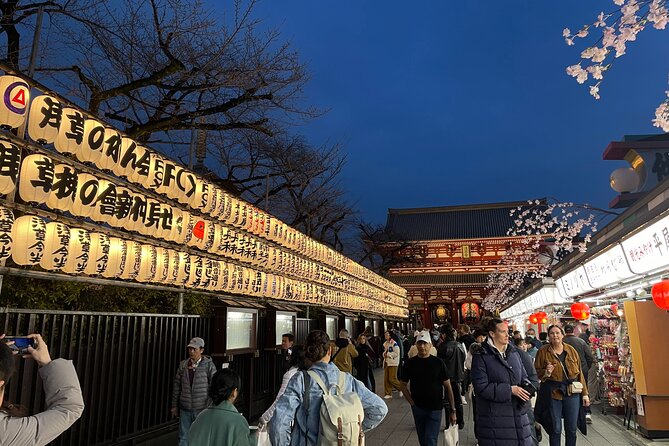
Then comes the reason many people book this tour: the Kiriko crafting session at Sumida Edo Kiriko Kan. Edo-kiriko refers to traditional cut glass that originated in Edo, and this is not a “watch someone else do it” activity. You’ll design your own pattern, then cut it as part of the workshop.
This stop runs about 90 minutes, which is a good length. Long enough for you to feel like you made something real. Short enough that it won’t eat the whole day or turn into a “how much longer” situation. You’ll end up with an original piece, and the fact that it’s personal matters. A souvenir you made yourself often lasts longer in your memory than something you picked up off a shelf.
Cost matters here. The Edo Kiriko workshop fee is listed as 4,950 JPY and is not included in the base tour price. So when you’re calculating value, think of the guided Asakusa walk as one part, and the glass-making as the second part you pay for separately.
One more practical detail: the workshop location may change. It doesn’t sound like it will change the experience type, but it can affect exactly how you’ll get there. If you’re tight on your schedule after the tour, keep your afternoon flexible.
Also, glass-crafting can be a hands-on, focused activity. If you don’t like sitting through demos and prefer quick sightseeing only, this is still worth considering because it’s active and guided—but it’s not a fast stop.
Price and value: what you really get for $142.84 per group
The price is $142.84 per group, up to 5 people, for a tour duration of about 4 hours (including travel time). At first glance, that sounds like a lot for a walking tour. Here’s how it makes sense: the price covers the tour guide cost, and the tour guides your route through Asakusa in a way that helps you understand what you’re seeing. You also get a private format, which often matters more in Japan than you’d expect. Small-group attention can turn a “quick look” into a “now it makes sense” visit.
But here’s the catch you should plan for: major add-ons are not included. The Edo Kiriko workshop fee is 4,950 JPY, and snacks on Nakamise-dori aren’t included either. There’s also a wagashi making experience listed separately for 1,800 JPY. If you want that sweets-making option, budget for it on top of everything else.
So how do you judge value? I’d do it like this:
- If you want a guide to explain Senso-ji and help you shop efficiently, the base price is reasonable—especially for a group of up to 5.
- If you want the craft, your real “total spend” is base price plus the workshop fee (and any optional wagashi/snacks).
The mobile ticket is a nice touch for day-of smoothness. Instead of juggling paper confirmations, you’re set up to show what you need through your phone. Still, keep the email or confirmation details accessible, just in case your phone battery decides to run an experiment.
Timing and meeting point: how to fit this into your Tokyo day
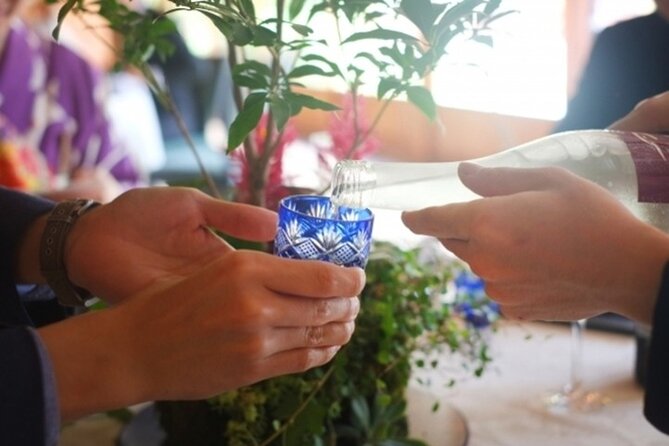
The tour starts at 10:00 am, and you meet at Kaminari mon 2-chōme-3-1 Asakusa, Taito City, Tokyo 111-0032, Japan. The experience ends back at the meeting point, which is helpful because you don’t have to plan an awkward “where do I go now” moment after you finish.
The total time is listed as about 4 hours including travel time, so you can realistically place it in your day without fearing it will swallow your schedule. The flow is straightforward:
- About 1 hour at Senso-ji
- About 1 hour shopping time at Nakamise-dori (with Kaminarimon nearby)
- About 1 hour 30 minutes for the Edo-kiriko workshop
That sequencing matters. Starting with Senso-ji gives you the cultural anchor first. Then Nakamise-dori feels natural afterward, like the local rhythm of temple-to-street-to-snack. The glass workshop lands last, when you’re already in the Asakusa mood and ready to do something hands-on.
If you’re pairing this with other nearby sights, keep your next plan flexible. The workshop has an extra layer of timing because it’s an activity, not a quick photo stop. A slow-feeling day is often the best kind in Asakusa anyway.




Who this suits (and who might not love the format)
This experience fits you best if you want three things in one half-day: a classic temple start, a traditional shopping stretch, and a hands-on craft you can take home. If you’re the type who likes understanding what you’re looking at—why a place matters, not just what it looks like—you’ll get extra value from having a guide on the ground.
It also suits people who like a private group vibe. Up to 5 people means you can travel with friends or family without turning it into a large group event. The tour is described as suitable for most people, and it’s near public transportation, which usually makes the start-and-finish easier than obscure meeting spots.
Who might consider skipping? If you only want fast, independent sightseeing with zero extra activities, the paid workshop time might feel like a forced commitment. Also, if you hate shopping streets, Nakamise-dori could feel like extra time. The good news is that the shopping portion is time-boxed to about an hour, so it’s not open-ended.
Should you book this Asakusa Traditional Experience?
I think this is a smart booking if you want more than photos. The guided context at Senso-ji, the practical stroll through Nakamise-dori, and the chance to make an Edo-kiriko glass piece are a solid combo. You’ll leave with a story you can tell and a souvenir that didn’t exist yesterday.
Book it if you:
- Want a guided Asakusa walk that explains what you’re seeing
- Plan to do the Edo-kiriko workshop and want a real hands-on activity
- Prefer a private group experience for up to 5 people
Maybe skip or adjust expectations if:
- You’re not interested in craft-making and don’t want extra costs on top of the base price
- You want zero shopping time and only high-speed sight visits
If you’re aiming for an authentic Asakusa morning where culture meets something you make with your own hands, this tour hits the mark.
FAQ
How long is the Asakusa Traditional Experience?
The tour lasts about 4 hours total, including travel time.
Where do we meet, and what time does it start?
You meet at Kaminari mon 2-chōme-3-1 Asakusa, Taito City, Tokyo 111-0032, Japan. The start time is 10:00 am.
What stops are included in the tour?
The tour visits Senso-ji Temple, Nakamise-dori near Kaminarimon, and the Sumida Edokirikokan for the Edo-kiriko crafting experience.
What is included in the $142.84 price, and what costs extra?
The included cost is the tour guide. Not included are snacks at Nakamise-dori, the Edo Kiriko workshop fee (4,950 JPY), and the wagashi making experience (1,800 JPY).
How much does the Edo-kiriko workshop cost?
The Edo Kiriko workshop is 4,950 JPY and is not included in the tour price.
Is this a private tour?
Yes. It’s private, and only your group participates. The group size is up to 5 people.
Is free cancellation available?
Yes. Free cancellation is available if you cancel at least 24 hours before the experience’s start time for a full refund.