REVIEW · TOKYO
Best Price Daikoku Parking Tokyo Drift & APIT Car Meet Tour
Book on GetYourGuide →Operated by Matenro & Co. Inc. · Bookable on GetYourGuide
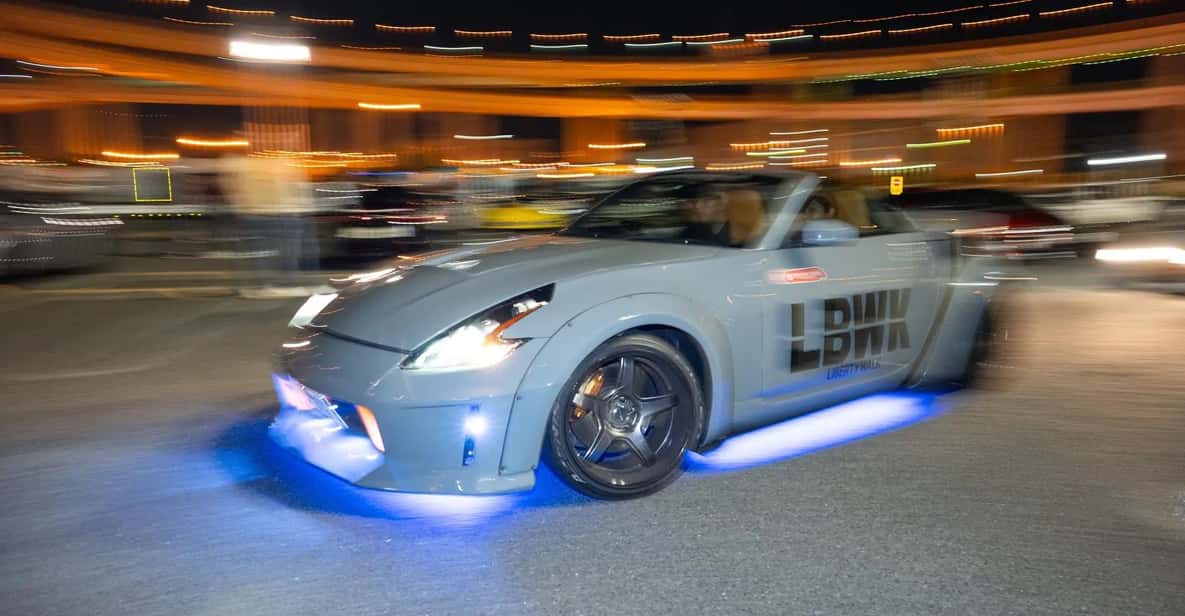
Daikoku parking feels like Tokyo Drift. This private tour brings you into the real JDM and drifting scene through a local English-speaking guide connected to the meet, with a route that starts at APIT and ends with classic Tokyo skyline views. The vibe is relaxed, and you’ll see cars in a way that’s more about community than performance art.
I like two things most: the inside access from local drifters (guides like Takeshi and Toshi are described as part of the scene and great hosts), and the smart stop order—APIT first, then about an hour at Daikoku. You get both the shopping/gear culture and the street-car “watch it with your eyes” moment.
One consideration: the time at Daikoku is about 1 hour, so if you want a longer hang with the cars, plan to customize your timing. Also, the tour can be cancelled in heavy rain or snow.
In This Review
- Key points to know before you go
- APIT comes first, so you understand what you’re seeing
- Daikoku Parking: where the JDM meet feeling clicks
- Pickup and transport: Lexus LS style, Honda wagon practicality
- Return drive: Rainbow Bridge and Tokyo Tower views on the way back
- Your guide is the product: Matenro, fluent English, and community stories
- Price and value: what you get for $133 per person
- Timing and weather: when the day changes
- Who this tour suits best (and who might skip it)
- Should you book Best Price Daikoku Parking Tokyo Drift & APIT Car Meet Tour?
- FAQ
- What stops are included on the tour?
- How long do we spend at Daikoku Parking?
- What transportation is used for pickup and drop-off?
- Is the tour private?
- What languages are available?
- Can the itinerary be customized?
- What happens if the weather is bad?
- Can I reserve now and pay later?
Key points to know before you go
- APIT first: start at the biggest auto store area and build context before you hit Daikoku.
- Daikoku Parking timebox: expect around 1 hour at the meet area.
- Local guide access: guides connected to the drifting/tuning community, with fluent English.
- Comfortable pickup: modified Lexus LS or similar, or a Honda wagon for larger groups.
- Tokyo skyline ride back: Rainbow Bridge and Tokyo Tower show up on the return drive.
- Flexible add-ons: your day can be customized, including other car-focused activities.
APIT comes first, so you understand what you’re seeing
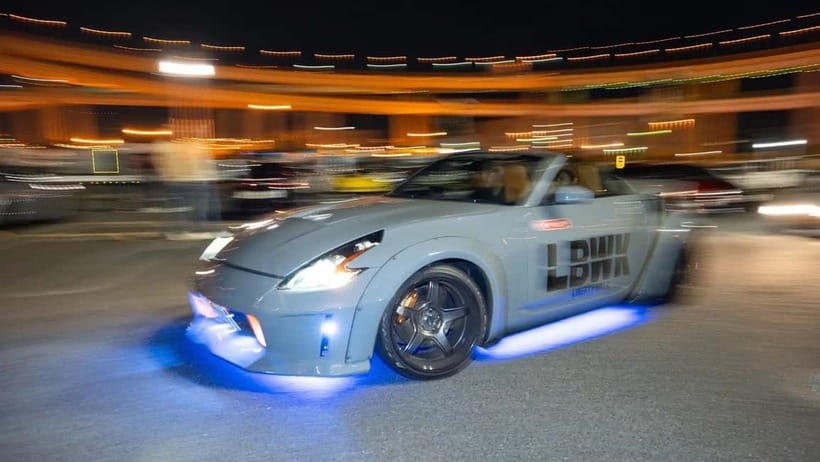
I like that this tour doesn’t fling you straight into the loudest car spot. You start at APIT, described as the biggest auto store in the Tokyo area, where you can browse parts, apparel, books, toys, and gadgets tied to JDM culture. Even if you’re not shopping, it helps you connect the dots between what you’ll see later at Daikoku and what people obsess over back at home.
APIT also matters because it sets the tone. Cars here are part display, part obsession, and it gives you a quick primer on the language of the scene—fitment talk, parts brands, and the general “why this works” mindset that drifting communities share. Some guides may add a quick accessories stop on the way (one guide experience mentioned Autobacs), which is a good sign that the day can flex when you have specific interests.
If you’re the type who loves details—wheels, suspension, body kits, and small function-to-style choices—this stop gives you a way to look smarter at Daikoku. And if you’re just a fan who wants the photos, APIT still gives you lots of visual variety before you commit time to the parking-meet atmosphere.
You can also read our reviews of more tours and experiences in Tokyo.



Daikoku Parking: where the JDM meet feeling clicks
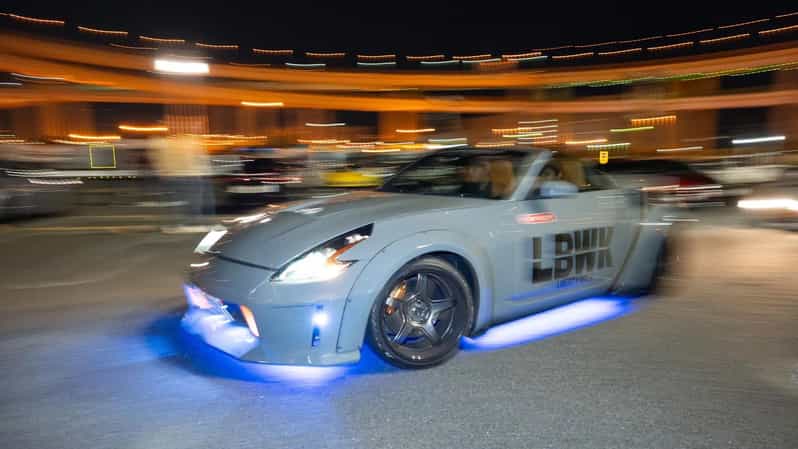
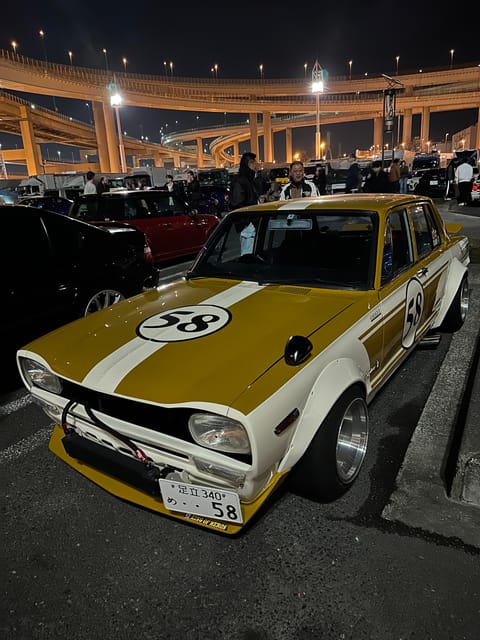
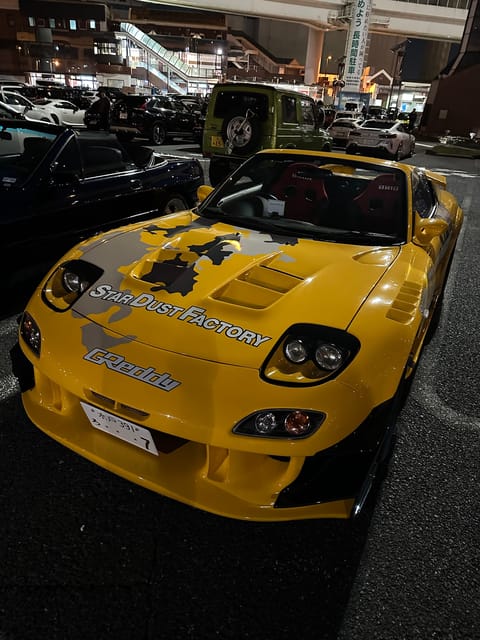
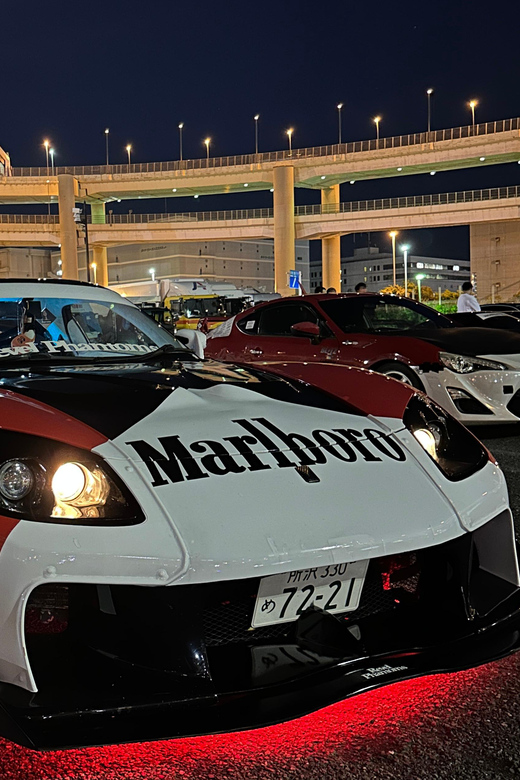
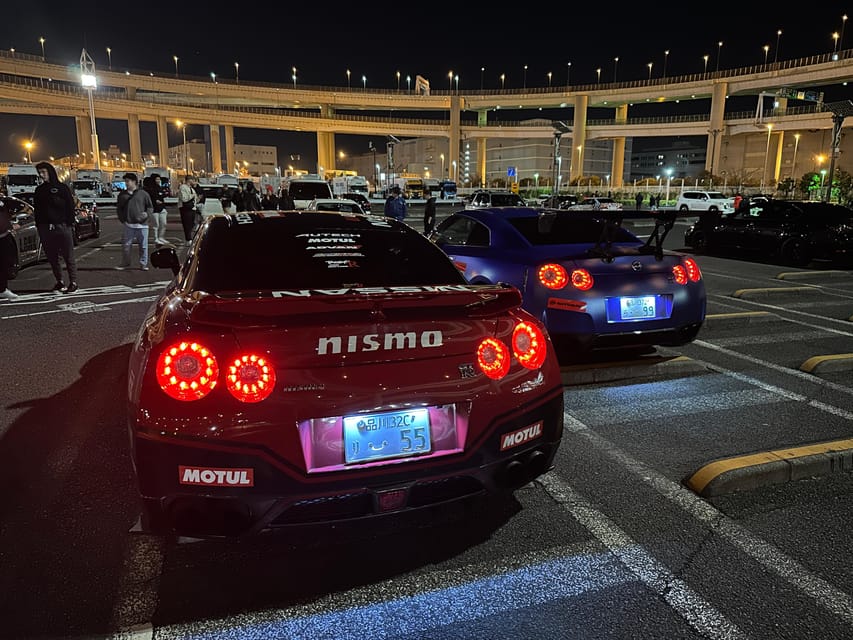
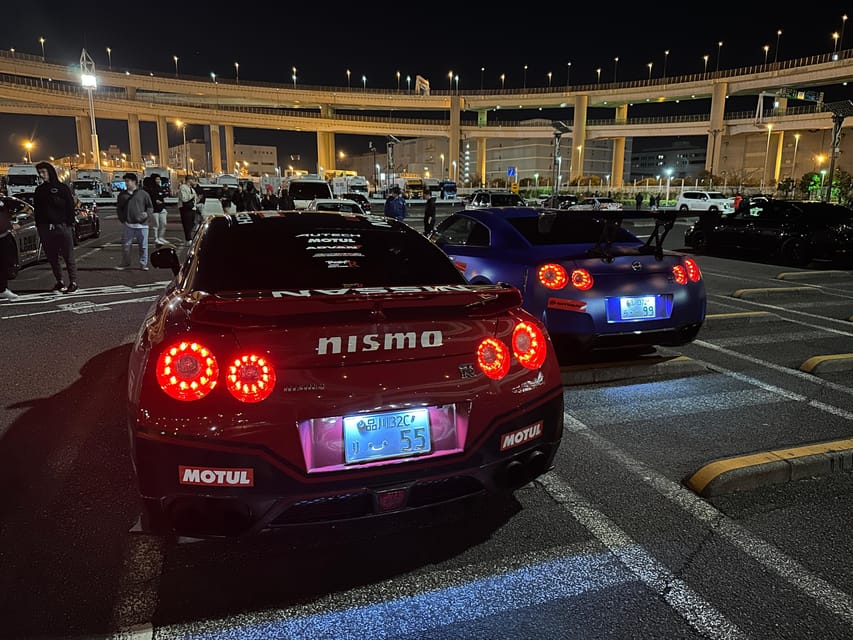
Daikoku Parking in Yokohama is the big draw. It’s described as the mecca of JDM, with the kind of laidback crowd where both gearheads and casual observers can enjoy the cars. You’re not expected to “know the code” to have fun, but you’ll have a guide who can point out what you’re looking at and why people care.
The tour spends about 1 hour at Daikoku. That’s enough time to walk the edges, circle back, and pick a few favorite cars without turning it into an all-day slog. Still, it’s a timebox. If you want to chase specific builds, talk longer, or slow-roll every row for photos, ask your guide about stretching the time as part of customization.
This is also where the local perspective pays off. Since your host is connected to the drifting and tuning scene, you’ll get more than a list of car models. You’ll hear how the community thinks—why certain cars show up, what “Tokyo Drift” gets right in spirit, and what’s more grounded in the real meet culture. In past experiences, guides like Takeshi have been praised as informative and part of the inside world of drift culture.
And yes, this is the place where the whole setting feels cinematic. It’s not just the cars. It’s the atmosphere: the casual conversations, the camera moments, and the sense that everyone understands the assignment—just with their own personality.
Pickup and transport: Lexus LS style, Honda wagon practicality
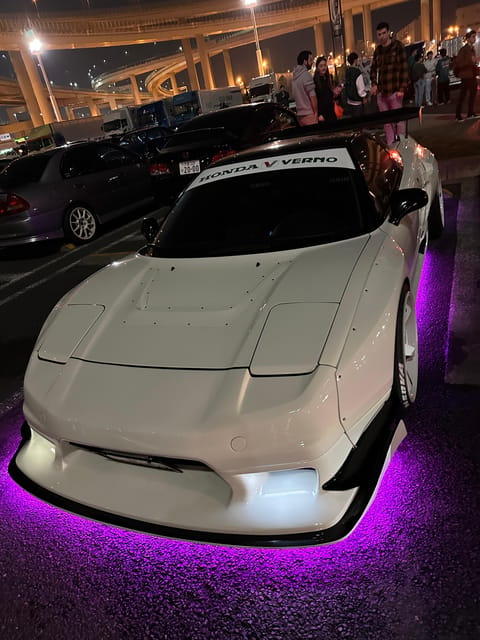
Logistics make or break tours like this, and the plan here is straightforward. You get pickup and dropoff using a modified LEXUS LS (or similar), or a Honda wagon when the group is larger. The goal is comfortable, easy movement between stops—APIT, Daikoku, and back toward central sights.
One detail to plan for: if you book with multiple parties, you may be asked to share a ride with other guests. That doesn’t change the tour guide part (it’s still guided), but it can slightly affect pickup flow depending on where everyone is coming from.
I’d treat the vehicle detail as a signal: this isn’t designed as a cramped public-transit scavenger hunt. It’s built for car fans who want time to focus on the meet and not on squeezing, walking, and transferring. If you’re traveling with luggage, cameras, or a group, having a dedicated ride helps.
Also, your guide can come pick you up in your preferred pickup location. That flexibility is useful in Tokyo-area travel, where “I’ll meet you at the station” can mean 30 minutes of wandering if everyone has a different idea of the exit.
Return drive: Rainbow Bridge and Tokyo Tower views on the way back
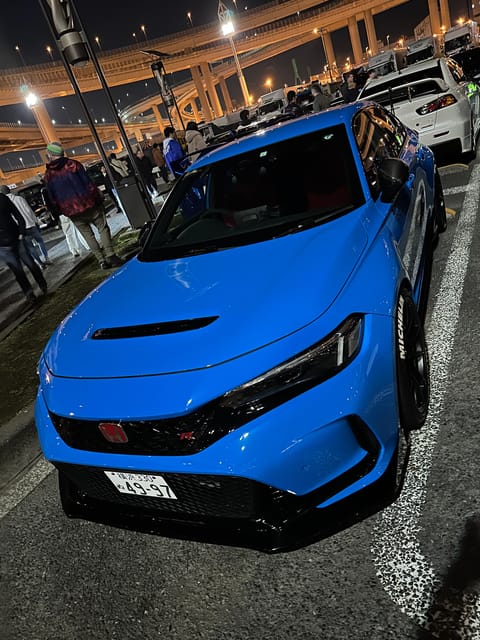
A lot of car tours end the moment you leave the parking lot. This one adds a payoff on the way back. On the return, the plan includes passing Rainbow Bridge and Tokyo Tower for skyline views.
This matters more than it sounds. After you’ve spent your energy staring at engines and bodywork, it’s nice to shift gears—literally and visually. The skyline drive gives you a calm minute to take photos from the road, reflect on what you saw at Daikoku, and reset before heading off to dinner plans.
The key is that the scenic part doesn’t feel tacked on. It’s built into the route and timing of leaving the meet area. If you care about photos (most people do here), it gives you another set of frames besides the cars themselves.
Your guide is the product: Matenro, fluent English, and community stories
This is where the tour separates from the basic “show up and look” model. You’re guided by a local from the Daikoku car meet and drift scene. The provider is Matenro & Co. Inc., and the tour is described as private with a fluent English-speaking local guide.
What you’re really paying for isn’t just language. It’s context. In guide experiences, hosts are described as sociable, punctual, and connected enough to explain the local car community from the inside. One guide mentioned as Toshi is described as kind and chatty, with a smooth flow from pickup through an accessory stop and then Daikoku. Another guide named Takeshi is repeatedly praised as informative and truly part of the Tokyo drift culture.
You should expect conversation. Not just explanations while walking, but friendly talk during the ride, plus suggestions that go beyond cars. One experience included food tips and even an onsen recommendation in Hakuba, which is a great example of how a real local guide can expand your Japan day into something more personal than a checklist.
And because the tour is customizable, you can steer the conversation. If you want more drift-related content, ask. If you want to prioritize parts shopping, you’re already starting at APIT. If you want to add car-related experiences like a drift riding experience or drift lessons, that’s listed as available, depending on how you set your plan.





Price and value: what you get for $133 per person
$133 per person can sound steep if you compare it to DIY transit. But this isn’t a DIY day. For that price, you’re getting a guided, private-feeling route with pickup and dropoff, a fluent English guide, and local time at the exact car scene most people only see through shaky phone footage.
You’re also getting value in the form of time protection. The tour includes transportation fees, and it organizes the day so you can focus on the meet rather than figuring out where to stand, when to arrive, and how to connect the stops. That’s especially helpful if you don’t know the Tokyo-area car spots and don’t want a day of wrong turns.
Then there’s the less measurable value: being able to ask questions. At Daikoku, it’s easy to look at a car and think you’re missing the story. With a guide from the scene, you can ask what matters—how the car was built, what the owner cares about, and how the culture works. That’s the kind of value that doesn’t show up on a ticket price, but it’s the reason people book this kind of tour more than once.
Also, the tour has a strong performance track record, with a 5/5 rating from 46 reviews. For a niche experience like this, that’s a good sign the day works and the guides deliver what they promise.
Timing and weather: when the day changes
One practical item: the tour is cancelled if there’s heavy rain or snow. That’s not unusual in Japan, but it is a real constraint for planning. If you’re going during a season where storms are common, build some flexibility into your schedule.
Another timing note: Daikoku is only about an hour. That’s enough for most people, but it’s still a good reason to show up ready—comfortable shoes, patience for crowds, and a camera battery that won’t die halfway through your favorite row of cars.
If weather forces a change, you’ll lose the planned route. In that case, you’ll want to talk with the operator about alternative scheduling (since the tour is custom, the plan may shift based on availability and conditions).
Who this tour suits best (and who might skip it)
This is ideal if you’re a car fan and want more than a quick photo stop. I think it’s especially good for people who care about real culture—drifting community life, tuning preferences, and the JDM scene as locals experience it.
It also makes sense for English-speaking visitors who don’t want to rely on random signage or guesswork. With fluent English guidance, you can ask questions while walking around Daikoku and while browsing at APIT.
If you’re only looking for a long car showcase day with no guidance, you might feel the timebox at Daikoku is limiting. But if you want a focused day that connects the dots between APIT and Daikoku, it’s a smart fit.
Should you book Best Price Daikoku Parking Tokyo Drift & APIT Car Meet Tour?
If you want a true JDM day with local community access, this one is hard to beat. The mix of APIT context, about an hour at Daikoku, and a guided skyline return makes the day feel complete—not just a single stop.
I’d book it if:
- You care about drift and tuning culture, not just car photos.
- You like learning from someone plugged into the scene (you’ll hear real community talk).
- You want pickup and a guided route so you can focus on the experience.
I’d think twice if:
- You need a longer block of time at Daikoku than about 1 hour.
- Your schedule can’t handle the possibility of cancellation in heavy rain or snow.
If your travel dates are flexible and you’re excited to see Daikoku like a local insider would, this tour is a very strong value at $133 per person.
FAQ
What stops are included on the tour?
The tour goes to APIT first, then visits Daikoku Parking for about 1 hour, with a return route that passes Rainbow Bridge and Tokyo Tower.
How long do we spend at Daikoku Parking?
You spend about 1 hour at Daikoku Parking.
What transportation is used for pickup and drop-off?
Pickup and drop-off are provided using a modified LEXUS LS or similar vehicle, or a Honda wagon for larger group sizes.
Is the tour private?
Yes, it is described as a private tour with a fluent English-speaking local guide, but if there are multiple bookings you may be asked to share a ride with other guests.
What languages are available?
The tour is available in English and Japanese.
Can the itinerary be customized?
Yes. The tour is custom as you wish, and you can let the operator know what you want to do after booking.
What happens if the weather is bad?
The tour will be cancelled if there is heavy rain or snow.
Can I reserve now and pay later?
Yes. You can reserve and pay later, with the option to reserve your spot and pay nothing today. Cancellation is offered up to 24 hours in advance for a full refund.