REVIEW · TOKYO
Private Day Tour In Tokyo with a Native English Speaker
Book on Viator →Operated by japaninyourbackpocket.com · Bookable on Viator
Tokyo gets complicated fast.
That’s why this private day tour works so well: you get a native English speaker (with Japanese too) plus a plan that’s easy to steer, from temple streets to neon shopping zones, without you spending the day fighting trains. I like the private-group setup that keeps things relaxed and on your time, and I also like that you can shape the day around what you actually care about. One thing to consider: pickup is limited to a 7 km radius from Tokyo Station, so you’ll want to confirm your exact start point if you’re staying farther out.
What really makes this tour shine is the way the guide handles the “Tokyo problem” for you. I love that you’re not just dropped at famous spots. You’re guided through navigation, and you get commentary that connects the dots between neighborhoods. In the stories shared from past days, Ken stood out for clear English and for helping people ride the subway with confidence, plus even translating during shopping stops for anime figures. That kind of support matters when you’re trying to move quickly through big stations.
The only real drawback is practical, not exciting: the day involves walking and riding around town, so you need moderate physical fitness. If you’re expecting a mostly sit-down sightseeing day with minimal steps, this probably won’t match that.
In This Review
- Key things to know before you go
- Why a private English guide changes Tokyo
- Asakusa and Sensoji: the traditional Tokyo starter you’ll feel right away
- Shibuya and Hachiko: modern Tokyo with a side of street-level meaning
- Tsukiji: market atmosphere without needing to be a seafood expert
- Harajuku: kawaii shopping, fashion chaos, and controlled time
- Akihabara: anime, electronics, and figure-shopping help
- How the guide customizes without turning into chaos
- Getting around: walking, transit costs, and time math
- Price: is $145 a good value for a private day?
- Should you book this private Tokyo highlight tour?
- FAQ
- FAQ
- How long is the private tour?
- What does the tour cost?
- Does the guide speak English?
- Is this tour private for just my group?
- Is pickup included?
- Are public transportation costs included?
- Is food and drink included?
- Where does the tour take you?
- Is there a mobile ticket?
- What’s the cancellation policy?
- When will I receive confirmation?
Key things to know before you go
- Native English support with Japanese backup so you can ask questions and still move fast
- Flexible itinerary so you can swap priorities on the fly instead of following a rigid script
- Private just for your group which keeps the pace comfortable and the stops more meaningful
- Core Tokyo highlights in one pass: Asakusa, Shibuya, Tsukiji, Harajuku, Akihabara
- Guide-led navigation including subway guidance, which saves time and stress
Why a private English guide changes Tokyo
Tokyo is one of the world’s greatest cities, and also one of the easiest places to feel lost. The stations are huge, signs can be overwhelming, and the “fastest route” depends on which line you end up near. This tour removes that pressure by putting a guide in charge of getting you from point A to point B.
That’s the value behind the private setup. You’re not negotiating with a crowd, waiting for slow travel pace, or trying to translate on your phone at the exact wrong moment. With a native English speaker like Ken, you get explanations as you go—so the sights don’t feel like a checklist. In past days, the guide’s approach has helped people learn how to handle the subway, and even manage shopping stops for anime figures without getting stuck.
You also get flexibility. The tour format is built around a set of major neighborhoods, but you’re not locked into a one-size-fits-all day. If you want more time for photos in Shibuya or you’d rather spend extra minutes wandering Harajuku side streets, that’s the point. I like when a tour respects your curiosity instead of treating your schedule like a factory line.
You can also read our reviews of more private tours in Tokyo
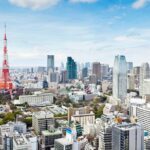


Asakusa and Sensoji: the traditional Tokyo starter you’ll feel right away
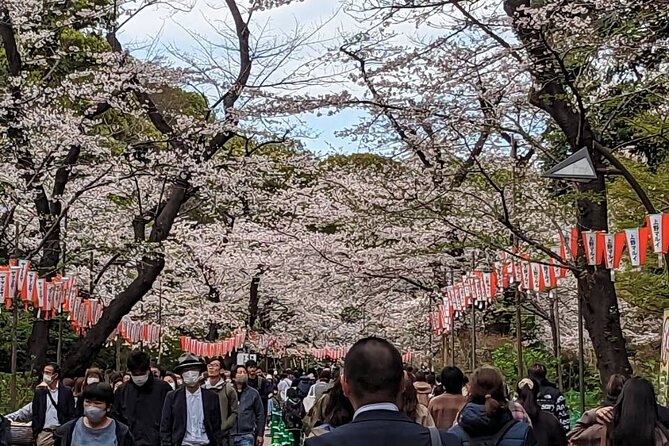
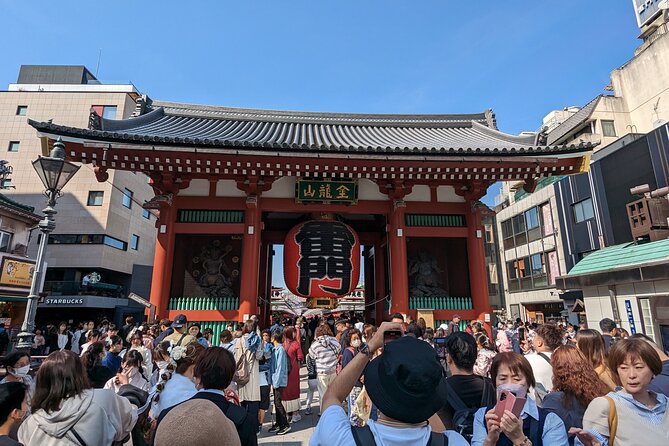
Asakusa is where Tokyo shows its older face. The streets feel made for slow walking, with a temple landmark that’s hard to miss and easy to understand once someone frames it for you. This is one of the stops that sets the tone for the rest of the day.
When you’re there with a guide, you can do more than stand in front of a famous temple. You’ll likely get context for why Asakusa matters culturally and what to notice as you move through the area. The experience is also paced well for a first stop, since you’re starting fresh and not already exhausted from jumping neighborhoods.
A practical plus: Asakusa tends to be a good place for your first “Tokyo navigation win.” Once you’ve handled that early moment, the rest of the day feels easier. Past tour days included translating support and smooth guiding on trains before ending up at the Asakusa temple area, which is the kind of flow that keeps your confidence up.
The consideration is simple: Asakusa is a popular destination. You should expect crowds and plan to move with the rhythm of foot traffic, not against it. If you hate busy places, tell your guide early so you can adjust timing and walking pace.
Shibuya and Hachiko: modern Tokyo with a side of street-level meaning
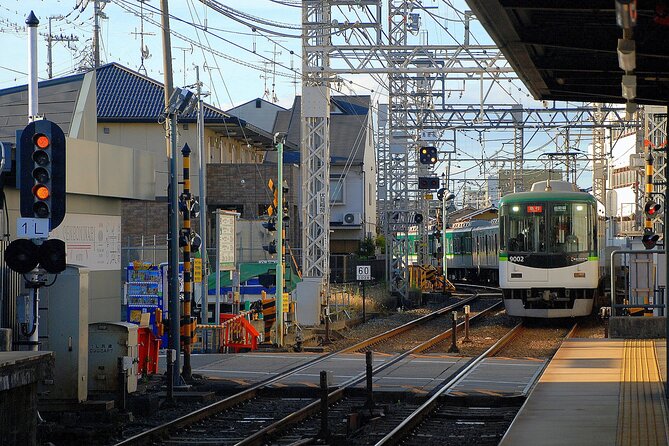
Shibuya is what many people imagine when they think Tokyo: busy crossings, big energy, and a mix of old-school references with ultra-modern shopping culture. On a short day tour, Shibuya can either feel like a quick photo stop or something more. With a guide, it becomes more than a postcard.
The highlights here are easy: the iconic pedestrian crossing and the Hachiko statue. But the best part is understanding why Shibuya works the way it does. You’ll get commentary that ties the street scenes to the city’s habits—how people move, how neighborhoods shape behavior, and what you’re seeing beyond the headline features.
I also like that Shibuya fits well after Asakusa. Your brain gets a contrast hit. Temples and tradition up front, then motion and youth culture next. That rhythm is exactly what makes a half-to-full-day tour feel satisfying instead of repetitive.
Drawback to keep in mind: Shibuya is active year-round. Even if the tour hits the area for about an hour, you’ll want to manage expectations. You can see a lot, but it’s not the place to linger for long if you want to keep the day balanced across all stops.
Tsukiji: market atmosphere without needing to be a seafood expert
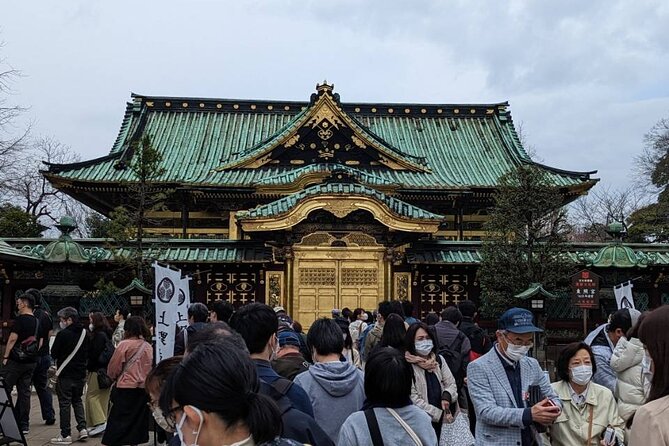
Tsukiji is famous for fish, sushi, and sashimi. The good news is you don’t need to be a seafood superfan to enjoy the stop. The value of Tsukiji on this kind of tour is the atmosphere: a place built around food, trade, and daily rhythm.
With a guide, you can get beyond the idea of fish-market tourism and focus on what makes the area distinctive. You might find it’s easier to read the space—where people are heading, what you should expect to see, and how to walk through without feeling like you’re wandering blindly. The stop is set for about an hour, so it stays practical rather than turning into a long detour.
One note: food and drink aren’t included. That’s typical, but it changes how you plan. If you want snacks or a meal here, budget for it in addition to the tour cost. The guide can help suggest options during the day, and past tour days included lunch at a small Japanese hamburger restaurant that was described as delicious—exactly the kind of meal stop that can make the day feel personal instead of generic.
Potential drawback: Tsukiji can feel intense if you dislike crowded, fast-moving areas. Keep your feet moving and let your guide set the pace.
Harajuku: kawaii shopping, fashion chaos, and controlled time
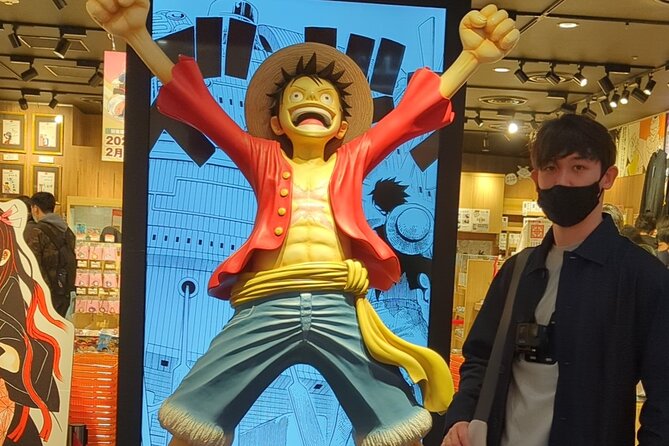
Harajuku is where Tokyo turns cute, playful, and very fashion-forward. It’s one of the easiest places to enjoy even if you don’t know much about street style, because you can literally see the culture in the storefronts and people-watching.
On this tour, Harajuku works because you get about an hour there. That’s enough time to browse shops and get a sense of the energy, without turning the day into a shopping marathon. The guide’s job is to help you spend time where it’s most interesting, especially if you’re trying to cover multiple big neighborhoods in one day.
Kawaii culture is a big part of the appeal, and Harajuku is a good place to experience that without needing insider knowledge. Still, it’s helpful when someone points out what you’re seeing. With a guide, you don’t just wander. You’re more likely to notice the details that give the area its character.
The consideration here is what you’ll already suspect: this is a popular area. If you’re sensitive to crowds, you might prefer to keep your browsing focused and let the guide route you between the most worthwhile streets.





Akihabara: anime, electronics, and figure-shopping help
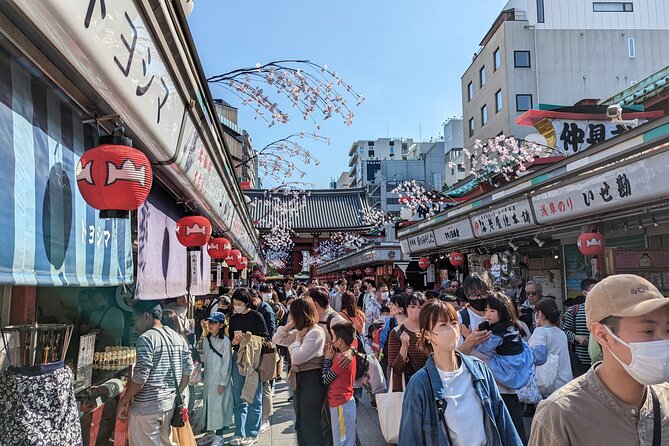
Akihabara is the most fun stop for many visitors, especially if you’re into anime or cosplay culture. It’s known for electronics stores as well as shops tied to anime and figure collecting, so it’s a natural match for travelers who want souvenirs that feel like Tokyo.
This is also where having a guide with fluent English makes a difference beyond sightseeing. In past days, Ken helped people navigate trains and then helped them buy anime figures—meaning translation support when shopping matters. That turns Akihabara from a difficult browse into a productive stop where you can actually make purchases without second-guessing what something is.
You’ll also appreciate the logic of having Akihabara later in the day. It gives you time to decide what you truly want to take home, instead of spending your attention randomly on the first store you see.
The drawback: if you’re not interested in electronics or pop culture, Akihabara might feel like a time-heavy stop. You can solve that by adjusting your day. If your interests lean elsewhere, ask the guide early for alternatives within the neighborhood area.
How the guide customizes without turning into chaos
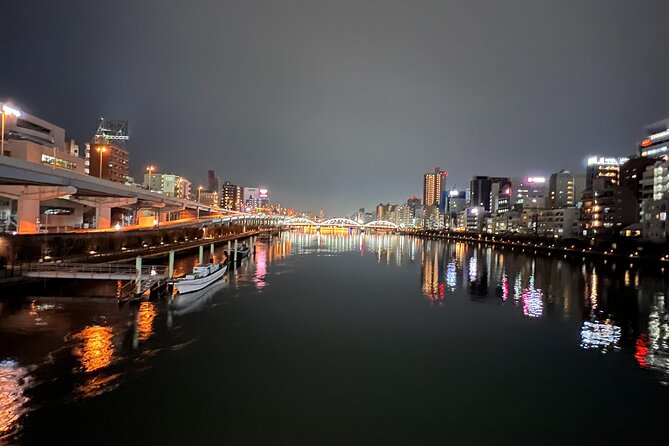
The tour is built around Tokyo highlights, but the flexible part is what helps it feel like your day. A good private guide doesn’t just ask what you want and then rush to satisfy it. They manage tradeoffs: time, walking, transport, crowd levels, and what makes the experience flow.
In this case, the guide’s role looks practical and human. Ken is described as friendly and strong on English, with lots of knowledge about Japan across culture, social life, food, shopping, and entertainment. That matters because customization isn’t only about swapping locations. It’s also about choosing what to look for and how to interpret it.
You’ll also get help deciding how much time to spend in each neighborhood. Since the duration runs about 3 to 6 hours, the guide can steer your pacing so you see more than just the highlights posted on the internet. And since it’s private, the group doesn’t slow you down or force everyone to stick together.
One more detail that’s easy to overlook: the tour includes a mobile ticket. That’s small, but it helps reduce friction when you’re moving through multiple parts of the city.
Getting around: walking, transit costs, and time math
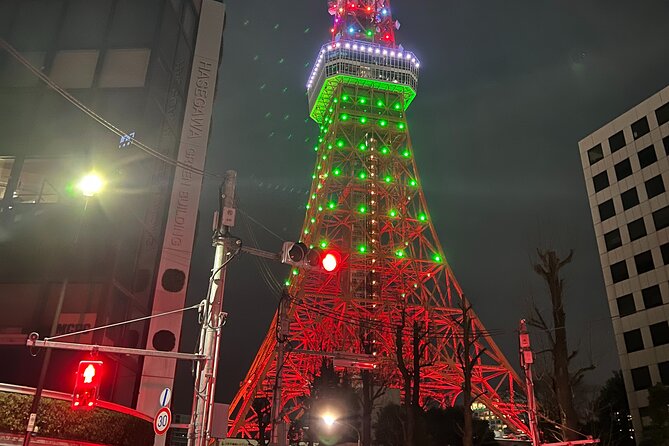
A big part of Tokyo tourism is movement. This tour includes pickup offered within a 7 km radius from Tokyo Station, and it also notes that it’s near public transportation. That tells you the route relies on trains and walking, not just a taxi circuit.
Public transportation isn’t included, and the estimate is about $15. In other words, the tour price covers the guiding, not the city’s transit bill. Factor this into your total budget so you’re not surprised at the end.
The time frame (3 to 6 hours) is also something to treat as a planning tool. If you’re the type who wants slow wandering and lots of photos, lean toward the longer end. If you want a “greatest hits” day and you’re comfortable moving, the shorter end may work fine.
Because the tour expects moderate physical fitness, I suggest wearing shoes you can walk in for multiple hours. Even if the guide is efficient, Tokyo still asks for steps.
Price: is $145 a good value for a private day?
At $145 per person, this is not a cheap option. But private Tokyo days often cost more when you’re hiring a guide plus dealing with logistics. Here, the price includes a tour guide who speaks both English and Japanese and who stays with your group throughout the day.
So you’re paying for time savings, smoother navigation, and better interpretation of what you’re seeing. That can be worth it fast if you’re going to hit five major neighborhoods. Without guidance, it’s possible to do these areas on your own, but you’d spend time figuring out routes, translating, and deciding where the real payoffs are.
The value also depends on group size. The tour notes group discounts, which can make a private day much more reasonable if you’re traveling with others. If you’re solo, it may feel pricier. If you’re a small group, it often starts to look like a smart splurge.
Also remember what’s not included: transit and food. If you plan to buy snacks or a full lunch during the tour, budget extra. On the flip side, it gives you control over what you eat.
Overall, I see this as good value if you want a focused, guided day across Tokyo’s biggest “mood zones,” and you care about not wasting time figuring things out.
Should you book this private Tokyo highlight tour?
Book it if you want a private English-speaking guide who can help you see Asakusa, Shibuya, Tsukiji, Harajuku, and Akihabara in a single day without turning your trip into a navigation project. It’s especially smart if you enjoy street culture, pop culture shopping, and want someone like Ken to translate and help you ride trains confidently.
Skip it or rethink it if you want a low-walking day, you’re very far from Tokyo Station (since pickup is limited), or you’re not interested in the neighborhoods included. For most people visiting Tokyo for the first time and short on time, this is the kind of day that makes the city feel understandable instead of overwhelming.
FAQ
FAQ
How long is the private tour?
It runs about 3 to 6 hours.
What does the tour cost?
The price is $145.00 per person.
Does the guide speak English?
Yes. The guide speaks both English and Japanese.
Is this tour private for just my group?
Yes. It’s a private tour/activity, and only your group participates.
Is pickup included?
Pickup is offered, but only within a 7 Kilometer radius from Tokyo Station.
Are public transportation costs included?
No. Public transportation is not included, and it’s estimated at about $15.
Is food and drink included?
No. Food and drink are not included.
Where does the tour take you?
It focuses on Tokyo highlights, including Asakusa, Shibuya, Tsukiji, Harajuku, and Akihabara, with the ability to customize within the same tour format.
Is there a mobile ticket?
Yes. Mobile ticket is included.
What’s the cancellation policy?
You can cancel for a full refund up to 24 hours in advance of the experience start time.
When will I receive confirmation?
Confirmation is received at the time of booking.