REVIEW · TOKYO
Sake Pairing Workshop with Japanese Food in Shinjuku
Book on Viator →Operated by Alva Japan Tours 🇯🇵 · Bookable on Viator
Sake in Shinjuku turns snack time into a class.
You’ll learn sake tasting basics with a bilingual guide, then eat a full Japanese course where each bite has a purpose and a match. You also get a built-in structure for comparing flavors by temperature and aroma, not just guessing what tastes good together.
Two things I really like: the guide-led pairing flight with the food course (not just a random tasting), and the big all-you-can-drink menu of 20 sakes, plus beer and soft drinks, so you can keep experimenting at your own pace. The group stays small, with a max of 12 people, which makes it feel more like a focused evening than a factory line.
One drawback to consider: this is a sake-first experience. With about two hours of instruction plus dinner, you’ll be drinking and learning the whole time, so it won’t feel like a slow, take-your-time meal.
In This Review
- Key things to know before you go
- Shinjuku starting point: easy to find, tight two-hour pacing
- Sake fundamentals: aroma, Kanpai, and why temperature changes everything
- The food course and the first pairings: chicken nanban and miso-butter bites
- Creamy Nigori and sea urchin croquettes: the middle of the workshop sweet spot
- The sweet finale: vanilla taiyaki with a matching sweet sake
- The all-you-can-drink menu: 20 sakes plus beer and soft drinks
- Who this workshop suits best (and who it might not)
- Value in context: what $73.17 buys you in real tasting time
- Final call: should you book this Shinjuku sake workshop?
- FAQ
- How long is the sake pairing workshop in Shinjuku?
- What does the experience include?
- Where does the workshop start?
- Is the group size large?
- Is there a mobile ticket?
- Is weather important?
- What’s the cancellation window?
Key things to know before you go
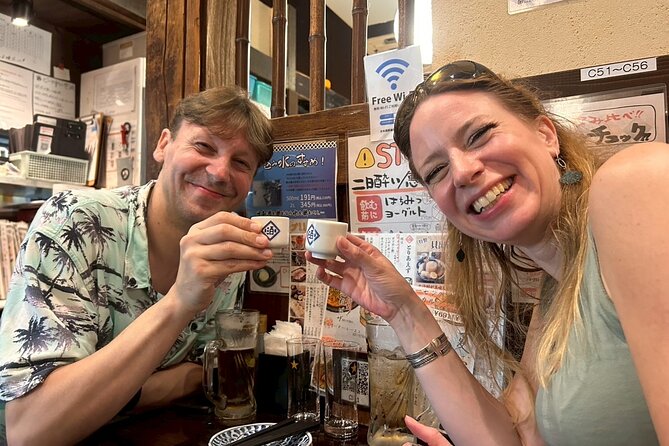
- Small group setup (max 12) means you can actually ask questions and compare notes.
- Kanpai etiquette and temperature effects help you understand why warm vs cold changes the taste.
- Chicken nanban + miso-butter pairings get explained with the why behind each match.
- You get a focused 4-sake flight, then you can keep ordering from 20 sakes.
- The finale includes Nigori and sea urchin croquettes, then a sweet taiyaki pairing.
- Mobile ticket + near-transit meeting point in Shinjuku makes it easy to slot into a day.
Shinjuku starting point: easy to find, tight two-hour pacing
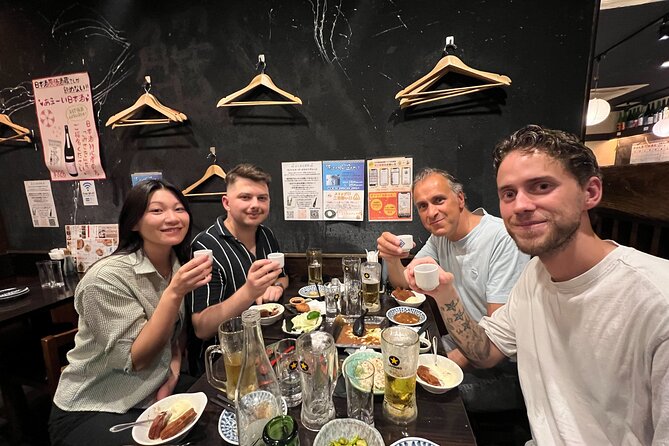
This workshop meets at H&M, 3-chōme-5-4 in Shinjuku City (Tokyo). It’s set up to be convenient: it’s near public transportation, and the activity ends back at the same meeting point. You bring your mobile ticket, show up, and get moving.
The whole experience is about two hours. That short window is a plus if your Tokyo days are packed (like most people’s). It also means the pacing stays steady: you won’t wander around for ages. You’ll get enough structure to learn tasting skills and still leave with a real dinner in your stomach.
Group size matters here. With a maximum of 12 people, the guide can keep the conversation moving and help everyone taste with intention. If you’ve done tastings that feel rushed or too large to hear the explanation, this size is a better bet.
You can also read our reviews of more food & drink experiences in Tokyo


Sake fundamentals: aroma, Kanpai, and why temperature changes everything
The workshop doesn’t just pour. It teaches you how to notice. You’ll get the core sake basics before the food arrives, including how to appreciate aroma and how to approach tasting like a pro taster.
A few specific skills are part of the lesson:
- Kanpai etiquette: you’ll learn the proper social rhythm around the pour and first sip.
- Temperature effects: the guide explains how warm vs cold can dramatically shift flavor—something many first-time visitors don’t realize until they taste it side by side.
This matters because sake isn’t one-note. Even when it’s the same type, temperature can change how the rice character comes through, how sweetness reads, and how clean or heavy the finish feels. The workshop gives you language for what you’re noticing, so you don’t just end up thinking, This is good.
If you like hands-on learning, this part is your foundation. You leave with a framework you can use again later—especially if you try sake at izakaya-style spots around Tokyo.
The food course and the first pairings: chicken nanban and miso-butter bites
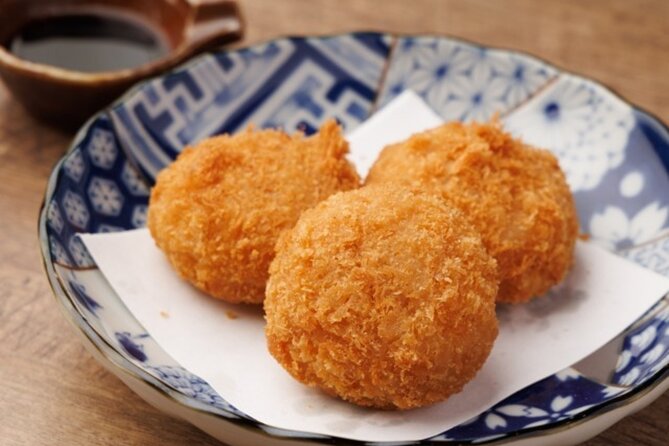
After the basics, the tasting is built around a guided pairing flight. You’ll match different sakes with the food course, and the bilingual guide explains the reasoning—so you start connecting what’s in the glass to what’s on the plate.
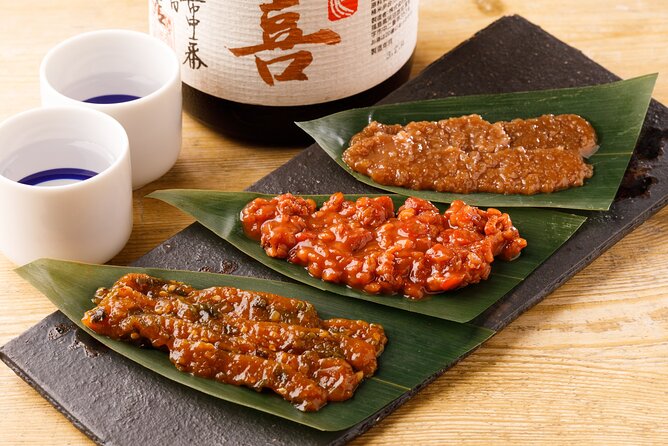
A highlight early on is the pairing with Chicken Nanban. This dish typically brings a tangy, saucy punch, and the workshop aims for crisp sakes to balance and cut through that flavor. The goal isn’t to make one side stronger; it’s to create contrast that keeps your palate awake.
You’ll also get pairings with miso-butter dishes. Think of it as rich, savory comfort with a deeper, slightly rounded taste. In that part of the meal, you’re guided toward sakes that complement the heft instead of fighting it.
What I like about this setup is that it teaches you the logic, not just the match. After you hear the why, you can start predicting pairings for yourself later. That’s the real value in the instruction.
Creamy Nigori and sea urchin croquettes: the middle of the workshop sweet spot
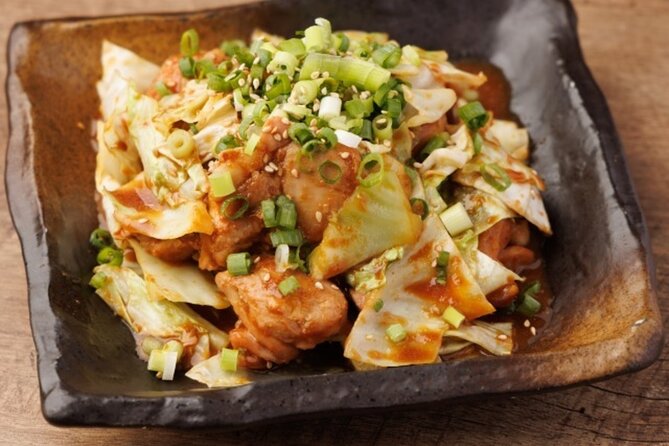
About halfway through, the experience shifts into texture and sweetness. There’s a dedicated stretch (about 30 minutes) that focuses on soft, cloudy styles and creamy, rich bites.
Here’s the key pairing: Nigori sake (soft and often creamy-textured) with sea urchin cream croquettes. This combo is designed to play with mouthfeel. When you taste the cloudy style alongside the creamy filling, it becomes easier to understand how sake texture can mirror food texture.
Then the workshop keeps going to a crisp-and-sweet finish. This pacing matters. If everything were savory all the way through, the tasting would blur together. Instead, the session gives you a contrast arc: learn, taste, and then reset your palate with a different flavor personality.
The sweet finale: vanilla taiyaki with a matching sweet sake
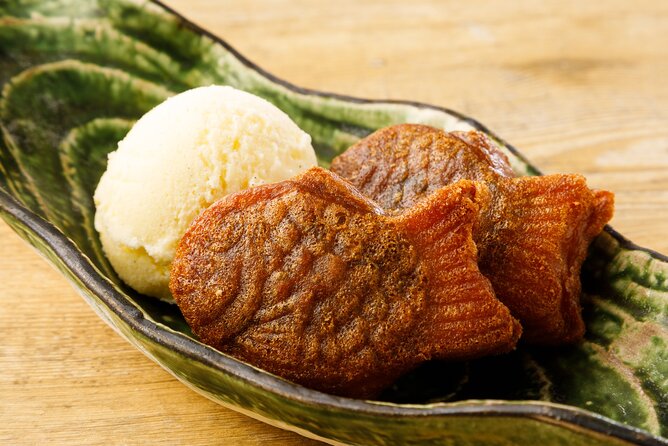
To close, you’ll do a dessert-style pairing: fried vanilla taiyaki matched with a sweet sake. It’s a logical ending. Sweet foods can overwhelm dry, crisp sakes if you’re not careful, so the workshop chooses a pairing that supports the dessert’s sweetness.
This is also where you practice what you learned earlier. You’re paying attention to aroma and how sweetness reads on your palate, not just whether you like it. You’ll get practice matching style to dish in a way that’s useful for real-life ordering later.
If you’re a sake newcomer, the sweet ending can be a confidence booster. A lot of people expect sake to be only dry and sharp. This part shows a wider range, including styles that can work like dessert pairings rather than a polar opposite.
You can also read our reviews of more tours and experiences in Tokyo



The all-you-can-drink menu: 20 sakes plus beer and soft drinks
The workshop includes full access to an all-you-can-drink selection built around 20 sakes. You’re not limited to the four-sake flight that comes with the structured pairing portion. You can order more from the menu as you go.
Beer and soft drinks are included too, which helps if you want a break between sake comparisons. That’s practical in a short two-hour session. It also makes the workshop feel more flexible, especially if you’re trying to pace yourself while still sampling widely.
A useful mindset: treat the unlimited part like a tasting lab. The structured flight teaches you the basics and gives you examples with food. Then the menu lets you test ideas:
- Repeat a style you liked to see how it behaves again.
- Try one pairing you’re curious about from the Japanese label side, since the guide talks about reading labels for future visits.
- Switch between styles to notice differences in aroma and finish.
The guide’s role is important here too. The experience is set up so you’re learning while drinking, not just drinking. And small group size helps you get answers instead of waiting for a crowd to thin out.
Who this workshop suits best (and who it might not)
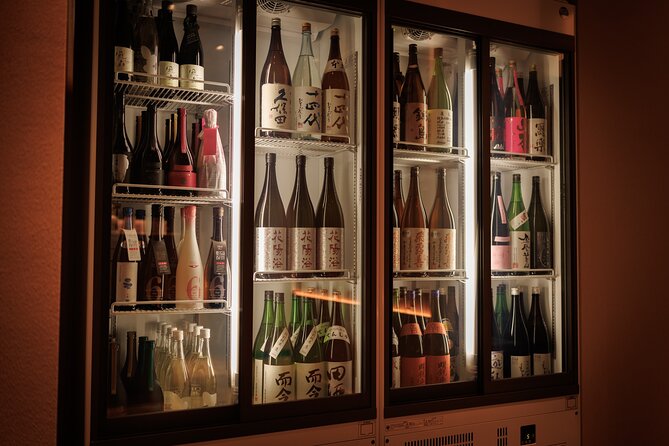
This experience is a great fit if you want a structured introduction to sake that doesn’t leave you guessing. It’s also ideal if you care about Japanese food flavors and want to understand how sake can shape them.
You’ll likely enjoy it most if you:
- Want practical tasting skills you can use later in Tokyo.
- Like learning through food pairings rather than lectures.
- Enjoy a hands-on meal where the drinks are part of the course.
It may feel less ideal if you’re looking for a low-key dinner where the drinks are secondary. This workshop is built around sake. Even with beer and soft drinks available, the learning and tasting are the main event.
Value in context: what $73.17 buys you in real tasting time
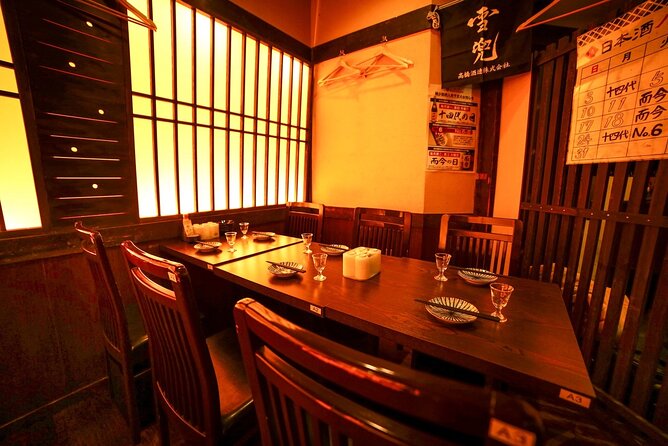
At $73.17 per person, this isn’t an impulse snack. But for Tokyo, you’re buying several things at once: a course dinner paired with a guided tasting flight, instruction on aroma and temperature effects, and access to 20 sakes plus beer and soft drinks.
The value angle is the pairing structure. A lot of drink-only tastings feel like you paid to drink. Here you pay for both drinking and the skill of noticing why. That can make your future sake purchases and bar ordering far less stressful.
Two more factors strengthen the value:
- The group max of 12 keeps the experience interactive.
- The session length is short enough to fit into a full day, while still giving you time to finish the pairing arc from savory to sweet.
If sake is already on your radar, this price looks like a fair deal for a guided, food-centered experience. If sake is totally unfamiliar and you’re not interested in learning how temperature and aroma change flavor, you might feel like you’re forcing the theme.
Final call: should you book this Shinjuku sake workshop?
I’d book it if you want an efficient, hands-on way to understand sake through real Japanese dishes, not just random sips. The combination of a guided 4-sake flight, a full course meal with specific pairings, and unlimited access to 20 sakes makes it a strong choice for a food-and-drink night in Shinjuku.
Skip it if you prefer long, unstructured dinners or if you want sake to stay in the background. This is a learning-forward experience, paced for a two-hour window.
FAQ
How long is the sake pairing workshop in Shinjuku?
It runs for about 2 hours.
What does the experience include?
It includes a course dinner (Chicken Nanban, croquettes, taiyaki, etc.) and an all-you-can-drink plan with a 4-sake flight. The unlimited menu includes 20 sakes, plus beer and soft drinks.
Where does the workshop start?
The meeting point is H&M 3-chōme-5-4 Shinjuku, Shinjuku City, Tokyo 160-0022, Japan.
Is the group size large?
No. The maximum group size is 12 travelers.
Is there a mobile ticket?
Yes, it features a mobile ticket.
Is weather important?
Yes. The experience requires good weather. If it’s canceled due to poor weather, you’ll be offered a different date or a full refund.
What’s the cancellation window?
You can cancel for a full refund up to 24 hours in advance. If you cancel less than 24 hours before the start time, the amount paid is not refunded.