REVIEW · TOKYO
Private 6hr Tokyo Essentials Tour of Tradition and Modernity
Book on Viator →Operated by Hinomaru One · Bookable on Viator
Six neighborhoods, one day, zero stress.
This Private 6hr Tokyo Essentials Tour of Tradition and Modernity is a smart way to sample Tokyo’s food, temples, and pop culture without turning your day into a map-reading contest. I especially liked the hotel pickup option and how the guide keeps the pace practical while you move between places like Tsukiji and Akihabara.
What I liked most is how you get two things working at once: a private guide you can ask questions freely, and a tight set of stops that actually helps you orient yourself in a big city. I also liked that the itinerary includes both traditional areas and modern Tokyo, so your photos and your understanding of Japan don’t feel random.
The main consideration is simple: it’s a walking tour with public transit involved, and public transportation fees and lunch aren’t included. If you’re trying to keep every yen accounted for, plan for those costs and bring comfortable shoes.
In This Review
- Key highlights you’ll feel right away
- Why this tour works for first-timers (and time-crunched Tokyo fans)
- Pickup, timing, and how the day is paced
- Tsukiji Fish Market: your first taste of Tokyo’s food culture
- Ueno and Ameya-Yokocho: temples, parks, and post-war street energy
- Asakusa and Senso-ji: old Tokyo you can actually experience
- Akihabara: anime, games, and tech culture in neon form
- Price and what you’re really paying for
- Who this tour fits best
- How to get the most out of each stop
- Should you book this Tokyo Essentials Tour?
- FAQ
- Is this a private tour?
- How long is the Tokyo tour?
- Do I get hotel pickup?
- What time can I start the tour?
- Is admission included for the stops?
- Are public transportation fees and lunch included?
- Can I cancel for a full refund?
Key highlights you’ll feel right away
- Hotel pickup where you’re staying makes the start easy
- Private guide with fluent English so questions don’t feel like a problem
- Four classic neighborhoods in six hours: Tsukiji, Ueno, Asakusa, Akihabara
- Public transit included so you don’t waste time figuring routes
- Start time flexibility from 9AM to 11AM for your vacation rhythm
- Admission is listed as free for the stops on this route
Why this tour works for first-timers (and time-crunched Tokyo fans)
Tokyo can feel like several cities wearing the same train pass. One day you’re looking at temple gates; the next you’re in neon-lit streets hunting for games or anime merch. This tour is designed to connect those worlds in a way that feels orderly, not exhausting.
For me, the biggest value is that you’re not just visiting sites—you’re learning how to move between them. You get a fluent English guide, a schedule that groups nearby neighborhoods logically, and the confidence to ask questions as you go. That combination matters when you’re new to Tokyo, and it also helps if you’ve been in the city a few days but still want your bearings.
The tour runs about 6 hours, with the convenience of pickup offered from your location (hotel, Airbnb, or other). You choose a start time between 9AM and 11AM, which is a small detail that can make a big difference if you’ve got jet lag or you prefer a later morning.
You can also read our reviews of more private tours in Tokyo



Pickup, timing, and how the day is paced
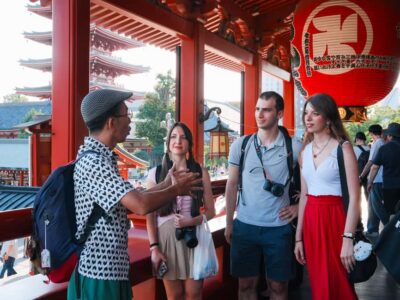
This is a private experience, meaning it’s just your group. That usually translates to a pace that fits you: you can ask questions, pause for photos, and move on without the stress of waiting for other people. One review specifically called out the guide’s efficiency and how the route covers a lot without feeling rushed.
You’ll be on foot for a walking tour, with public transit involved. One of the guides you might meet is named Satoshi, and in a first-time Japan family trip, Satoshi was described as going beyond expectations to make sure the experience clicked quickly. If you’re thinking, Great—how does that help me?—the answer is that the guide reduces the mental load. You spend less time figuring out what bus or train you need next and more time actually looking at what’s in front of you.
Plan for the day as an active morning/early afternoon. If you hate long walks, you may want to treat this as a “sample first, slow down later” trip. If you enjoy moving through neighborhoods and grabbing snacks along the way, you’ll likely love the format.
Tsukiji Fish Market: your first taste of Tokyo’s food culture
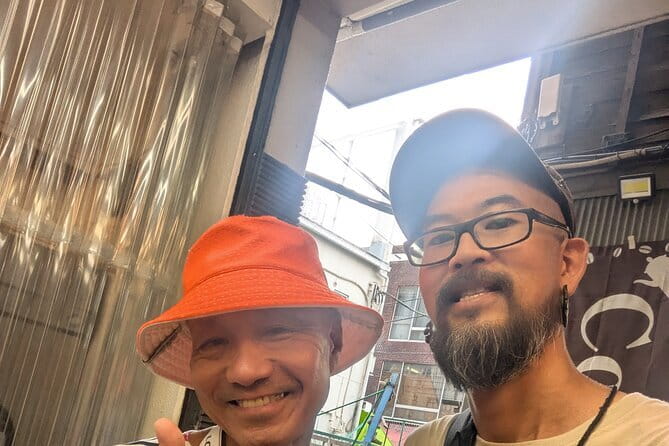
Tsukiji Fish Market is where the tour starts, and that choice makes sense. It’s sensory. It’s fast. It’s the kind of place where Tokyo feels like Tokyo right away.
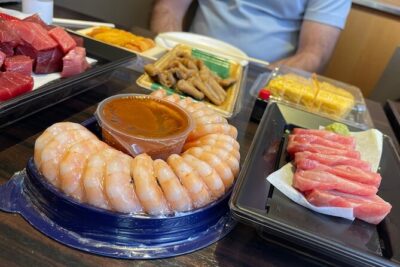
You get around about 1 hour 30 minutes here, and the focus is on market atmosphere and street-level food. The tour description points to sampling fresh sushi, grilled seafood skewers, and Japanese street food. Even if you don’t eat everything, you’ll still learn how to navigate the flow of stalls and what people buy for breakfast and quick meals.
A practical tip: markets reward curiosity but punish indecision. Bring a game plan before you arrive. If you’re hungry, pick one or two things you really want rather than trying to taste everything. Your guide can help you find good options and avoid the “looks good but too touristy” trap.
A small downside to consider is that market days can be intense in the way only Tokyo markets can be. This tour keeps the time short enough to stay fun, but it’s still an active hour-and-a-half.
Ueno and Ameya-Yokocho: temples, parks, and post-war street energy
Next comes Ueno, a neighborhood known for mixing big-city life with cultural stops. You’ll spend about 1 hour 30 minutes here, with time aimed at temples and the lively shopping street called Ameya-Yokocho.
The itinerary highlights Ueno’s sprawling park and historic temples, then shifts to Ameya-Yokocho as a post-war shopping street with food vendors. That blend is part of why this stop works. You’re not just shopping; you’re seeing how Tokyo’s street culture operates around daily life and local neighborhoods.
What you can expect: walking in open areas for a breather, then switching gears into narrow streets with stalls and snack smells. If Tsukiji was your introduction to food on a “market” stage, Ueno shows you food as part of a local routine.
In terms of what to do with this time, I’d treat it as a photo-and-snack stop. Pick up something small, watch the flow, and ask your guide how this area fits into Tokyo beyond the obvious attractions. In one review, the guide was described as having a lot of interesting historical facts and personal experiences tied to the spots. That kind of context is exactly what you want in Ueno, where the mix of old and everyday life is easy to miss if you just follow a checklist.
Asakusa and Senso-ji: old Tokyo you can actually experience
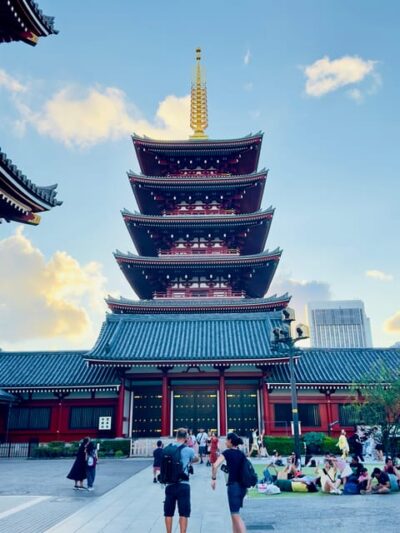
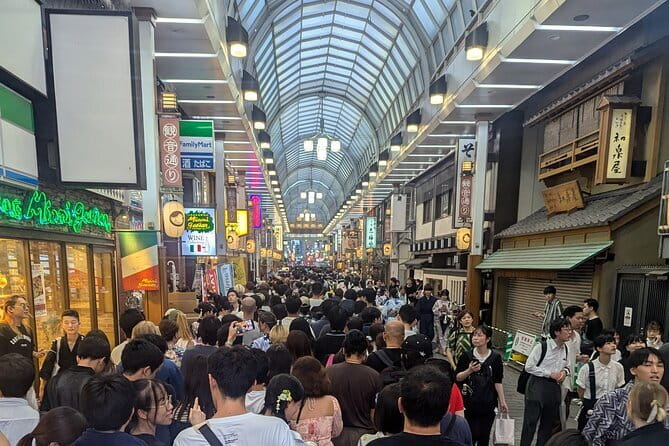
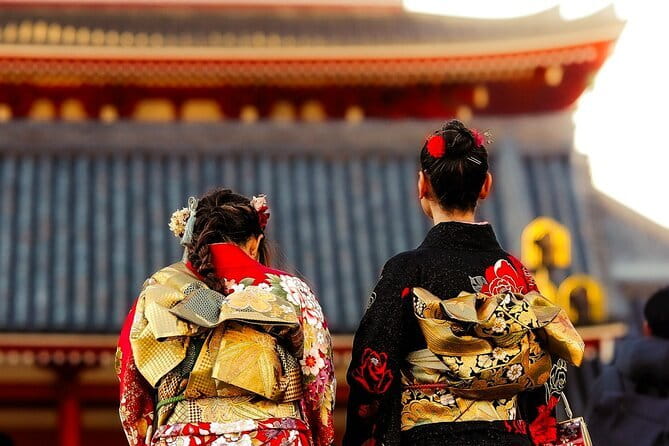
Asakusa is about stepping into a version of Tokyo that feels slower and more traditional. You get about 1 hour 30 minutes here, centered on Senso-ji, described as Tokyo’s oldest and most famous temple.
You’ll also walk Nakamise Street, lined with traditional snacks and souvenirs. This is the part of the day where you’ll feel the contrast from the earlier stops. Tsukiji and Ueno are where Tokyo feels industrious. Asakusa is where Tokyo feels ceremonial.
The practical value of having a guide here is that you don’t just see the temple—you understand how to read the street. You’ll know what you’re looking at and why people gather where they gather. One of the best parts of private tours is that you can ask questions without feeling like you’re slowing anyone down, and the guide’s answers can shape what you notice next.
What could be a drawback? Nakamise-style streets can be crowded. The tour’s timing is designed to keep you from getting trapped too long. If you prefer quieter temples, consider taking a short break away from the busiest lanes when you have a moment—your guide can often help you find a less hectic angle.





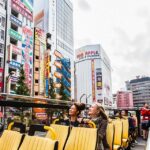
Akihabara: anime, games, and tech culture in neon form
If Asakusa gives you tradition, Akihabara gives you Tokyo’s modern obsession with tech and pop culture. You’ll end with about 1 hour 30 minutes in this neon-lit neighborhood.
The description covers the essentials: browsing multi-story arcades, exploring retro gaming shops, and stepping into themed cafés for a distinctly Akiba experience. Even if you aren’t a hardcore gamer, Akihabara is a great place to see how Japan’s entertainment industry shows up in everyday storefronts.
Here’s how I’d approach your time: go in with curiosity, not pressure. Spend a few minutes in one arcade, then move to a shop that sells retro items or tech-style collectibles. The guide can point you toward the kinds of places where you’ll actually find something interesting, rather than just window shopping.
One review noted that the guide was on friendly terms with shop owners and could guide you through the experience. That’s not just a nice extra—it can save you from wandering in circles. In Akihabara, shop layouts can be confusing if you don’t know what you’re looking for, and having someone steer you helps you spend time on the fun parts.
Price and what you’re really paying for
At $215.00 per person, this tour sits in the “serious value” category for Tokyo private guiding. The price makes more sense once you break it down.
You’re getting:
- a private fluent English guide
- pickup from your location
- a structured route across four major neighborhoods in about six hours
- time that includes both walking and public transit
- admission listed as free for the tour’s stop targets
- a mobile ticket
- a start window from 9AM to 11AM
Lunch isn’t included, and public transportation fees aren’t included, so you should budget a little extra for food and getting around. But those are typical add-ons in Tokyo, and the tour structure is what’s doing the heavy lifting.
If you’re traveling in a group, you may also benefit from the tour’s group discount option. Even without that, paying for a private guide in Tokyo can be worth it when you’re trying to understand a city quickly. A walking-and-transit itinerary with a guide often costs less than trying to stitch together private transport, multiple tickets, and constant route research.
Who this tour fits best
This is the kind of tour that works well if you:
- want a first-time orientation across Tokyo’s main “mood swings” (food, temples, pop culture)
- prefer a private guide so you can ask questions without holding a group back
- like walking neighborhoods and don’t mind using public transit
- want a plan that’s tight enough to finish in a half day
It may be less ideal if you:
- need a very low-walking day
- dislike street crowds, even in short doses
- expect everything to be fully included (since transit fees and lunch aren’t listed as included)
How to get the most out of each stop
Because this is a private tour, you’ll get more from it by being specific. A couple of strategies make the day smoother:
1) Decide your food priorities early. Tsukiji and Ueno both build in food-focused walking. If you tell your guide you want a lighter breakfast style or you’re saving room for lunch, they can help you time bites so you don’t feel stuffed too early.
2) Use your guide for decisions, not just explanations. Ask what to try, where to stand for the best views, and what’s worth skipping. In reviews, the guide’s experience and friendliness came up repeatedly, including helping guests move efficiently and find interesting spots.
3) Keep your camera ready in the transitions. The interesting moments often happen between stops: walking lanes, market edges, shop doors, the way neighborhoods change after a subway ride.
Should you book this Tokyo Essentials Tour?
I’d book it if you want a stress-free way to see Tokyo’s big contrasts in one organized day. The hotel pickup option alone reduces early-day hassle, and the four-stop mix gives you a balanced snapshot: Tsukiji for food culture, Ueno for street shopping and temples, Asakusa for classic Tokyo tradition at Senso-ji and Nakamise Street, then Akihabara for modern pop culture.
I’d think twice if you hate walking plus transit, or if you want a fully “all-in” food and transport package. This tour is well structured, but you still need to handle lunch and transit costs on your own.
If you do book, do one thing that makes it better: pick a start time between 9AM and 11AM that matches your energy. Tokyo rewards good timing, and a private guide plus a smart schedule is how this tour turns into a highlight instead of a checkbox.
FAQ
Is this a private tour?
Yes. It’s a private experience, so only your group participates.
How long is the Tokyo tour?
The tour is about 6 hours.
Do I get hotel pickup?
Yes. Pickup is offered from your location, such as your hotel or Airbnb.
What time can I start the tour?
You can choose a start time from 9AM to 11AM.
Is admission included for the stops?
Admission tickets are listed as free for the tour’s stops.
Are public transportation fees and lunch included?
No. Public transportation fees and lunch are not included.
Can I cancel for a full refund?
Yes. You can cancel up to 24 hours in advance for a full refund.