REVIEW · TOKYO
Creative Japanese Cooking in a Beautiful Tokyo Home with Makiko
Book on Viator →Operated by Traveling Spoon · Bookable on Viator
Cooking at a local Tokyo table feels personal. I love the market-and-market-logic tour with Makiko, and I really like the way you cook and eat right in a Tokyo home instead of a classroom. One thing to consider is that the menu changes with the season, so you won’t be able to guarantee a specific dish unless you ask about what’s planned.
Makiko meets you in the Komazawa area and guides you through how locals shop, including what to look for in meat, fruit, vegetables, and everyday Japanese staples. After shopping, you move to her home kitchen near Komazawa Olympic Park for a hands-on lesson, then sit down together and enjoy what you cooked.
This is a private, personalized experience, not a commercial cooking show. You’ll also want to note there’s a shy cat in the house that usually hides upstairs when guests are around, so it’s best to be relaxed about it.
In This Review
- Key Things You’ll Notice Right Away
- Why This Tokyo Cooking Lesson Feels Different
- Meeting Makiko in the Komazawa Area
- The Supermarket Tour: Shopping Like a Local (and Why It Matters)
- Choosing Ingredients With an Expert Eye
- Cooking in Makiko’s Home Kitchen Near Komazawa Olympic Park
- The Lesson Style: Process Over Memorization
- Dinner at the Dining Table: Eat What You Made
- Price and Value: Is $89 Really Fair?
- Who This Tour Fits Best
- A Few Smart Ways to Get More Out of It
- Should You Book Creative Japanese Cooking With Makiko?
- FAQ
- What does the tour include?
- How long is the experience?
- Is this a group tour?
- Will the menu be the same every time?
- Where does the experience start?
- Can I request dietary restrictions or allergies?
- Is there an animal in the home?
Key Things You’ll Notice Right Away
- A local supermarket tour focused on daily ingredients, not just tourist shopping
- Hands-on cooking in Makiko’s home kitchen with time for questions
- Seasonal menu planning, so what you cook follows what’s good right now
- Real shopping routes, including stops like butcher and convenience-style food shopping
- Meal at the dining table, so the class ends in a proper Japanese eating moment
- A private setup where the pace adjusts to your group size
Why This Tokyo Cooking Lesson Feels Different
Some cooking classes teach techniques. This one teaches how Japanese cooking starts, which is the hard part to copy at home: choosing ingredients and using them the way locals do. You’re not just learning what to cook; you’re learning how Makiko thinks while she shops and cooks.
At the price point of $89 per person for about 3 hours, you’re getting more than a short demo. You’re paying for a private, host-led night that includes a supermarket tour, the cooking lesson, and the meal you help prepare, plus pickup from Sakurashinmachi Station on the Tokyu Denentoshi Line.
The experience is also clearly set up to feel personal. You’re with Makiko and your group only, which matters because Japanese cooking often depends on small process choices: timing, heat control, how ingredients are prepped, and how flavors get balanced.
You can also read our reviews of more cooking classes in Tokyo


Meeting Makiko in the Komazawa Area
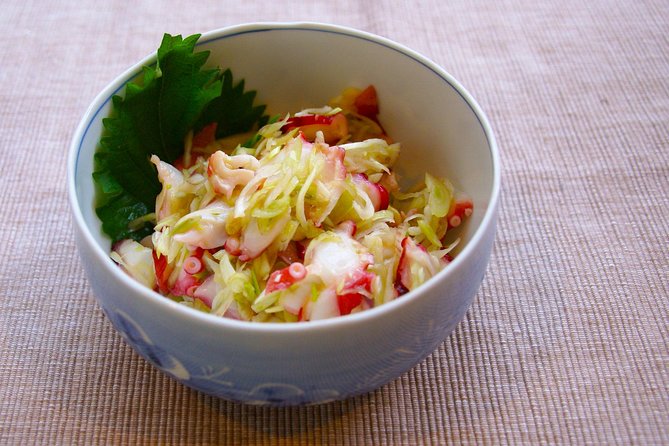
You’ll meet at a specific point in Setagaya City (Sakurashinmachi area), and the tour includes pickup from Sakurashinmachi Station on the Tokyu Denentoshi Line. In the overview, Makiko is also described as greeting you at Komazawa-Daigaku Station, so your best move is to follow the confirmed meeting instructions you receive after booking.
Either way, the idea is the same: you start your evening already oriented to the neighborhood. That makes the supermarket part feel like a real errand that locals might run after work, not a scripted performance.
If you’re the type who likes getting your bearings fast, this is a good setup. You’ll walk into food shopping with context instead of feeling lost in a big Tokyo station area.
The Supermarket Tour: Shopping Like a Local (and Why It Matters)
The most valuable part for me is what the shopping tour actually teaches: how to select ingredients for Japanese cooking as it’s practiced daily. Makiko takes you through local supermarkets and nearby stalls/shops, with attention to meat, fruit, and vegetables, and how ingredients are displayed and sold for everyday meals.
This is where you learn to think in Japanese kitchen terms. Instead of asking only whether something looks good, you start asking whether it’s suitable for how the dish gets cooked: texture, cut, ripeness, freshness, and what’s typically paired in seasonal home cooking.
You may also see a sweet shop stop included in the flow, which helps round out the idea that local life isn’t only about main dishes. Japanese food culture includes small treats and everyday snacks, and seeing that in context makes the dinner feel more grounded.
One practical tip: go in with a few questions ready. If you have dietary restrictions, tell Makiko when booking so she can adjust. The tour notes that allergies and preferences should be advised ahead of time, which is the only way to keep this comfortable and safe in a home kitchen.
Choosing Ingredients With an Expert Eye
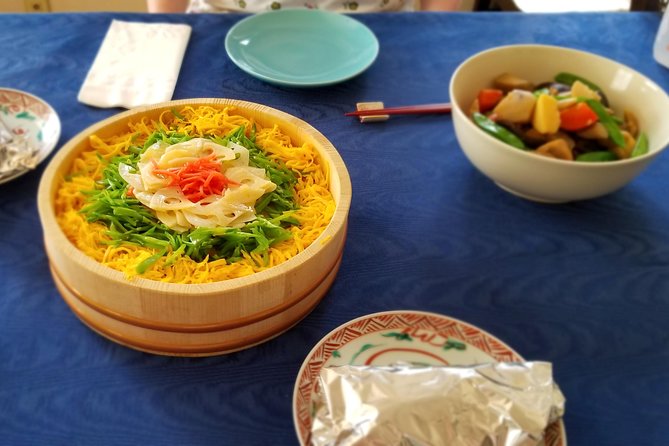
Makiko is an expert on Japanese cuisine, and you’ll have time to ask questions while you shop. This is not the kind of class where you just watch someone measure ingredients and hope it clicks.
In a home setting, the questions are what turn shopping into learning. For example, you can ask what type of cut works best, how to pick vegetables that will hold up during cooking, or what sauces and seasonings people rely on most often.
Even if you already know Japanese cooking basics, you’ll likely pick up a few mental shortcuts. Those shortcuts are what help you cook the dishes later with better results, even when you’re shopping in your own country.
Cooking in Makiko’s Home Kitchen Near Komazawa Olympic Park
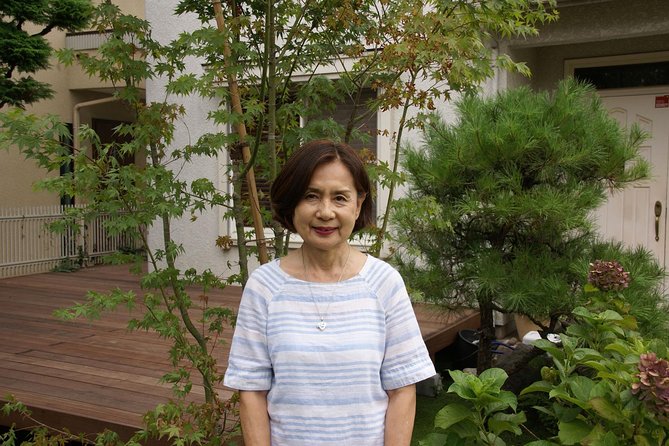
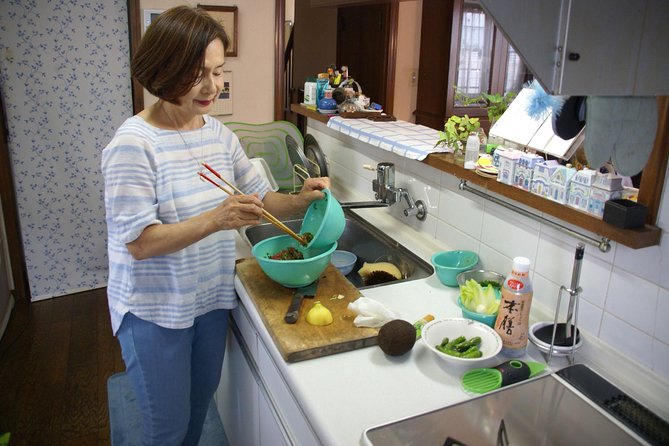
After the market tour, you head to Makiko’s home in a neighborhood near Komazawa Olympic Park. The cooking portion runs about 1.5 to 2 hours, and the timing shifts depending on your group size, which is a smart design choice for a hands-on class. Smaller groups generally mean more individual attention, and larger groups mean more pacing so everyone can participate.
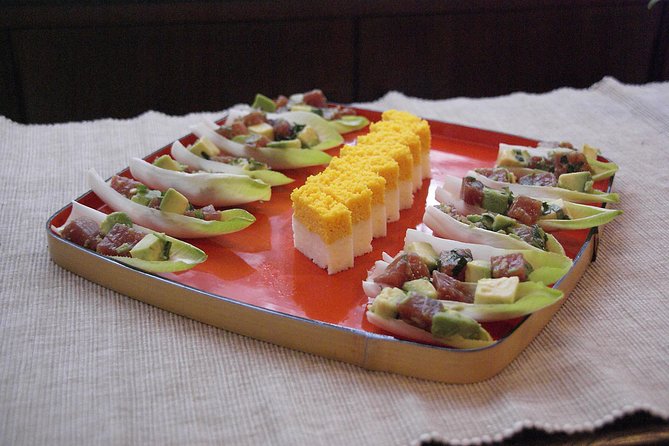
You’ll learn how to make traditional-inspired, homemade Japanese dishes. The exact menu can vary depending on the season, but the structure stays consistent: you cook, you learn the process in detail, and you get the kind of practical tips that rarely show up in standard recipe books.
In a real home kitchen, you also feel the workflow. Things happen in a logical order: prep first, then cooking steps that match ingredient behavior. That’s useful because Japanese recipes often depend on timing and heat control, not just ingredient lists.
And yes, there’s a cat in the house. It’s shy and quiet and usually hides upstairs when guests are in the home. If you’re nervous around animals, it’s worth knowing up front so you can relax and enjoy the evening without worrying about surprises.






The Lesson Style: Process Over Memorization
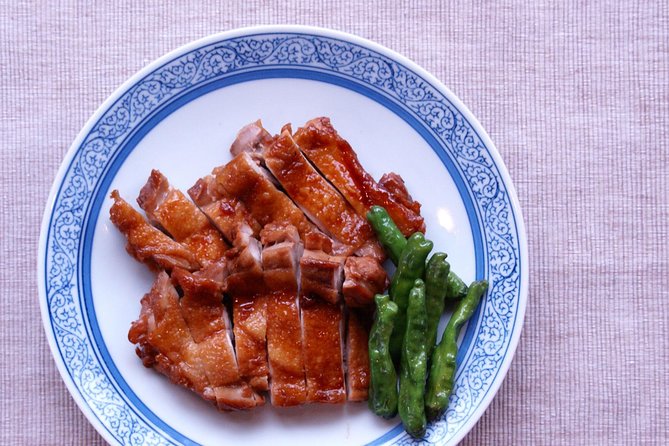
What I like about this kind of lesson is that it focuses on process. Makiko explains cooking in detail and shares cooking tips that you’re not likely to find in written recipes. That matters because Japanese home cooking often relies on understanding what you’re aiming for—texture, aroma, doneness—more than exact minute-by-minute instructions.
Since it’s a private experience, you can ask questions that come up during the cooking. If something feels confusing, you don’t have to wait your turn behind a line of other students.
This is also why the “Cooking Class Only” option can be worth it for some people. If you already know you want the lesson but don’t care about ingredient shopping, you can still enjoy the home setting and cooking guidance without the market portion.
Dinner at the Dining Table: Eat What You Made
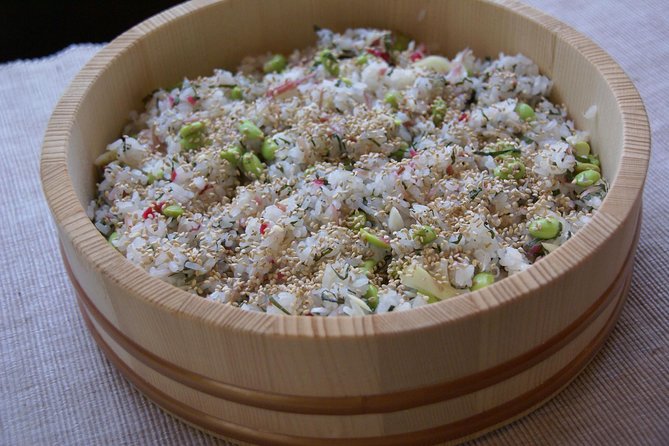
Once the dishes are cooked, you sit down together at Makiko’s dining table and enjoy the feast you helped prepare. This is a key part of the experience, because it turns the lesson into a complete cycle: shop, cook, then taste the result in a real meal setting.
Eating together helps you connect what you did with what you’re tasting. You can notice how flavors balance, how ingredients cooked down, and what changes you might make next time.
If you’re traveling with someone who wants hands-on learning, this meal format is a big win. It’s not just a class; it’s an evening that ends with a satisfying payoff.
Price and Value: Is $89 Really Fair?
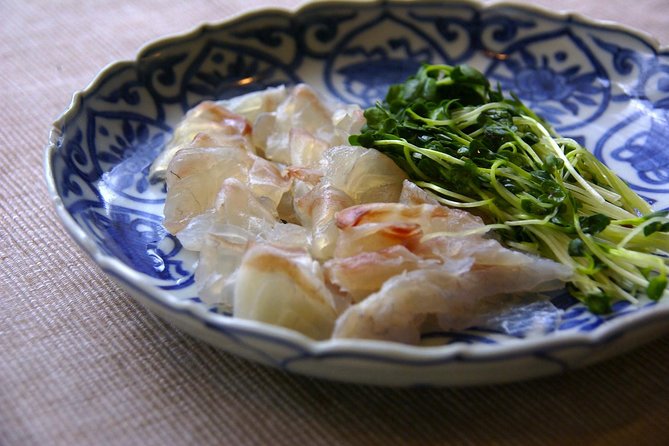
At $89 per person for about 3 hours, the value depends on what you want from the experience. If you compare it to a typical market tour plus a cooking class at a commercial venue, the difference here is the private home setting and the fact that the meal is included.
You also get pickup from Sakurashinmachi Station, which removes a common headache in neighborhood-based experiences. For many visitors, that small convenience adds up because Tokyo transit can turn “easy” into “I’m hunting for the right exit.”
Most importantly, the price is covering access, not just instruction. You’re getting Makiko’s time, the use of a home kitchen, and the shopping route that shows how locals buy ingredients. That kind of access is hard to replicate on your own without already knowing the neighborhood food scene.
Who This Tour Fits Best
This is a great fit if you:
- Want a private Japanese cooking experience rather than a group class
- Like learning through food shopping and ingredient selection
- Enjoy asking questions about Japanese cuisine and how dishes come together
- Prefer a home setting with a host who can tailor the night to your needs, including dietary restrictions discussed ahead of time
It may be less ideal if you only want a short, highly structured cooking workshop with a guaranteed menu every time. Because the menu varies by season, you should plan to be flexible and curious about what’s available and chosen for that day.
A Few Smart Ways to Get More Out of It
Bring a curious mindset. The best results come when you’re willing to ask why something is done a certain way. If you have preferences—spiciness level, dietary limits, vegetarian or other needs—share them early so Makiko can plan accordingly.
Also, think of the market tour as your recipe shortcut. If you want to cook these dishes later, you’ll remember what ingredients mattered most because you handled them and talked about them in context.
Finally, be ready for a relaxed home pace. This isn’t a production. It’s a personal evening that includes conversation about Japanese food, ingredients, and daily routines that shape how people cook.
Should You Book Creative Japanese Cooking With Makiko?
I’d book it if you want an authentic Tokyo food evening with real local context, and you’re excited to learn from a home cook. The combination of a private supermarket tour, a hands-on cooking lesson, and a shared meal is exactly the kind of experience that turns into lasting skills, not just photos.
Skip it only if you’re chasing a fixed menu or you strongly prefer a commercial, standardized class format. Since the menu is seasonal and the setting is a home, you need to be comfortable with an intimate, personal pace.
If that sounds like your style, you’re likely to have a very satisfying night—one where shopping, cooking, and eating all click together in Makiko’s neighborhood routine.
FAQ
What does the tour include?
The experience includes a private supermarket tour with your host Makiko, a Japanese cooking class and meal, and pickup from Sakurashinmachi Station on the Tokyu Denentoshi Line.
How long is the experience?
It runs for about 3 hours total. The cooking portion takes about 1.5 to 2 hours depending on the number of people in your group.
Is this a group tour?
No. It’s private and personalized. Only your group participates.
Will the menu be the same every time?
No. The menu items may vary depending on the season.
Where does the experience start?
The meeting point is in Setagaya City, Tokyo at 2-chōme-8 Sakurashinmachi (2-chōme-8-8). You’ll also receive pickup from Sakurashinmachi Station on the Tokyu Denentoshi Line.
Can I request dietary restrictions or allergies?
Yes. You should advise any allergies, dietary restrictions, or cooking preferences at time of booking so Makiko can adjust when possible.
Is there an animal in the home?
Yes. There is a cat in the house that is shy and quiet and is usually found hiding upstairs when guests are in the home.