REVIEW · TOKYO
Kamakura and Yokohama Private Tour with Bilingual Chauffeur
Book on Viator →Operated by BANZAI · Bookable on Viator
History, sea air, and a chauffeured day. This private Kamakura and Yokohama tour ties together the Great Buddha and a Zen bamboo grove without the usual transit hassle, and the on-the-ground English guide style really helps the sites click (Abdul was especially good at making the Buddha story fun and answering even personal questions).
I also like the practical pacing: you get an air-conditioned vehicle, bottled water, and help taking photos or video so you can focus on the moment instead of figuring out logistics.
One thing to plan for: major stops like Kotoku-in and Hase-dera Temple require you to pay admission yourself, and the optional additions can mean more walking and more time on your feet.
In This Review
- Key highlights you’ll actually care about
- Why a private Kamakura–Yokohama day makes sense from Tokyo
- Cost and value: what you really get for $435.71 per group
- Getting from place to place: pickup, a private vehicle, and real timing
- Stop-by-stop: Kotoku-in and the Great Buddha of Kamakura
- Hokoku-ji bamboo grove: quiet shade and temple atmosphere
- Tsurugaoka Hachimangu: the samurai patron shrine in the middle of it all
- Hase-dera Temple: flowers, views, and why this stop feels like a reset
- Komachi Street shopping: souvenirs without turning it into a detour
- Optional Enoshima Island: sea views if you want more walking
- Optional Yokohama Chinatown (China Town 80): food culture and people-watching
- Food breaks that fit the route (seafood and traditional sweets)
- Guide impact: what Abdul’s style tells you about this tour
- Who this tour is best for
- Should you book this bilingual chauffeur Kamakura and Yokohama tour?
- FAQ
- How long is the Kamakura and Yokohama private tour?
- Is pickup included?
- Is this a private tour?
- What’s included in the price?
- Are admission tickets included for the main sites?
- Do I get a ticket on my phone?
- What happens if the weather is bad?
- Can I cancel for free?
Key highlights you’ll actually care about
- Private car for up to 6: calmer travel between Kamakura and Yokohama than trains and transfers
- English guide in person: you get context as you go, not a rushed info dump
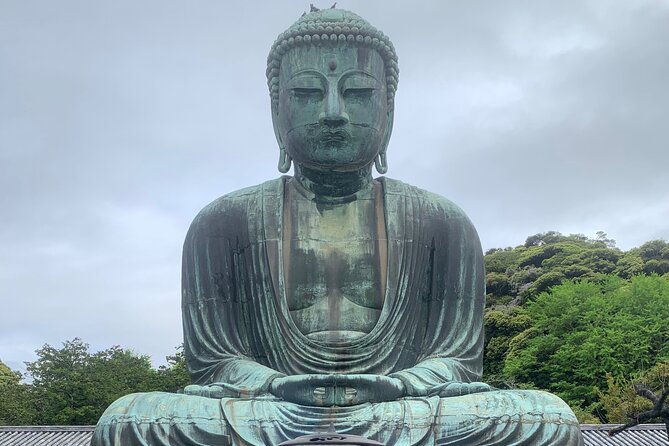
- The Great Buddha at Kotoku-in: a landmark you feel in your bones, even outdoors
- Hokoku-ji bamboo grove: shaded, quiet, and a great reset point mid-day
- Flexible optional stops: Enoshima Island and Yokohama Chinatown can be added if your legs and schedule allow
- Small comforts included: bottled water, photo/video help, and parking and fuel covered
Why a private Kamakura–Yokohama day makes sense from Tokyo
Kamakura is one of those places where you can spend a full day just wandering temple steps, old streets, and sea-breeze viewpoints. The challenge is getting around efficiently. With a private chauffeur and bilingual setup, you can hit the classic sights without losing half your day on trains, platforms, and timing.
What makes this tour especially workable is the mix. You get major spiritual landmarks (Great Buddha, major shrines, big temple grounds) plus calmer stops like the bamboo grove. Then you can tack on coastal Enoshima or the food-and-shopping energy of Yokohama Chinatown if you want a change of mood.
The best part is how the day is structured. Instead of a stop-and-sprint, you get time blocks that let you look up, slow down, and ask questions. And that question-friendly guide experience shows up in the only review detail I have: Abdul arrived on time, was courteous, and gave clear history about the Buddha that felt new and useful.
You can also read our reviews of more private tours in Tokyo

Cost and value: what you really get for $435.71 per group
This tour runs $435.71 per group (up to 6) for about 8 to 10 hours. On paper, that sounds like a splurge. In practice, it can be good value if you’re traveling with family, friends, or a small group that hates wasting time.
Here’s why: private car tours are expensive partly because of the hidden costs you usually pay separately—parking, fuel, and the time a driver spends getting you door-to-door. In this package, those are handled for you. You also get an air-conditioned vehicle and bottled water, which matters more than people think on a long day in Japan.
What’s not included is also clear. You’ll pay admission for Kotoku-in, Hase-dera, and Hokoku-ji yourself, and you’ll also pay for Enoshima Island if you choose it. If your group loves temples and wants to buy a few souvenirs, budgeting those tickets in advance keeps the day stress-free.
Getting from place to place: pickup, a private vehicle, and real timing
You’re offered pickup, and the tour operates as a private group only. That means the itinerary can run at your pace, instead of being dictated by how fast a crowd moves through ticket lines.
The duration—8 to 10 hours—is long enough to do meaningful sightseeing without feeling like a checklist machine. Still, it’s a full-day plan, so plan your day like a local: eat before you’re starving, and wear shoes you can walk in comfortably.
One more practical touch: you get a mobile ticket and the team uses in-person support through an English guide. That combo helps a lot when you’re navigating temples and street areas where signs and ticket gates can be confusing at speed.
Stop-by-stop: Kotoku-in and the Great Buddha of Kamakura
Kotoku-in is the start you can’t really ignore. The Great Buddha of Kamakura is an outdoor bronze statue of Amida Buddha, set on the temple grounds, roughly 13.35 meters tall. Seeing it in person is different from photos because you sense scale immediately—your eyes keep traveling upward even if the statue is still.
This stop is listed at about 40 minutes, and that feels about right. You need time to look, walk the surrounding grounds, and take in the views and sightlines around the statue. If you only pass through for five minutes, you’ll miss the main point: this is a landmark you experience with your body, not just your camera.
Admission for Kotoku-in is not included, so arrive mentally ready to pay the temple entry fee. Also, plan for the outdoors part. Even with a private car, you’re still out in the open, so weather matters. If it’s hot or humid, keep water in mind and let your guide know if you want a slower pace.
Hokoku-ji bamboo grove: quiet shade and temple atmosphere
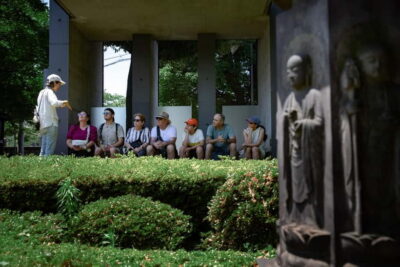
Next is Hokoku-ji Temple, also called Takedera Temple, famous for its bamboo grove. This is the sort of stop that changes the emotional temperature of the whole day. One moment you’re thinking about samurai-era connections and shrine importance; the next moment you’re walking through a shaded space where sound feels softer.
You get about 1 hour here. That’s not just for photos. You’ll want a few minutes to stand, look around, and let the calm sink in. The bamboo grove is one of those places where your brain stops racing, even if you’re traveling on a tight schedule.
Admission isn’t included, so factor that into your budget. Also, remember temples and gardens often have etiquette rules. Keep your phone handy for pictures, but don’t treat the place like a theme park. Slow down and you’ll get more out of it.
You can also read our reviews of more tours and experiences in Tokyo
Tsurugaoka Hachimangu: the samurai patron shrine in the middle of it all
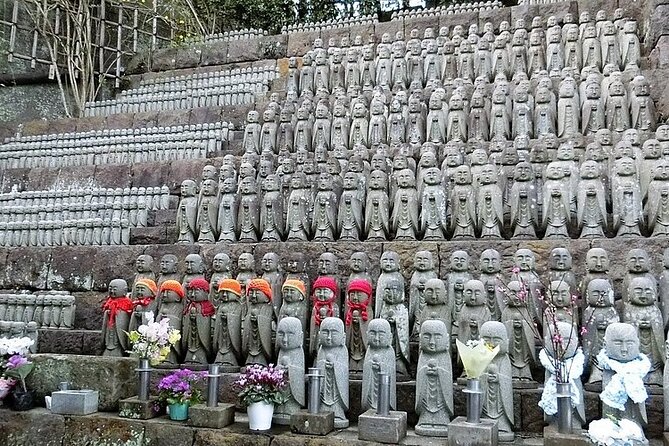
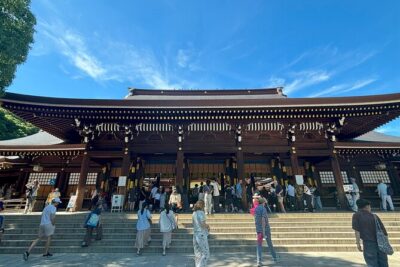
Tsurugaoka Hachimangu is Kamakura’s most important Shinto shrine, dedicated to Hachiman, known as the patron deity of the samurai. It’s listed for about 1 hour, and that time slot makes sense because this is a big “place” you can feel while you move through it.
Even if you’re not a shrine person, I think this stop works because it provides context. You’re not just looking at buildings; you’re connecting Kamakura to the wider story of power, leadership, and cultural identity in Japan’s medieval period. A good guide helps a lot here, especially for understanding what you’re seeing and why it matters.
Admission isn’t listed as included for this stop either. Still, you’re not losing time to ticket confusion, since the guide helps manage the flow. Bring a curious mindset and be ready to ask questions. Abdul’s approach—answering even personal questions—signals that this tour style leans conversational, not robotic.
Hase-dera Temple: flowers, views, and why this stop feels like a reset
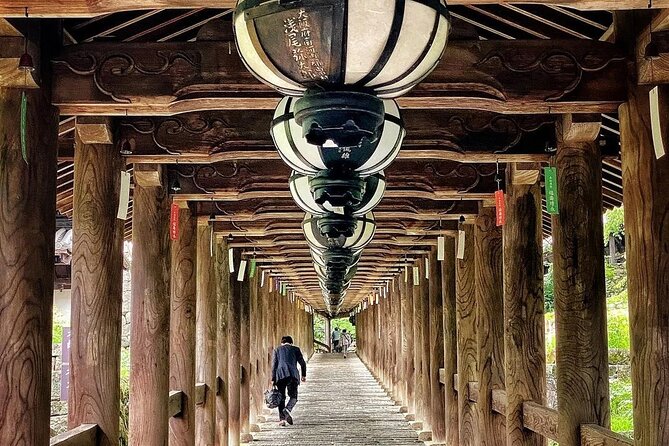
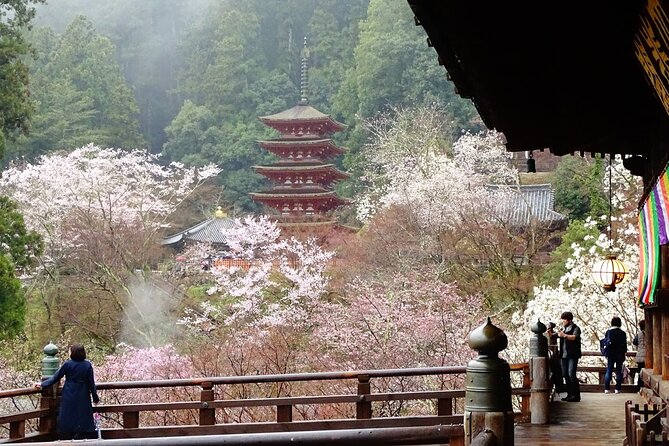
Hase-dera Temple is known for seasonal flowers and coastal views, and it’s scheduled for about 1 hour 30 minutes. That longer time block is a clue that the experience isn’t only about one photo spot. You can walk, notice different angles, and let the gardens and viewpoints do their job.
This is also a nice contrast to the sharper intensity of a big shrine or the stillness of the bamboo grove. Hase-dera gives you variety: temple structures, garden paths, and the sense that Kamakura’s location near the sea shapes the atmosphere.
Admission for Hase-dera is not included. So if your group is the type to collect temple stamps or take extra time exploring, you’ll be glad you planned for a paid entry.
Komachi Street shopping: souvenirs without turning it into a detour
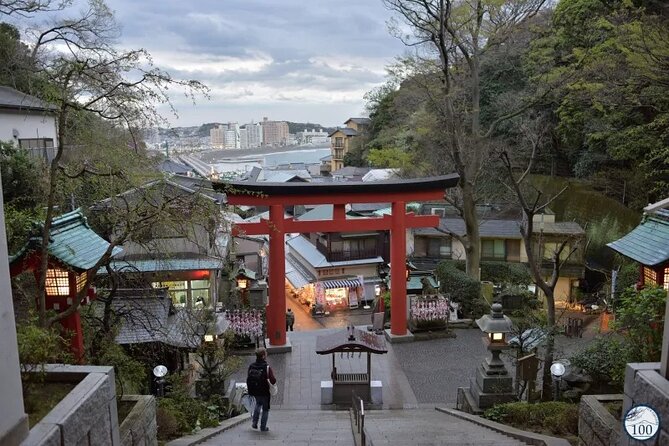
Komachi Street (Komachi dori) runs from the entrance area of Tsurugaoka Hachimangu and is scheduled as an optional stop for about 1 hour. The idea is simple: if you want snacks, small gifts, and local character items, this is the place to do it without adding major travel time.
It’s also a good palate cleanser. After temple time, shopping streets let you switch modes. You can take a break, sit if needed, and decide what you actually want to bring home instead of buying random stuff out of urgency.
Admission is free here, which is always nice. Just don’t treat it as a long wandering day. If you only have a limited amount of time, prioritize the first half of the street and then decide if you want to continue.
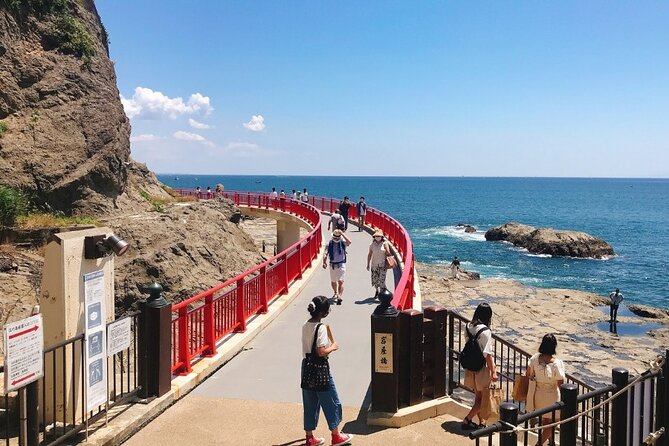
Optional Enoshima Island: sea views if you want more walking
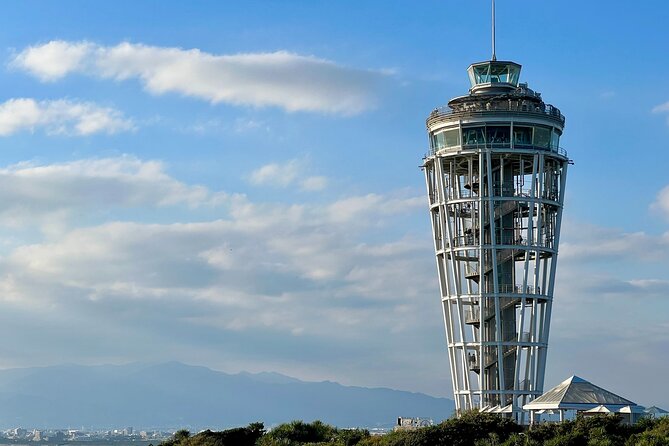
If you want coastal scenery, the tour offers Enoshima Island as an optional add-on for about 1 hour 30 minutes. Enoshima is known for ocean views, historic shrines, and seaside culture. In other words, you shift from Kamakura’s temple-centered day to a more maritime vibe.
This stop also comes with its own admission fee, which is not included. Before you say yes, consider your group’s walking tolerance. One of the easiest ways to ruin a good day is to add too many optional stops when your feet are already tired.
If your group loves views and you want a clear contrast to inland temples, Enoshima can be worth it. If you’re traveling with older visitors or people who get tired quickly, you might skip it and spend more time around the core Kamakura highlights.
Optional Yokohama Chinatown (China Town 80): food culture and people-watching
Yokohama Chinatown is included as an optional stop for about 1 hour 30 minutes. It’s described as Japan’s largest Chinatown, with lots of restaurants, shops, and cultural sites. Even if you don’t plan to do much shopping, Chinatown is a good place to eat and people-watch.
Admission here is listed as free, which makes it easy to treat as a flexible time buffer. If you choose Chinatown, it helps to think of it as an experience layer, not just a single attraction. You can grab a snack, look at storefronts, and use it as downtime after temple walking.
One practical note: Chinatown can feel busy, so if your group prefers quiet, you may want to treat your time like a short visit—one or two food stops, a short walk, then back to your original sightseeing rhythm.
Food breaks that fit the route (seafood and traditional sweets)
The tour description points to fresh seafood and traditional sweets, and that matches the logic of these locations. Kamakura is coastal-adjacent in feel, and the area is known for seafood-forward meals and snackable treats. Yokohama Chinatown, of course, is built for food lovers.
I suggest you avoid waiting until you’re suddenly starving. A private-car day often has fewer long meal breaks than you expect, because the route covers multiple sights. If you stop for small bites between temple time and street time, you’ll keep your energy steady.
If you have dietary restrictions, Chinatown can be helpful because there are many restaurants to choose from. Still, the tour data doesn’t specify exact restaurants, so you’ll rely on what’s available when you arrive. Use the guide’s help to point you toward places that fit your needs.
Guide impact: what Abdul’s style tells you about this tour
The standout detail from the review I have is about the guide experience. Abdul arrived on time, was courteous, and made the history of the Buddha feel understandable and even fun. He also answered personal questions, which is a big deal when you don’t want your tour to be just a lecture.
That kind of guide style changes how you feel at Kotoku-in and other temples. With good context, you notice details you might otherwise miss. You also learn the difference between what looks symbolic and what has a specific reason behind it.
If your main goal is to understand what you’re seeing—not just collect stamps—this tour’s guide setup is a strong point.
Who this tour is best for
This is a great match for small groups who want structure without sacrificing freedom. Think: families, couples, and groups of friends who want a private car, an English guide, and the ability to add optional stops without negotiating train routes.
It’s also a good choice if you like mixing types of sights. You get temples and shrines in Kamakura, then you can swing toward sea views with Enoshima or toward food and shopping with Yokohama Chinatown.
If you’re a solo traveler who likes company, the private setup can still work since the vehicle cost is per group, not per person. If you’re traveling light and comfortable with transit, you could DIY the route—but you’ll trade convenience for effort.
Should you book this bilingual chauffeur Kamakura and Yokohama tour?
I’d book it if you want a smooth, guided day that hits the big Kamakura hits—especially the Great Buddha and the bamboo grove—without turning the trip into a logistics project. The value improves when you split the group cost across up to 6 people, and the included car and small comforts help justify the price.
I’d hesitate if your group doesn’t want to pay separate admissions or if you prefer a shorter, less structured day. The itinerary can include optional walking-heavy add-ons like Enoshima and Chinatown, so you’ll want to choose based on your energy.
If you care about history and explanations, this tour’s guide approach looks like it can make the sights feel personal rather than generic.
FAQ
How long is the Kamakura and Yokohama private tour?
The tour runs about 8 to 10 hours.
Is pickup included?
Yes, pickup is offered.
Is this a private tour?
Yes. It’s private, and only your group participates.
What’s included in the price?
The tour includes an air-conditioned vehicle, private transportation, bottled water, fuel charges and parking fee and tool charges, free picture taking or video making assistance if needed, and an in-person English guide.
Are admission tickets included for the main sites?
No. Admission for Kotoku-in, Hase-dera Temple, and Hokokuji Temple is not included, and admission to Enoshima Island is not included if you choose it.
Do I get a ticket on my phone?
Yes. A mobile ticket is included.
What happens if the weather is bad?
The experience requires good weather. If it’s canceled due to poor weather, you’ll be offered a different date or a full refund.
Can I cancel for free?
Yes. Free cancellation is available, and you can cancel up to 24 hours in advance for a full refund.