REVIEW · TOKYO
Tokyo Harajuku Walking Tour Meiji Jingu Yoyogi Park and More
Book on Viator →Operated by TripGuru · Bookable on Viator
Tokyo turns up the volume fast. This 3-hour walk stitches together Meiji Jingu Shrine calm, Harajuku’s style streets, and the polished look of Omotesando, with an English-speaking guide keeping you on track.
What I really like here is the small group size (up to 9 people), which keeps the pace friendly and the questions coming. I also love that the tour is practical about Harajuku fun, with guide support that has included helping people buy capsule toys and pointing them to great snack stops like Sweet Box crepes.
The main catch is simple: the time is limited. You only get about 30 minutes on Takeshita Street, so if you want slow browsing, you’ll probably want to continue on your own after the tour ends.
In This Review
- Key highlights at a glance
- Why this Harajuku route feels smarter than doing it alone
- Getting started at Harajuku Station at 1:00 pm
- Stop 1: Meiji Jingu Shrine for a quiet reset in the middle of Tokyo
- Stop 2: Yoyogi Park for seasonal breathing room and local Tokyo life
- Stop 3: Takeshita Street for street fashion, quick snacks, and capsule toy fun
- Stop 4: Omotesando Avenue for modern architecture and upscale browsing
- What the English-speaking guide actually changes for you
- Price and value: paying for guidance, not entry tickets
- Weather and comfort: plan for a walkable afternoon
- Should you book this Harajuku walking tour?
- FAQ
- What is the duration of the Tokyo Harajuku walking tour?
- How much does the tour cost?
- Where does the tour start and end?
- What time does the tour start?
- What are the main stops on the tour?
- Is admission included for the shrine and park?
- What is included in the price?
- What is not included?
- How does cancellation work?
- Is the tour done in English?
Key highlights at a glance
- Max 9 people keeps the vibe social without feeling chaotic
- English-speaking guide who can help you with what to do and where to shop/eat
- Free entry stops at Meiji Jingu and Yoyogi Park
- Four distinct zones: shrine forest, park break, Harajuku street energy, Omotesando style
- Mobile ticket and an easy finish at Omote-Sando Avenue
Why this Harajuku route feels smarter than doing it alone
Harajuku can be fun, but it’s also easy to spin your wheels. This tour works because it strings together four places that contrast on purpose: a major shrine, a beloved city park, a shopping street built for youth fashion, and then a more grown-up boulevard. You get variety without having to plan every turn.
I like that the tour mixes tradition and teen-pop Tokyo in the same afternoon. That contrast is the point. After walking through Meiji Jingu’s quiet grounds, Takeshita Street suddenly feels louder and more specific, and then Omotesando brings you back to clean lines and design-focused shopping.
One more value angle: the stops are short enough to stay energetic, but long enough to actually notice details—like how the shrine grounds change your mood, or how park paths shape the way people live and move through the city.
You can also read our reviews of more walking tours in Tokyo


Getting started at Harajuku Station at 1:00 pm
You start at Harajuku Station, at 1-chōme-18 Jingūmae, Shibuya. The tour begins at 1:00 pm and runs for about 3 hours on foot. You’ll end at Omote-Sando Avenue (Omotesando), at 4-chōme-12 Jingūmae, Shibuya.
This timing is handy. An early afternoon slot lets you catch daylight for photos at Meiji Jingu and Yoyogi, while still getting into Harajuku’s busiest shopping streets before the evening crowd fully takes over. It’s also a good plan if you’re already in Shibuya and want a structured way to see the “famous Harajuku” highlights without building an entire itinerary from scratch.
Bring your usual walking essentials: comfortable shoes and a small bag you can manage on crowded streets. Meals and drinks aren’t included, so plan on buying anything you want on your own during the snack and shopping moments.
Stop 1: Meiji Jingu Shrine for a quiet reset in the middle of Tokyo
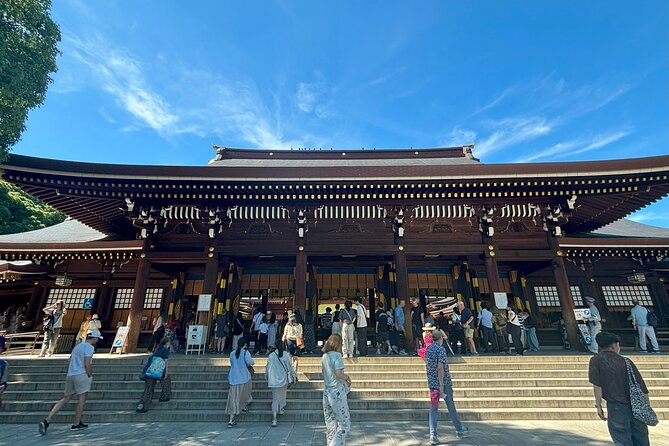
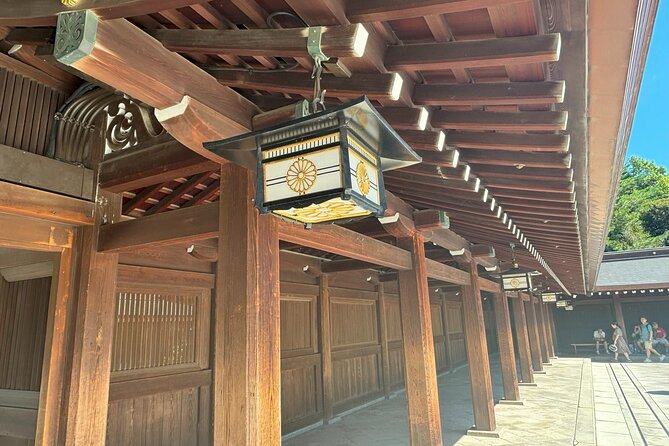
Meiji Jingu Shrine is the first stop, with about 45 minutes on-site. Admission here is free, and that matters because it makes this tour feel like you’re paying for guidance and time, not entry fees.
What you’re really buying at Meiji Jingu is atmosphere. The shrine is famous for being a spiritual sanctuary in the middle of the city, and the forest setting changes the whole tempo of your walk. You move slower. You look up more. You notice how visitors behave—calm, respectful, and focused.
Practical tip: give yourself a minute to simply stand and orient. Even with a guide, it helps to get your bearings in the shrine space before you chase photo spots. And since this is a religious site, dress and behavior matter; keep your posture and volume in check, especially in indoor or ceremonial areas.
Downside to consider: because the stop is 45 minutes, you won’t get a long, deep ritual experience. This is the “see it well, understand it quickly” version. If you want to linger, you’ll need extra time after the tour.
Stop 2: Yoyogi Park for seasonal breathing room and local Tokyo life
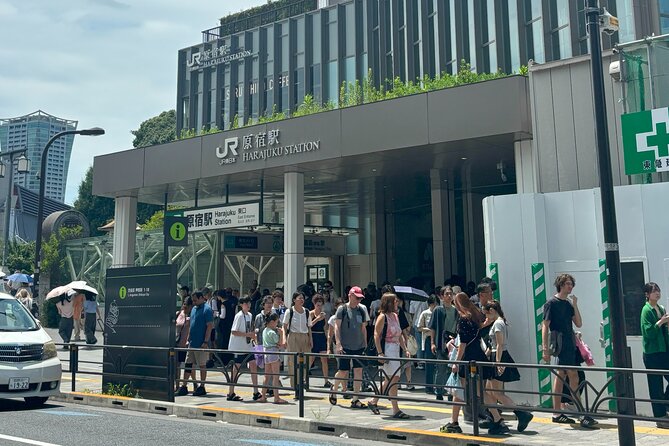
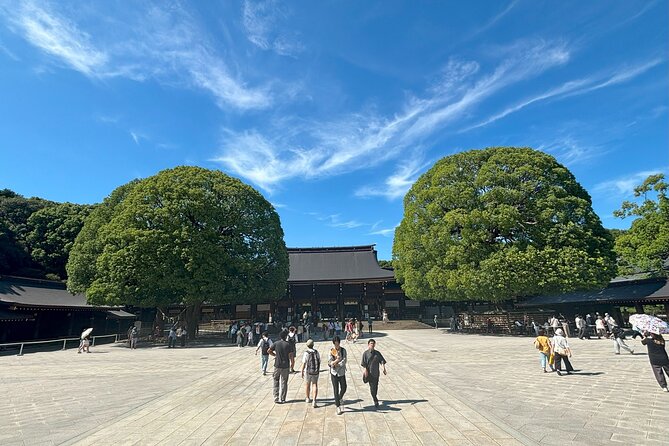
Next comes Yoyogi Park, about 20 minutes. Like Meiji Jingu, it has free access for the time you’re there. This stop is short, but that’s the advantage: it’s a break in the middle, not another full destination you have to “finish.”
Yoyogi Park is where you feel the city exhale. Paths, open areas, and everyday park behavior add a human layer after the formal calm of Meiji Jingu. The seasonal scenery angle is real here—what you see changes through the year, so even a brief visit can feel different from trip to trip.
How to make the most of 20 minutes:
- Find a spot to pause and watch people move around.
- Get a couple of photos, then don’t overthink it.
- Use this stop to reset before the crowd-energy of Takeshita Street.
If you’re someone who loves parks and could spend hours outdoors, this may feel brief. But as a bridge between shrine and shopping, it’s a good use of time.
Stop 3: Takeshita Street for street fashion, quick snacks, and capsule toy fun
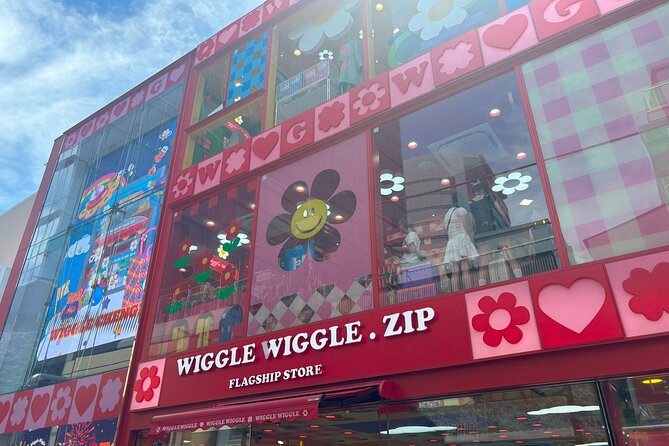
Takeshita Street is the most energetic stop, with about 30 minutes. Admission isn’t a factor, since you’re simply walking and browsing, and that’s why the time matters. This is not a slow stroll. It’s a concentrated hit of Harajuku’s youth fashion and pop culture.
This is also where a guide adds real value. One guide named Aska has been praised for being friendly and informative, and for helping people buy capsules at a capsule store. That kind of help may sound small, but it can save time and confusion when you’re faced with machines, brands, and choices you don’t recognize.
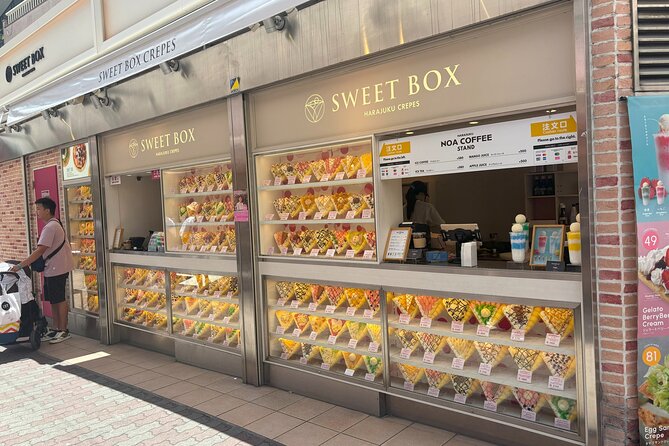
Snacks are a big part of the street experience too. A Sweet Box shop and its crepes have come up as a favorite in guide-led moments. Since meals aren’t included in the tour price, you’ll pay yourself, but having a guide steer you toward a reliable stop is useful—especially if you’d rather not gamble on random lines and random counters.
Two practical notes for Takeshita Street:
- Expect tight space and lots of people moving in different directions.
- Use your 30 minutes by deciding on one main thing—capsules or a crepe—then browse around it.
If your plan is to shop hard, you’ll probably want to continue after the tour. This segment is for sampling the vibe, not for finishing a shopping mission.




Stop 4: Omotesando Avenue for modern architecture and upscale browsing
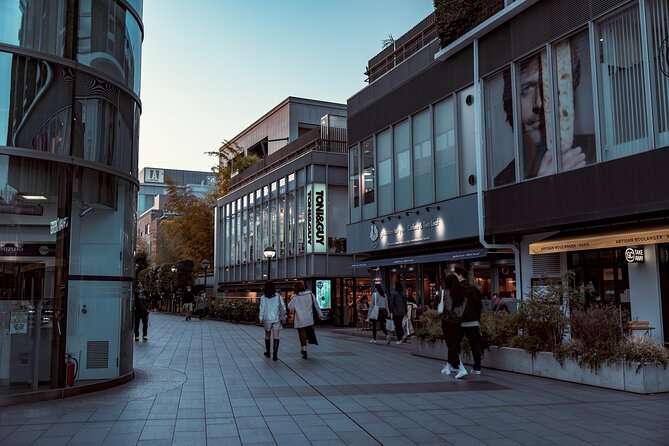
You end at Omotesando Avenue with about 30 minutes. This is often compared to the Champs-Élysées of Japan, and the comparison holds in how the street feels: more design-forward, more spacious, and more about lifestyle than pure street chaos.
Think of Omotesando as the tour’s palate cleanser. After Takeshita Street’s packed energy, Omotesando lets you walk and look at modern architecture, shop at more boutique-style stores, or simply sit down with a drink and watch the street flow.
Because the tour ends here, you’re free to extend your afternoon. If you want to keep browsing, this is a good place to do it without the same level of crowd pressure as Harajuku’s narrow lanes.
One caution: since this is the final stop, you might be tempted to rush. Don’t. Use the time to slow down and notice details—facades, street layout, and the way people pace compared to Takeshita.
What the English-speaking guide actually changes for you
At $42 per person, the core value is the guide. You’re not just buying walking time; you’re buying interpretation. The guide turns “famous names” into an actual sense of place: what Meiji Jingu means, why Yoyogi matters to locals, and how Takeshita and Omotesando fit into Tokyo’s fashion ecosystem.
The strongest proof of this comes from the kind of on-the-ground help people talk about. Aska, for example, has been noted for friendliness and for helping with small practical tasks like purchasing capsule toys. That’s the difference between seeing a street and successfully doing something on it.
This also helps with decision-making. You don’t have to figure out everything in real time. If you’re standing in front of a capsule machine or staring at snack options, having a guide’s suggestion can remove friction and keep the tour fun.
Who this works best for:
- First-time visitors who want a guided path through the biggest Harajuku hits
- People who want a mix of culture and style in one afternoon
- Anyone who prefers a small group rather than a big bus-style crowd
If you’re the type who loves planning every detail on your own, you might be able to replicate parts of this route independently. Still, the guide time can be worth it when you want less effort and more meaning.
Price and value: paying for guidance, not entry tickets
Here’s the pricing reality. The tour costs $42 per person and lasts about 3 hours. Meiji Jingu and Yoyogi Park are free, so you’re not stacking entrance fees on top. You’re primarily paying for the English-speaking guide and the convenience of moving through multiple famous zones efficiently.
Two money-smart tips:
- Plan on paying for your own snacks and shopping. The tour doesn’t include meals or personal expenses.
- If you’re on a budget, decide in advance whether you want to spend on capsules, a crepe, or both. Takeshita can make it easy to lose track of spending.
Also, demand seems high—on average it’s booked about 144 days in advance. That doesn’t mean you’ll never find space, but it does suggest this is a popular afternoon walk. If your dates are fixed, it’s smart to book early.
Weather and comfort: plan for a walkable afternoon
This experience requires good weather. If the weather fails, you’ll be offered a different date or a full refund. That’s not just a policy footnote; it affects comfort. Tokyo rain can be sudden and heavy, and a walking tour can lose its charm when you’re rushing for cover.
For comfort, keep this simple:
- Wear shoes you can walk in for a few hours.
- Bring a light layer in case the afternoon turns cooler.
- If you’re visiting in rainy season, bring a compact umbrella or rain protection.
Since the tour runs from 1:00 pm to about 4:00 pm, you’ll get plenty of walking time in between, so don’t dress like you’re going to sit down the whole day.
Should you book this Harajuku walking tour?
Book it if you want a well-paced afternoon that combines Meiji Jingu, a park reset, and Harajuku style without having to build the route yourself. The small group limit (up to 9 people) and the English-speaking guide make it feel personal rather than rushed.
Skip it or plan extra time independently if your goal is deep shopping on Takeshita Street. The street time is only about 30 minutes, and once you run out of guided time, you’ll need to keep going on your own to really shop.
If you’re trying to see the highlights and understand how they connect—this tour is a strong way to do that.
FAQ
What is the duration of the Tokyo Harajuku walking tour?
It runs for about 3 hours.
How much does the tour cost?
The price is $42.00 per person.
Where does the tour start and end?
It starts at Harajuku Station (1-chōme-18 Jingūmae, Shibuya, Tokyo) and ends at Omote-Sando Avenue (4-chōme-12 Jingūmae, Shibuya).
What time does the tour start?
The start time is 1:00 pm.
What are the main stops on the tour?
The tour visits Meiji Jingu Shrine, Yoyogi Park, Takeshita Street, and Omotesando Avenue.
Is admission included for the shrine and park?
Meiji Jingu Shrine and Yoyogi Park are listed as free for admission during the tour time.
What is included in the price?
The tour includes an English-speaking tour guide and the 3-hour walking tour.
What is not included?
Meals and beverages, personal expenses, and hotel pick-up are not included.
How does cancellation work?
You can cancel for a full refund if you cancel at least 24 hours before the experience’s start time. The experience also requires good weather, and if it’s canceled due to poor weather you’ll be offered a different date or a full refund.
Is the tour done in English?
Yes, it includes an English-speaking tour guide.