REVIEW · TOKYO
Japanese Pottery Class in Tokyo
Book on Viator →Operated by Uzumako ceramic art school · Bookable on Viator
Clay therapy for your Tokyo souvenir. This one-hour Japanese Pottery Class in Minato gives you a real hands-on session with a sensei, plus a path to take your work home later. I love the small-group feel (kept intimate), and it’s set up to be easy to reach from public transit.
What really sold me is the instruction quality you can actually use while your hands are covered in clay. In past sessions, guides have included people like Mr. Hoshi, Ruth, Stephen, and Viki, and the vibe is patient and encouraging, even for first-timers. You’ll get clear steps, a quick sample from the instructor, and then time to shape your own pieces at your pace.
One thing to keep in mind: the base price is for the trial class, not the finished pottery. You’ll pay extra for firing for each selected piece, and shipping is optional (with some countries having tougher rules, like Brazil).
In This Review
- Key things to know before you go
- Why this Tokyo pottery class feels worth the $26.73
- The 1-hour flow: what happens once you arrive
- Your souvenir plan: you’re not leaving with a fired masterpiece that day
- Choosing pieces and colors: how to get the result you want
- Firing and shipping costs: the part you should budget early
- Getting to the studio in Shiba, Minato: simple meeting point, easy transit
- Instructors and the studio vibe: patient teaching, calm pace
- Who should book this class, and who might want a different option
- Price-value check: cheap to try, not free to finish
- FAQ
- FAQ
- How long is the pottery class?
- How many people are in the group?
- What is included in the price?
- What is not included?
- How long does it take to prepare the pottery after making?
- Where do I meet for the class?
- Should you book this Japanese Pottery Class in Tokyo?
Key things to know before you go
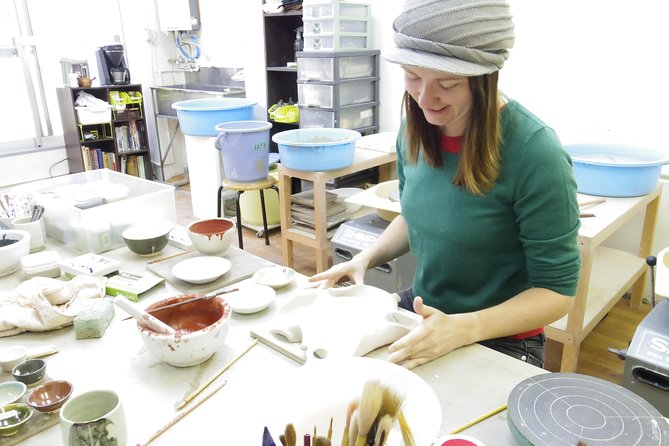
- Small group size makes it easier to get help when your clay stops cooperating
- 2–3 pieces in about an hour means you can experiment without overcommitting
- You choose what to keep for firing and pick your colors during the class
- Firing and shipping cost extra, so your final total depends on how many pieces you select
- About a month for preparation after making, since your work needs time to be fired and handled
- Near public transportation in Shiba, Minato, with an easy meeting point
Why this Tokyo pottery class feels worth the $26.73
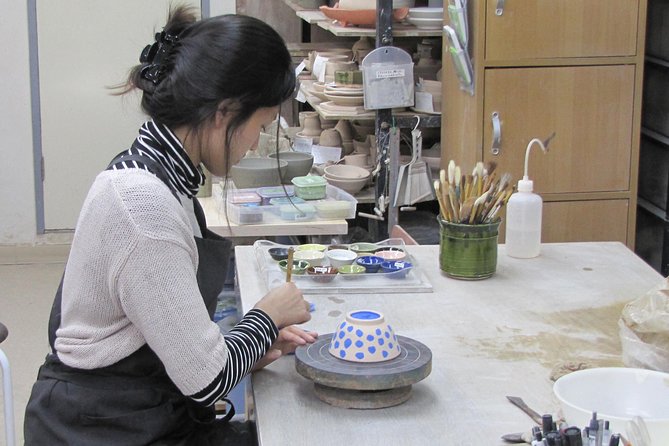
Tokyo is packed with food, fashion, and day trips. But getting a genuine arts experience—something more than watching from the sidewalk—can be trickier than it sounds. This class is built around a simple promise: you get guided time with clay in a central studio setting, and you leave with your own work selected for the next steps.
The price is surprisingly low for what you’re getting up front: $26.73 covers the basic pottery trial class. For me, that’s the value sweet spot—especially if you want a real creative activity on a short trip. You’re not paying a small fortune just to try. You’re paying for instruction, practice time, and the chance to make keepsakes.
But you should treat this as a trial that may become a keepsake plan. The class fee doesn’t include the firing that turns your pieces into finished pottery, and it doesn’t include shipping by default. In other words, you’re buying the making, and you’re budgeting the rest.
You can also read our reviews of more tours and experiences in Tokyo


The 1-hour flow: what happens once you arrive
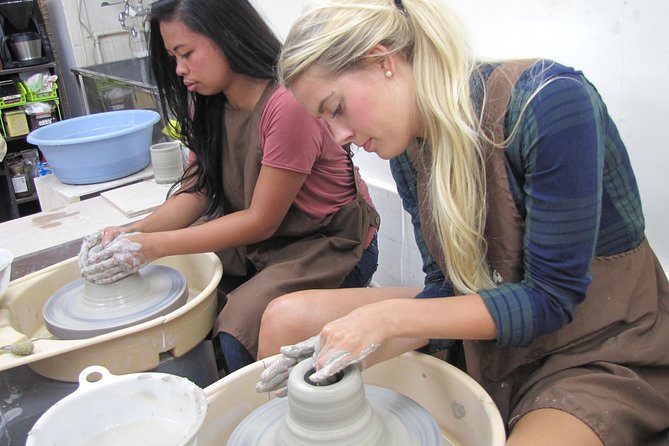
The class is designed to move at a calm, workable pace. Expect a structured start, then focused hands-on time.
Here’s the typical order of events you can count on:
1) You fill out an application form at the start of class
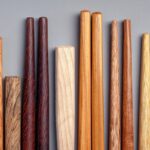
2) The instructor makes a sample so you can see the process in action
3) You make roughly 2–3 works within about 1 hour
4) You choose which pieces you want to keep for firing
5) You choose the colors for the pieces you selected
6) You do basic cleaning
7) You pay (with the extra firing/shipping steps handled based on what you selected)
The “sample first, make yours next” method matters. It helps you understand what good clay work looks like before you spend time on your own shapes. It also keeps the class from turning into chaos, which is a real risk in workshops that don’t give enough structure.
And the small-group setup keeps it human. If your first shape feels awkward or your hands need a different angle, you’re more likely to get a quick fix rather than waiting your turn.
Your souvenir plan: you’re not leaving with a fired masterpiece that day
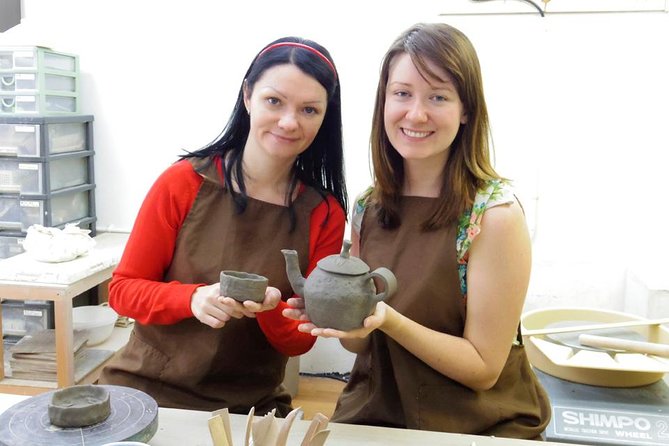
This is the part that confuses people, so I’d plan for it up front. You’ll create your pieces during class, but you’re not walking out with final fired pottery in hand.
Why? Your work needs firing, and firing fees are not included in the basic class price. The schedule also depends on the studio process. The preparation timeline is about one month after making, so your keepsake becomes a later delivery.
That doesn’t make the class less fun. It just changes what you’re getting in the moment:
- In class, you get the joy of shaping clay and making design choices (including color)
- After class, you get the payoff once the pieces are fired and prepared
- At some point after that, your selected pieces are shipped if you choose shipping
Some participants have also noted they can’t finish the pottery themselves, but the studio will take care of the finishing steps for you for the extra costs. That’s exactly what you want if you’re visiting Tokyo and you don’t want to spend vacation time learning kiln schedules.
Choosing pieces and colors: how to get the result you want
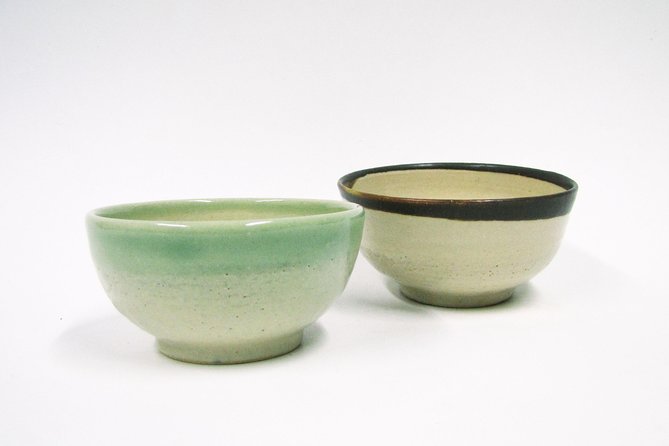
During your hour, you get to make a few works, then choose what to keep. That choice is key because it determines what you pay for firing.
When you pick your colors, you’re not just picking decoration. Color choices affect the look after glazing and firing, so it’s worth taking the time to think about the end result you want to live with at home.
A practical way to decide:
- If you want a simple win, choose one or two pieces that feel most “you”
- If you’re experimenting, choose the pieces that show your best attempt, even if the first one feels rough
- If you’re torn, remember that more selected pieces means more firing costs
Also, don’t be shy about asking for help during shaping. The studio experience seems built around correcting tiny issues early—so the piece doesn’t end up warped or too fragile later.
Firing and shipping costs: the part you should budget early
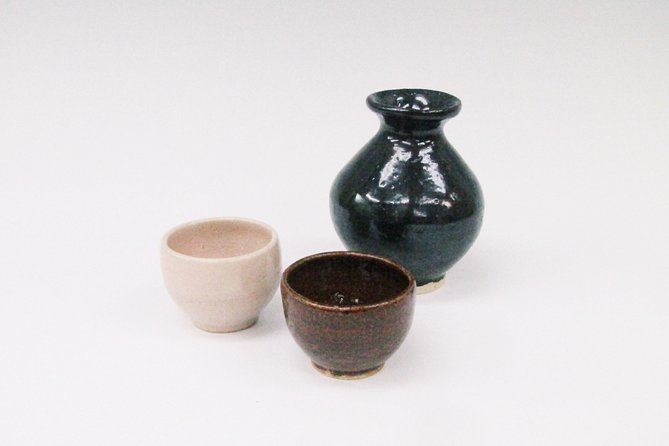
The base fee is the start. It’s not the finish line.
From the tour info, you should assume:
- Firing fee is not included for each selected work
- EMS shipping fee is optional
- The class is set for shipping after your pieces are prepared (about one month after making)
If you’re planning to ship internationally, read the shipping notes carefully before committing. There’s a specific heads-up for Brazil: strict customs have made sending these class-made pieces challenging there. If you’re in Brazil, you’re asked to contact the provider before booking so they can discuss alternatives.
One more practical warning from past experience: shipping availability can vary by country, and some people have mentioned limits for certain destinations. I can’t say every situation is the same, so your best move is to ask what shipping options apply to your country before you select multiple pieces.
A smart budgeting approach is to decide how many pieces you want to keep before you get carried away making everything. If you select two pieces instead of three, you may still get a great set while keeping firing and shipping costs in check.






Getting to the studio in Shiba, Minato: simple meeting point, easy transit
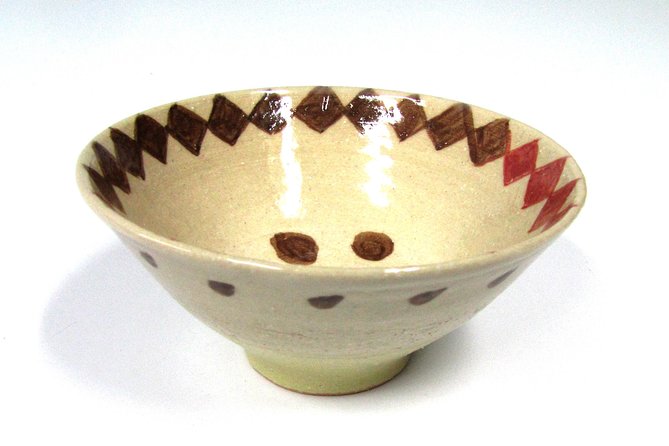
The meeting point is clearly listed: Shiba, 3-chōme29-11 清水ハウス, Minato City (Tokyo 105-0014). The activity ends back at the meeting point, so you don’t need to plan a complicated second stop.
This part matters more than it sounds. A pottery class is an activity where you don’t want to add stress. You’ll be handling clay and you’ll likely want a straightforward route back to your hotel or next plan.
The location is also described as being close to public transportation, which is exactly what you want in Tokyo. You don’t want a workshop that turns into a scavenger hunt.
In past classes, people have also described the location as convenient for sightseeing around the Tokyo Tower area, which makes it a nice evening option if you want something calm after busy daytime exploring.
Instructors and the studio vibe: patient teaching, calm pace
A big reason people rate this class so highly is the teaching style. Multiple guides are named in participant notes, including Mr. Hoshi, Ruth, Stephen, and Viki. The common theme is clear: instructors explain steps, then help you adjust when you’re shaping.
What I like about this kind of teaching is that it supports both learning and creativity:
- You get a guided starting point (the instructor’s sample)
- You get hands-on time to try your own shapes
- You can work independently once you understand the basics, without feeling abandoned
Some participants describe the atmosphere as peaceful and therapeutic—less like a rushed class, more like a quiet creative break from the city. Others mention staff being friendly, with English instruction that makes the experience feel comfortable even if your Japanese is limited.
Also, the studio seems to work for a range of experience levels. If you’re brand new, you get fundamentals. If you’ve done pottery before, you still have room to make something personal.
Who should book this class, and who might want a different option
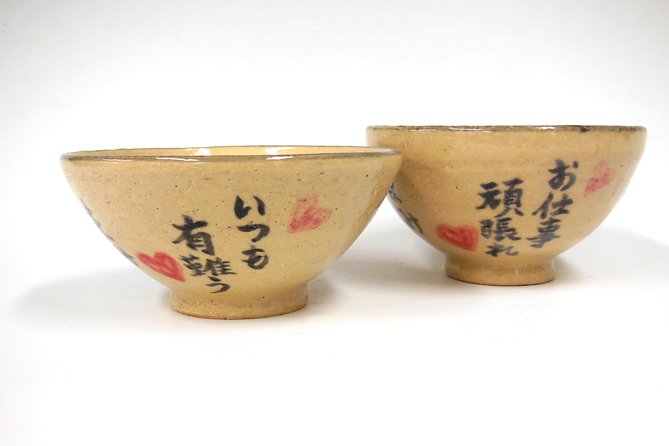
This pottery class fits best when you:
- Want a hands-on creative activity in central Tokyo
- Like small groups and personal instruction
- Are okay waiting about a month for your finished pieces (since firing takes time)
- Want a meaningful souvenir beyond buying something off a shelf
It may not fit perfectly if you need immediate results. If you’re hoping to leave with fully finished, fired pottery in the next hour or two, the class structure won’t match that expectation. You’re making and selecting today, while the studio finishes and fires later.
It also helps if you’re comfortable with the idea that your final cost depends on how many works you choose for firing, plus optional shipping.
Price-value check: cheap to try, not free to finish
Let’s talk value in plain terms.
The class fee is $26.73. That’s a low barrier for an experience that includes instructor guidance and time to produce multiple clay pieces. For short trips, that makes it a strong pick.
But you should plan for add-ons:
- Firing fees per selected work
- Optional EMS shipping
- Extra handling costs if you choose to ship rather than retrieve later
So the best way to judge value is to ask yourself: do you want one meaningful piece or a bigger set?
If you pick one or two pieces for firing, the total is more likely to feel like a reasonable arts-and-souvenir splurge. If you select multiple works and ship them, the experience can add up—but you’ll also end up with more homemade pottery to enjoy.
FAQ
FAQ
How long is the pottery class?
The duration is listed as about 1 hour (approx.).
How many people are in the group?
The tour notes a small-group experience with a maximum of 15, and it also lists a maximum of 25 travelers for the activity.
What is included in the price?
The included part is the basic fee for the pottery trial class.
What is not included?
Firing fees for each selected work are not included, and EMS shipping is optional.
How long does it take to prepare the pottery after making?
It takes about 1 month to prepare the works after making.
Where do I meet for the class?
The meeting point is listed as Shiba, 3-chōme29-11 清水ハウス in Minato City, Tokyo, and the activity ends back at the meeting point.
Should you book this Japanese Pottery Class in Tokyo?
Yes, if you want a calm, structured clay experience with real instruction and you’re happy to wait for firing. This is one of those activities that gives you a souvenir with a story: you shaped it, you chose the colors, and the studio handles the finishing.
Before you book, do two quick things: decide how many pieces you want to keep for firing, and confirm what shipping options work for your country. If you’re in Brazil, contact the provider first because customs restrictions can complicate shipping.
If you’re traveling on a tight schedule and want instant results, this may feel like a “make now, get later” project. If you’re okay with that, it’s a smart, genuinely enjoyable use of an hour in Tokyo.