REVIEW · TOKYO
Highlights of Tokyo Private Tour with a Licensed Guide
Book on GetYourGuide →Operated by Field Trip Plus by Pastel Co., Ltd. · Bookable on GetYourGuide
Tokyo can feel overwhelming fast. This private Tokyo tour turns a stressful first day into a clean route, hitting Tsukiji, Meiji Jingu Shrine, Harajuku/Omotesando, and Asakusa with a licensed guide who knows how to explain the city. You get the comfort of not guessing your way through major hubs.
I particularly like the way the day is built around high-impact stops, not random wandering. Tsukiji Outer Market is a sensory punch, and I like that you’re set up to eat and snack while your guide helps you make sense of what you’re seeing. Another plus: the mix of fashion streets and classic temples keeps the day from feeling like one long museum line.
The main drawback is simple: expect walking plus public transport. Many stations have few elevators or escalators, so if you have mobility limits, you’ll want to flag that early and wear comfortable shoes.
In This Review
- Key highlights worth planning for
- Why a licensed guide matters for a first-time Tokyo day
- The 6-hour plan: how the timing usually works
- Step 1 and 2: starting in Tokyo, then jumping into the rhythm
- Tsukiji Outer Market: seafood sights and food stops
- Practical tips for Tsukiji time
- Meiji Jingu Shrine: a calm break in the middle of the city
- What can be tricky at Meiji Jingu
- Harajuku and Omotesando: fashion energy with real shopping time
- How to shop smart in Harajuku/Omotesando
- Asakusa and Sensoji: Nakamise shopping and classic Tokyo street views
- About views and lunch options
- Transportation and comfort: what you should plan for
- Price and value: is $466 per group worth it?
- Who this Tokyo private tour is best for
- Should you book this Tokyo Private Tour?
- FAQ
- How long is the Tokyo private tour?
- Is this a private group tour?
- Where is pickup included?
- What stops are included in the tour?
- What’s included in the price?
- Is lunch included?
- What languages are available for the live guide?
- Is the tour held every day?
- What should I bring and know before I go?
Key highlights worth planning for
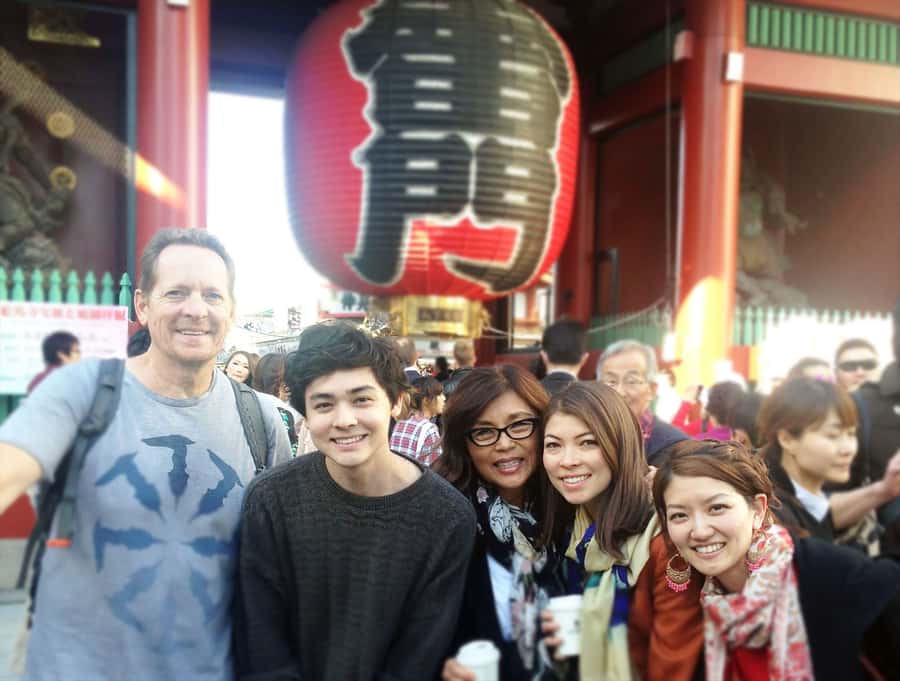
- Licensed, nationally certified guide who can keep your day moving and your questions answered
- Tsukiji Outer Market time that works as both sightseeing and food browsing
- Meiji Jingu Shrine stop with the chance to spot traditional wedding moments if timing lines up
- Harajuku and Omotesando shopping streets for teen pop fashion energy and modern design storefronts
- Asakusa and Sensoji with classic souvenir shopping along Nakamise
- A private group setup that makes it easier to adjust pace when interests shift
Why a licensed guide matters for a first-time Tokyo day
Tokyo is fun, but it can also be exhausting. So much is layered on top of itself: crowds, subway transfers, signs, and customs that feel familiar only after you understand the rhythm. This tour helps you get that rhythm fast by using a licensed guide who can translate the city into practical steps.
The best part for me is how the route balances three styles of Tokyo in one day. You get a food-and-market start at Tsukiji Outer Market, a grounded spiritual pause at Meiji Jingu Shrine, and then a classic street-and-temple afternoon in Asakusa. Between those anchors, you also get Harajuku and Omotesando, which keeps things energetic and gives you time to shop.
The guides featured with this provider sound especially strong on navigation and pacing. Names you may hear include Shizuko-san, who is noted for being prepared even for busy days and for explaining the subway system clearly enough that you can feel confident using it later, and Mamiko-san, praised for flexible timing and for pointing out great views on the day’s schedule. Ena is another guide name you might be assigned, described as flexible with interests and careful not to drown you in information.
That matters because Tokyo guidebooks can be overwhelming. A good guide does the opposite: gives you what you need, then gets out of your way so you can experience Tokyo.
You can also read our reviews of more guided tours in Tokyo
The 6-hour plan: how the timing usually works
This is a 6-hour private tour with hotel pickup in any of Tokyo’s 23 wards. It also runs on a schedule with starting times listed during availability checks. The day uses public transport between stops, which is efficient but also means you should plan for some walking between platforms and exits.
A key detail: the tour finishes at the planned time even if your start is delayed because of group timing. So if you’re juggling trains, shopping add-ons, or late hotel checkouts, keep it simple. Arrive ready, and let the guide handle the flow.
Because you’re moving between major areas, the real value is not just what you see, but how you transition. You’re not spending your day figuring out which line to take. You’re using the time to actually look around.
Step 1 and 2: starting in Tokyo, then jumping into the rhythm
The tour begins with pickup in Tokyo and then you head out by train. There’s a short transit chunk early on, and that’s a good thing. It gets you warmed up into the day’s pace before the walking ramps up.
If you’ve never used Tokyo subways before, consider this a bonus. One of the strongest review themes around guides like Shizuko-san is their ability to explain the subway system in a way that helps you later. Even if you don’t memorize every station, you’ll walk away with a better sense of direction and what kind of transfer to expect.
Tsukiji Outer Market: seafood sights and food stops
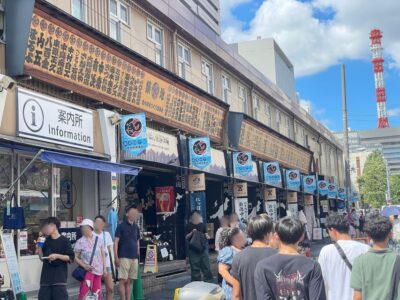
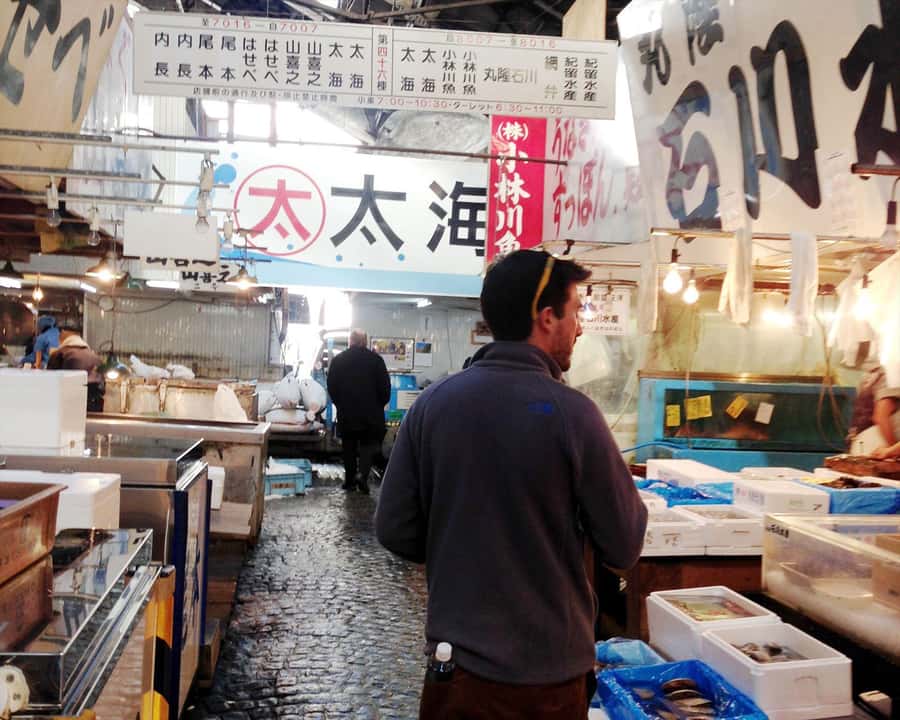
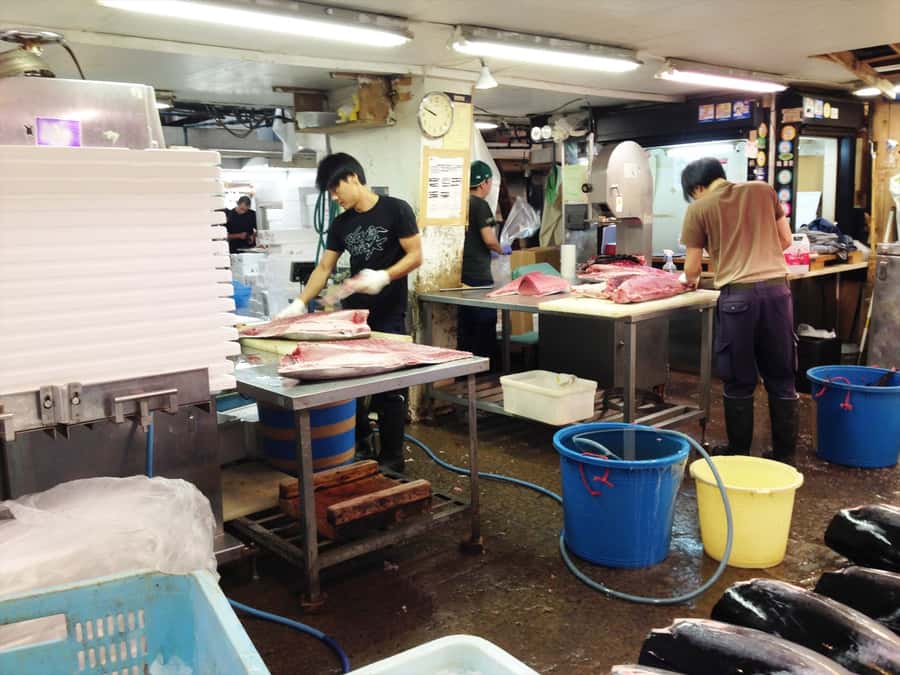
Your tour starts with Tsukiji Outer Market, and that’s a smart move. It’s one of Tokyo’s loudest, most vivid food zones, with stalls packed close together and tons to read with your eyes even before you start eating.
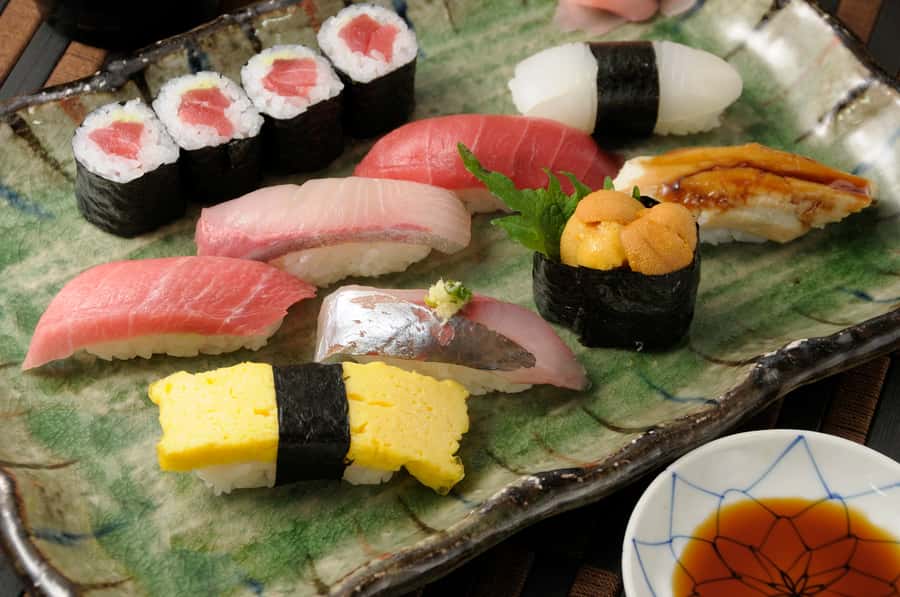
You can expect a busy market atmosphere with plenty of fresh seafood and food items you might not recognize. That’s exactly why a guide helps: you get context for what you’re seeing, not just a list of things to photograph. If you want breakfast, this tour’s setup gives you the chance to try a small market breakfast.
The best way to use this time is to go with a loose plan. Walk first, look closely, then decide what you actually want to try. If you’re focused on food photography, keep your first pass slow. If you’re hungry, aim for something easy to eat while standing.
There’s also a chance for lunch at Tsukiji Outer Market during the day. Just note: lunch for guests and the guide is not included, so you’ll be buying your own meal.
One important reality check: this tour is not held when Tsukiji Outer Fish market is closed. If your dates land on a closure day, you’ll need alternate plans.
Practical tips for Tsukiji time
- Bring comfortable shoes, because this area rewards moving slowly
- Expect crowds, so keep your shoulders relaxed and your space small
- Use your guide to understand what looks good and what’s worth the wait
You can also read our reviews of more private tours in Tokyo

Meiji Jingu Shrine: a calm break in the middle of the city
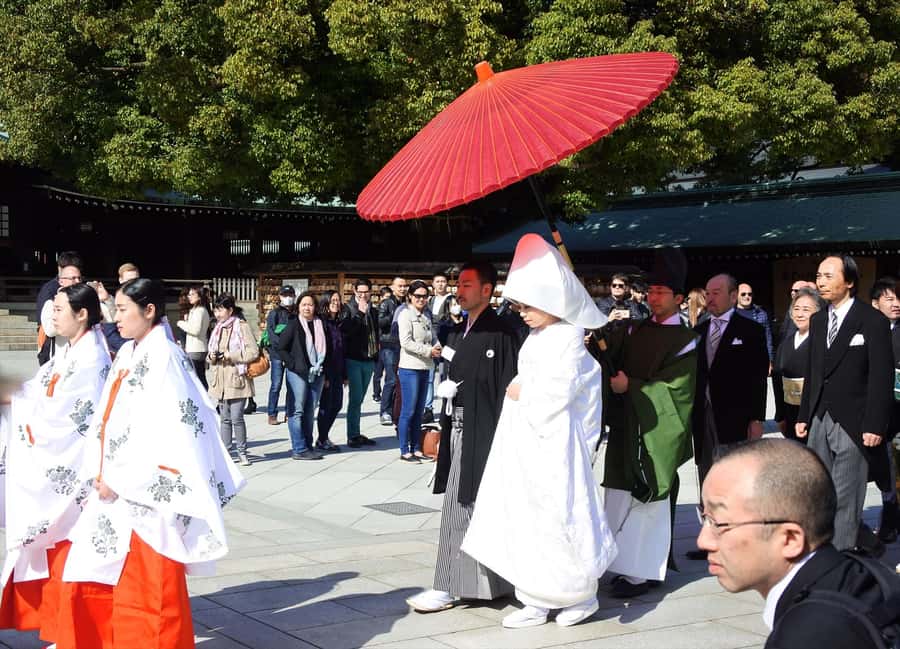
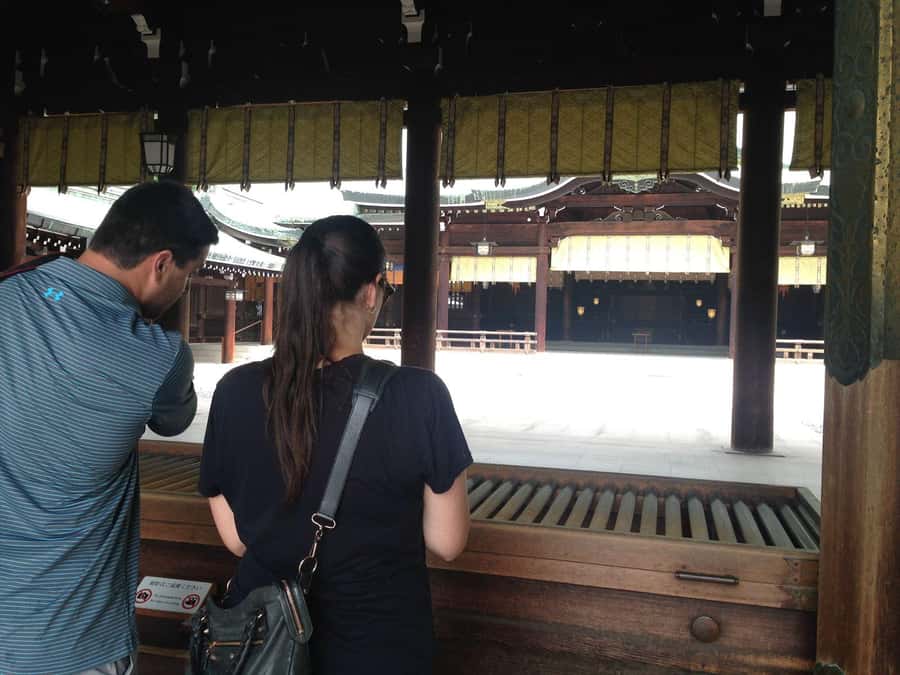
After Tsukiji, you switch gears to Meiji Jingu Shrine, one of Tokyo’s biggest spiritual stops. This is a strong contrast to the market. Instead of noise and crowds, you get a greener, quieter walk through shrine grounds.
One detail that makes this stop fun is the potential to spot a traditional Japanese wedding if you’re lucky with timing. Even if you don’t see one, Meiji Jingu still delivers a sense of place that feels distinctly Tokyo without needing fancy planning.
This is also a good moment to slow down and reset. Your guide can help you understand what you’re looking at—so the visit feels like more than background scenery.
What can be tricky at Meiji Jingu
This is still a popular area, so expect foot traffic. The trick is letting your guide set the order of where to walk first, then giving yourself time to wander rather than sprinting for the biggest photo spots.
Harajuku and Omotesando: fashion energy with real shopping time
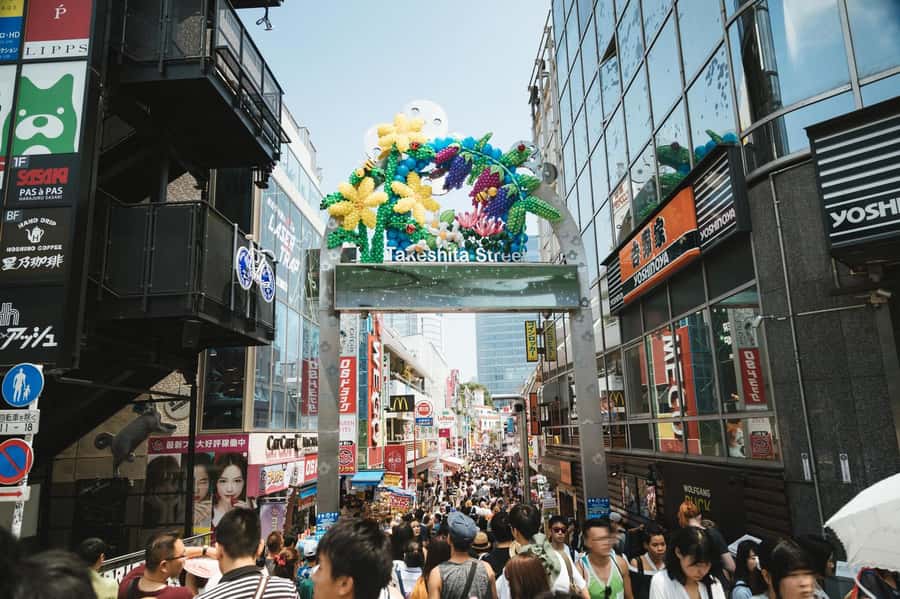
Next comes Harajuku, with an easy connection to Omotesando. These are the parts of Tokyo many people imagine first: street style, pop fashion, and storefronts built for browsing.
Harajuku in particular has that high-energy youth vibe, while Omotesando often feels more sleek and design-forward. The mix is useful because it gives you variety. You can spend time window-shopping even if you’re not buying much, and the streets make it easy to find something visually interesting for every mood.
You’ll also have options for lunch during this period or later in Asakusa, depending on how you pace the day. In my view, having flexibility here is a hidden strength. If you prefer snacks and casual bites, staying nearer Harajuku can feel natural. If you’d rather keep shopping for after the temple visit, you can plan to eat in Asakusa instead.
How to shop smart in Harajuku/Omotesando
- Look for smaller stores and specialty counters, not just the loudest streetfronts
- Don’t try to buy everything at once; pick a couple of targets
- Use your guide if you want help finding where similar items are sold nearby
Asakusa and Sensoji: Nakamise shopping and classic Tokyo street views
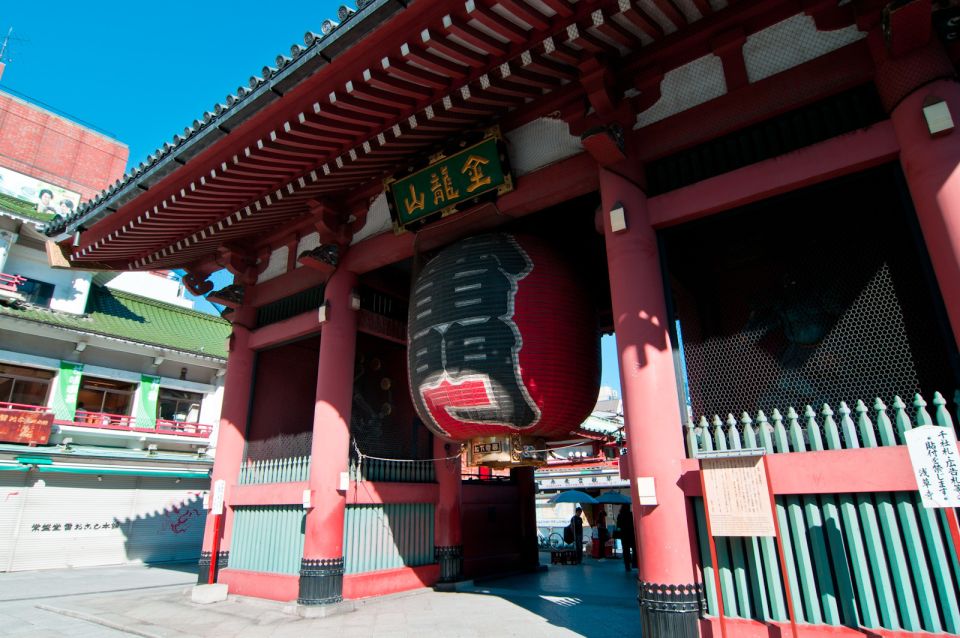
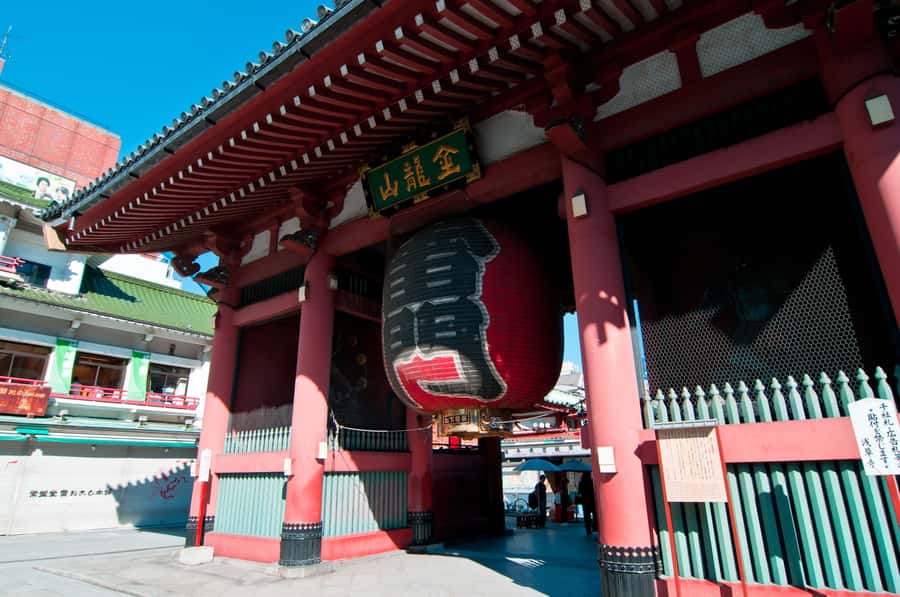
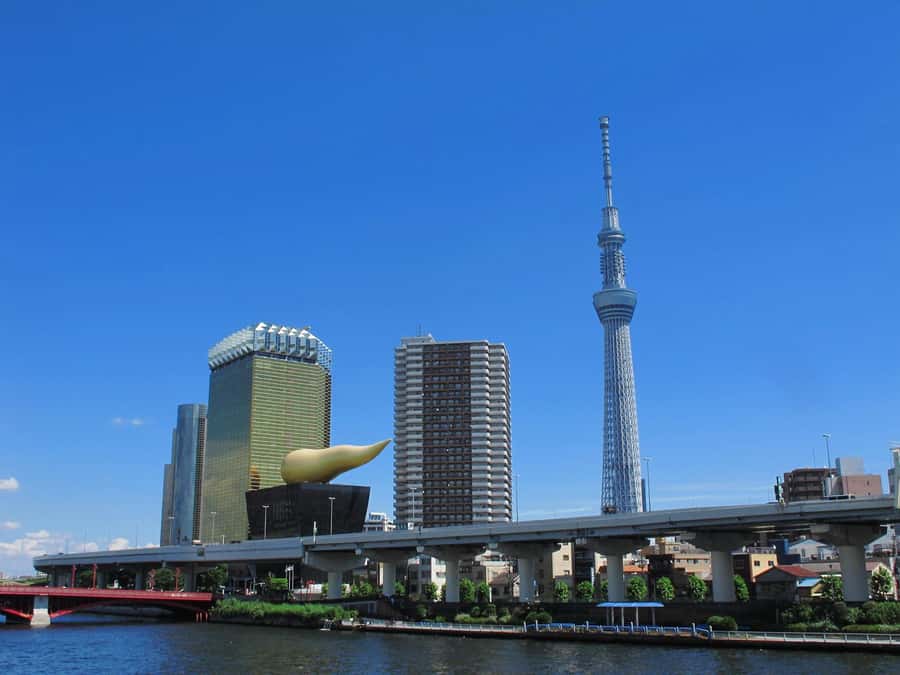
In the afternoon, you head to Asakusa, home to Sensoji Temple. This is one of the oldest temple areas in Tokyo, and it brings a different tone than the modern shopping districts. Instead of fashion drama, you get street atmosphere: temple walkways, souvenir stalls, and visitors taking in the sights at their own pace.
The main draw is the temple complex, but the real fun often happens along the approach. There are many shops called Nakamise, packed with typical Japanese souvenirs. This is where you can comfortably browse without feeling rushed, and it’s a great place to pick up gifts that feel local and affordable.
Asakusa is also a place where you can extend your day after the tour. Your route ends at Asakusa, so if you want more time shopping, wandering, or just re-watching the crowd flow, you’re already in the right neighborhood.
About views and lunch options
While lunch isn’t included, you may get recommendations. One guide experience shared with this provider included lunch at a sky restaurant, and also called out great viewpoint stops such as the Asakusa Tourist Information Building area and Caretta Shiodome. Your exact day depends on timing and how your group moves, but the takeaway is solid: your guide can point you toward photo-worthy moments that fit the schedule.
Transportation and comfort: what you should plan for
This tour uses trains and involves walking between neighborhoods. Most stations have few elevators or escalators, so if you have mobility concerns, tell your guide in advance so they can plan the safest route through stations and exits.
That also means you should dress like you’re doing a day out, not like you’re visiting a single landmark. A pair of shoes that supports your feet is a must.
The tour is private, so there’s usually less chaos than a big group bus ride. But private doesn’t mean effortless. You’re still covering a lot of ground by design.
Price and value: is $466 per group worth it?
The price is listed at $466 per group (with the tour data showing up to 1 for the group size). In real terms, you’re paying for three big things:
1) A licensed guide who can connect dots fast
2) Transportation fees included, so you don’t have to coordinate your own transfers
3) A structured route that prevents wasted time
If you’re traveling with someone who’s also a planner, you can often replicate parts of this day on your own. But on a tight schedule, Tokyo is where time leaks. A private guide can be worth it if you want to cover the big icons without turning the day into a subway problem.
Also, this type of tour helps you avoid the classic first-day mistake: rushing through stops without understanding what you’re looking at. Guides like Ena are praised for being flexible and offering enough information without turning the tour into a lecture. That pacing matters when you’re trying to enjoy both the market chaos and the shrine calm.
If your priority is shopping and food exploration, and you want help choosing what makes sense, this tour’s structure gives you a strong base. If your priority is total freedom with zero guidance, then self-planning might feel better. But if you want a guided day with smart transitions, it’s a fair value proposition.
Who this Tokyo private tour is best for
This tour fits best if you fall into one of these categories:
- You have only one day and want to hit the biggest Tokyo anchors without stress
- You appreciate shopping but want it placed inside a plan, not scattered randomly
- You like food sightseeing, especially when you can ask what you’re looking at
- You want a guide who can explain how to use the subway system so you can continue exploring after
It’s also a good choice if you want a guide who will adapt. Some guide experiences highlight flexibility when interests shift, with more time spent at preferred stops and less time at the rest.
Should you book this Tokyo Private Tour?
Book it if you want a smooth, high-coverage day with a licensed guide and you’d rather spend your energy enjoying Tokyo than working out logistics. This is especially compelling if it’s your first Tokyo visit and you want Tsukiji, Meiji Jingu, Harajuku/Omotesando, and Asakusa handled in one go.
Skip it or plan carefully if you’re very concerned about station accessibility, because this day relies on public transport and walking. Also, check your dates: if Tsukiji is closed, the tour isn’t held.
If you’re the type who likes structure but still wants room to ask questions and adjust pace, this private format can make Tokyo feel far more manageable.
FAQ
How long is the Tokyo private tour?
The tour lasts 6 hours.
Is this a private group tour?
Yes. It’s listed as a private group experience.
Where is pickup included?
Pickup is included for hotels located in any one of the 23 wards of Tokyo.
What stops are included in the tour?
The tour includes stops such as Meiji Jingu Shrine, Harajuku, Tsukiji Outer Market, and Asakusa (with Sensoji Temple in the area).
What’s included in the price?
The price includes a nationally licensed guide and transportation fees.
Is lunch included?
No. Lunch for guests and a guide is not included.
What languages are available for the live guide?
The live guide is available in French, German, Spanish, and English.
Is the tour held every day?
It is not held when Tsukiji Outer Fish market is closed.
What should I bring and know before I go?
Bring comfortable shoes. The tour involves walking and public transport, and many stations have few elevators or escalators, so you should tell your guide in advance about any mobility issues.