REVIEW · TOKYO
Mount Fuji and Hakone Day tour with English speaking Drivers
Book on GetYourGuide →Operated by Tourism to Japan · Bookable on GetYourGuide
Fuji views meet Hakone warmth in a day. I like this tour because it pairs an English-speaking driver with a private, air-conditioned vehicle for a smoother day trip outside Tokyo. One possible drawback: it’s a long 10-hour outing, and traffic can slow things down, plus food and entry fees aren’t included.
You get two different route styles, and that matters a lot here. The Fuji-focused option leans into shrines, lakeside photo stops, and classic views of Mt. Fuji, while the Hakone-focused option swaps that for ropeway views, a sightseeing cruise, a hot-springs stop, and the Hakone Open Air Museum. Just know you’ll do plenty of walking around parks, lakes, and viewpoints.
In This Review
- Key Highlights I’d Plan Around
- Private Tokyo Pickup and Small-Group Comfort
- Two Route Choices: Fuji Five Lakes vs. Hakone Hot Springs and Art
- Arakurayama Sengen Park: Your First Big Fuji Moment
- Oshino Hakkai and the Fuji Shrine Stops
- Lake Kawaguchi and Oishi Park: Where the Views Get Personal
- Mt. Fuji 5th Station and the Ropeway-Type View Options
- The Hakone Ropeway, Cruise, and Open Air Museum Day
- How Long Is 10 Hours, Really? Timing and Walking Pace
- Price and Logistics: Is $967 Worth It?
- Driver-First Experience: When English Help Actually Matters
- Who Should Book This Day Trip (and Who Should Skip)
- Should You Book This Mount Fuji and Hakone Tour?
- FAQ
- How long is the Mount Fuji and Hakone day tour?
- Is this a small group tour?
- What languages are available during the experience?
- What’s included in the price?
- What isn’t included?
- Is this tour suitable for everyone?
Key Highlights I’d Plan Around
- English-speaking driver help in plain terms for navigation, timing, and what to look for at each stop
- Private hotel pickup and drop-off in Tokyo, with fuel and tolls handled
- Two route choices: Fuji Five Lakes views or Hakone hot-springs + open-air art
- Short photo-stop pacing paired with guided time so you’re not just parked and watching
- Small group size (limited to 6), which usually feels less chaotic on busy streets and viewpoints
Private Tokyo Pickup and Small-Group Comfort
This is the kind of day trip that starts the moment you’re collected from Tokyo. Hotel pickup and drop-off are included, and you’ll ride in a private vehicle with air-conditioning. That sounds basic until you’re stuck at the wrong time of day; a comfortable ride helps when your schedule is built around mountain roads, lakes, and possible traffic.
A small group also changes the feel. With up to 6 participants, you’re less likely to fight for elbow room at viewpoints or wait ages to get dropped at the right spot. The tour is listed with an English-speaking driver, and the overall experience also uses live guide language options that include English, Japanese, Hindi, Arabic, and Punjabi. Even if you only use English most of the day, it’s reassuring that the team can support different language needs.
One practical note: there’s a Wi‑Fi hotspot in the vehicle, but it’s subject to availability. If you rely on maps or weather apps, don’t bet your entire plan on that signal staying strong the whole time.
You can also read our reviews of more tours and experiences in Tokyo.



Two Route Choices: Fuji Five Lakes vs. Hakone Hot Springs and Art
The biggest decision you’ll make is which mood you want from the day.
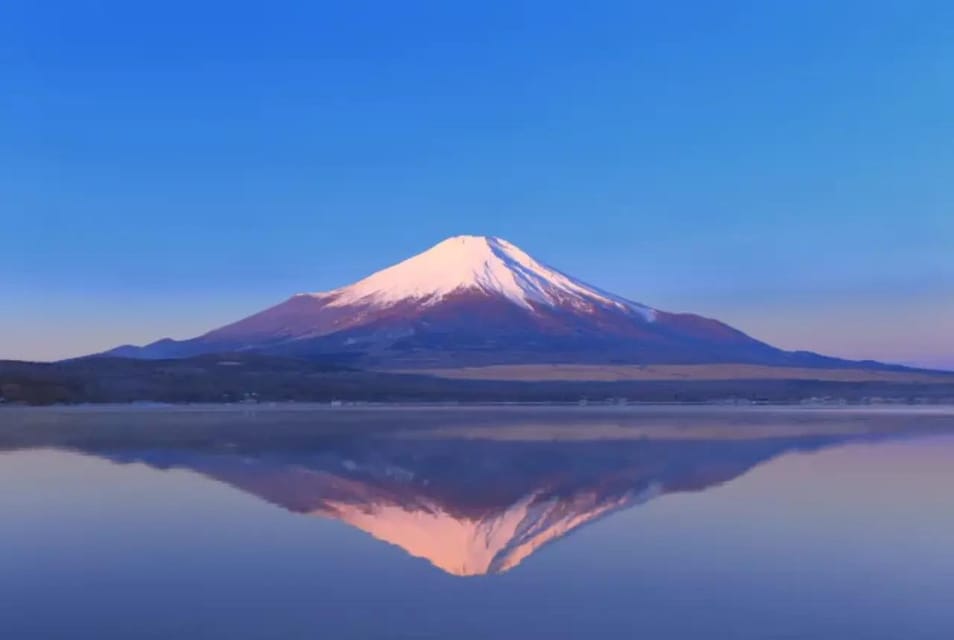
Fuji Five Lakes style focuses on classic Mt. Fuji viewing spots plus shrine and village-style scenery. Expect a day built around viewpoints like Arakurayama Sengen Park, lakes like Lake Kawaguchi, and the photogenic area of Oshino Hakkai. This is the route I’d pick if you want multiple chances to see Mt. Fuji and you like bouncing between high-impact scenery.
Hakone style is more about a full change of tempo: scenic transport, hot-spring culture, and museum time. You’ll be looking at views from Hakone Ropeway, taking in the area by sightseeing cruise, and adding a Hot Springs Bath stop plus the Hakone Open Air Museum. Choose this if you want variety beyond just photos of the mountain.
Both routes start with Arakurayama Sengen Park, which is a smart move. It gives you an iconic viewpoint early while the day is still fresh.
Arakurayama Sengen Park: Your First Big Fuji Moment
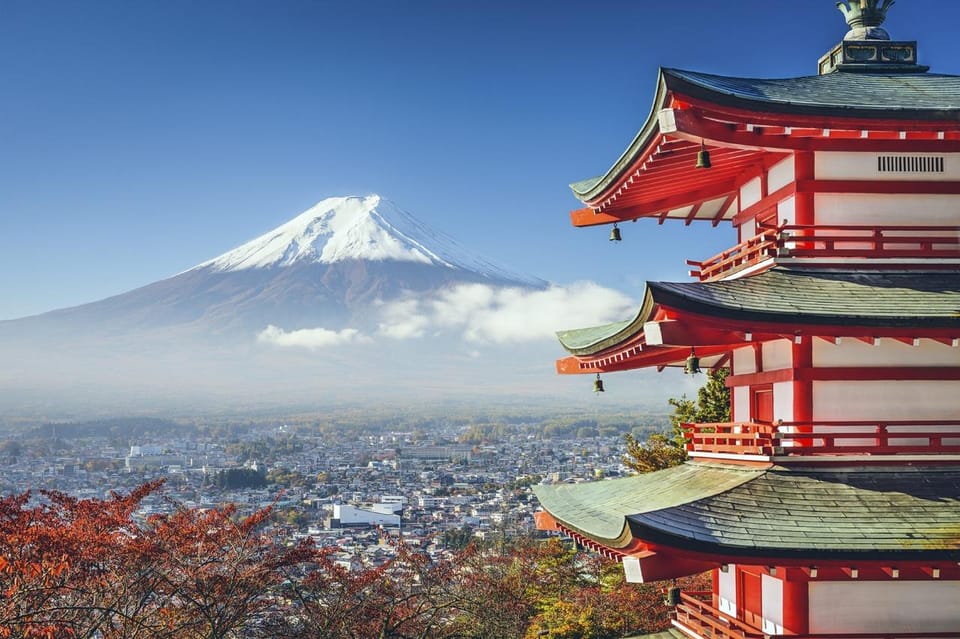
Arakurayama Sengen Park is a highlight because it’s one of those places where the scenery and the setting work together. You’ll get a photo stop and guided time, plus time to walk around and self-explore.
Why it’s worth prioritizing: it’s early enough that you have a better chance of getting clear views before crowds and weather shift later in the day. It also acts like a visual warm-up. By the time you move on to shrines, lakes, and other Fuji viewpoints, you’ll already know what to look for.
In the flow of the day, you also come back through this area later for another stop (in the Fuji-leaning schedule), which helps if the weather or clouds don’t cooperate the first time.
Oshino Hakkai and the Fuji Shrine Stops
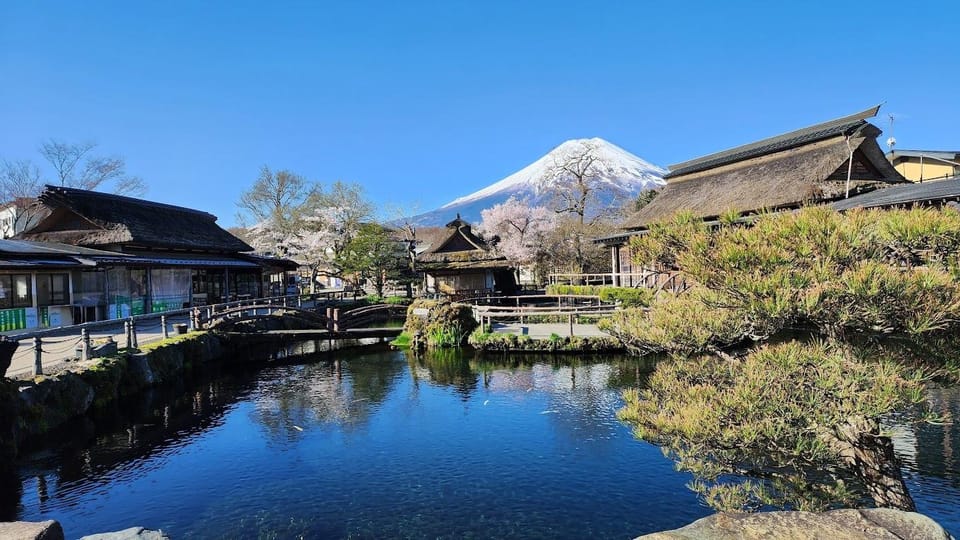
After the first viewpoint, the schedule often shifts into smaller, more detailed scenery—places where you can slow down for photos and take in atmosphere instead of just looking far away.
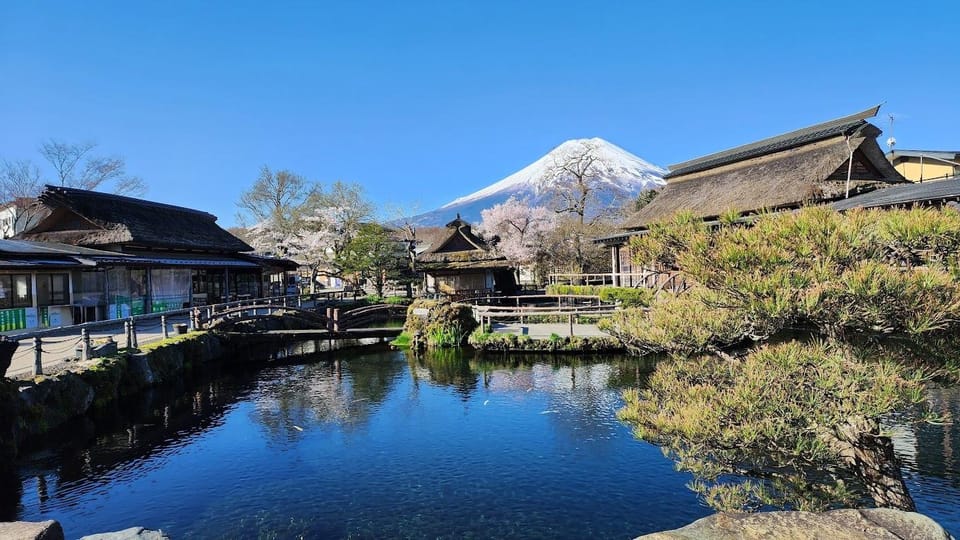
Oshino Hakkai is a popular stop for good reason: it’s scenic and it gives you that classic Fuji-area feel that’s different from the big lakeside pull. You’ll have time for a photo stop, guided info, and some self-guided wandering. There’s also shopping built into the stop, so you’re not just passing through.
Then you’ll visit Kitaguchi-hongu Fuji Sengen Shrine. This is less about one perfect photo and more about understanding the region’s spiritual relationship with Mt. Fuji. You’ll get another mix of guided sightseeing and self-walking time. A shrine stop also gives your legs a change of pace—often you stand, look, and wander at a slower speed than you do at parks and ropes.
If you’re sensitive to crowds, plan to arrive ready for a busy feel. These spots are famous for a reason.
Lake Kawaguchi and Oishi Park: Where the Views Get Personal
One of the best parts of a Mt. Fuji day is that you can see the mountain at different distances and angles. The Fuji-leaning schedule builds in multiple chances for that, including:
Lake Kawaguchi
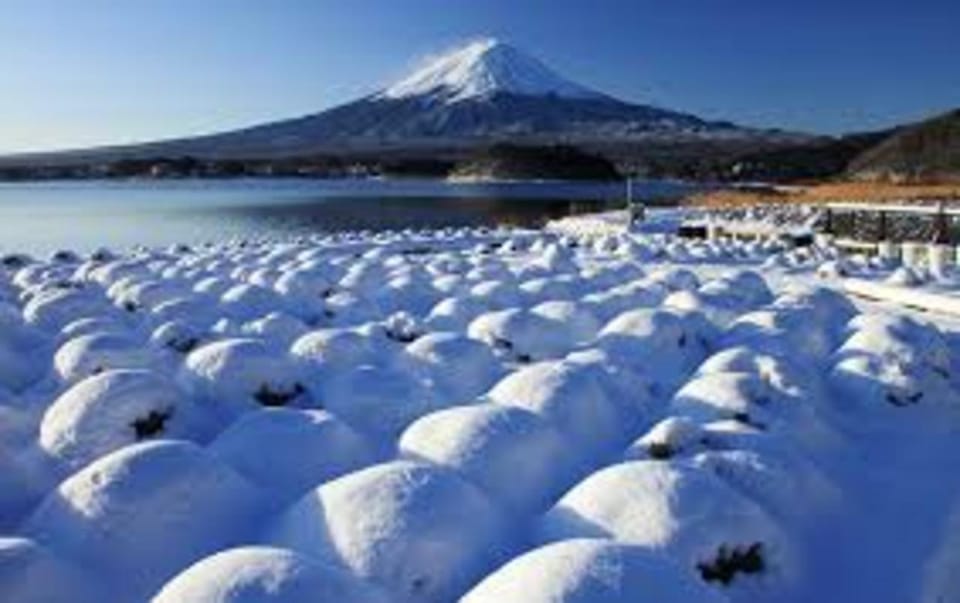
You’ll get a break time plus guided sightseeing and self-exploration time. This is where the day shifts from quick look-and-go photo stops into more unhurried viewing. If the mountain is visible, the lake setting tends to make it feel closer and more dramatic.
Oishi Park
You’ll spend time here with guided guidance and self-walking. Oishi Park is usually the kind of place where you’ll want to pause and reposition a few times instead of just snapping one photo and moving on. It’s also a good stop for a break from continuous motion in the car.
There’s an interesting bonus pattern from real-world experience: some guides go the extra mile with small comforts, like arranging a sweet breakfast start. In one example, Afzal Anjum (an English-speaking guide) bought breakfast and sweets for a fresh start, and the day ended with ice cream near Kawaguchi Lake. That kind of extra touch isn’t guaranteed, but it’s a good reminder that a driver who knows pacing can improve the feel of a long day.






Mt. Fuji 5th Station and the Ropeway-Type View Options
Mt. Fuji 5th Station is listed as part of the Fuji-style option. This matters because higher points can change what you see: sometimes the view is more layered and you get a different perspective than the lakeside vantage points.
The honest consideration: weather. Even with a great plan, clouds can erase the mountain’s outline. A schedule that includes multiple Fuji-focused stops is a smart hedge against that. If conditions aren’t great at one viewpoint, you still have other chances later.
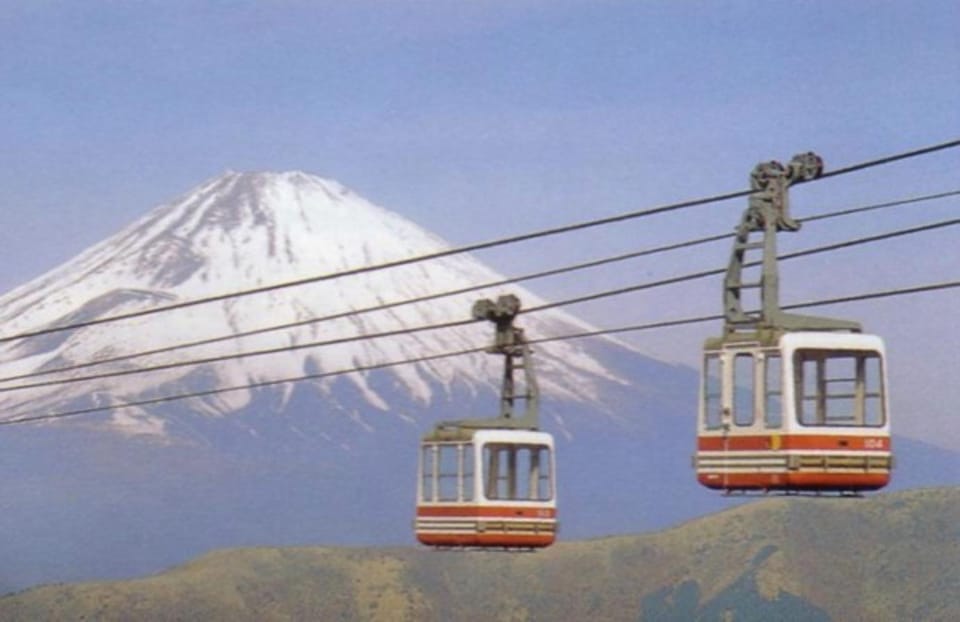
The Fuji-style highlights also include a Mount Fuji panoramic ropeway connected to Lake Kawaguchi. That’s typically a way to get a different angle without spending all day hiking. Because entry costs aren’t included, you’ll want to budget for any ticketed attractions that come up along the way.
The Hakone Ropeway, Cruise, and Open Air Museum Day
If you choose the Hakone route, the day has a more transport-and-culture rhythm.
You’ll start with Arakurayama Sengen Park, then move into Hakone with stops like Oishi Park (listed for the Hakone-style option too), followed by transport and scenic breaks.
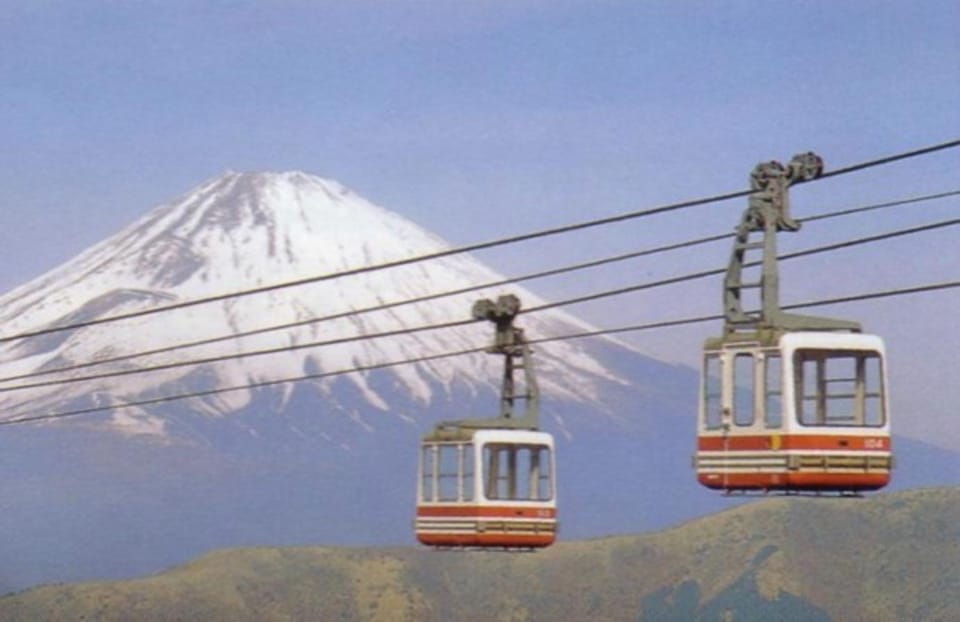
Hakone Ropeway is built for views. The experience is about getting scenic elevation and seeing the area from above. It’s a good fit if you want variety in visuals compared with just walking around the lakes.
Next comes Hakone sightseeing cruise. A cruise adds a slower, steadier perspective. It’s also a break for your legs between more active parts of the day.
Then you’ll hit Hot Springs Bath. This is a major cultural component of Hakone, and it’s also one of the reasons this tour isn’t listed as suitable for everyone. If you’re pregnant or have high blood pressure, it’s not recommended. For the rest of you, it’s smart to go in with the mindset of a cultural stop, not just a photo opportunity.
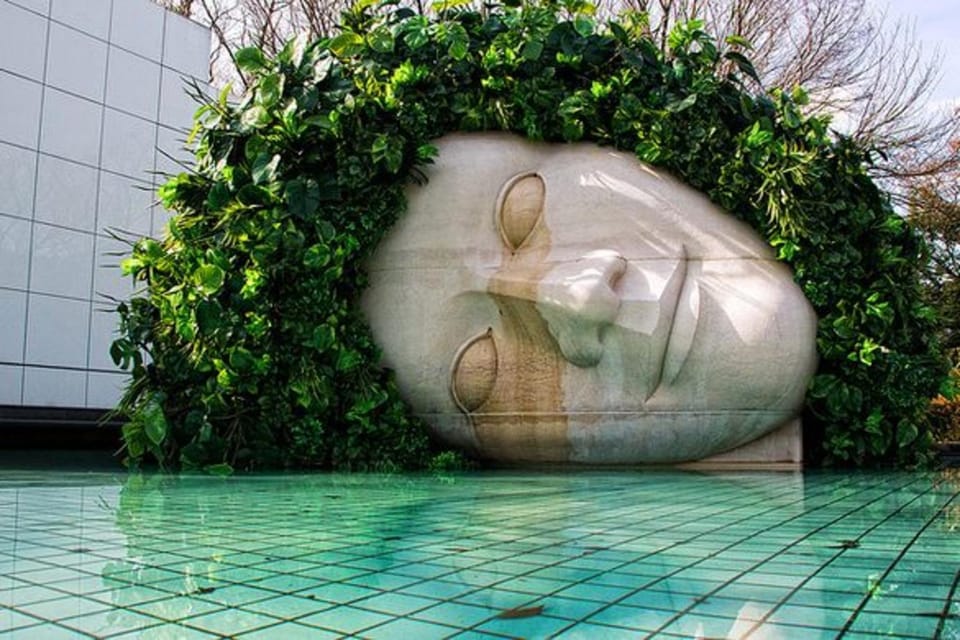
Finally, you’ll visit the Hakone Open Air Museum. This is where the day shifts from pure scenery to art. Expect a calmer pace than the ropeway/cruise segments, and use it to slow down after a long outdoor day.
How Long Is 10 Hours, Really? Timing and Walking Pace
A 10-hour day trip can feel shorter or longer depending on traffic and how much you enjoy wandering at each stop.
In the Fuji-style schedule, the time at major stops is fairly generous, including multiple one-hour blocks and shorter windows like 40 minutes and 30 minutes at specific points. That structure helps because you’re not locked into quick photo stops only. You get a mix of guided segments and self-guided wandering.
That said, you should still plan around walking. Parks, shrine areas, lake viewpoints, and shopping streets all involve moving on your feet. If you tend to get tired quickly, it’s worth choosing the route that best matches your energy level—Fuji gives you multiple classic scenery stops, while Hakone adds the hot-springs and museum portion that can help break up the motion.
And yes, timing can be affected by school holidays and traffic. One experience shared an especially long travel day during school holiday crowds, but the driver handled it safely and kept the schedule on track.
Price and Logistics: Is $967 Worth It?
Let’s talk value, because this is where group tours can either feel like a bargain or a headache.
The price is $967 per group up to 5 for a 10-hour day. That includes hotel pickup/drop-off, private air-conditioned transportation, and the English-speaking driver, plus fuel and tolls.
What’s not included is important:
- food and drinks
- parking fees
- entry fees
- extra hour costs (listed as 4500 Yen per hour)
- baby seats
- airport pickup and drop-off
So the comparison isn’t just the sticker price. This tour is more like paying for convenience: you’re buying a private, scheduled day outside the complexities of train changes and route confusion.
If you’re traveling as a couple or small group, private transportation becomes the key value driver. With a car waiting for you, the day feels smoother and less stressful, especially if you want multiple scenic stops without worrying about transit times.
Also, the pricing is described with a lowest price guaranteed claim. I can’t verify a company-wide policy from here, but it’s a meaningful promise if you’re price shopping.
Driver-First Experience: When English Help Actually Matters
This isn’t just about having someone who can speak English. The real difference shows up in pacing, safety, and knowing what to prioritize.
The driver is the person handling:
- hotel pickup timing
- managing the long road segments
- knowing where to park and how to get you in/out efficiently
- guiding you through stops with helpful explanations
In one example, Ahmad served as the driver and was described as professional and on time, with informative explanations. Another experience notes that Afzal Anjum was well organized and made the trip memorable in thoughtful ways—starting the day with breakfast and sweets, even acting as a personal photographer during parts of the journey.
You shouldn’t assume that level of extra kindness every time. But it does suggest the quality you may get when the team focuses on practical hospitality.
Who Should Book This Day Trip (and Who Should Skip)
This is listed as not suitable for pregnant women and people with high blood pressure. That makes sense when you consider long travel time, walking at sightseeing areas, and the hot-springs component on the Hakone route.
It’s also a good match if you:
- want a small-group day outside Tokyo
- prefer English-speaking guidance instead of charting everything on your own
- like building the day around iconic stops like Oshino Hakkai, Lake Kawaguchi, and Hakone Open Air Museum
It’s less ideal if you’re expecting a relaxed, short outing. This is a full day built around seeing a lot, and you’ll be on the move.
Should You Book This Mount Fuji and Hakone Tour?
I think this is a solid choice if you want a classic Mt. Fuji day with the option to switch into Hakone’s hot-springs + museum vibe, and you value private pickup plus an English-speaking driver. The price only feels high until you remember what it includes: transportation, timing, and less hassle.
I’d book it if you want:
- multiple chances at Mt. Fuji views
- a small group feel
- a driver who can keep the day flowing even when traffic hits
I’d think twice if you:
- can’t handle long days or steady walking
- need full accessibility support beyond what’s listed
- expect food and attraction tickets to be included automatically
If you’re deciding between Fuji-leaning and Hakone-leaning routes, pick the one that matches your day mood. Fuji is all about mountain-and-lake viewpoints. Hakone is about scenery plus hot-springs culture and art.
FAQ
How long is the Mount Fuji and Hakone day tour?
The duration is 10 hours.
Is this a small group tour?
Yes. It’s listed as a small group, limited to 6 participants.
What languages are available during the experience?
Languages listed include English, Japanese, Hindi, Arabic, and Punjabi.
What’s included in the price?
Included items are hotel pickup and drop-off, private transportation in an air-conditioned vehicle, a Wi‑Fi hotspot in the vehicle (subject to availability), an English-speaking driver, and fuel and tolls.
What isn’t included?
Not included: food and drinks, parking fee, entry fees, a tour guide, extra hour (4500 Yen per hour), baby seats, and airport pickup and drop-off.
Is this tour suitable for everyone?
No. It’s listed as not suitable for pregnant women and people with high blood pressure.