REVIEW · TOKYO
Tokyo: Explore Authentic Japanese Food Culture at Tsukiji
Book on GetYourGuide →Operated by gotcha Corporation · Bookable on GetYourGuide
Tsukiji can feel like a food maze. That’s exactly why this 3-hour, small-group tour works: you get an English-speaking guide to steer you through the Tsukiji Outer Market and help you taste Japanese light meals the smart way. I especially liked the food guidance (you’re not guessing what to buy) and the way the tour mixes eating with a cultural stop at Namiyoke Shrine. One drawback: this isn’t a fit if you’re vegan or you have food allergies, since the included snacks include seafood and meat.
You’ll start at Tsukiji Hongan-ji, then head into the Outside Market area where you can browse and snack as you go. Even though the original wholesale fish market moved years ago, the surrounding area still functions like a go-to zone for shopping and meals—so the experience feels less like a museum stop and more like real Tokyo food life. If you’re lucky and get a guide like Haruka, you’ll appreciate how well she handles the crowd flow and points you to the best places to try without wasting time.
The tour ends at Namiyoke Shrine, which supports workers connected to Tsukiji—an important reminder that all this food culture runs on real people, not just Instagram shots. Also note: it’s not wheelchair accessible.
In This Review
- Key Highlights You’ll Actually Care About
- Entering the Tsukiji Outside Market Maze With a Plan
- Starting at Tsukiji Hongan-ji: a Calm First Step
- How the Guide Helps You Eat Smart (and Avoid Guesswork)
- The Snack Menu: What You’ll Actually Taste
- Visiting Namiyoke Shrine: Food Culture With a Human Purpose
- Lunch Time: How to Plan Your Own Meal Without Getting Ripped Off
- Price and Value: Is $99 for 3 Hours Worth It?
- Timing and Pacing: Why 3 Hours Works Here
- Who This Tour Fits (and Who Should Skip It)
- What to Do Before You Go (So You Enjoy It More)
- Should You Book This Tsukiji Food Tour?
- FAQ
- How long is the Tsukiji food tour?
- How big is the group?
- What language is the tour guide?
- What snacks are included?
- Is lunch included in the price?
- Where do we meet, and where does the tour end?
- Is the tour refundable if my plans change?
Key Highlights You’ll Actually Care About
- Small group up to 6 people: enough space to move, enough attention to ask questions.
- English guide who helps you choose: you’ll taste what makes sense, not just what looks good.
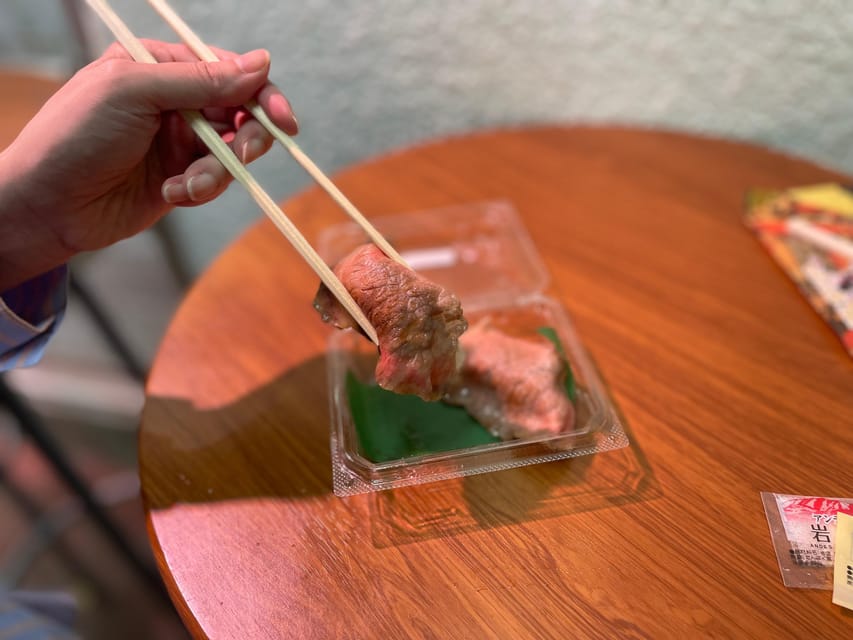
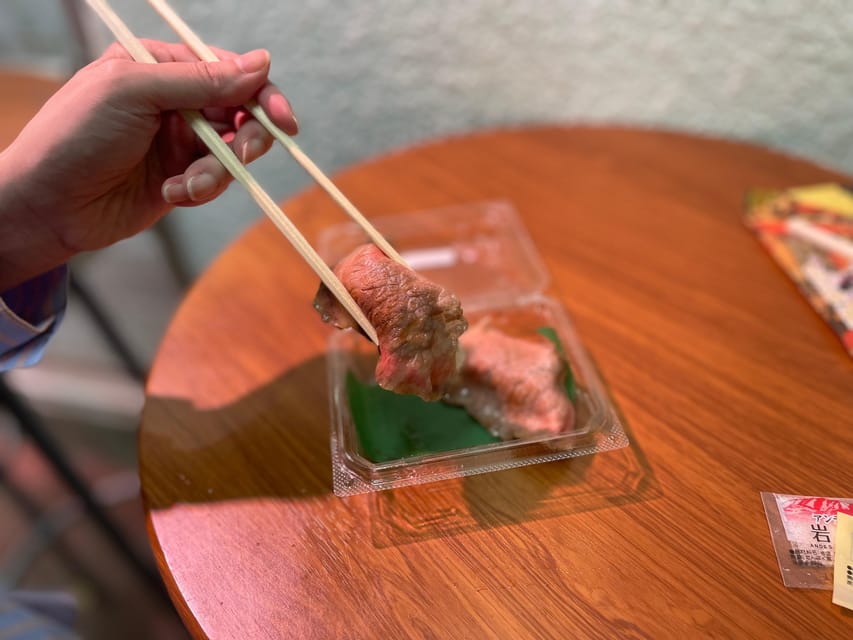
- Included snack lineup: seasoned seaweed, dried fish, roast beef sushi, oysters or sashimi, and bean snacks.
- Two guided zones: a temple start (about 20 minutes) and about 2 hours in the Outer Market.
- Namiyoke Shrine visit: food culture with a worker-focused purpose.
- Finish near Tsukiji Namiyoke Shrine: easier to continue exploring after the tour ends.
Entering the Tsukiji Outside Market Maze With a Plan
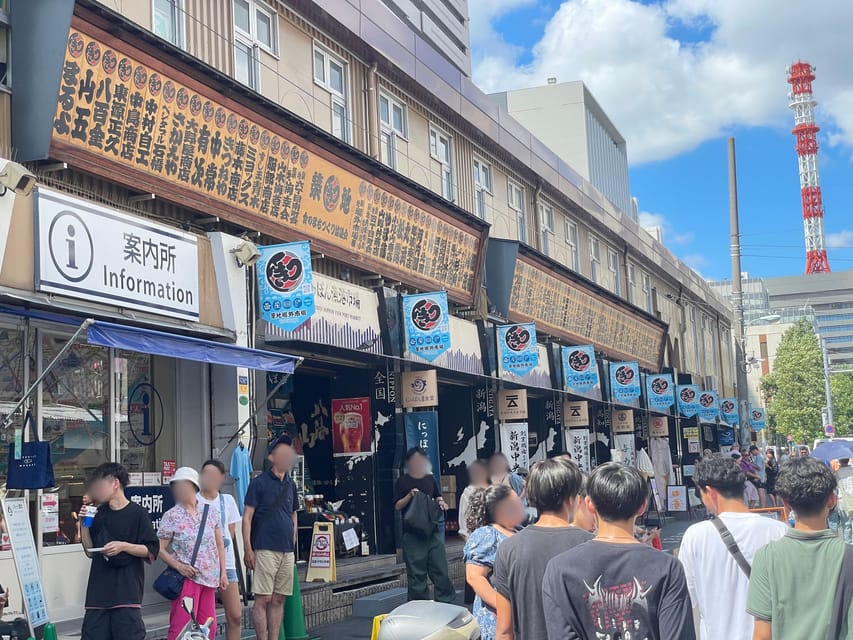
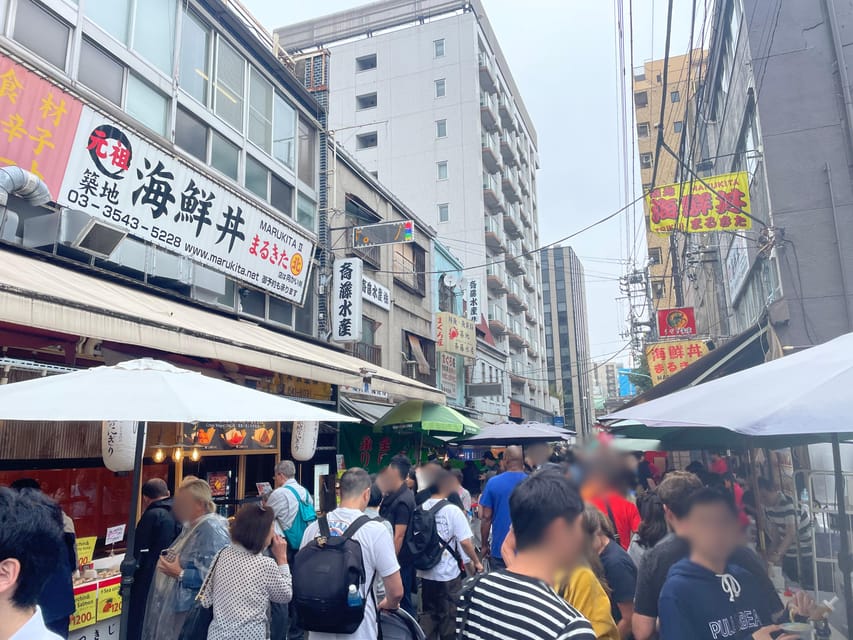
Tsukiji is famous for food, but it can be confusing fast. Narrow lanes, lots of choices, and vendors all calling out at once. With a guide, you get something most solo visitors don’t: a simple route and a reason to stop in specific shops.
I like that the experience isn’t only about fish. The focus is on how to enjoy Tsukiji as a food destination—light meals, snack buying, and tasting recommended items along the way. The tour structure helps you go from stall to stall without feeling like you’re wandering for hours and still eating nothing but curiosity.
Also, the tour doesn’t pretend the market is the same as it was when it was Tokyo’s main wholesale center. The former Tsukiji market closed a few years back, and the Outside Market area became a popular shopping-and-dining spot. That’s actually part of the value: you’re visiting a place that still behaves like a working food neighborhood, even if the big wholesale operations moved.
You can also read our reviews of more food & drink experiences in Tokyo


Starting at Tsukiji Hongan-ji: a Calm First Step
You meet outside the main gate of Tsukiji Hongan-ji near 3-chōme-15-1 Tsukiji. It’s a good way to begin because it gives you a mental reset before the noise of the market area.
You’ll get a quick photo stop and guided time (about 20 minutes). This kind of opening matters on a food tour. Before you eat your way through a maze, you want context: what Tsukiji is, why it matters, and how the area fits into daily life. The guide sets that tone without turning it into a long lecture.
If you tend to lose patience during long introductions, don’t worry—this portion stays short. It’s enough to get oriented, then you’re moving.
How the Guide Helps You Eat Smart (and Avoid Guesswork)
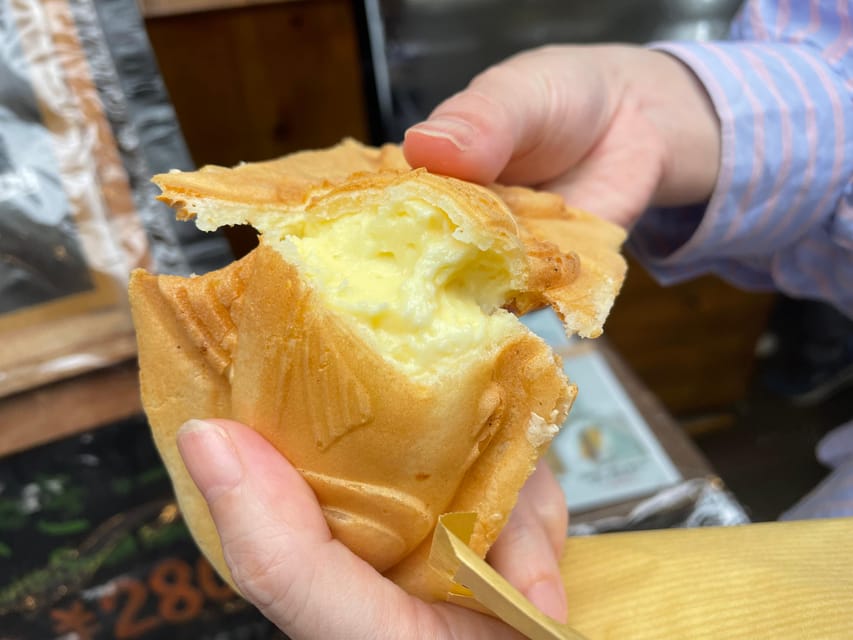
In the Outer Market, the tour becomes hands-on. Your English-speaking guide walks you through the market area with photo stops and guided time, and you buy snacks at recommended stores. This is one of the most practical parts of the whole experience.
Here’s what changes when you go with a guide:
- You get help matching food to what’s happening in each shop.
- You learn what to look for as you’re standing there, not ten minutes later.
- You can ask questions about flavors and what each item actually is.
There’s also a small-group feel, limited to 6 participants. That matters in Tsukiji, where crowds can turn sightseeing into shoulder-to-shoulder math. A smaller group means you can stay together and still have some breathing room.
In at least one case, the guide experience makes a big difference. One review highlighted Haruka as amazing and noted she handled the maze well and brought the group to top spots so the person could try many foods. That matches what I’d expect from a strong local guide: confident movement, good pacing, and smart shop selection.
The Snack Menu: What You’ll Actually Taste
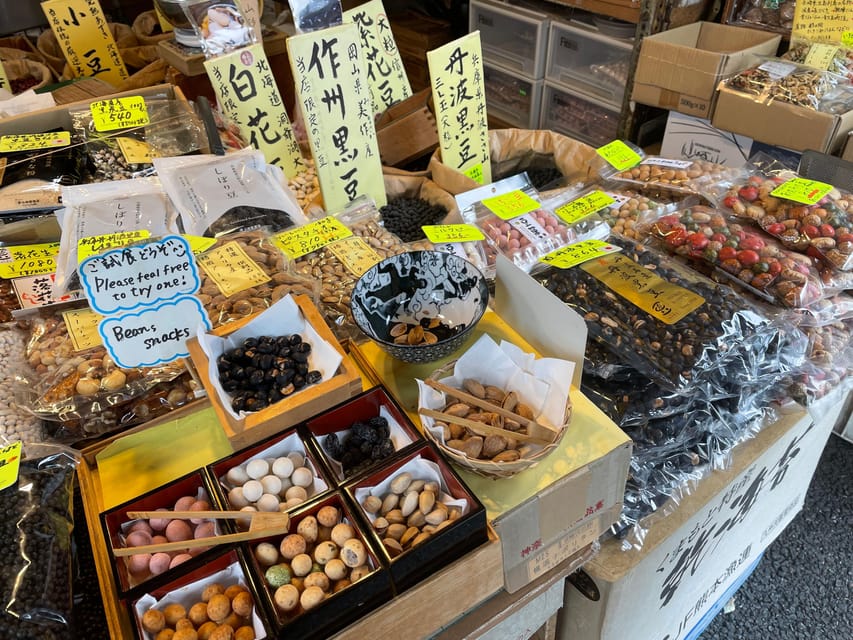
The tour includes a snack set designed for tasting—light bites that give you variety without requiring you to commit to a full meal every time. Included snacks are:
- seasoned seaweed
- dried fish
- roast beef sushi
- oysters or sashimi
- bean snacks
This lineup is more interesting than it sounds at first. Tsukiji food culture is often associated with seafood, but the tour also makes room for different textures and styles—snackable seaweed, chewy dried fish, and the fast convenience of sushi. The roast beef sushi is a nice surprise if you’re expecting everything to be purely seafood.
One important point for planning: the included snacks include seafood and meat. The tour clearly flags that you should inform the guide if you have allergies. If you’re sensitive, don’t treat this as a casual tasting. If you can’t be certain an item is safe, skip the tour and find an option that’s designed for your dietary needs. The tour isn’t listed as suitable for vegans or for people with food allergies.
Visiting Namiyoke Shrine: Food Culture With a Human Purpose
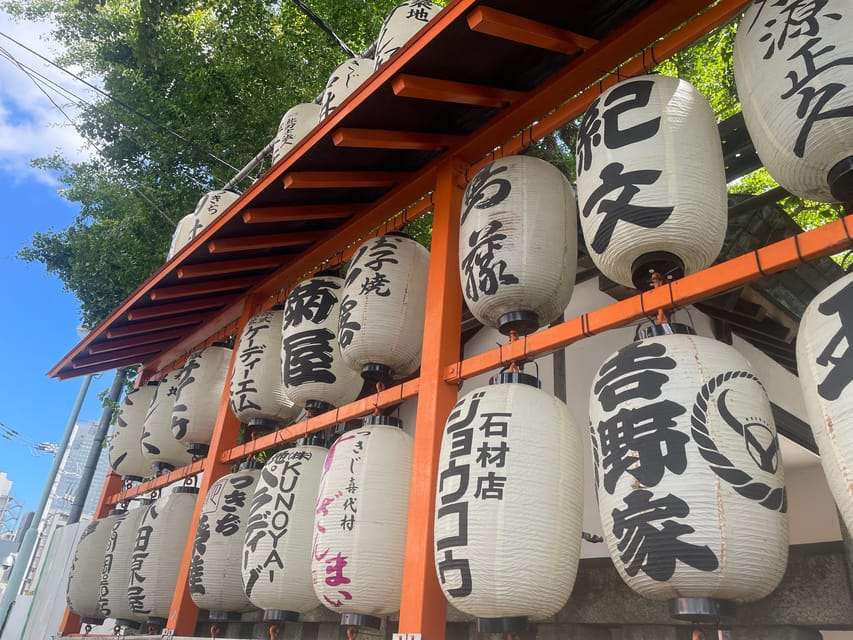
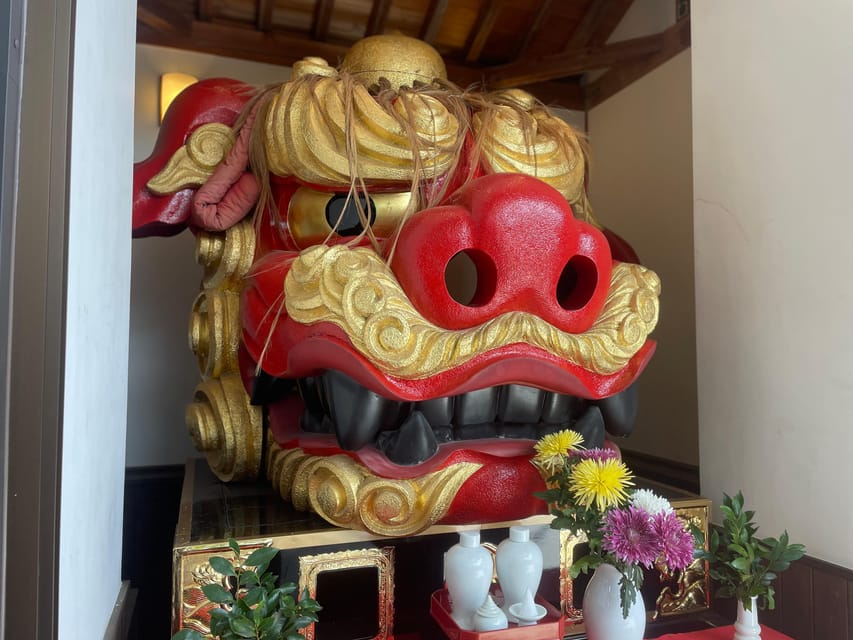
After the market snacks, you’ll finish with Tsukiji Namiyoke Shrine. You’ll also visit it as the end point of the tour, so it’s not just a quick photo op.
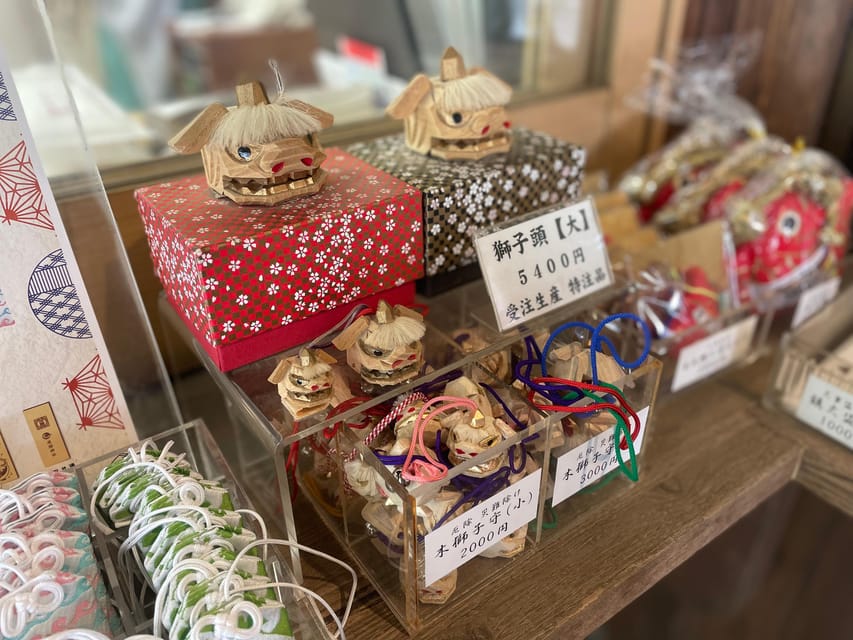
What I like here is the reminder that Tsukiji isn’t only about consumption. The shrine supports workers associated with Tsukiji. That adds meaning to the food side of the trip. You’re tasting items tied to a place with a labor tradition, not just trying snacks in a tourist zone.
If you’re the type who prefers your cultural stops to connect to everyday life, this one fits. It gives you a clean emotional wrap-up: you’ve eaten, you’ve learned how to navigate, and you’ve seen that the area’s culture extends beyond the counters.
You can also read our reviews of more tours and experiences in Tokyo



Lunch Time: How to Plan Your Own Meal Without Getting Ripped Off
Lunch is optional on this tour. You’ll have time later in the experience to purchase your favorite lunch and enjoy it with the snacks you bought on the tour. The key detail: the lunch fee is not included, and shopping costs vary by what you choose.
This is where you’ll want to think like a smart shopper. The tour has already fed you several included snacks, so you don’t need a huge meal right away. You can use lunch to complete the experience with something you truly want—then treat it like the final course instead of the main event.
A practical tip: keep your expectations flexible. The guide can help recommend what to consider, but the exact lunch cost depends on your selection. If you’re budgeting, set a lunch target in your head before you start buying. That way you can enjoy the experience without doing emergency math.
Price and Value: Is $99 for 3 Hours Worth It?
At $99 per person for a 3-hour small-group tour, the value depends on what you’d otherwise do on your own. If you’re going to wander the market without a plan, you’ll probably spend money anyway, but you may not eat the best mix of items or understand what you’re buying.
Here’s what you get for the price:
- an English-speaking guide
- snack tastings (seaweed, dried fish, roast beef sushi, oysters or sashimi, bean snacks)
- guided time in the temple area and about 2 hours in the Outside Market
- Namiyoke Shrine visit
The included snacks are the main financial anchor. If you were to buy comparable items solo, you’d likely pay for a similar mix—but without the guidance that helps you choose efficiently. The guide also reduces wasted time in a place where browsing can turn into aimless wandering fast.
Two things to keep in mind:
1) Lunch isn’t included, so add a lunch budget if you plan to eat a full meal.
2) The tour includes seafood and meat, so if your diet restrictions are complicated, this may not be your best match.
Timing and Pacing: Why 3 Hours Works Here
Three hours is a sweet spot for Tsukiji. It’s long enough to see the core area and taste multiple snacks, but short enough that you’re not stuck for half a day while you’re already full.
The schedule is straightforward: you start at Tsukiji Hongan-ji (about 20 minutes), then you spend about 2 hours in the Outer Market with guided walking, photo stops, and buying tastings. After that, you’re done at Namiyoke Shrine. That means you can still continue exploring nearby without feeling trapped.
If you like your tours to be active—walking, stopping, choosing food, moving again—this pacing tends to work well.
Who This Tour Fits (and Who Should Skip It)
This is a great choice if you:
- want Japanese food culture explained through tasting, not theory
- prefer a guided route so you don’t waste time figuring out what to buy
- like small-group tours where you can ask questions
- enjoy seafood flavors (since oysters or sashimi are included options)
It’s not suitable if you:
- use a wheelchair (the tour isn’t wheelchair accessible)
- are vegan (not listed as suitable for vegans)
- have food allergies (snacks include seafood and meat, so the tour requires caution and isn’t designed for allergy-safe tasting)
If you fall into any of those “not suitable” categories, it’s better to look for a different food tour that explicitly matches your needs.
What to Do Before You Go (So You Enjoy It More)
You can make this tour better with a little prep:
- Review your allergy needs clearly before booking and tell the guide during the tour if relevant.
- Wear comfortable shoes. Even with a route, you’ll be walking through a market area.
- Expect snacks first, then lunch if you want it. The included tastings are meant for light eating, not one giant meal.
Also, bring the mindset that this is about learning how to eat Tsukiji-style. You’ll get more out of the experience if you treat each stop as a small lesson in Japanese flavors and market food habits.
Should You Book This Tsukiji Food Tour?
I think you should book it if you want an efficient, guided way to experience Tsukiji’s Outside Market food culture in a small group. The strongest reasons are the included snack lineup, the English-speaking guide who helps you pick what to taste, and the cultural finishing point at Namiyoke Shrine that connects food to workers.
Skip it if you’re vegan, have food allergies that require strict safe handling, or need wheelchair accessibility. In those cases, you’d spend the tour worrying instead of eating.
If you’re flexible on lunch and you want help navigating Tsukiji without getting lost, this is a solid way to spend a few hours in Tokyo—and leave with tastes you can actually name and remember.
FAQ
How long is the Tsukiji food tour?
The tour duration is 3 hours.
How big is the group?
The tour is limited to a small group, with a maximum of 6 participants.
What language is the tour guide?
The tour includes an English-speaking guide.
What snacks are included?
Included snacks are seasoned seaweed, dried fish, roast beef sushi, oysters or sashimi, and bean snacks.
Is lunch included in the price?
No. You can purchase your own lunch during the tour, and the lunch fee is not included.
Where do we meet, and where does the tour end?
You meet outside the main gate of Tsukiji Hongan-ji. The tour finishes at Tsukiji Namiyoke Shrine (波除神社).
Is the tour refundable if my plans change?
Yes. Free cancellation is available up to 24 hours in advance for a full refund.