REVIEW · TOKYO
Hakone and Mt Fuji Private Custom Tour with English Guide
Book on Viator →Operated by Sakura Tokyo · Bookable on Viator
A single day, two icons: Hakone and Fuji. This private custom tour pairs Tokyo pickup with a licensed English driver-guide and a comfy, air-conditioned car, then strings together Hakone’s volcano sights and Fuji-area viewpoints into one manageable day.
I really like the flexible pacing—the rhythm stays relaxed, and you can steer the day toward what interests your group most. I also like the logistics handled in one place, with WiFi on board, bottled water, and maps with explanations so you’re not constantly hunting for the next connection.
One consideration: it’s about 10 hours, and Fuji depends on the sky. If weather doesn’t cooperate, the tour may shift dates, and optional stops can be a game-time decision.
In This Review
- Key things that make this tour worth your time
- What You’re Really Buying: A Private Hakone–Fuji Day With Room To Flex
- Pickup, Car Comfort, and Why Starting Early Helps
- Owakudani Black Eggs and Hakone Ropeway: Volcano Fun Without the Hassle
- Lake Ashinoko Cruise on the Pirate Ship: The Calmer Middle of the Day
- Traditional Village and Waterfall Stops: Saiko Iyashi no Sato Nemba and Shiraito Falls
- Saiko Lake and Kawaguchi Lake: Fuji Views by Reflection and Accessibility
- Arakura Fuji Sengen Shrine (Chureito Pagoda) and Kitaguchi Hongu Fuji Sengen Jinja
- Oshino Hakkai: The Fuji Snowmelt Story in Eight Clear Ponds
- Optional Caves and Cool Weather Breaks: Narusawa Ice Cave and Fugaku Wind Cave
- Optional Add-ons Around Hakone and Fuji: Glass Museum and Mishima Skywalk
- Gotemba Premium Outlets: The Shopping Detour That Still Works in One Day
- Food, Breaks, and What You’ll Need to Plan Yourself
- Price and Value for Up to 3 People from Tokyo
- Who This Tour Fits Best (and who should adjust expectations)
- Should You Book This Hakone and Mount Fuji Private Custom Tour?
- FAQ
- How long is the Hakone and Mt Fuji private custom tour?
- How much does the tour cost?
- Does the tour include pickup in Tokyo?
- Is WiFi available during the tour?
- Are entrance fees included?
- Will I visit Mount Fuji and Hakone sights in one day?
- What happens if the weather is bad?
- Is the tour really private?
Key things that make this tour worth your time
- Private pickup in Tokyo’s 23 wards with round-trip drop-off, so you start fast and waste less energy
- English-speaking licensed driver-guide who can adjust the plan without turning it into a frantic chase
- A volcano-to-lakes day: Owakudani black eggs, Hakone Ropeway, Lake Ashi cruise, then Fuji Five Lakes highlights
- Big photo stops with context, like Chureito Pagoda at Arakura Fuji Sengen Shrine and historic shrines at the mountain’s base
- Cool-down options near Fuji, including two nature caves (with Fugaku running around 3°C)
- Value-packed group pricing for up to 3 people, with vehicle, fees, water, and in-ride WiFi included
What You’re Really Buying: A Private Hakone–Fuji Day With Room To Flex
This isn’t a rigid, timed-bus circuit. You’re paying for a private, custom day where the guide can help you decide what to emphasize and what to skip. That matters on a trip like Hakone and Mount Fuji, because weather, cloud cover, and your energy level change how much you’ll enjoy the views.
The plan also tries to balance three kinds of travel payoff in one shot:
- the volcano side (steam, sulfur, black eggs, cable-cars)
- the “Fuji from many angles” side (lake reflections and classic shrine viewpoints)
- the culture and quirky add-ons (traditional villages, waterfalls, caves, glass)
If you want a day that feels guided but not trapped, this style fits well. And since it’s private, you don’t have to negotiate with anyone else’s agenda.
You can also read our reviews of more guided tours in Tokyo
Pickup, Car Comfort, and Why Starting Early Helps
Your day starts with pickup in Tokyo’s 23 wards, then you ride in an air-conditioned vehicle. The included WiFi on board and bottled water are small things, but they add up when you’re out for roughly 10 hours and you want your phone (and your patience) to last.
The big practical win is that your guide-driver handles the “how do we get there” part—highway, fuel, and parking are covered, too. You still choose the vibe: volcano mornings, lakeside breaks, shrine photo time, or shopping interlude. For a lot of people, that’s the difference between a fun long day and a stressful one.
Also, this is designed for a limited group. The tour is private, meaning it’s only your group. If you’re traveling as a small family or a couple of friends, that peace and quiet is often worth more than people expect.
Owakudani Black Eggs and Hakone Ropeway: Volcano Fun Without the Hassle
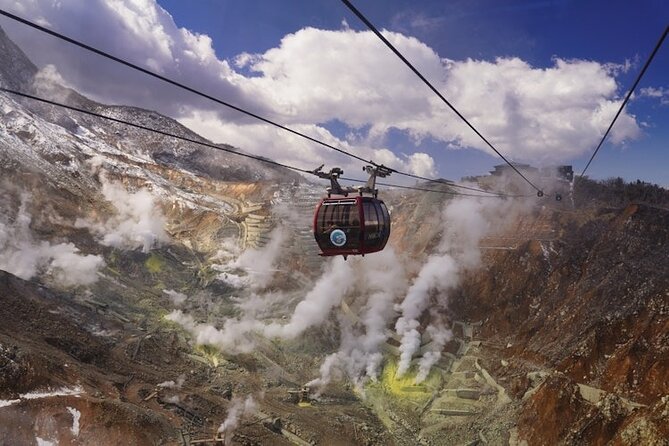
Hakone’s Owakudani Valley is the quick-hit intro to the area’s volcanic personality. You’ll stop for the famous Hakone Black Egg, a hard-boiled egg cooked in the natural hot springs until its shell turns black from volcanic sulfur. There’s a local legend attached to eating it, which is half the charm: it’s a snack with a story, not just a gimmick.
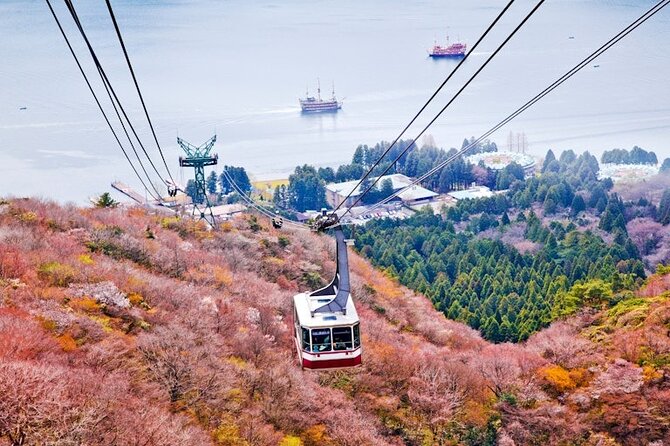
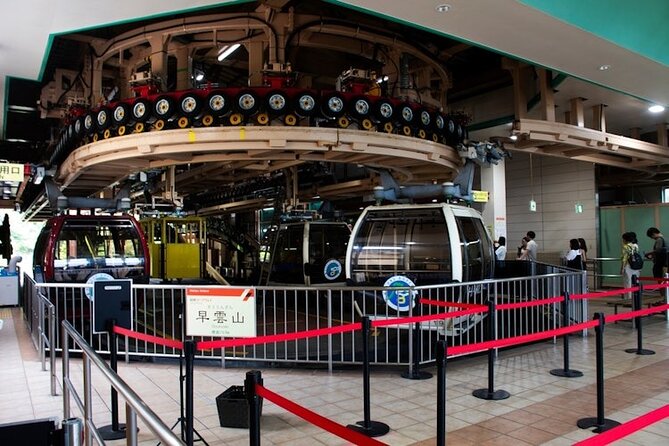
Next comes the Hakone Ropeway. This is where the day tilts toward views. From the cable car, you get a broad look at the volcanic area below, including steaming sulfur vents and the way Lake Ashi sits in the region. Even if your Fuji clouds are playing games later, these Hakone views often give you something dramatic right now.
A quick reality check: the Ropeway and volcano area are popular. The advantage of having a driver-guide is that you spend less time figuring out logistics and more time simply enjoying the moments.
Lake Ashinoko Cruise on the Pirate Ship: The Calmer Middle of the Day
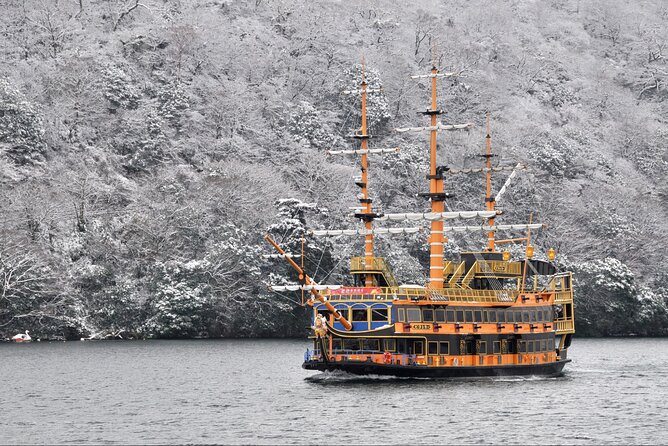
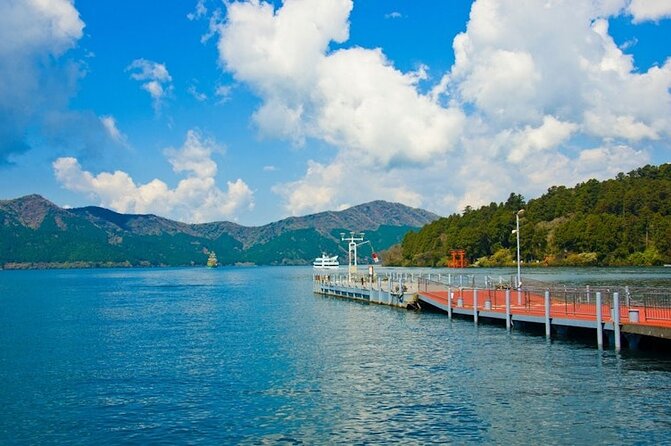
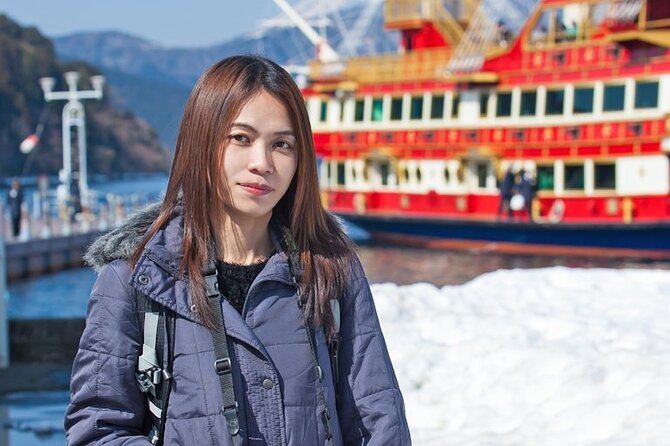
After the volcano stops, Lake Ashinoko (Lake Ashi) offers a change of pace. You’ll ride aboard the Hakone Pirate Ship, departing from Motohakone Port. It’s a 30-minute cruise that’s mostly about breathing room and scenery—steaming in the earlier part of the day, then water and horizon views later.
This cruise is a smart move for two reasons:
- It breaks up the long drive with something relaxing.
- It sets up the Fuji-photo mood without you having to stand in lines for every view.
If your group likes photos, water views tend to deliver even when the day is partly cloudy—because reflections and layered hills still look good.
Traditional Village and Waterfall Stops: Saiko Iyashi no Sato Nemba and Shiraito Falls
From Hakone toward Fuji’s lakes, you’ll hit Saiko Iyashi no Sato Nemba, a restored traditional village on the shores of Lake Saiko. The story here is part of the appeal: it was destroyed by a landslide, then rebuilt as an open-air museum. For many people, this is the cultural reset that keeps a long day from feeling like a checklist.
Then you go to Shiraito Falls, one of the area’s best-known waterfalls. It’s impressive for its size—about 20 meters high and 150 meters wide—with delicate white streams cascading down a broad cliff. This is the sort of stop that turns your camera back on because it looks beautiful from multiple angles.
Two useful tips for planning your energy: keep your waterfall visit short if you’re chasing a Fuji view later, and build in time to just stand and watch for a minute. Waterfalls are one of those places where you don’t need to do much to enjoy them.
You can also read our reviews of more private tours in Tokyo

Saiko Lake and Kawaguchi Lake: Fuji Views by Reflection and Accessibility
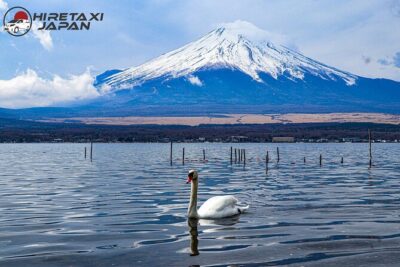
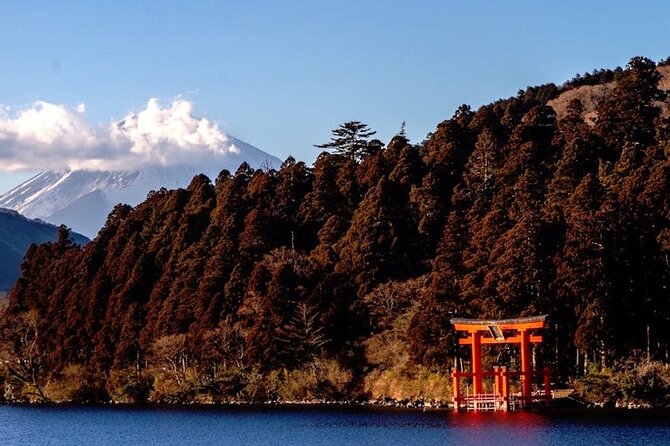
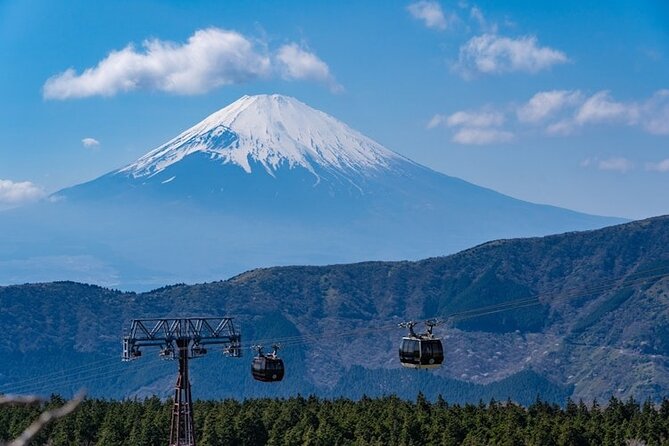
Saiko Lake is called the Lake of Reflections, and the reason is simple: quiet water around the Fuji Five Lakes region can create a mirror-like effect. It’s a nature pause, but it’s also a photo target. If your Fuji is visible that day, this is one of the spots where that visibility can really pay off.
Then you’ll visit Kawaguchi Lake Ishikoro kan. The selling point here is the view: Lake Kawaguchi is known for magnificent Mount Fuji reflections on a calm surface. The schedule also positions it as the most accessible and visitor-friendly of the Fuji Five Lakes, which is helpful if you’re trying to fit a lot into one day.
This is where the private format helps again. If your group is more “views first,” you can linger. If your group is more “photos, then move,” your guide can keep you from losing time.
Arakura Fuji Sengen Shrine (Chureito Pagoda) and Kitaguchi Hongu Fuji Sengen Jinja
Now you shift to shrines, which is where Fuji tourism gets its spiritual and visual identity.
At Arakura Fuji Sengen Shrine, you’ll go to the Chureito Pagoda viewpoint, one of Japan’s most iconic photo spots. From the hillside, you can see the five-storied Chureito Pagoda framed by the surrounding area. It’s a classic composition, and it’s one of those places where your camera roll will start filling fast.
From there, you visit Kitaguchi Hongu Fuji Sengen Jinja Shrine, located at the foot of Mount Fuji in Fujiyoshida. This shrine is described as one of the most important and historic shrines dedicated to sacred Mount Fuji, with towering centuries-old cedar trees in the setting. Even if you’re not a shrine person, this stop gives context to why Fuji is treated as more than a mountain you climb.
The drawback of these “iconic shrine” stops is simple: they’re popular. With a private tour, you can usually move at a pace that keeps the experience from feeling like a stampede, but you should still expect other visitors.
Oshino Hakkai: The Fuji Snowmelt Story in Eight Clear Ponds
Oshino Hakkai is one of the easiest places to love because it’s calm, pretty, and specific. You’ll see eight crystal-clear ponds fed by pure snowmelt from Mount Fuji. The ponds reflect Fuji when conditions allow, and the area includes traditional thatched-roof houses and surrounding details that feel old-school.
This stop works well after shrine viewing. You go from spiritual and historical sites to an everyday landscape shaped by water, snowmelt, and local life. It also tends to be a good “we need a breather” moment in a long day.
If you’re the type of traveler who enjoys small, story-based places more than big rides, Oshino Hakkai is a strong payoff.
Optional Caves and Cool Weather Breaks: Narusawa Ice Cave and Fugaku Wind Cave
The tour includes two optional cave stops, and they’re a smart choice when you want something a little different from lakes and temples.
Narusawa Ice Cave is described as a naturally cooled cave formed by ancient lava flows from Mount Fuji. You’ll see ice pillars and frozen walls that remain in place despite the outdoor conditions. This is the kind of stop that feels like a side quest—and it often makes the day feel more “real Japan” than just viewpoint hopping.
Fugaku Wind Cave is another lava cave option, near Aokigahara Forest. It’s kept at a cool temperature of around 3°C. That number matters because it tells you to treat this as a true cold environment. Bring layers you’d actually wear, not just a thin top.
A practical consideration: caves aren’t for everyone. If your group has limited mobility or isn’t into walking around cool, enclosed spaces, it’s totally fine to pass and spend more time on outdoor views.
Optional Add-ons Around Hakone and Fuji: Glass Museum and Mishima Skywalk
If you want variety, the schedule lists a few optional add-ons that can shift the day’s tone.
The Hakone Venetian Glass Museum is optional and focuses on glass art with a European theme. It’s described as Japan’s first art museum dedicated to Venetian glass, and it includes gardens and mountain scenery. If you’re traveling with someone who enjoys art or shopping that isn’t just retail, this can be a pleasant break.
Mishima Skywalk is another optional stop. It’s described as Japan’s longest pedestrian suspension bridge, spanning about 400 meters across a deep valley. It’s thrilling in a simple way: you get height and openness. If your group likes “look at that drop” moments, it’s a fun close to the day. If you don’t do heights, skip it and keep the schedule calmer.
These options are valuable because they let you tailor the day based on your group’s comfort—views, culture, art, or adrenaline.
Gotemba Premium Outlets: The Shopping Detour That Still Works in One Day
Yes, there’s a shopping stop: Gotemba Premium Outlets. After lake and volcano time, you’ll have about an hour here. The outlet is described as a serene foothill city of Mount Fuji, with over 200 shops.
If you’re buying souvenirs or want a practical break where you can wander without being “on” for photos, this can fit nicely. The main drawback is that it can feel like a commercial reset after nature and shrines. If your group isn’t into shopping, you might use the flexibility to skip it or shorten it.
Food, Breaks, and What You’ll Need to Plan Yourself
Food isn’t included. The stops include a lot of movement across Hakone and Fuji, so you’ll want to plan for meals on the fly. The upside is that you have freedom: your guide can help you work around what’s nearby at each stage of the day.
Bottled water is included, which helps on long drives. WiFi on board also makes it easier to check opening hours, find a quick snack, or confirm transport plans if your route changes.
For packing, I’d keep it simple: comfortable shoes, a light layer if you’re going into cold caves, and a charged phone for the big Fuji moments. The tour provides maps with explanations, but your own navigation backup reduces stress.
Price and Value for Up to 3 People from Tokyo
At $430 per group (up to 3), this tour isn’t priced like a bargain bus ride. But it’s also not priced like a private driver for just one stop.
Here’s where the value comes from, using what’s included:
- Private transportation in an air-conditioned vehicle
- pickup and drop-off within Tokyo’s 23 wards
- highway, fuel, and parking fees
- an English-speaking licensed driver-guide
- WiFi on board and bottled water
- maps with explanations
When you split it across up to 3 people, you’re basically paying for a full-day private setup plus a guided structure. If you were to replicate the day yourself with taxis or multiple transit transfers, time and stress tend to climb fast.
The main reason I’d hesitate is the same reason this kind of tour is popular: it’s a lot to do in one day. If your top priority is slow travel, deep museum time, or a single calm lake viewpoint, you may prefer fewer stops and more time at each.
Who This Tour Fits Best (and who should adjust expectations)
This tour makes sense if you:
- want Hakone + Mount Fuji area highlights in one long, guided day
- prefer private logistics over train transfers and time-wasting between hubs
- care about photo spots like Chureito Pagoda and classic Fuji shrine areas
- like mixing nature (volcano and lakes) with culture (traditional village, shrines)
It may feel less ideal if you:
- hate long days or need frequent breaks
- want a low-speed day with lots of rest time between stops
- are only interested in one tiny slice of the region and nothing else
The best match is a small group that wants to maximize one day without turning it into chaos.
Should You Book This Hakone and Mount Fuji Private Custom Tour?
I’d book it if you want a private, flexible day that covers the main “wow” points—Owakudani black eggs, Hakone Ropeway views, Lake Ashi cruise, then Fuji-area lakes, shrines, Oshino Hakkai, and optional caves or skywalks—while someone else handles the driving and timing.
I’d think twice if your priority is a slow pace, or if you’re traveling during a stretch where you expect heavy rain or low visibility. Because Fuji views depend on the sky, this kind of tour works best when you’re okay with adjustment.
If your group is up for a full day and you like getting a lot of meaningful variety in one shot, this one is a strong choice.
FAQ
How long is the Hakone and Mt Fuji private custom tour?
The duration is about 10 hours.
How much does the tour cost?
It costs $430.00 per group, up to 3 people.
Does the tour include pickup in Tokyo?
Yes. Pickup and drop-off are offered within Tokyo’s 23 wards.
Is WiFi available during the tour?
Yes, WiFi is included on board.
Are entrance fees included?
Food is not included. Entrance fees are not included for optional options. (The scheduled stops list admission ticket free for each stop, but optional experiences may have their own fees.)
Will I visit Mount Fuji and Hakone sights in one day?
Yes. The route includes Hakone highlights like Owakudani and Lake Ashi, then multiple Fuji-area stops around the Fuji Five Lakes region.
What happens if the weather is bad?
This experience requires good weather. If it’s canceled due to poor weather, you’ll be offered a different date or a full refund.
Is the tour really private?
Yes. It’s a private tour/activity, and only your group participates.