REVIEW · TOKYO
Full Day Tokyo City Private Tour Sightseeing Full Customised
Book on GetYourGuide →Operated by Glorious Travels · Bookable on GetYourGuide
Tokyo can feel like a blur. This private day smooths it out by bundling the big hits with door-to-door pickup and a real guide who can adjust as you go.
I especially like the mix of old and new: Meiji Jingu’s forest calm in the morning, then Skytree and Shibuya later when the city lights turn on. You’ll also get little comfort perks that actually matter on a long day, like air-conditioning plus bottled water and free coffee or tea.
One thing to consider: the schedule is estimated at about 10 hours including commuting, so you’ll want to be ready to walk a bit and adapt if the Tokyo Bay cruise can’t run.
In This Review
- Key things to know before you go
- Private Tokyo Comfort, Without the Transit Headache
- Starting in Shinjuku and Routing Your Day Like a Local
- Tsukiji Outer Market: A Morning Walk for Food People
- Meiji Jingu: Tokyo’s Forest Reset
- Imperial Palace Outer Area: Gardens and Nijubashi Views
- Sensō-ji in Asakusa: Lantern Photos and Nakamise Shopping Time
- Uji matcha experience (and optional add-ons)
- Tokyo Tower and the Photo Stops That Break Up the Day
- Passing Akihabara, Ueno, and Kappabashi: Tools, Tech, and Real Food Replicas
- Skytree at 350 Meters: Tembo Deck Time and Sora-machi Shopping
- Shibuya Crossing: The Iconic Crossing, Done Efficiently
- Tokyo Bay Cruise Finale: Rainbow Bridge Views and the Backup Plan
- How the 10-Hour Timing Really Feels in One Day
- Value Check: Is $345 for up to 6 Worth It?
- Who Should Book This Private Tokyo City Tour
- Should You Book This Private Tokyo City Tour?
- FAQ
- What does this tour cost?
- How long is the tour?
- Is pickup and drop-off included?
- Are meals included?
- Do I need to buy paid attraction tickets?
- What if the Tokyo Bay cruise can’t run?
Key things to know before you go
- Private route planning so you can spend longer where you care most
- Luxury vehicle comfort (Toyota Vellfire, Crown, and Land Cruiser) with Wi‑Fi hotspot when available
- Icon stops without train stress, starting in Shinjuku around the Love statue area
- Skytree Tembo Deck visit at 350 meters, with a skip-the-line-style approach mentioned for access
- Asakusa with matcha and optional Japanese pub lunch, including Uji first-flush matcha style
- Tokyo Bay cruise as a finale, with a backup plan if weather or maintenance cancels it
Private Tokyo Comfort, Without the Transit Headache
This tour is built for people who want Tokyo’s highlights without spending your day hopping between stations. You pay for a private group (up to 6 in the base price), and the big win is simple: you’re not planning routes, transfers, or train timing while you’re tired.
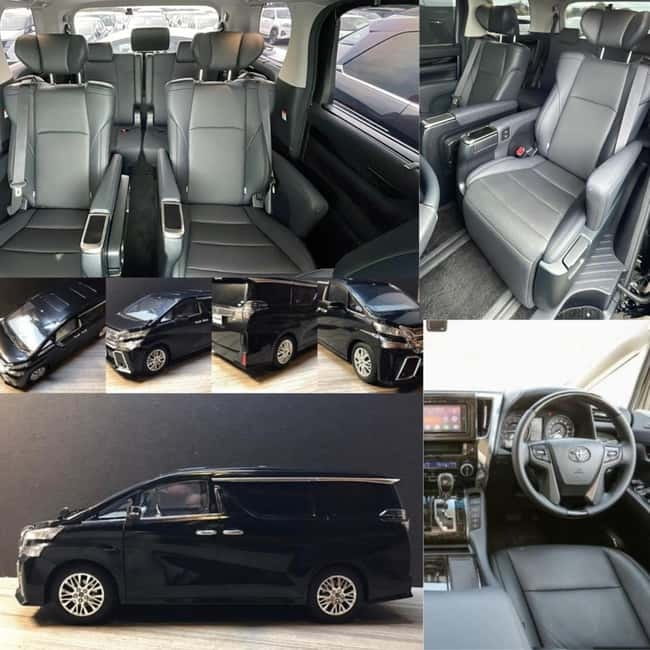
You’ll ride in a luxury vehicle such as a Toyota Vellfire or Crown, and in some cases a Land Cruiser, all with air-conditioning. There’s also a Wi‑Fi hotspot router in the vehicle when available, plus bottled water and free coffee or tea. On a hot day, that alone can make the difference between loving your itinerary and rushing it.
The overall time is about 1 day, estimated 10 hours including commuting. That’s long enough to hit major districts, but it’s not a “stay forever” pass. If you want a slow, sit-down pace at every stop, you’ll still have to pick priorities.
You can also read our reviews of more city tours in Tokyo
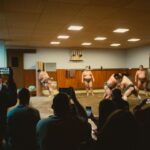
Starting in Shinjuku and Routing Your Day Like a Local
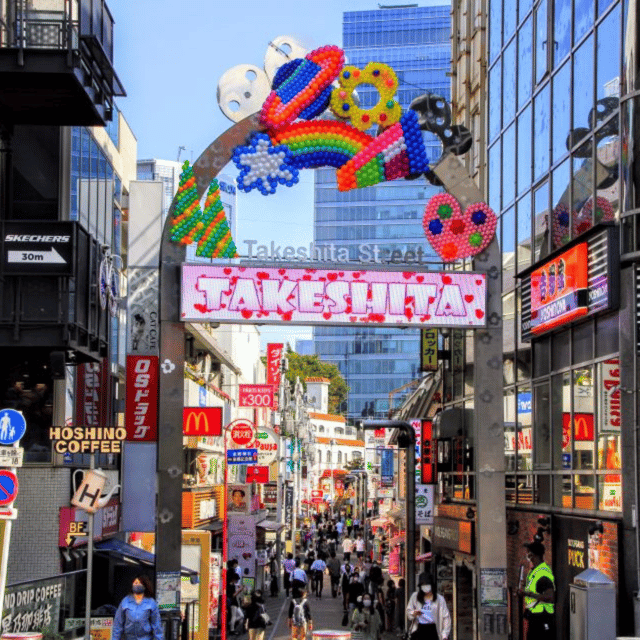
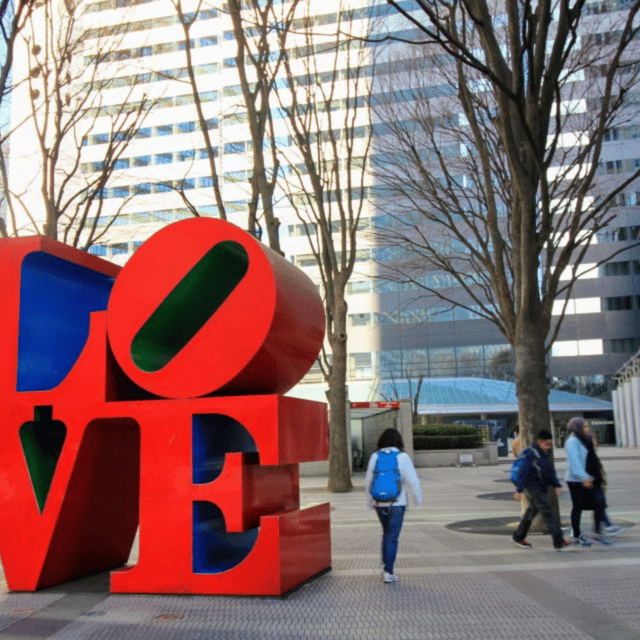
You begin from central Tokyo, with pickup tied to your selected option. The day starts around Shinjuku, near the Love statue, then the coach travels through areas like Kabukicho, a well-known nightlife patch.
The tour is designed around famous landmarks, but it’s also described as customizable. Practically, that means when you have a must-see or you already visited something, your guide should have room to reshape the plan. In the feedback I’ve seen tied to this style of tour, guides like Sarfraz/Sarfarz and Waqas were praised for being flexible and adjusting when timing or weather demanded it.
Pickup is offered from accommodations in Tokyo’s 23 wards (airports and ports are not covered). If you’re staying outside those wards, you’ll want to confirm feasibility before booking so you’re not surprised.
Tsukiji Outer Market: A Morning Walk for Food People
Your day kicks off with Tsukiji Outer Market. Expect a photo stop plus a guided visit and walk for about 1 hour. This is a good start because the market energy is easy to absorb early, and it sets you up for the food-and-craft focus that shows up later too.
What you’ll get here is a sensory warm-up: stalls, kitchens, tools, and a “how is this all so detailed” feeling. Even if you don’t plan to buy much, it’s worth using the hour for photos and quick sampling if you see something that looks safe and appealing.
A small reality check: it’s a market walk, so wear comfortable shoes. Also, paid items like tastings are not included as meals, so budget for snacks if you want them.
Meiji Jingu: Tokyo’s Forest Reset
Next comes Meiji Jingu Shinto Shrine, built for Emperor Meiji and surrounded by forest. You get a photo stop, visit, guided sightseeing, and about 1 hour.
This stop works because it cuts through the city’s noise fast. Even with Tokyo all around, the shrine grounds feel like a pause button: tall trees, a calm walking rhythm, and space to slow down your pace after the market.
If you’re into photography, go for wide shots early and then circle back for details. The guided time is enough for the main experience, but you’ll still want to save energy for the rest of the day.
Imperial Palace Outer Area: Gardens and Nijubashi Views
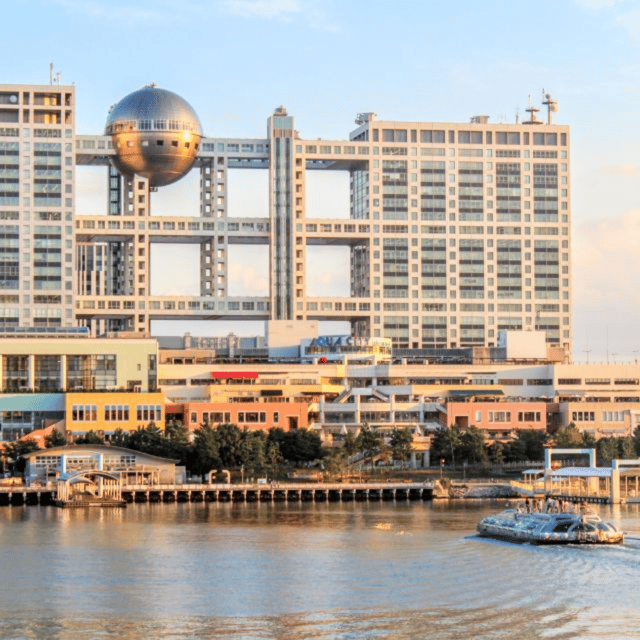
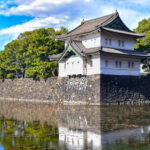
Your next anchor is Tokyo Imperial Palace. You’ll have break time, plus photo stop, visit, guided sightseeing for around 1 hour.
Here’s what’s important: the tour visit can focus on either the East Garden (traditional Japanese gardens) or Nijubashi Bridge in the Outer Garden area, depending on the plan that day. If gardens are your thing, that East Garden option tends to be a great match. If you want classic views and a more architectural photo moment, the Nijubashi Bridge choice can be the better fit.
This is one of those stops where timing matters. The palace grounds can look different depending on light and foot traffic, so being ready to move with the group helps you catch the best moments without stress.
You can also read our reviews of more private tours in Tokyo

Sensō-ji in Asakusa: Lantern Photos and Nakamise Shopping Time
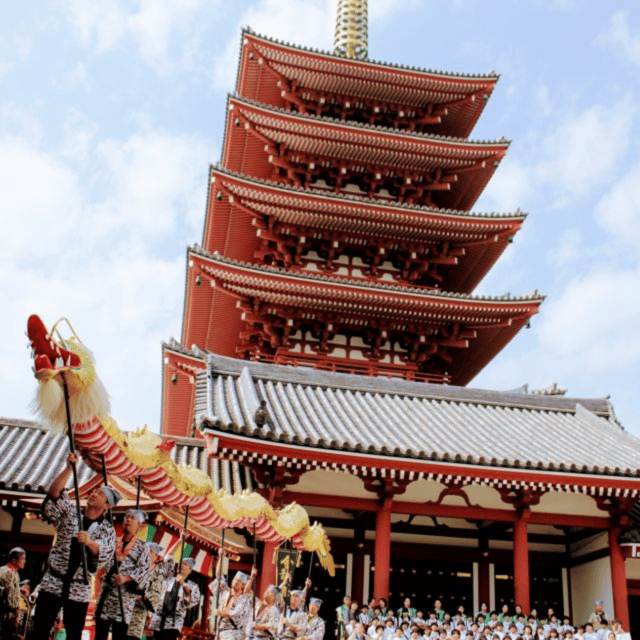
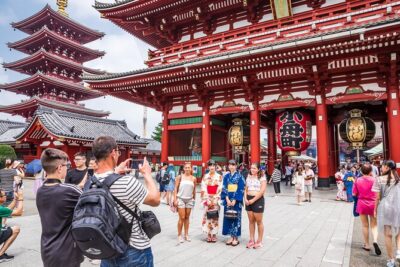
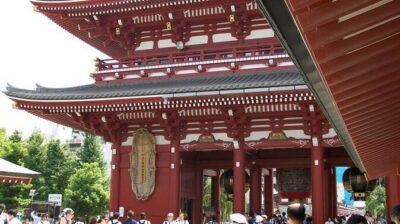
Asakusa is where Tokyo’s old-meets-tourist vibe turns into a full-on walking experience. You’ll visit Sensō-ji Temple with about 1 hour, including photo stop, visit, guided sightseeing, and time in the area.
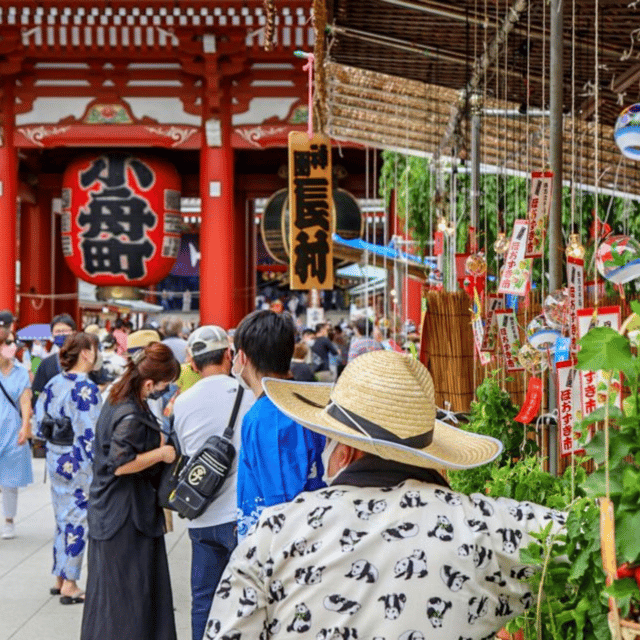
Don’t miss Nakamise avenue for shopping and snack browsing. And yes, take your photos at Kaminari-mon Gate with the iconic red lantern—it’s the kind of image you’ll remember later when you’re planning your next Japan trip.
Uji matcha experience (and optional add-ons)
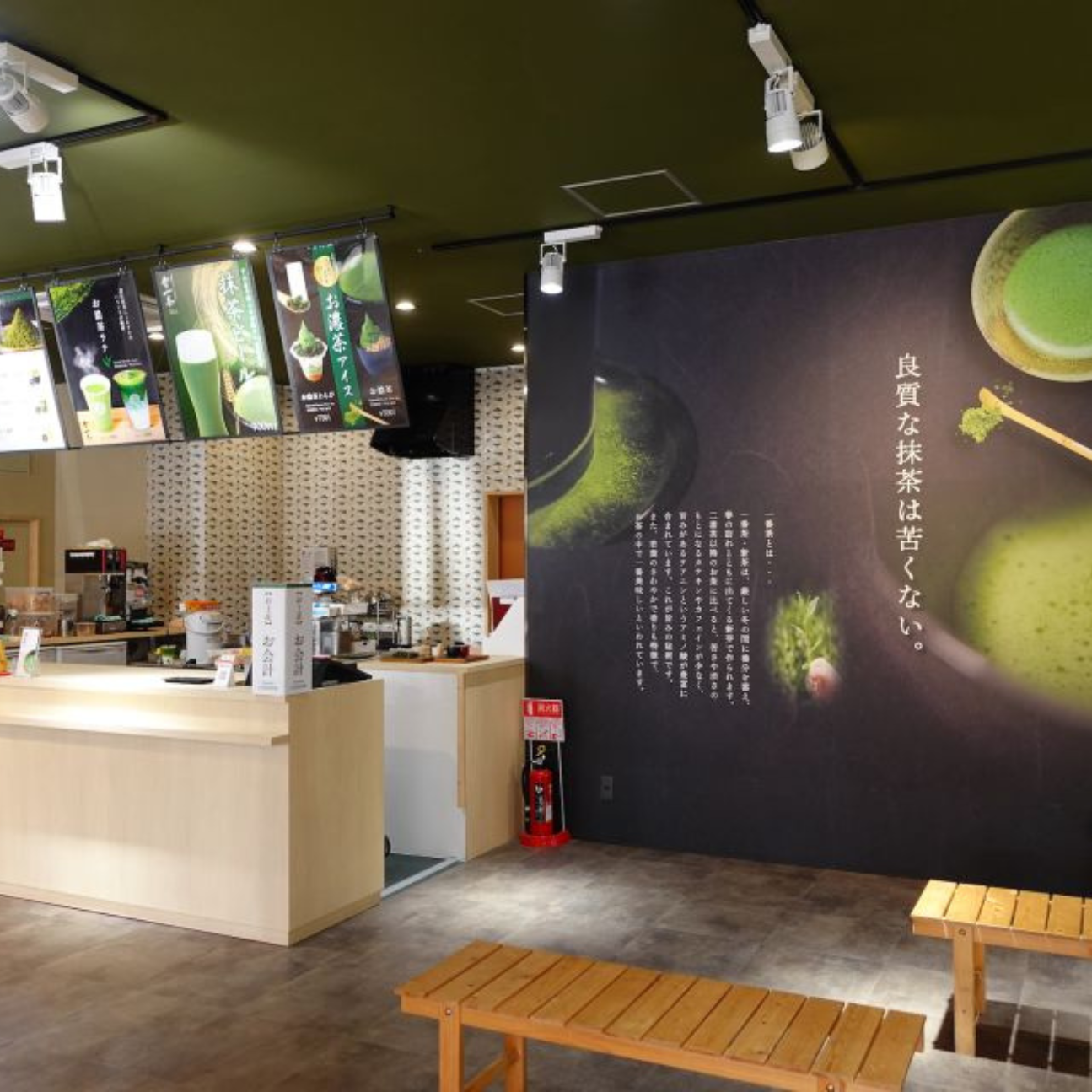
As part of the Asakusa segment, the tour offers two distinct Japanese experiences. One is an authentic-style matcha stop featuring premium matcha made from Ichibancha first flush from Uji, Kyoto, described as a not bitter matcha style. You may also see options for sweet matcha gelato or matcha beer.
The other add-on is lunch if you select it. The “IZAKAYA” pub lunch concept includes foods like karaage and tofu set meals, and it’s described as using locally produced soybeans made fresh daily at the store.
Important practical note: meals are listed as not included in the tour price. If you want these food experiences, you should treat them as selectable extras rather than automatic inclusions. Also, vegetarian and gluten-free accommodations are mentioned only if you indicate the number of customers at booking.
Tokyo Tower and the Photo Stops That Break Up the Day
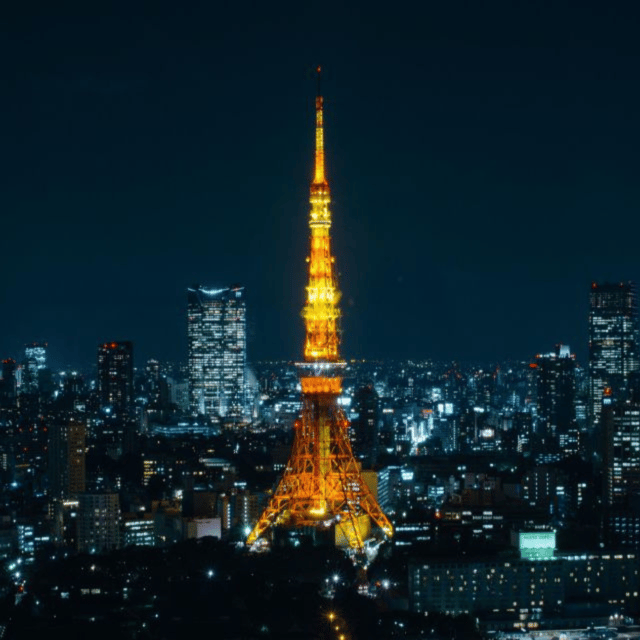
After Imperial Palace, the route also includes a Tokyo Tower photo stop and sightseeing/walk time of about 1 hour.
Tokyo Tower is a useful mid-day anchor. It gives you a skyline reference point, plus it breaks up the day after temple and market walking. You’ll get guide-led context and photo opportunities without needing to buy your own transport tickets.
One drawback to keep in mind: Tokyo is visual, and you may want to photograph everything. With a fixed itinerary rhythm, it helps to decide early what you want most—tower angles, street scenes, or shopping-area photos—so you’re not running late to the next stop.
Passing Akihabara, Ueno, and Kappabashi: Tools, Tech, and Real Food Replicas
As the coach moves through the center and toward Asakusa and beyond, you’ll travel through Akihabara, Ueno, and Kappabashi market street.
Kappabashi is especially fun for anyone who loves kitchen stuff. The idea here is you get to see a concentration of kitchen items like knives and kitchen tools, plus food replicas that look so real you might feel hungry just staring at them. This part is more of a “see it from the window and spot the shops” experience than a guaranteed sit-down stop, since the itinerary list focuses more on the big anchor landmarks.
Still, it’s one of those Tokyo flavor moments that helps the day feel more like a guided tour of city districts rather than only a list of icons.
Skytree at 350 Meters: Tembo Deck Time and Sora-machi Shopping
This tour makes Tokyo Skytree a major moment. You’ll stop at the tower itself and then again at the Tembo Deck floor at 350 meters level, with sightseeing and guided time in both segments.
The best reason to plan Skytree this way is crowd logic. The tour notes skip-the-line admission for the Tembo Deck. If you’re the kind of traveler who hates wasting time in lines, that matters.
One caution: the tour also states that paid entry tickets are not included. So if Tembo Deck admission works the way you expect, it should be confirmed as part of what you’re paying for. Either way, plan for the possibility that you’ll need to purchase tickets for observatory access on the ground.
After the height thrill, you’ll also get time at Tokyo Skytree Town and shopping around the complex. Even if you don’t shop, the area is great for photos, small souvenirs, and that feeling of modern Tokyo “being loud but organized.”
Shibuya Crossing: The Iconic Crossing, Done Efficiently
You’ll hit Shibuya Crossing as a photo stop plus guided sightseeing. It’s listed with about 1 hour, so you get enough time to actually walk to good viewpoints rather than just snap and run.
Shibuya works best if you treat it like a set. Look at the crosswalk angles, watch for the timing of groups in motion, and pick your photo spots early. Then use the rest of the time for the street-level vibe around the intersection area.
Because this is a private tour, you’re not stuck blending into a huge group with no plan. You can move when the group moves and still take breaks if the guide gives you that flexibility.
Tokyo Bay Cruise Finale: Rainbow Bridge Views and the Backup Plan
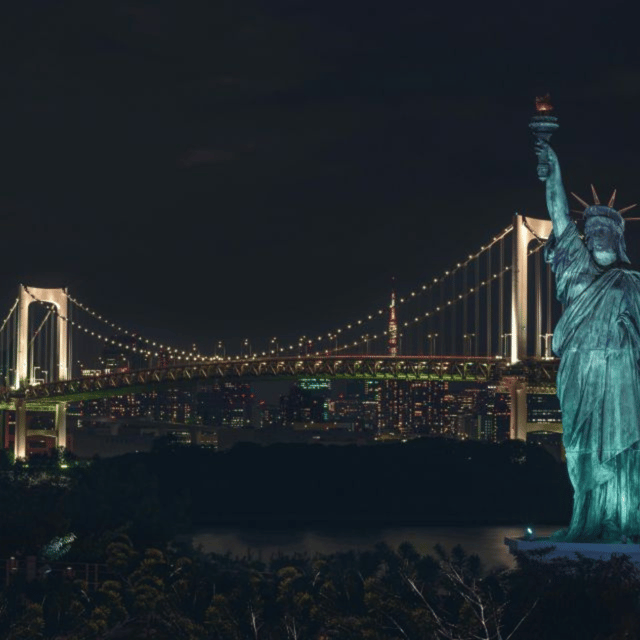
The last activity is designed as the finale: a Tokyo Bay Cruise. You’ll ride under the Rainbow Bridge and look out at Tokyo’s skyscraper skyline.
The practical part: sometimes there’s no cruise due to high tide or technical maintenance. If that happens, the plan changes to Hamarikyu Garden or the Fukagawa museum. The tour notes that refunds will not be given in that situation, so don’t build your entire emotional ending around getting the boat ride.
Even so, Bay areas are usually worth it. If the cruise is canceled, the backup choices still keep you out of the city-center grind and give you a chance to see a different Tokyo mood.
How the 10-Hour Timing Really Feels in One Day
This is an “icon-per-hour” style itinerary. Many stops are set around about 1 hour each, plus commuting time. That structure is why this day works: you see a lot without turning every stop into a half-day project.
I’d plan your day like this: expect guided time, then use small pockets of freedom for photos or browsing. If your priority is photography, bring a daypack and keep your camera accessible. Comfortable shoes matter, because you’ll be walking at multiple locations.
Also keep in mind the pickup timing rules: the driver waits up to 60 minutes after the scheduled pickup time, and you’re asked to be in the hotel lobby about 10 minutes early. If your morning gets messy, try to message your pickup contact promptly so the day can stay on track.
Value Check: Is $345 for up to 6 Worth It?
At $345 per group up to 6, this tour can be great value if your alternative is paying for individual taxis plus trying to manage trains while you also want a guide.
You’re paying for:
- a private, English-fluent driver/guide experience
- door-to-door pickup and drop-off
- air-conditioned comfort plus water and coffee/tea
- structured visits across major districts in about 10 hours
Where the value can drop is if you expect everything to include admission fees. Paid entry tickets are listed as not included, and meals are also not included. So your final spend depends on how many observatory tickets and food add-ons you choose.
For families, this style often helps a lot because you can move faster and reduce decision fatigue. In the feedback tied to guides on this route, Sarfraz/Sarfarz was specifically praised for being patient with kids and flexible when schedules shifted.
This tour is marked as not suitable for pregnant women and for people over 95 years, so if mobility or comfort is a concern, you’ll want to think hard about whether a high-walking day fits you.
Who Should Book This Private Tokyo City Tour
This is a strong match if you:
- are in Tokyo for a short time and want the biggest hits (Meiji, Asakusa, Skytree, Shibuya)
- hate navigating public transit when you’re on vacation
- want a guide who can customize the flow based on your interests
- want a comfortable, quiet base between neighborhoods in a luxury vehicle
It may not be the best fit if you:
- want a slow, no-rhythm day with lots of independent wandering
- plan to spend big money on paid attractions and meals and prefer a fully packaged price
- are relying on the Tokyo Bay cruise as a non-negotiable must
Should You Book This Private Tokyo City Tour?
If you want a high-effort Tokyo sampler done in comfort, I’d say yes, book it—especially if your group is up to 6 and you’re staying in Tokyo’s 23 wards. The door-to-door pickup, included drinks, and luxury vehicle comfort add real value when you’re trying to hit a long list in one day.
Before you go, I’d do two quick checks: confirm whether any Tembo Deck admission cost is covered or extra, and decide if you’ll choose the matcha experience and/or lunch add-on in Asakusa. If you can set your expectations for a flexible ending on the Bay cruise, you’ll get a day that feels organized, fun, and very Tokyo.
FAQ
What does this tour cost?
The price is $345 per group, up to 6 people, for a full day in Tokyo.
How long is the tour?
It runs for about 1 day, with an estimated duration of around 10 hours including commuting time.
Is pickup and drop-off included?
Yes. Pickup and drop-off from your accommodation are included within Tokyo’s 23 wards listed for this tour. Pickup is not available at airports or ports.
Are meals included?
Meals are not included in the tour. There are food experiences described for matcha, and lunch is offered only if you select lunch. Vegetarian and gluten-free options can be requested when booking, but other special meal types like Muslim-friendly, allergy-friendly, or lactose-free are not available.
Do I need to buy paid attraction tickets?
Paid entry tickets are not included in the tour. Some stops include access details (like the Tembo Deck observatory), so you should check what costs are covered versus paid separately.
What if the Tokyo Bay cruise can’t run?
Sometimes the cruise may be canceled due to high tide or technical maintenance. If that happens, the plan changes to Hamarikyu Garden or Fukagawa museum, and no refund is given for the canceled cruise.