REVIEW · TOKYO
From Tokyo:Mount Fuji Private Customizable Tour With English
Book on GetYourGuide →Operated by Nihon Tour LLC · Bookable on GetYourGuide
Fuji looks different at every stop. This private, English-friendly day trip is a simple way to see Mount Fuji with room to shape the day around your family’s interests. You get a car, hotel pickup, and a driver who can actually help you time photo stops instead of just doing a rigid bus circuit.
I especially like the private car setup. With a route that can flex, you can spend time where the views are best and still hit key cultural stops like Sengen Shrine Complex and Oshino Hakkai. And yes, the guide matters—on past days, drivers such as Abdul and Adi were praised for being calm, accommodating, and willing to slow down for the shot.
One consideration: it’s a long day. You’re looking at about 4 hours of transfers each way from Tokyo, plus weather can change what you see from Fuji’s viewpoints. Also, lunch and most activity tickets aren’t included, and there are some restrictions like no backpacks.
In This Review
- Key Points Worth Your Attention
- A Private Car, Built Around Your Fuji Day
- 10 Hours From Tokyo: How the Timing Actually Works
- Mt. Fuji 5th Station: The Classic Big-View Stop
- Fuji Five Lakes Hits: Kawaguchiko and Lake Yamanaka Photos
- Oshino Hakkai and Sengen Shrine Complex: Culture Between Views
- Choose-Your-Own Adventure: Hakone Ropeway, Volcanic Views, and Lake Ashi
- Food, Fees, and What’s Not Included (So You Can Budget)
- Getting Picked Up Without Stress: Tokyo 23 Wards and Beyond
- Guides Who Adjust the Day: What Makes the Experience Better
- Who This Tour Fits Best—and Who Should Skip It
- Should You Book This Mt. Fuji Private Tour?
- FAQ
- How long is the Mt. Fuji private tour from Tokyo?
- What places does the tour include?
- What is included in the price?
- Is lunch included?
- Do I need to pay the Mt. Fuji entrance fee?
- Are tickets for Hakone ropeways or cruises included?
- Where do pickup and drop-off happen?
- Is there an extra fee if I’m outside Tokyo’s 23 wards?
- Are there restrictions on what I can bring?
Key Points Worth Your Attention
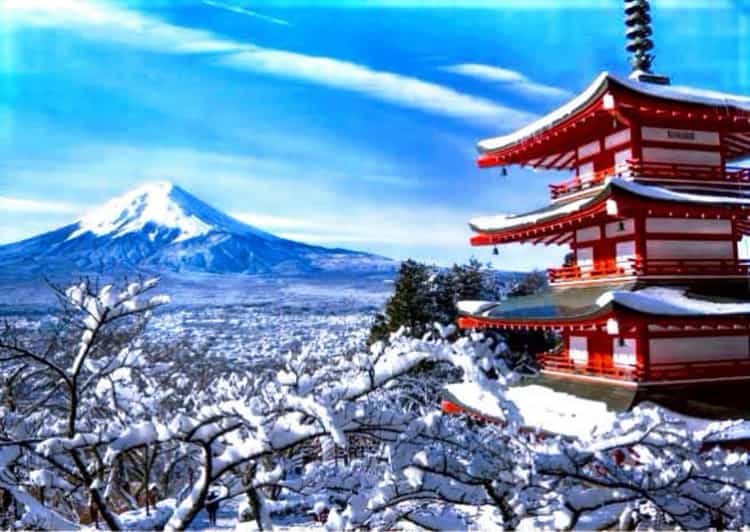
- Private car, not a fixed bus route: you can mix Fuji Five Lakes, shrines, and Hakone depending on what you care about most
- Start with Mt. Fuji 5th Station: one of the best classic “big view” photo moments, with a specific entrance fee to plan for
- Kawaguchiko for those mirror-lake style photos: Fuji views framed by the lake, plus an easy stroll vibe
- Oshino Hakkai and Sengen Shrine Complex: history and place, not just viewpoints
- Hakone options that change the mood: ropeway, volcanic Owakudani areas, Lake Ashi cruise possibilities, and more
- Guides who adjust pace for photos: drivers such as Nabeel have been noted for flexibility and patience
A Private Car, Built Around Your Fuji Day
This is one of those tours where the value is less about a checklist and more about control. You’re traveling by air-conditioned private vehicle, with pickup and drop-off from your Tokyo hotel (or another location within the Tokyo 23 wards). That means fewer coordination headaches than group transport, and you can actually decide where you want to linger.
The “private customizable” part matters most around Mount Fuji, because weather and light can make a huge difference. If the sky is clear, you’ll want time. If clouds move in, you’ll want patience and smart routing. This style of day gives you a better chance to work with the conditions instead of fighting a schedule.
And don’t underestimate the quiet advantage of having an English-speaking driver. They handle navigation and logistics, while you focus on the views, the stops, and the small moments—like finding a good angle before you move on.
You can also read our reviews of more private tours in Tokyo


10 Hours From Tokyo: How the Timing Actually Works
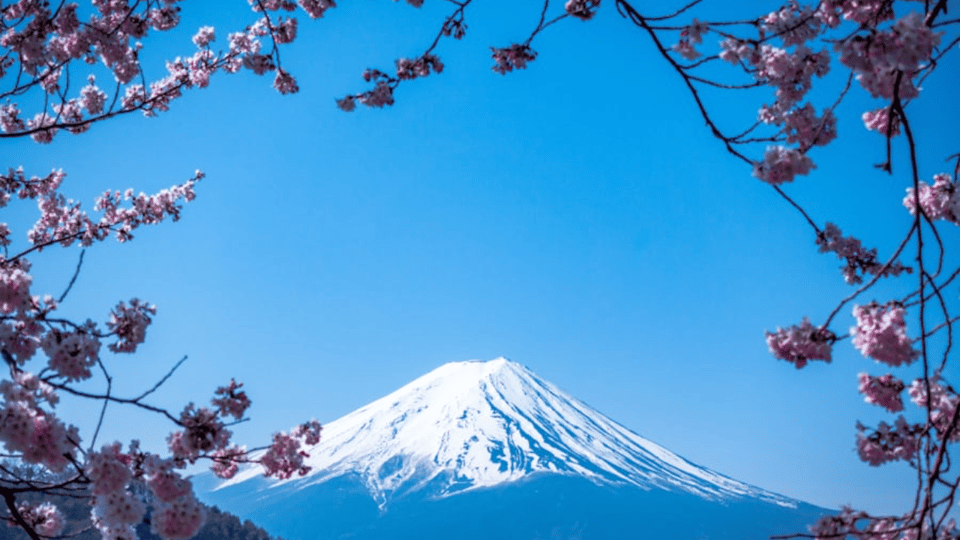
Plan on a 10-hour day total. The tour is structured with about 4 hours for transfers (getting from Tokyo to the Fuji/Hakone region and back). That leaves around 6 hours for the on-site sightseeing you choose.
That math is why picking priorities is key. If Fuji is your headline act, you’ll want to protect time for:
- the Mt. Fuji 5th Station viewpoint
- a lakeside stop (usually Kawaguchiko)
- at least one cultural/history stop (like Oshino Hakkai or Sengen Shrine Complex)
If you also want Hakone, you can—but know that adding more “optional” stops can tighten the timing. This is a day where the guide’s judgment matters. A good driver will help you avoid that all-too-common problem: cramming too much and then watching the sky disappear while you rush.
Mt. Fuji 5th Station: The Classic Big-View Stop
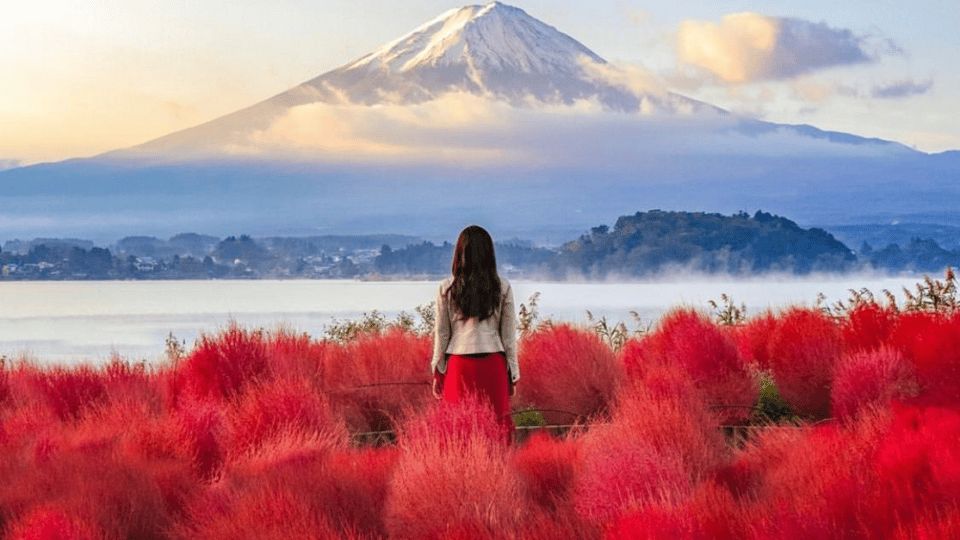
Your day starts with a trip to Mt. Fuji 5th Station. It’s the sort of place where the scale hits fast. You’re at a higher vantage point than you’d get from the city, and on clear days you can see dramatic valley-and-peak views in one broad sweep.
This stop is also where you’ll feel the “why people come” factor. Even if you’re not a hardcore photographer, it’s hard not to do a quick circuit—find an angle, take a few photos, look around, then take a breath. The air and the height make the mountain feel closer and more immediate than most postcards.
Budget note: the Mt. Fuji entrance fee is 2,100¥. It’s not included, so plan to pay it separately.
Fuji Five Lakes Hits: Kawaguchiko and Lake Yamanaka Photos
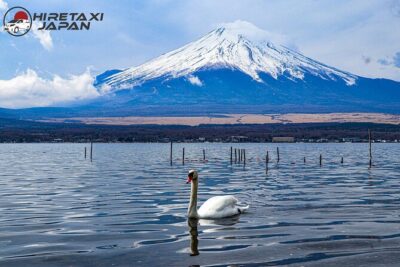
After the 5th Station, the tour heads into the Fuji Five Lakes region. The first major lakeside stop is usually Lake Kawaguchiko. It’s one of the most photogenic setups because Mt. Fuji towers in the background while the lake gives you a calm, walkable foreground.
Here’s what I like about this stop for real life:
- it’s not just “stand and stare”
- you can stroll at an easy pace
- it gives you a different mood than the mountain viewpoint
From there, you may have the option to go further into the region, including Lake Yamanaka. Another lake stop helps if you want more time for scenery without feeling like every minute is the same angle. Depending on conditions, one lake might give you cleaner sightlines than another.
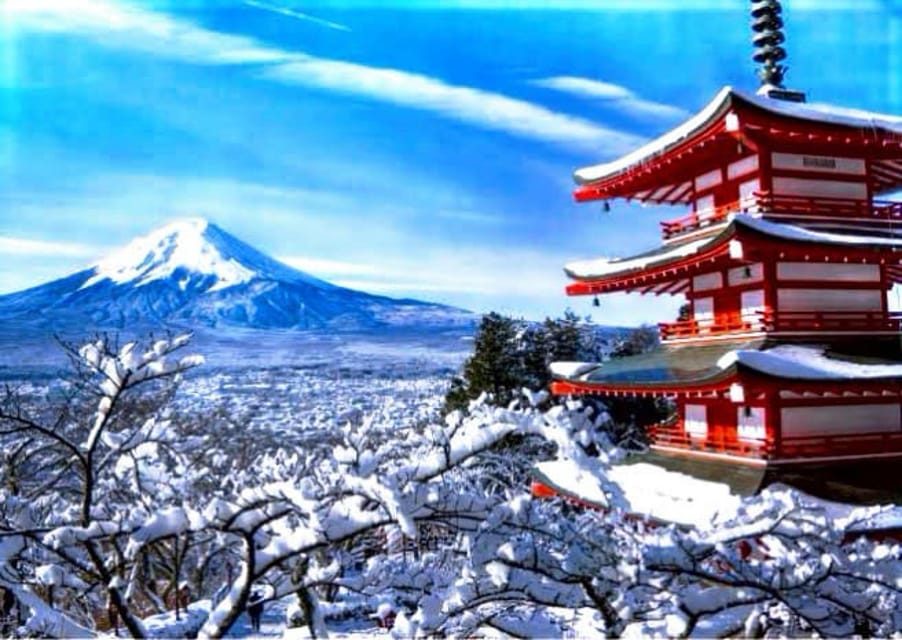
Optional add-ons in this area can include iconic view points like Chureito Pagoda (especially famous in seasons when cherry blossoms frame the shot) and quieter cultural scenery like Saiko Iyashi-no-Sato Nenba, a reconstructed traditional village with thatched-roof houses. If your group likes “place stories” as much as photos, this is where you’ll feel it.
Oshino Hakkai and Sengen Shrine Complex: Culture Between Views
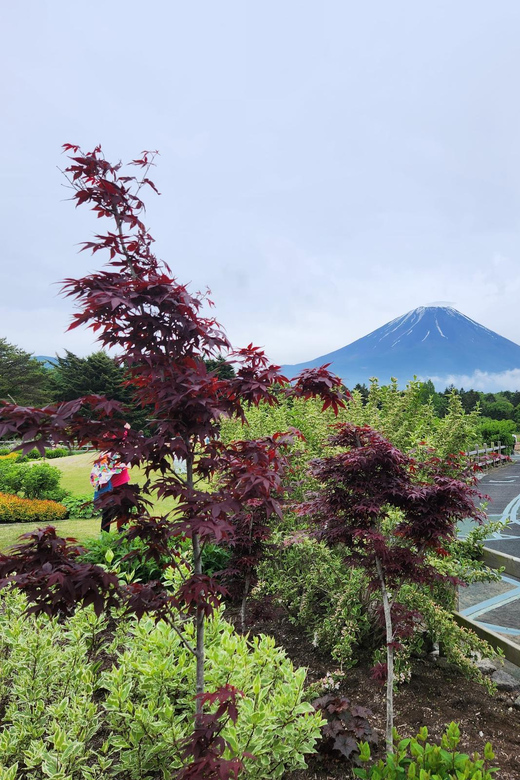
Here’s the secret sauce of a good Fuji day: not every minute needs to be a viewpoint.
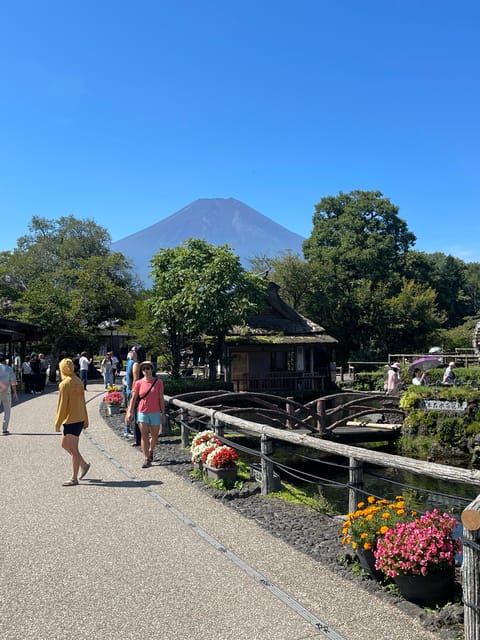
Oshino Hakkai is the kind of stop that slows you down in a good way. It’s known for crystal-clear ponds and traditional homes, and it fits perfectly between bigger photo moments. When you’re driving around mountain terrain all day, it’s refreshing to step into something grounded and human-scale.
Then there’s the Sengen Shrine Complex, including Kitaguchi-hong Fuji Sengen Shrine. If you care about Japanese spiritual geography, this stop gives you context for why Fuji isn’t just scenery—it’s a sacred presence with long-standing traditions.
What to watch for: this is a “respect the space” kind of visit. Wear comfortable shoes, keep your voice low, and take the time to look beyond the main highlights. Even if you’re not a temple expert, you’ll get a sense of place that photos can’t fully capture.





Choose-Your-Own Adventure: Hakone Ropeway, Volcanic Views, and Lake Ashi
The tour is flexible enough that you can turn the second half of the day into a more dramatic landscape story with Hakone.
If Hakone is on your list, one option is the Hakone Ropeway, which gives you sweeping views over the volcanic Owakudani area. It’s the kind of scene that looks like another planet for a minute. Up top, you get contrast: clean lines of the mountains against the raw, sulfurous volcanic landscape below.
You can also find options around the classic Hakone loop, such as:
- Hakone Open-Air Museum (art in a natural setting)
- Lake Ashi and the chance for a sightseeing cruise from the water
Important: activity tickets (like ropeway rides or cruises) are not included, so factor that into your budget. You can absolutely do these, but you’ll want to know your costs ahead of time instead of being surprised at the ticket window.
This is also where the tour can accommodate extra “character” stops if that’s your style—options mentioned can include things like Mt. Kachi Kachi Ropeway views, plus cave experiences such as Narusawa Ice Cave and Fugaku Wind Cave. Not every itinerary will fit all of those, but the point is: you’re not locked into a single formula.
Food, Fees, and What’s Not Included (So You Can Budget)
This tour includes transport and driver time. It does not include everything else.
Not included:
- Lunch
- Tickets for activities (ropeway, cruise, and similar items)
- Mt. Fuji entrance fee (2,100¥)
That’s normal for a private day trip, but it changes how you plan. I’d suggest you pick one of these approaches:
- bring snacks for the car and eat a proper lunch near a stop you like
- or pre-plan a lunch spot based on where you’ll spend your free time
Also note the restrictions: no backpacks, no alcohol and drugs, and bags aren’t allowed either. That’s the kind of rule that can ruin a day if you show up with the wrong bag. Pack light, keep it simple.
Getting Picked Up Without Stress: Tokyo 23 Wards and Beyond
Pickup runs from Tokyo hotel lobbies or another location within Tokyo’s 23 wards. The wards listed cover most of the classic visitor neighborhoods, so chances are you’ll be eligible without extra charges.
If you’re outside the Tokyo 23 wards, there’s an extra pickup fee. It’s listed as 5,000¥ to 20,000¥, depending on the area. If you’re staying closer to the edges, check this early so you’re not negotiating after confirmation.
Timing tip: wait in the lobby 10 minutes before your scheduled pickup. Drivers will wait no longer than 60 minutes after the scheduled time. In Tokyo traffic, lateness can happen due to highway conditions, so build in a little patience—but don’t count on extended waiting.
Guides Who Adjust the Day: What Makes the Experience Better
The quality of the day trip isn’t just the route. It’s the driver’s mindset.
I like that this tour is set up for a driver who can adapt to what you want in the moment. On past Fuji/Hakone days, drivers such as Abdul and Adi were praised for being knowledgeable and accommodating. Nabeel was specifically highlighted for flexibility—helping the group see what they wanted while still keeping the pace realistic.
One especially useful detail: if conditions are good, a patient driver can help you slow down for a video or photo moment instead of moving on too fast. That matters on Fuji days because you don’t get to control the clouds.
Also, even if the weather isn’t perfect, the goal becomes smarter sightseeing. One example from a cloudy day: the group still caught a brief glimpse of Fuji’s top—small moments like that are why having a full-day, flexible schedule beats a half-hearted sprint.
Who This Tour Fits Best—and Who Should Skip It
This is a good match if you want:
- a private car experience without doing the driving yourself
- a day shaped around Fuji views plus cultural stops
- a group up to 6 people (priced per group, so it can feel efficient)
It’s also best for couples, families, and small friend groups who can communicate priorities to the guide (views first? history first? Hakone landscapes first?).
But it’s not a fit for everyone. It’s listed as not suitable for:
- pregnant women
- people with high blood pressure
- people over 70 years (and also not suitable for people over 95 years)
If any of those apply, skip this specific format and look for a different style of tour with fewer long transfer segments.
Should You Book This Mt. Fuji Private Tour?
If your main goal is to see Mount Fuji with flexibility—and you like the idea of doing it from a private vehicle—then I think this is a smart booking. The value comes from the structure: big-view stops like 5th Station and lakeside scenery, plus real cultural anchors like Oshino Hakkai and Sengen Shrine, all tied together by an English-speaking driver who can keep the day workable.
Book it if:
- you’re traveling with up to 6 people
- you want more than one “type” of Fuji experience (mountain + lakes + history)
- you’d rather adjust your pace than follow a rigid schedule
Skip it or reconsider if:
- you hate long travel days (the transfer time is a real part of the experience)
- you can’t manage the rules (no backpacks/bags)
- you’re trying to pack in multiple paid activities without budgeting for extra tickets
If you do book, send your guide your must-see list early. Fuji days are weather-dependent, but good planning helps you squeeze more satisfaction from the time you have.
FAQ
How long is the Mt. Fuji private tour from Tokyo?
The tour lasts about 10 hours total. Approximately 4 hours are for transfers, with about 6 hours left for sightseeing based on your preferences.
What places does the tour include?
A typical flow includes Mt. Fuji 5th Station, a lakeside stop at Lake Kawaguchiko, and Oshino Hakkai. You can also choose optional stops such as Saiko Iyashi-no-Sato Nenba, Chureito Pagoda, Lake Yamanaka, and Hakone options.
What is included in the price?
Included are an air-conditioned vehicle, private transportation, hotel pickup and drop-off, and an English-speaking driver.
Is lunch included?
No, lunch is not included.
Do I need to pay the Mt. Fuji entrance fee?
Yes. The Mt. Fuji entrance fee is 2,100¥ and it is not included.
Are tickets for Hakone ropeways or cruises included?
No. Tickets for activities like ropeways and cruises are not included.
Where do pickup and drop-off happen?
Pickup is available at your hotel or location of choice within Tokyo’s 23 wards. Drop-off returns you to your accommodation in Tokyo.
Is there an extra fee if I’m outside Tokyo’s 23 wards?
Yes. Outside the Tokyo 23 wards, there are extra charges that depend on the area, listed as 5,000¥ to 20,000¥.
Are there restrictions on what I can bring?
Backpacks are not allowed. Alcohol and drugs are not allowed, and bags aren’t allowed either.